How It Shows Up
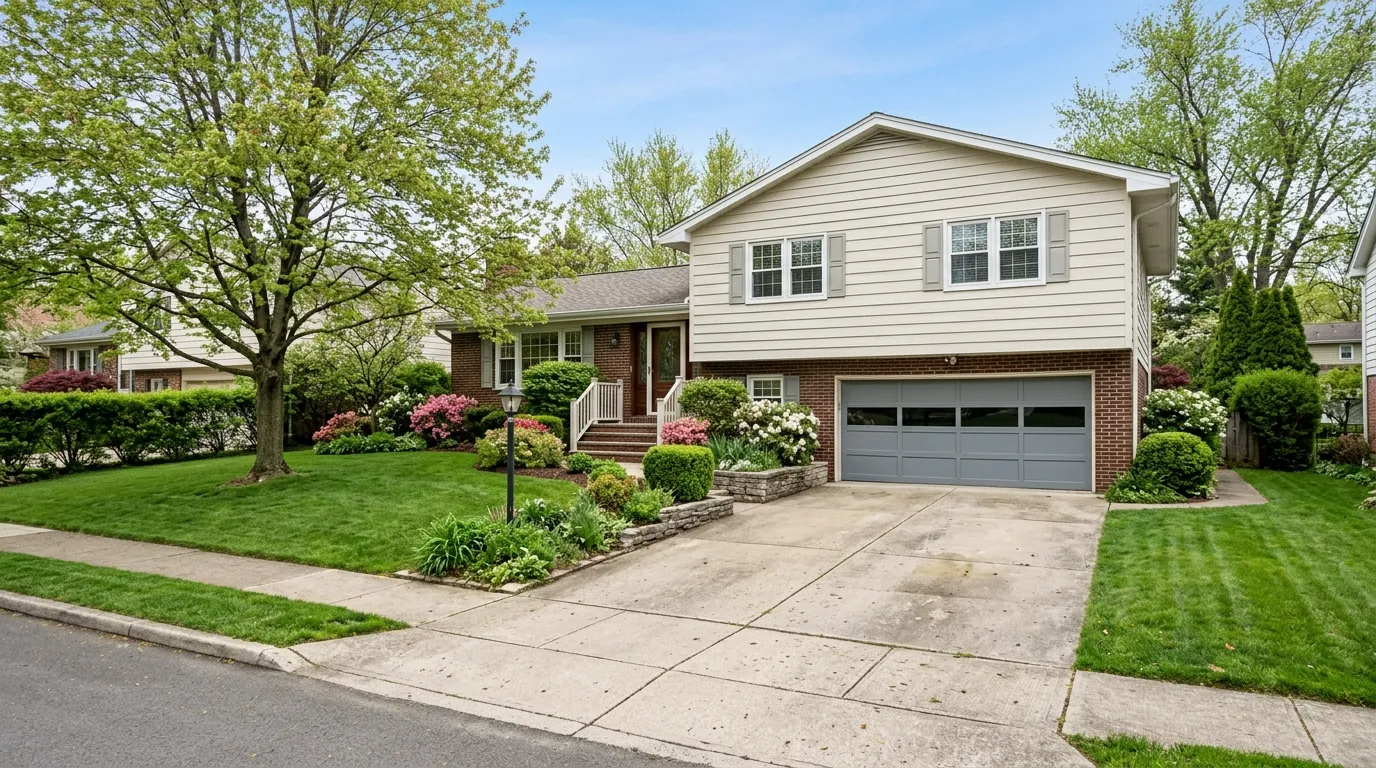
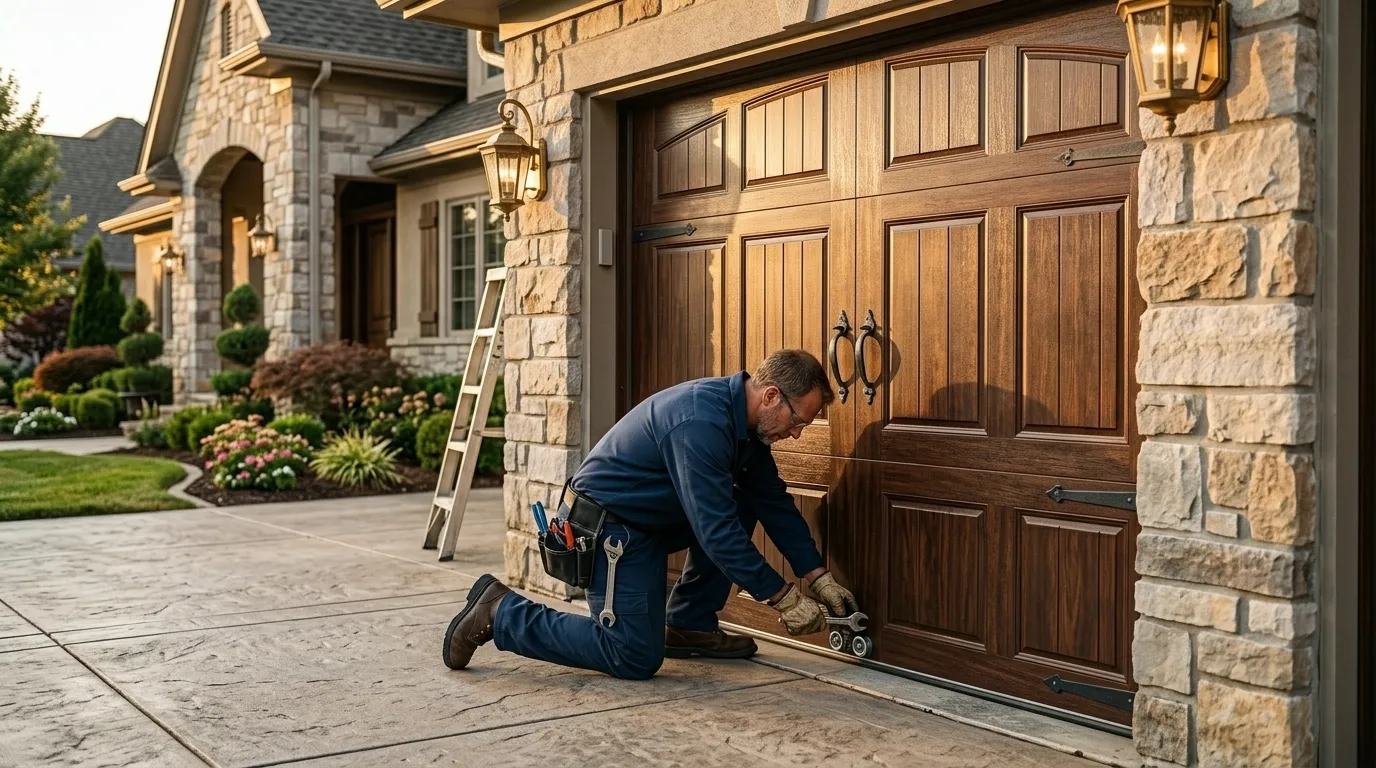
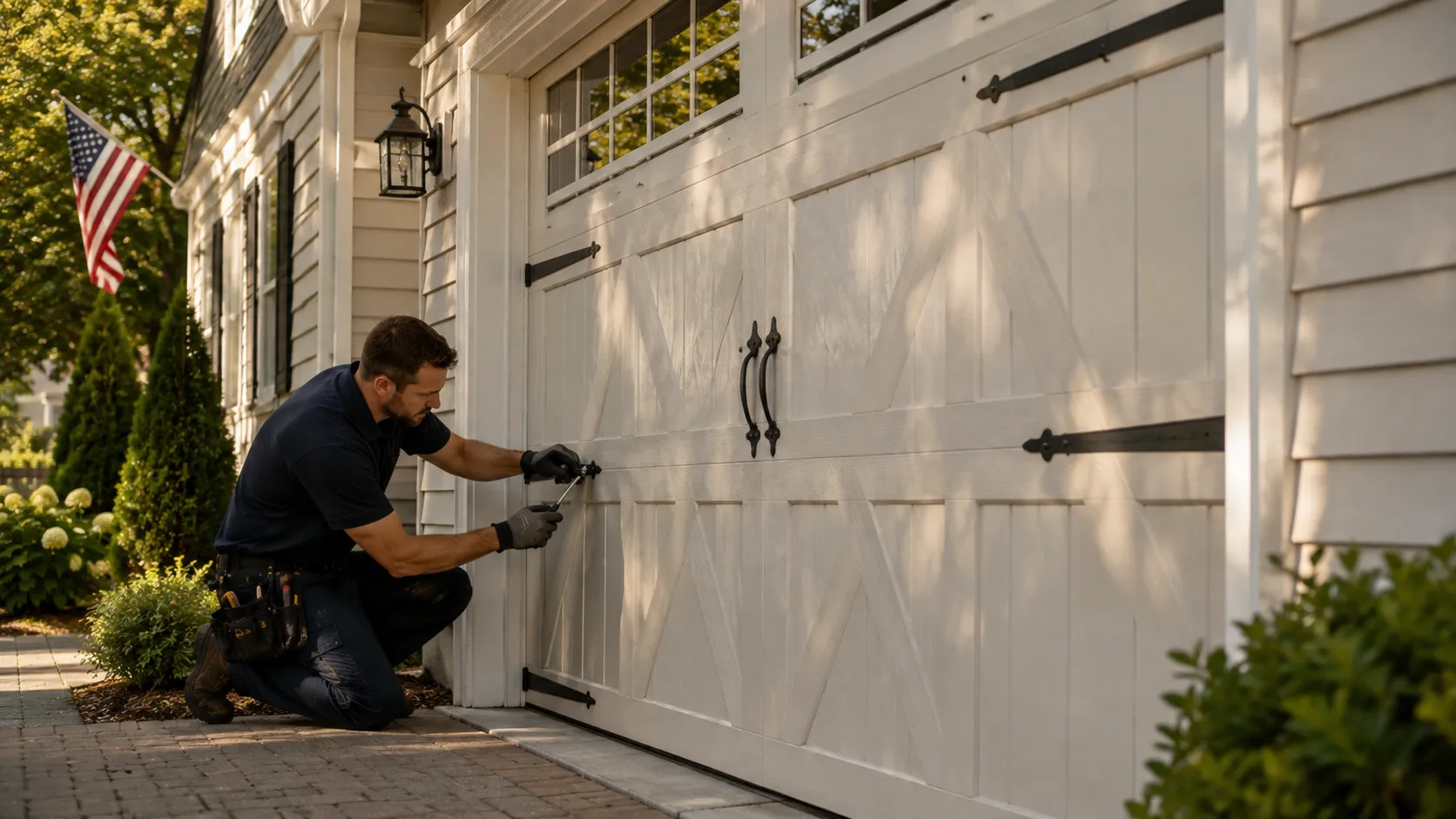
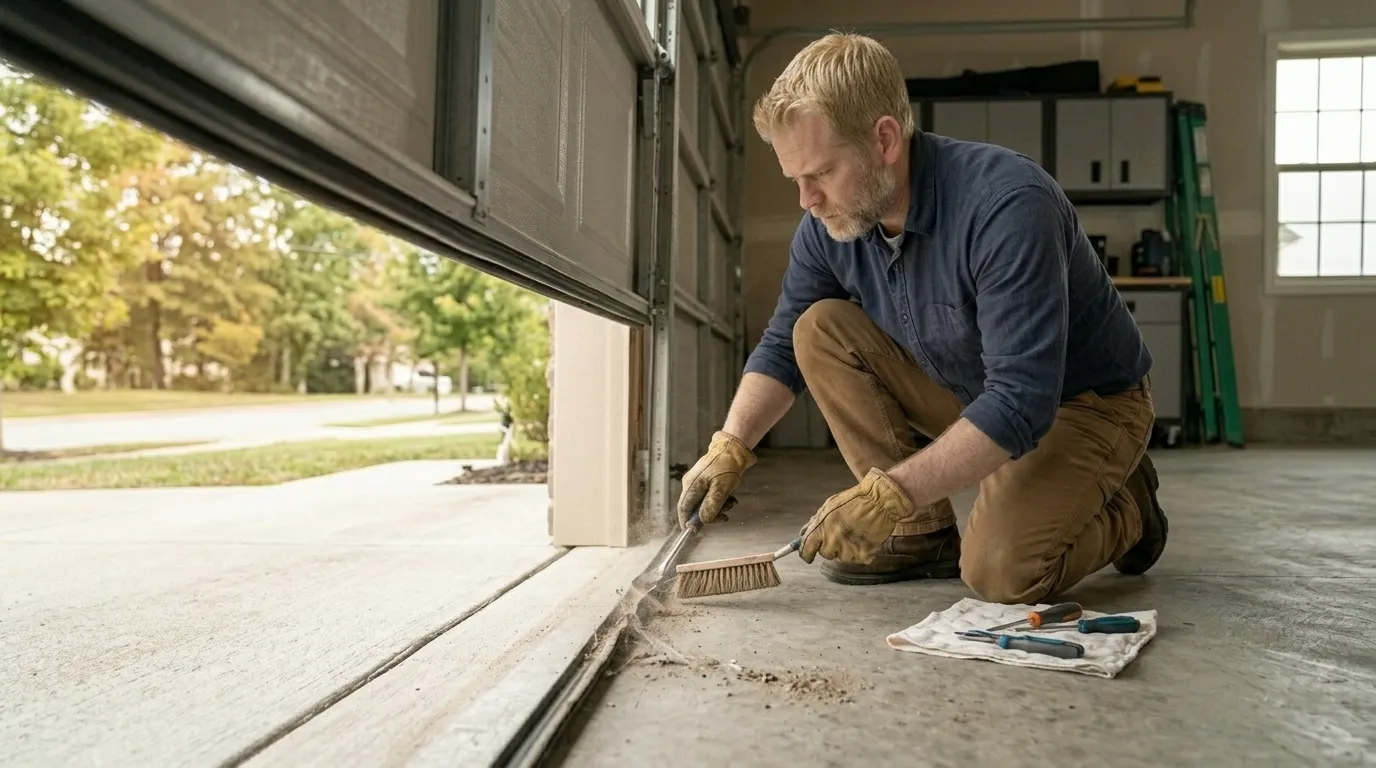
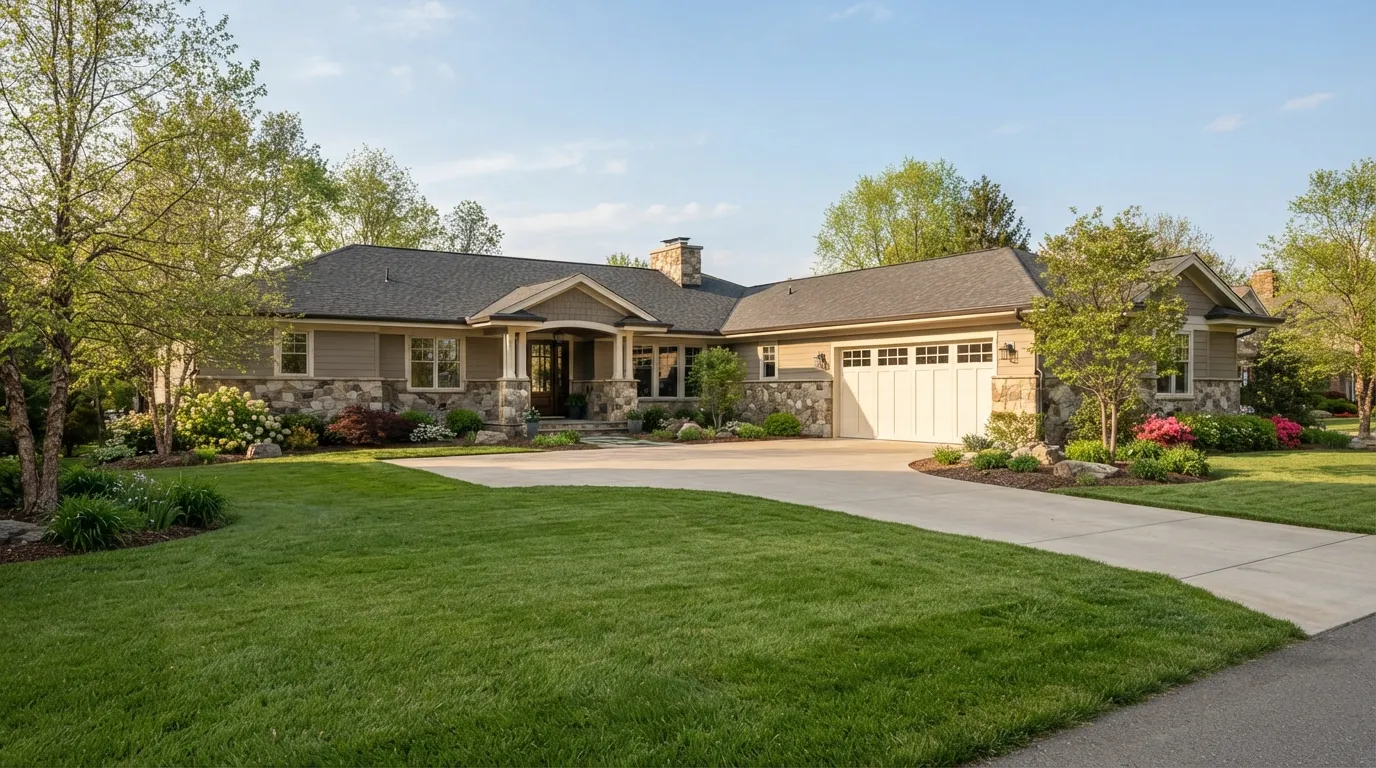
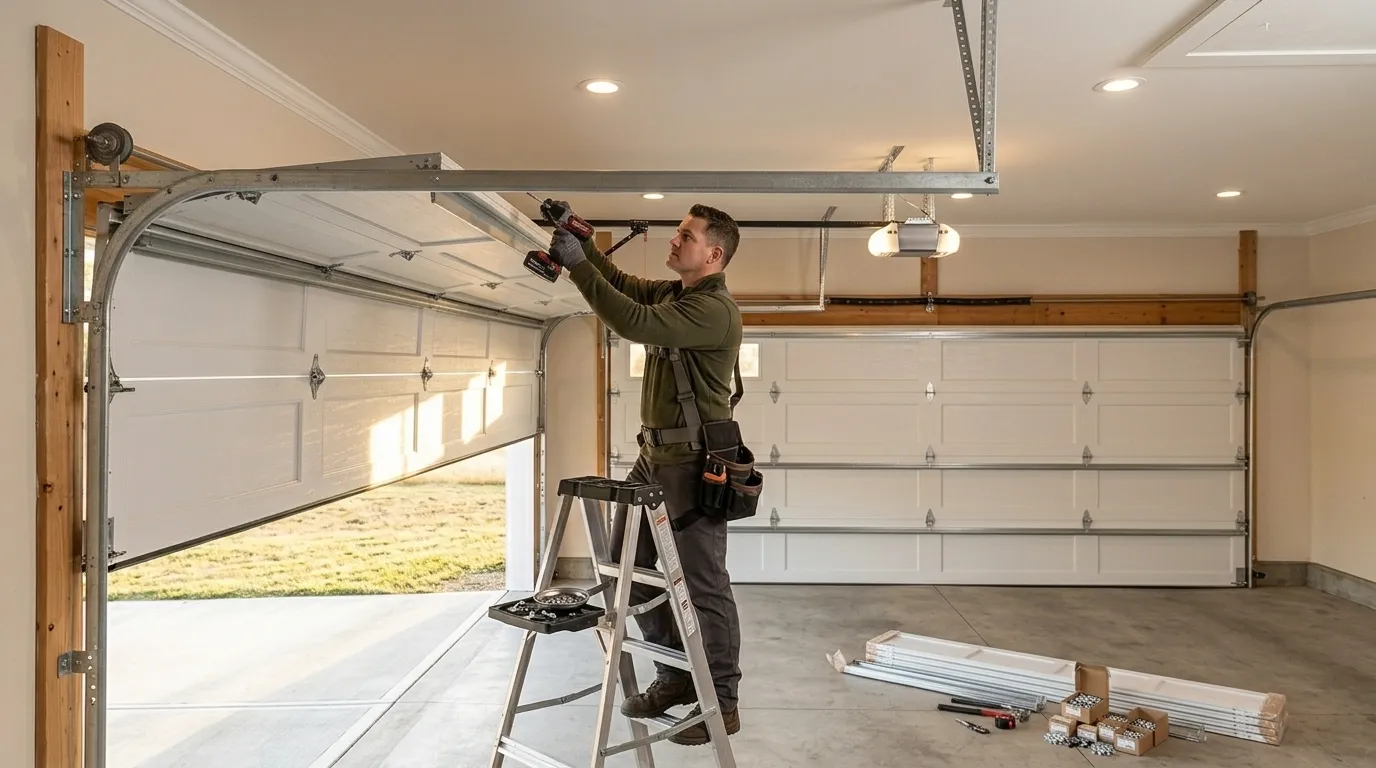
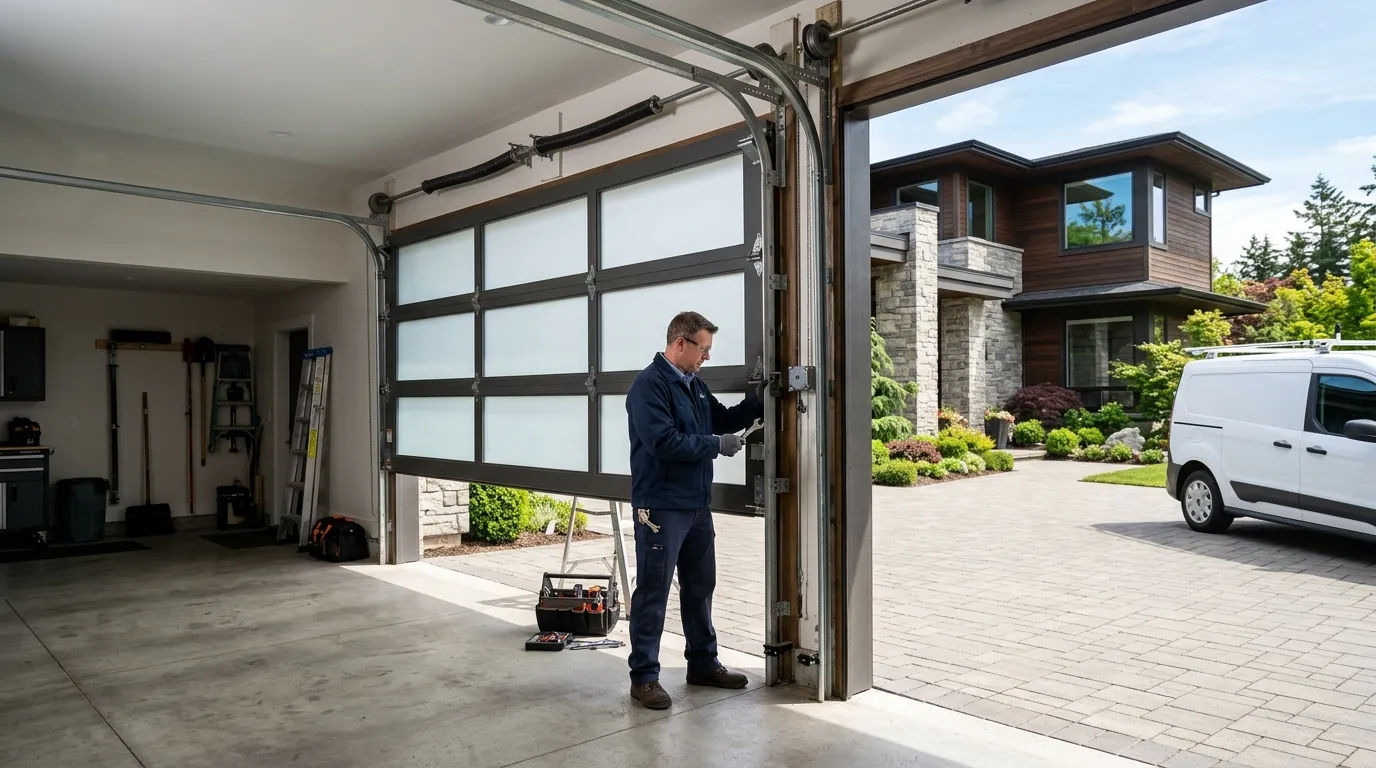
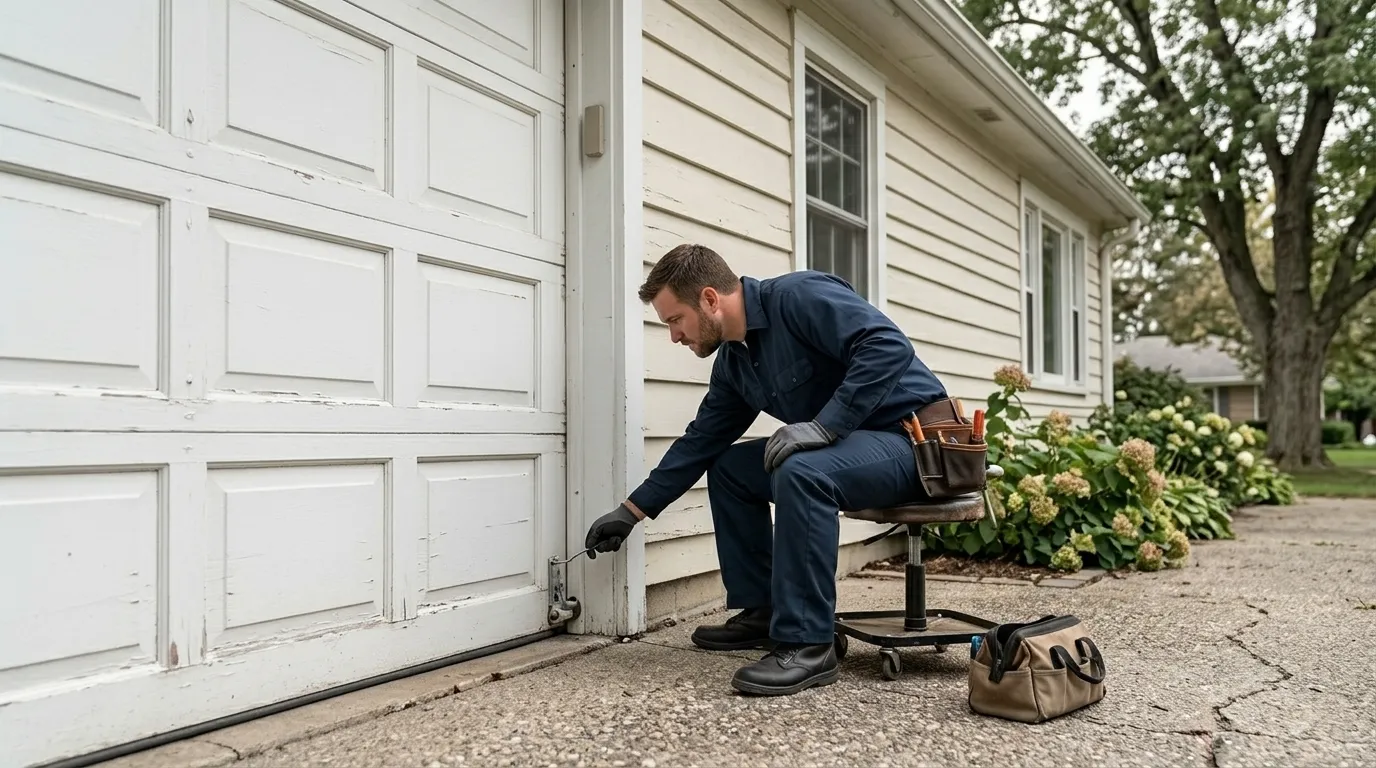
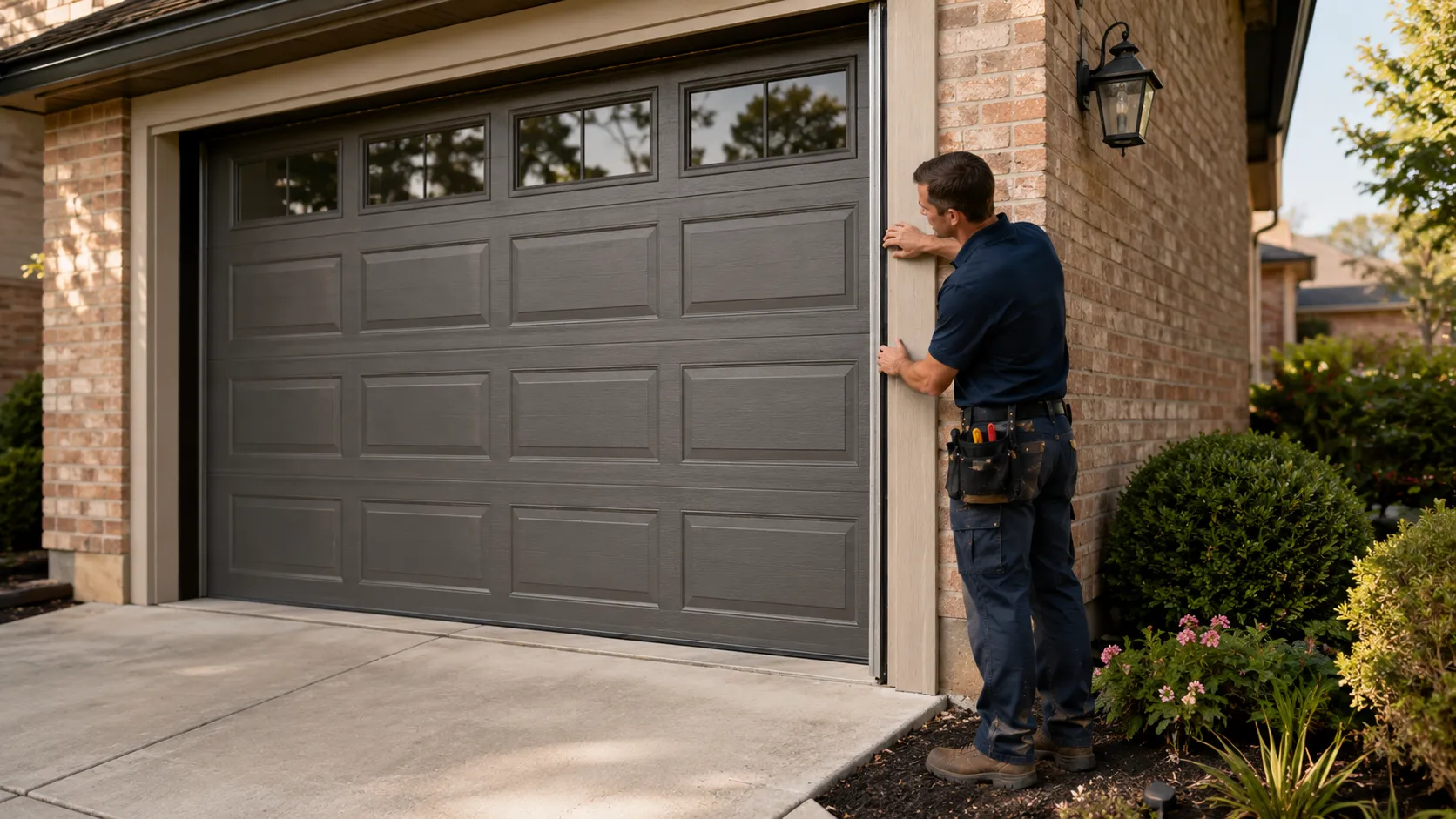
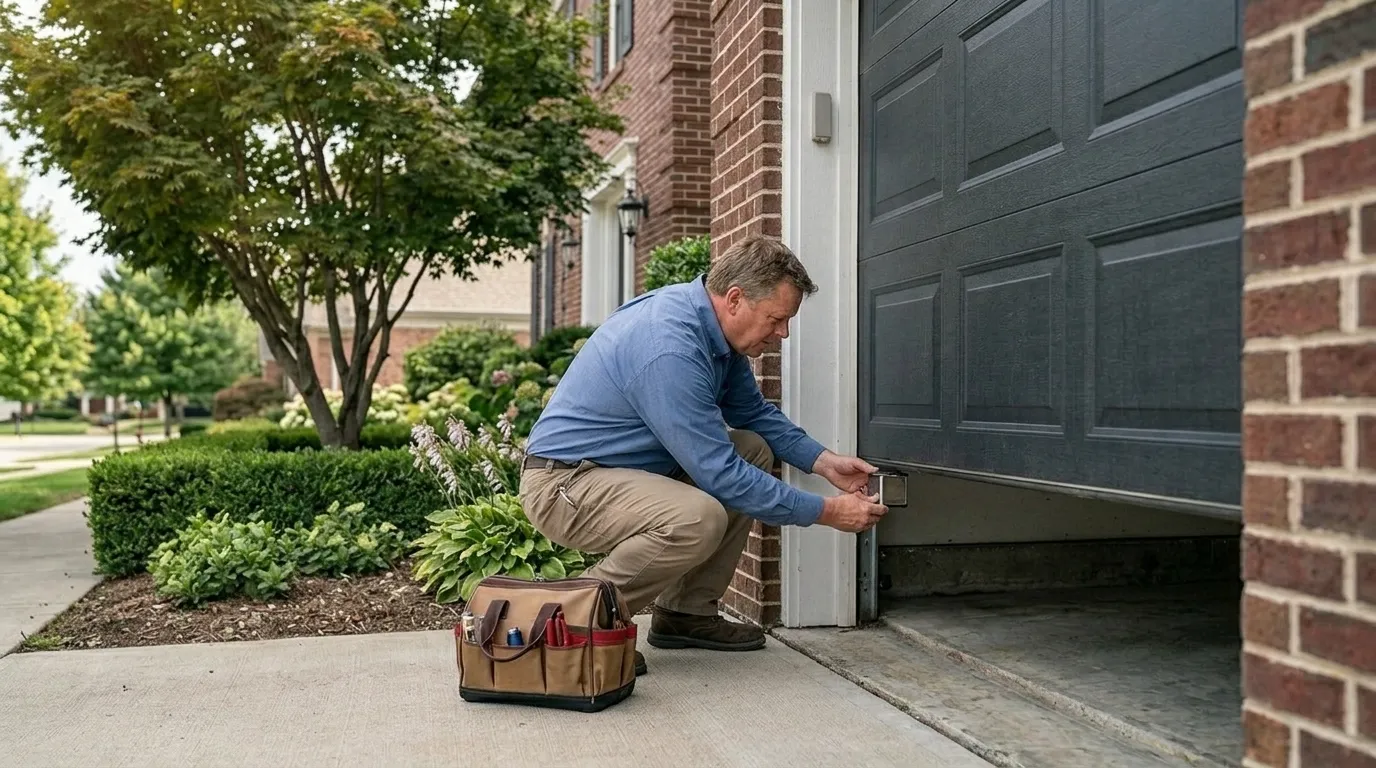
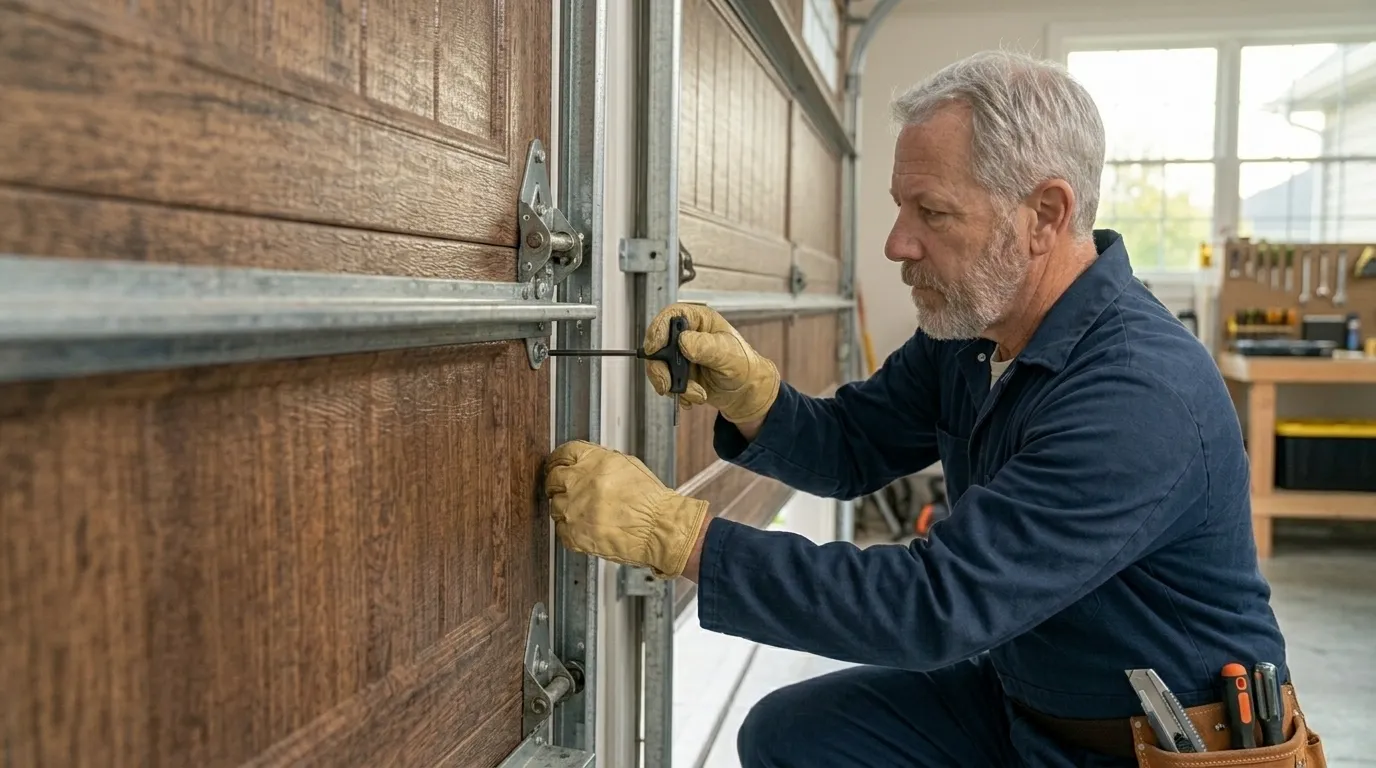
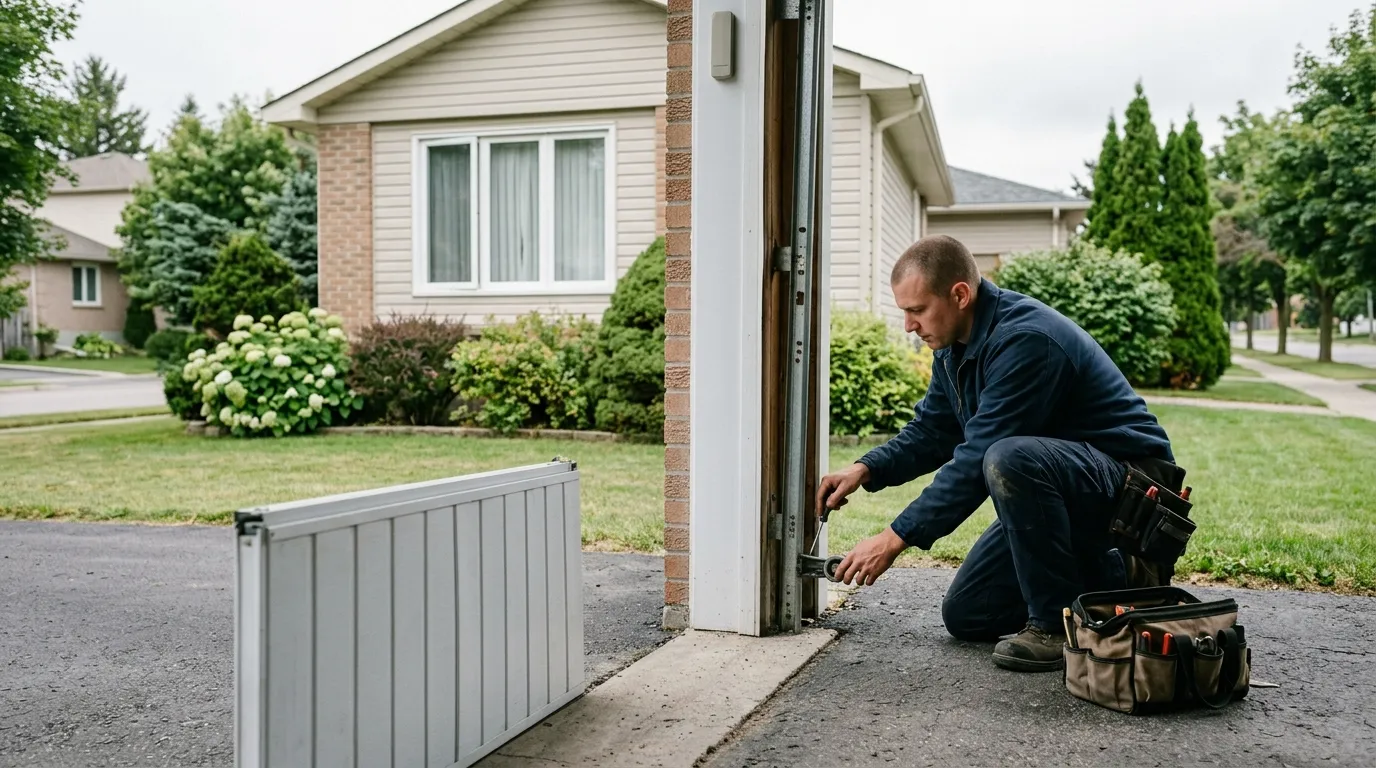
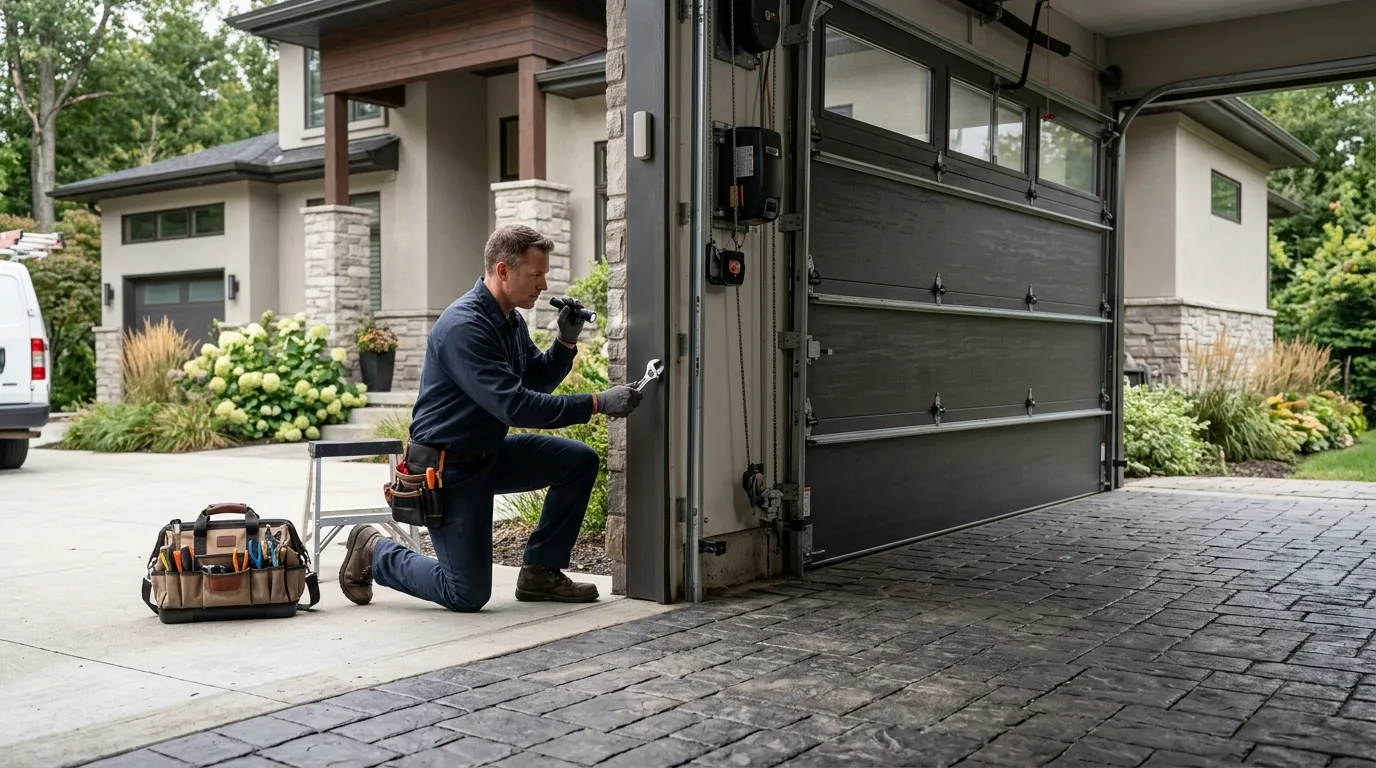
The call usually starts the same way: the door won't lift, or it lifts halfway and stops. On a lot of Parma houses that's a torsion spring that's given out, and it tends to happen on the coldest mornings of the year because cold steel is more brittle than warm steel. You'll also hear it as a loud bang from the garage overnight - that's the spring letting go on its own, not from anyone touching the door. Sometimes it shows up smaller: a door that shudders on one side going up, rollers that grind, or an opener that runs but the door barely moves. That's usually cable or roller wear on hardware that's been doing its job since the house was built. With most of the homes here going up between 1938 and 2004, and a lot of that concentrated in the 1960s and 70s, we see original torsion setups more often in Parma than in newer subdivisions elsewhere.
Why It Happens Here
Parma sits in a cold, severe winter climate band, and that matters more for garage doors than people expect. Steel torsion springs lose tension and become more likely to snap as temperatures drop, and that cycle repeats every winter for as long as the spring is in service. Combine that with a housing stock whose median build year is 1966, and you get a lot of doors running on 40-plus-year-old spring cycles that were never designed to last this long in the first place. It isn't that these houses were built badly - it's that garage door hardware has a duty-cycle life, and cold weather shortens it. A door that's fine in a mild climate on the same age of house will fail sooner here. That's the pattern across the 67 named areas in this part of the county: older stock, harder winters, more spring and cable calls per household than you'd see in a newer or milder market.
What Is on the Truck
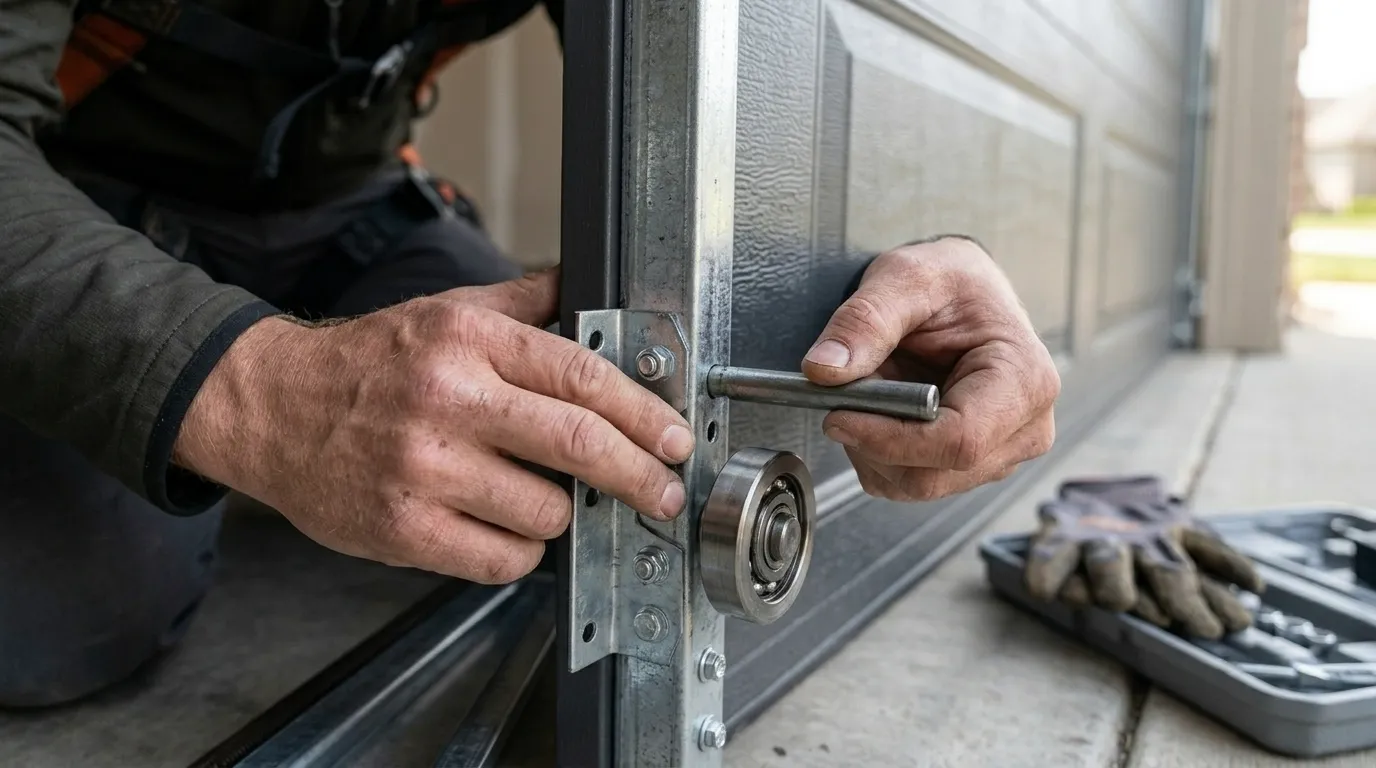
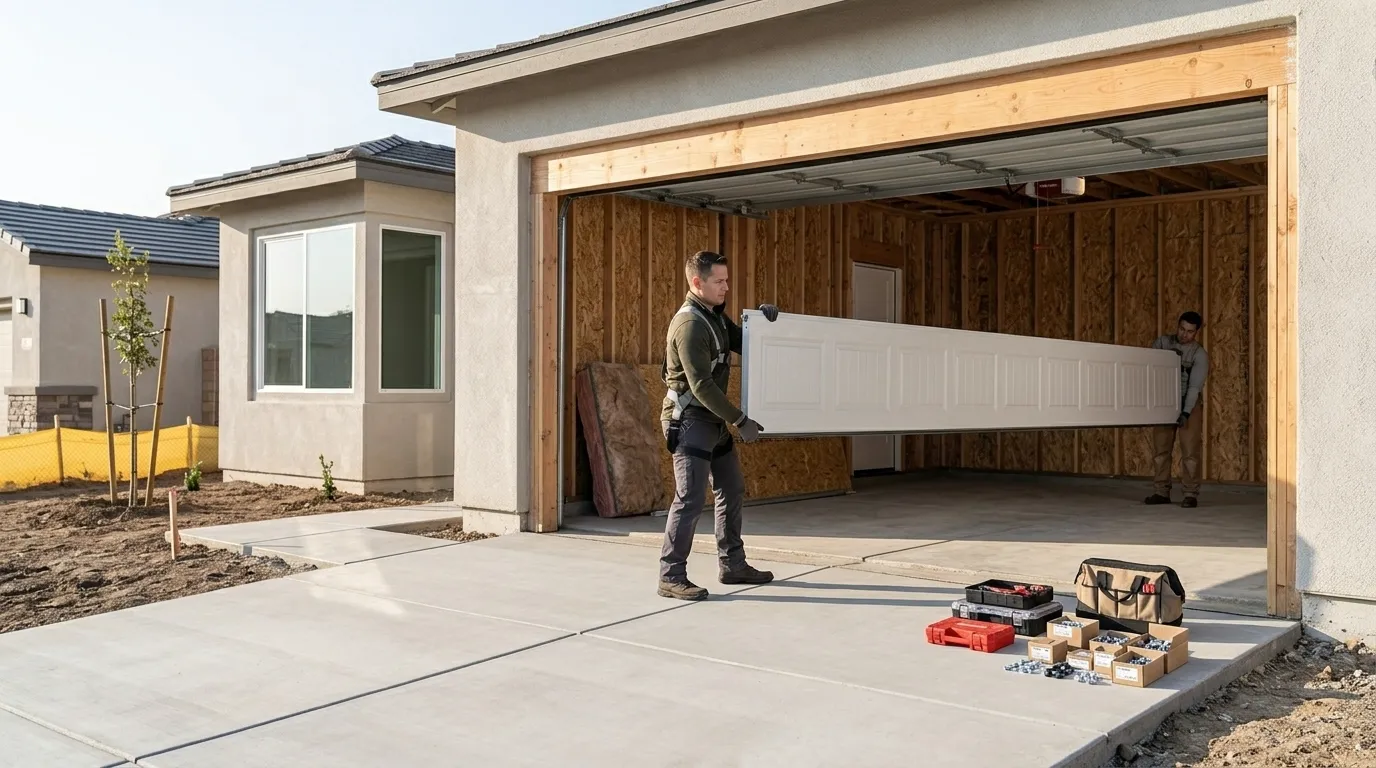
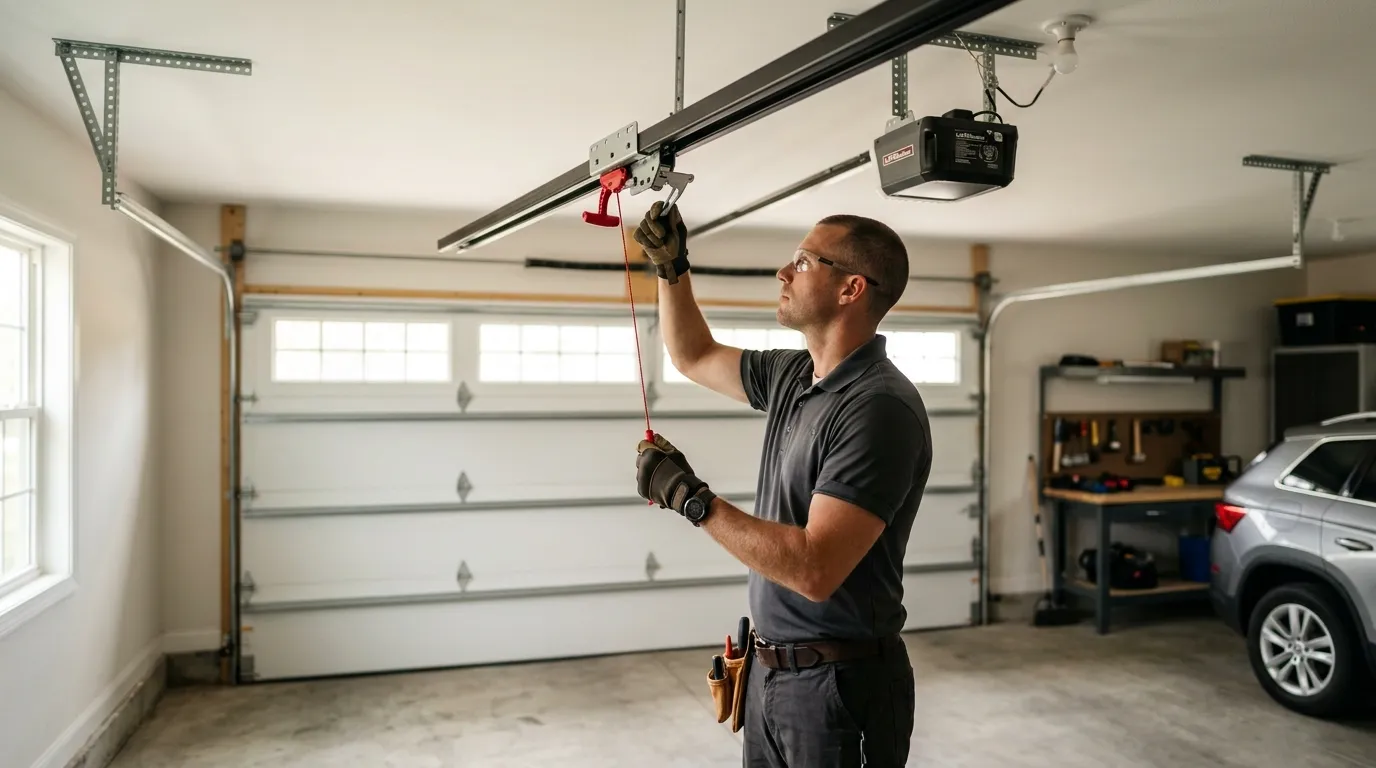
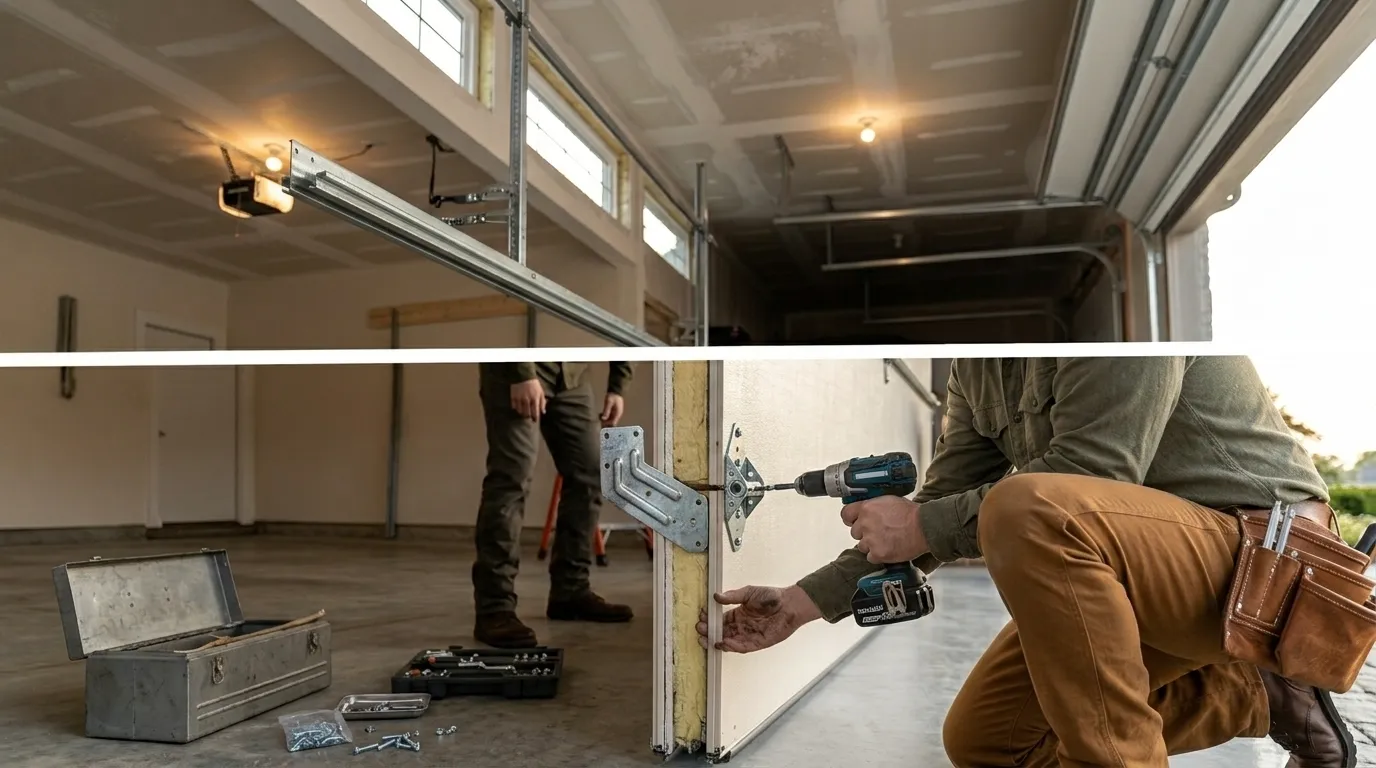
For the spring and cable failures common on Parma's older housing stock, the truck carries a working range of torsion spring sizes and wire gauges rather than one universal spring, because a 1960s door and a 1990s door on the same street often need different specs. We carry standard-gauge lift cables, drums, and rollers sized to fit the sectional door hardware most common in homes built in this era, plus the fasteners and end bearing plates that wear alongside them. What we don't carry as stock is obsolete hardware for pre-sectional, one-piece doors - those get sourced case by case, and we'll say so up front rather than hold you up on-site guessing. For households across the wider service area - median income here runs $95,313 across roughly 409,611 households, with about 205,438 of those being owner-occupied houses - the spring and cable work described here is the highest-volume call we run, winter through spring.