24/7 Emergency Service Open 7 days · 7am–8pm Serving Parma, OH & nearby
(216) 359-8164
Parma, OH

Garage Doors on Parma's Pre-Insulation-Code Housing Stock

Most Parma garages went up between 1938 and 2004, median 1966, before modern insulation codes. Here's what that means for your door in a cold, severe climate.

Garage Doors on Parma's Pre-Insulation-Code Housing Stock

The Situation

Parma's housing stock runs 1938 through 2004, with the median build year sitting at 1966. That's the fact that shapes almost every service call we run here. A door installed on a house built in the mid-1960s went in years before any insulation requirement touched garage construction. The original opening, the header, the jamb framing - none of it assumed a door needed to hold back cold air. It just needed to keep the car dry.

That matters because a huge share of the doors we look at in this city are either the original steel slab from that era, or a low-end replacement swapped in during the 1980s or 90s that matched the old opening but not much else. Neither was built with a thermal break, weep system, or bottom seal designed for a 30-below wind chill. You can hang a new door on that same frame today and still end up with the same drafts if you don't account for what the opening itself was never built to handle.

This isn't a Parma-specific defect - it's a Parma-specific age problem. Across the wider service area, most of the roughly 205,438 owner-occupied houses share this same era of construction, which is why this issue shows up on nearly every block, not just a few streets.

The Seasonal Bit

We're in a cold, severe climate band here, and that's not a marketing phrase - it's the number that decides what parts fail first. Steel contracts in deep cold. On a door with no thermal break, installed on a frame built before anyone worried about that, the panel itself pulls slightly at the seams every winter. Do that for fifty-plus years and you get warped panels, gaps at the astragal, and a bottom seal that never sat flush to begin with because the slab floor wasn't poured level for a sealed system.

Springs feel it too. Cold steel is stiffer and less forgiving, so a torsion spring that's already fatigued from decades of cycles is more likely to let go in January than in July. We see more snapped springs and off-track doors in the first hard cold spell of the season than at any other point in the year - not because people neglect their doors, but because a 1966-era setup was never asked to perform in this kind of cold with modern expectations of a tight seal.

If your door bangs, whistles, or lets in a visible draft along the bottom once the temperature drops, that's the age of the opening talking, not a fluke.

What Most People Get Wrong

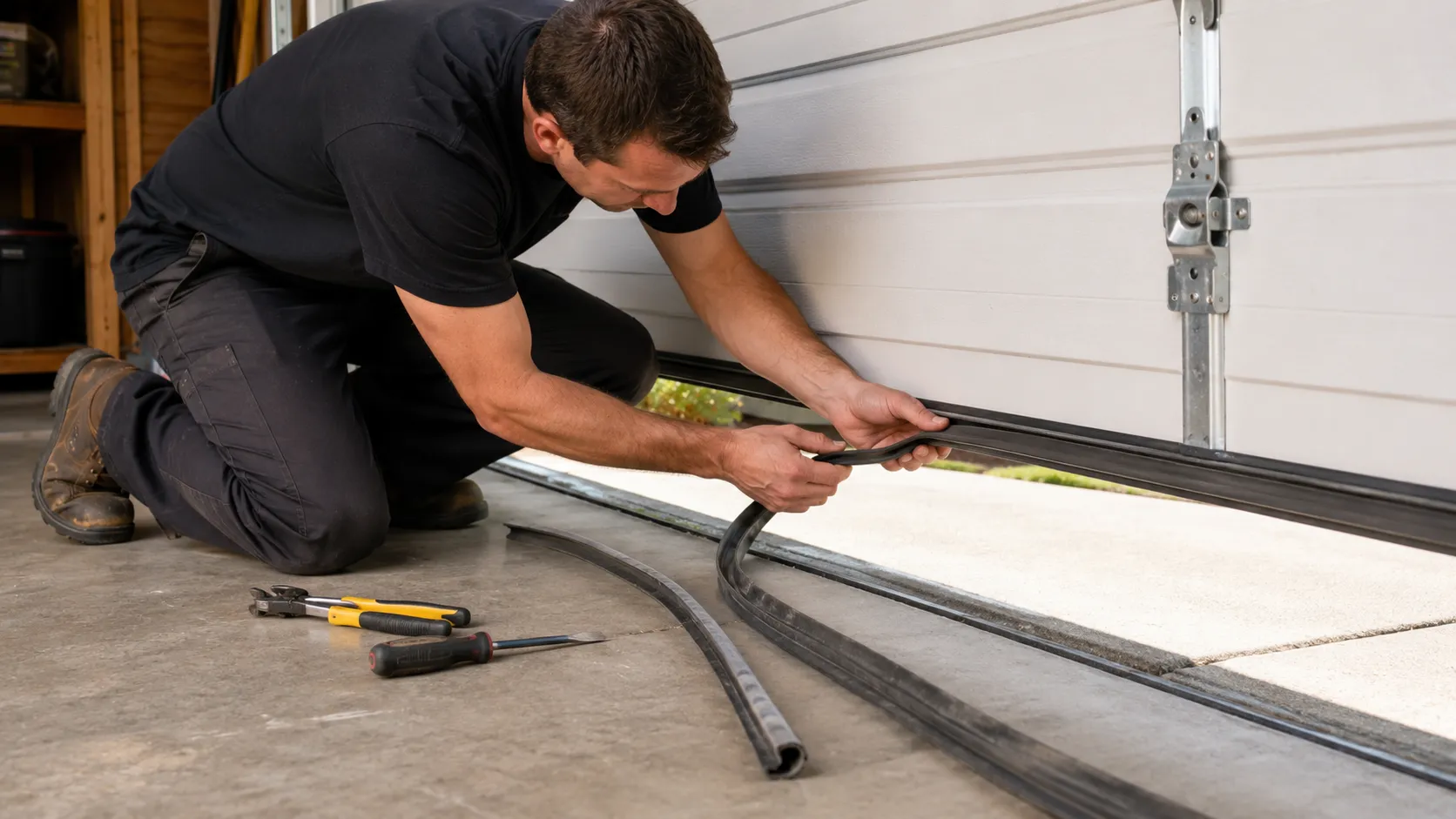
The most common mistake is buying an insulated door and assuming the insulation solves the problem. It helps the panel, but if the jamb, header, and stop molding are original to a house built decades before insulation rules existed, air still gets in around the edges of a brand-new door. We've replaced plenty of slabs on frames that needed weatherstripping and jamb work done at the same time, and skipping that step means paying for R-value you don't actually get.

The second mistake is treating an older opening like a modern one when it comes to size and squareness. Houses built across this stretch of decades - the 1960s and 70s especially - often have openings that settled slightly out of square over fifty-plus years. A new door ordered to factory spec without checking the actual opening can bind on the tracks or leave a gap that's worse than what you started with.

And sometimes the honest answer is that the frame itself needs attention before the door does. We won't sell a door onto rotted jamb wood just to hit a install date - that's a call we make on site, not from a price sheet.

What Local Conditions Do

Put the age of the housing stock and the cold climate together and you get a specific, recurring pattern here: doors that look fine in summer and fail in the first deep freeze. The steel doesn't crack from one bad day - it's the accumulated flex of fifty-plus winters on hardware and framing that predates any thermal standard.

This shows up the same way across the nearby areas that share Parma's building era - Parma Heights, Seven Hills, Brooklyn, and the rest of this pocket of Cuyahoga County largely went up in the same postwar decades. A household here with the median income for the area, around $95,313, is often better served putting money into a properly sealed, insulated door with attention to the jamb than into a cheaper slab that repeats the same draft problem in three years.

We don't push replacement on every call. If the panel's sound and it's really a weatherstrip and hardware fix, we'll say so. But when the frame and the door are both original to a house from this era, patching one part while ignoring the other rarely holds up past the next cold snap.
How it works

From “it’s stuck” to “it’s fixed”

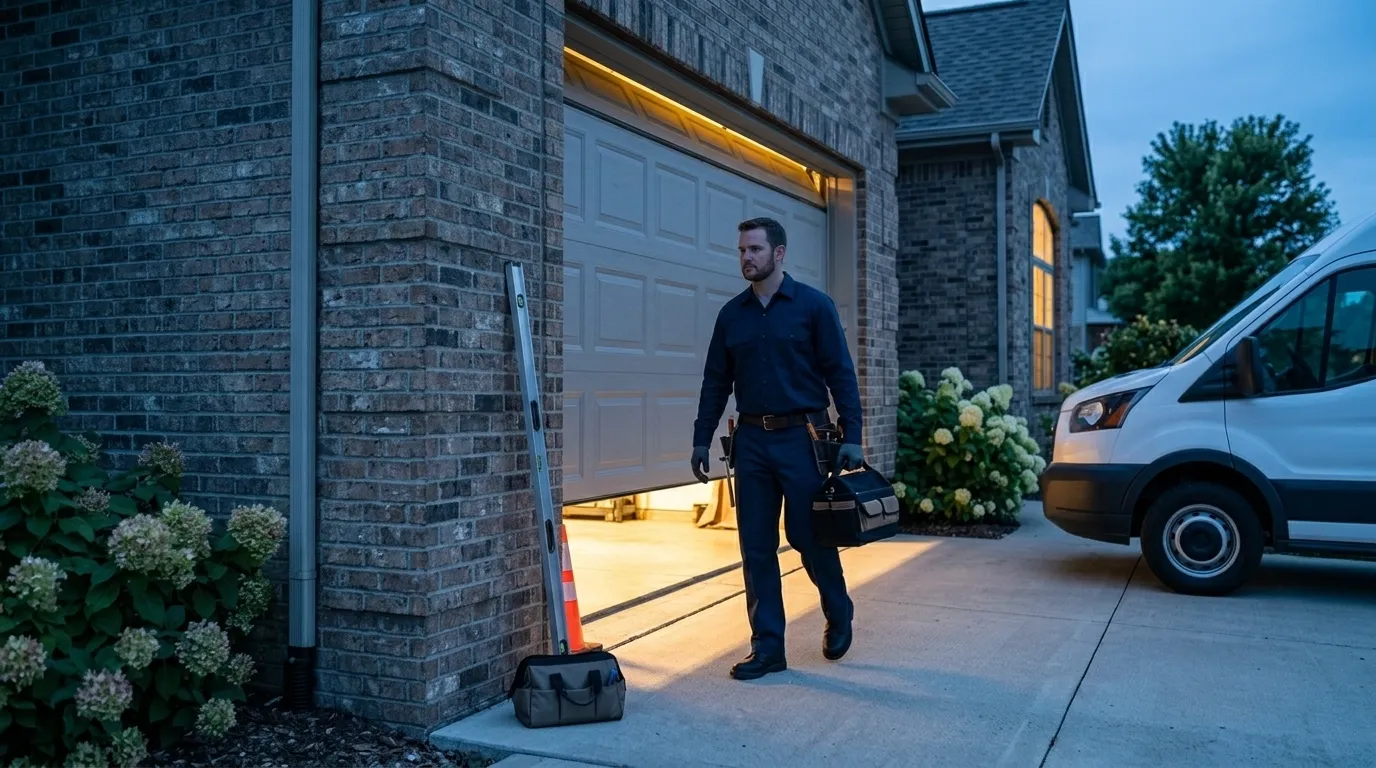
Tell us what’s wrong - Parma garage door service

Tell us what’s wrong

Describe the symptom - won’t open, loud bang, opener runs but the door won’t move.

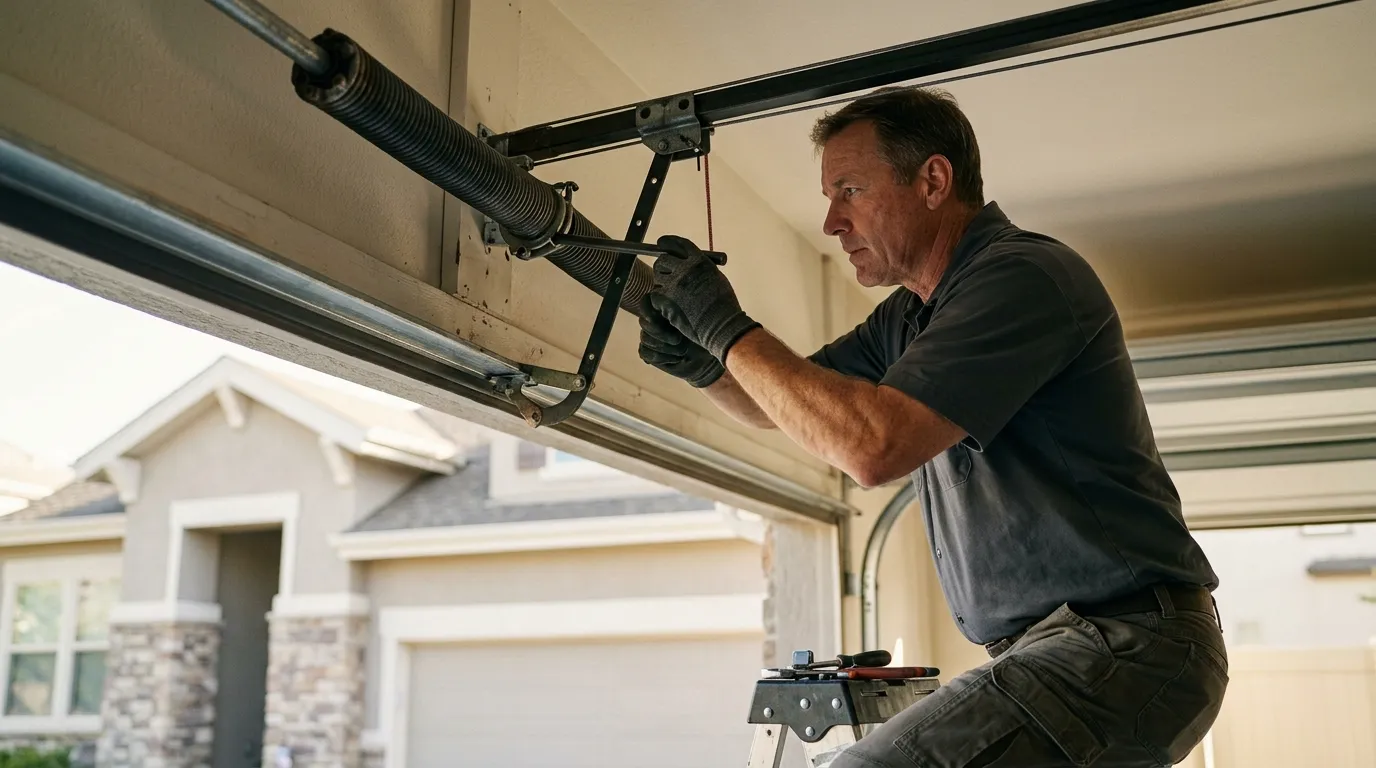
On-site diagnosis - Parma garage door service

On-site diagnosis

A technician tests the door under power and by hand and finds what actually failed.

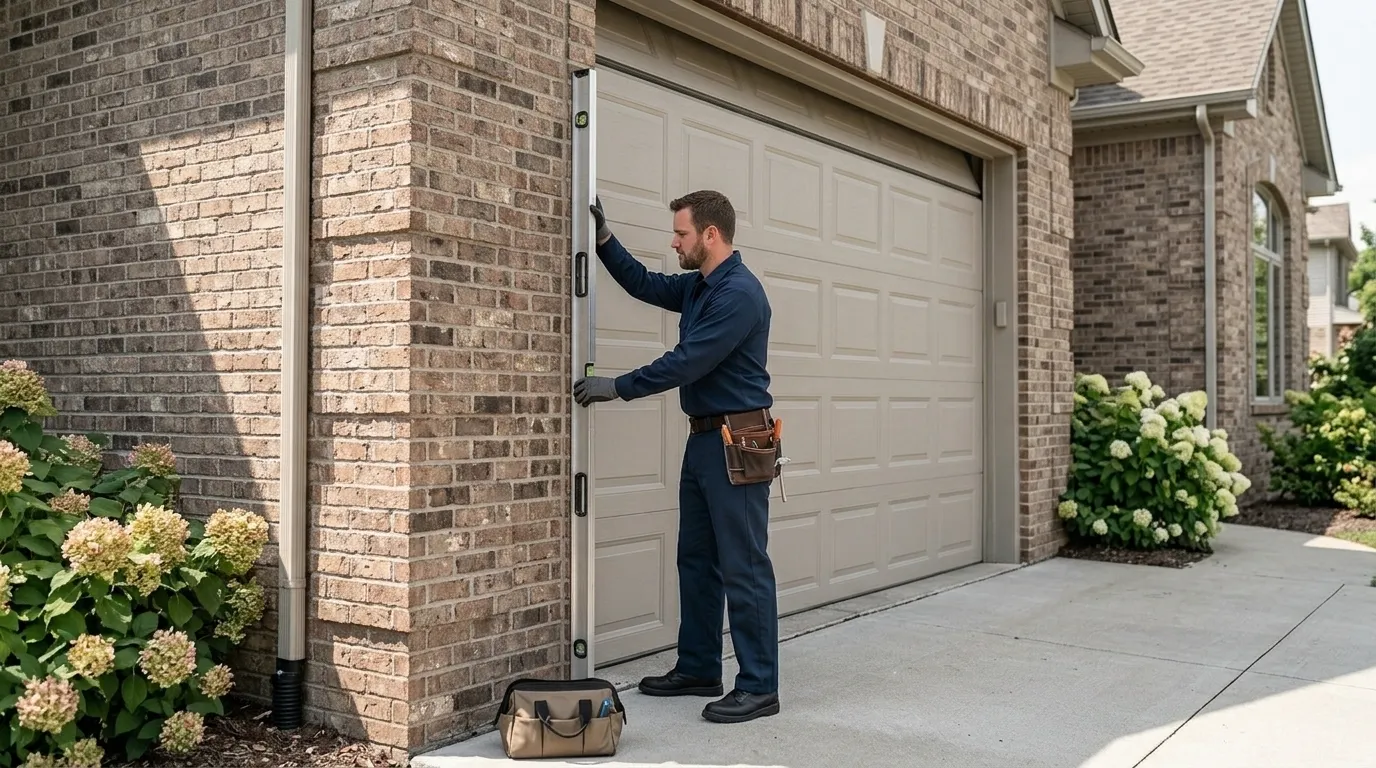
Clear, up-front plan - Parma garage door service

Clear, up-front plan

You get the fix that’s needed and what drives the cost - before any work starts.

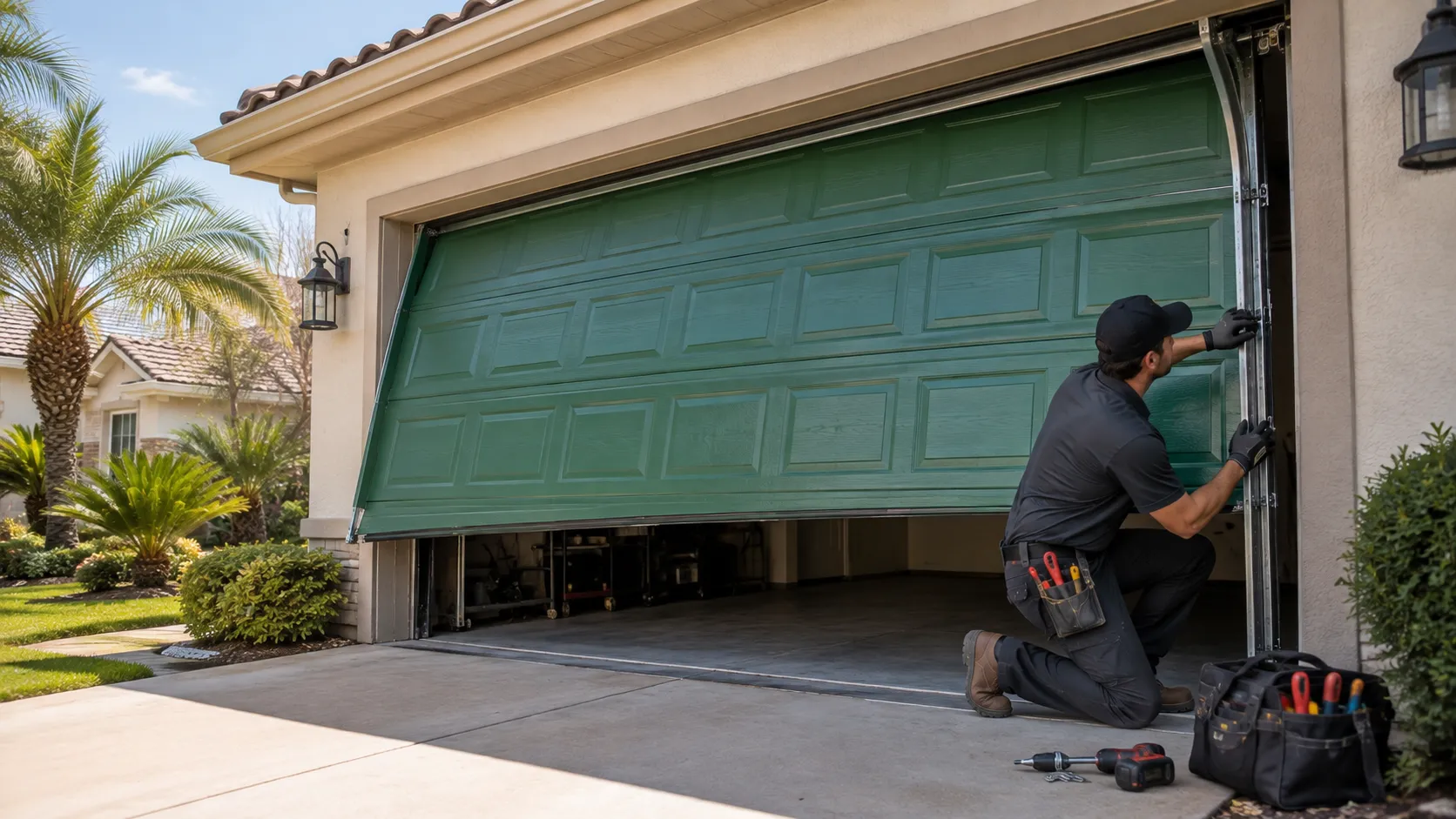
Repaired & tested - Parma garage door service

Repaired & tested

The repair is done, the door is set true and tested, and the work area left clean.

Serving Parma, OH - tell us what your door’s doing and we’ll take it from there.

70areas covered
How we work

What to expect

Diagnosis firstEvery visit starts by finding what actually failed - not a pre-written parts list.
The right part for the doorSprings and openers matched to the door’s weight and age, so the fix holds up.
Straight answersWhen a repair makes more sense than a replacement - or the reverse - you hear it plainly.
Clean, careful workTension released safely, hardware set true, the door tested under power before we leave.
Questions

Frequently asked

Straight answers about garage door repair in Parma. Still unsure? Ask us directly.

Why does my garage door leak cold air even though it's insulated?

If your house was built before modern insulation rules - common across Parma's 1938-2004 housing stock - the door opening itself, including the jamb and stop molding, was never designed for a sealed system. A new insulated panel on an old, uneven frame still leaks air around the edges. The fix usually needs frame work alongside the door.

Why do garage door springs fail more in winter here?

We're in a cold, severe climate band, and steel stiffens in deep cold. A torsion spring that's already fatigued from decades of cycles on an older door is more likely to snap during the first hard freeze than during warmer months. Age of the door plus winter cold is a common combination on service calls here.

Is it worth replacing an old door or just sealing it better?

Depends on the frame. If the jamb and header are sound and it's really a seal and hardware issue, sealing can be enough. If the opening has settled out of square after decades, or the panel is original from the 1960s-70s era, a new insulated door with corrected framing usually holds up better through winter.

Ready to get your garage door sorted?

Tell us what it’s doing and where you are in Parma - we’ll take it from there.

4Services offered
70Areas covered
Diagnosisfirst, then the fix
Request a QuoteCall