24/7 Emergency Service Open 7 days · 7am–8pm Serving Parma, OH & nearby
(216) 359-8164
Parma, OH

Cold-Weather Spring Failures in Parma's Older Housing Stock

Parma homes built between 1938 and 2004 still run original torsion springs. Severe cold snaps them fast. Here's what breaks first, and why, in Parma, Ohio.

Cold-Weather Spring Failures in Parma's Older Housing Stock

The Situation

Parma's housing stock runs from 1938 to 2004, with the median build landing around 1966. That puts a big share of doors in this town on hardware that's older than the owners who inherited it. Most of the area - and this holds across the 67 named neighborhoods that make up the wider service area - is built out in that 1960s and 70s wave, which means single torsion springs sized for the doors of that era, mounted on the same center brackets, still doing the lifting decades later.

Across the service area there are 205,438 owner-occupied houses out of 409,611 total households, and a lot of those owner-occupied houses still have the garage door that came with the build, or a close replacement that kept the original spring setup. Springs don't last forever regardless of what's holding them up, but a torsion spring installed in 1968 and never swapped is not a hypothetical here - it's the normal case.

That combination - an older, uninsulated garage on a house from the 60s or 70s, original spring hardware, and a Cleveland-area winter - is the actual situation, not a generalized 'doors get old' story. It's specific to what's sitting in driveways in Parma right now.

The Seasonal Bit

Parma sits in a climate band the federal data marks as cold and severe. That matters for one very physical reason: steel contracts when it's cold, and a torsion spring under tension is already stressed steel. Drop the temperature hard and fast, the way it does here, and a spring that had a little life left in it can snap instead of just wearing out gradually.

This isn't evenly distributed through the year. The failures cluster in the cold months, and they cluster hardest on the first real cold snap after a mild stretch, because the metal hasn't had time to adjust. If your door has felt heavier the last week or two, lifted unevenly, or made a bang you can't place, that's the spring losing its fight with the cold before it loses it completely.

We don't get a say in when this happens. What we can say is that on a house built in the median 1966 range, an original or long-serving spring, and a hard cold front, the odds of a snap go up together. It's not bad luck lining up - it's three known factors doing what they do.

What Most People Get Wrong

The most common mistake is treating a slow, heavy door as a lubrication problem. Oil on the track helps a rusty roller. It does nothing for a spring that's lost tension, and it won't stop the eventual snap. If your door has gotten noticeably heavier to lift by hand over the last month, that's the spring talking, not the hardware.

The second mistake, and the dangerous one, is trying to force a door up after a spring has already gone. On a house from this era, a lot of these are single-spring systems on double doors - springs sized for the doors and openers common in the 60s and 70s. When that spring breaks, the opener is doing all the lifting alone, and forcing the door by hand or hitting the opener button repeatedly usually just strips the opener gear or bends the track.

The third mistake is assuming age alone explains the failure and skipping a look at what's around the spring - the bearing plates, the cable, the drum. On a door built or last serviced decades ago, a spring rarely fails in isolation. We'll say plainly: if the springs, cables, and bearings all date to the original install, replacing just the spring is often a short-term fix, not a real one.

What Local Conditions Do

An unheated garage attached to a house built in the 1960s or 70s wasn't built to today's insulation standards, and most in this area still aren't retrofitted for it. That means the garage tracks the outdoor cold closely, springs and all, with nothing buffering the swing the way a heated space would.

Over decades, that repeated cold-to-mild cycling does two things: it fatigues the spring metal faster than a mild climate would, and it corrodes exposed hardware on doors that were never galvanized to a modern standard. Combine a spring that's fatigued with brackets that have rusted slightly loose, and a hard freeze is often what finally tips it over.

This is also why timing matters more here than in a milder climate. A spring that's marginal in October can hold until the first real cold snap and go all at once. We can't predict the exact day, but the pattern - older stock, severe cold, original hardware - is consistent enough that a spring inspection before the deep cold sets in is worth more here than in most places.

How it works

From “it’s stuck” to “it’s fixed”

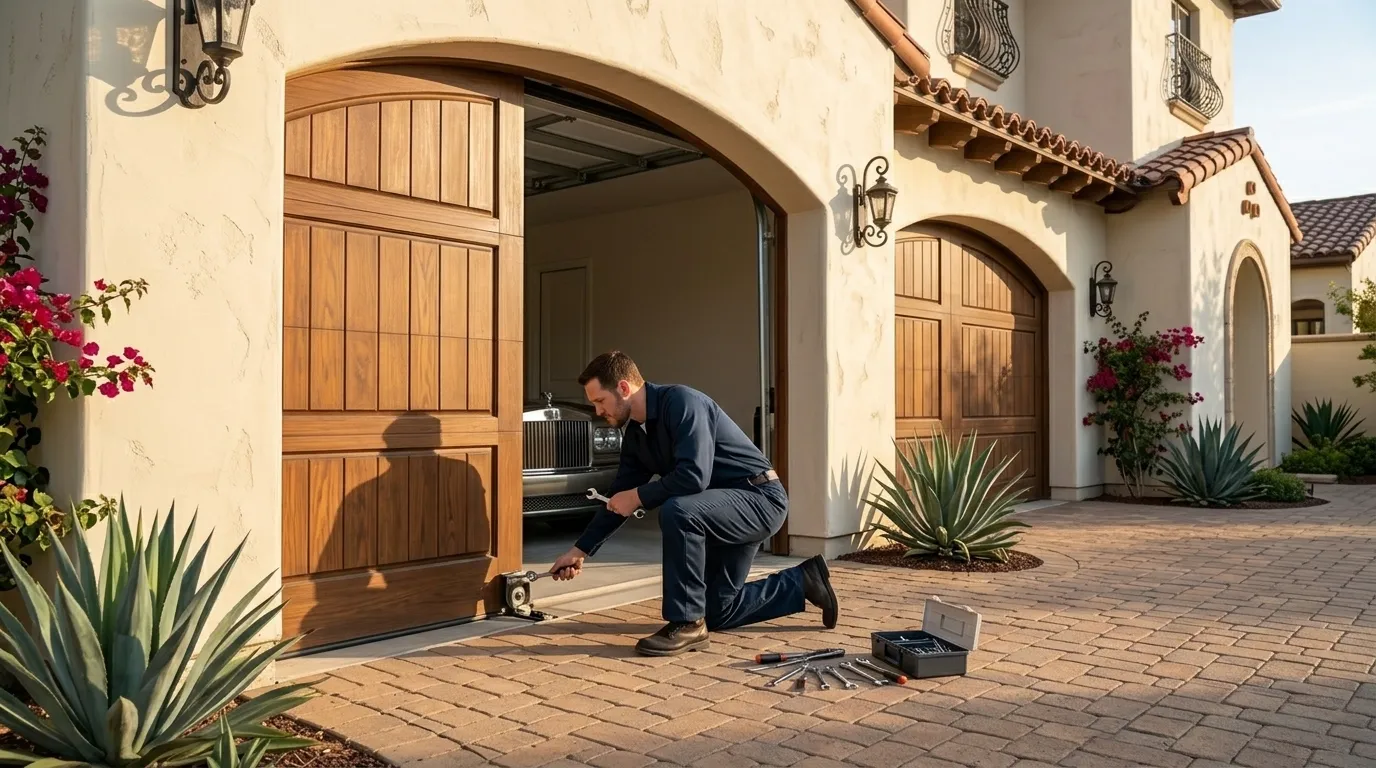
Tell us what’s wrong - Parma garage door service

Tell us what’s wrong

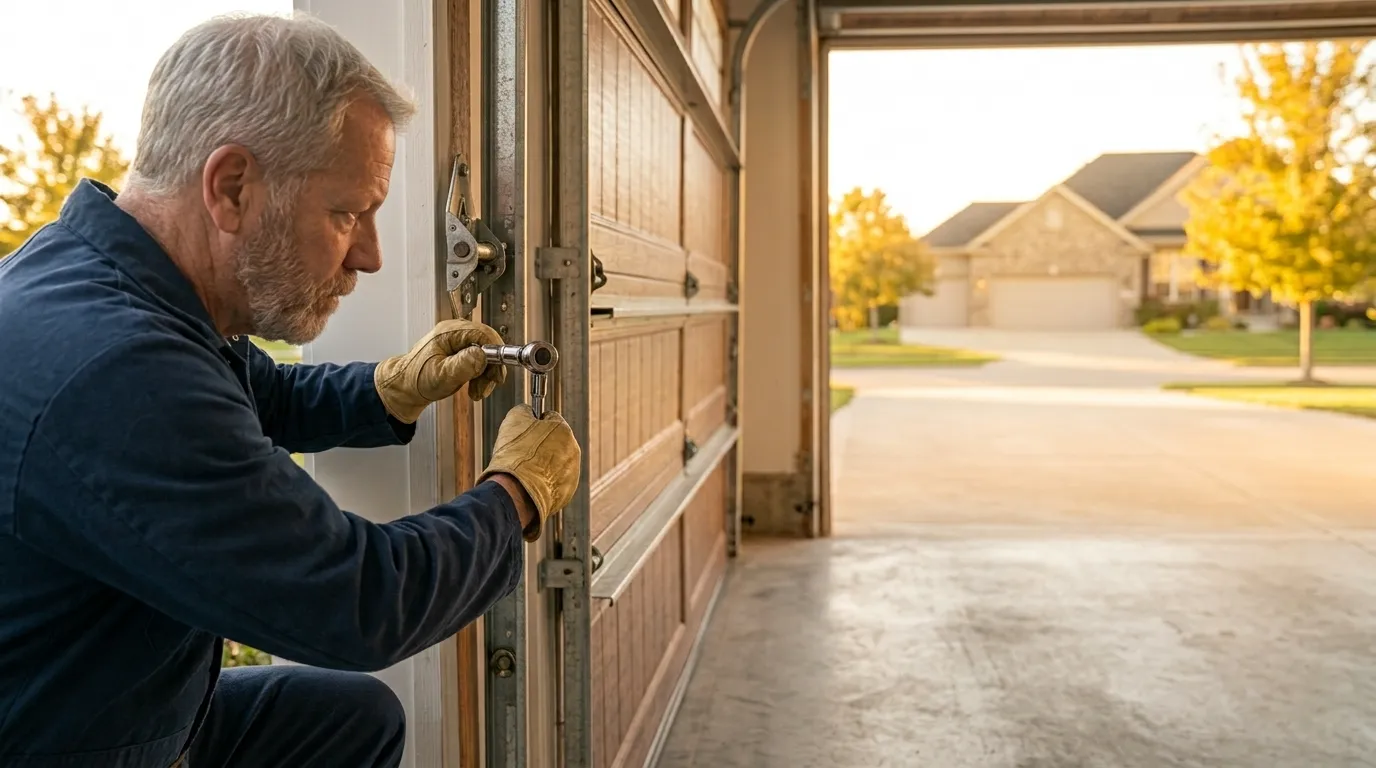
Describe the symptom - won’t open, loud bang, opener runs but the door won’t move.

On-site diagnosis - Parma garage door service

On-site diagnosis

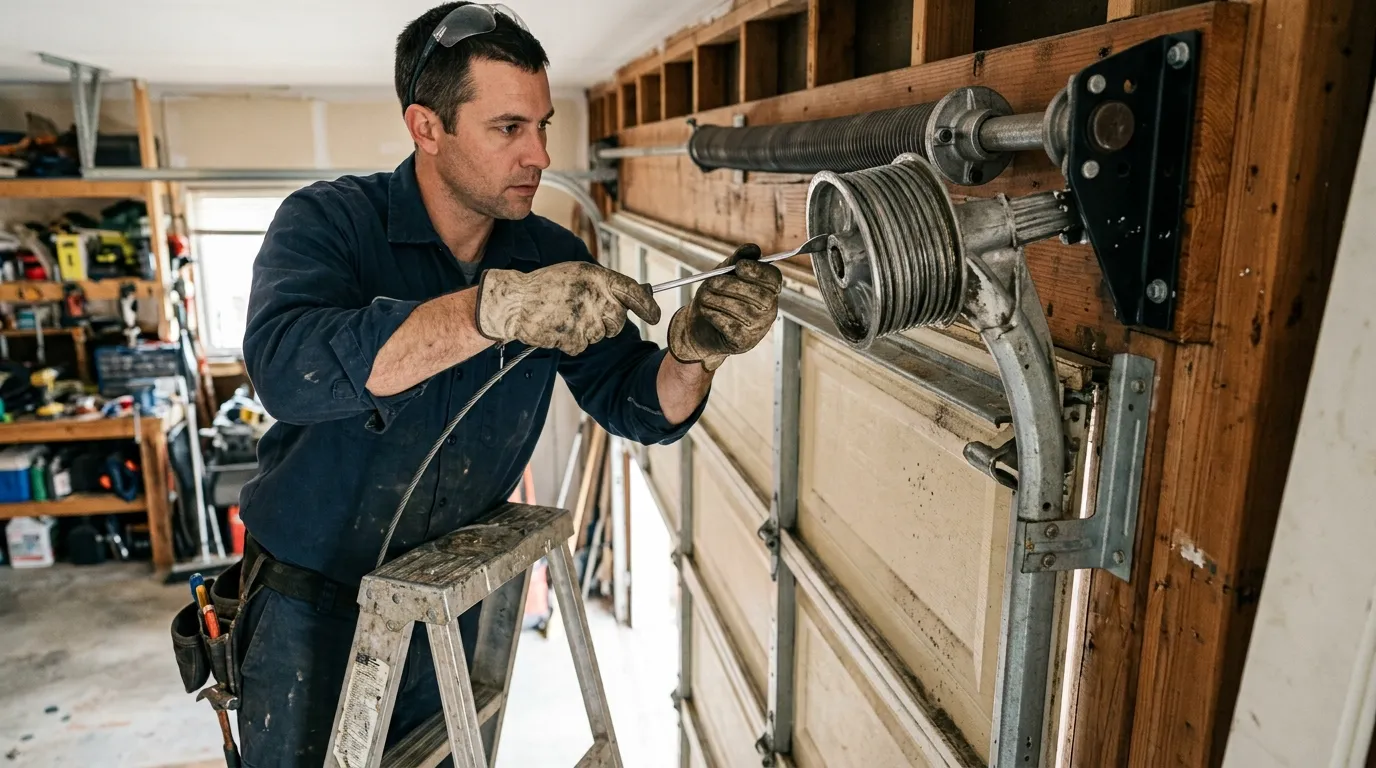
A technician tests the door under power and by hand and finds what actually failed.

Clear, up-front plan - Parma garage door service

Clear, up-front plan

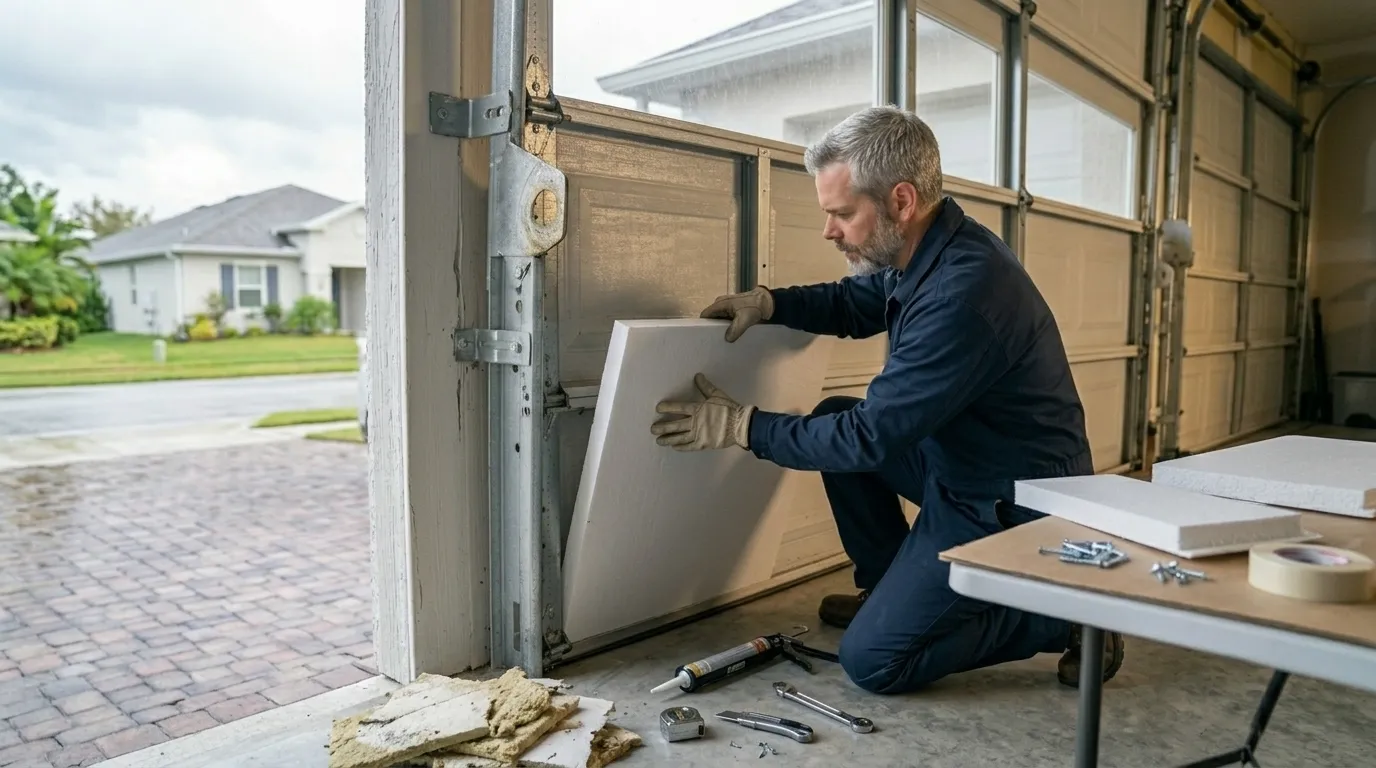
You get the fix that’s needed and what drives the cost - before any work starts.

Repaired & tested - Parma garage door service

Repaired & tested

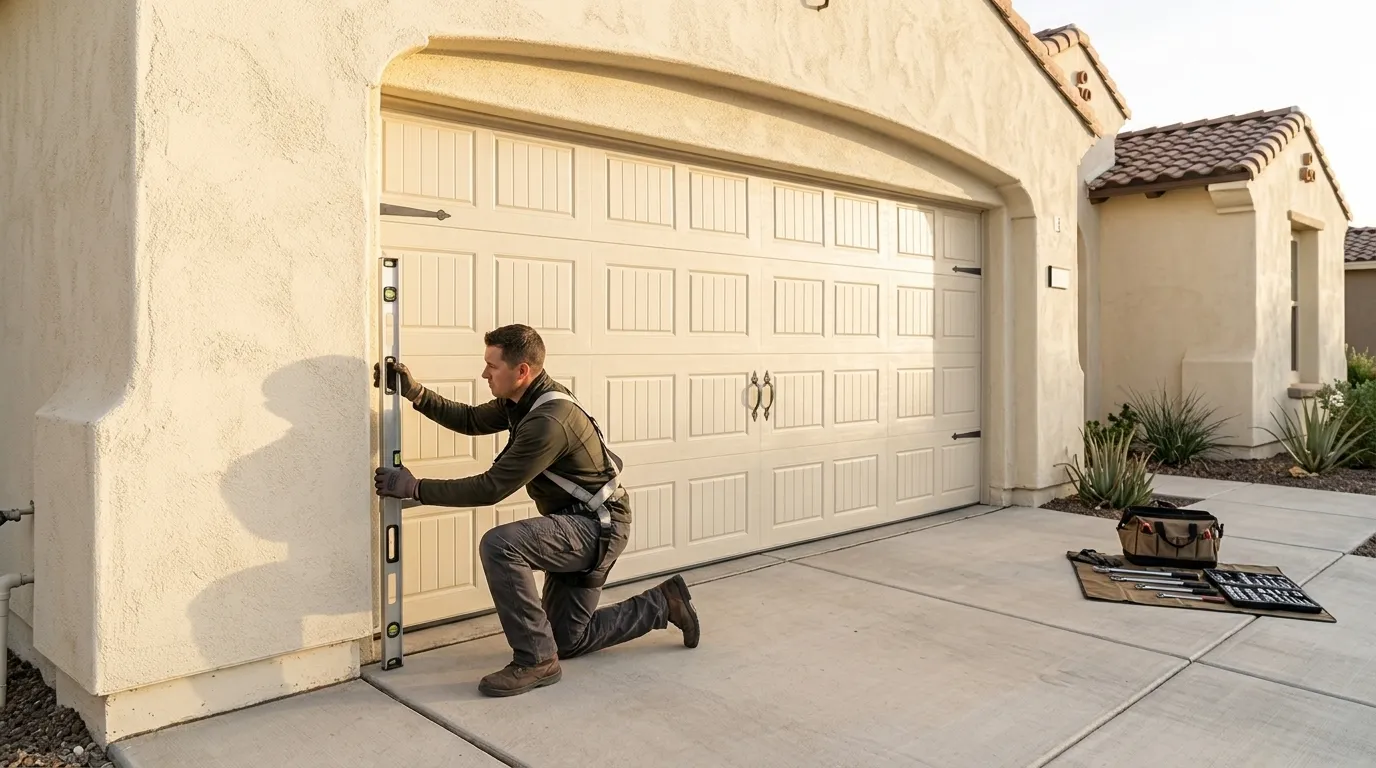
The repair is done, the door is set true and tested, and the work area left clean.

Serving Parma, OH - tell us what your door’s doing and we’ll take it from there.

70areas covered
How we work

What to expect

Diagnosis firstEvery visit starts by finding what actually failed - not a pre-written parts list.
The right part for the doorSprings and openers matched to the door’s weight and age, so the fix holds up.
Straight answersWhen a repair makes more sense than a replacement - or the reverse - you hear it plainly.
Clean, careful workTension released safely, hardware set true, the door tested under power before we leave.
Questions

Frequently asked

Straight answers about garage door repair in Parma. Still unsure? Ask us directly.

Why do springs seem to break more in the cold?

Steel loses a bit of flexibility as it cools, and a torsion spring is already under constant tension. A spring nearing the end of its life that might have limped along in mild weather can snap outright once a hard cold front hits, especially on the older hardware common in houses built in the 1960s and 70s across this area.

My house was built in the 1960s - is the spring original?

It's possible. A lot of the housing stock in this area dates to that window, and original torsion springs on unmodified doors from that era aren't unusual. If yours has never been replaced, it's carrying more decades of stress-cycling than a spring installed even ten years ago.

Can I just replace the spring and leave everything else?

Sometimes, but on an older door we'd want to look at the cables, bearing plates, and drums too, since they usually age at the same rate. Replacing only the spring on a setup where everything else is original often means a second call within a year or two.

Is it ever not worth fixing the spring?

On a door that's already sagging, has a bent track, or is old enough that parts are hard to match, sometimes a full door replacement makes more sense than repeated spring repairs. We'll tell you honestly if that's where your door is at rather than patch it repeatedly.

Ready to get your garage door sorted?

Tell us what it’s doing and where you are in Parma - we’ll take it from there.

4Services offered
70Areas covered
Diagnosisfirst, then the fix
Request a QuoteCall