The Situation
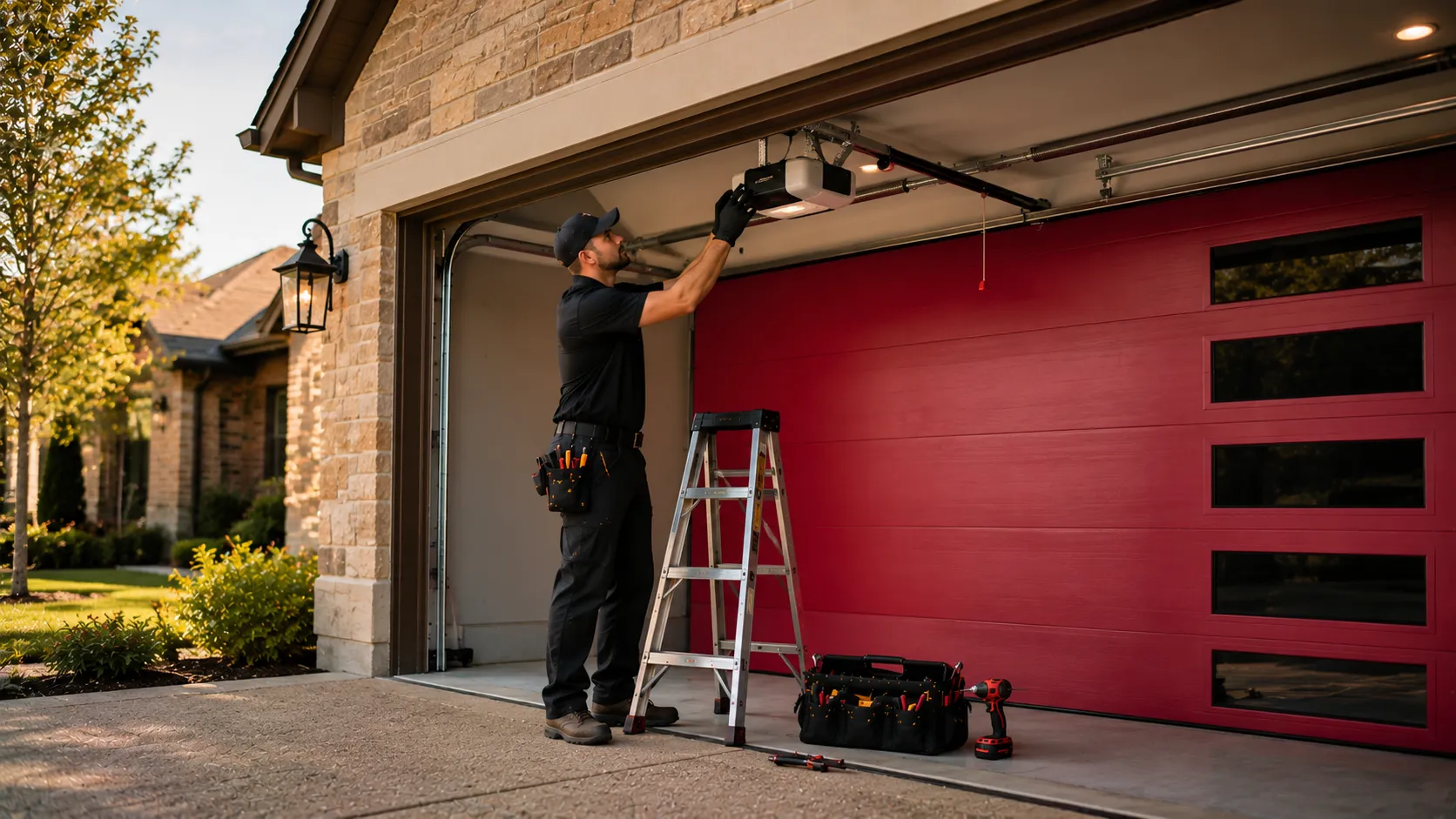
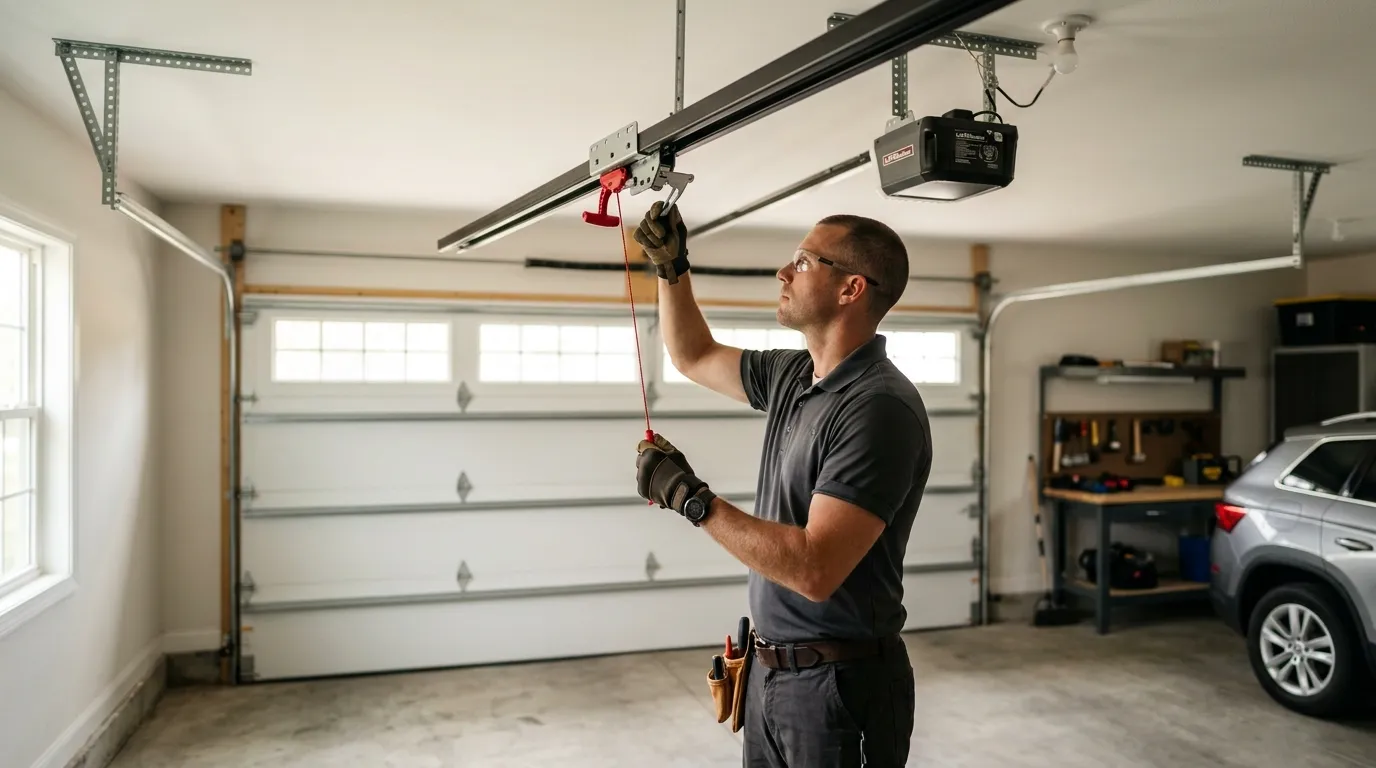
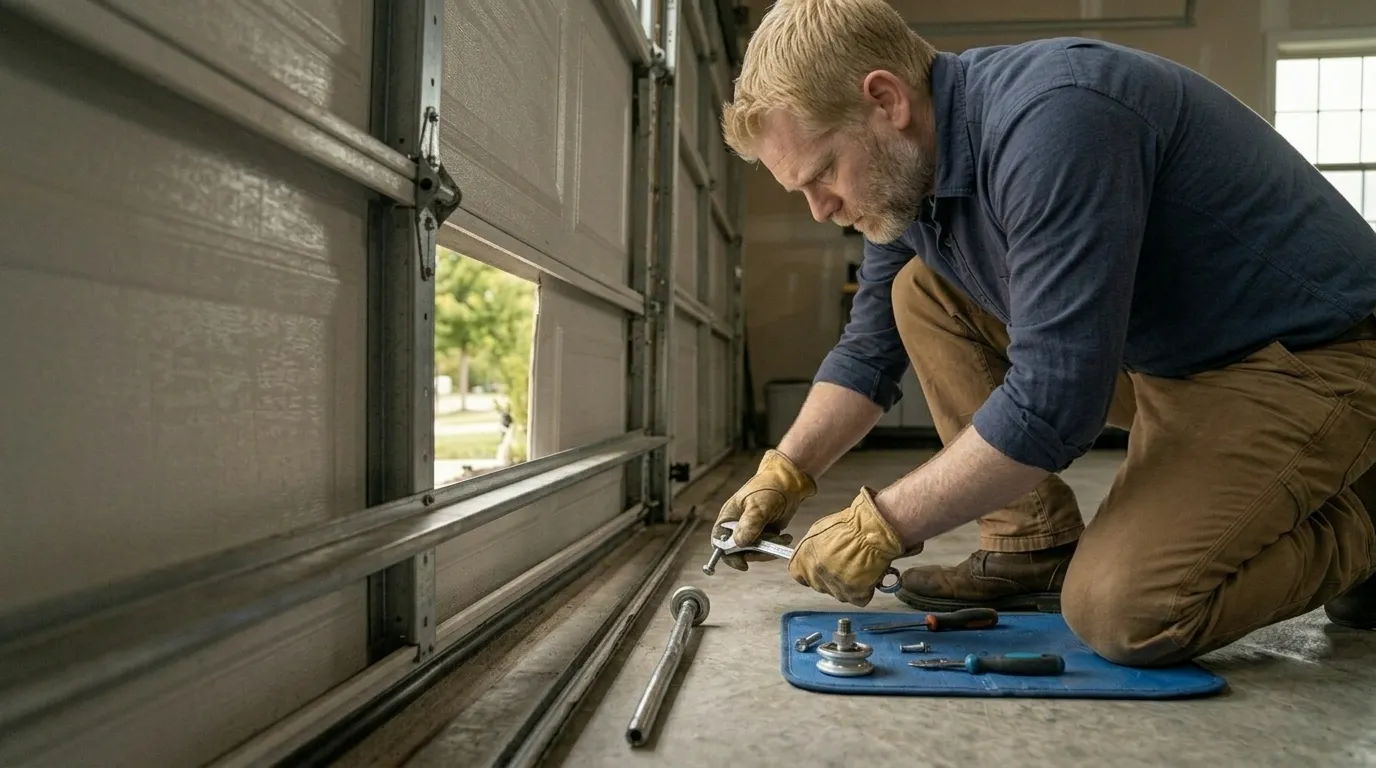
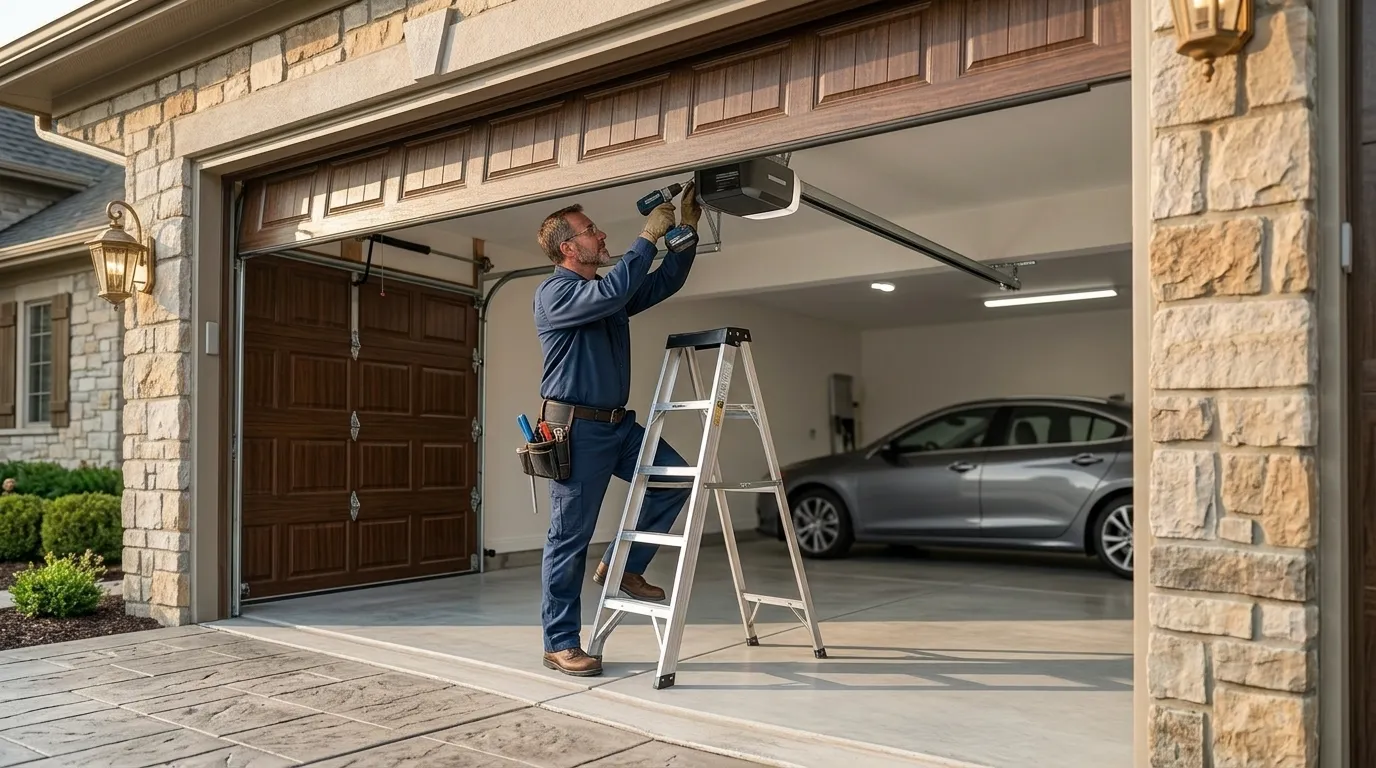
Parma's housing was mostly built between 1938 and 2004, with the median house going up in 1966. That number matters more than it sounds like it should, because it tells you what kind of opener is probably bolted to your garage ceiling. A house from the 1960s or 70s build era almost never came with a battery-backup opener - that feature didn't become common equipment until decades later, and a lot of homeowners never got around to swapping in a newer unit. So when the power drops, the door doesn't just slow down. It stops dead, mid-cycle if you're unlucky, and the only way in or out is the manual release cord hanging from the trolley. If you've never pulled that cord, now's a bad time to learn how. It disengages the carriage from the drive chain or screw so you can lift the door by hand, but on a heavy insulated door with weak springs, hand-lifting is a two-person job at best. This isn't a hypothetical for Parma specifically - it's a direct consequence of when this housing stock was built and what came standard at the time.
The Seasonal Bit
Parma sits in a climate zone rated cold and severe, which is a federal way of saying winters here put real stress on both houses and the grid that powers them. Cold snaps push electrical demand up across the board - heaters, block heaters, space heaters running longer - and older residential circuits, the kind wired into homes built in the 1960s and 70s, aren't always sized with much headroom. A breaker trip during a hard freeze is a different animal than a breaker trip in June, because you're also dealing with a door that won't want to move by hand once the tracks and rollers have stiffened up in the cold. Lubricant thickens, metal contracts, and a door that lifts fine in August can bind in January even with power on. Add a power cut on top of that and you've got a door that's both electrically dead and mechanically reluctant. We can't tell you exactly when the next cold-weather outage will hit your street. What we can tell you is that this climate band makes it a recurring risk, not a freak event, and an opener from the median build year of this area was never designed to ride it out gracefully.
What Local Conditions Do
Put the housing age, the climate, and the numbers together and the picture is pretty consistent. Across the service area there are roughly 205,438 owner-occupied houses out of 409,611 households, most sitting on that same 1960s-to-70s stock spread across the 67 named areas nearby, from Parma Heights two miles out to Westlake eleven miles away. With a median household income of $95,313, a battery-backup opener upgrade is well within reach for a lot of these homes, but plenty of original units are still in service simply because nothing's failed yet. That's the local math: older opener, older circuit, a climate that stresses both, and a homeowner base that mostly hasn't had a reason to upgrade until a power cut leaves them locked out. It's not a dramatic story, just an accumulation of small facts about when this area was built and how cold it gets. If your opener still doesn't have a backup battery and your house dates anywhere near that 1966 median, that's the gap worth closing before the next cold-weather outage, not after it.