24/7 Emergency Service Open 7 days · 7am–8pm Serving Parma, OH & nearby
(216) 359-8164
Parma, OH

What Actually Happens During a Parma Garage Door Service Call

A look at what happens when Parma Garage Door Pros comes out for a spring, opener, or track repair on homes built between 1938 and 2004 across Parma, Ohio.

What Actually Happens During a Parma Garage Door Service Call

The Situation

When we get a call in Parma, the first thing we're doing before we even pull up is thinking about the house. Housing here mostly went up between 1938 and 2004, with the median build year landing around 1966, and that spread matters. A service call on a place from that era isn't the same job as a service call on new construction - the track spacing, the header clearance, the spring size, all of it was specced to whatever code and hardware was standard the year that house was framed.

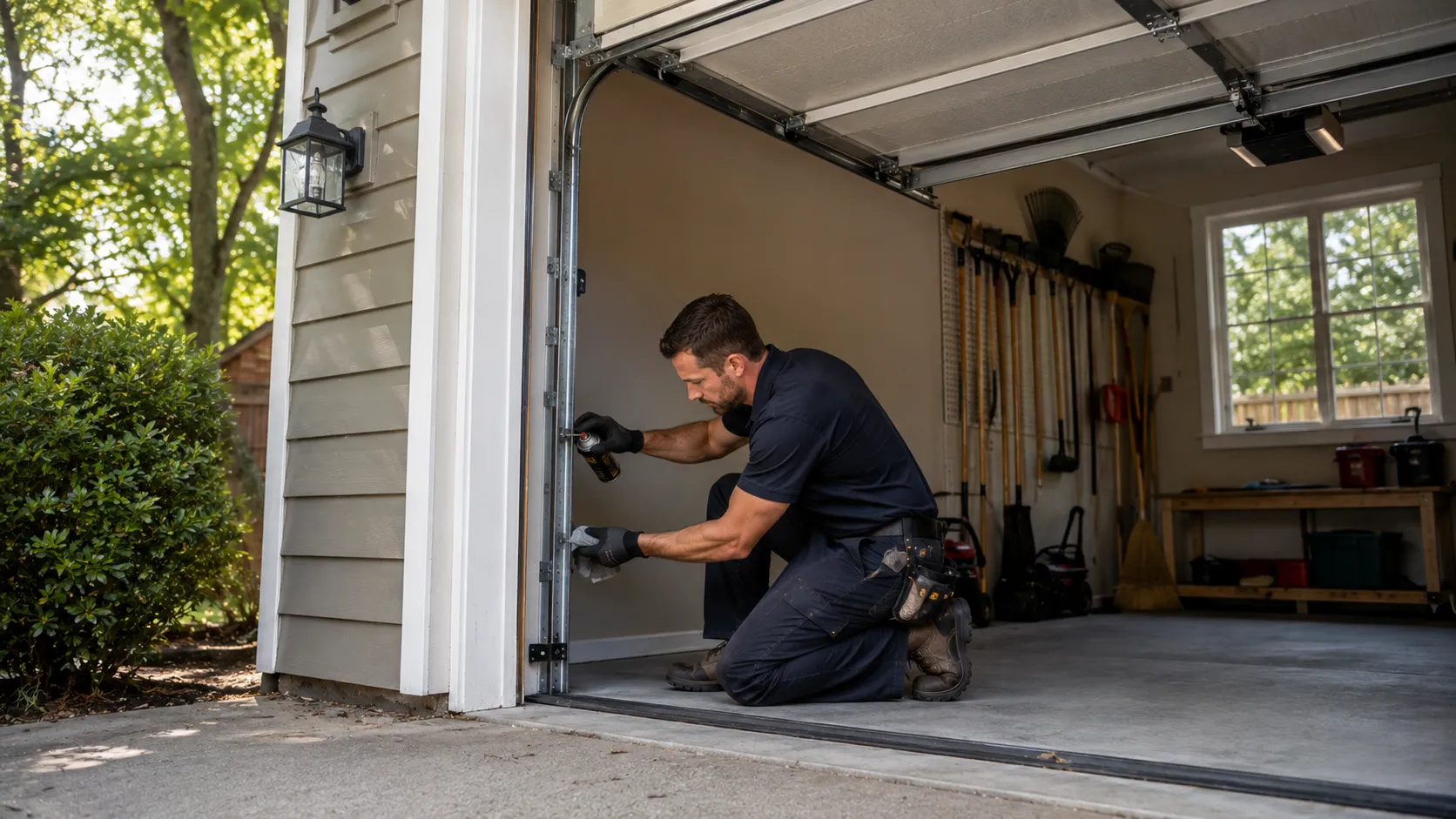
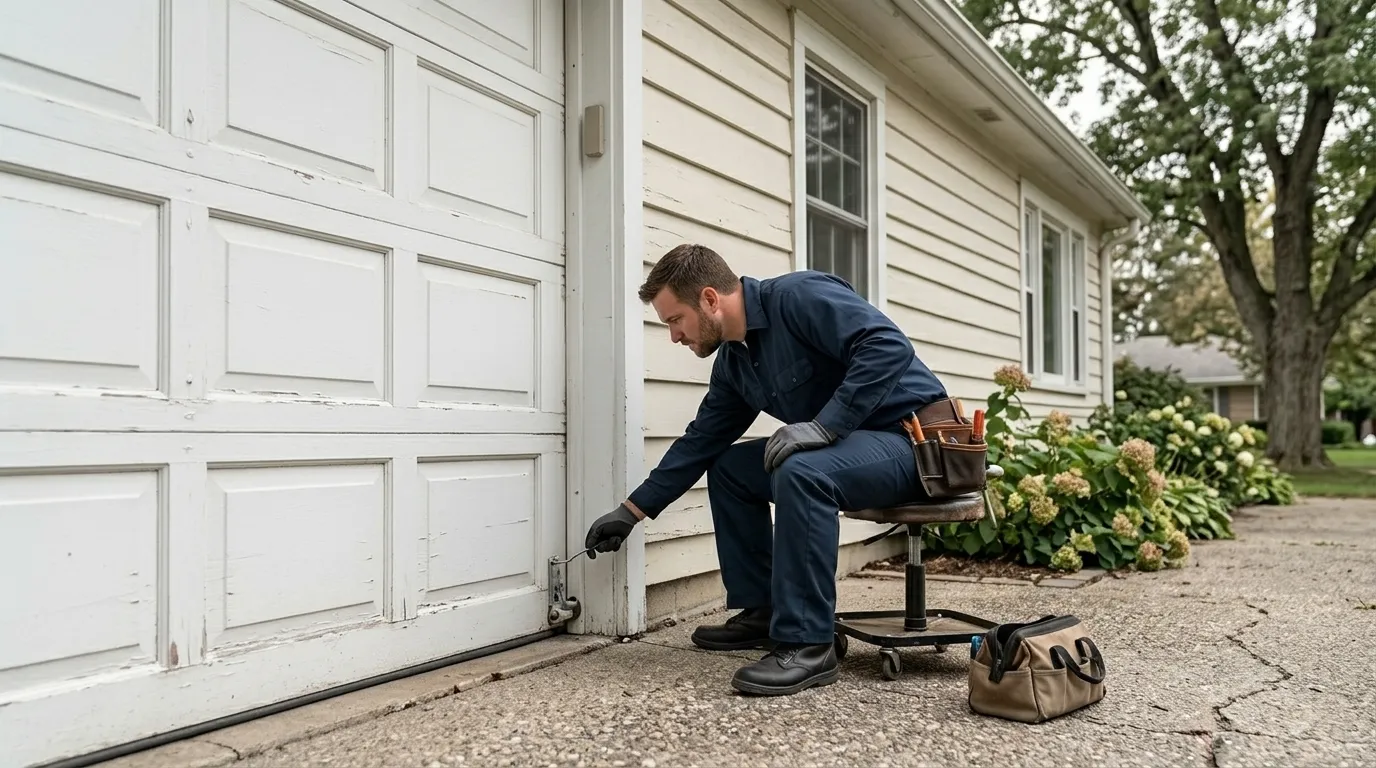
A real service call starts with us looking at the door as it sits, not pulling a part number off a shelf. We check the springs (torsion or extension, and on older Parma houses you see both), the cables, the rollers, the track alignment, and the opener if there is one. We test balance by hand before we touch anything electric. Across the 67 named areas that make up this stock, from Parma Heights-adjacent blocks to the older interior streets, we're seeing doors that were installed once and never touched again for decades - which means half the call is just figuring out what's actually there before we quote what it costs to fix it.

We don't guess. If a spring size or track profile isn't standard anymore, we say so before we start, not after.

The Seasonal Bit

Parma sits in a cold-climate band with severe winter conditions, and that shows up in almost every winter call we run. Steel contracts in the cold. A torsion spring that was already fatigued from thirty or forty years of cycling will often let go on the first hard cold snap of the year, not gradually - it's fine, fine, fine, then it's not. We see this pattern enough in this area that we treat any older spring set as a wear item to flag, not just fix and forget.

Cold also changes how lubricant behaves and how metal tracks flex. A door that rolled fine in September can bind or bang in January because the grease has stiffened or the track has shifted slightly with the frost. Part of a real service call in this climate band is checking the door in the condition it's actually operating in, not assuming a summer test tells the whole story.

We don't recommend against outdoor work in cold weather - the job still gets done - but we do budget more time for cold-weather calls because hardware behaves differently at 15 degrees than it does at 65, and rushing a spring adjustment in the cold is how someone gets hurt.

What Most People Get Wrong

The most common thing we run into on a Parma call is someone assuming a repair is a five-minute fix because it looks small. A cable that's frayed on a door installed when the house was built in the 1960s or 70s isn't a five-minute swap - the drum, the spring tension, and sometimes the whole track need a look, because parts made for that era don't always match what's sold off the shelf today.

The second thing people get wrong is thinking the opener and the door are the same problem. They're not. An opener from the last ten or fifteen years can be bolted onto a door and track system that's forty years old and structurally sound but mechanically tired. We've had calls where the opener was replaced twice by someone else and the actual issue was a bent track the whole time.

The third: people wait until a spring snaps completely before calling. Given how much of the housing stock here is from the 1938-2004 window, a lot of that original hardware is well past its expected cycle life. A service call earlier, when the door starts sounding rough or sitting unevenly, usually costs less than a call after a full spring failure - but we'll be honest, sometimes by the time we're called, replacement is the more sensible option than another repair on hardware that old.

What Local Conditions Do

Put the housing age and the climate together and you get a specific failure pattern across this service area. Doors installed when a house went up in, say, 1958 or 1971 were built to the standards and materials of that year, then they've spent every winter since in a cold-severe band that stresses metal fasteners, spring steel, and track alignment more than a milder climate would. That's not a guess - it's what shows up on the truck day after day here: worn rollers on original tracks, torsion springs at or past their rated cycles, and openers bolted onto hardware two or three generations older than the motor itself.

Across the area - households from the older interior streets out toward Parma Heights and Seven Hills - the pattern holds pretty consistently because the building period and the winters are shared, even where the exact house style differs. What varies is how well a given door was maintained in between: lubrication, balance checks, whether anyone ever replaced a cable before it frayed through.

A service call here means checking both halves of that equation - what the house's age tells us about the hardware, and what forty-plus winters in this climate band have done to it since.
How it works

From “it’s stuck” to “it’s fixed”

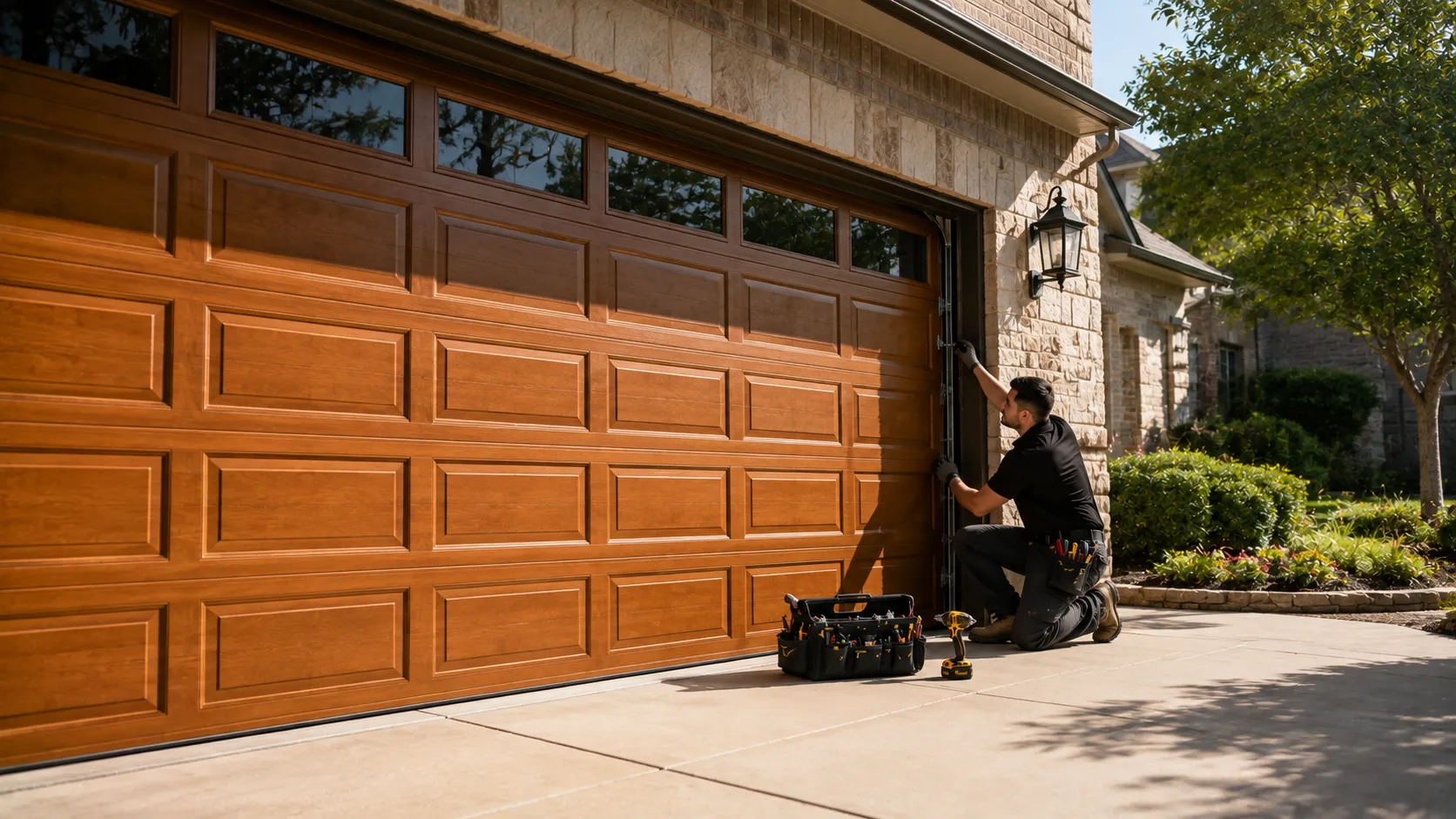
Tell us what’s wrong - Parma garage door service

Tell us what’s wrong

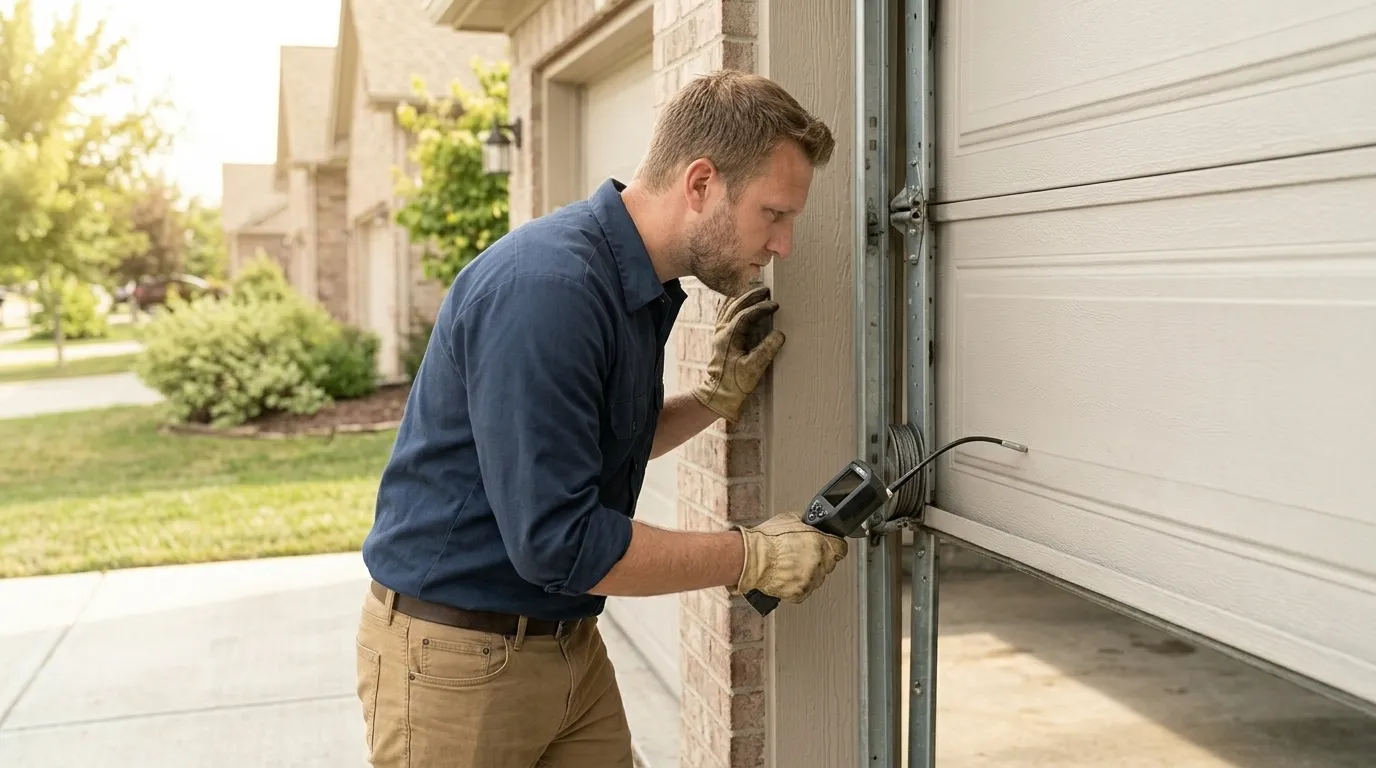
Describe the symptom - won’t open, loud bang, opener runs but the door won’t move.

On-site diagnosis - Parma garage door service

On-site diagnosis

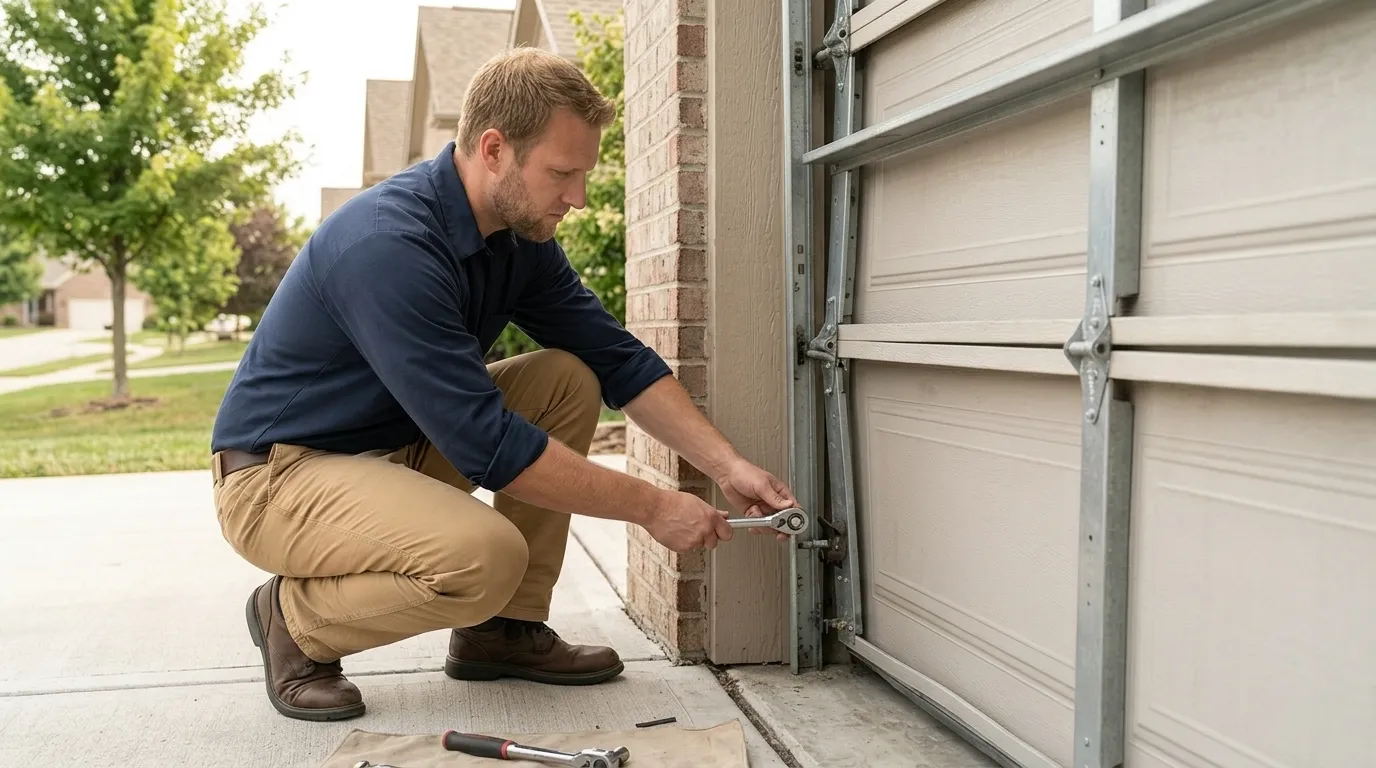
A technician tests the door under power and by hand and finds what actually failed.

Clear, up-front plan - Parma garage door service

Clear, up-front plan

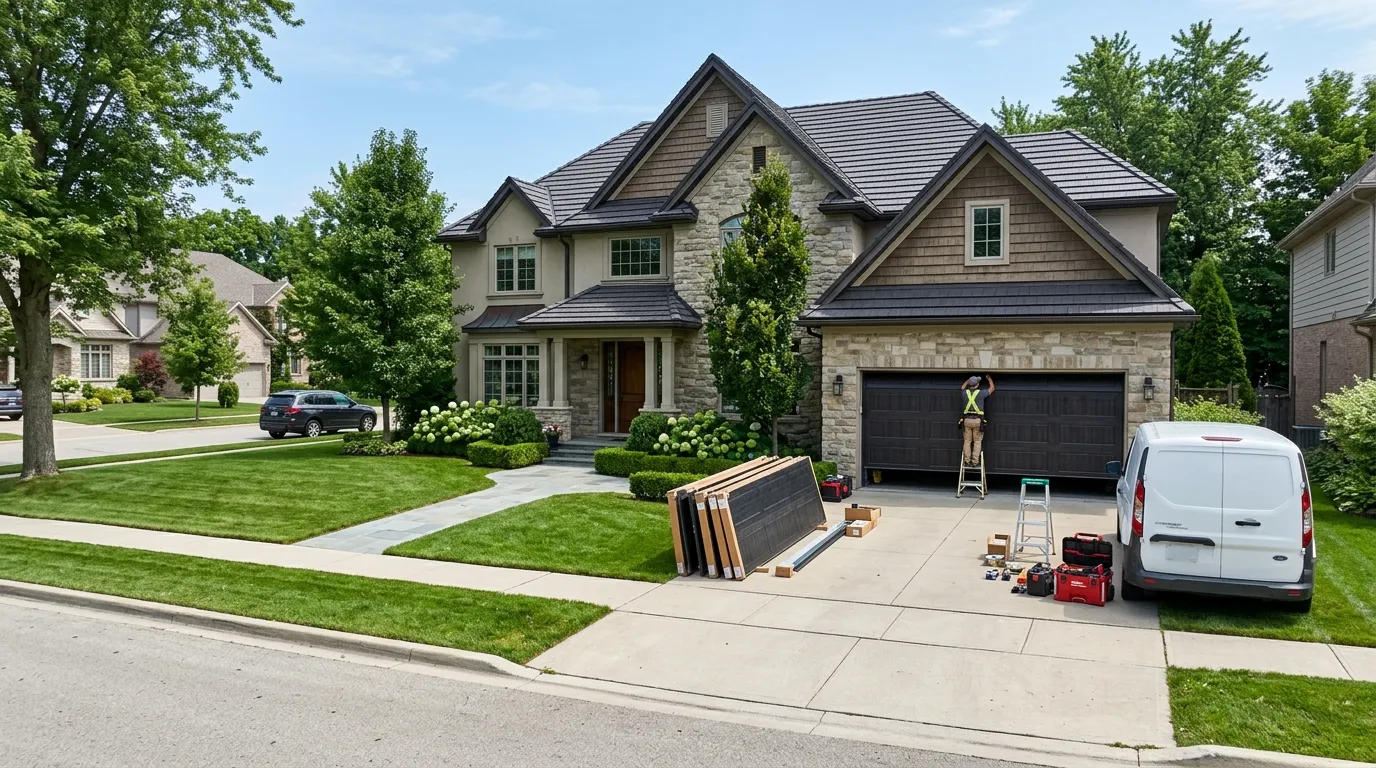
You get the fix that’s needed and what drives the cost - before any work starts.

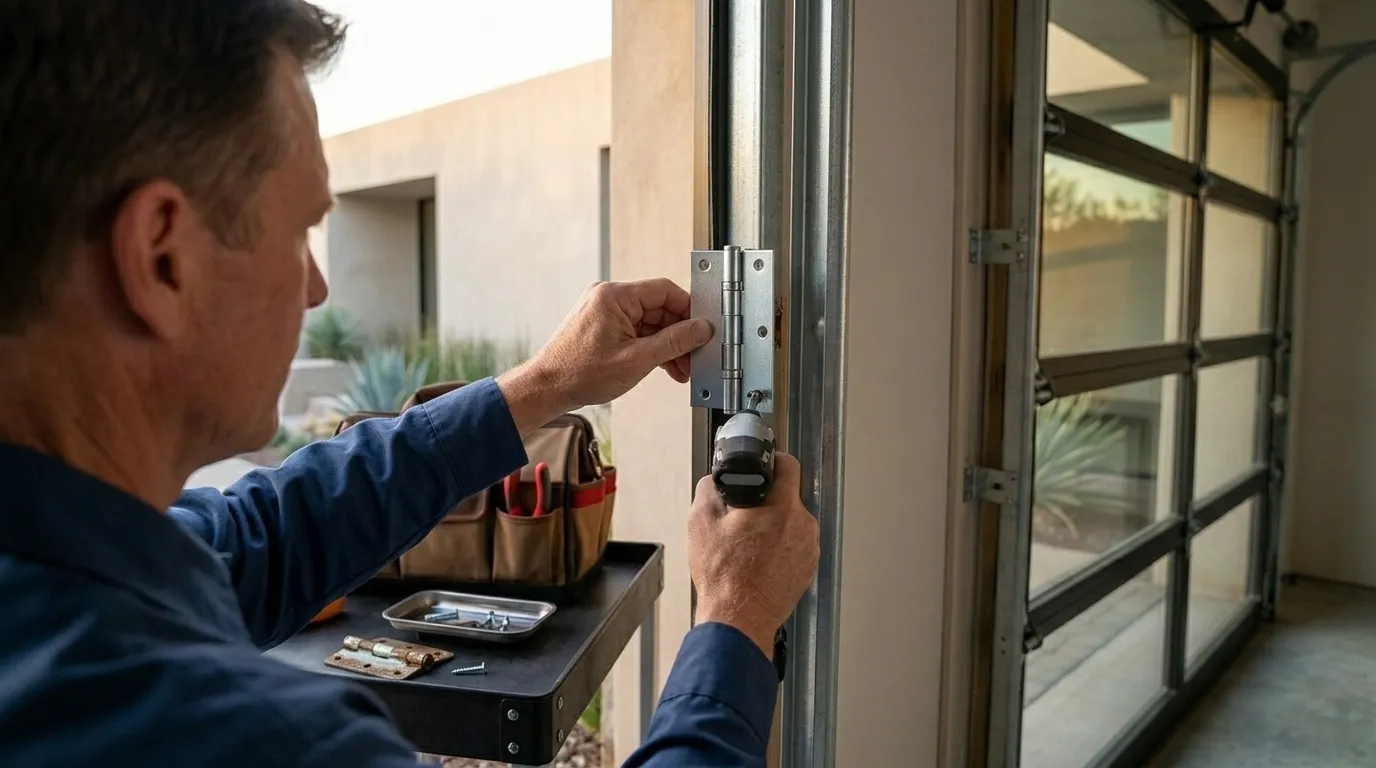
Repaired & tested - Parma garage door service

Repaired & tested

The repair is done, the door is set true and tested, and the work area left clean.

Serving Parma, OH - tell us what your door’s doing and we’ll take it from there.

70areas covered
How we work

What to expect

Diagnosis firstEvery visit starts by finding what actually failed - not a pre-written parts list.
The right part for the doorSprings and openers matched to the door’s weight and age, so the fix holds up.
Straight answersWhen a repair makes more sense than a replacement - or the reverse - you hear it plainly.
Clean, careful workTension released safely, hardware set true, the door tested under power before we leave.
Questions

Frequently asked

Straight answers about garage door repair in Parma. Still unsure? Ask us directly.

How long does a typical service call take?

It depends on what we find once we're looking at the door, not just what was described on the phone. A balance adjustment or roller swap is quick. A full spring replacement on an older torsion setup, especially if the drums or cable also need attention, takes longer. We'll tell you a time range once we've actually opened up the door, not before.

Do you work on older doors that don't match current parts?

We work with what's there. A lot of Parma houses have hardware from well before 2000, and while some parts are still available, others aren't made anymore. When that happens, we tell you directly whether we can source a close match or whether replacement makes more sense than chasing an obsolete part.

Is it worth fixing a spring in winter or should I wait?

A broken spring doesn't wait well - a door stuck shut or unbalanced is a safety issue regardless of season. We do factor cold into how we handle the tension work itself, since metal behaves differently below freezing, but we don't tell people to sit on a broken spring until spring.

Ready to get your garage door sorted?

Tell us what it’s doing and where you are in Parma - we’ll take it from there.

4Services offered
70Areas covered
Diagnosisfirst, then the fix
Request a QuoteCall