The Situation
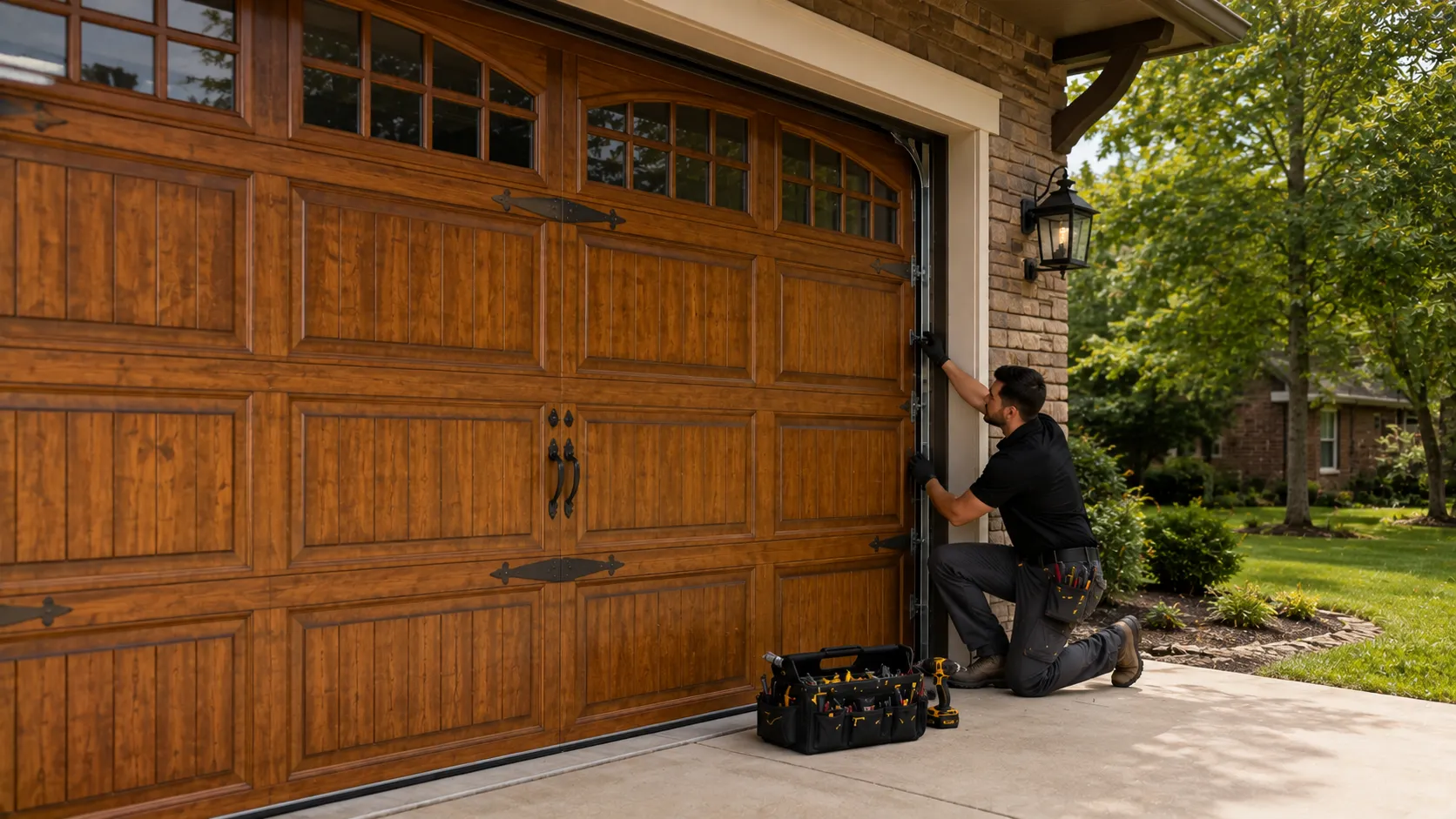
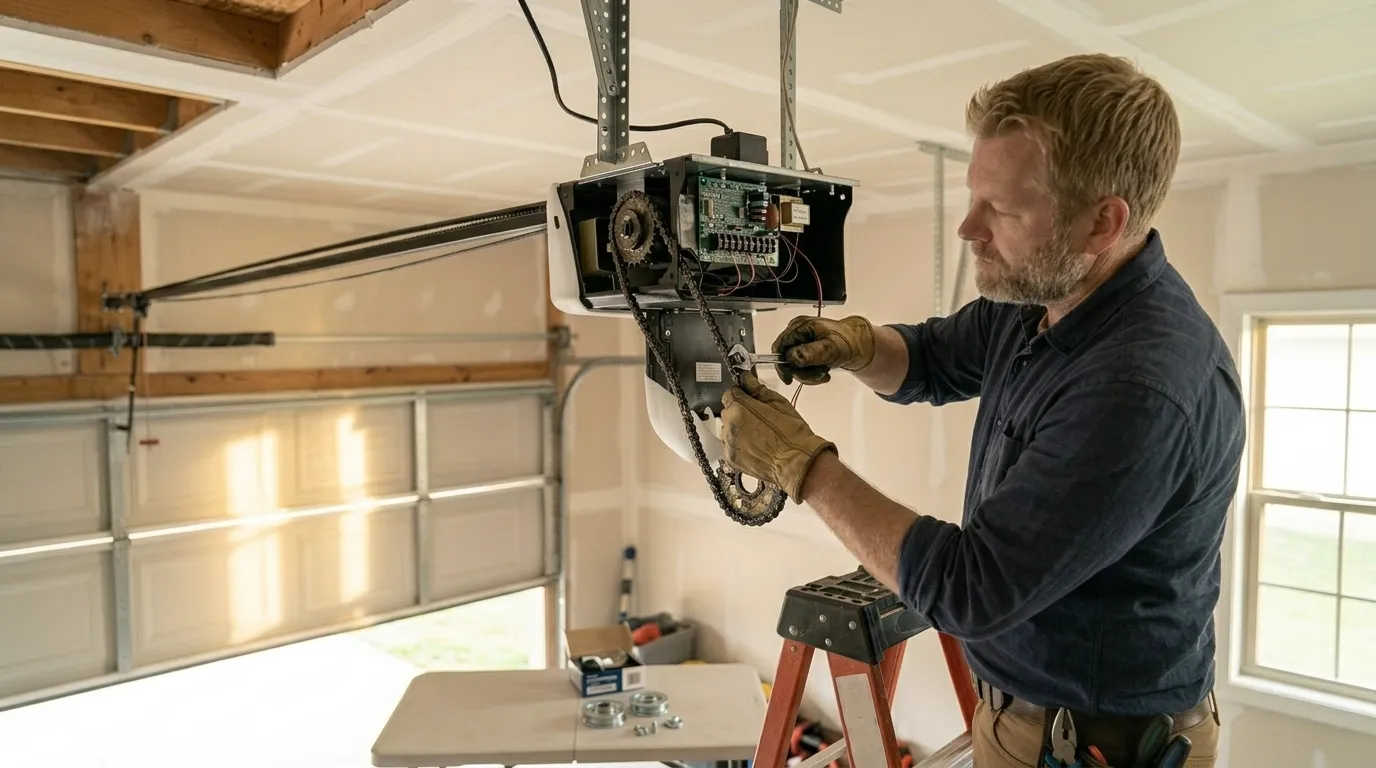
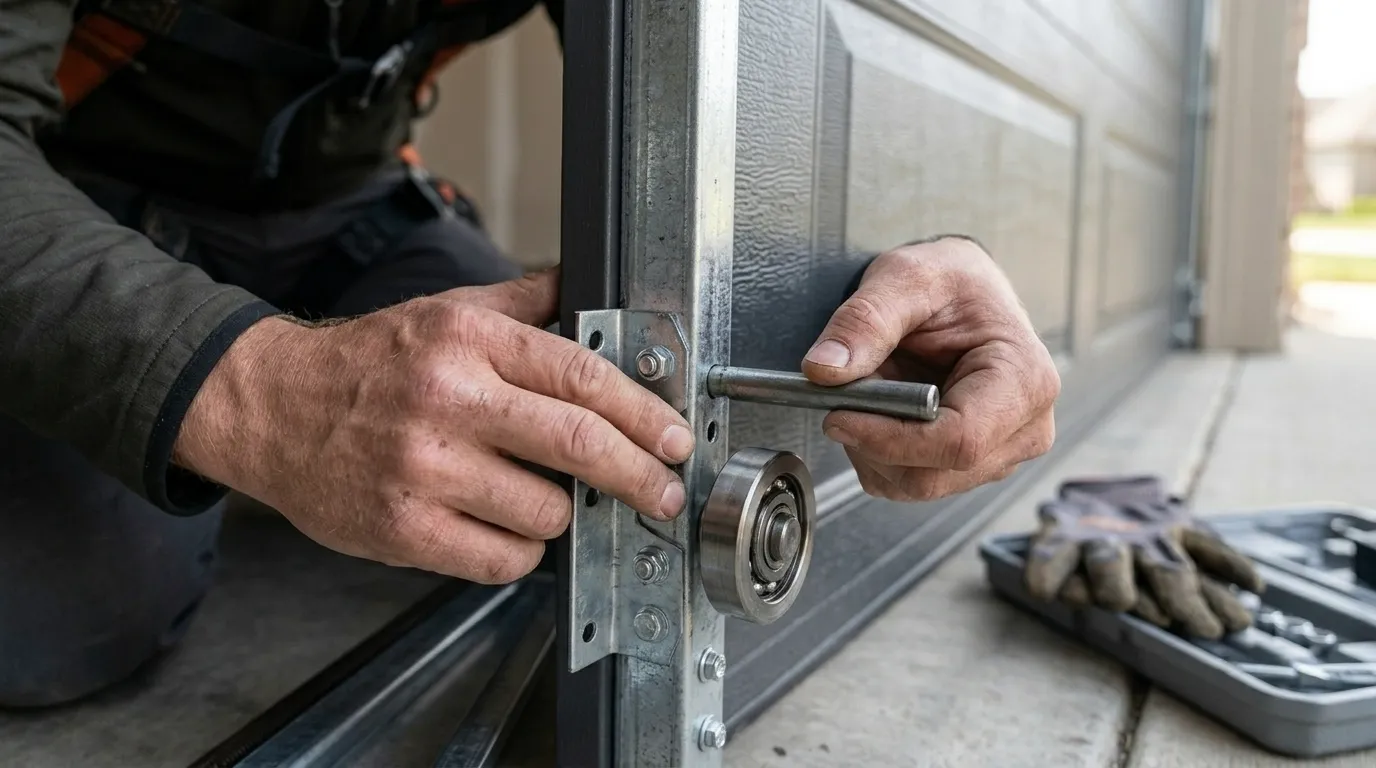
Parma's housing didn't happen all at once. Most of it went up between 1938 and 2004, but the bulk sits in that 1960s-70s wave that also filled in Parma Heights and Seven Hills a couple miles over. That means a lot of original garage doors, or the first replacement somebody put in during the Carter administration, still hanging on tracks that were never rated for what a modern opener does to them. A door built when the median home here went up (1966) was almost certainly a single steel panel with no insulation, running on a torsion spring sized for a lighter door than what's on there now. When we get a call from a house in that era, the first question isn't "what's broken" - it's "is this door original, and if so, how many other things on it are original too." Usually the spring's been swapped once, the cables never, and the rollers are the ones that came with the house. That combination tells you a lot before you even open the panel.
The Seasonal Bit
This is a cold-climate service area, and it's a severe one, not a mild one - the kind of cold that makes steel contract, grease stiffen, and a marginal spring finally let go on the coldest morning of the year instead of some random Tuesday in July. An older door that's been fine all summer will show you its weak point in January, usually right when you need to get the car out. That's not bad luck, it's physics: metal fatigue accelerates with the temperature swing, and a spring that's a few years past its cycle life picks the worst possible moment to snap. If your door is from that 1960s-70s wave and it's never had the spring replaced, winter here is when it goes. Worth knowing before it happens, not after.
What Local Conditions Do
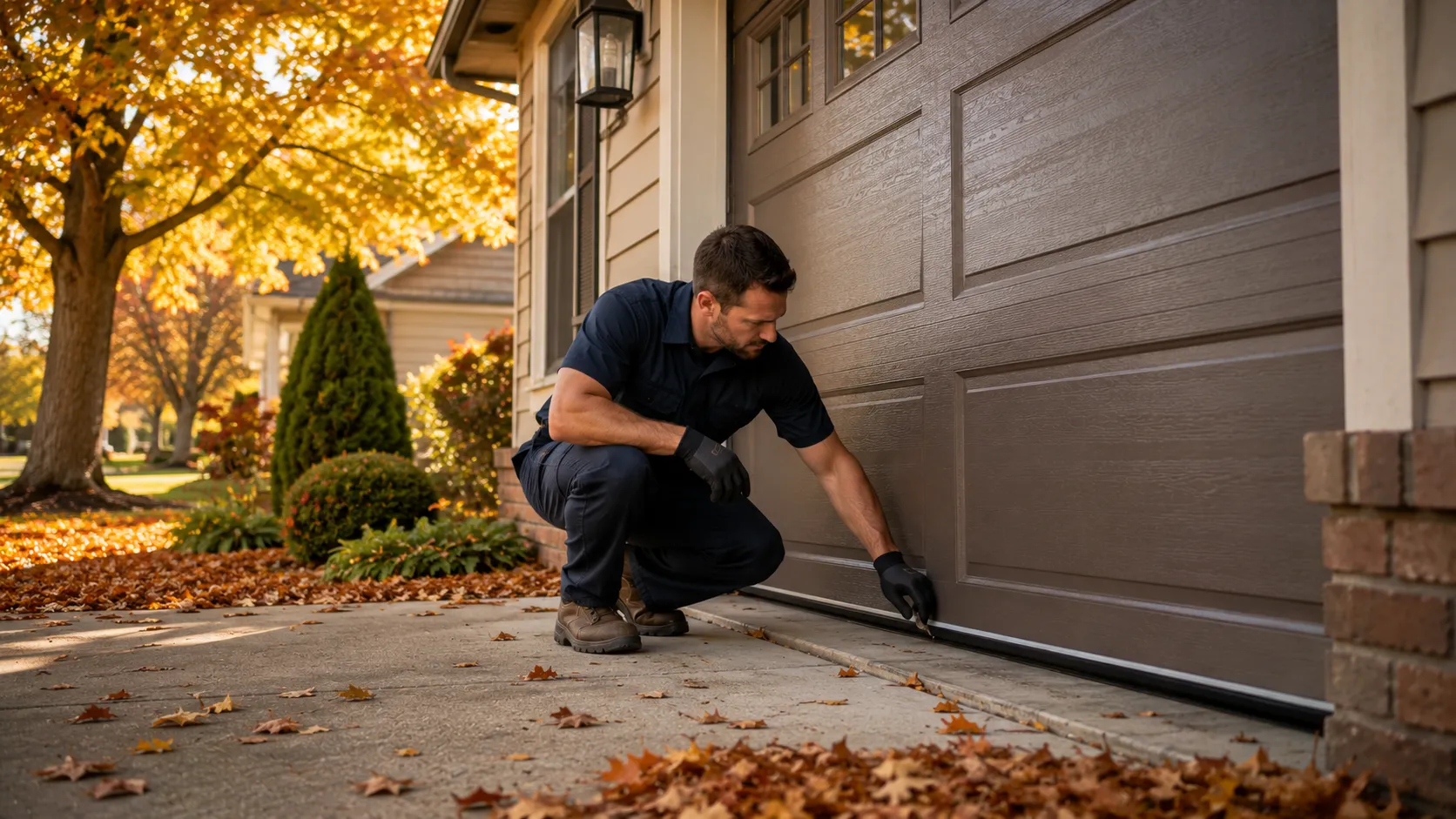
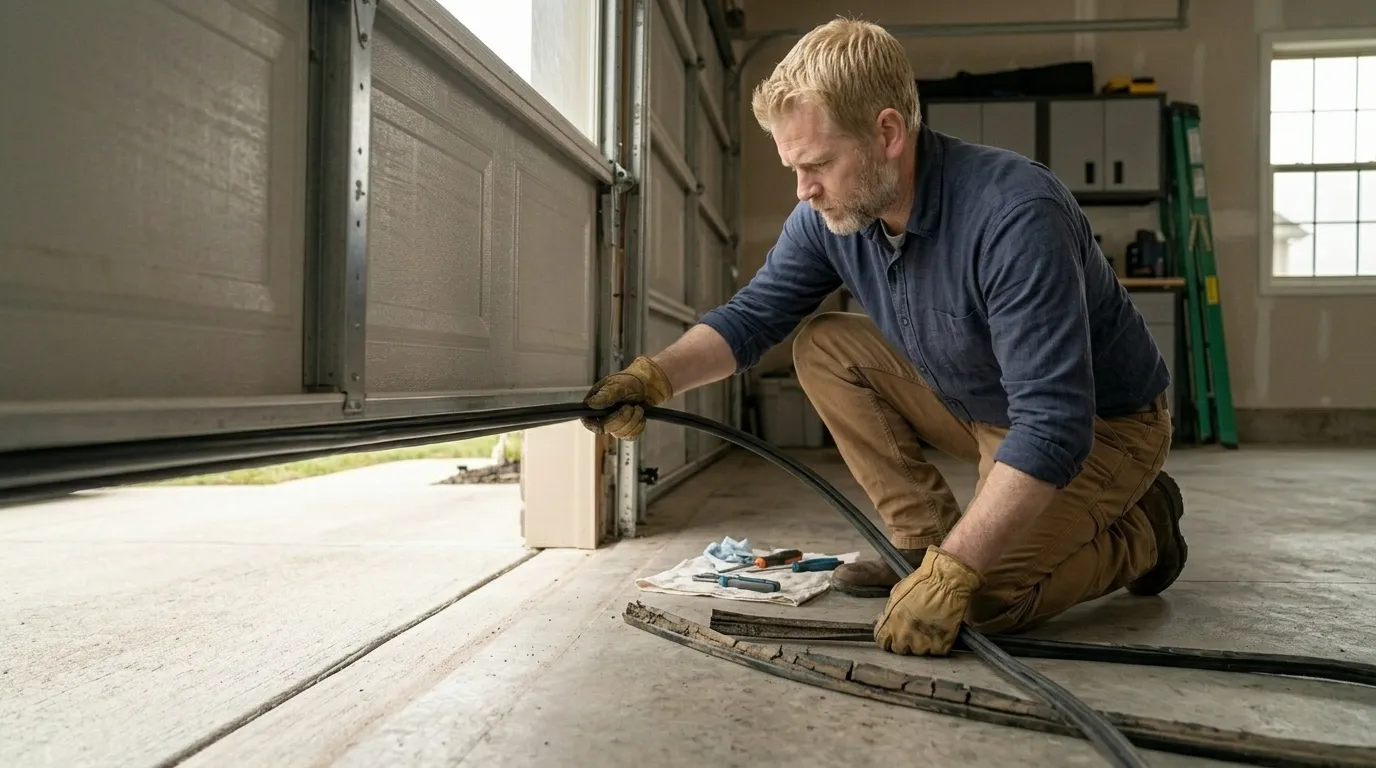
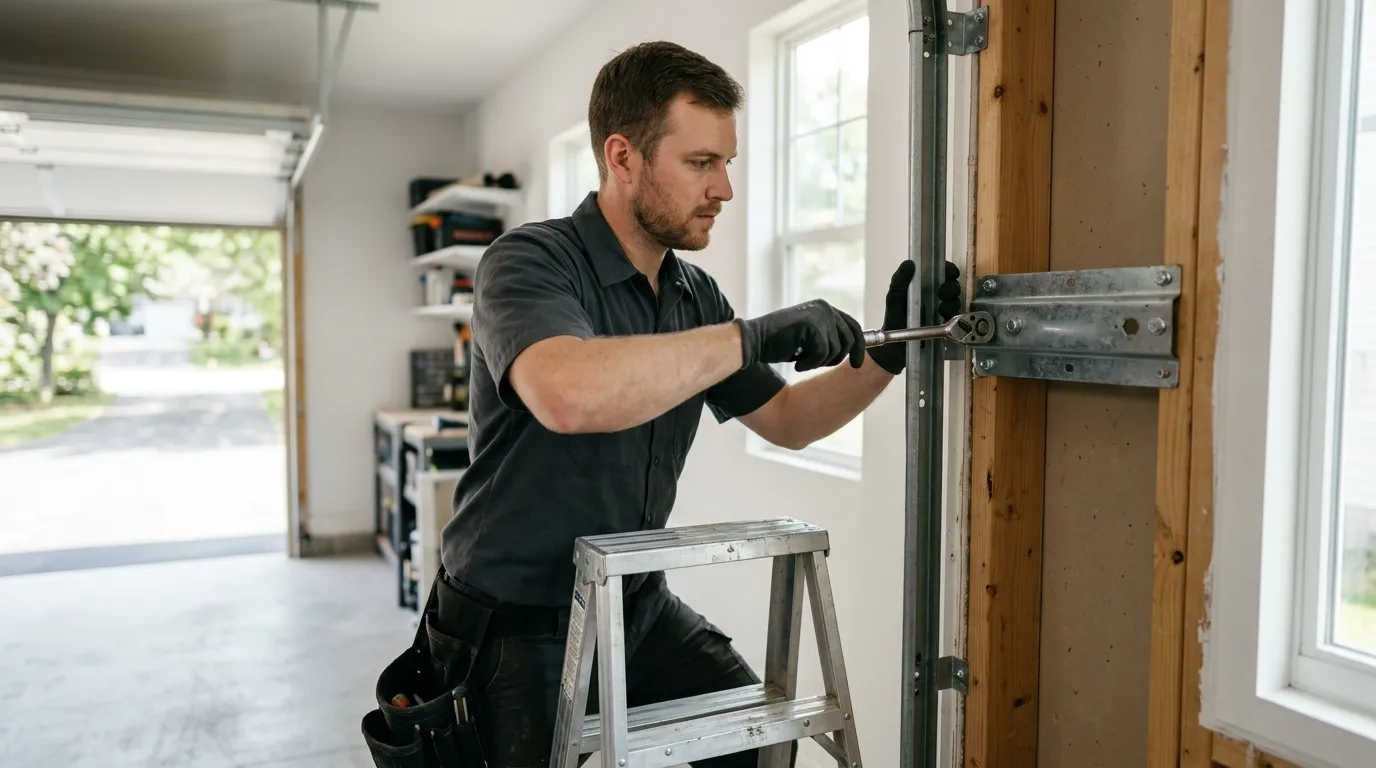
Cold and age work on a door together, not separately. A steel door from the 1960s-70s stock common across this area was built with thinner gauge steel than what's sold now, and severe cold makes thin steel more likely to dent, warp at the bottom panel, or pull away from worn weatherstripping. Add decades of expansion and contraction on the track bolts and hinges, and you get the slow sag that shows up as a door that's harder to open by hand than it used to be. None of that means the door is done. If the frame's still square and the panels aren't rusted through at the bottom, a spring, cable, and hardware refresh brings a lot of these old Parma doors back to solid, safe operation for a fraction of replacement cost. If the bottom panel's rusted out or the track's bent past straightening, that's the point where fixing it stops being worth it and a new door is the honest answer.