The Situation
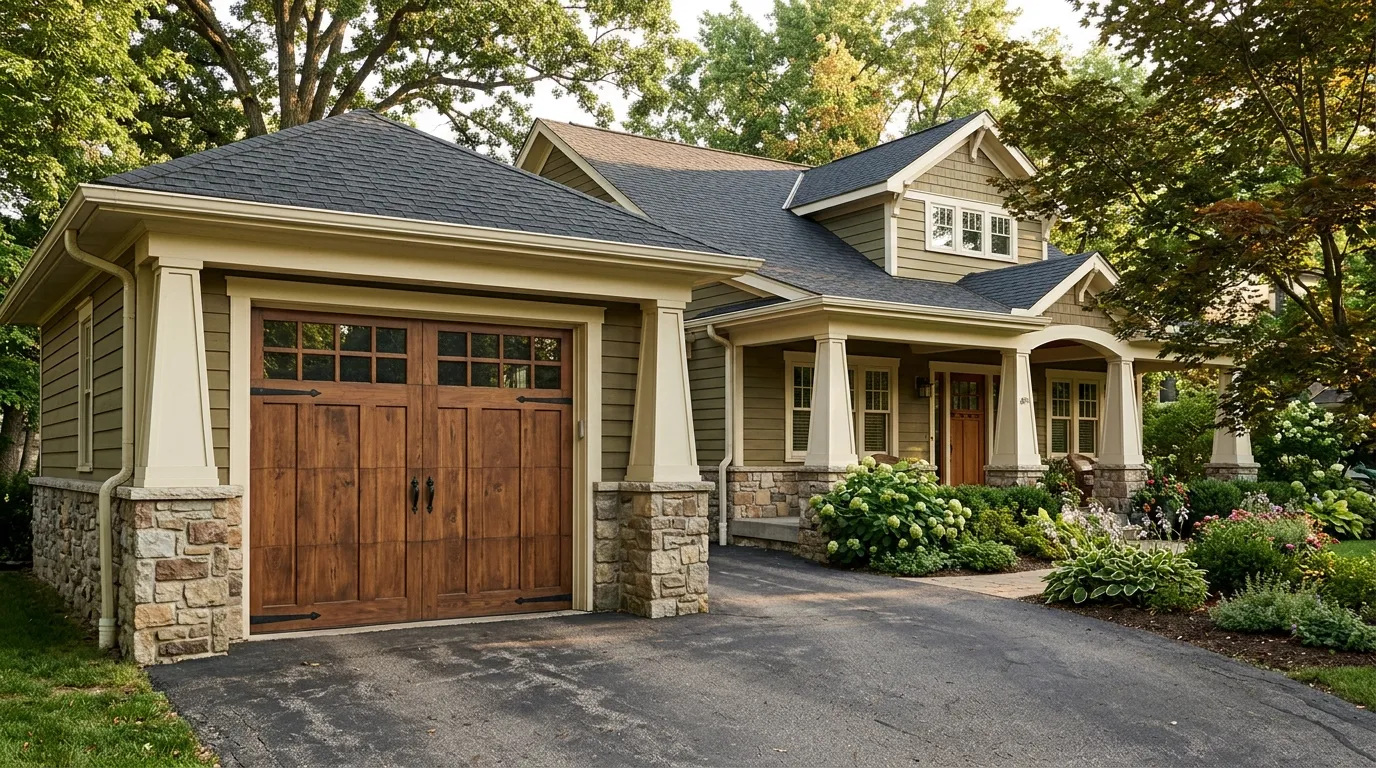
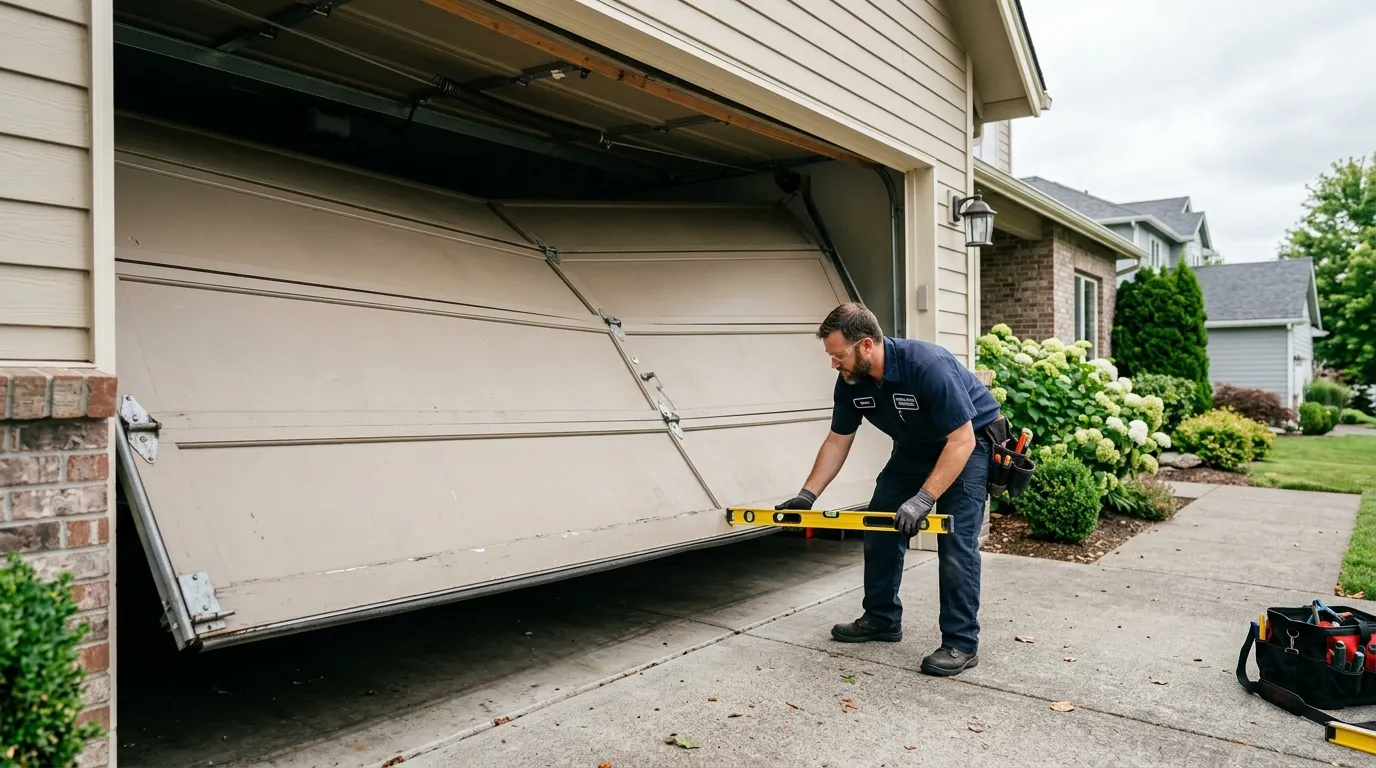
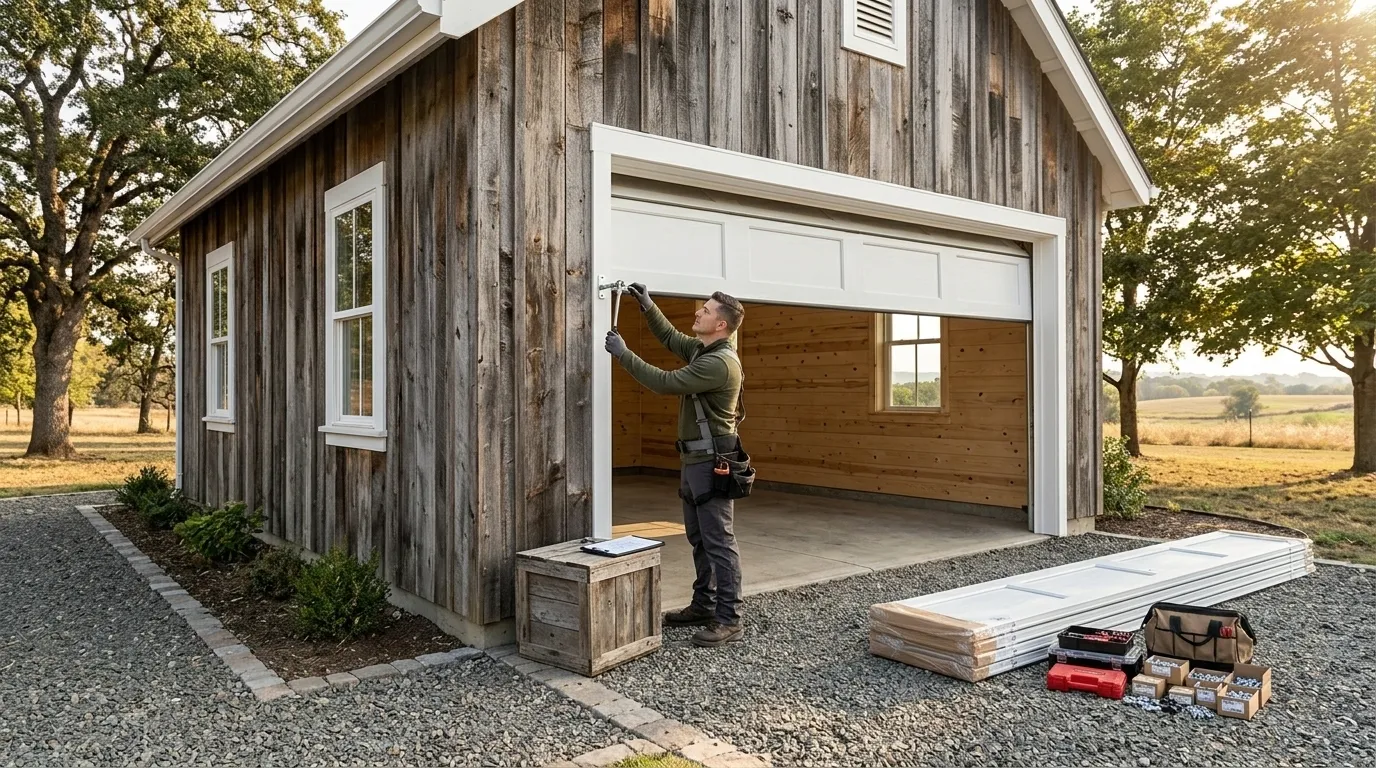
Walk a few blocks in most of Parma and you'll see both kinds of garage sitting next to each other: a detached single-car box from the 1940s or 50s next to a 1970s split-level with the garage built into the house. That mix comes straight from the build-out years here - housing in this area went up mostly between 1938 and 2004, with the median build year landing around 1966, and most of the stock across the 67 named areas we work in dates to the 1960s and 70s. Detached garages were more common on the older lots, built before attached two-car garages became the default. Attached garages showed up as houses got bigger and builders started treating the garage as part of the envelope, not a separate structure out back.
That matters for door choice because a detached garage doesn't share a wall, roofline, or heating system with the house. An attached garage does, and in a lot of Parma homes that shared wall backs right onto a bedroom or a laundry room. The door isn't just an opening - on an attached garage it's part of the thermal boundary of the house. On a detached one, it's the whole envelope by itself.
The Seasonal Bit
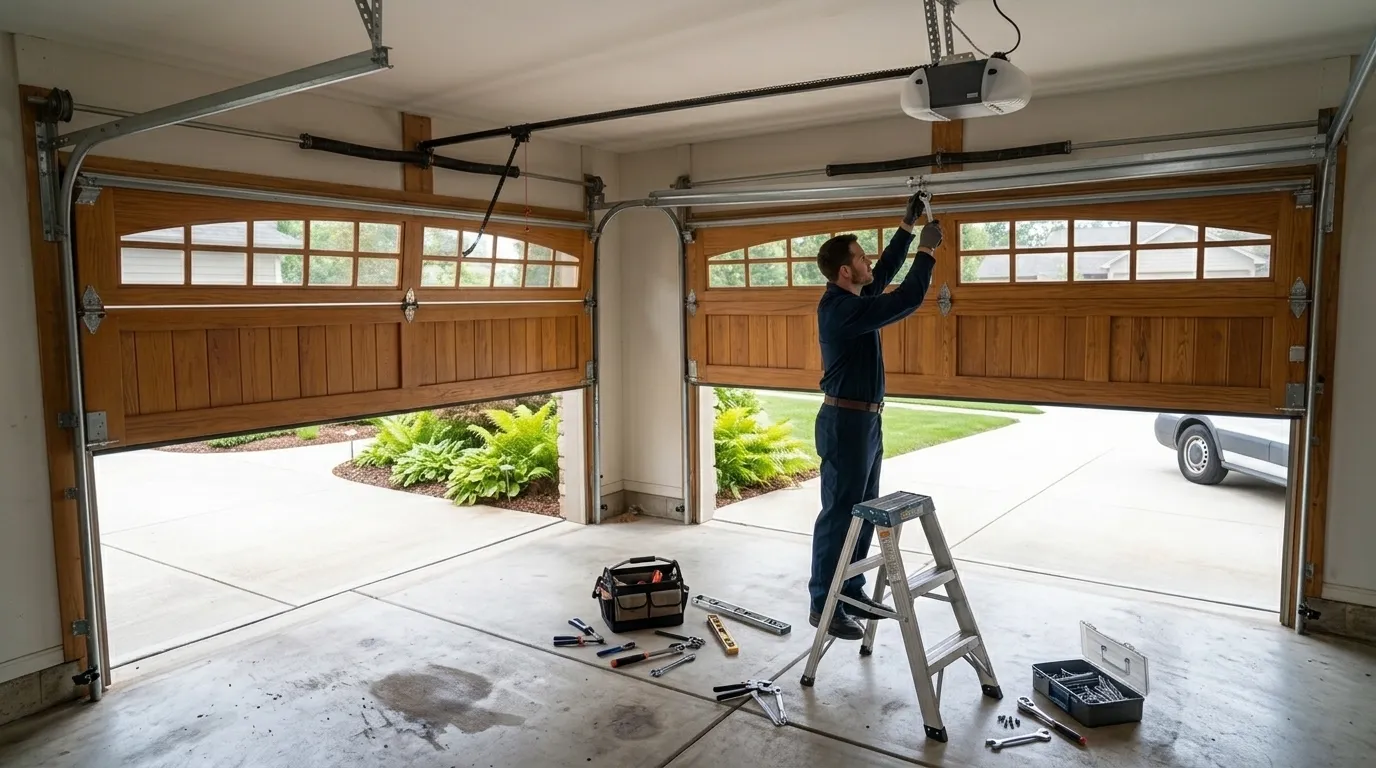
This area sits in a cold, severe climate band, and that changes what each garage type needs from its door. A detached garage with an uninsulated door just gets cold - the door doesn't have to fight to keep the house warm, but everything stored in there, including your car's fluids and the opener's gears, sits at outdoor temperature all winter. That's harder on hardware: cold steel tracks and cold grease make openers strain and rollers bind.
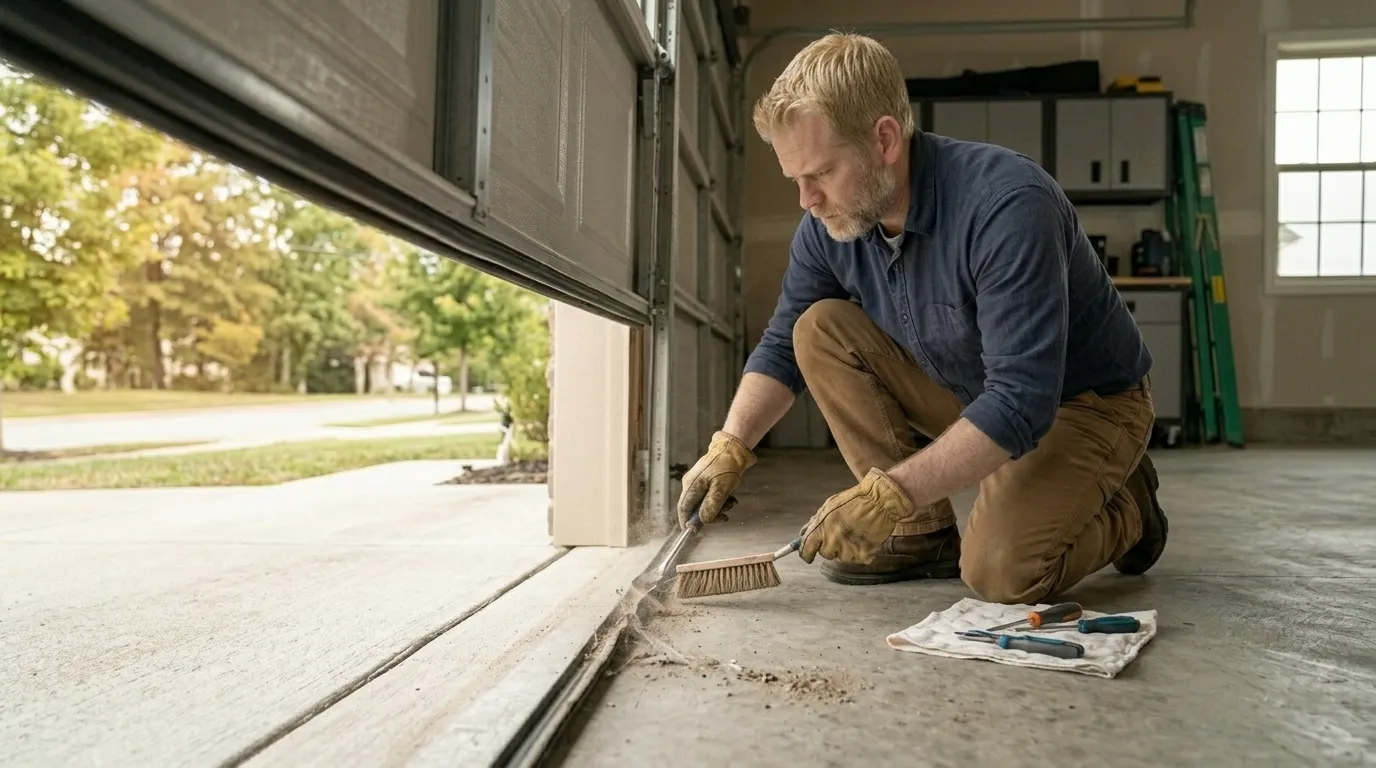
An attached garage is a different problem. If the door isn't insulated, or the seal at the bottom has gone stiff and cracked, cold air pushes straight into a space that's touching your living area. On a lot of the 1960s and 70s houses here, that shared wall was never built with much insulation to begin with, since attached garages weren't expected to be conditioned space. A door that doesn't seal well on one of these houses isn't just a garage problem - it's pulling heat out of the room next to it all winter.
What Local Conditions Do
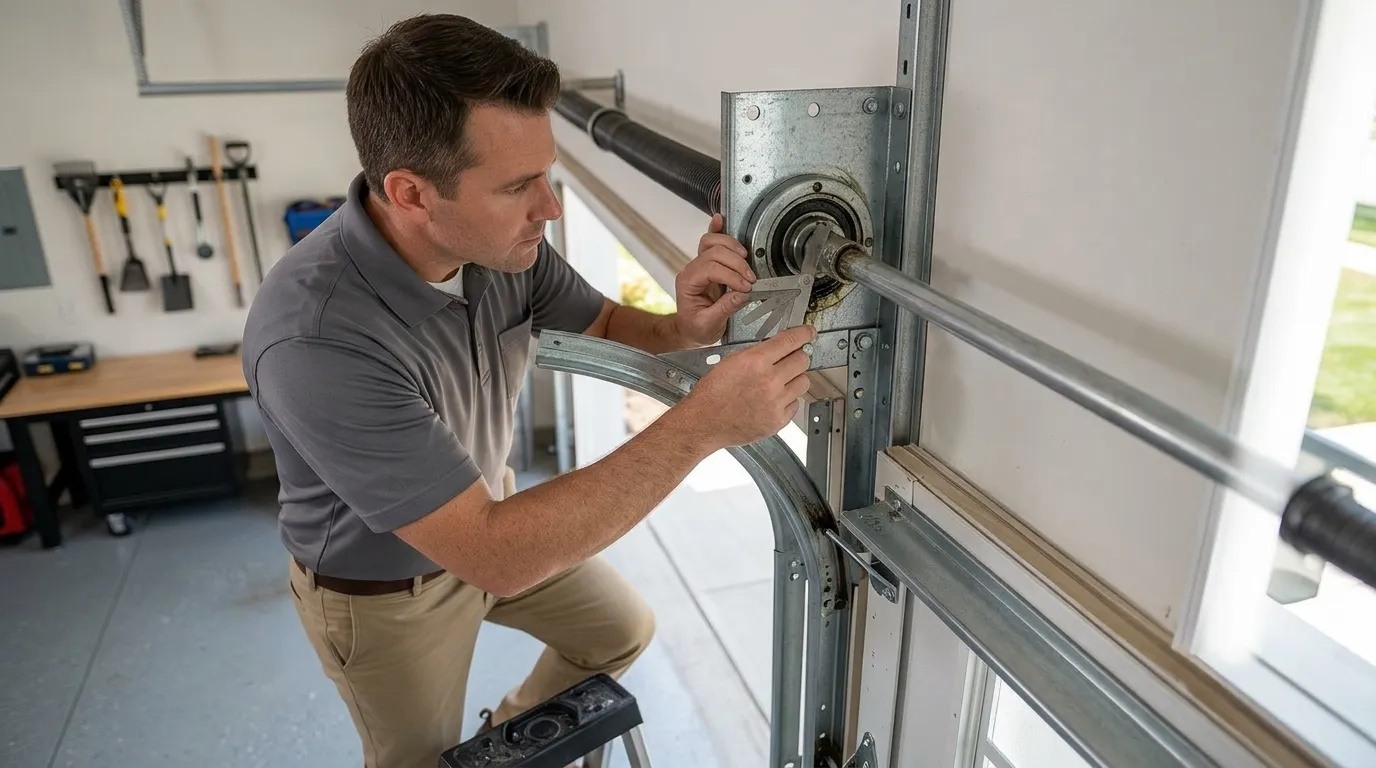
Cold, severe winters put steady stress on both types, just in different spots. On detached garages, the cold hits the springs and tracks hardest since there's no adjacent heat source to buffer temperature swings - torsion springs lose tension faster in sustained cold, and that shows up as a door that feels heavier to lift by January. On attached garages, the stress shows up more at the seals and the bottom panel, where the temperature difference between the garage and the house pushes moisture to condense and freeze at the threshold.
Given the age of a lot of the housing stock here, from the 1938 low end up through the newer builds toward 2004, we see both failure patterns regularly: older detached structures with springs that have simply outlived their cycle count in the cold, and attached garages from the 60s and 70s where the original door was never insulated for the job it's doing now. Neither one is a defect in the house - it's just what forty-plus winters do to hardware that was standard for its decade but isn't built for how the garage is actually used today.