The Situation
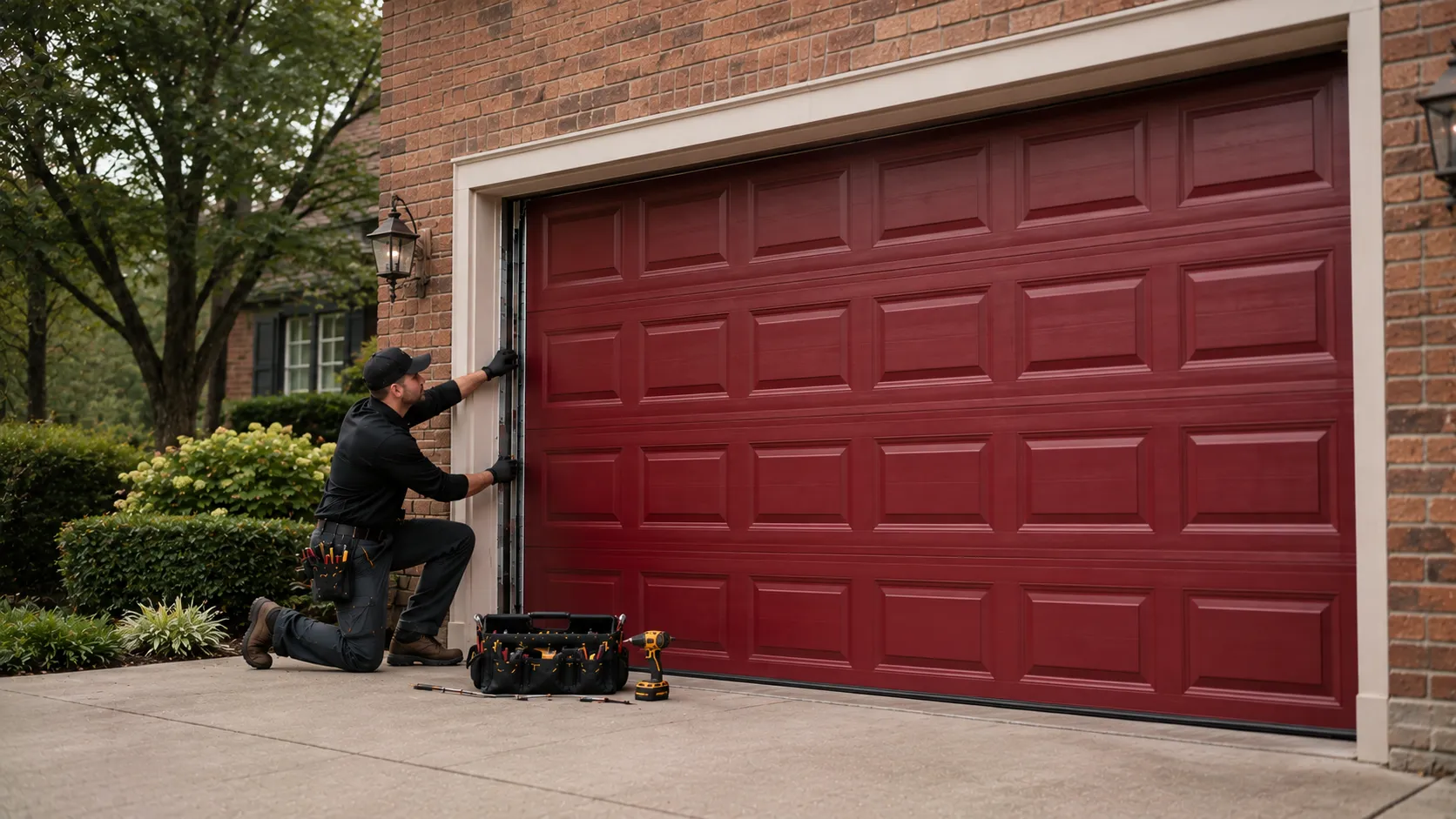
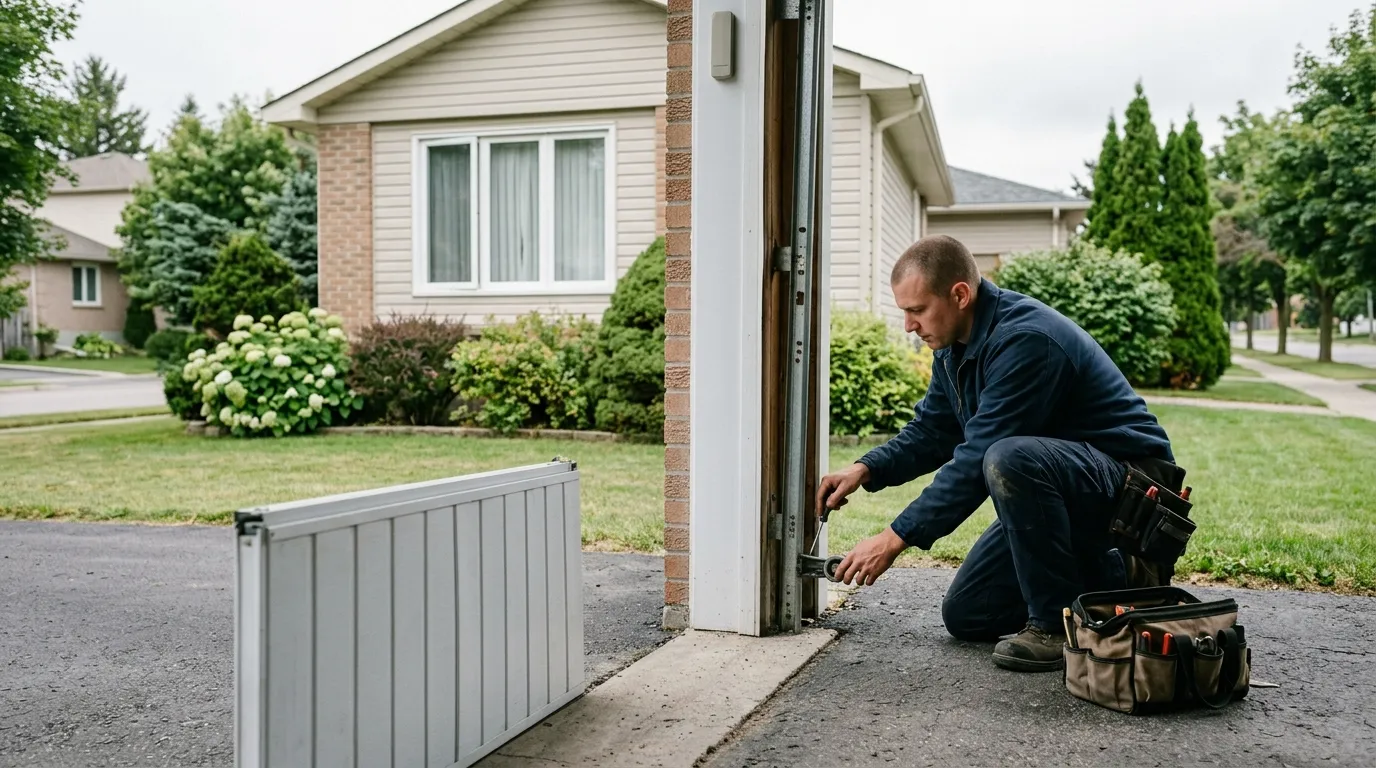
Parma's housing stock runs from 1938 to 2004, but the median build year sits at 1966, and most of the 67 named areas in this part of the county went up in that same 1960s-70s wave. That matters when you're shopping for a replacement door, because those houses were framed for openings and headroom that don't match what a big-box store hands you off the shelf. A lot of garages here have a shallow header above the opening and a single-car bay narrower than what's common in newer subdivisions. If you walk in looking for a standard 16-foot double door without measuring first, you'll find out at install time that the track kit doesn't clear, or the springs on the shelf are sized for a lighter panel than your opening needs. With 205,438 owner-occupied houses across this service area and most of them from the same building era, this isn't a rare problem - it's the normal case. Getting the measurement and header clearance right before you order saves a second trip and a second bill.
The Seasonal Bit
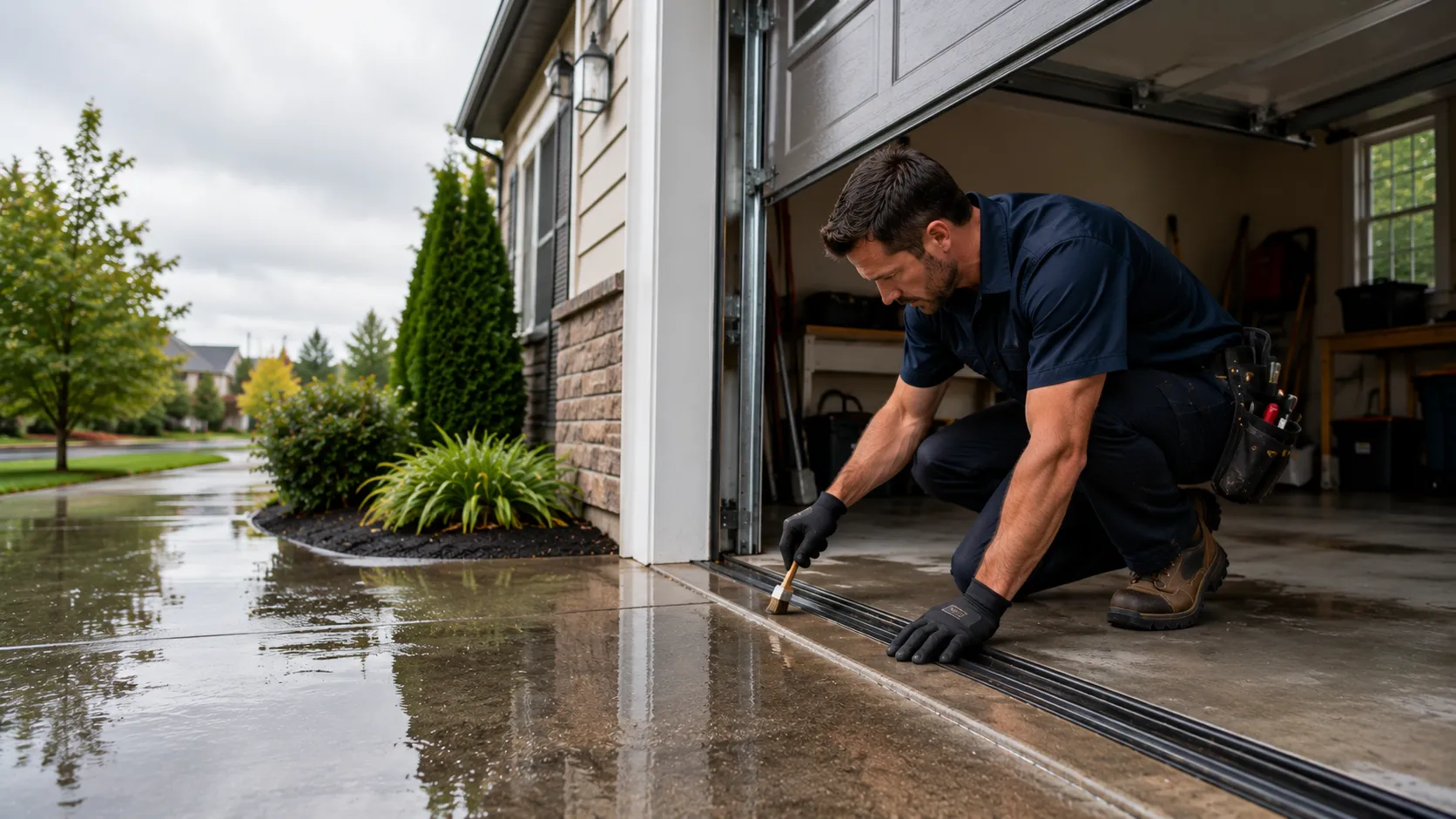
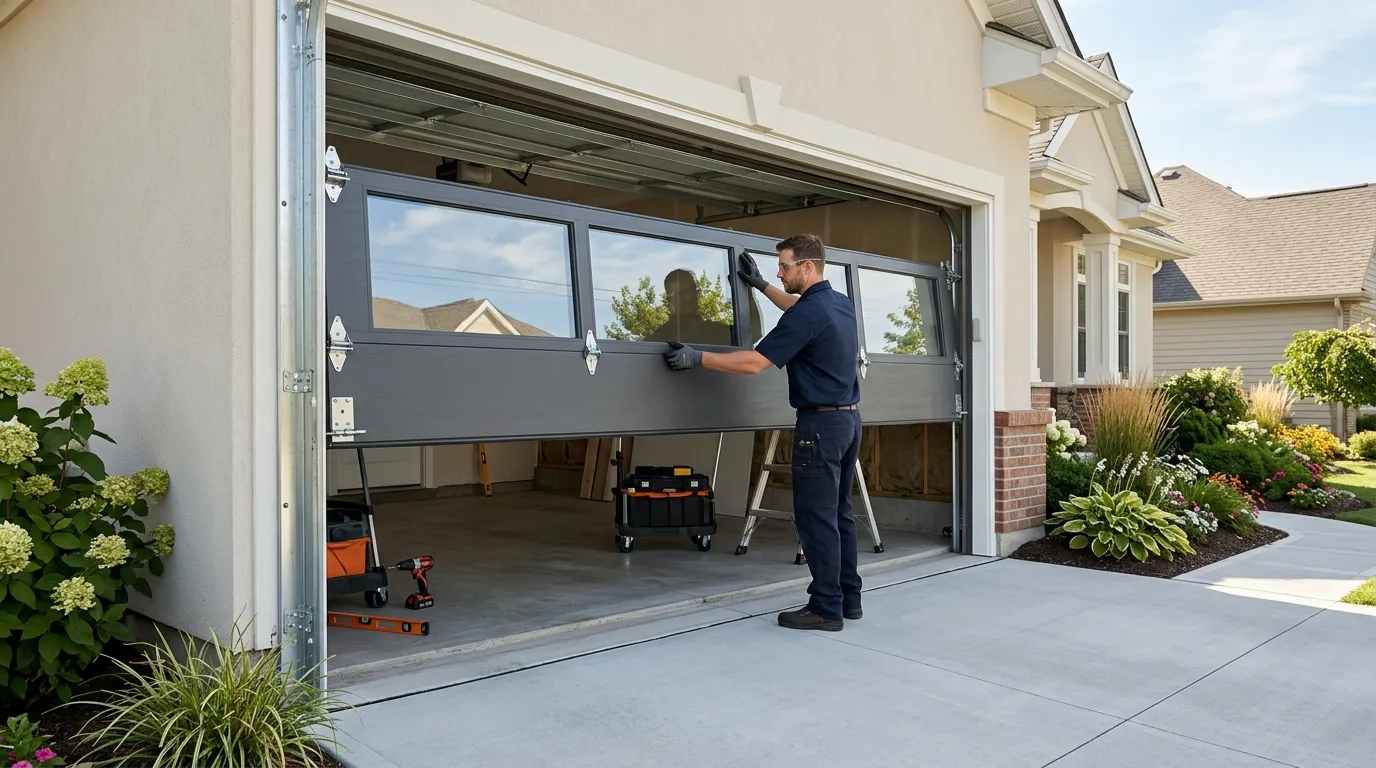
This area sits in a cold, severe climate band, and that changes what "replacement door" should mean, not just what it costs. A door bought for looks in July has to survive a January where the garage is the coldest room attached to the house. If the door backs onto a finished wall or a room above it, an uninsulated steel panel will make that space noticeably colder and will sweat on the inside face when temperatures swing. That condensation runs down and sits at the bottom panel and the track, which is where rust starts on original 1960s-era hardware that's already fifty-plus years old. A replacement door in this climate is worth ordering with a real insulated panel and matching weatherstrip, not the base model. It costs more up front. It also means you're not doing this again in five years because the cheap door warped or the bottom seal cracked in the cold.
What Local Conditions Do
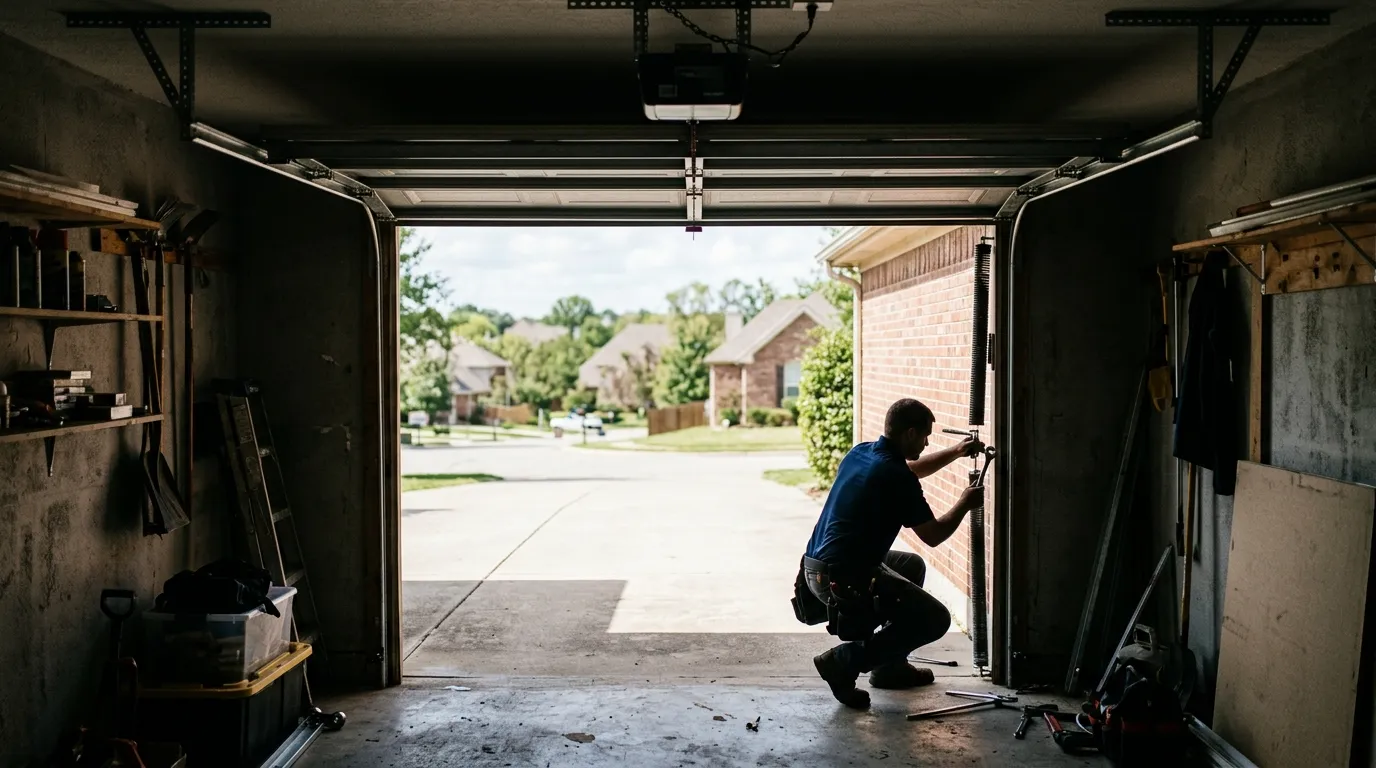
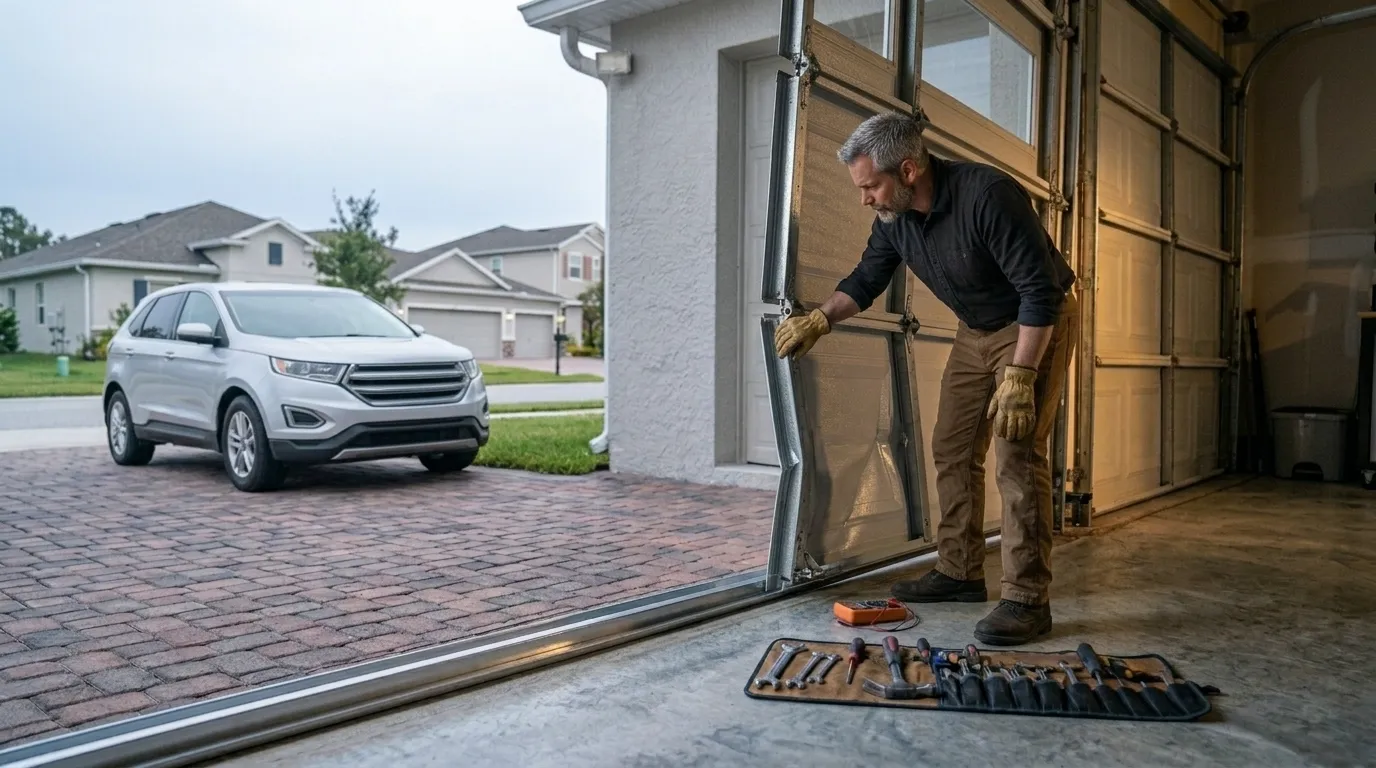
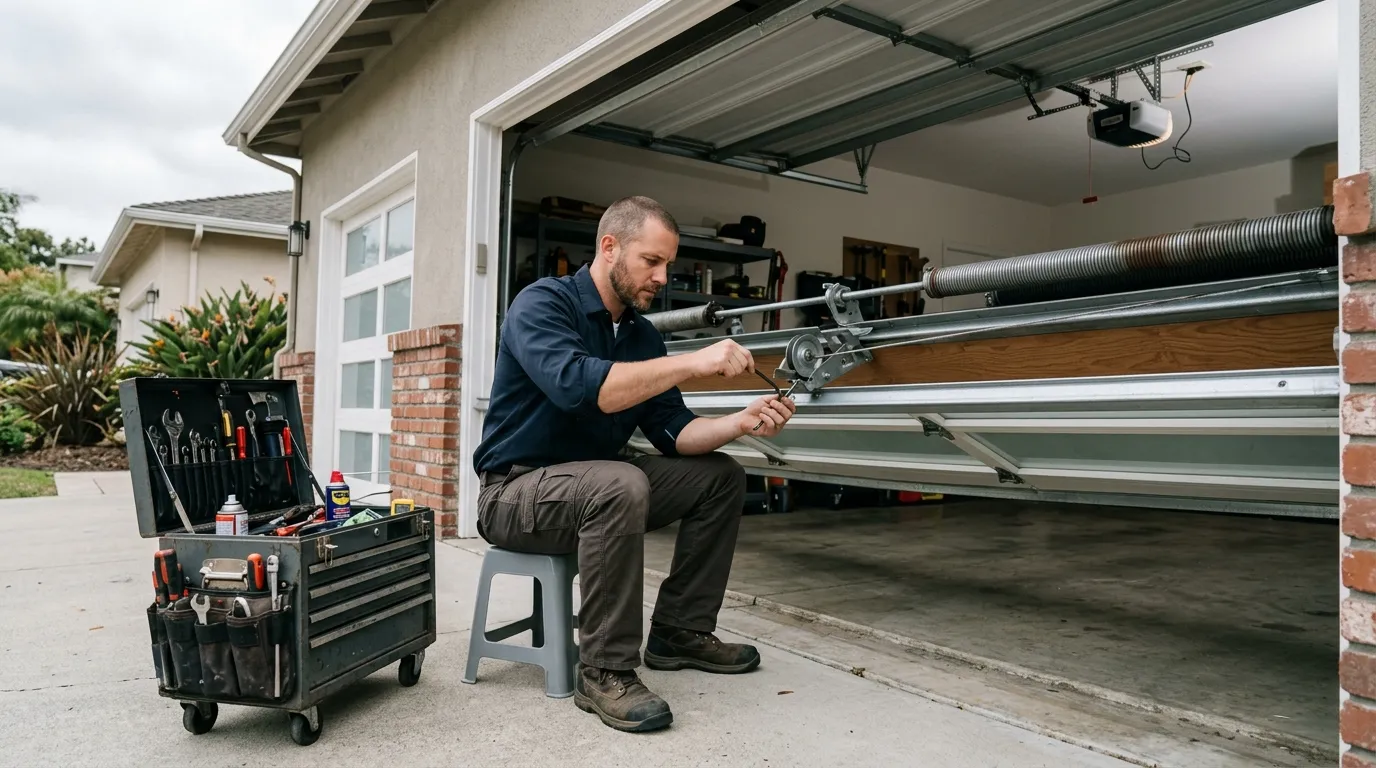
Put the housing age and the climate together and you get a specific set of things that fail first on original or older doors around here: bottom seals that crack from repeated freeze-thaw, torsion springs that were sized in the 1960s for a lighter door than today's insulated panels, and header clearance that's tighter than modern track hardware expects. None of that is unique to one street - it's the shared condition of a service area where most of the 205,438 owner-occupied houses came up in the same twenty-year window. A replacement door here isn't just a panel swap; it's a chance to fix hardware that was never right for cold-weather use in the first place. We won't sell you a door bigger or fancier than your opening supports, and if the header or track needs work beyond the door itself, that's a separate conversation before you sign anything.