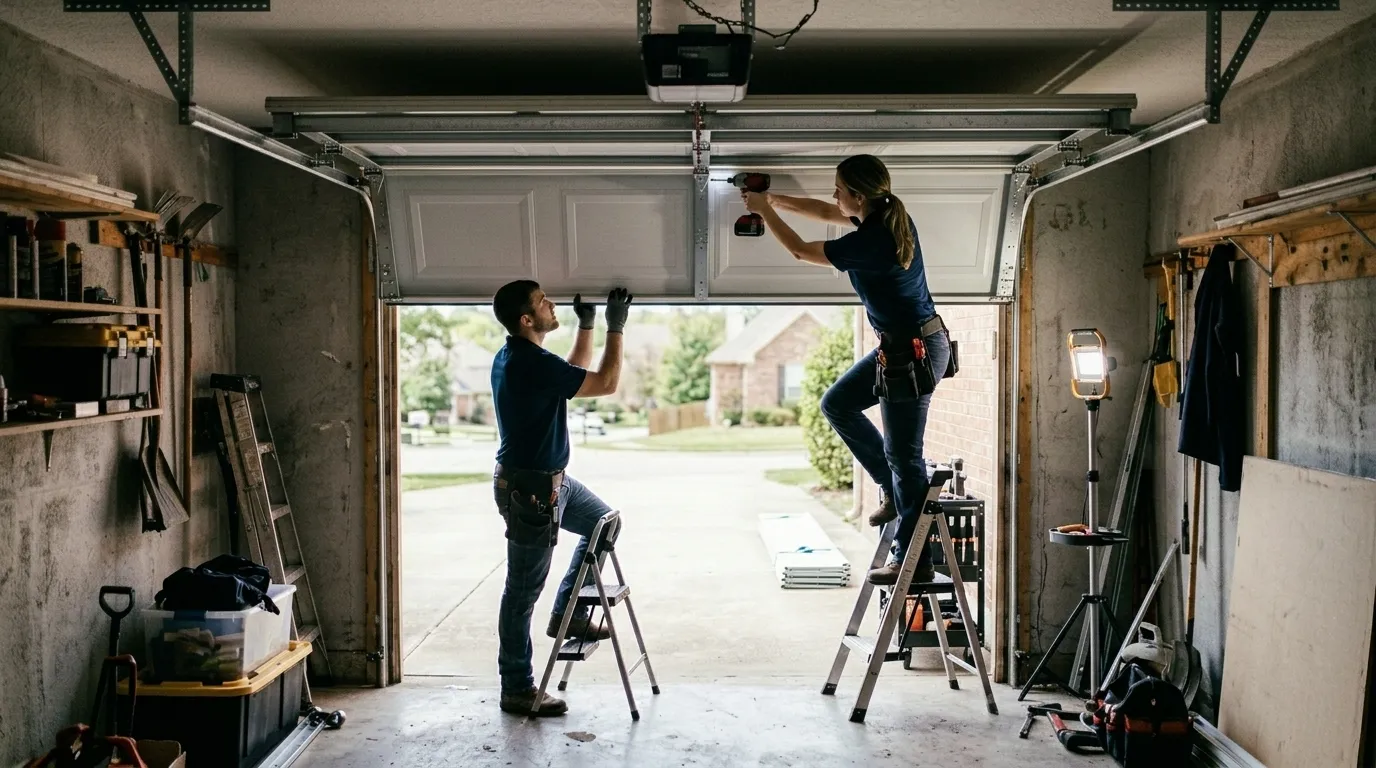
24/7 Emergency Service Open 7 days · 7am–8pm Serving Parma, OH & nearby
(216) 359-8164
Parma, OH

When Should You Stop Repairing a Garage Door in Parma?

Most Parma houses date to the 1960s and 70s, and severe cold winters push old torsion springs past their limit. Here's when to stop fixing and start replacing.

When Should You Stop Repairing a Garage Door in Parma?

The Situation

Parma's housing stock runs from 1938 to 2004, but the bulk of it clusters in the 1960s and 70s, the same years that produced the ranch and split-level garages you see across the city's 67 named areas. A door on one of those houses has usually been repaired more than once already - a new opener in the 90s, a spring swap sometime after that, maybe a section replaced after someone backed into it. Each of those fixes patches one part of a system that was built as a matched set. When the track, the springs, the rollers, and the opener are all pushing 40 or 50 years old at the same time, fixing the one part that just broke doesn't buy you much. You're extending the life of the weakest remaining piece, not the door. That's the situation a lot of Parma calls turn out to be: not one bad spring, but a door that's been running on borrowed parts for a decade, where the next failure is already lined up behind this one.

The Seasonal Bit

Parma sits in a climate band the federal data marks cold-severe, and that matters more for an older door than people expect. Steel torsion springs lose a measurable amount of tension as temperatures drop, and a spring that was already near the end of its rated cycle count in October can snap on the first hard freeze instead of limping through another spring. Chain and belt openers thicken their internal grease in cold garages, which is why a door that opened fine all summer starts groaning or stalling halfway up once the temperature drops. None of this is dramatic - no single storm causes it - but the yearly swing from a humid summer to a below-freezing winter is hard on hardware that's already 30 or 40 years into service. If your door has been fine for years and suddenly needs three calls in one winter, that's not bad luck. That's the cold finding the weak point the calendar was already pointing at.

What Most People Get Wrong

The mistake we see most is treating every failure as an isolated repair instead of asking how many of these a door has had. A broken cable, then six months later a bad roller, then a spring - each one gets fixed on its own, and each invoice looks reasonable by itself. Add them up over eighteen months and you've often spent more than half of what a new door would cost, on a door that's still the same age it was when the first repair happened. With median household income across the service area at $95,313, most owners here aren't choosing between repair and replacement because they can't afford the second - they're choosing because nobody added up the first three bills. We'll always tell you honestly if a repair is the right call. But if we're back for the third time in two years on a door that was already old when we met it, replacement is the honest answer, not another patch.

What Local Conditions Do

Age and cold compound each other here in a specific way. A door built to 1960s-era standards has narrower track clearances and lighter-duty springs than what's sold today, so when one part fails, the replacement part is sometimes a size the original frame wasn't built around - meaning a straight swap-in fix isn't always possible, and part of the job becomes adapting hardware to an opening that predates the current standard sizes. That's the honest limitation: we can't always match old to new without changing more than the one broken piece, and sometimes that tips the math toward a full door rather than a repair. Combine that with a climate that stresses spring tension and opener grease every winter, and you get a door that fails in clusters rather than gracefully. If your door is original to a house built before the 80s and it's already had two or more repairs, the local conditions aren't going to ease up on it - they're the reason it's getting worse, not just older.
How it works

From “it’s stuck” to “it’s fixed”

Tell us what’s wrong - Parma garage door service

Tell us what’s wrong

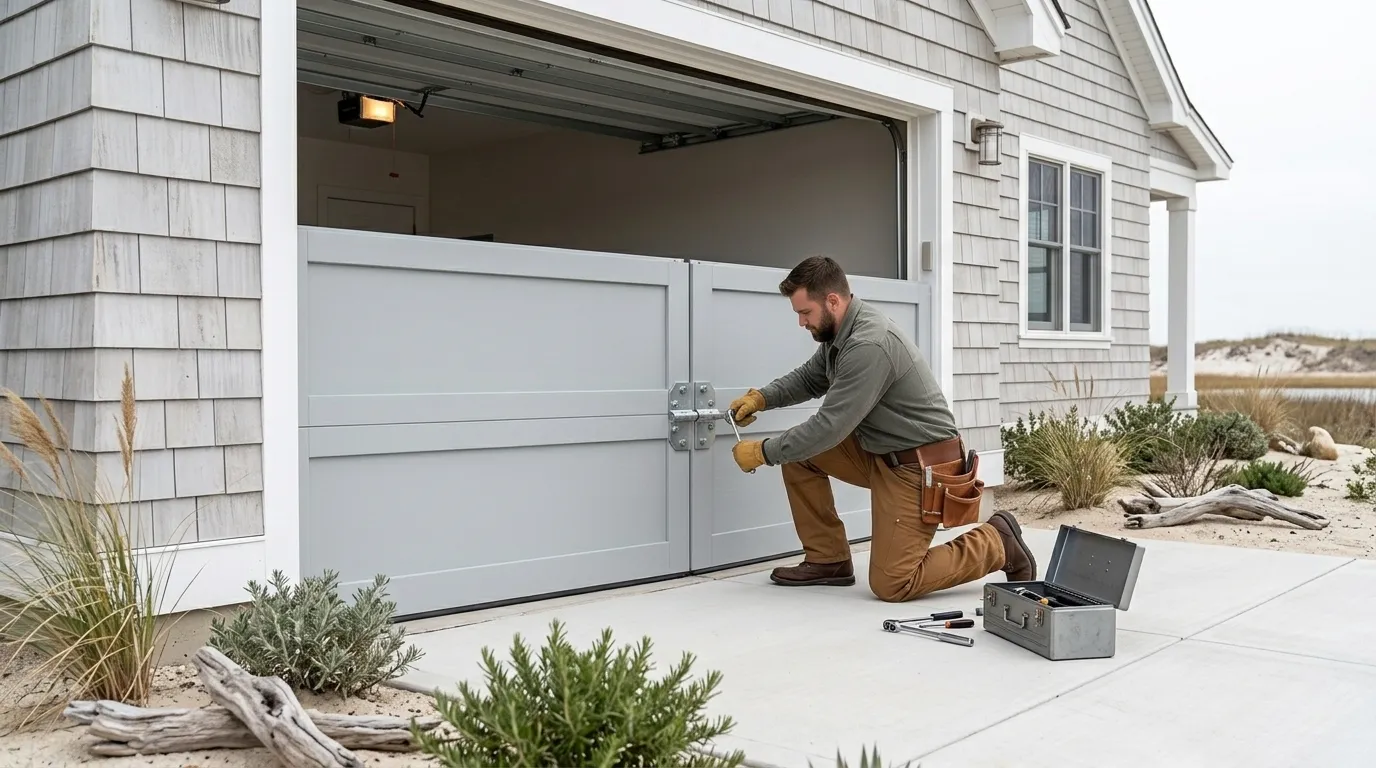
Describe the symptom - won’t open, loud bang, opener runs but the door won’t move.

On-site diagnosis - Parma garage door service

On-site diagnosis

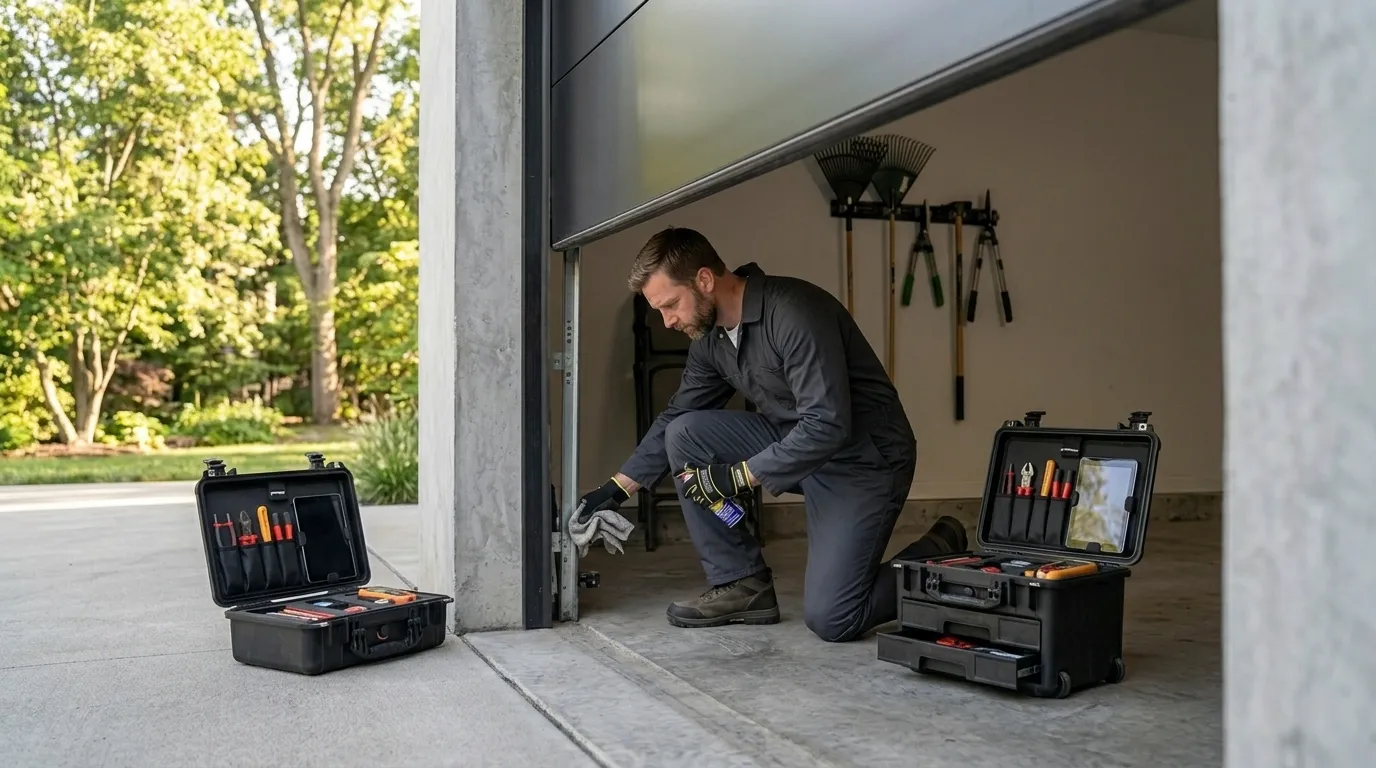
A technician tests the door under power and by hand and finds what actually failed.

Clear, up-front plan - Parma garage door service

Clear, up-front plan

You get the fix that’s needed and what drives the cost - before any work starts.

Repaired & tested - Parma garage door service

Repaired & tested

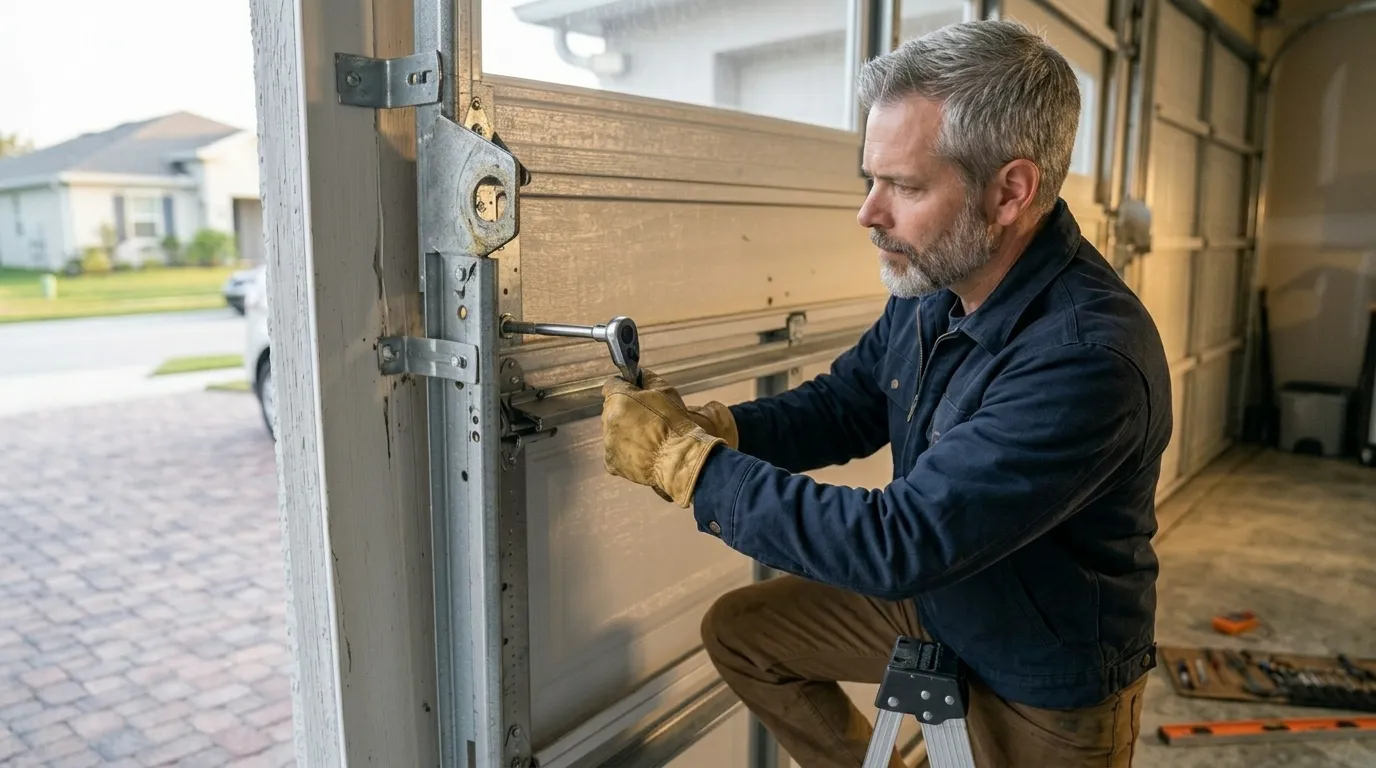
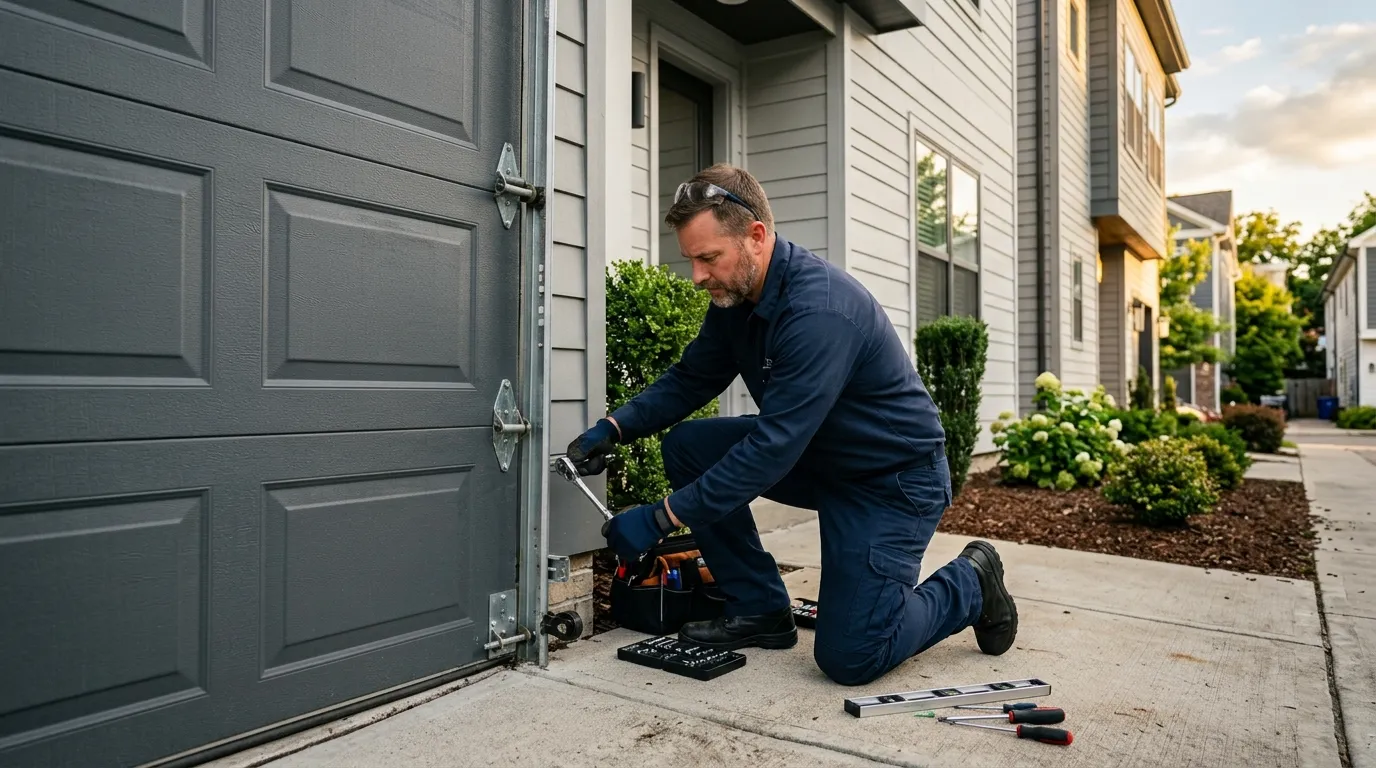
The repair is done, the door is set true and tested, and the work area left clean.

Serving Parma, OH - tell us what your door’s doing and we’ll take it from there.

70areas covered
How we work

What to expect

Diagnosis firstEvery visit starts by finding what actually failed - not a pre-written parts list.
The right part for the doorSprings and openers matched to the door’s weight and age, so the fix holds up.
Straight answersWhen a repair makes more sense than a replacement - or the reverse - you hear it plainly.
Clean, careful workTension released safely, hardware set true, the door tested under power before we leave.
Questions

Frequently asked

Straight answers about garage door repair in Parma. Still unsure? Ask us directly.

How do I know if my garage door spring is original to the house?

If the house was built in the 1960s or 70s, which covers most of Parma's stock, and no one has mentioned a spring replacement, there's a decent chance it's original or close to it. A spring that old, especially after a run of cold winters, is closer to the end of its life than the middle, even if it hasn't failed yet.

Why did my opener suddenly get slow and loud this winter?

Cold thickens the grease inside the opener's gearbox and drivetrain, which is common once temperatures drop hard in a cold-severe climate like Parma's. If it's also old enough to have seen many winters, sluggishness in December is often the opener telling you it's near the end, not just cold.

Is it ever worth replacing just the springs on an old door?

Sometimes, if the track, rollers, and opener are still sound. But if you've already replaced two or more parts in the last couple years, a spring-only fix is treating a symptom. We'll tell you straight whether a spring swap makes sense or whether it's the third patch on a door that needs replacing.

Can you always match a new spring to my old door's hardware?

Not always. Older Parma garages built to earlier standards sometimes have track spacing or headroom that doesn't match current spring and opener sizing, so a repair can turn into a bigger adaptation job. That's a real limitation, and we'd rather tell you upfront than force a mismatch.

Ready to get your garage door sorted?

Tell us what it’s doing and where you are in Parma - we’ll take it from there.

4Services offered
70Areas covered
Diagnosisfirst, then the fix
Request a QuoteCall