How It Shows Up
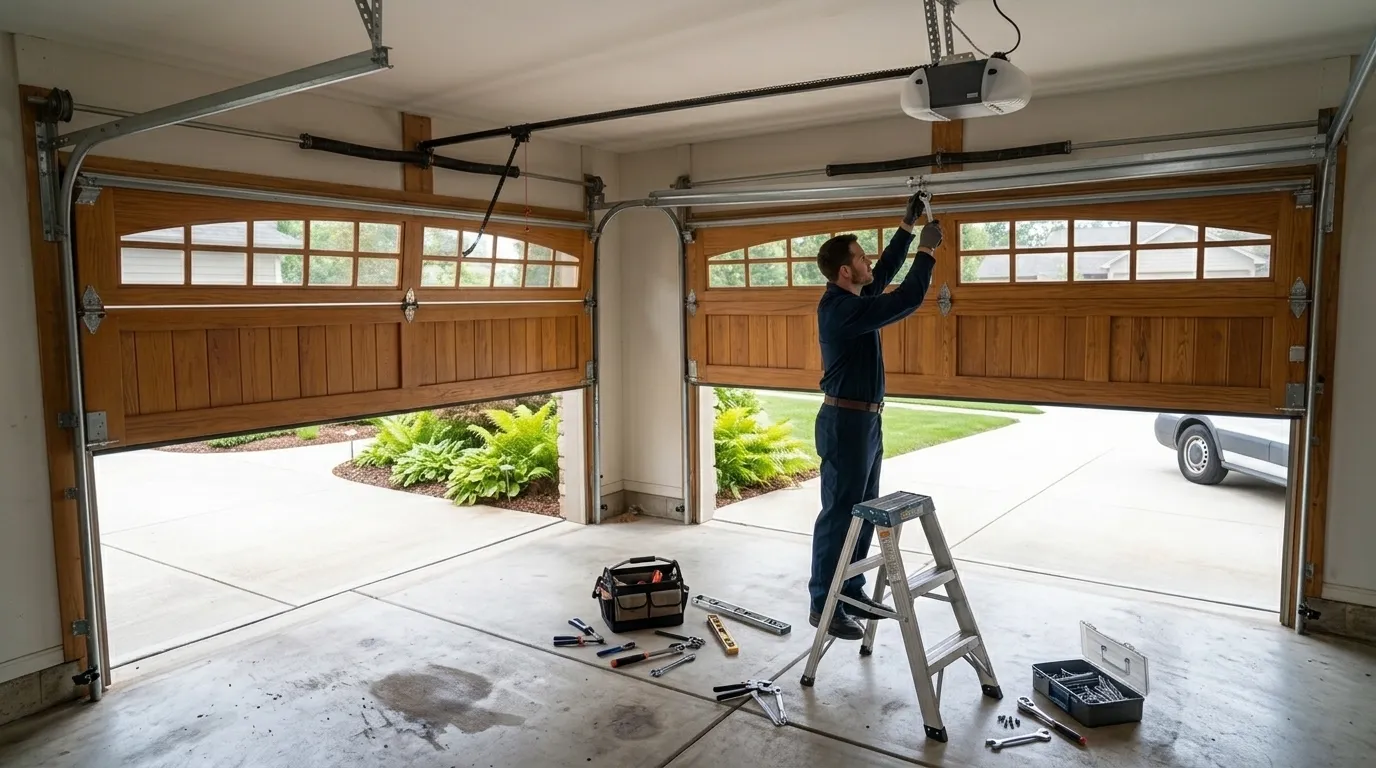
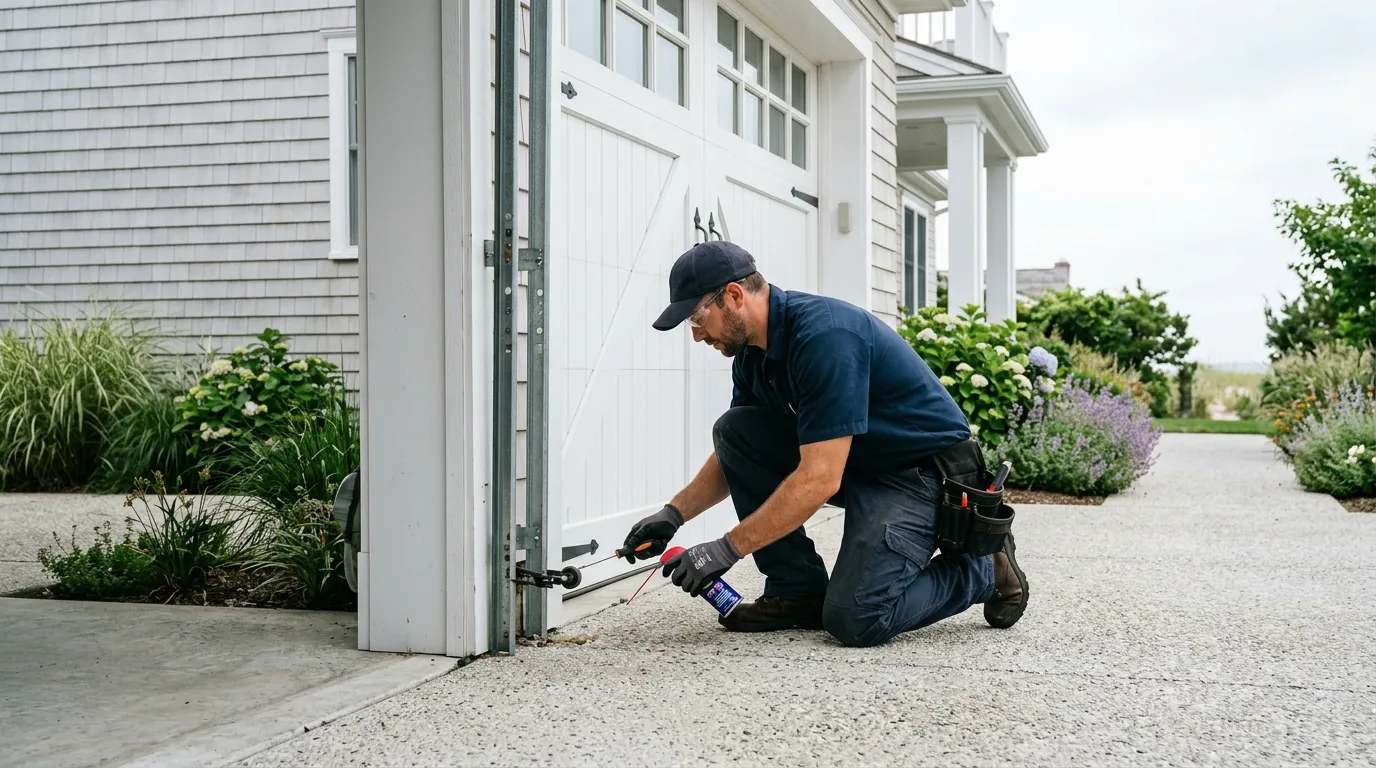
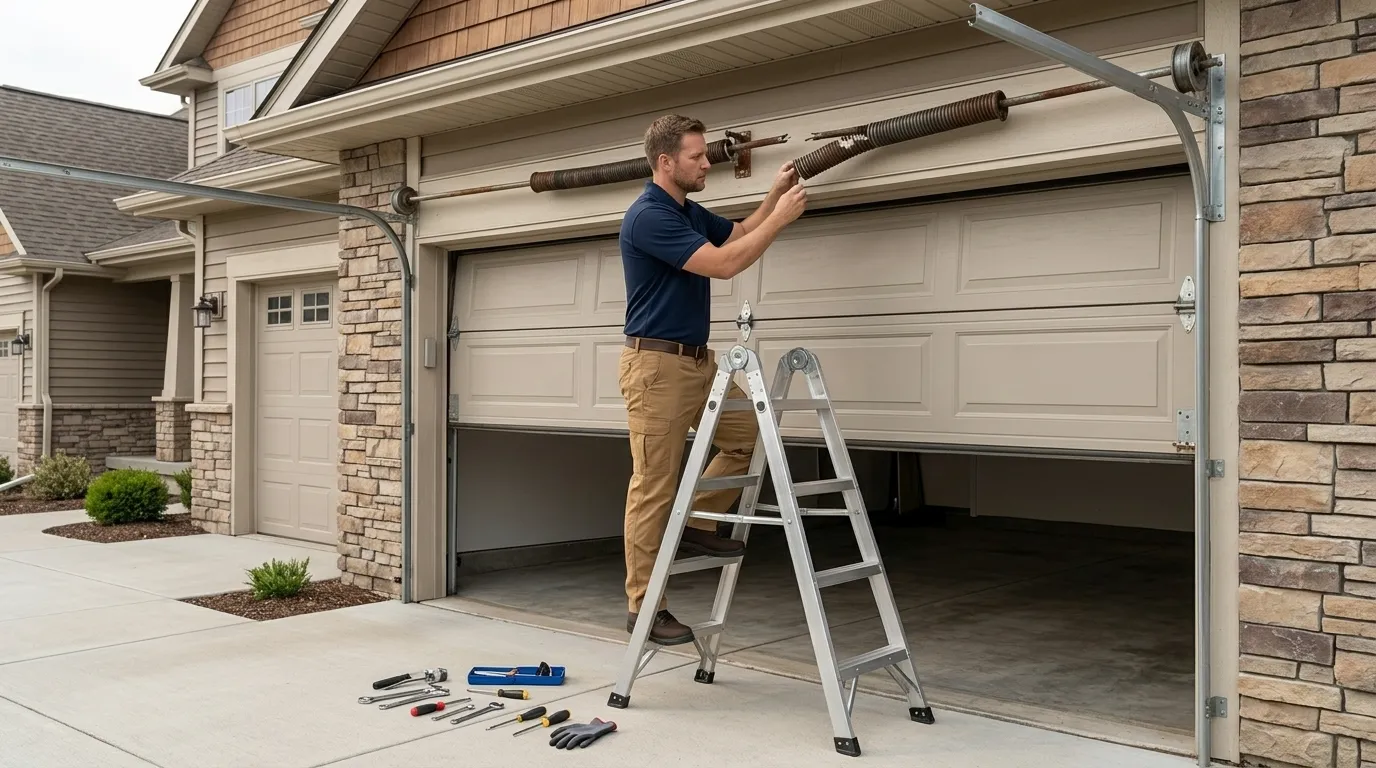
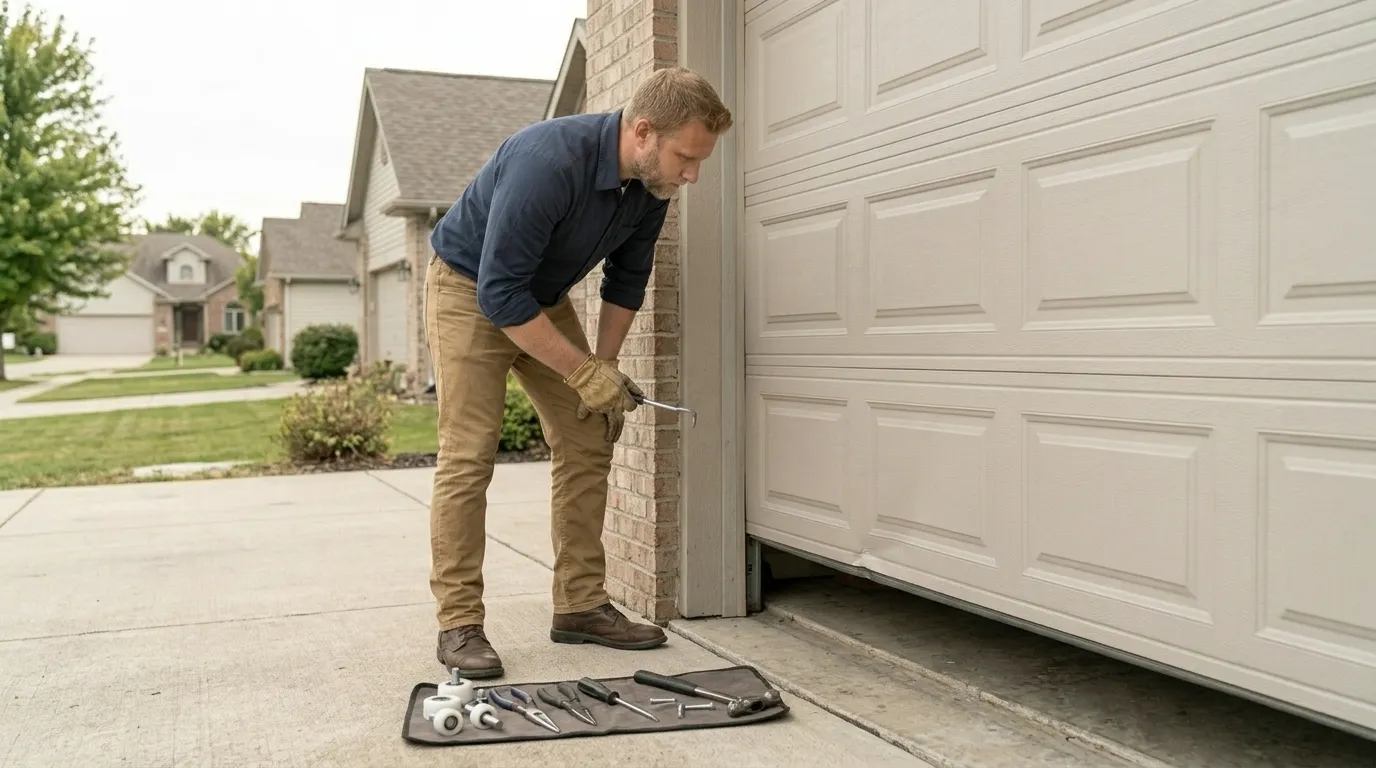
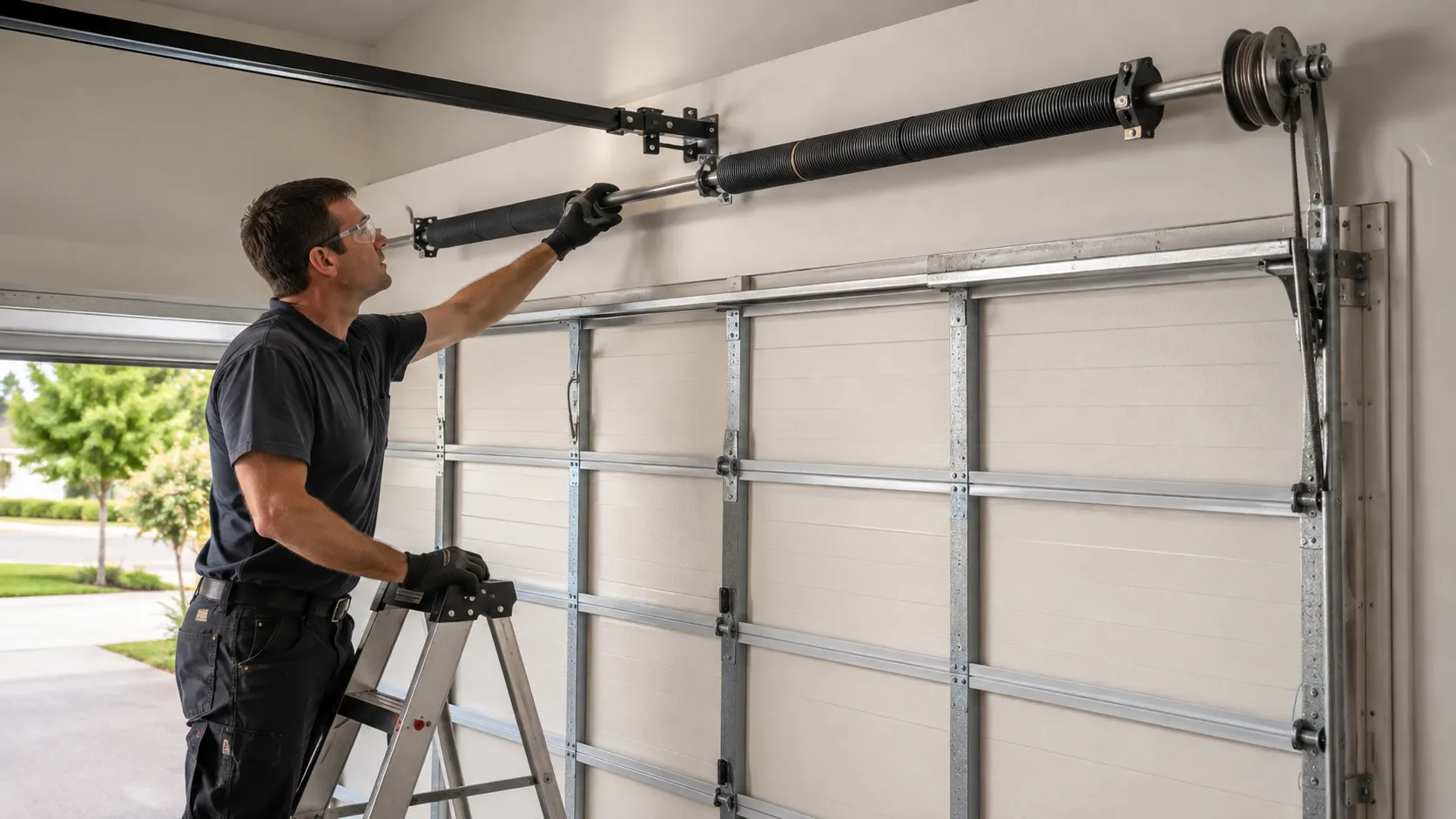
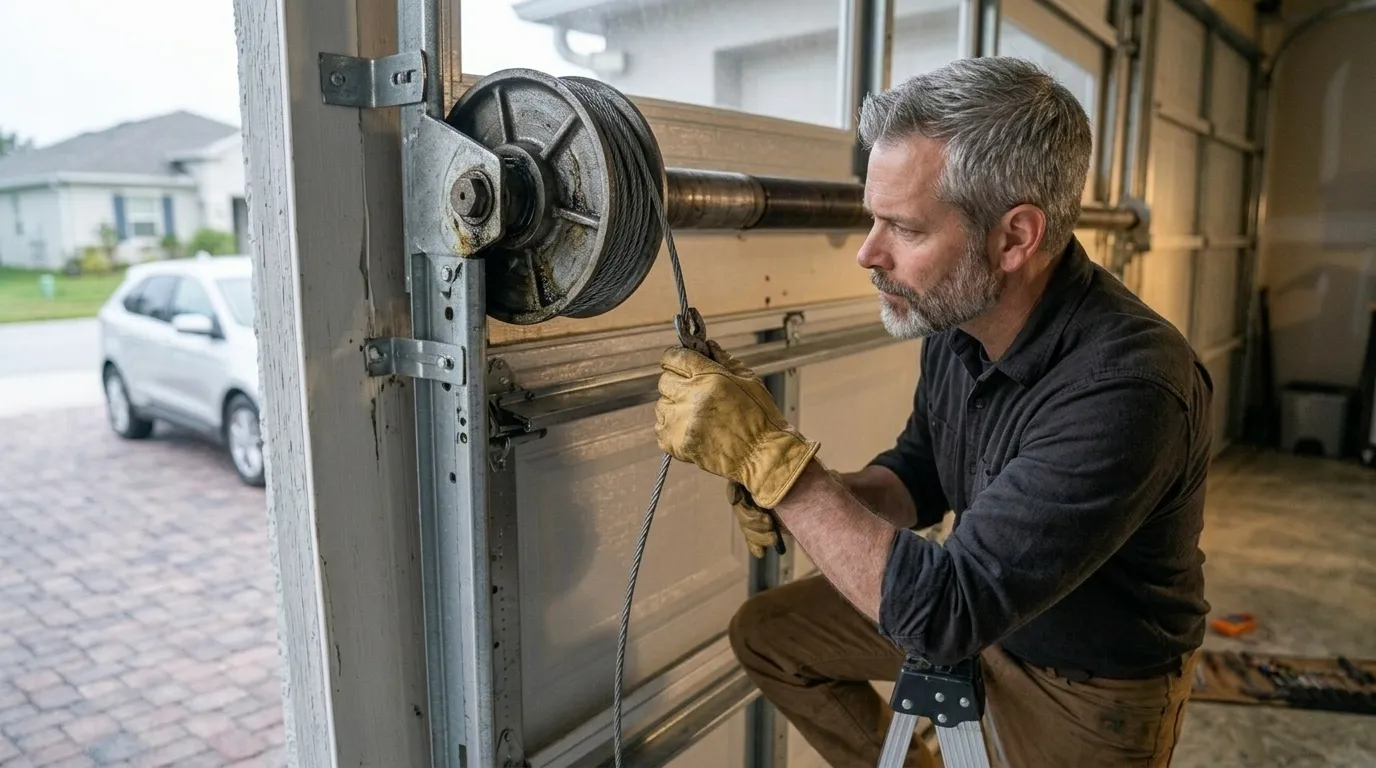
Most calls start the same way: the door won't move, or it moves halfway and stops. Sometimes it's a bang from the garage followed by a door that won't budge at all - that's usually a torsion spring letting go. Other times it's an opener that hums but the door doesn't lift, which points to a stripped gear or a cable off its drum. Housing in Parma runs from 1938 to 2004, with a median build year of 1966, and that median year is the reason so many torsion springs here are original equipment nobody stocks new anymore. When a spring on a house that old finally fails, it fails all at once, not gradually. Cold makes it worse. Parma sits in a cold-climate band severe enough that steel tracks contract and expand enough each winter to pop rollers out of alignment, so a door that worked fine in October can bind or jump the track by January. If your door sags on one side, drags along the bottom seal, or the opener reverses right after it starts closing, that's track or roller trouble showing up on schedule with the season, not a fluke.
Why It Happens Here
Across the 67 named areas that make up this service territory, most homes share that same 1960s-70s build era, so the failure patterns repeat block to block. A door installed when a house was built in 1966 is now past the point where springs, cables, and rollers wear out on their own timeline - not because anyone did anything wrong, just because steel fatigues and grease dries out over fifty-some years. If you're closer to Seven Hills three miles out or Broadview Heights five miles out, the same 1966-median housing stock means the same worn torsion hardware showing up in the same order: rollers first, then cables, then the spring itself. The cold adds a second layer on top of age. Severe winter swings shrink metal fast enough that hardware sized correctly in July can bind in January, and a spring already near the end of its life often chooses a cold morning to snap, because the steel is stiffest and least forgiving right then. Two things stacked on each other - old hardware and hard winters - is why this is a repeat-call service rather than a one-and-done fix in this part of Ohio.
What Is on the Truck
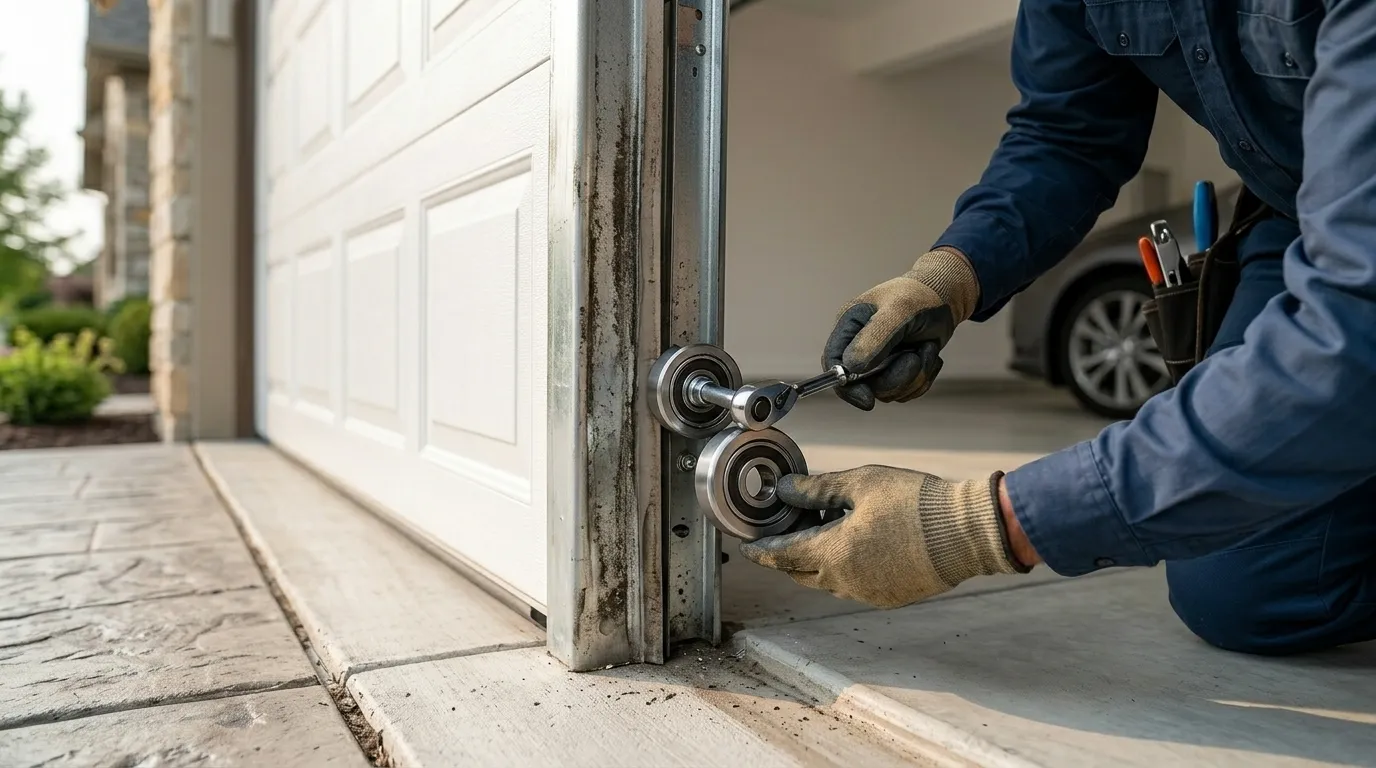
For the door types common on Parma's older housing stock, the truck carries torsion springs across the sizes those doors actually use, not just the sizes sold for new construction - that matters when the door in question is decades old and slightly out of step with current standard hardware. Along with springs, that means extension cables, nylon and steel rollers, hinges in the gauges that match older panel stock, and the fasteners those panels were built with, since newer hardware doesn't always thread the same. Openers and belt or chain drives are stocked too, for when the fix isn't the door itself but the motor pushing it. What isn't on the truck, as a rule, is custom or specialty panel replacement stock for doors with unusual sizing - that gets special-ordered rather than carried, since it doesn't come up often enough to justify the space. The goal on a first visit is to leave with the door working, not to leave a list of parts to order and come back for, and for the overwhelming majority of spring, cable, and roller calls that's exactly what happens.