The Situation
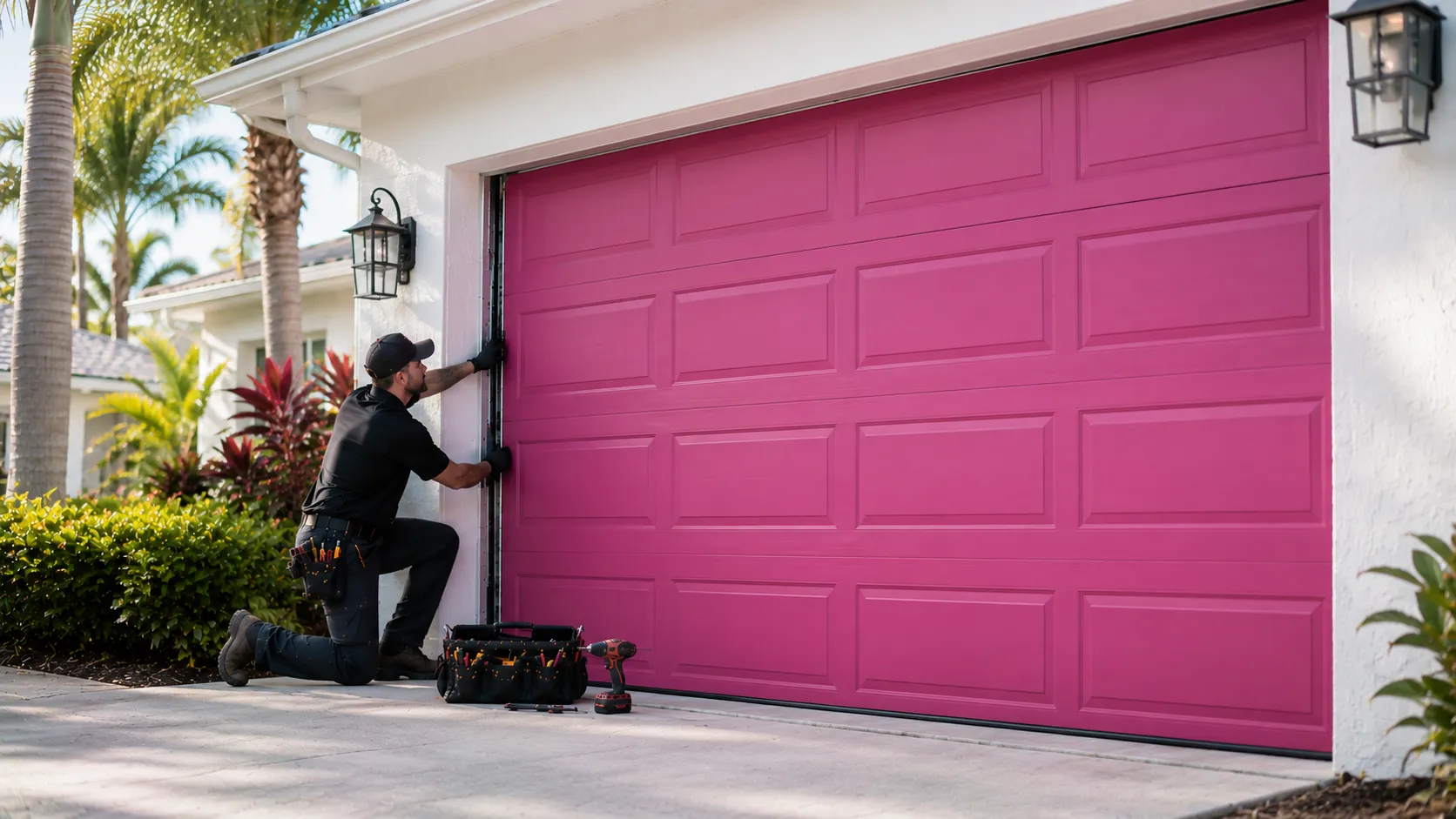
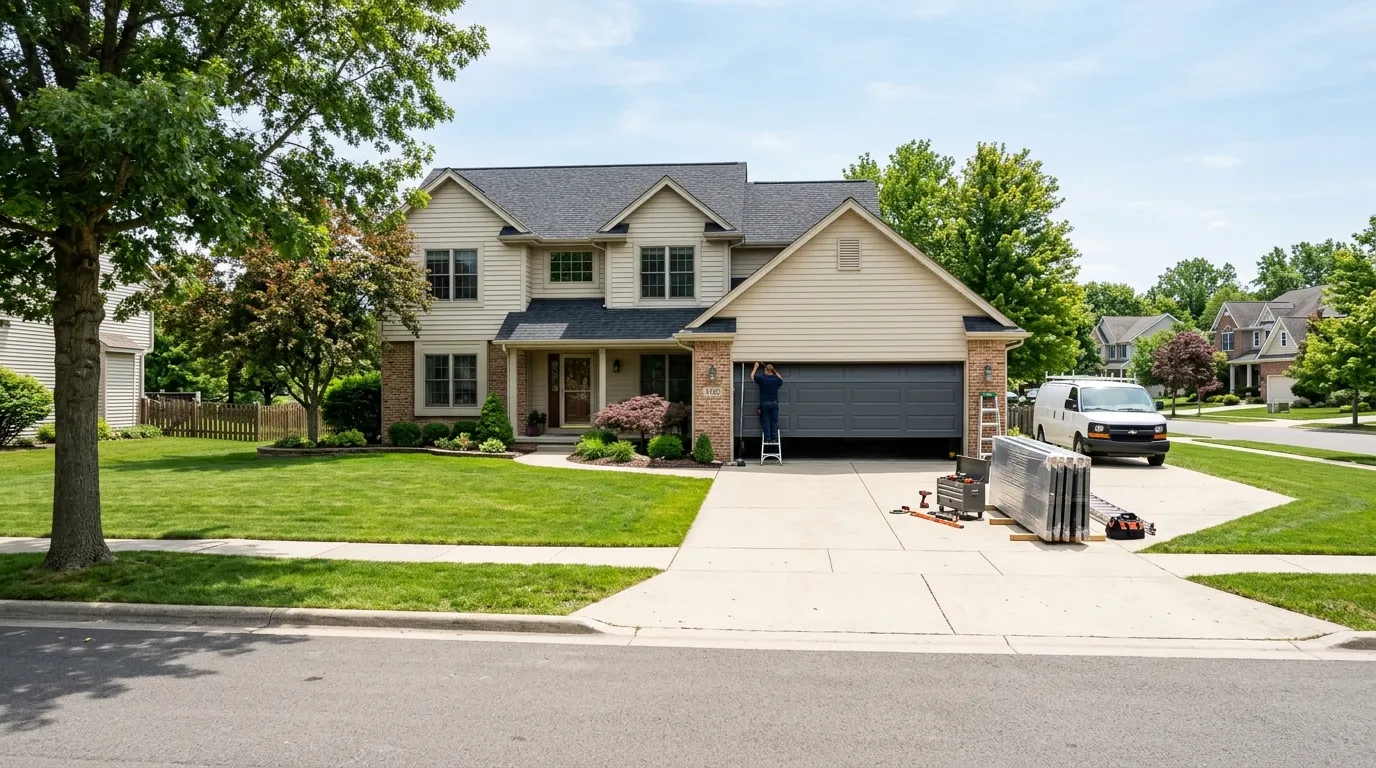
Parma's housing runs from 1938 to 2004, but the median build year is 1966, and most of the stock across this whole side of the county is 1960s and 70s construction. That era is when builders standardized on the 16-foot single door for two-car garages instead of two separate 9-foot doors. It looked better and cost less to frame. The tradeoff is structural: a 16-foot panel has almost twice the surface area of a 9-foot one, and if the hardware behind it wasn't upgraded to match, that panel is carrying a lot more load on the same size track and the same two or three hinges. Walk down almost any street built in that window and you'll see the wide door - garage centered, panel spanning the full opening, original steel or wood construction still doing the job it was hung to do sixty years ago. That's not a flaw specific to any one house. It's what the whole neighborhood got built with, and it's the reason wind does more to a wide door here than it would to a pair of narrow ones.
The Seasonal Bit
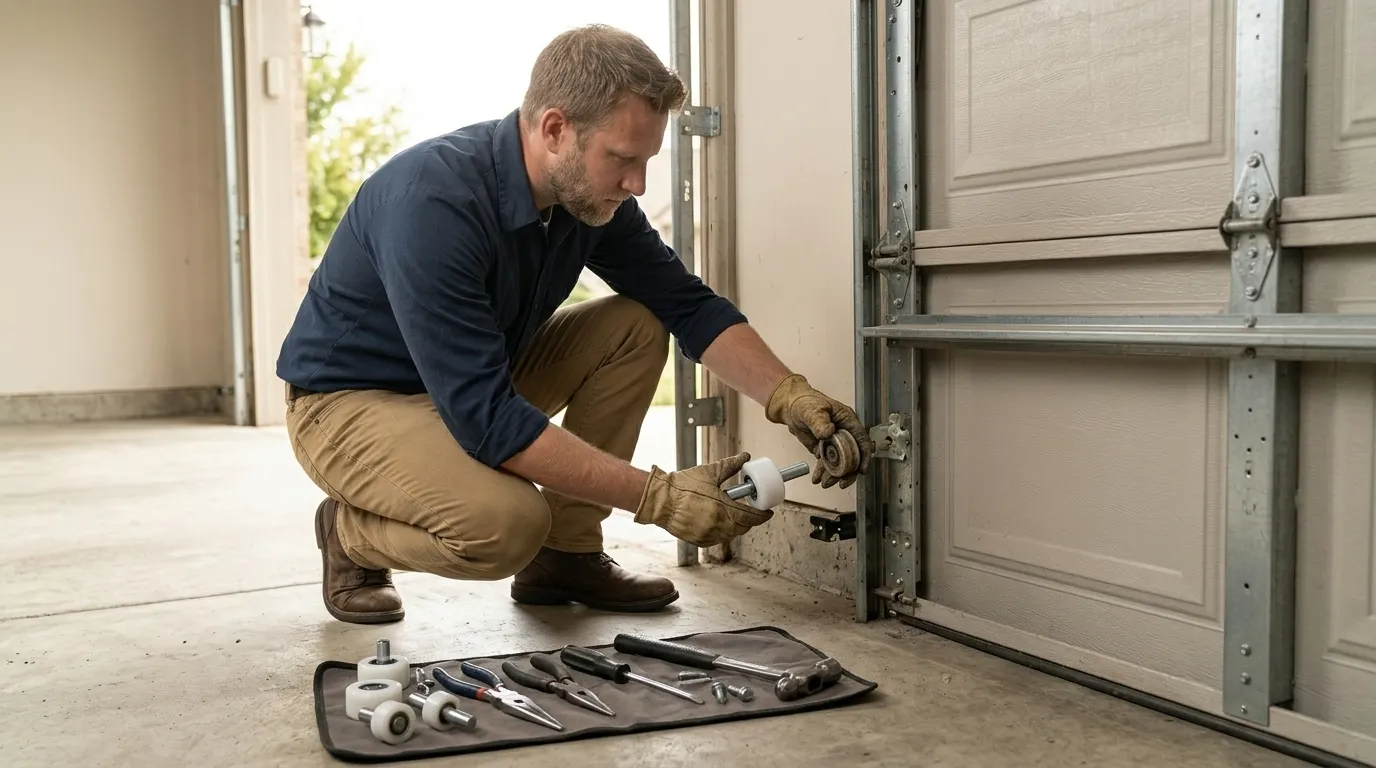
Parma sits in a climate band classified COLD severe, and that classification isn't just about temperature - it's the building-code basis for wind load and cold-brittle material limits on exterior assemblies, doors included. Steel and old wood both lose flex as temperature drops, so a gust that a panel would absorb in October can crack a seam or pop a roller bracket in January. On a 16-foot door, that stress concentrates at the center where the panel spans the farthest between vertical supports. This isn't a once-a-decade event. It's a seasonal pattern: every winter, the same wide doors flex more than a narrow door would under the same gust, because there's more unsupported panel between the tracks. If a door already runs a little loose on its rollers in September, cold season is when that slack turns into a slam, a bent track, or a strut that's started to bow.
What Local Conditions Do
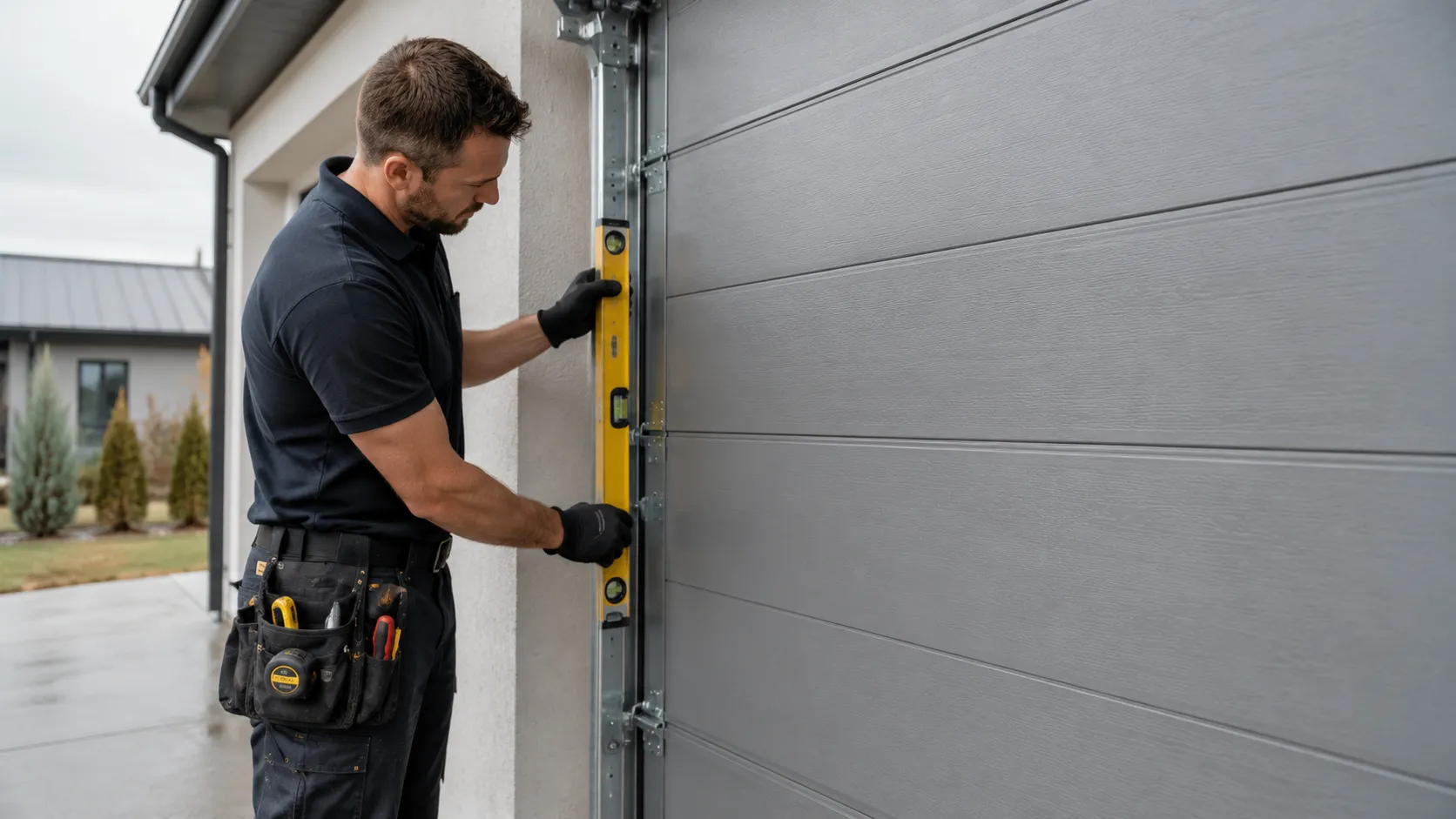
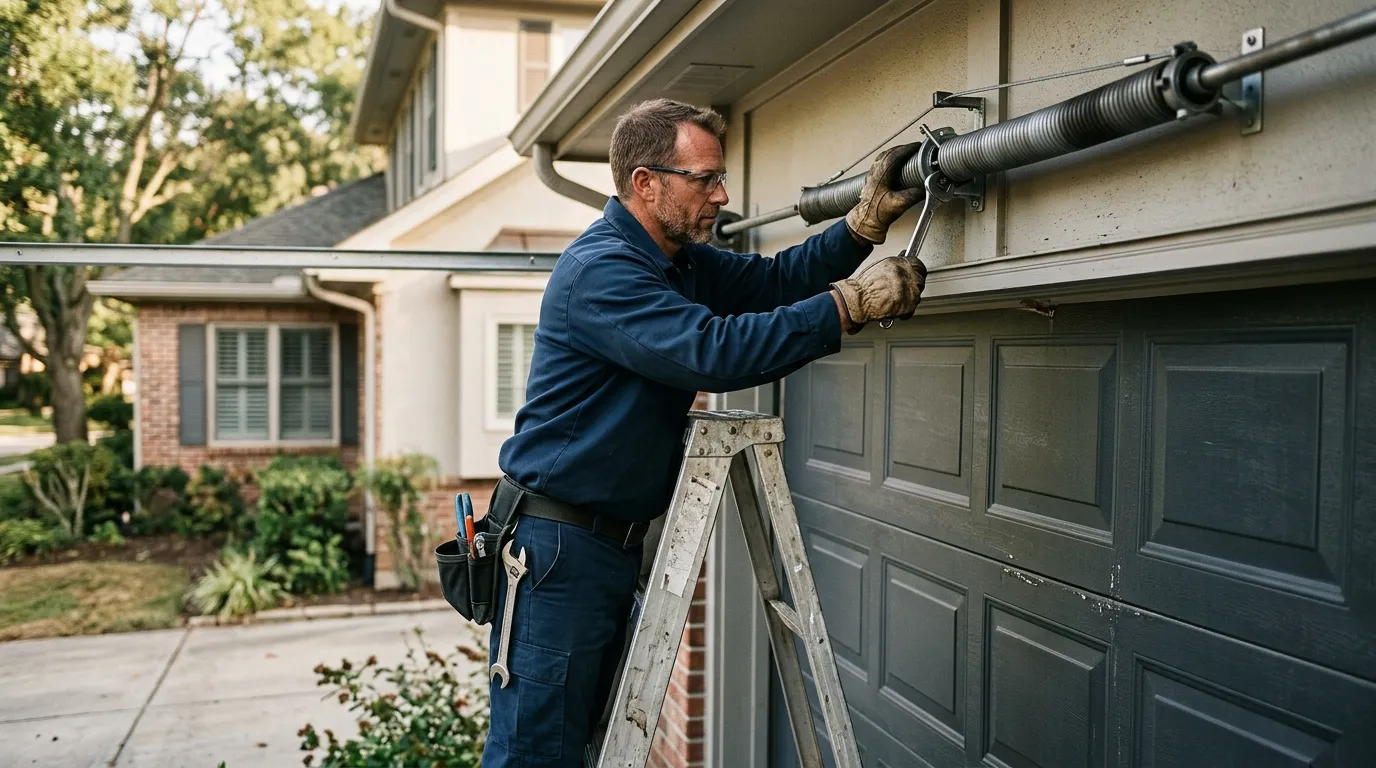
Across the roughly 205,438 owner-occupied houses in this service area, a large share carry that same original wide door on the same era of hardware, whether the house sits in Parma proper or a few miles out in Parma Heights, Seven Hills, or Brooklyn. The pattern repeats because the housing stock repeats - same builders, same decades, same door widths. What that means practically: reinforcing struts, upgrading end hinges to a heavier gauge, and adding wind-rated track brackets aren't upsells here, they're the difference between a door that rides out a gusty front and one that doesn't. If your door was built to the standard of its decade and never touched since, it's carrying today's wind loads on yesterday's hardware.