The Doors Around Here
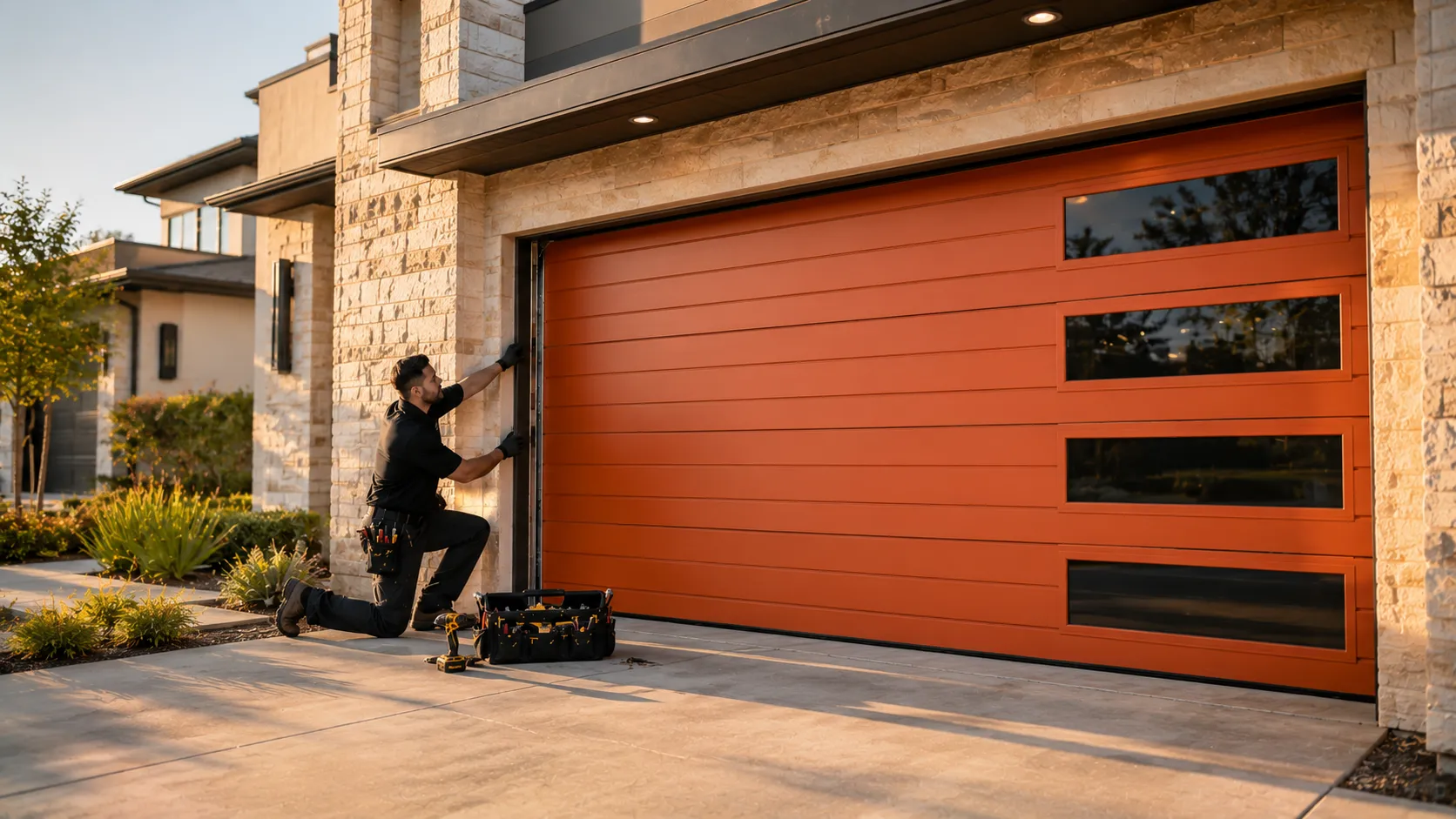
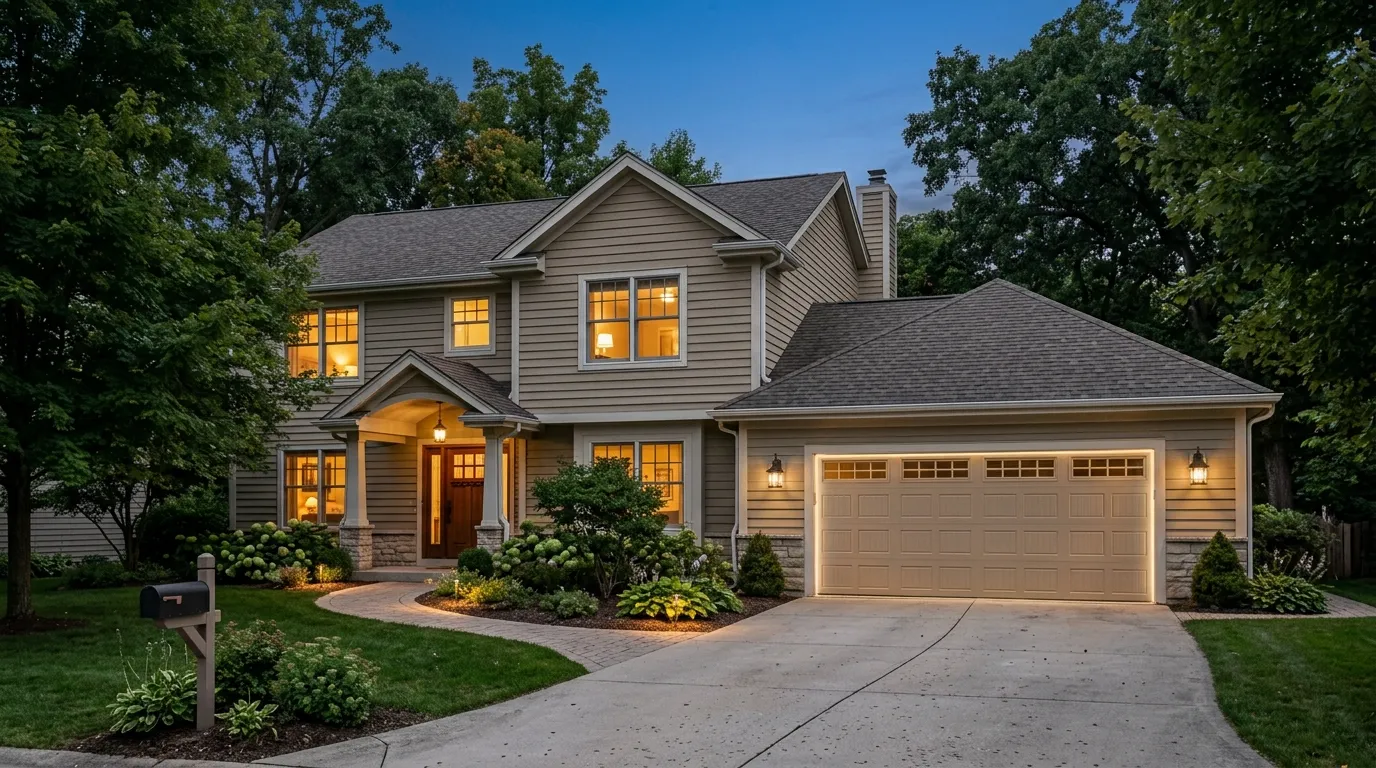
Hopkins sits about six miles WNW of the center of Parma, in a stretch of the city built mostly during the 1960s and 70s boom, part of a wider service area where housing runs from 1938 to 2004 with a median build year of 1966. That means a lot of the garage doors on these streets are either original steel sectional doors from that era or a first-generation replacement installed sometime in the 80s or 90s, before insulated doors were standard here.
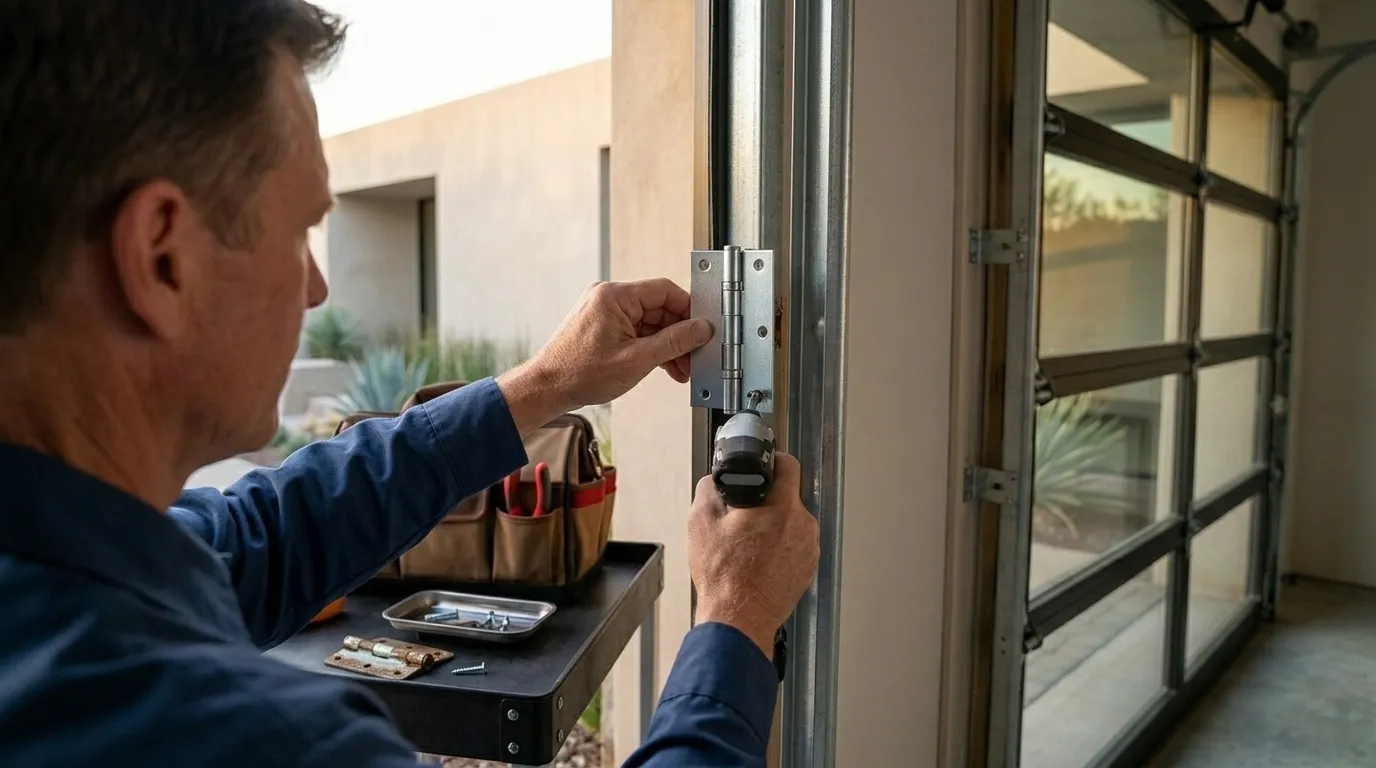
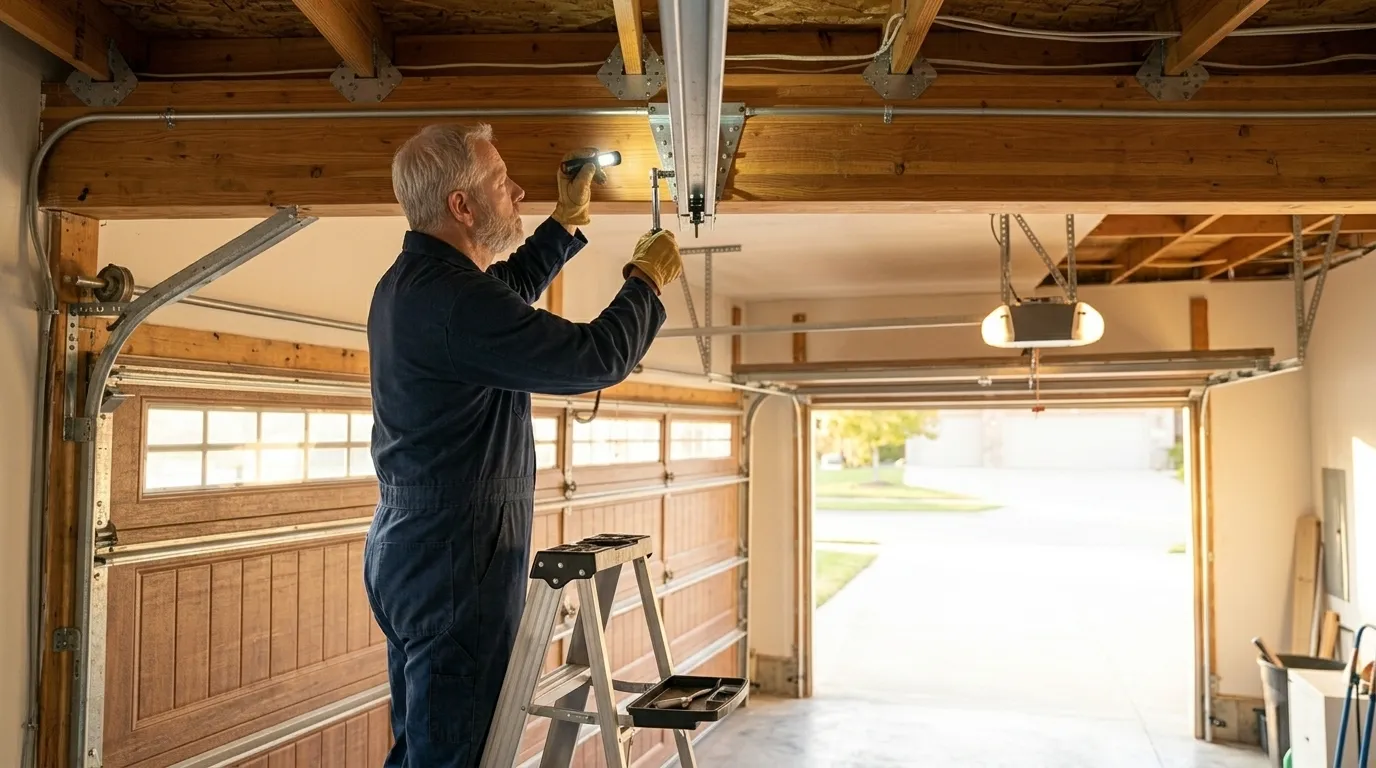
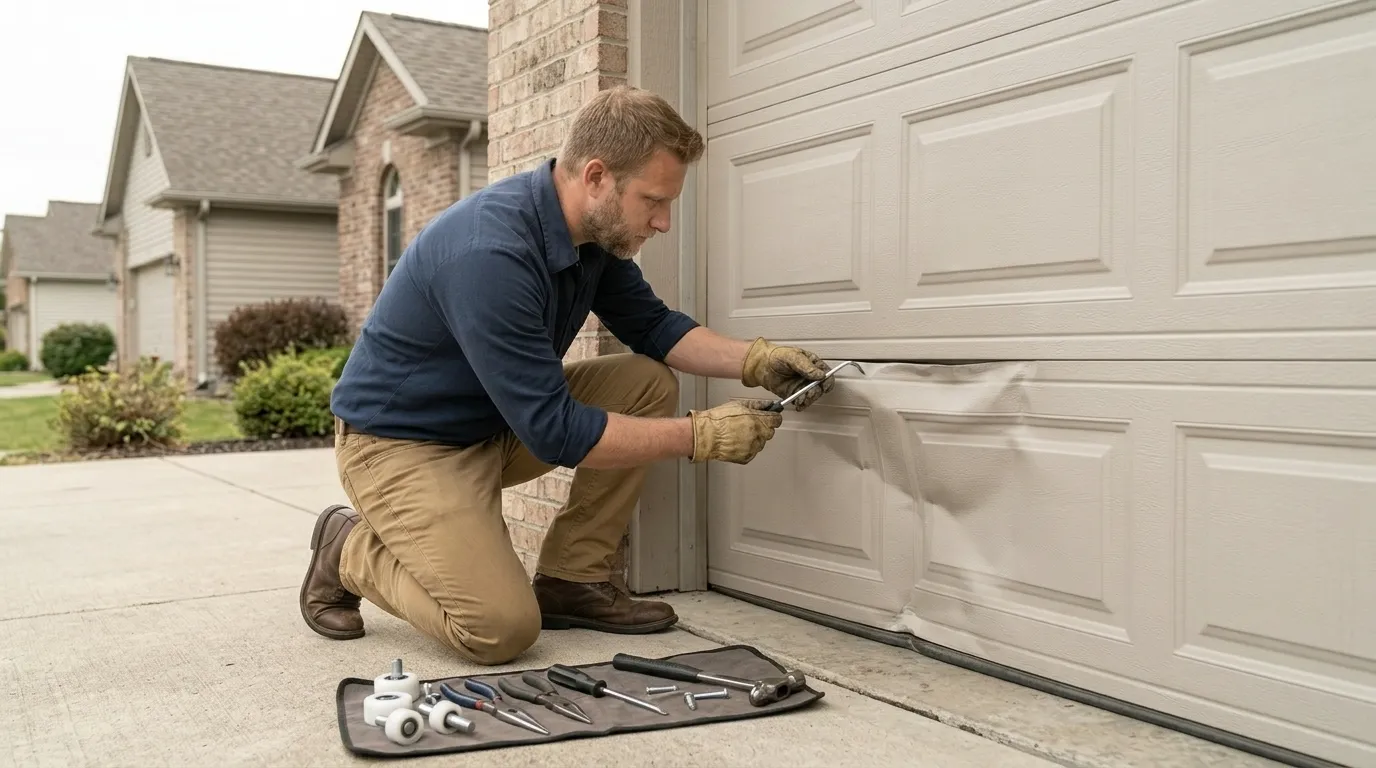
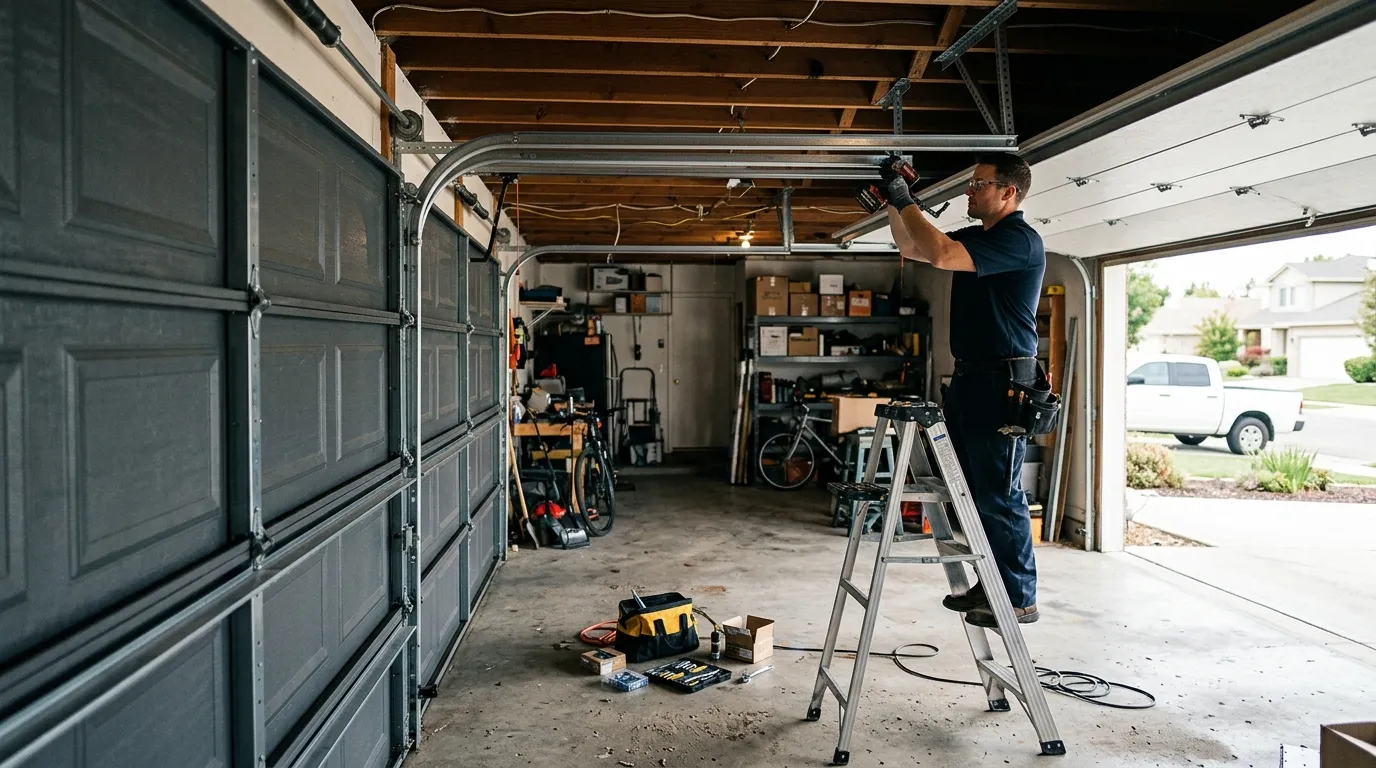
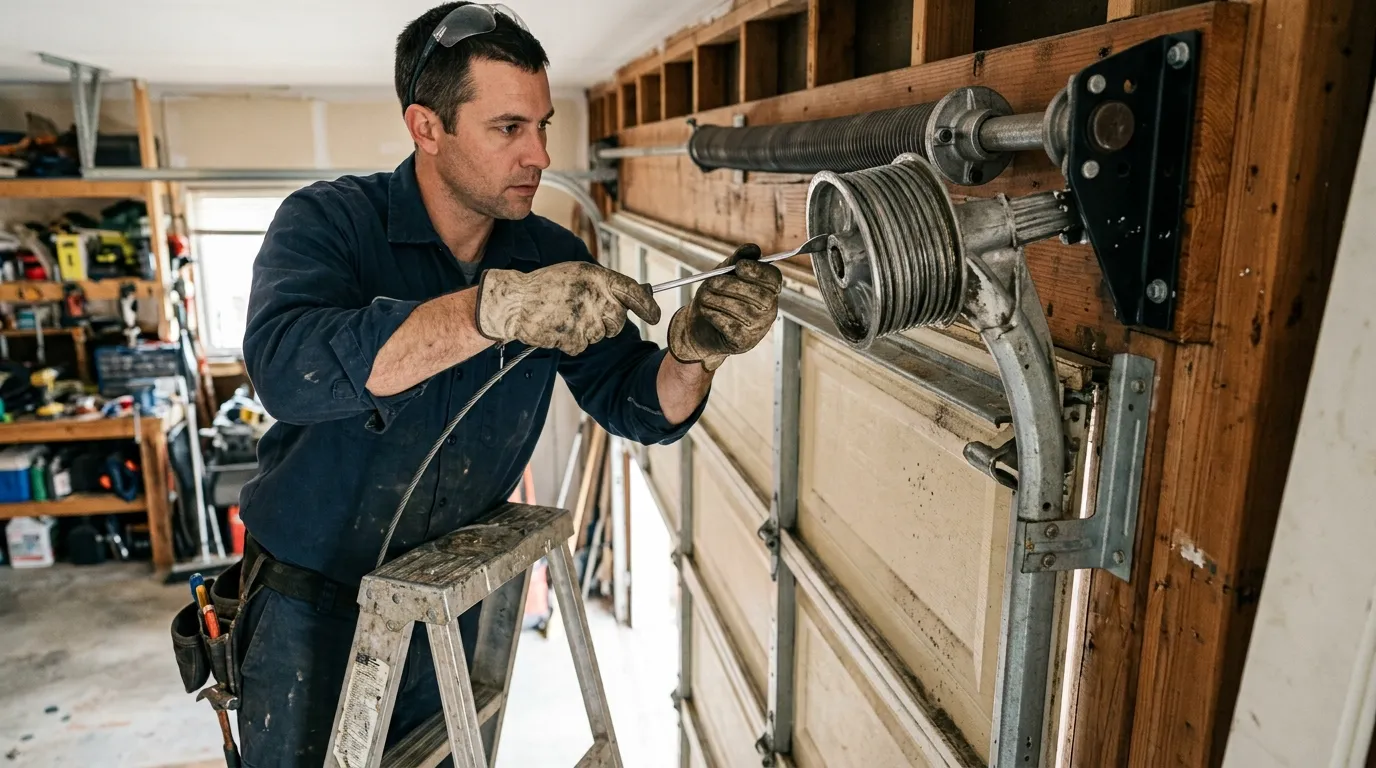
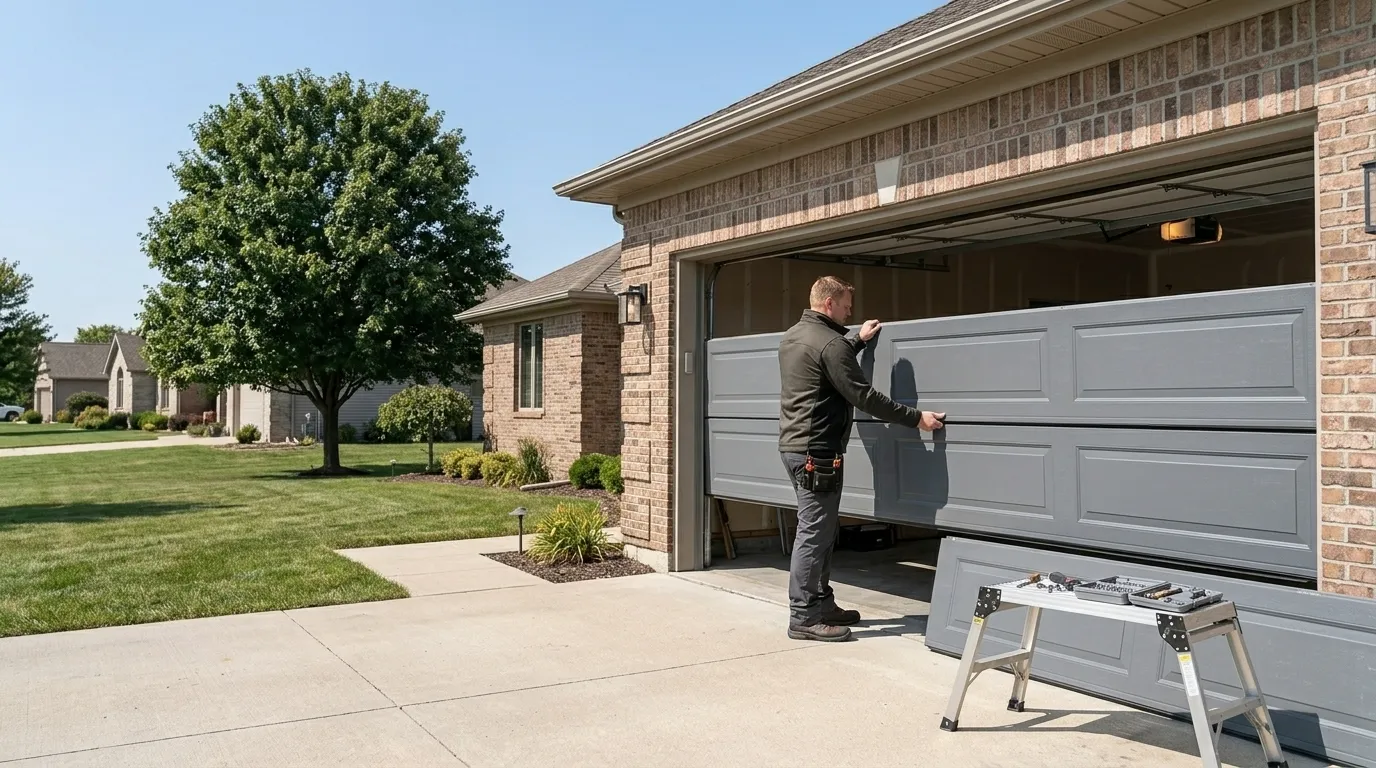
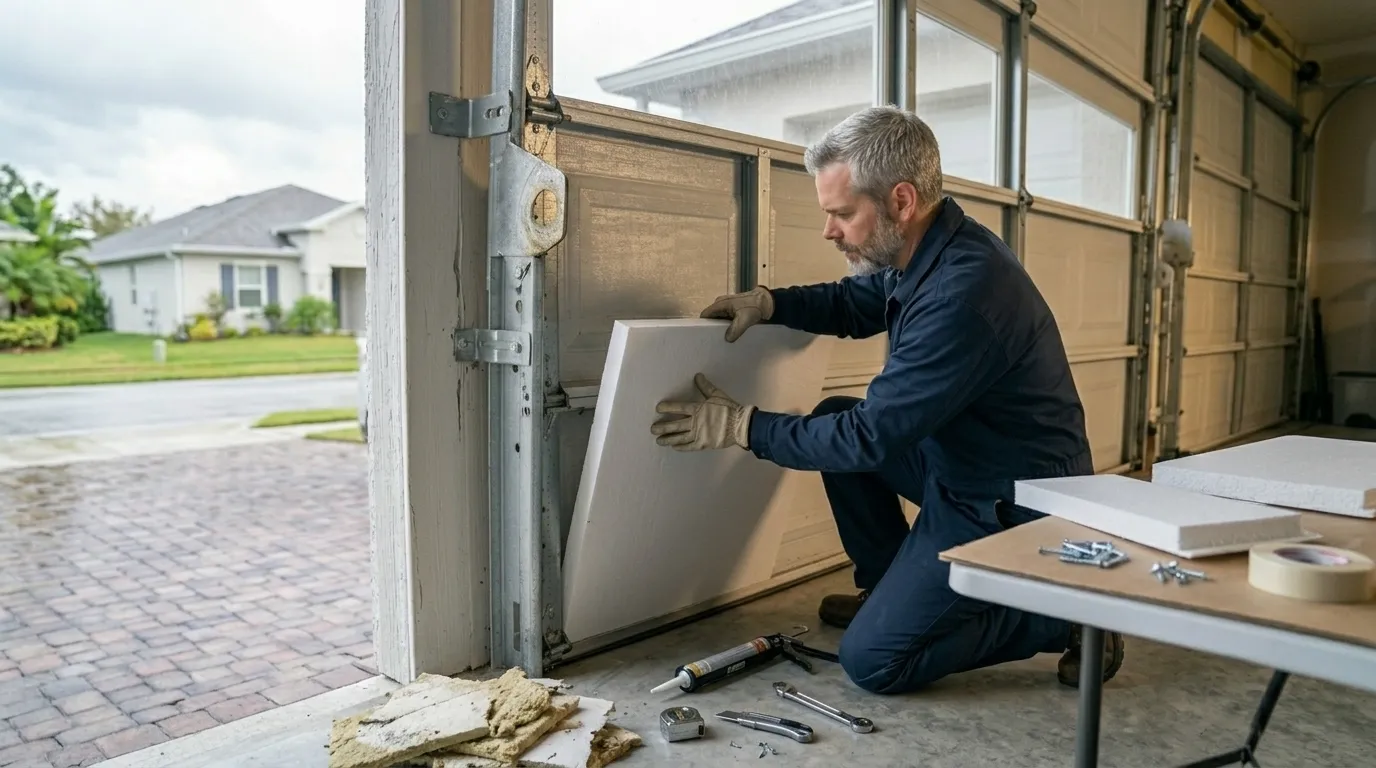
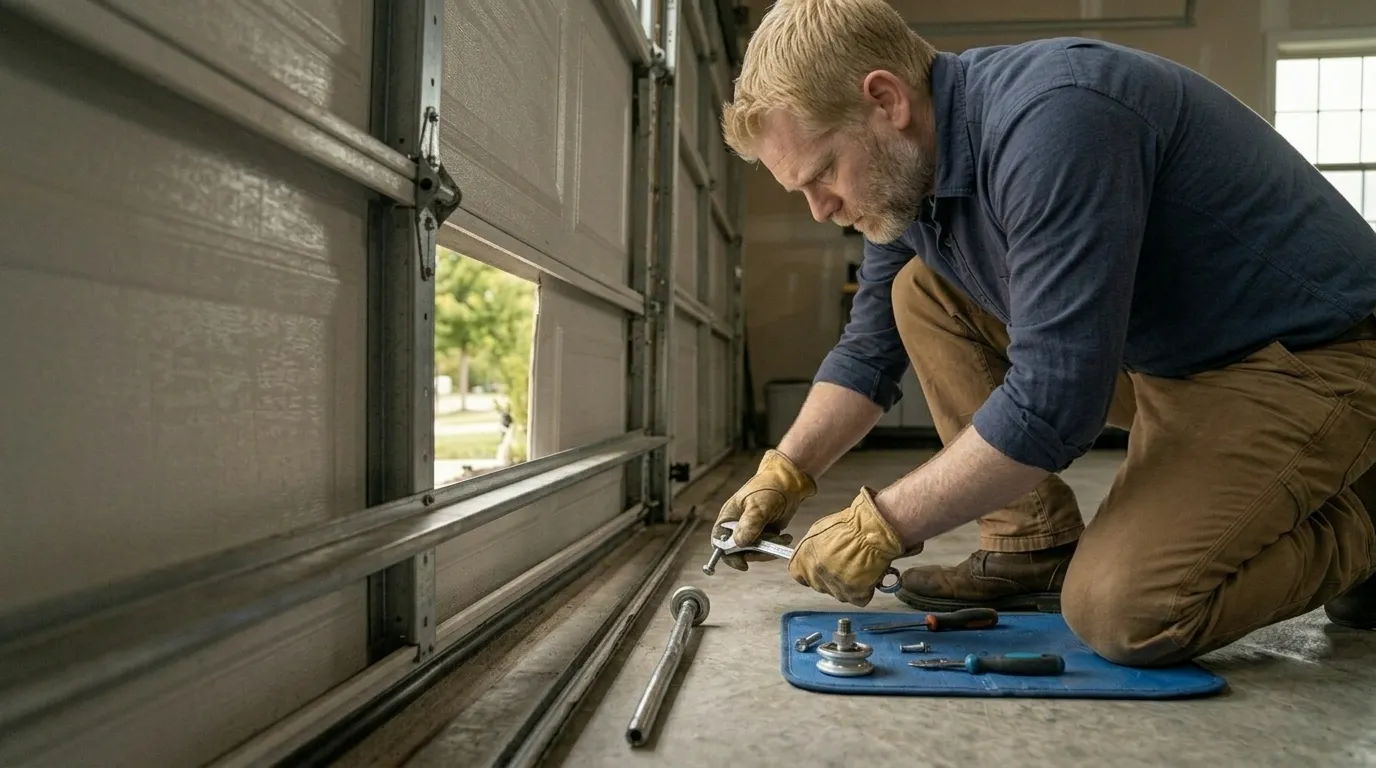
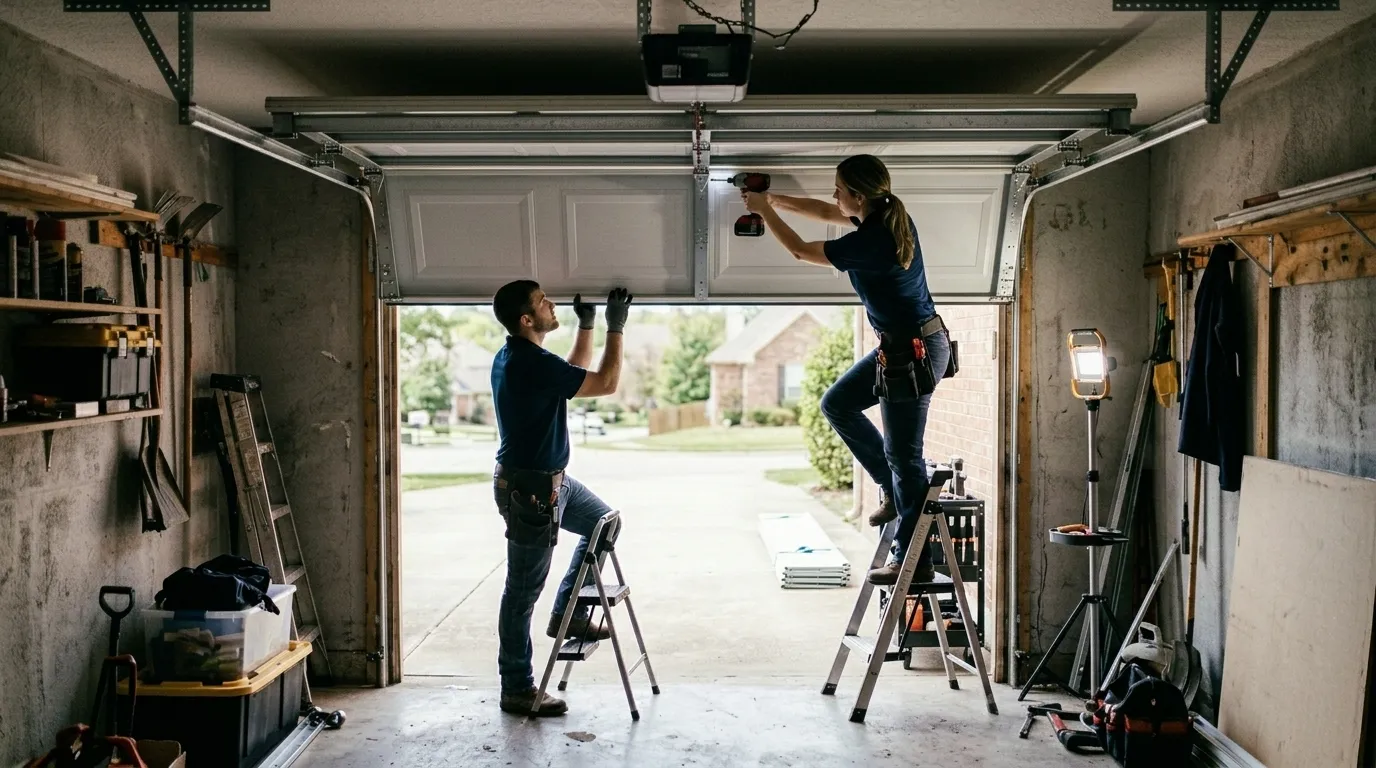
What that means for repair calls: torsion springs sized for a lighter, non-insulated door that's since been swapped for a heavier insulated panel, and openers pushing 15 to 20 years old with worn drive gears or dying capacitors. We also see a fair number of single-layer steel doors that have never been touched, which are cheap to keep running but offer nothing for the cold.
We don't have street-level detail for Hopkins beyond its distance and direction from the center, so we're not going to pretend we know your block. What we do know is the housing stock, and that's usually enough to guess what's wrong before we knock on the door.
Getting Booked In
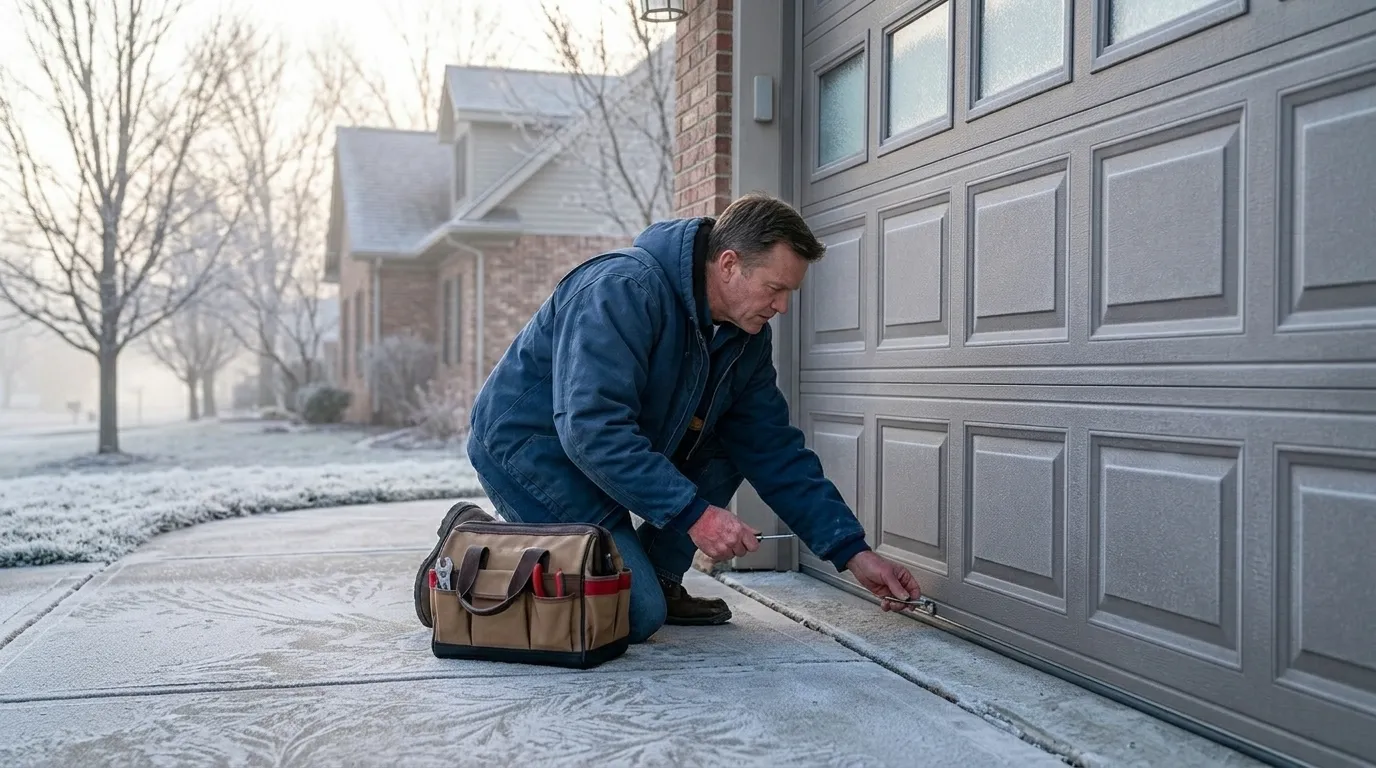
Cold-band winters mean spring steel gets brittle and lubricant thickens, so December through February is when a marginal torsion spring finally lets go. If your door is dead in the closed position and the opener light is blinking, that's almost always a spring, and it's not a job to force by hand.
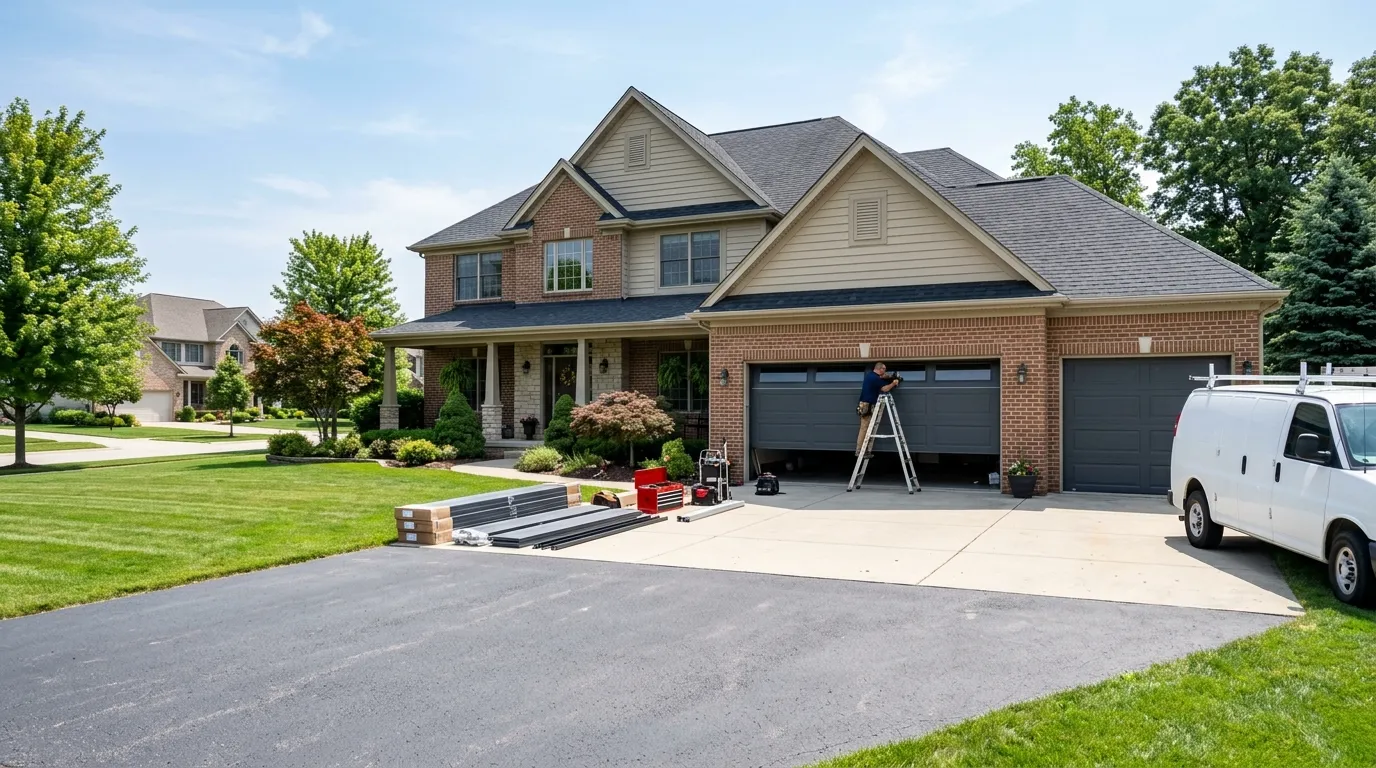
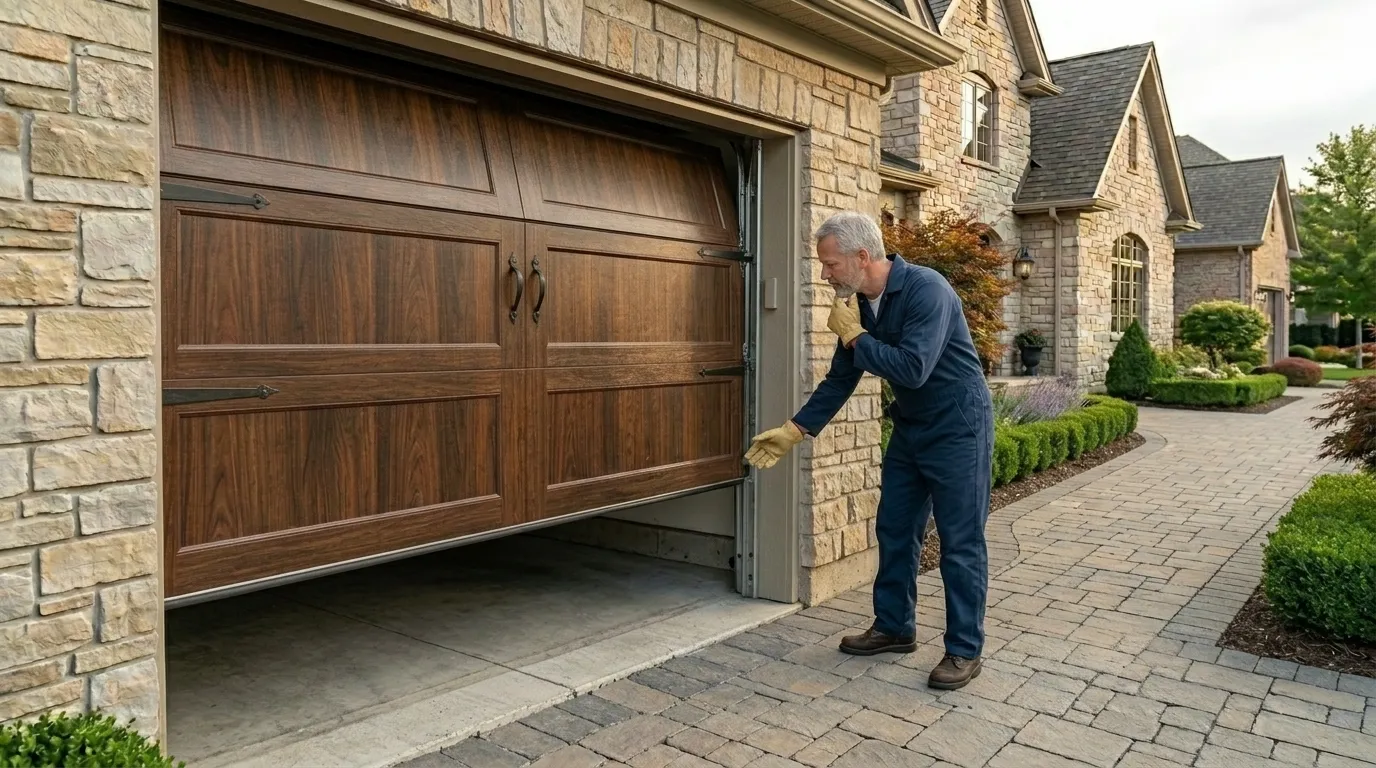
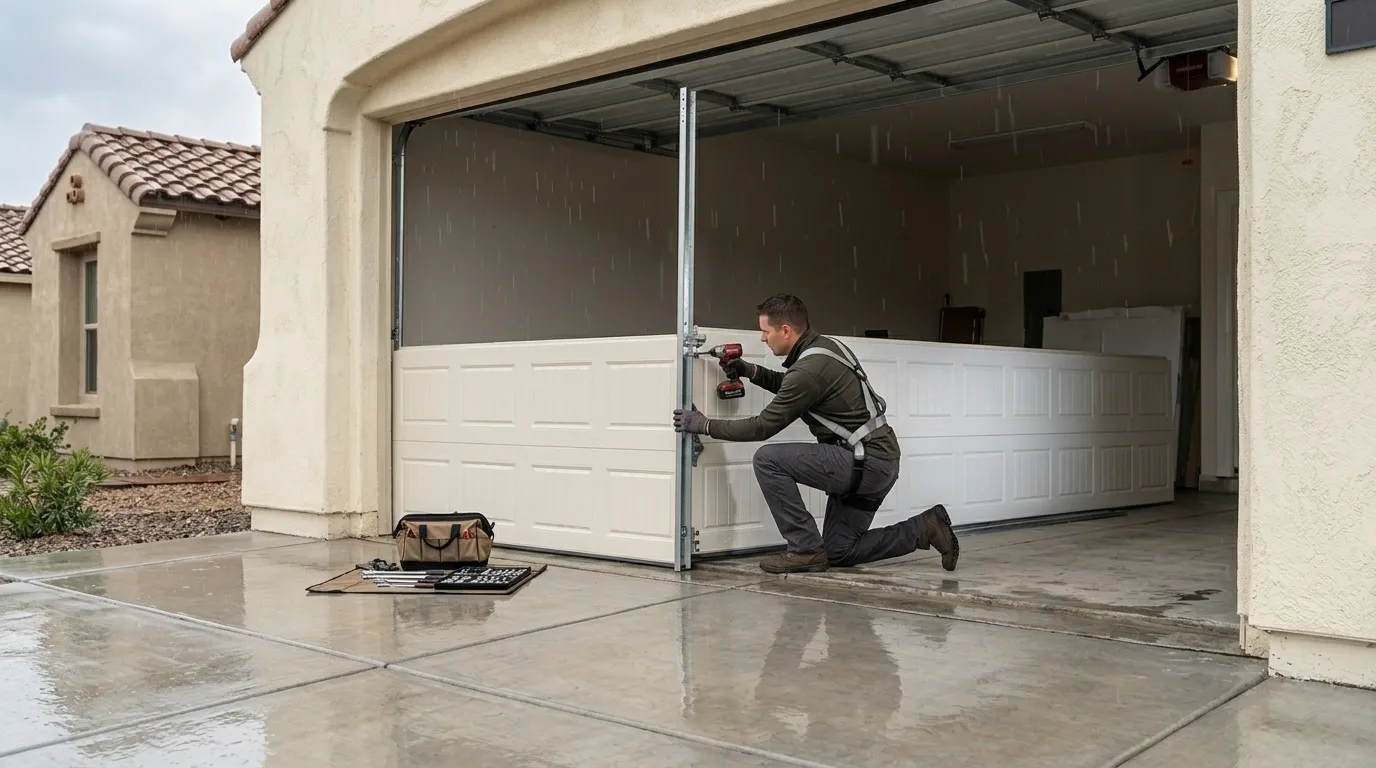
We book Hopkins calls the same way we book the rest of Parma's northwest side. Tell us the door's rough age if you know it, whether it's insulated or a plain steel panel, and what it's doing (or not doing). That's usually enough to bring the right spring size and cable length on the first trip instead of a second visit.
One limitation worth saying up front: if your opener is an older chain-drive unit with a discontinued logic board, we may not be able to get a same-day replacement part. Full opener swap is often faster and about the same cost as chasing a part nobody stocks anymore.