Getting Here
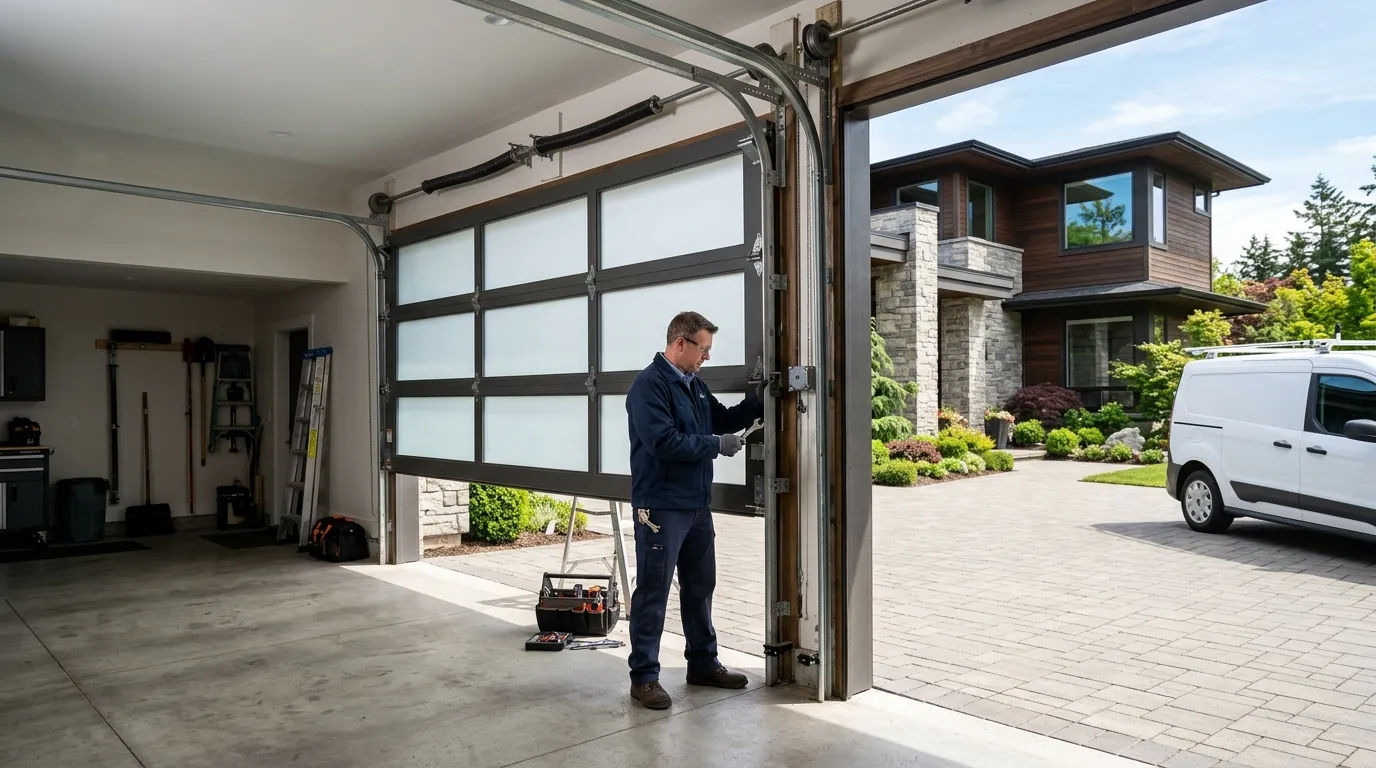
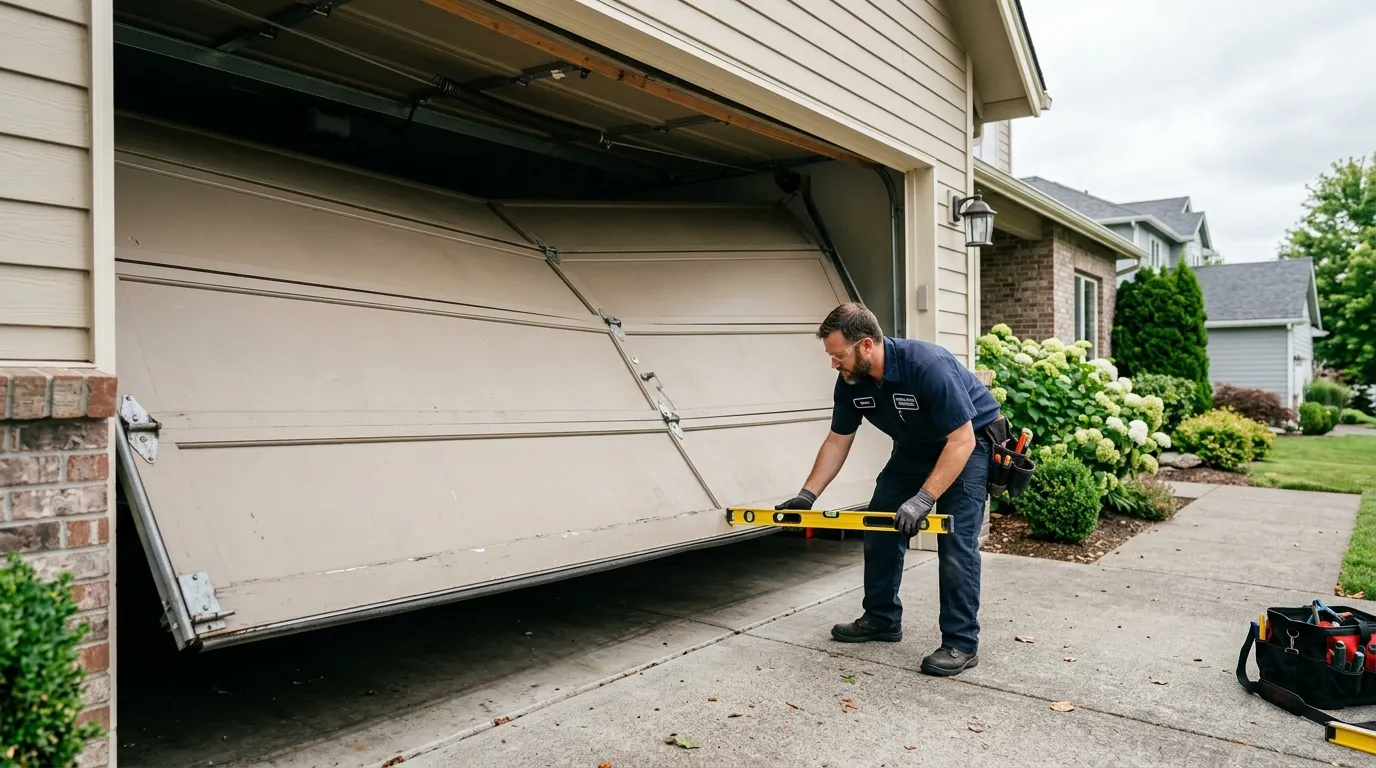
We run out of Parma, and Oakwood sits about 12 miles out, so a call here isn't a same-block job the way it is closer to the shop. We still work the area regularly, but we schedule it, we don't have a truck sitting nearby waiting on a job. If your spring goes at 6am on a Tuesday, tell us that when you call, because the drive time matters for how we slot the day. What doesn't change is the work itself: torsion springs, cables, openers, and panel swaps get handled the same way whether the truck drove 3 miles or 12. We just ask you to plan around the trip, not around us being local to the block.
The Houses Here
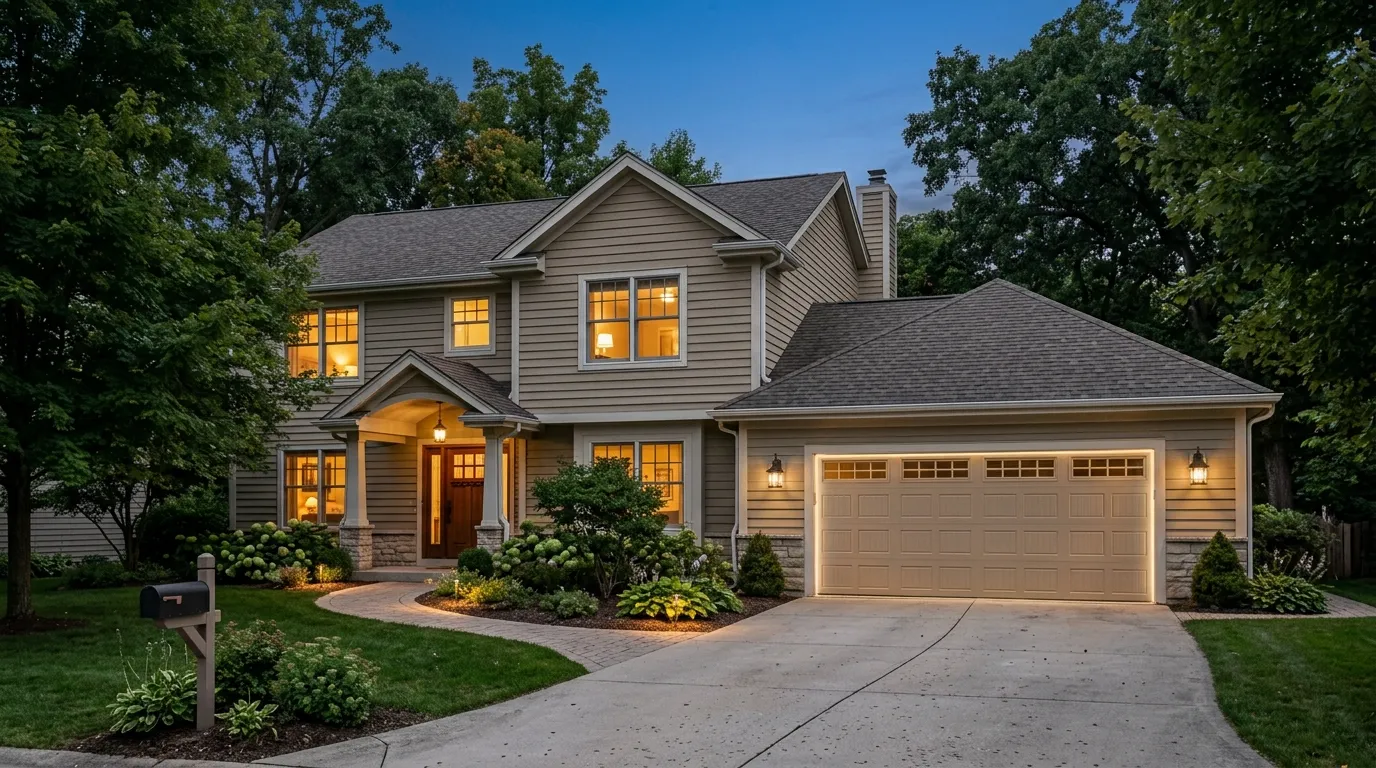
Oakwood's housing stock centers on 1971, which puts it squarely in the second wave of construction that filled out this part of the region through the 1960s and 70s. That's a specific window for garage doors: it's past the earliest one-piece slab doors from the late 1930s through the 1950s, but before the steel sectional doors and lighter openers that became standard after the mid-1980s. With 1,313 households in this pocket, you're looking at a fairly consistent build era rather than a mix of decades, which means the door problems tend to repeat from house to house rather than vary wildly.
Timing on This Area
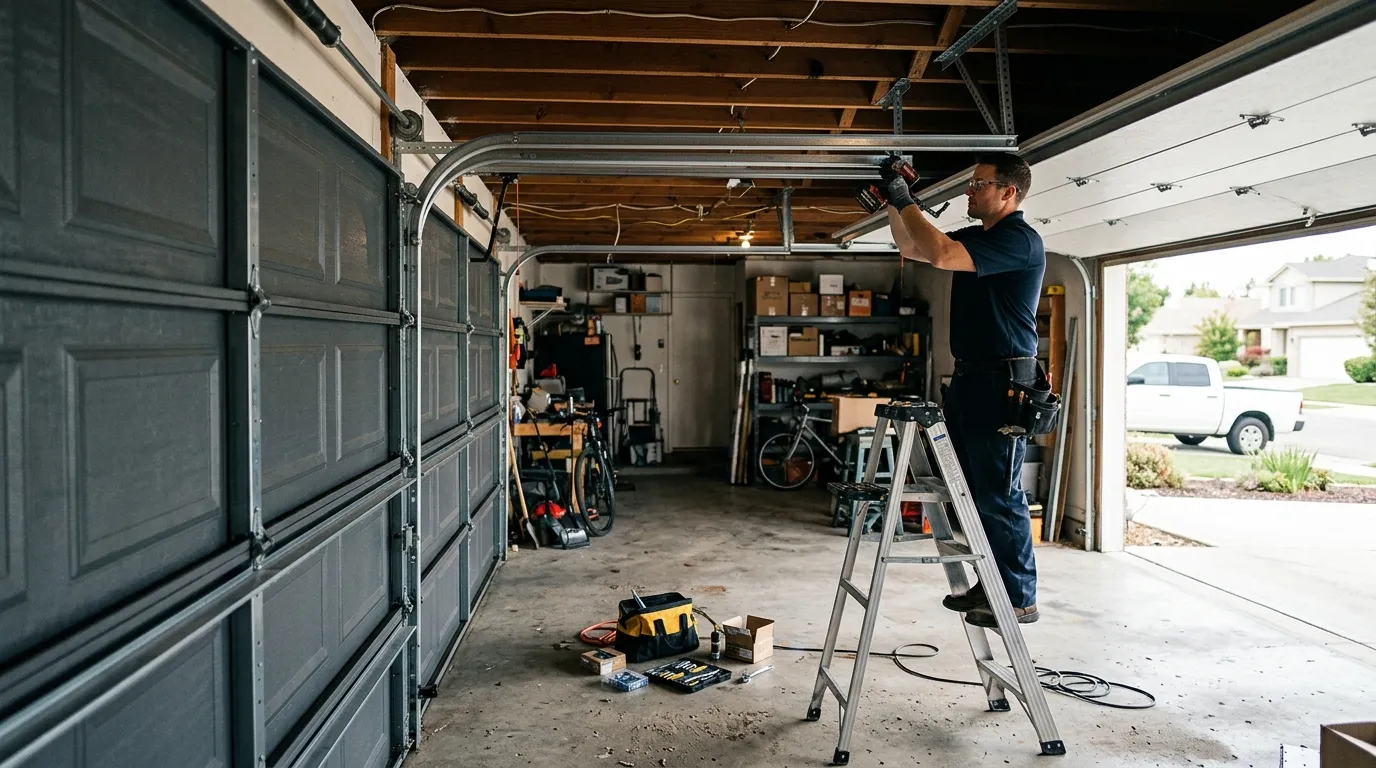
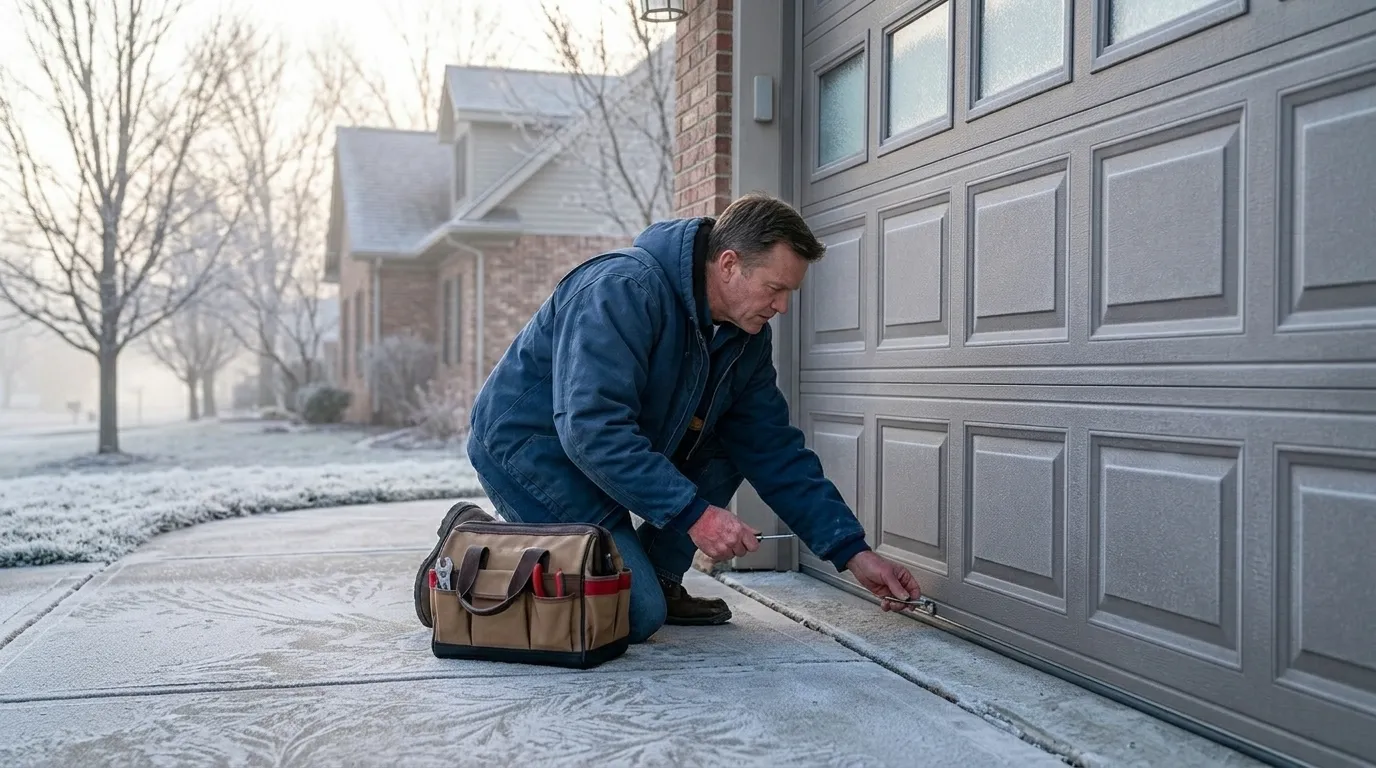
Cold winters here put real stress on torsion springs and nylon rollers, and that stress lands hardest on hardware that's already 50-plus years old, which describes a lot of what's on Oakwood garages. The failures we see tend to cluster in the worst cold stretches, when steel contracts and a spring that was already fatigued finally lets go. With median household income here at $65,038, we try to be straightforward about repair versus replace: a worn spring or a bad opener capacitor is worth fixing, but a door frame that's rusted through at the bottom panel usually isn't worth chasing with patch repairs. We'll tell you which one you're looking at before we start any work, not after.