Getting Here
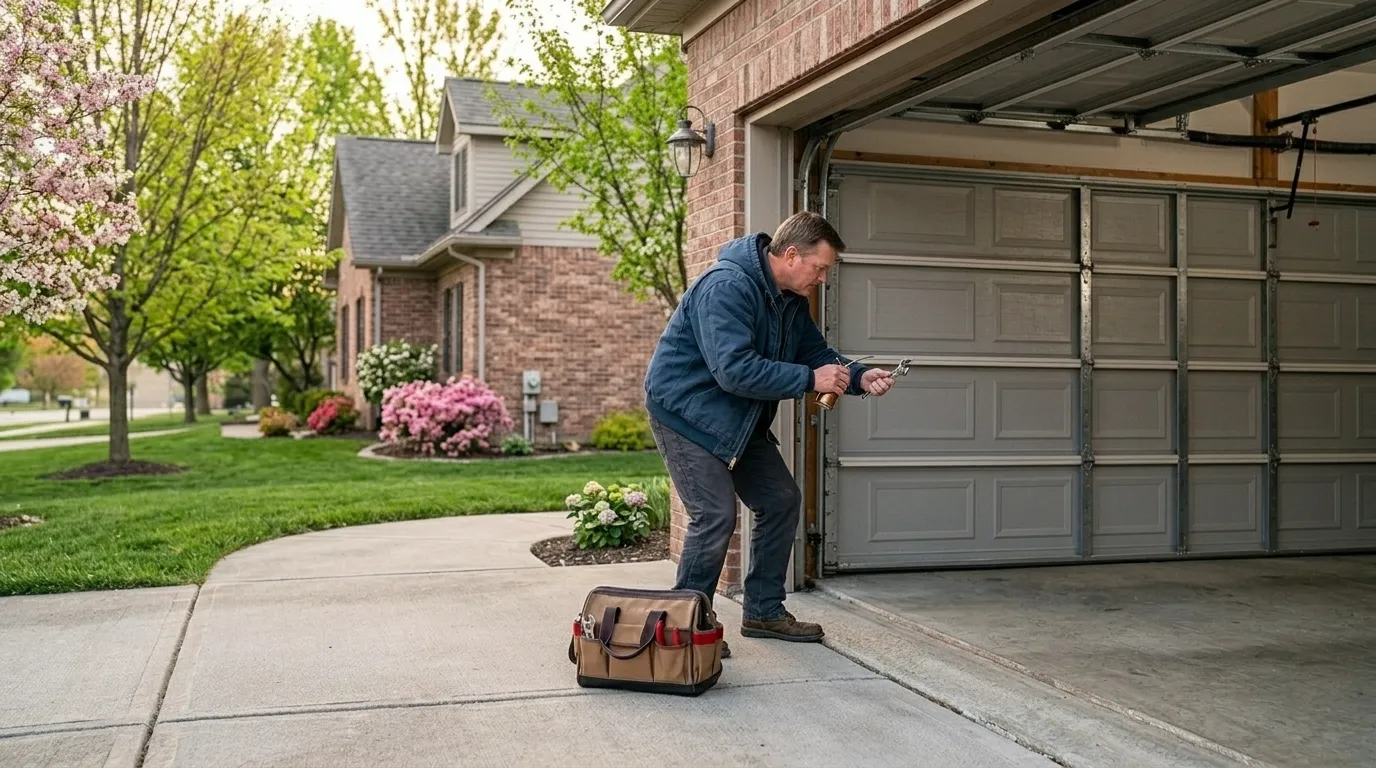
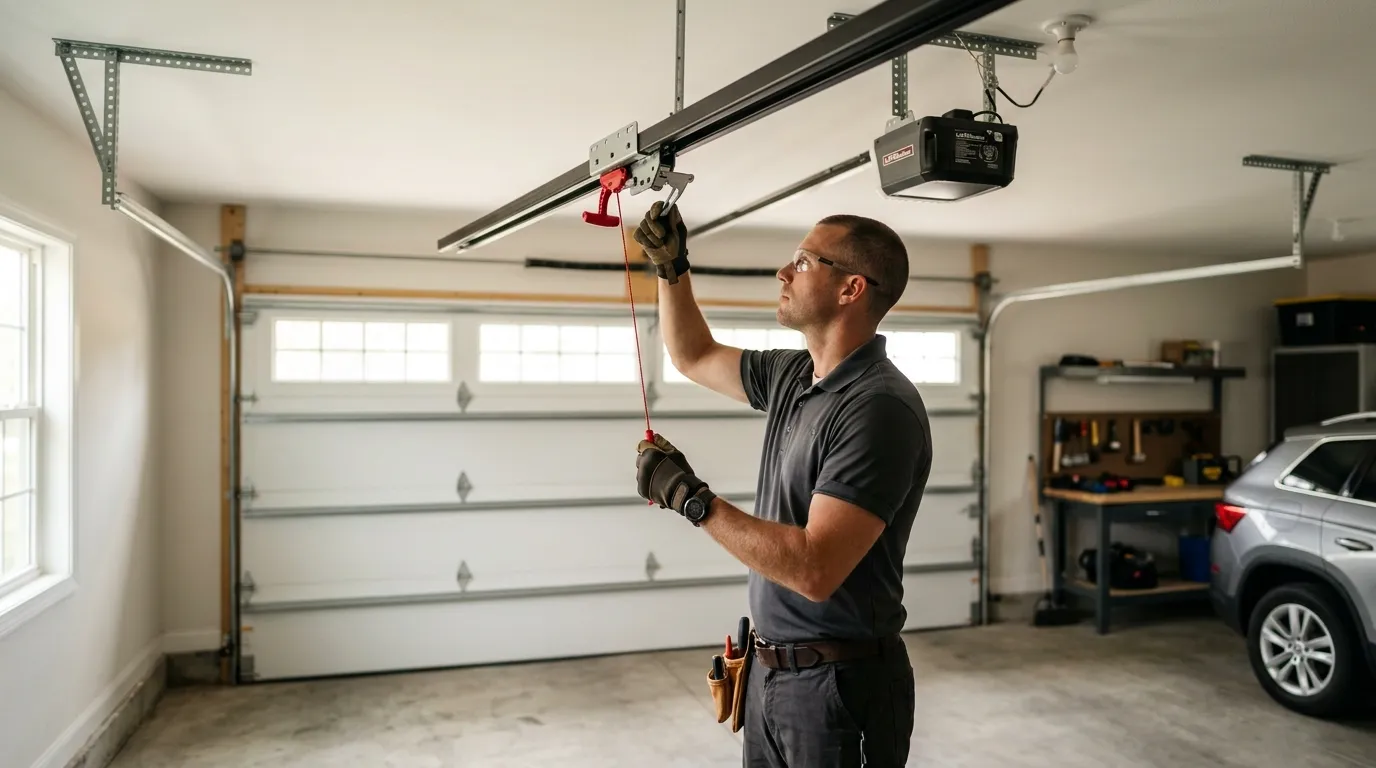
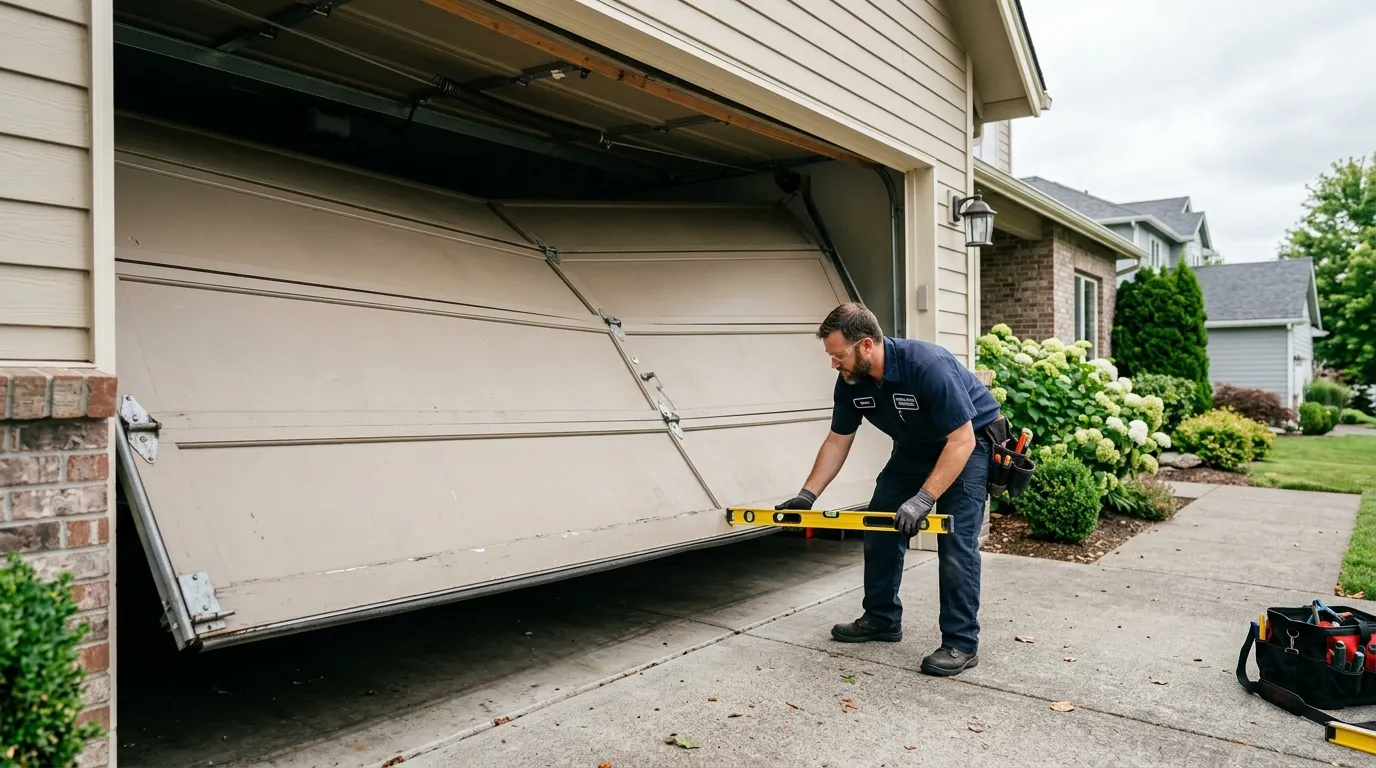
East Cleveland sits about 13 miles from our Parma shop, farther out than the closer stops we make in Shaker Heights or Warrensville Heights on the same side of the map. We don't keep a depot in East Cleveland, so every job here is a scheduled trip from Parma, not a drop-in. That's not a knock on the area, it's just the honest layout of how we cover ground: closer suburbs get worked into a route more easily, and East Cleveland calls get planned rather than squeezed in on short notice. If you need same-day help, it's worth calling early in the day so we can build the drive into the route before the truck is already committed elsewhere. We still come out for spring failures, stuck doors, and opener problems, but plan on us telling you a window rather than an hour. The distance also means we try to bundle any second look, adjustment, or follow-up visit into one trip when we can, rather than making two runs for what could be one.
The Houses Here
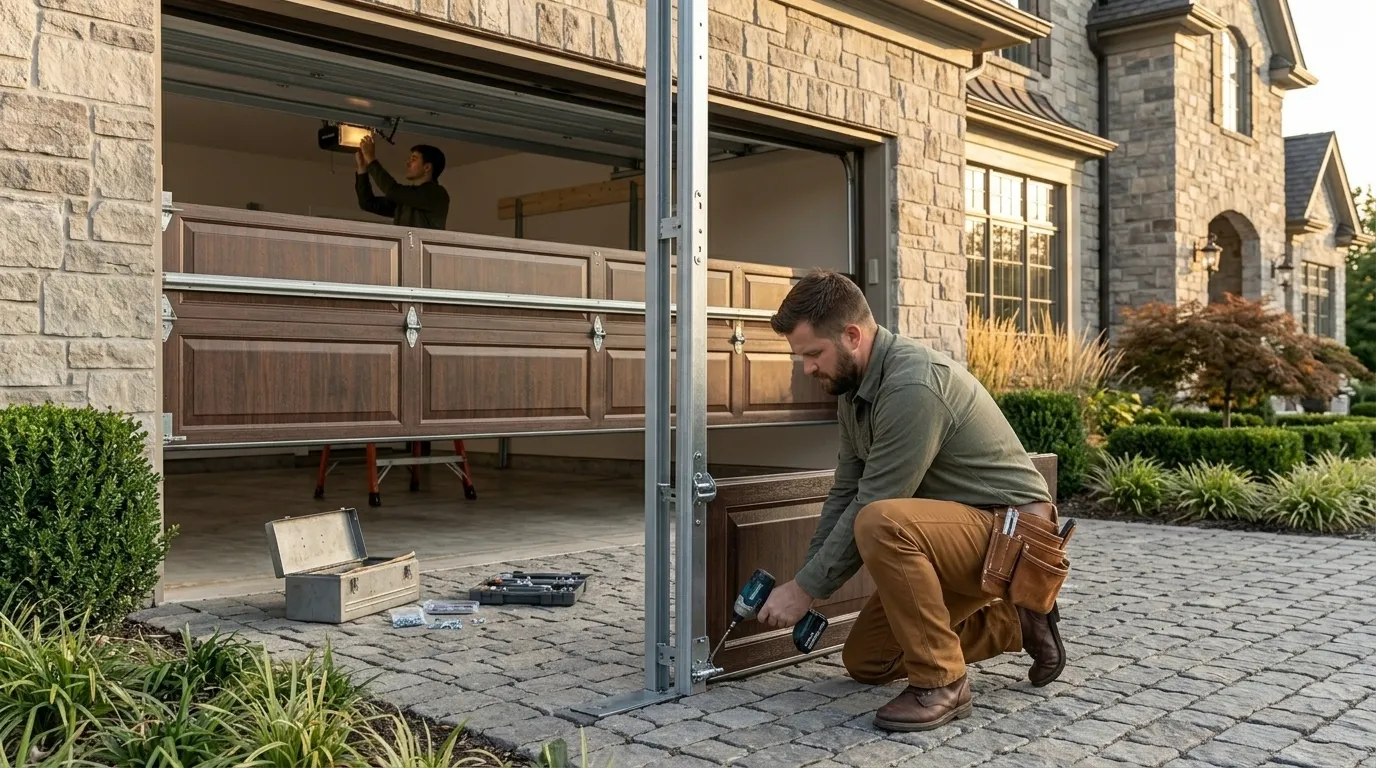
The typical house in East Cleveland went up around 1938, which puts this area near the early edge of what we see anywhere in the service territory. That's decades before the 1966 median build year across the wider area we cover from Parma, and it matters more than it sounds like it should. Houses framed in the late 1930s were built with garages sized and wired for a different era of car and a different era of door. With only 6,746 households in East Cleveland, the housing stock here is a small, distinct pocket rather than a repeat of the postwar tract housing that makes up so much of the rest of the map. A lot of these garages were add-ons or conversions rather than original construction, which shows up in odd headroom, shallow back walls, and framing that wasn't planned around a sectional door in the first place.
Timing on This Area
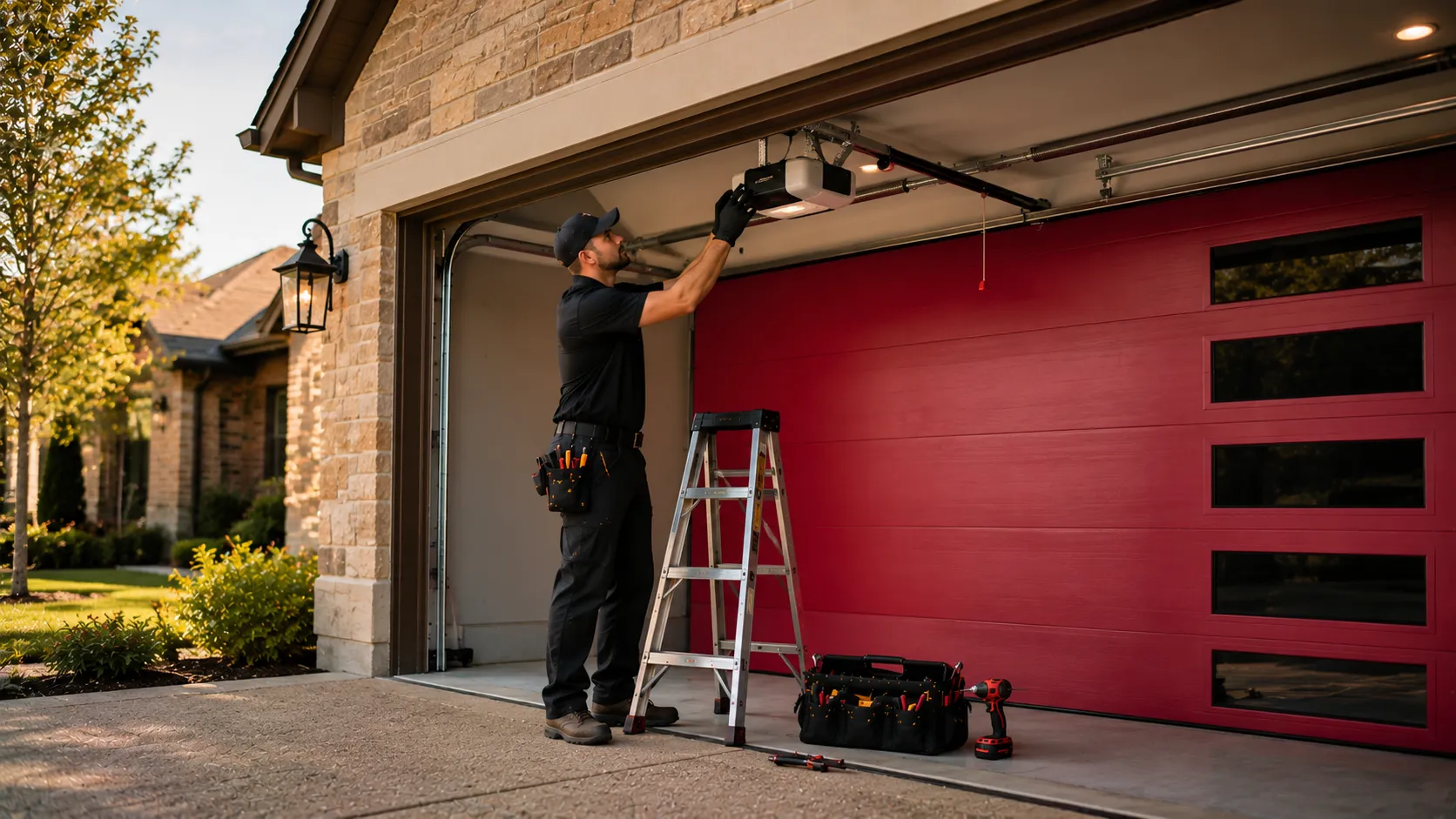
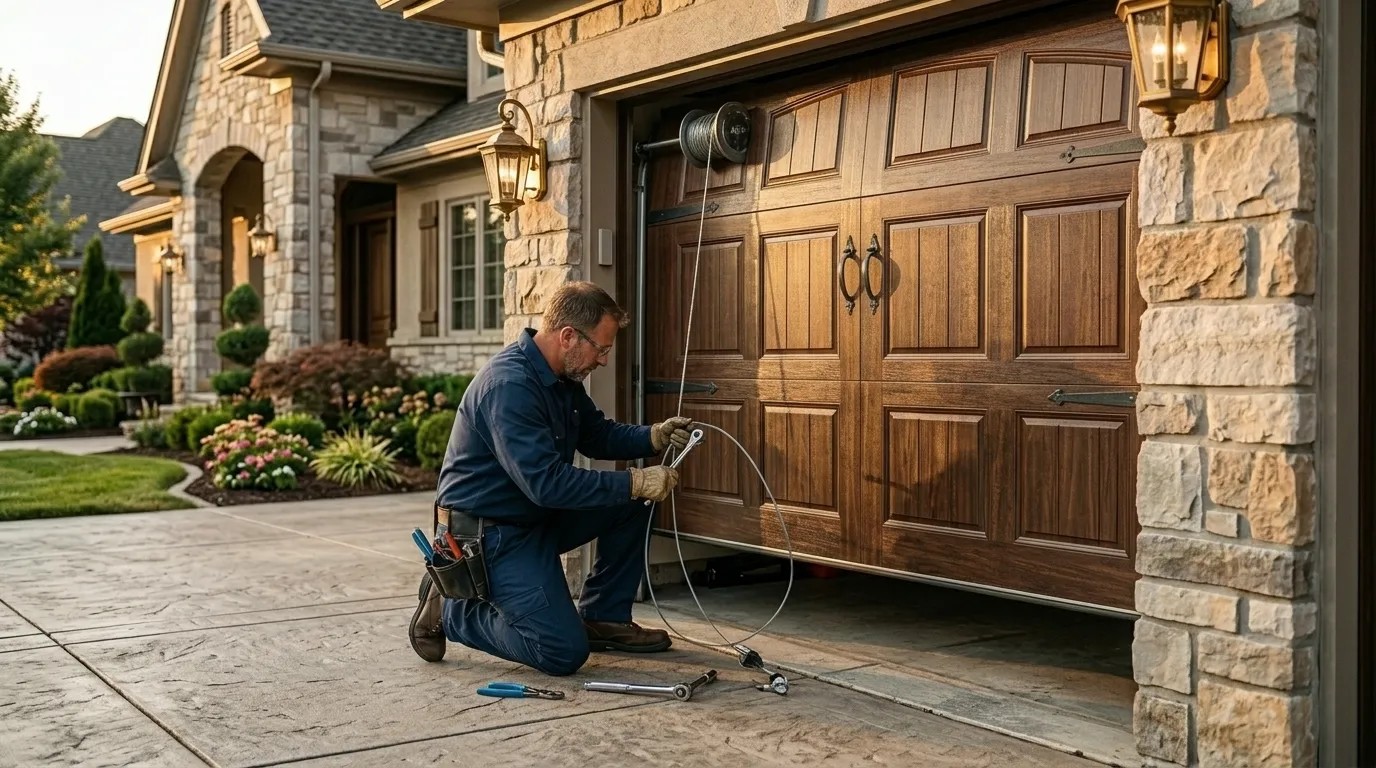
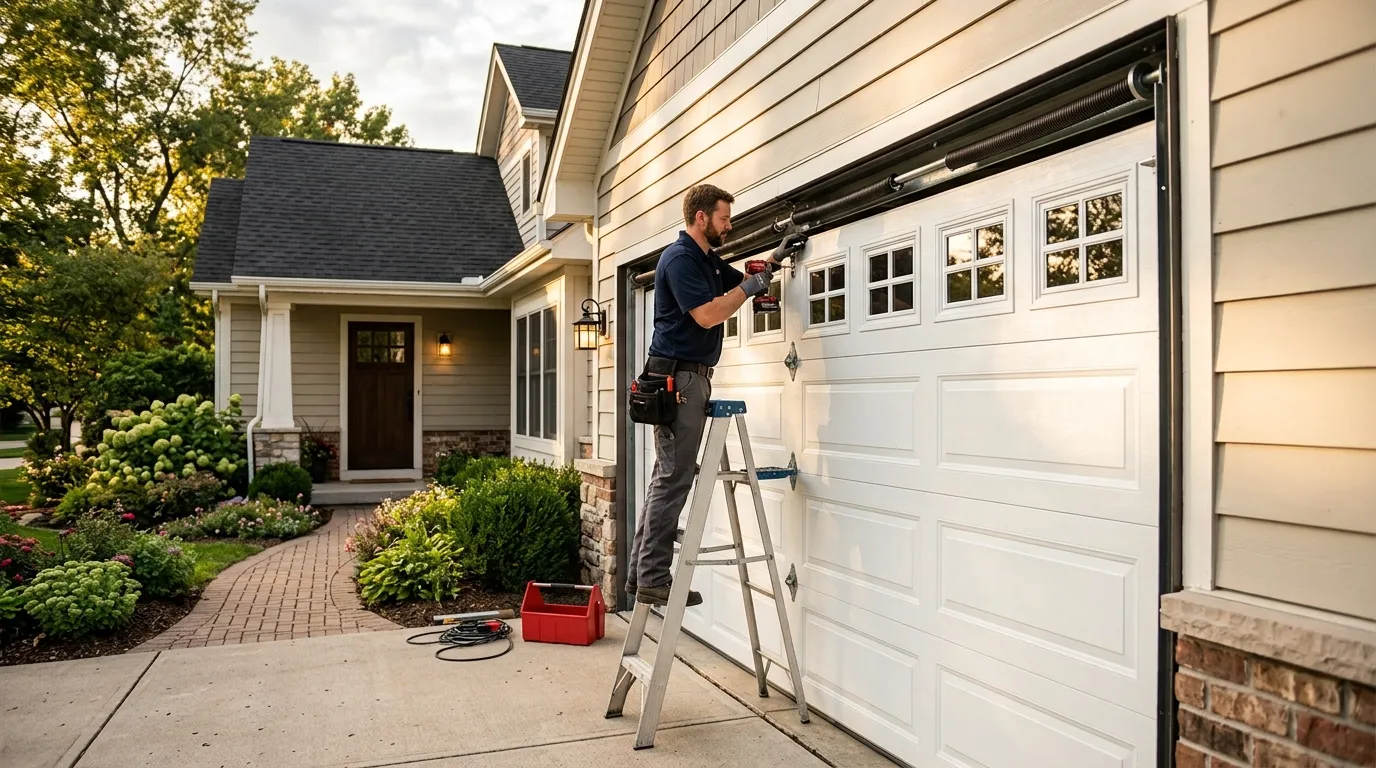
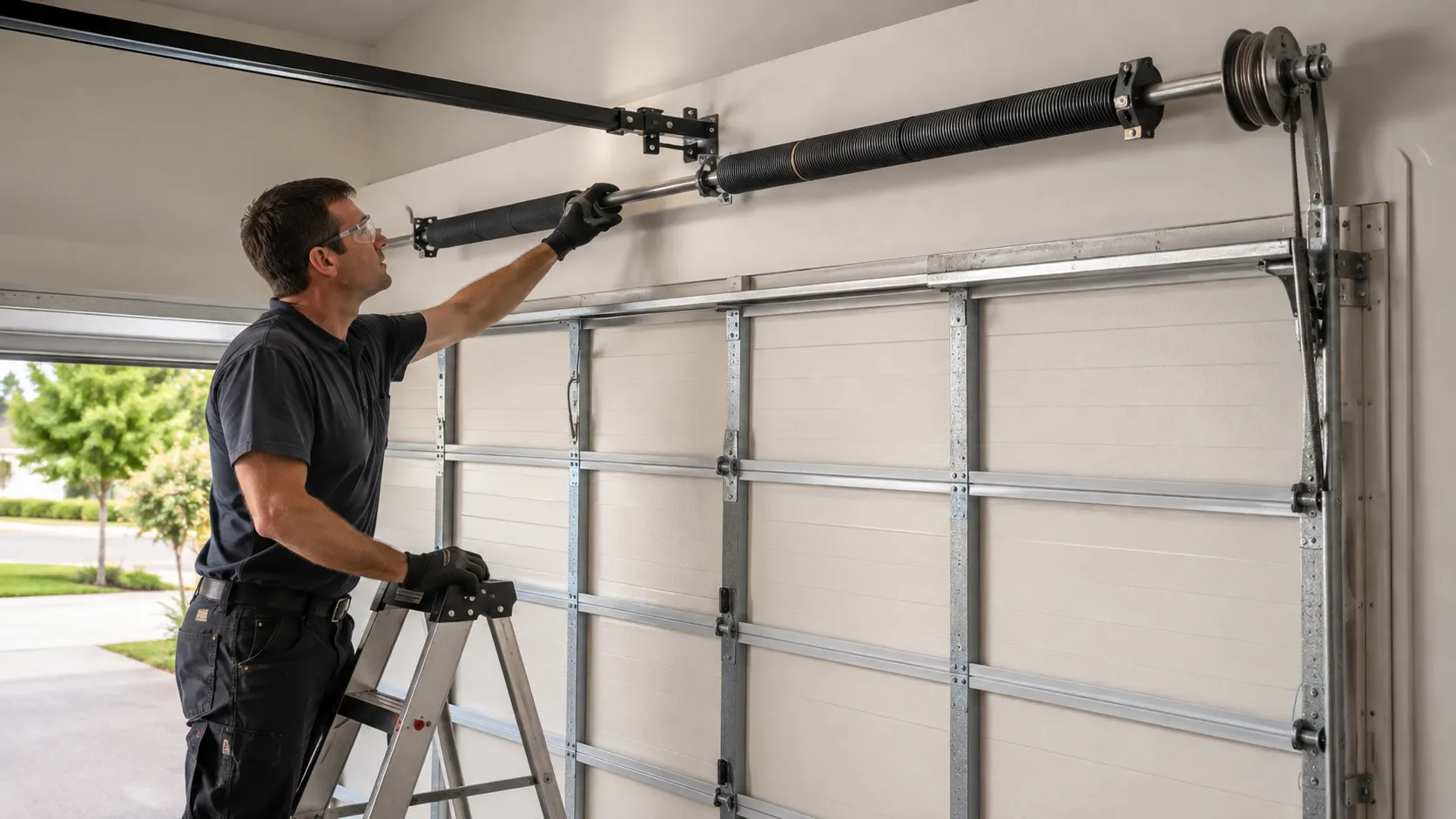
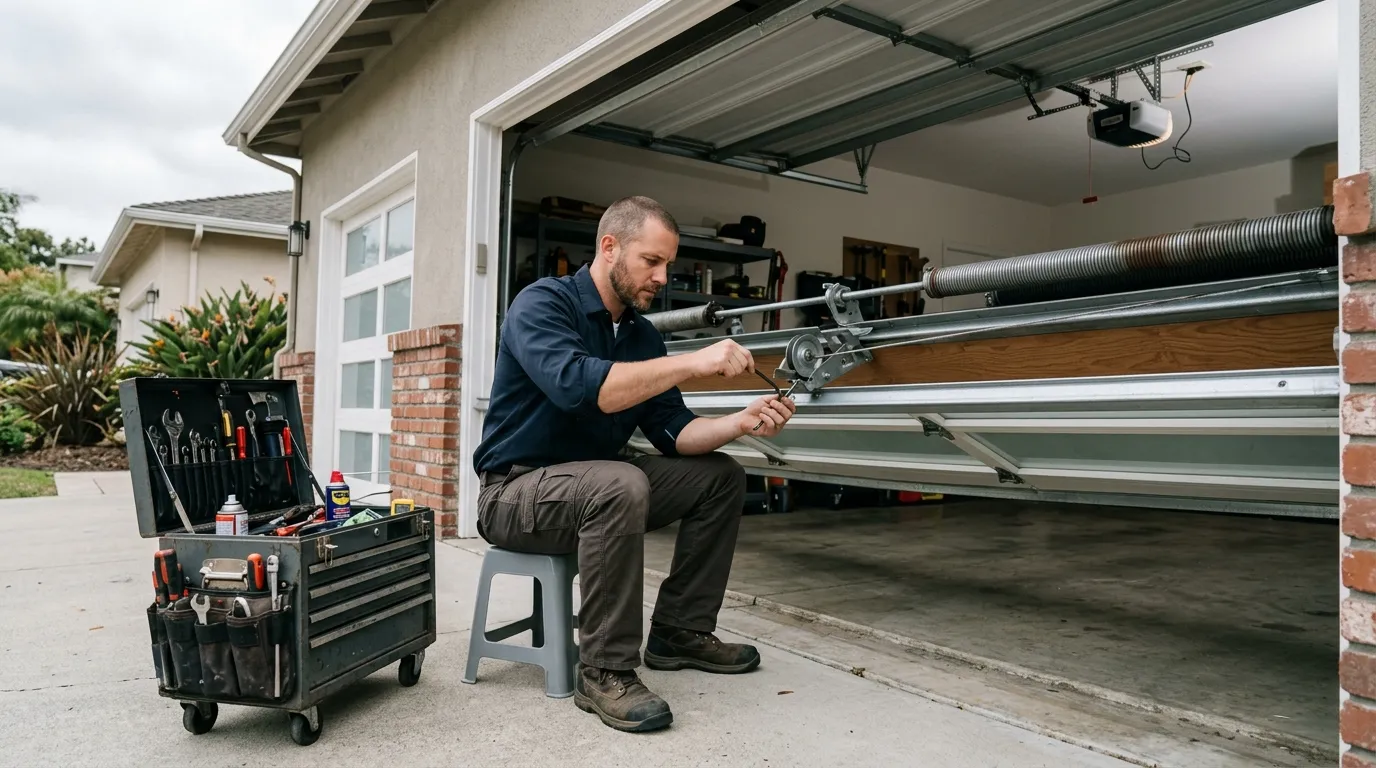
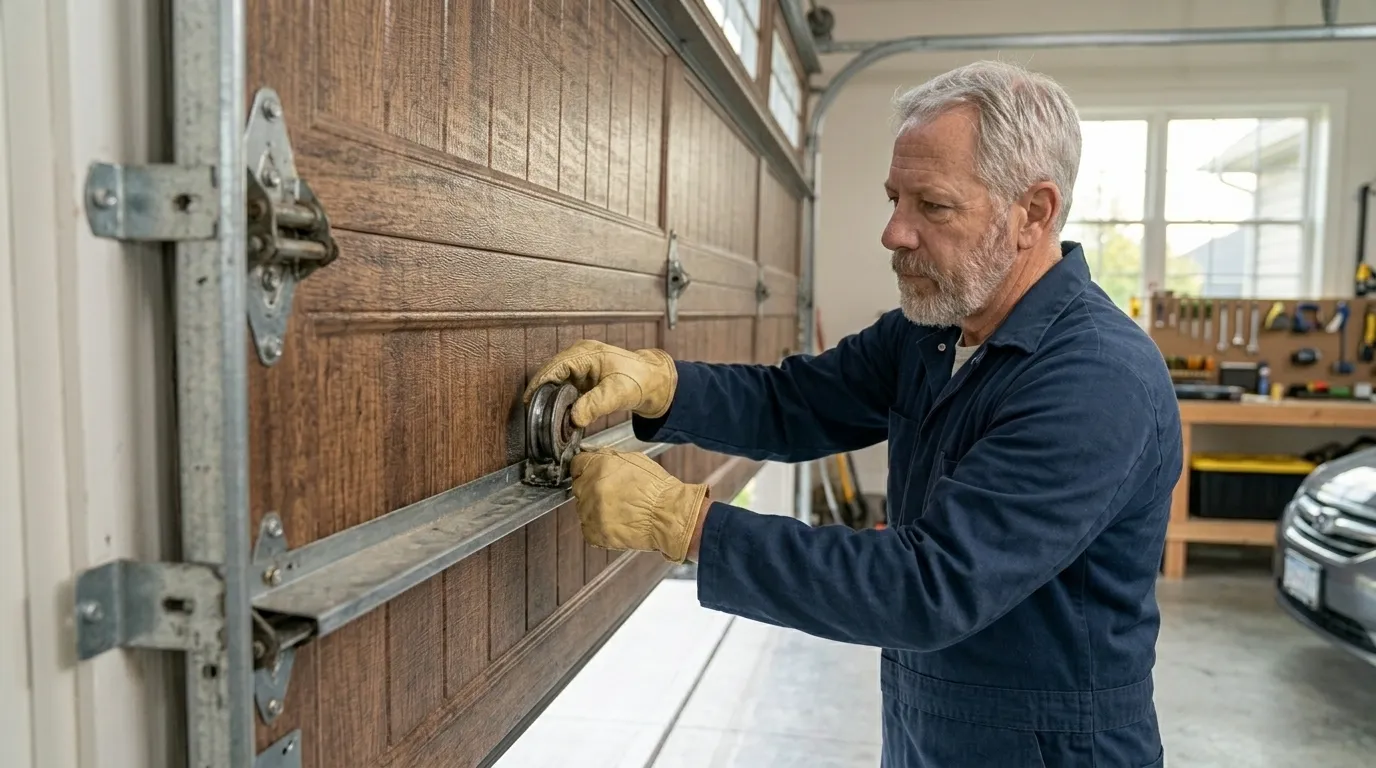
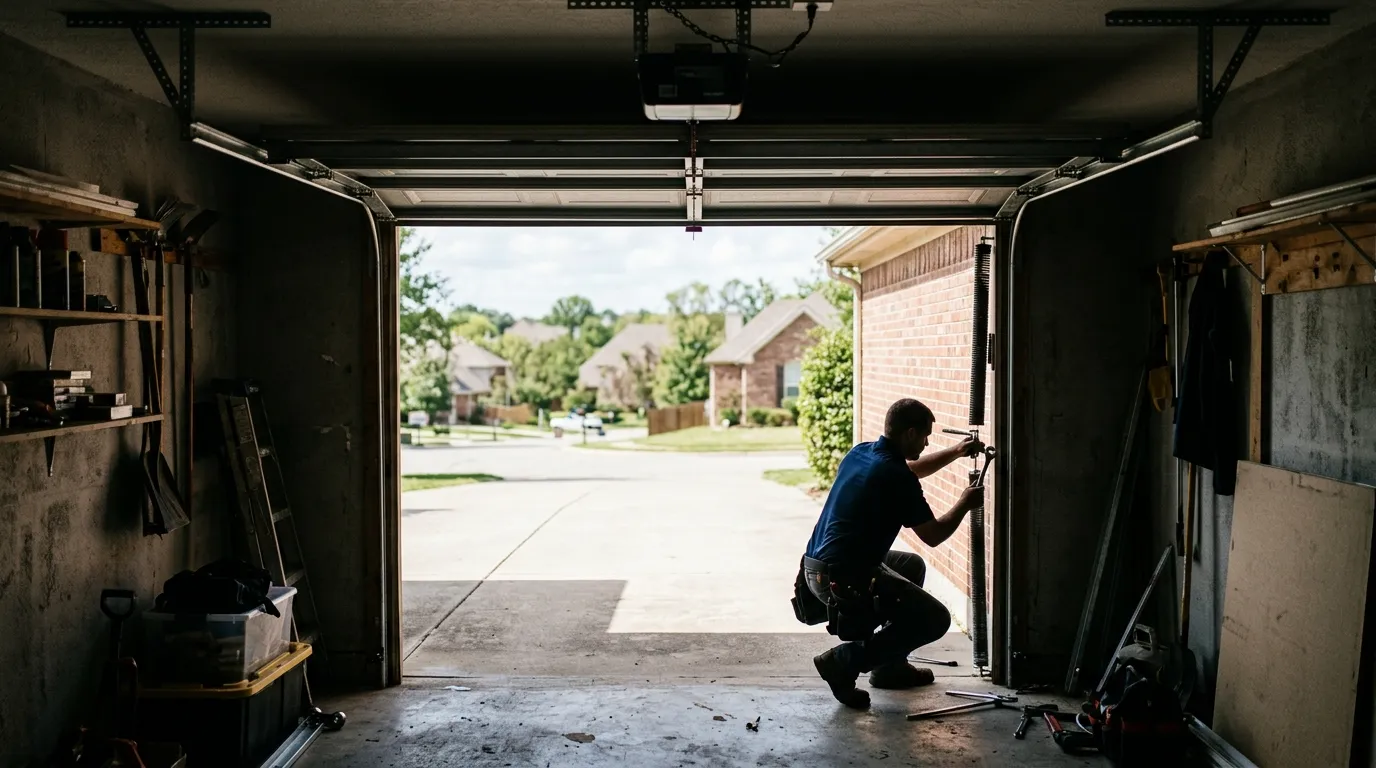
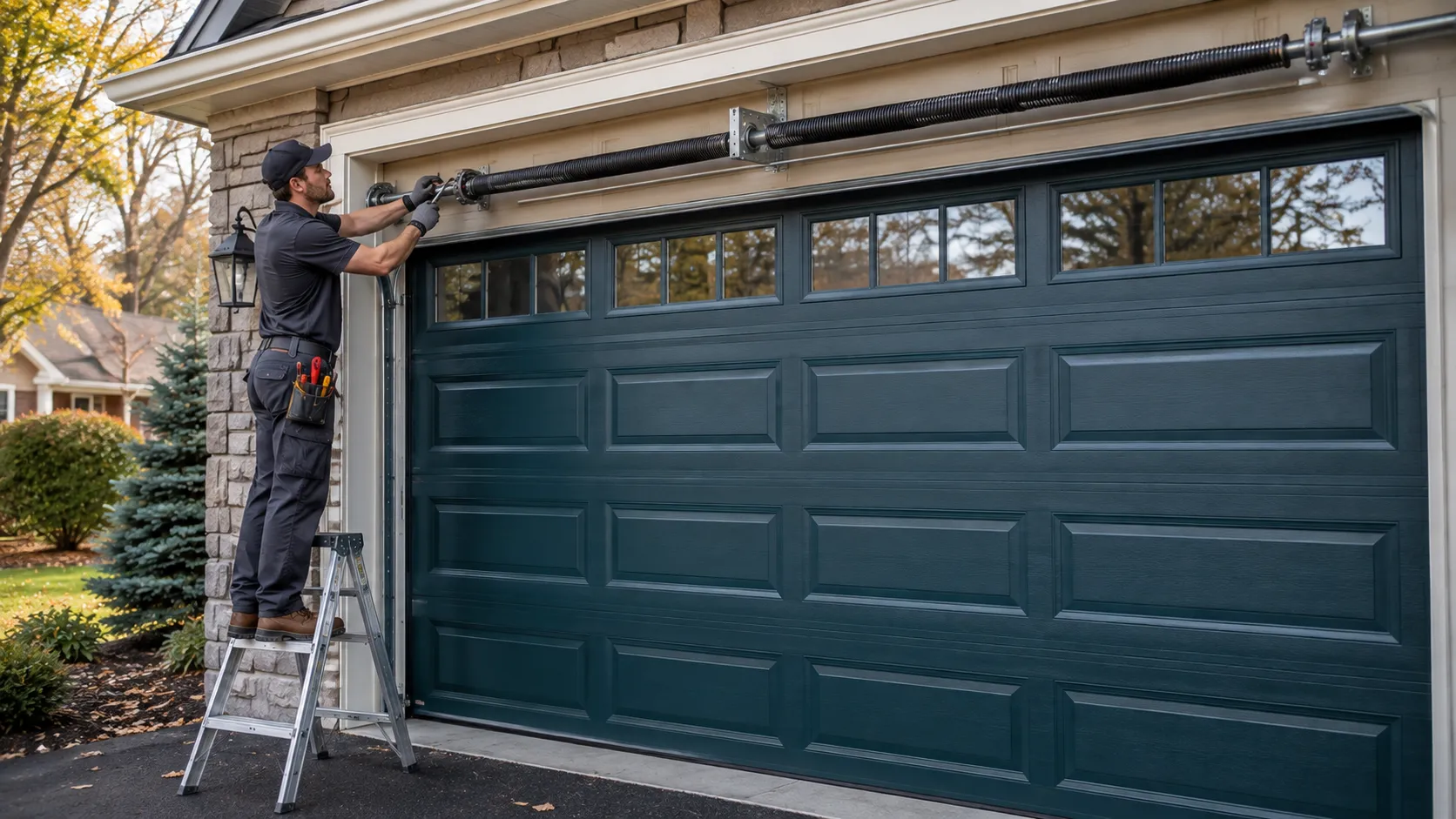
Winter is the season that finds every weak point in a door this old. The region sits in a severe cold climate band, and on a house built in the late 1930s, that cold reaches hardware that's already worn thin from age rather than just from use. Torsion springs that have lost tension over eight decades of temperature swings tend to snap on the first hard cold snap, not gradually. Because East Cleveland is farther from our Parma base than most of our stops, we'd rather schedule a look at aging hardware before it fails outright than get a call for a door stuck shut at ten below. If your garage is original to a house built before 1940, it's worth having the springs and rollers checked once a year, ideally before the cold sets in, rather than waiting for the morning it won't open at all.