Getting Here
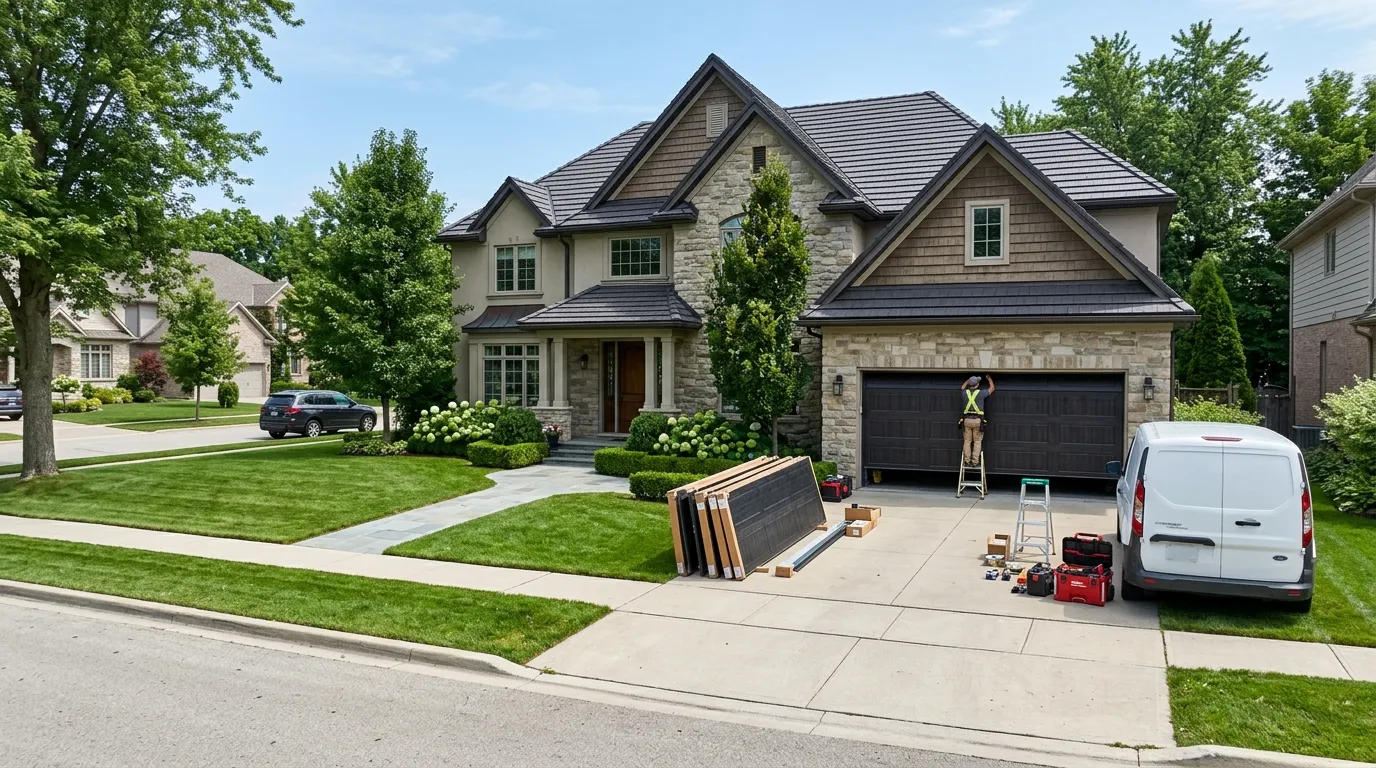
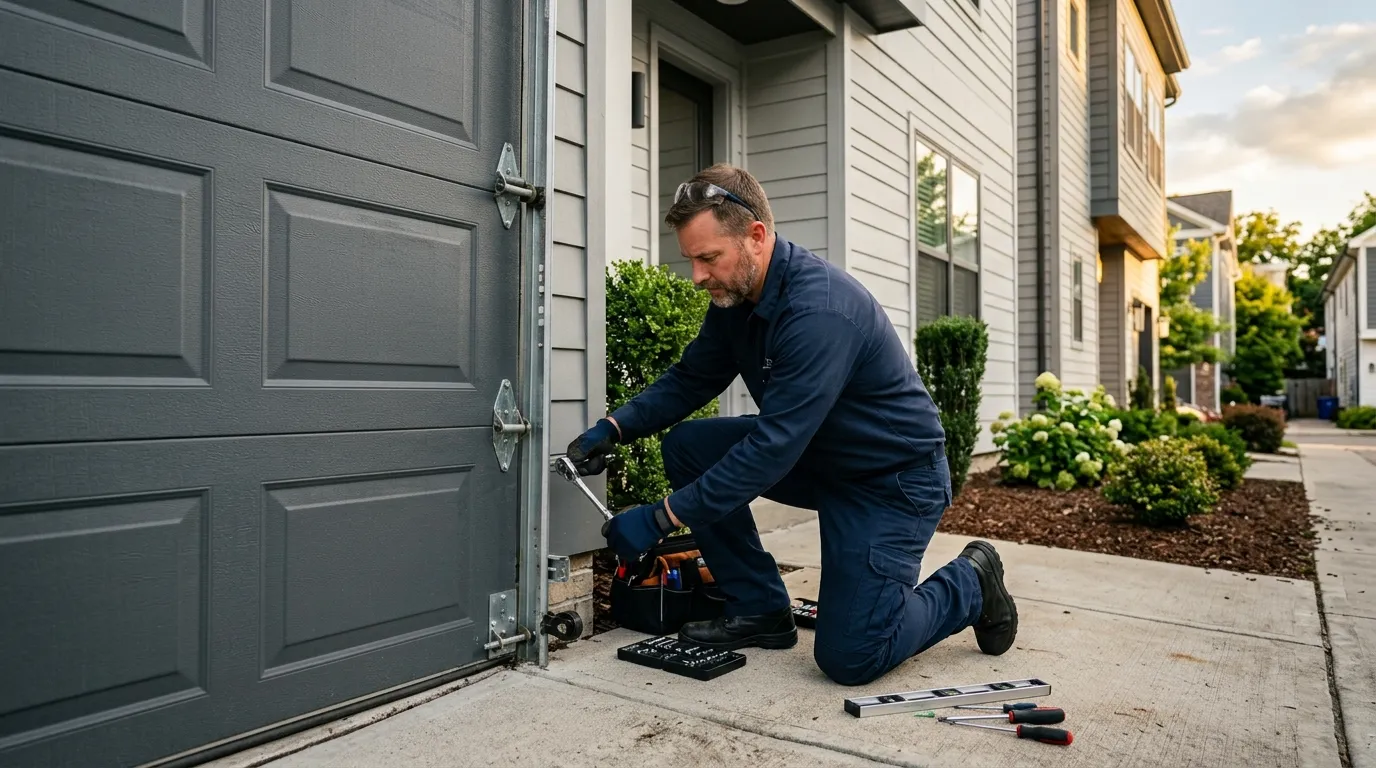
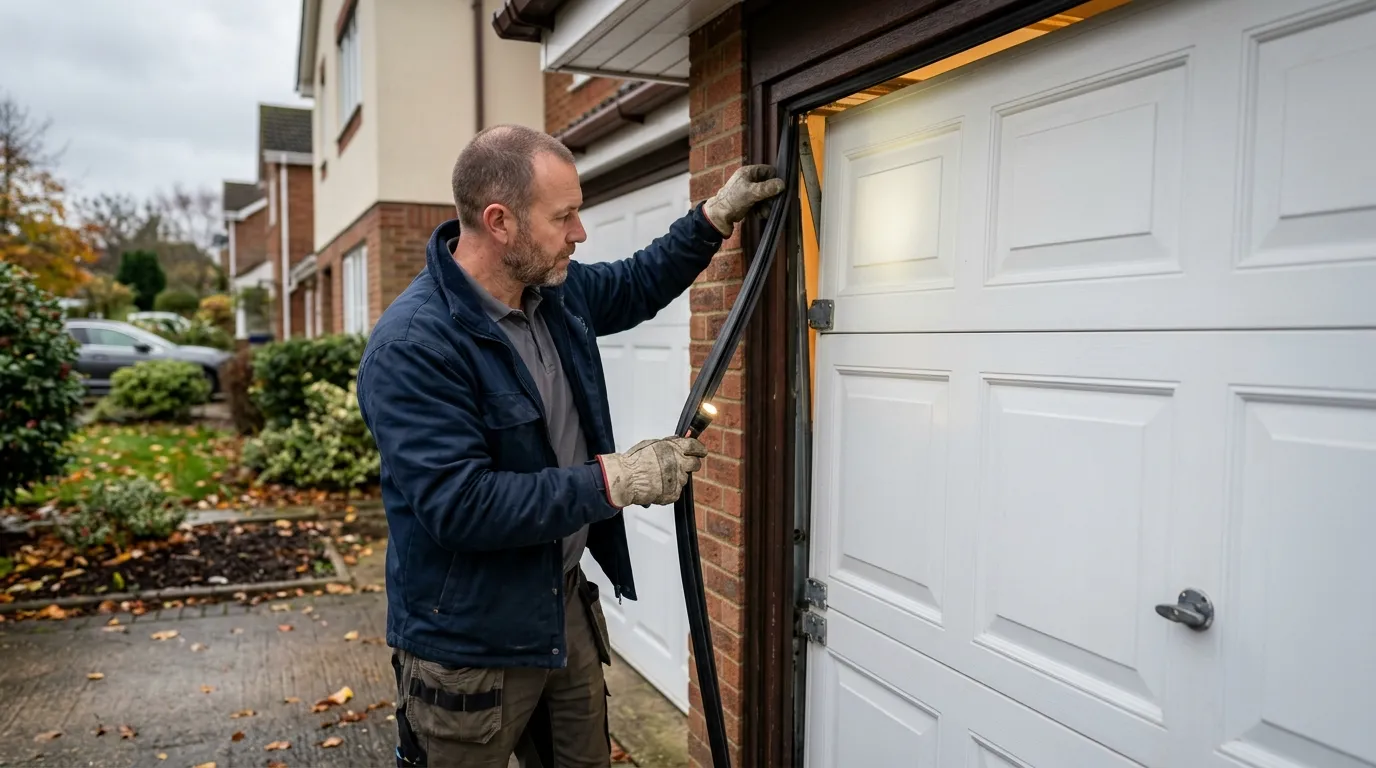
Brook Park sits about 5 miles from our shop in Parma, a straight run down through the near-southwest suburbs. We don't keep a depot in Brook Park itself - every truck that shows up for a call here starts the job in Parma and drives out, same as it would for Parma Heights or Middleburg Heights. That's worth knowing upfront: we're not a local outfit with a warehouse around the corner, we're a Parma company that covers this side of the county, Brook Park included. The drive doesn't change what we bring or how the job gets done, but it does mean we schedule routes across the area rather than parking a truck and waiting. If you're calling from one of the closer suburbs - Parma Heights at 2 miles, Seven Hills at 3 - the trip is shorter, but Brook Park is still solidly inside the zone we run every week.
The Houses Here
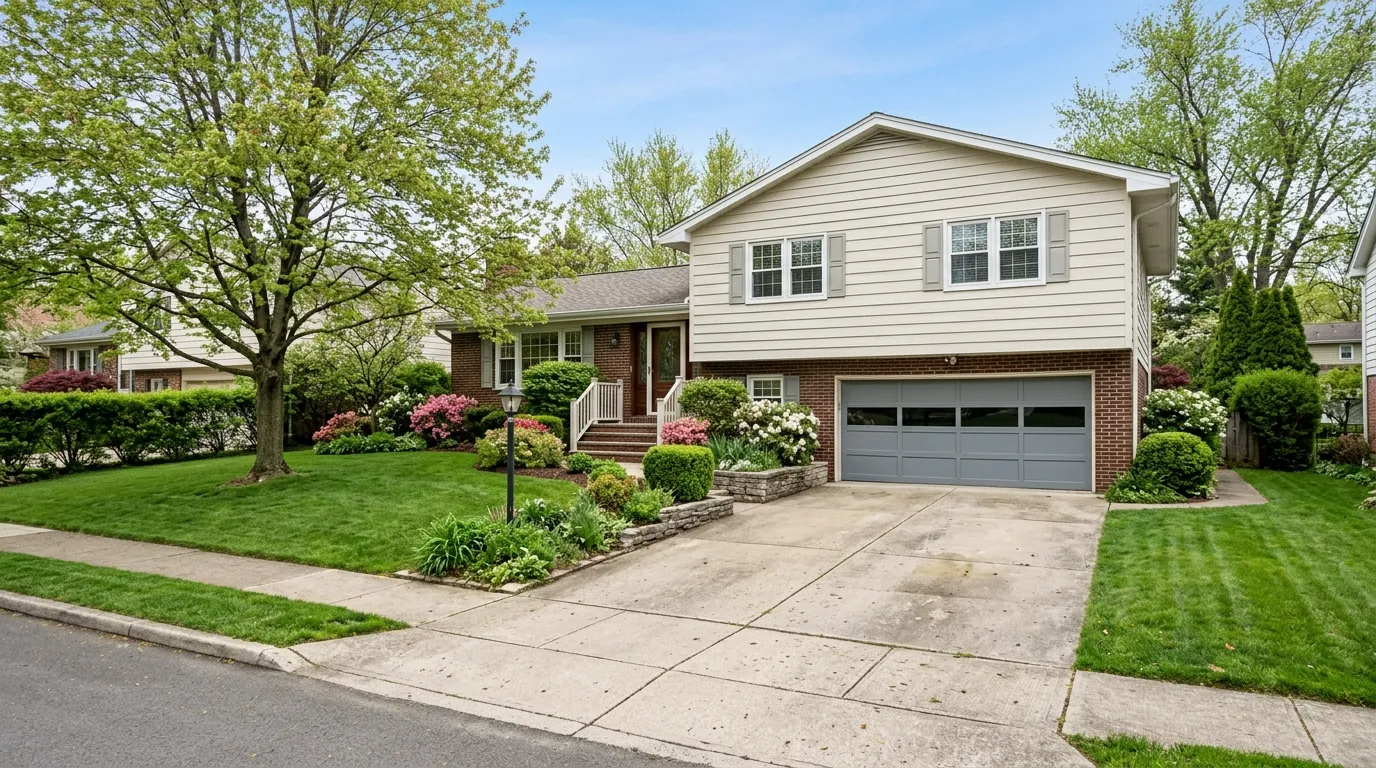
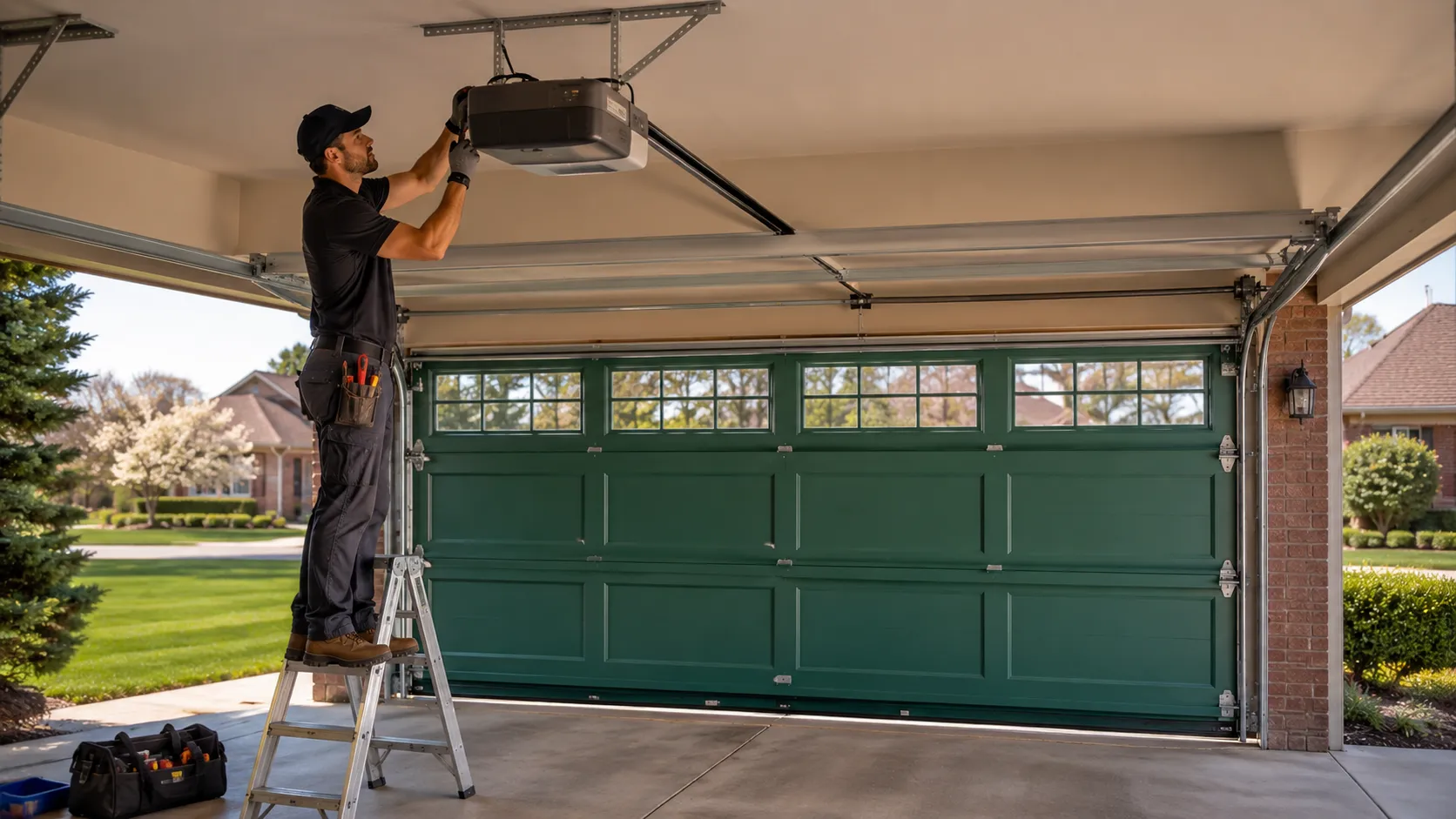
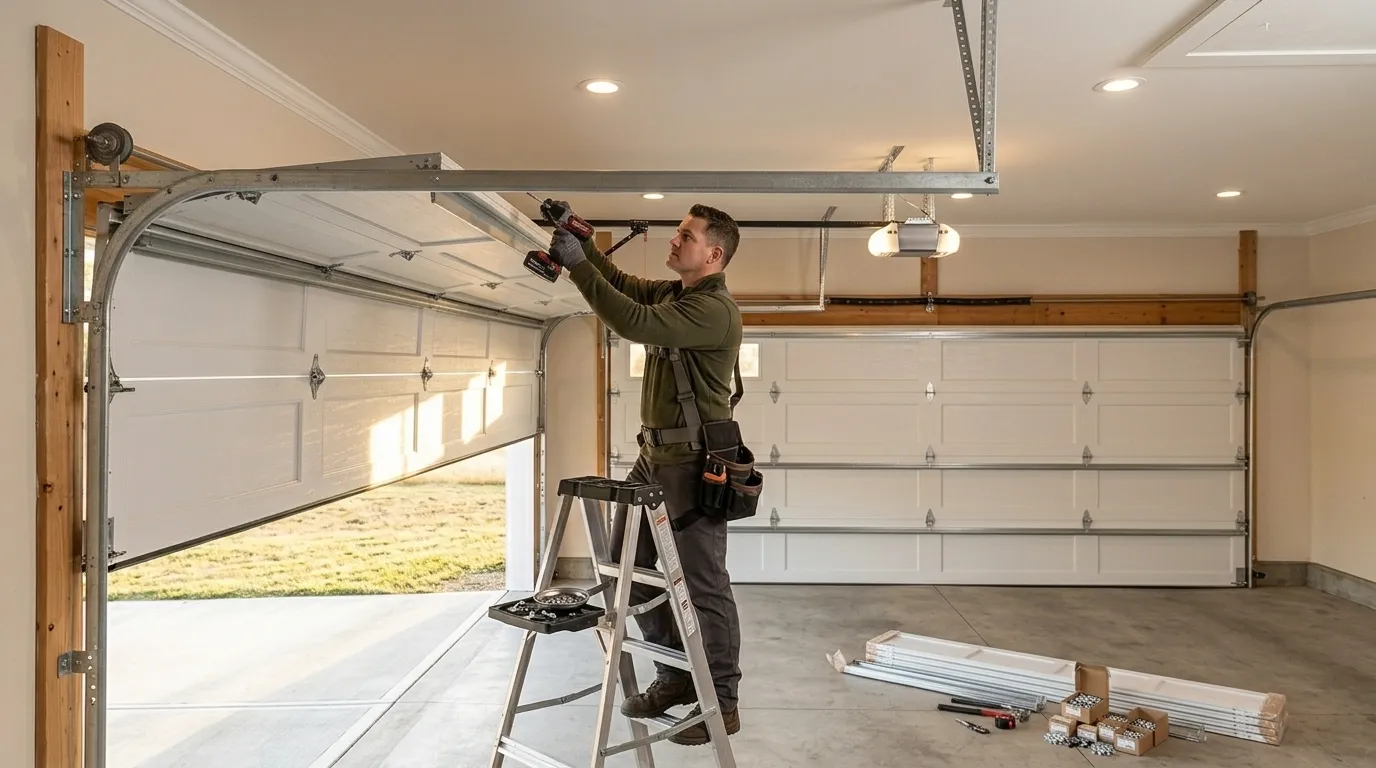
Brook Park's housing stock centers on 1961, which puts it a touch earlier than the wider service area's median of 1966. That five-year gap matters more than it sounds like it should. A house built in 1961 was framed before a lot of the garage door hardware standardized - you'll still find original steel jambs sized for doors that don't match anything on a current showroom floor, and openers that were bolted on decades after the house went up, not original to the build. Across the broader area we work - 205,438 owner-occupied houses among 409,611 households spread over 67 named communities - the 1960s-70s run is the dominant stock, and Brook Park sits right in the thick of that window, maybe a shade older on average than some of the newer pockets to the south.
Timing on This Area
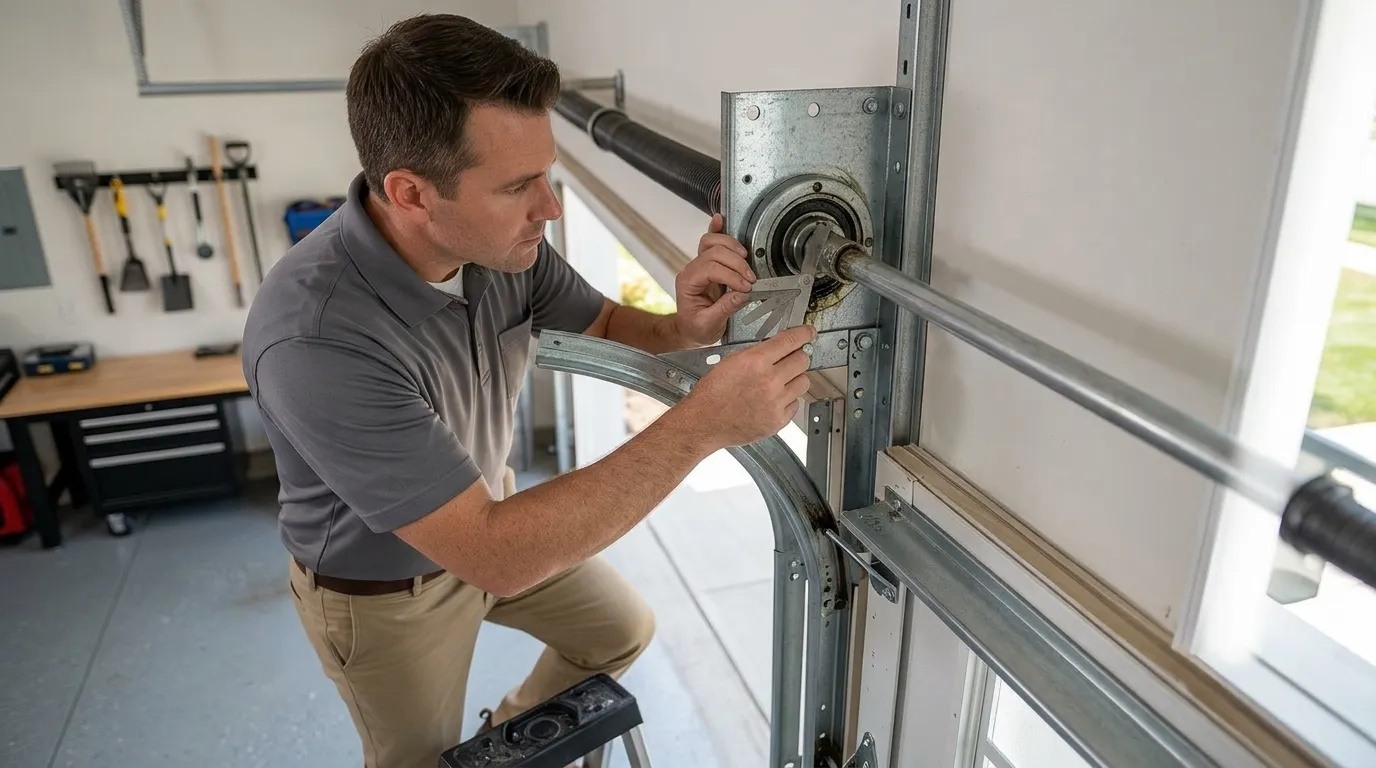
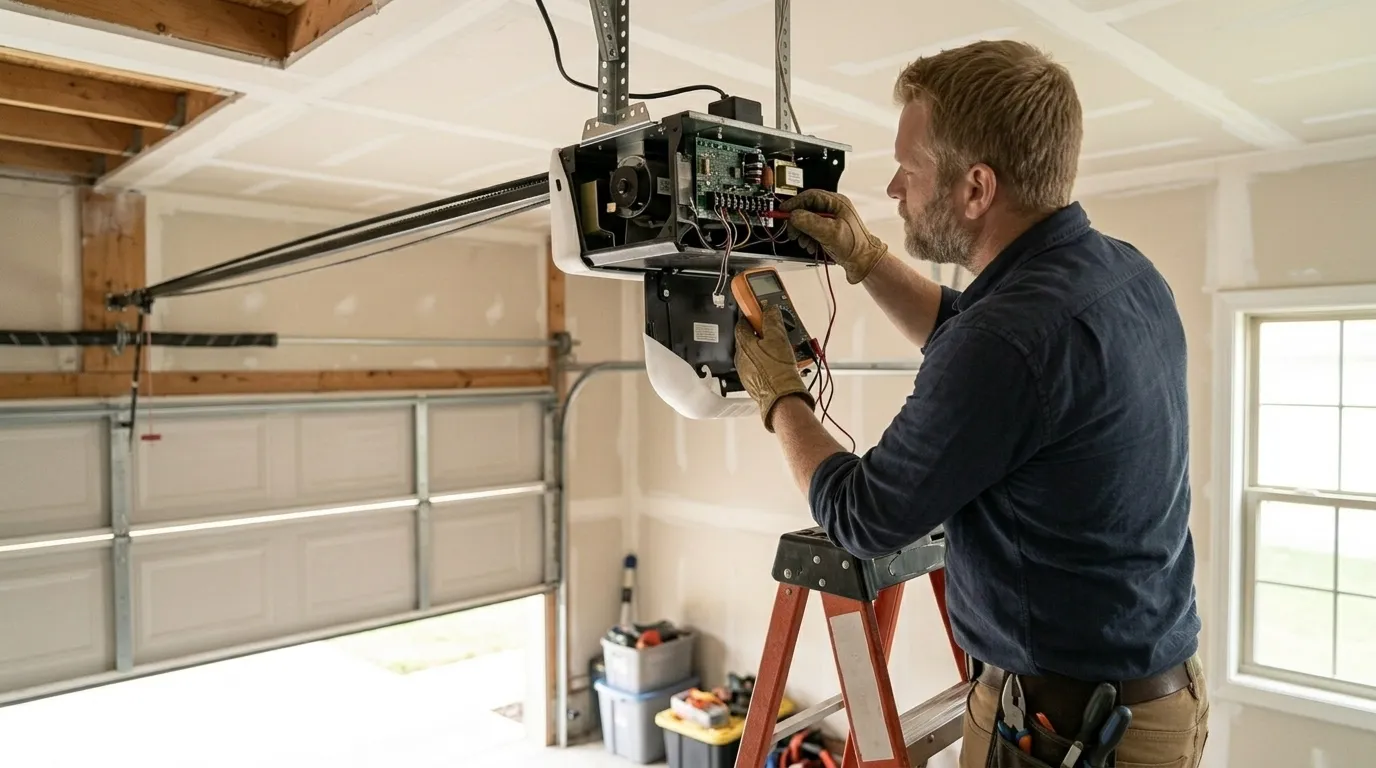
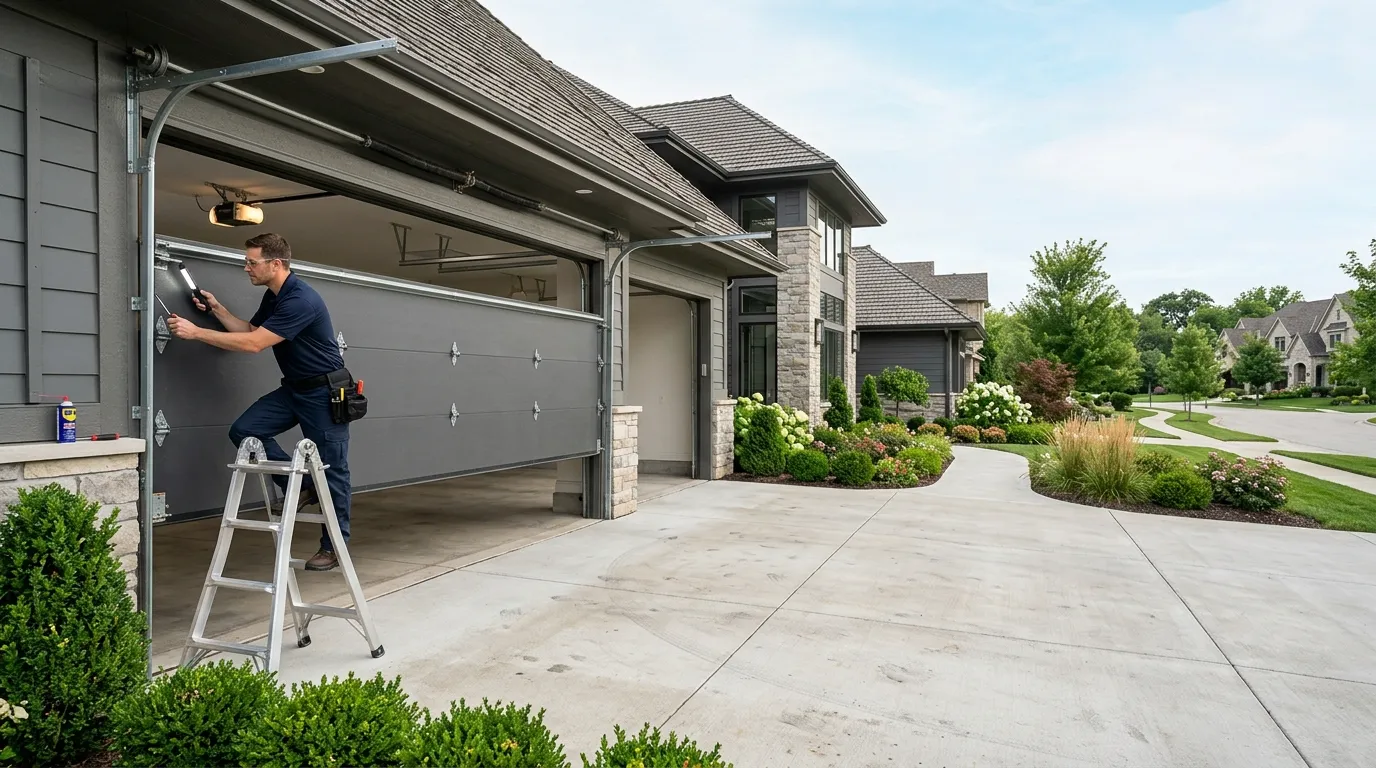
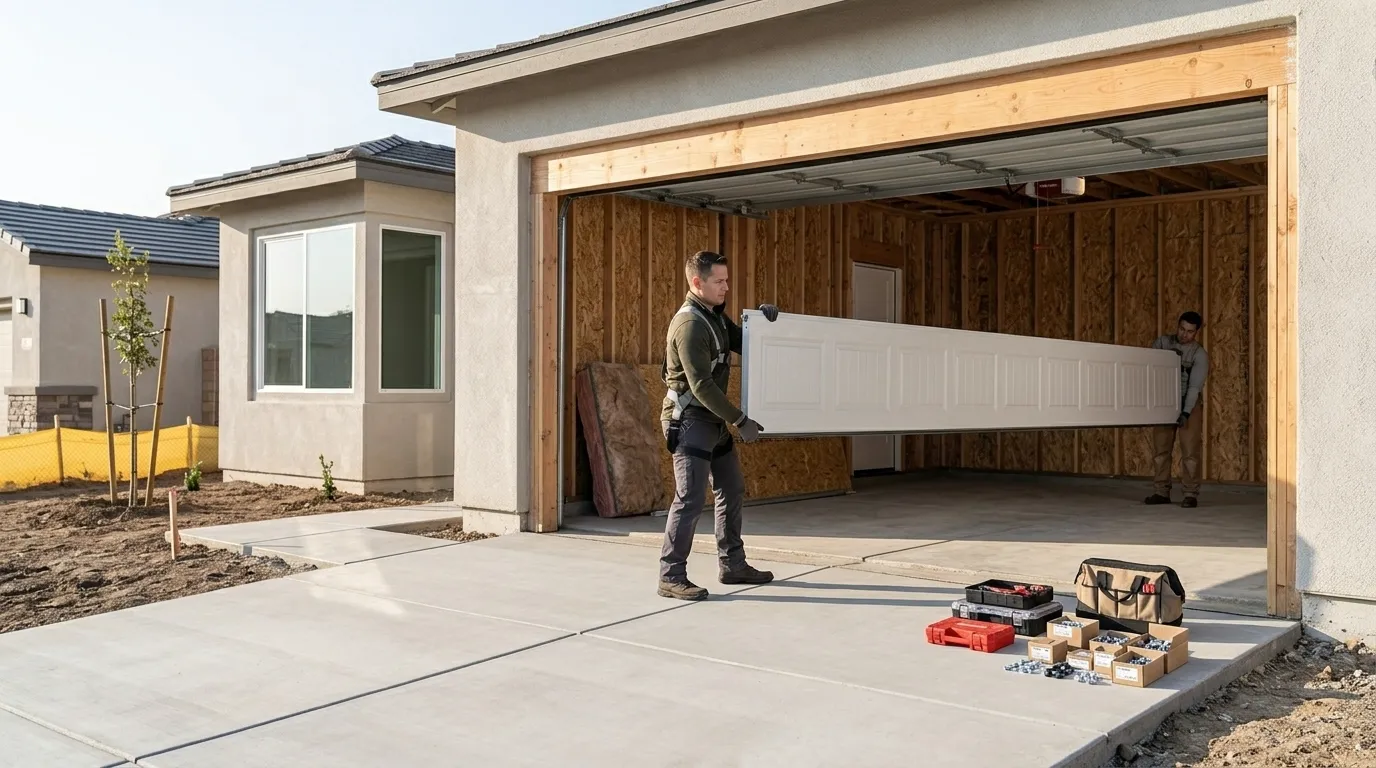
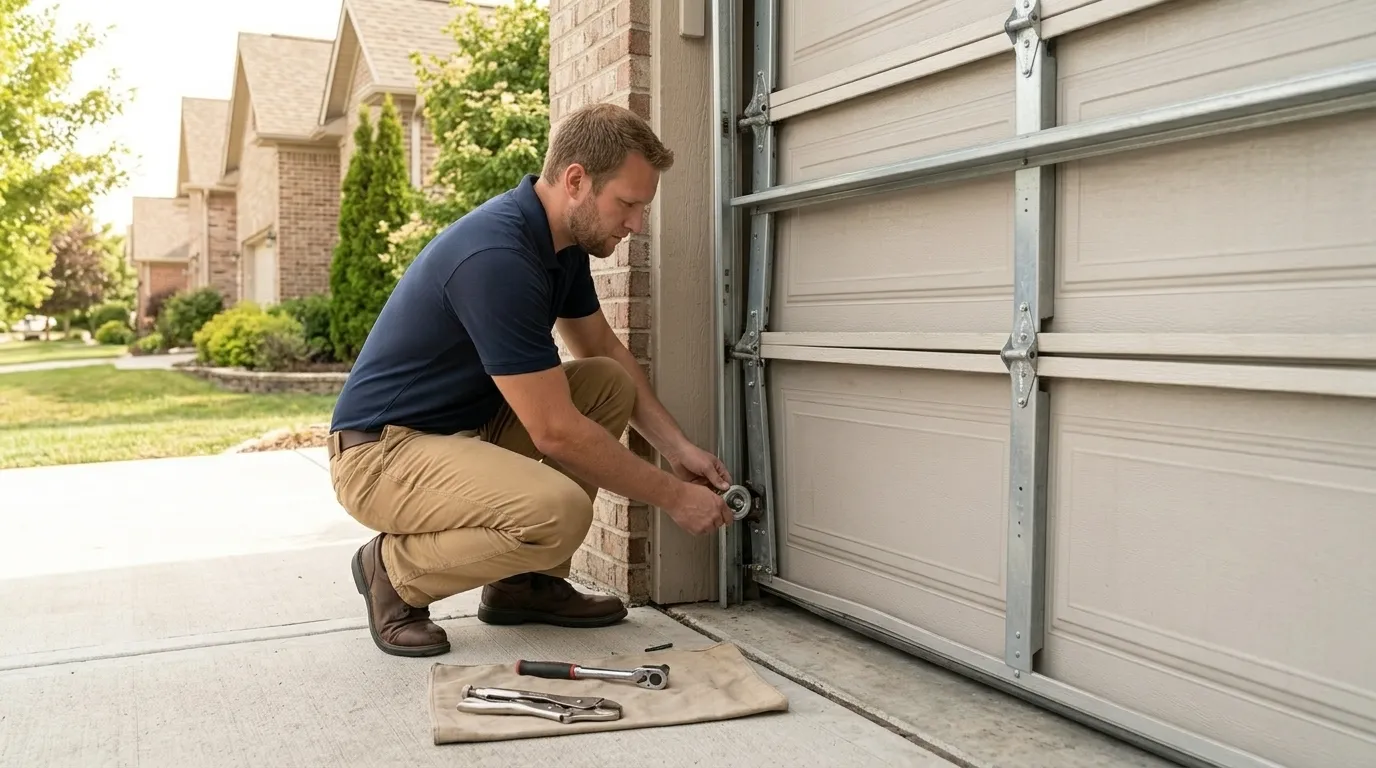
Brook Park's median household income is $67,178, noticeably below the wider service area's $95,313, and with 7,991 households in the area, most jobs here tend to be repairs and targeted part swaps rather than full replacements - homeowners fixing the spring or the opener that failed rather than gutting the whole door. That's a reasonable call on a house from this era; a torsion spring or a cracked panel doesn't always mean the door is done. Where we push back is when the track is bent enough that a new door keeps fighting the frame, or the opener has failed twice in two years - at that point replacement is usually cheaper than a third repair call. Given the cold winters here, we'd rather catch a tired spring in October than get the call in January when it snaps.