Getting It Booked In
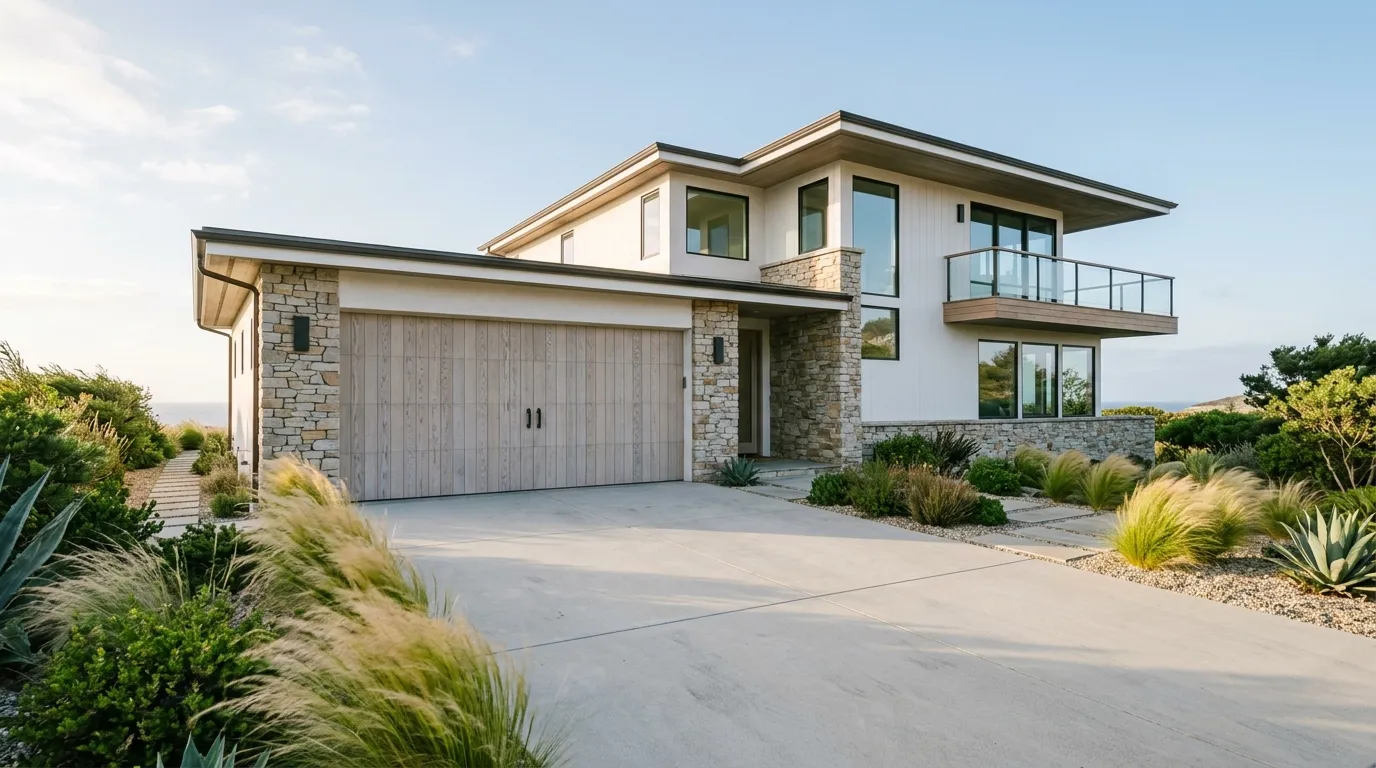
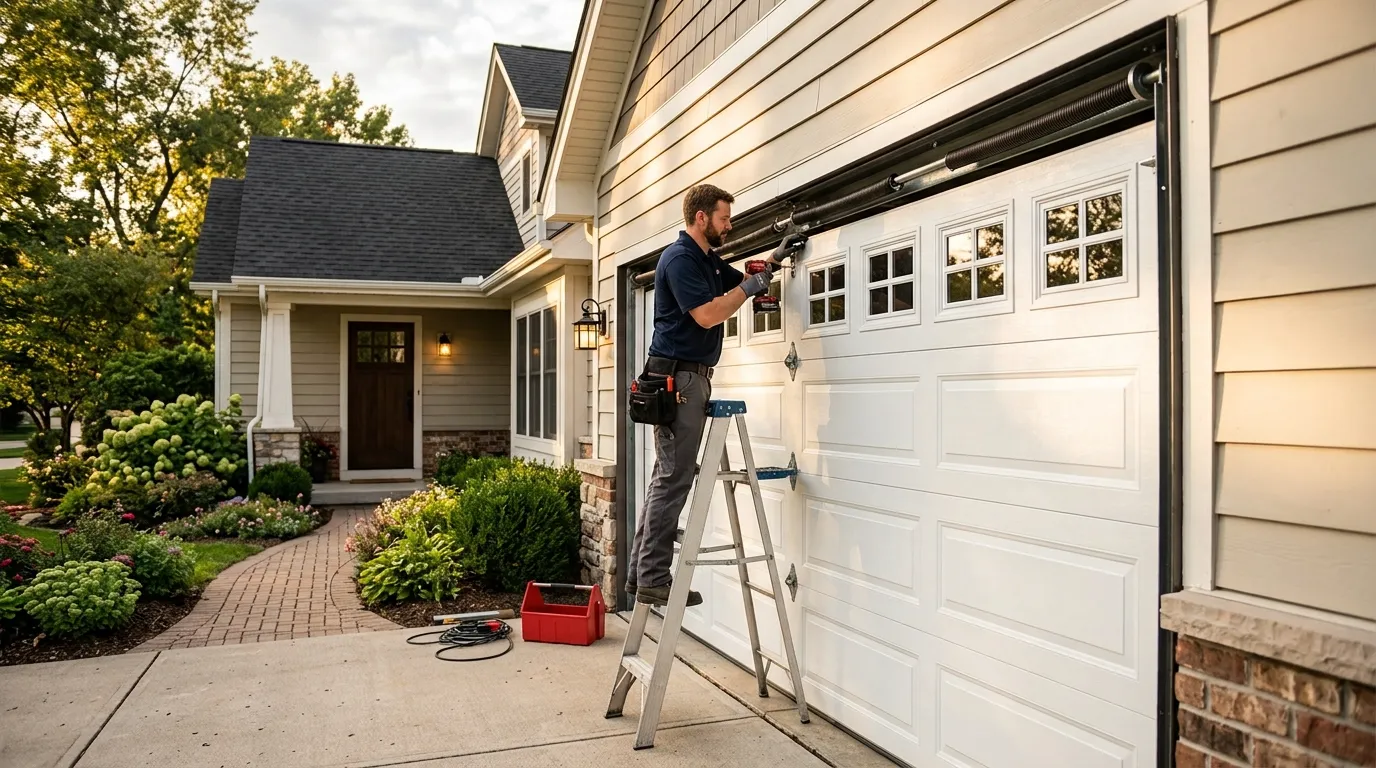
Seven Hills is a small town by household count - about 4,865 of them - which means the roller calls we get from here aren't spread across dozens of different eras of construction like some of the bigger suburbs we cover. It's a tighter band of houses, most going up in the 1960s and 70s, and that keeps the failures we see fairly consistent from one call to the next. We run out of Parma, three miles away, so getting on the schedule for a Seven Hills job doesn't mean waiting on a special trip or a separate crew. It's the same booking, the same truck, just a short drive north. When you call, tell us roughly how old the door is and whether the rollers are steel or the door still has its original hardware - that alone tells us most of what we need before we show up with parts.
Where This Job Goes Sideways
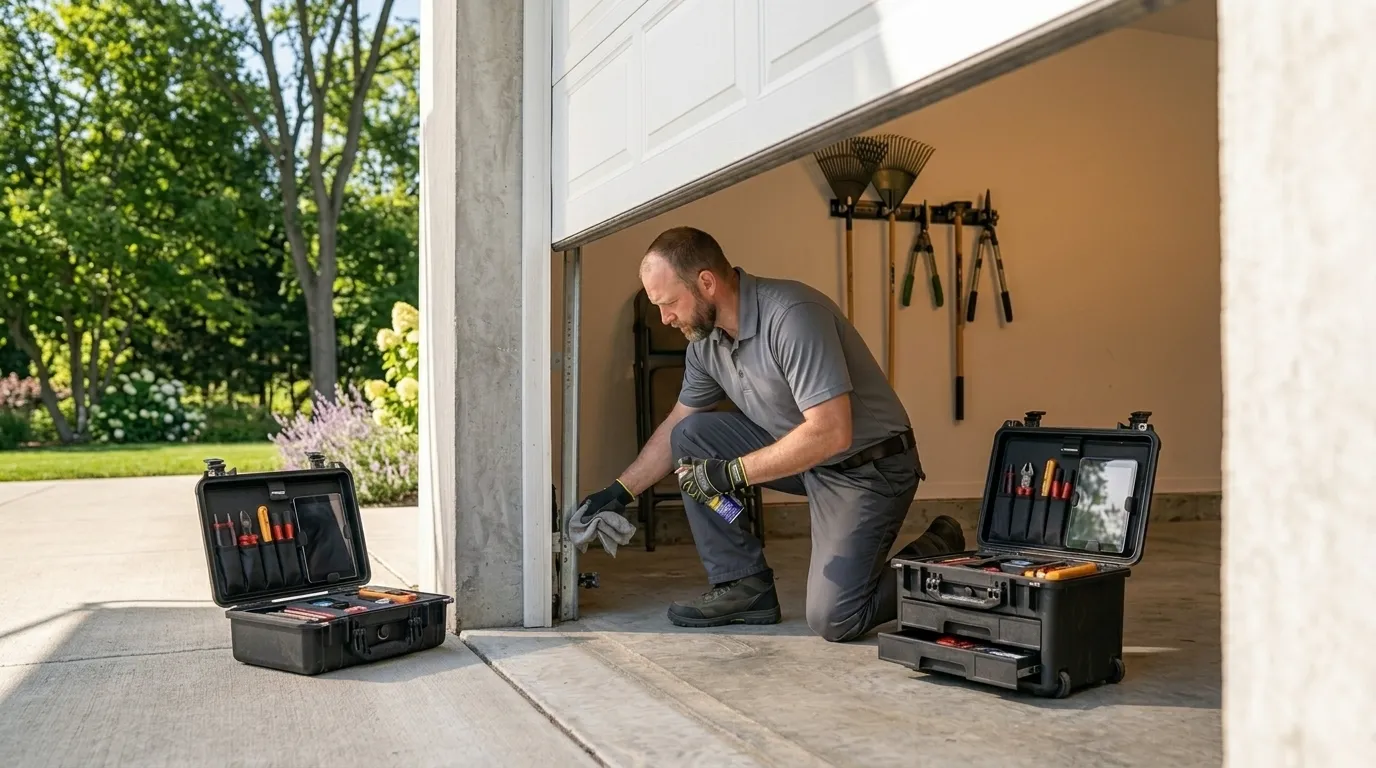
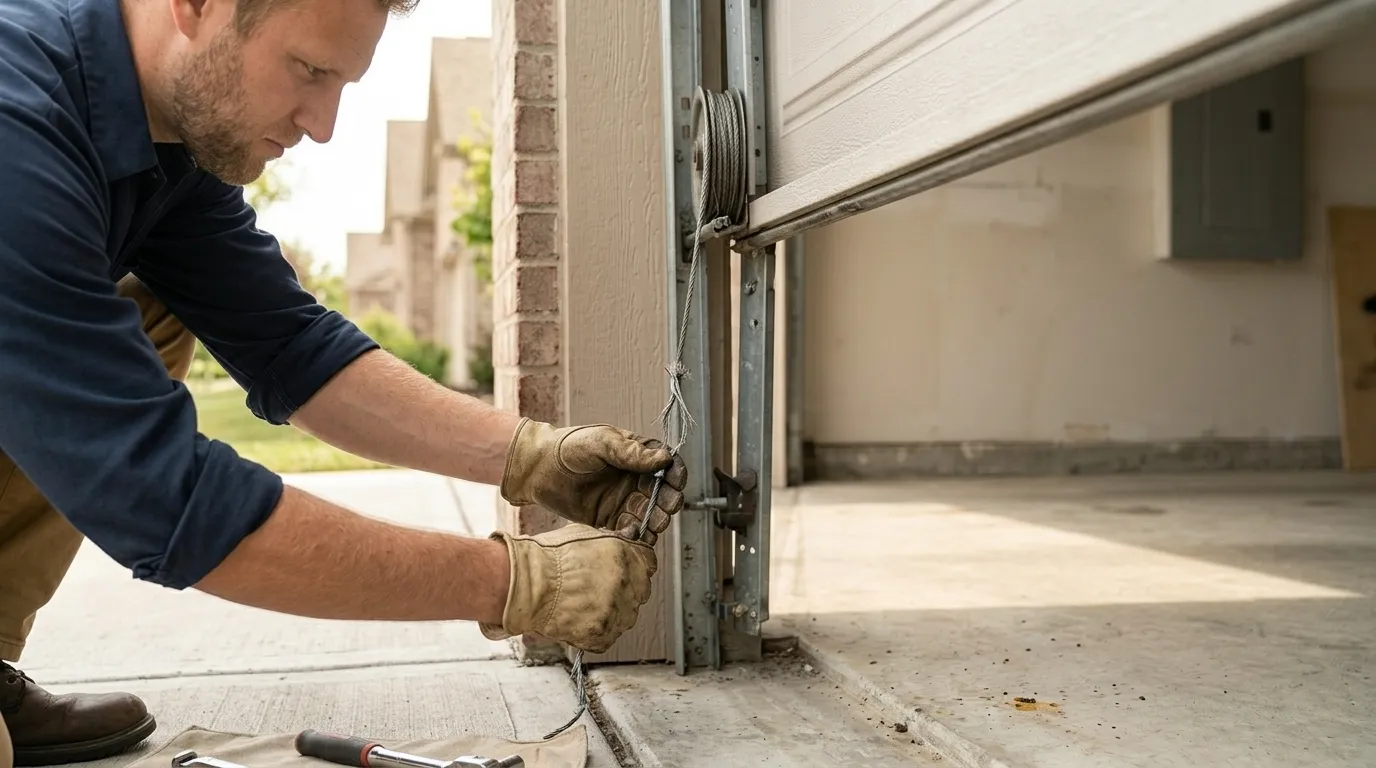
Roller replacement sounds like a small job, and on a lot of Seven Hills doors it is - until the track brackets turn out to be as old as the rollers. Houses built in the 1960s and 70s often still have their original steel track, and after five or six decades of steel-on-steel rollers grinding through it, the track itself can be bent, worn thin at the rail, or shimmed with someone's fix from years back. Swap the rollers without checking the track and you get a door that runs quieter for two weeks and then starts binding again. The other place this goes wrong is when a homeowner tries to change just the bottom rollers, the ones taking the most weight and wear, and leaves the upper ones alone. Rollers age as a set. Mixing old steel rollers with new nylon ones on the same door usually means you're back to a rattling, uneven track within a year, and now you're paying for a second visit instead of doing the whole run once.
Why It Happens Here
Seven Hills sits in a service area where the median house went up around 1966, and that number matters more than it sounds like it should. Doors from that era were built for steel rollers on steel track, full stop - nylon roller kits are a retrofit, not an original part, and they don't always drop into old bracket spacing cleanly. Add in a cold, severe winter climate, and steel rollers without sealed bearings pick up ice and grit every season, which accelerates the wear on both the roller and the track it rides in. That combination - older steel hardware plus a winter that punishes exposed metal parts - is why roller failure shows up here on a fairly predictable timeline instead of at random. It's not that Seven Hills doors are unusual. It's that the housing stock's age and the climate band it sits in point at the same weak part of the door.
Doing It Yourself
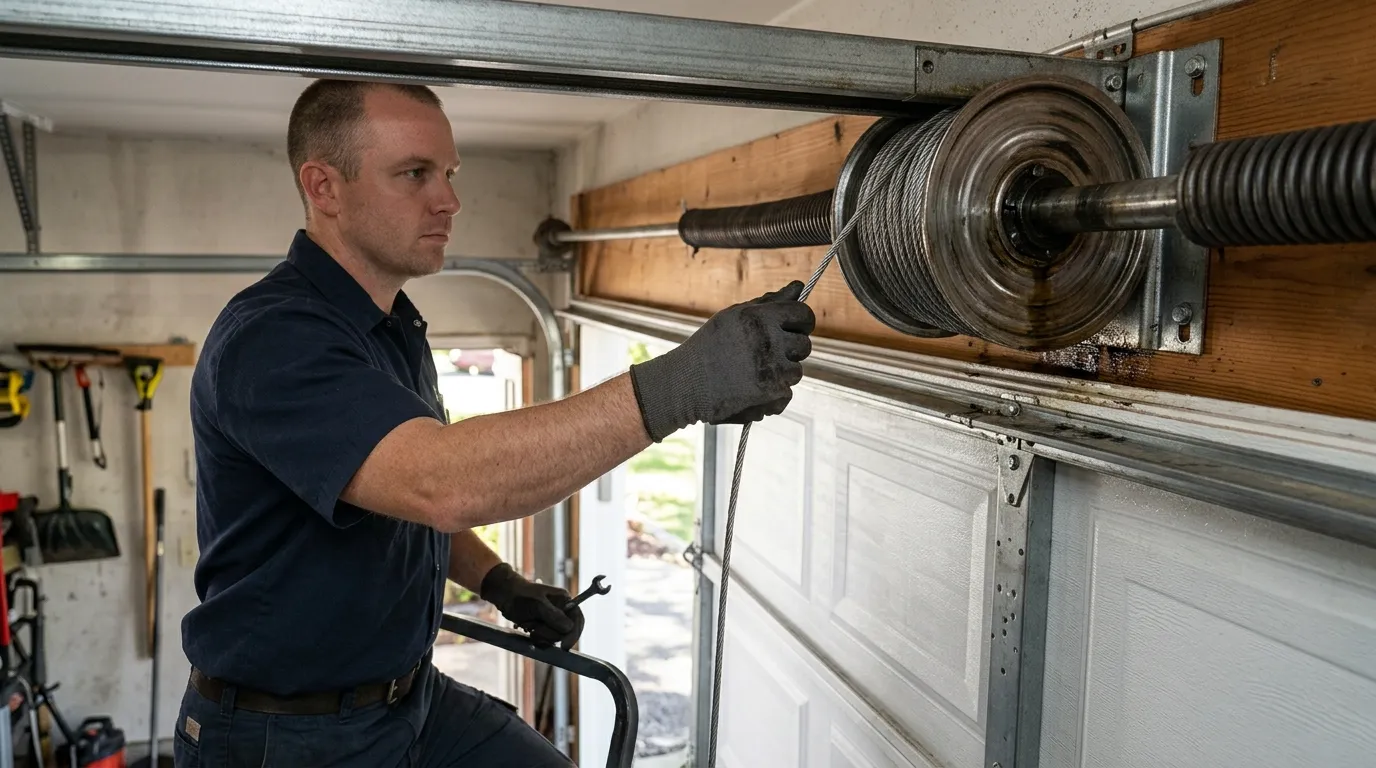
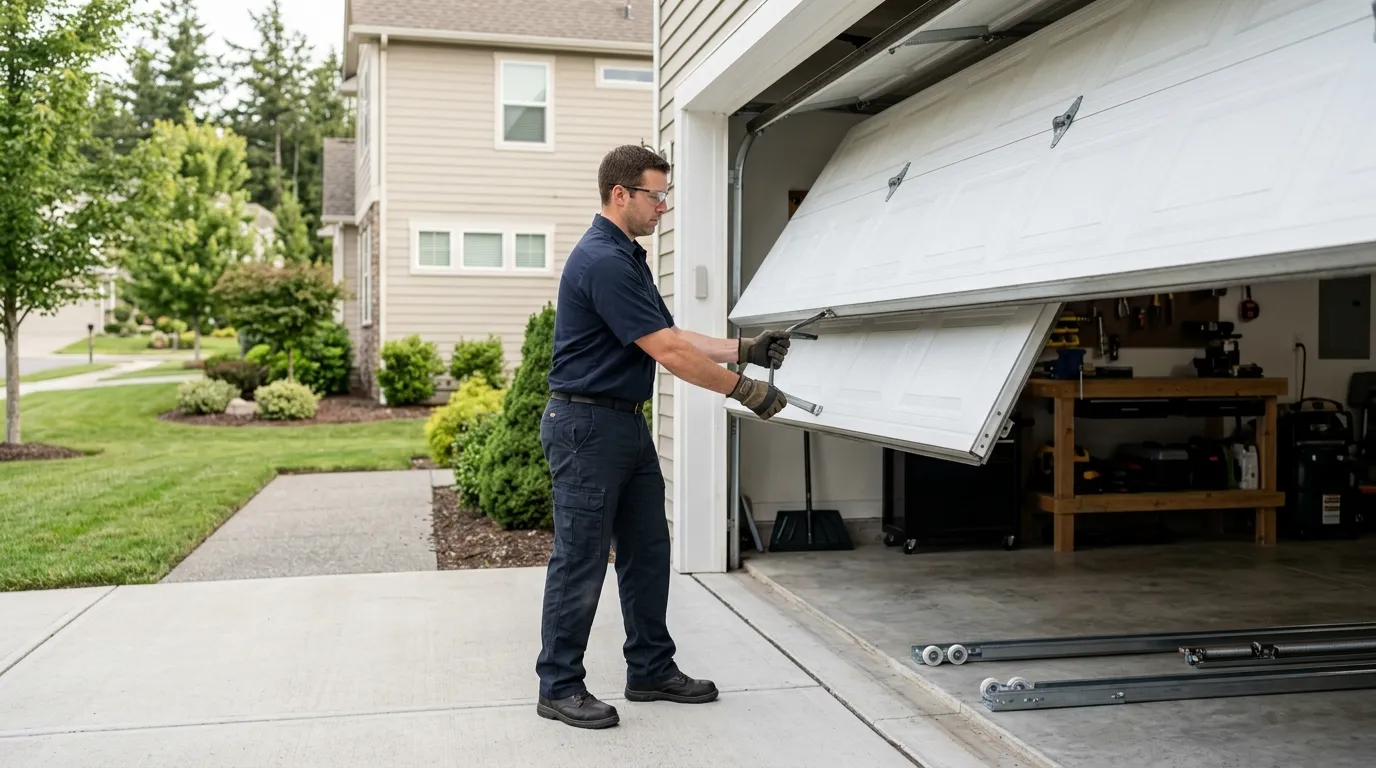
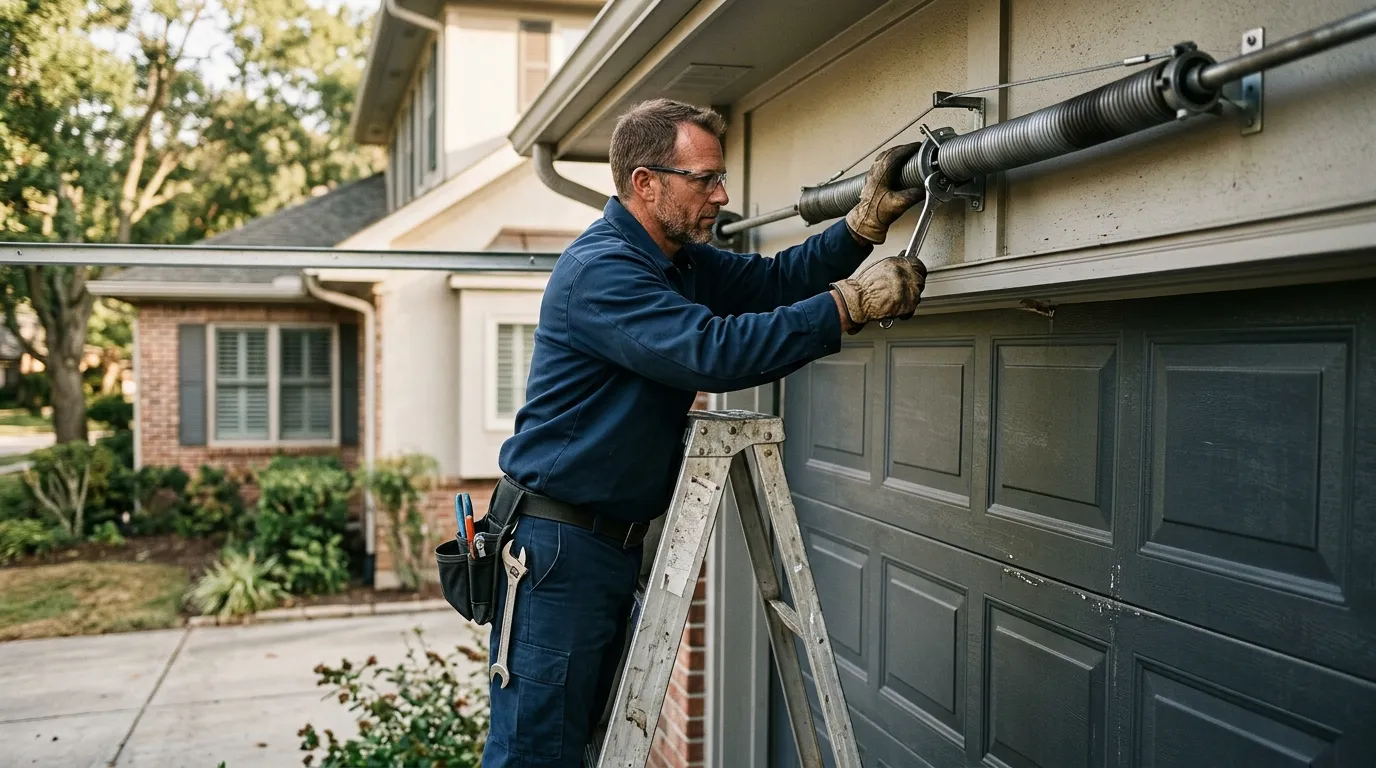
Changing a single roller on a garage door with the door down and the spring tension released is within reach for someone comfortable with a wrench and a ladder - it's mostly a matter of pulling the roller stem from the bracket and dropping in a new one. What isn't a DIY job, on a house with original hardware from the 1960s or 70s, is figuring out whether the track itself needs straightening or replacing at the same time. That takes the door apart further than most homeowners want to go, and getting it wrong can leave a door that jumps its track under a torsion spring's full load, which is not a safe thing to be standing near. If you're doing one roller as a stopgap, fine. If more than two or three are worn, or the door's been rattling for months, that's a job to have looked at properly rather than patched one roller at a time.