Getting It Booked In
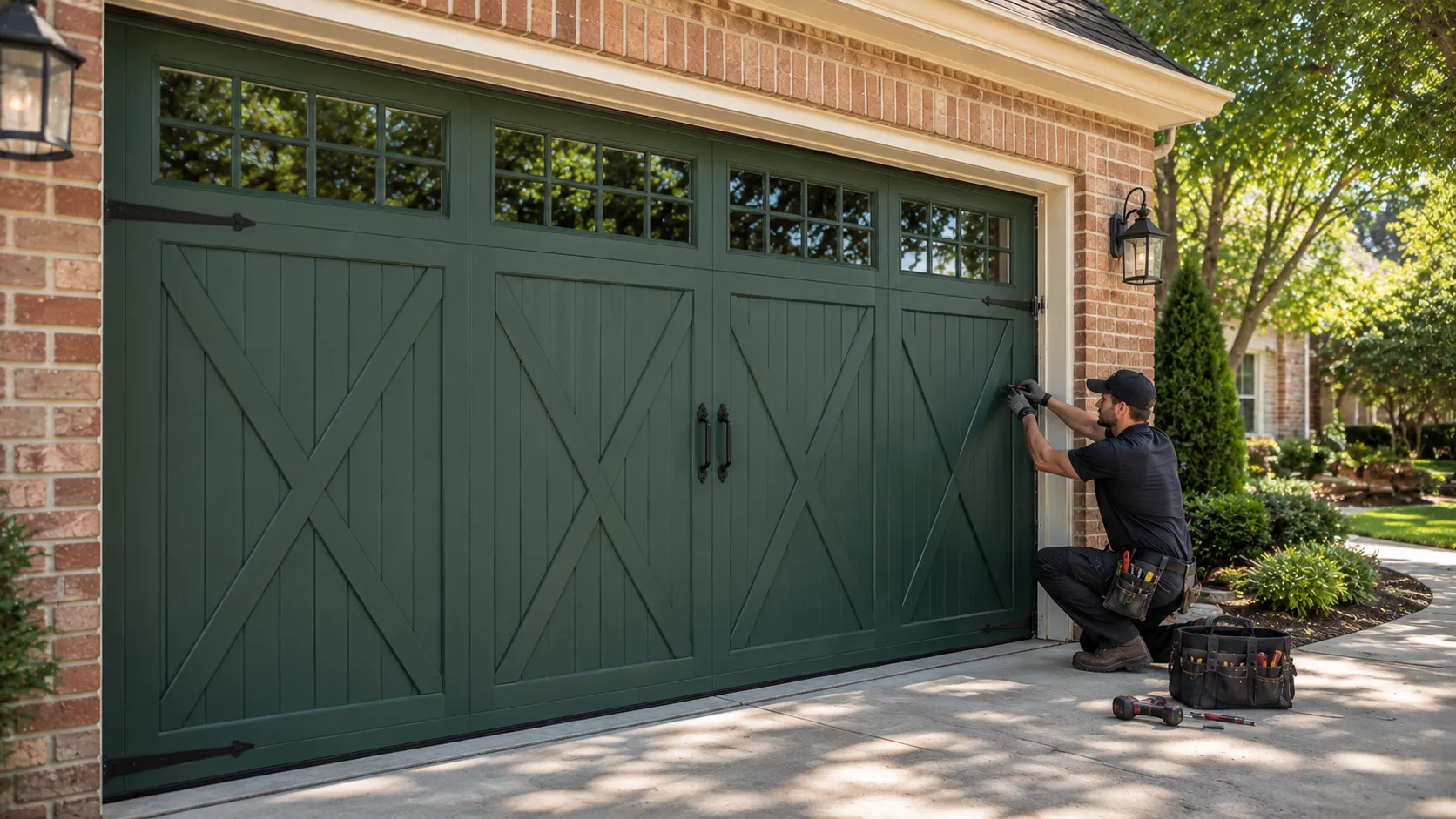
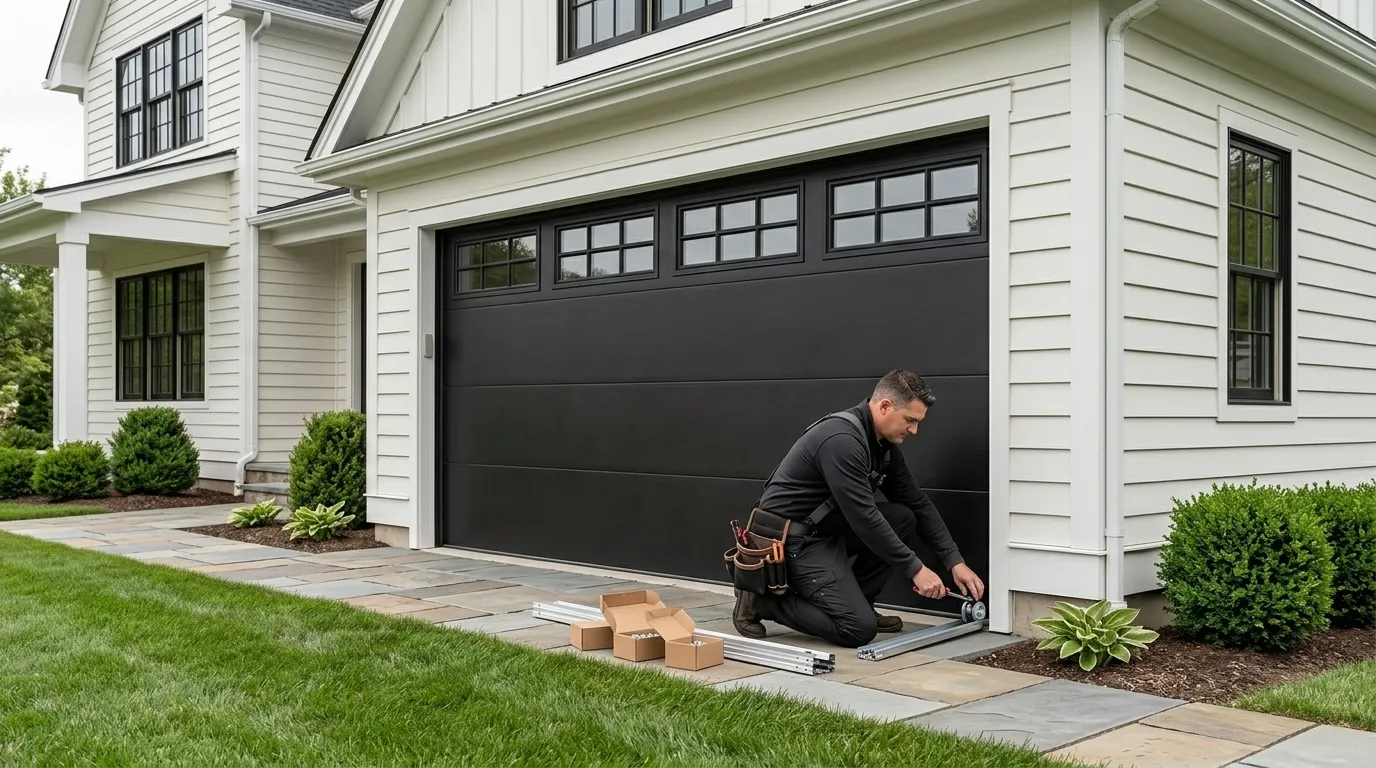
We don't run a branch in Seven Hills. We work out of Parma, three miles up the road, and that's the truck you'll see pull in. Booking is the same as it would be for any job in the area we cover: you tell us what the opener is doing (or not doing), we ask a few questions about the unit and the door it's lifting, and we bring the parts most likely to fix it based on what you describe.
Because Seven Hills is a small town by household count - under 5,000 households - we're not staging a depot's worth of opener boards and gear kits ten minutes away. What we bring depends on what you tell us on the phone, so the more specific you can be (brand, age if you know it, what sound or light it's giving you), the less likely we are to need a second trip.
We don't quote a same-day guarantee here. We'll give you a window, and if the fix turns out to need a part we don't carry on the truck, we'll say so rather than guess.
Where This Job Goes Sideways
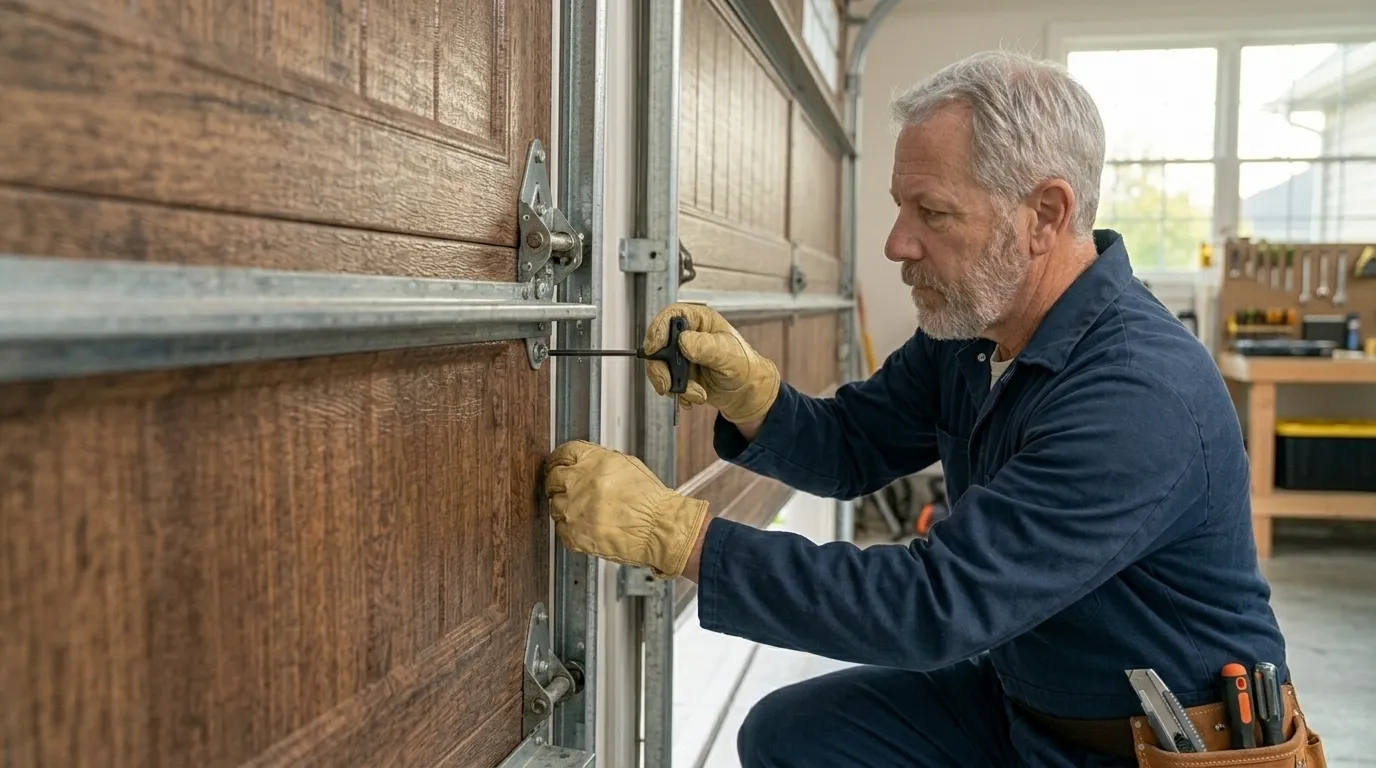
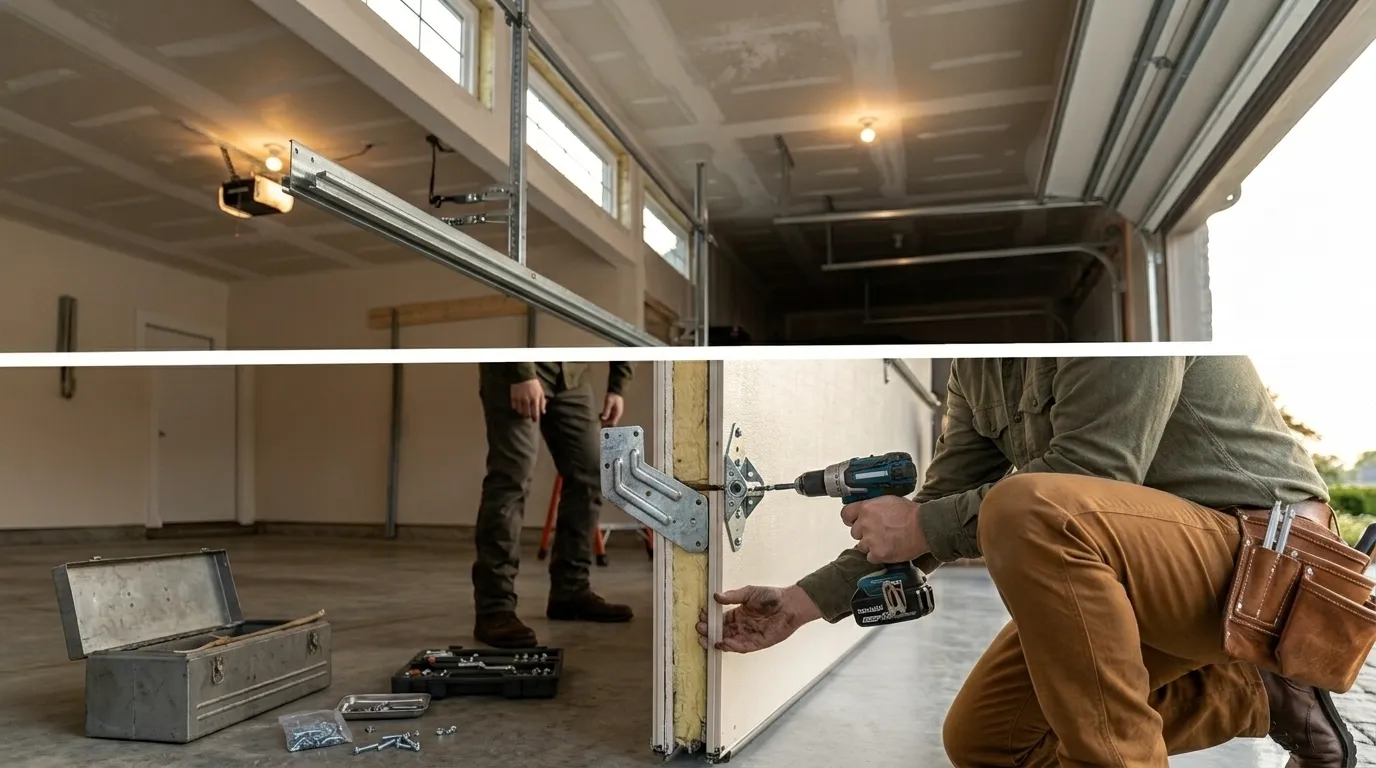
The median house in this area was built around 1966, and a lot of that original garage wiring and door hardware is still in place even where the opener itself has been swapped out once or twice since. That means we're often not looking at a single failed part - we're looking at a newer opener bolted to a 1960s-era door and track that were never engineered for it. A chain that jumps, a unit that runs but the door barely moves, a motor that hums and trips its breaker - these usually trace back to that mismatch rather than the opener being simply broken.
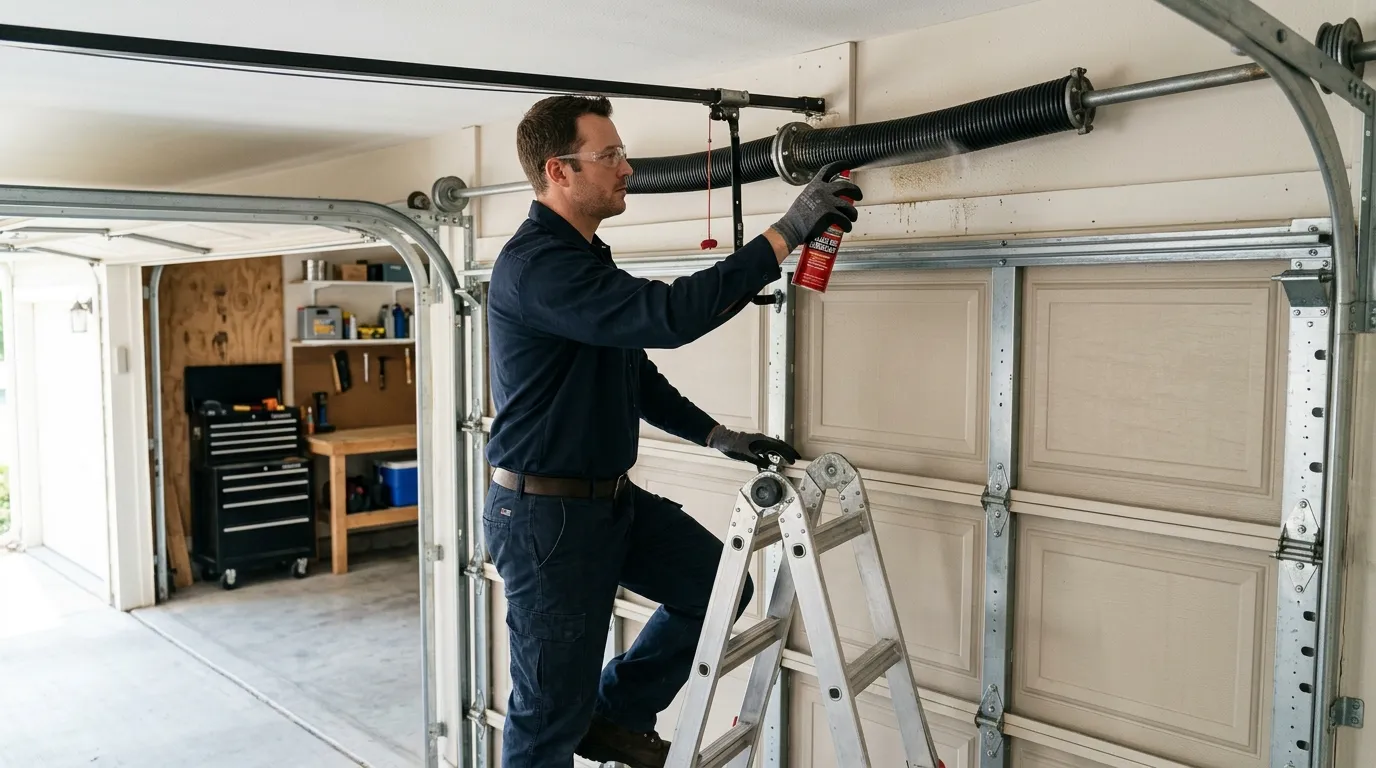
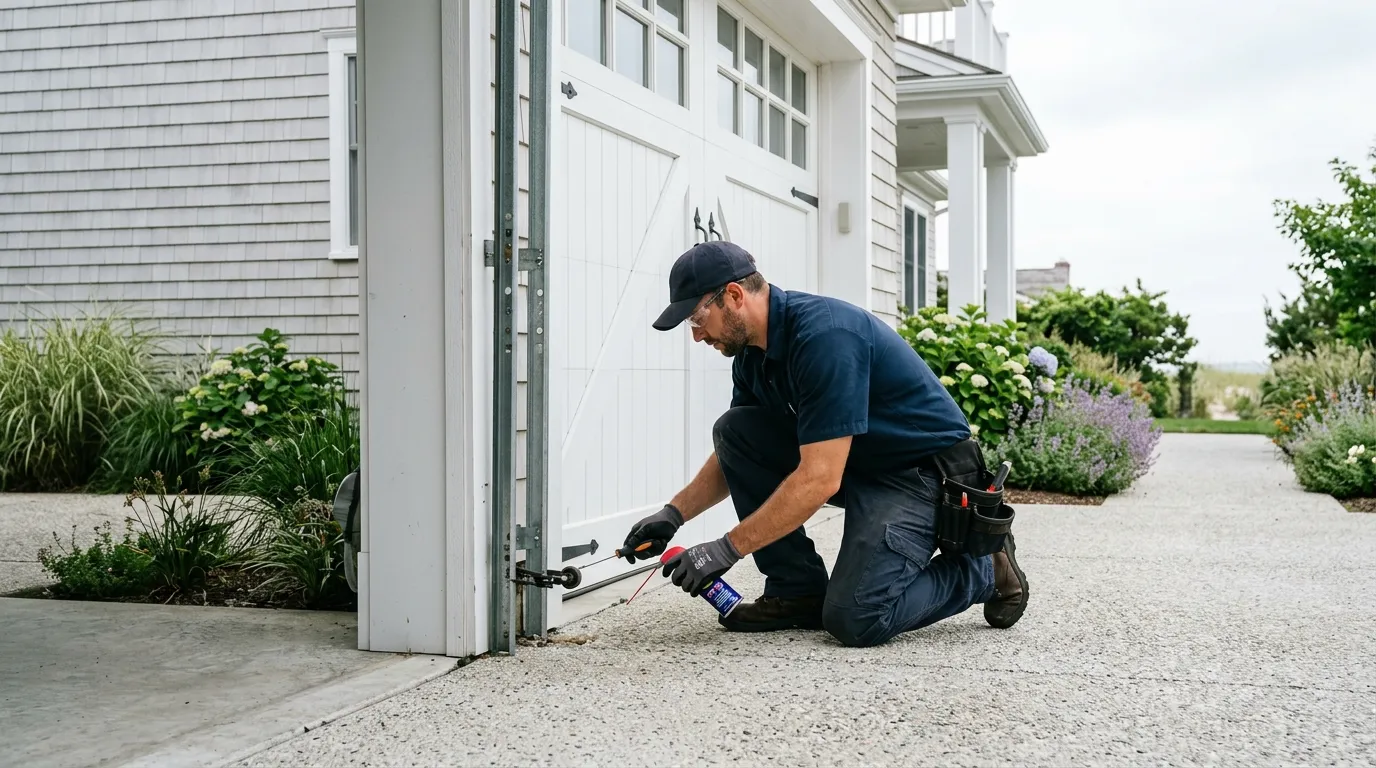
The other place this goes sideways is winter. This area sits in a climate zone we'd call cold and severe, and cold does specific things to an opener: it stiffens chain lubricant, it makes plastic drive gears more brittle, and it puts extra load on a motor that's already working against a door that isn't balanced right. A door that opens fine in August and grinds or stalls in January is telling you the opener was already close to its limit and the cold pushed it over.
The honest limitation: if the opener's control board is the problem and it's an older model, we may not be able to get an exact replacement board quickly. Sometimes the right call is a new opener rather than chasing parts for one that's twenty years past support.
Why It Happens Here
Two things stack up in this area. First, the housing: built mostly across a 1938-2004 range with a median around 1966, which means a big share of garages were framed for openers that don't exist anymore - chain-drive units on tracks and hardware sized differently than what's sold today. When one of those gets replaced, it's not always a clean swap.
Second, the climate. This region sits in a cold, severe-winter band, and that's not a minor detail for an opener - it's the difference between a motor working within its rated load and one working past it every January. Combine an older door and track with a motor that's already fighting stiff cold-weather lubricant and worn rollers, and the opener takes the blame for a problem that started in the door.
We also see this in a town where household income runs solidly above the regional median - homeowners here are more likely to have already put money into a door or opener upgrade at some point, which means we're often troubleshooting a five- or ten-year-old unit rather than a decades-old one. That changes what we look for, but it doesn't change the fact that the door underneath it is usually older than the opener.
Doing It Yourself
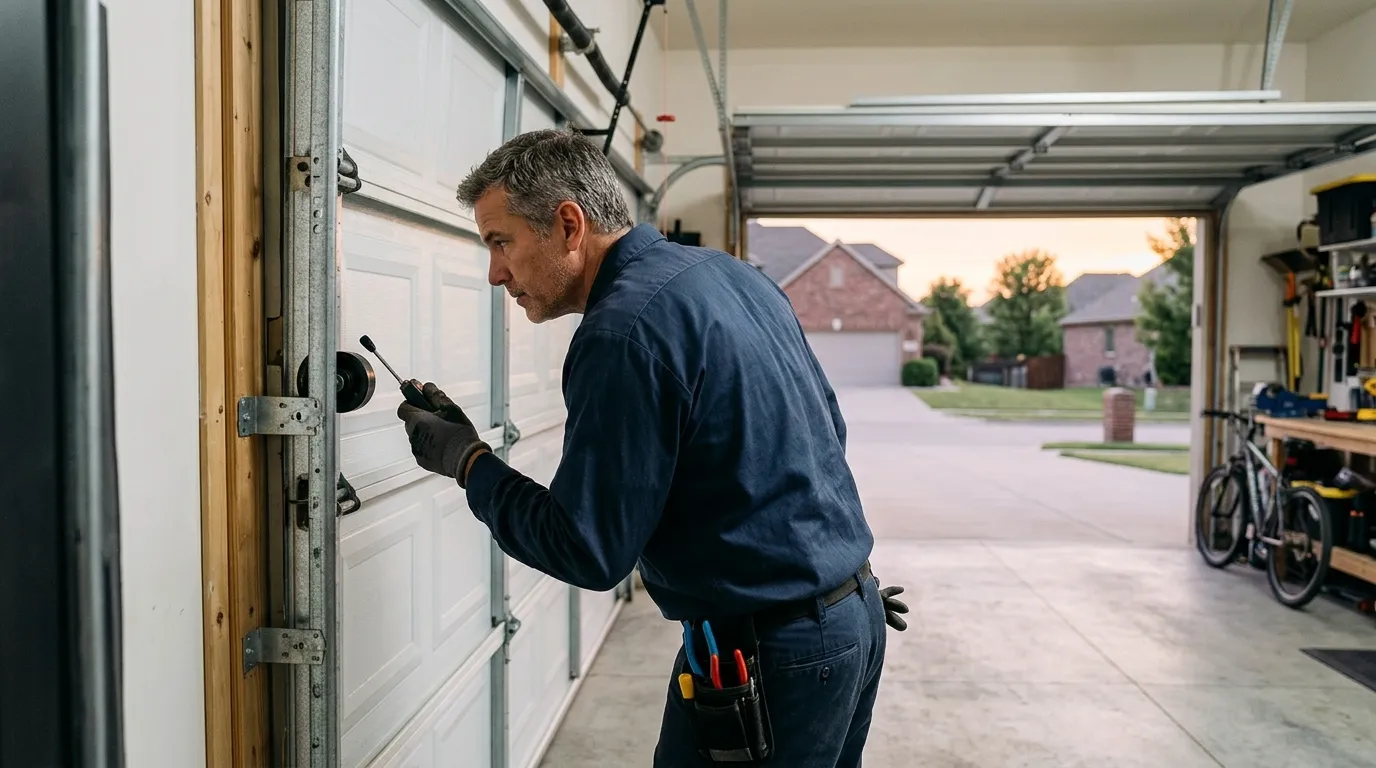
Some of this you can check before calling anyone. Dead remote - try the battery first, it sounds obvious but it's the single most common no-start call. Opener runs but door won't move - check that the manual release cord hasn't been pulled, which disconnects the carriage from the opener on purpose. Door reverses right before it closes - that's usually the photo-eye sensors near the floor, and dust, cobwebs, or one knocked slightly out of alignment will cause it. Wipe the lenses and make sure both sensors' lights are steady, not blinking.
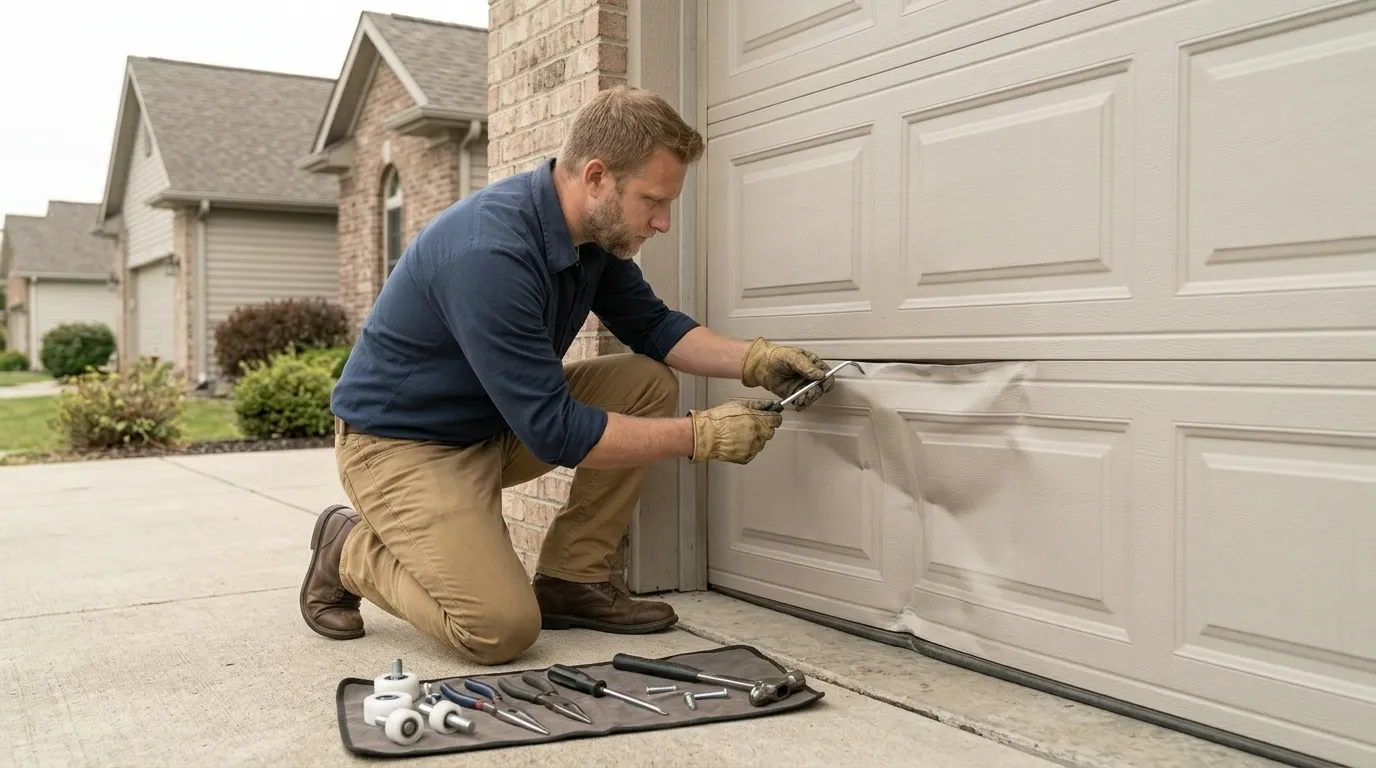
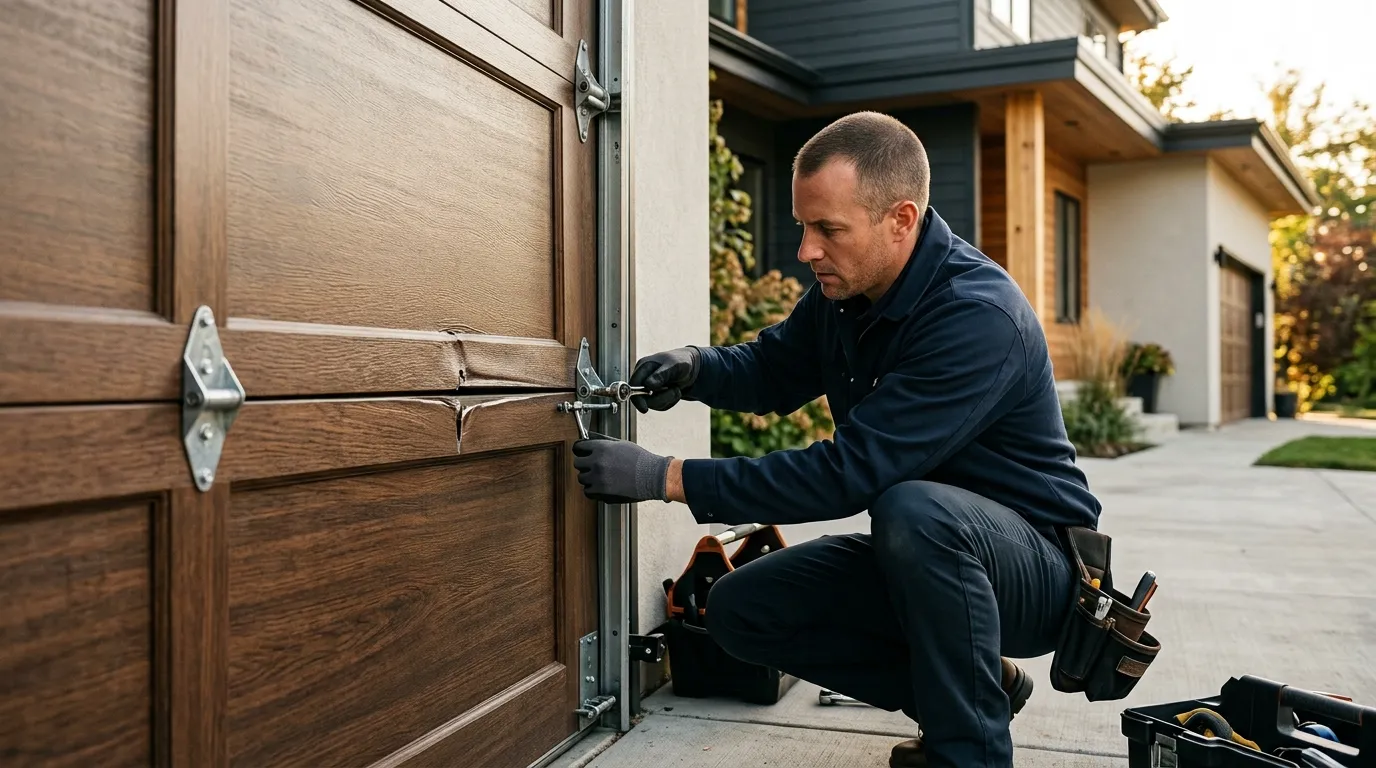
What you shouldn't do yourself: open the opener's control board housing, or try to adjust the force or limit settings without knowing what you're changing - get those wrong and the door can slam down harder than it should, which is a safety problem, not just an inconvenience. And if the issue is really the door - bent track, a spring that's lost tension, a cable that's frayed - no amount of opener troubleshooting fixes that. That's a call for a truck, not a screwdriver.