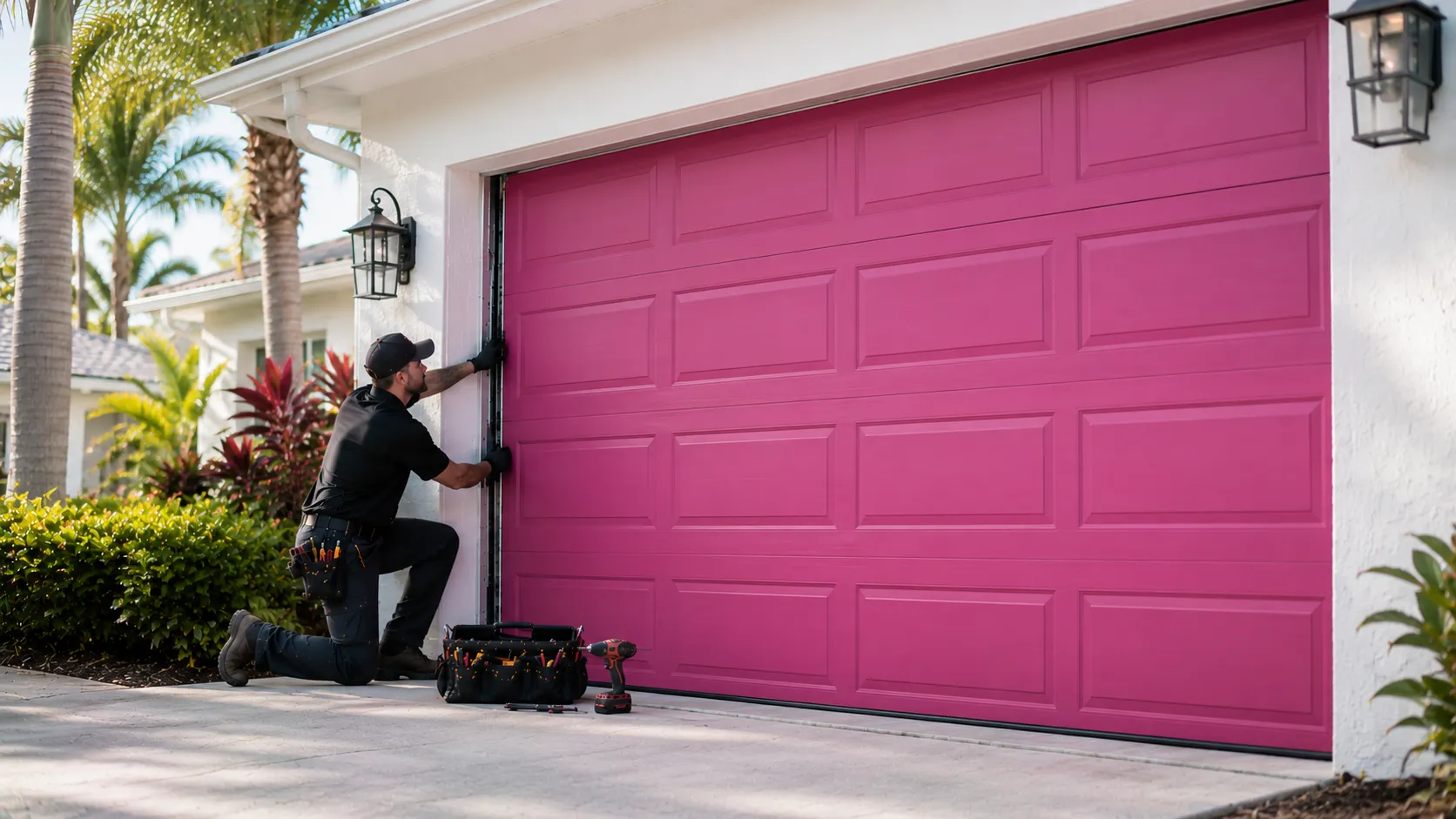
Getting It Booked In
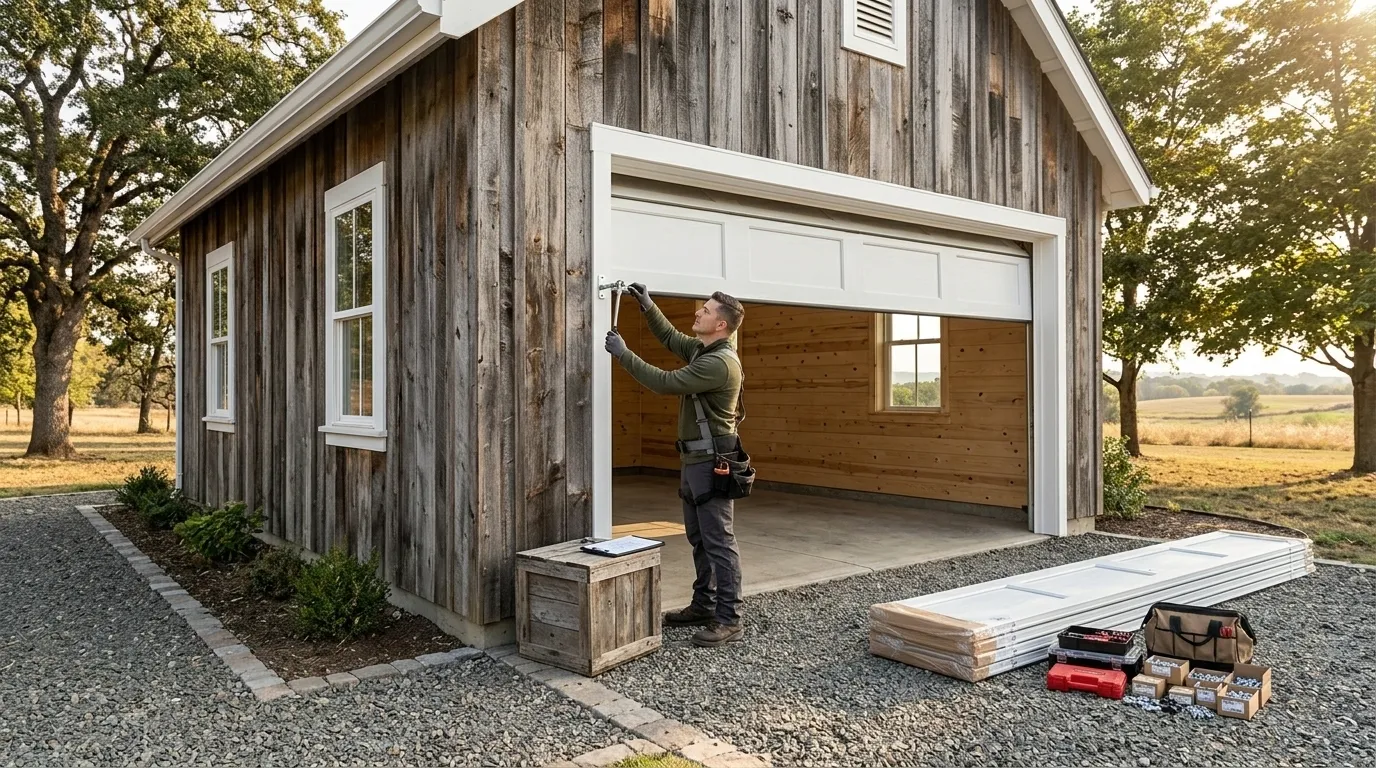
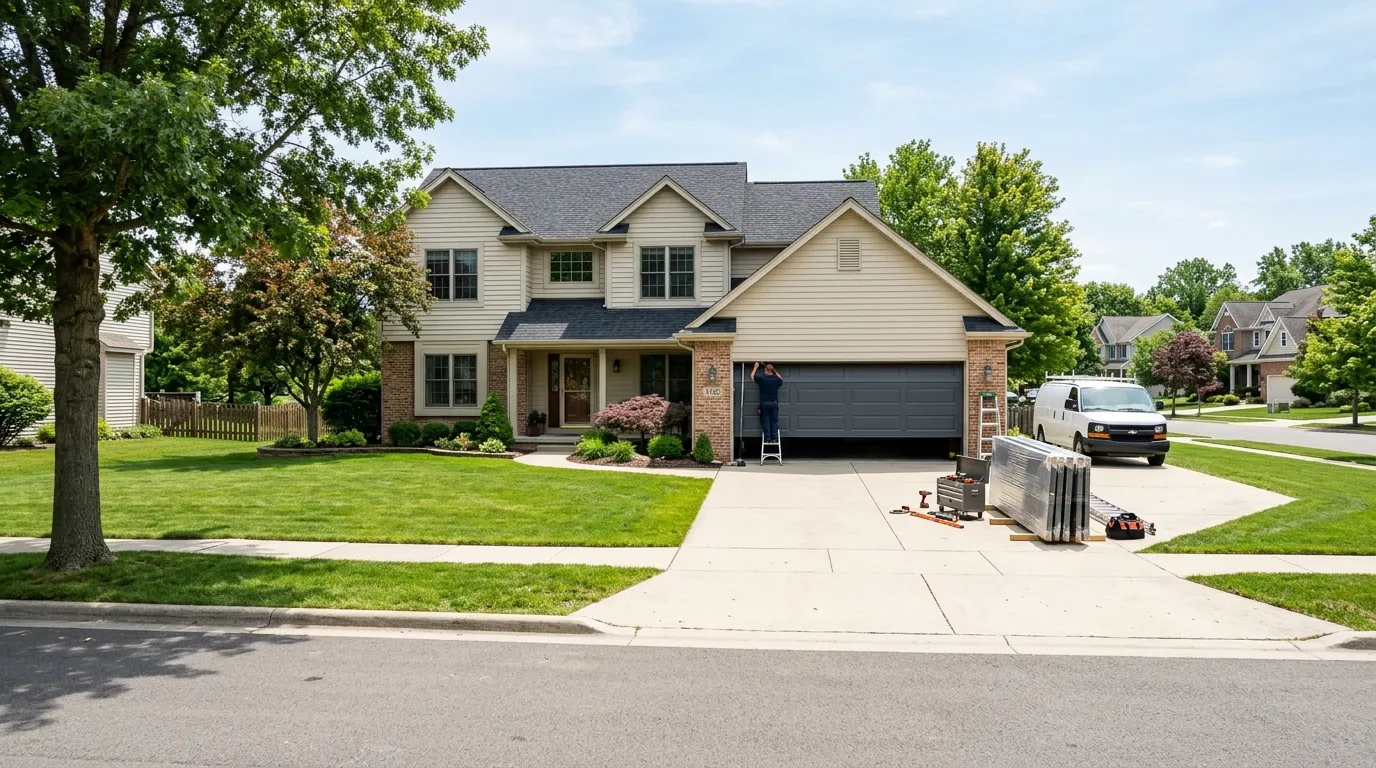
Most of the openers we pull out of Seven Hills garages were bolted onto a door that's original or close to it, since the median house here dates to 1966. That matters before we talk about the opener itself. A door built in the mid-60s is usually a single steel skin, no insulation layer, on a track and drum setup that was never meant to carry a heavy modern operator without some bracket work first. When you call to book, we ask the door's width and whether it's a single or double bay, because a 16-foot double built on 1960s track needs a different horsepower and mounting plan than a 9-foot single. We're coming from Parma, about 3 miles out, so we can usually get someone out to look at the door and the header before we quote the opener - not after.
We'll also ask if the garage is attached or detached. Detached garages from this era often have no run of power to the ceiling, which changes the job from a bolt-on to an install that includes wiring.
Where This Job Goes Sideways
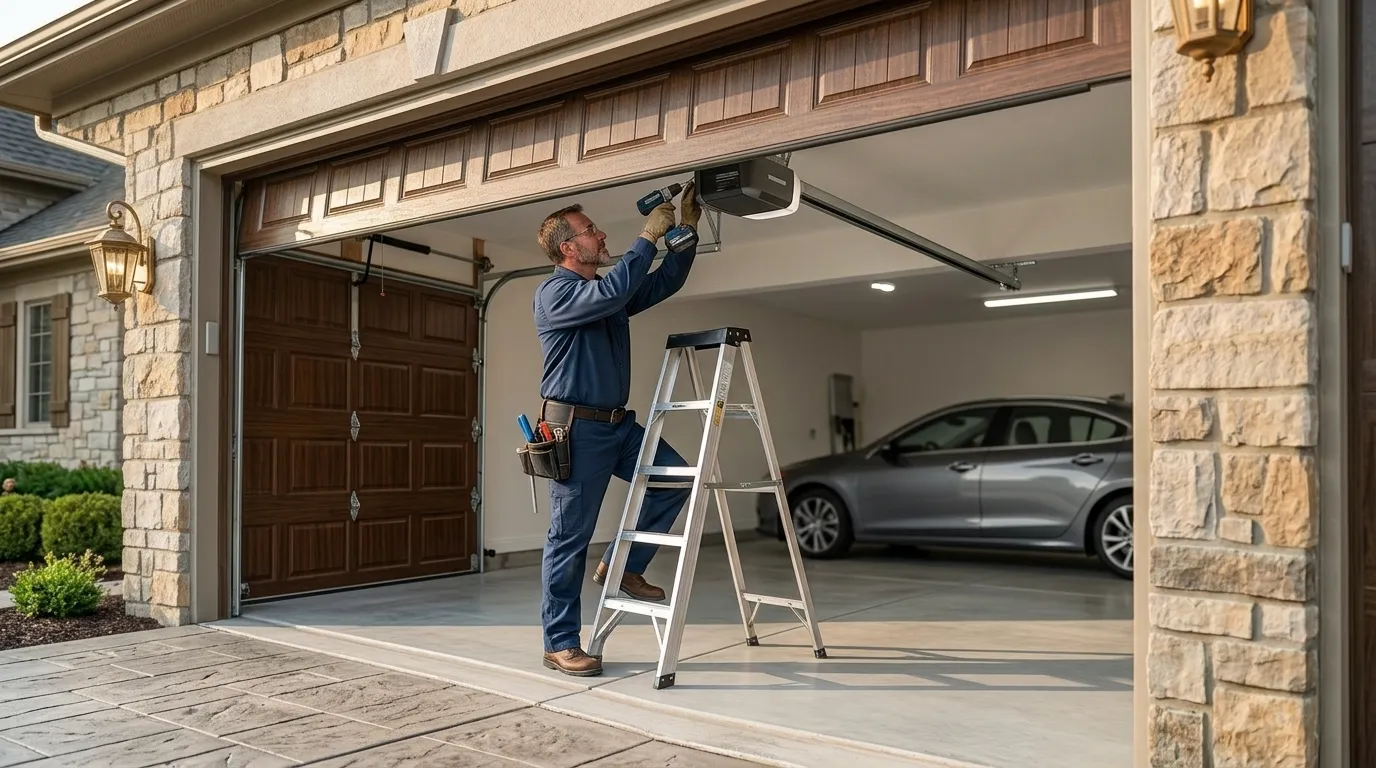
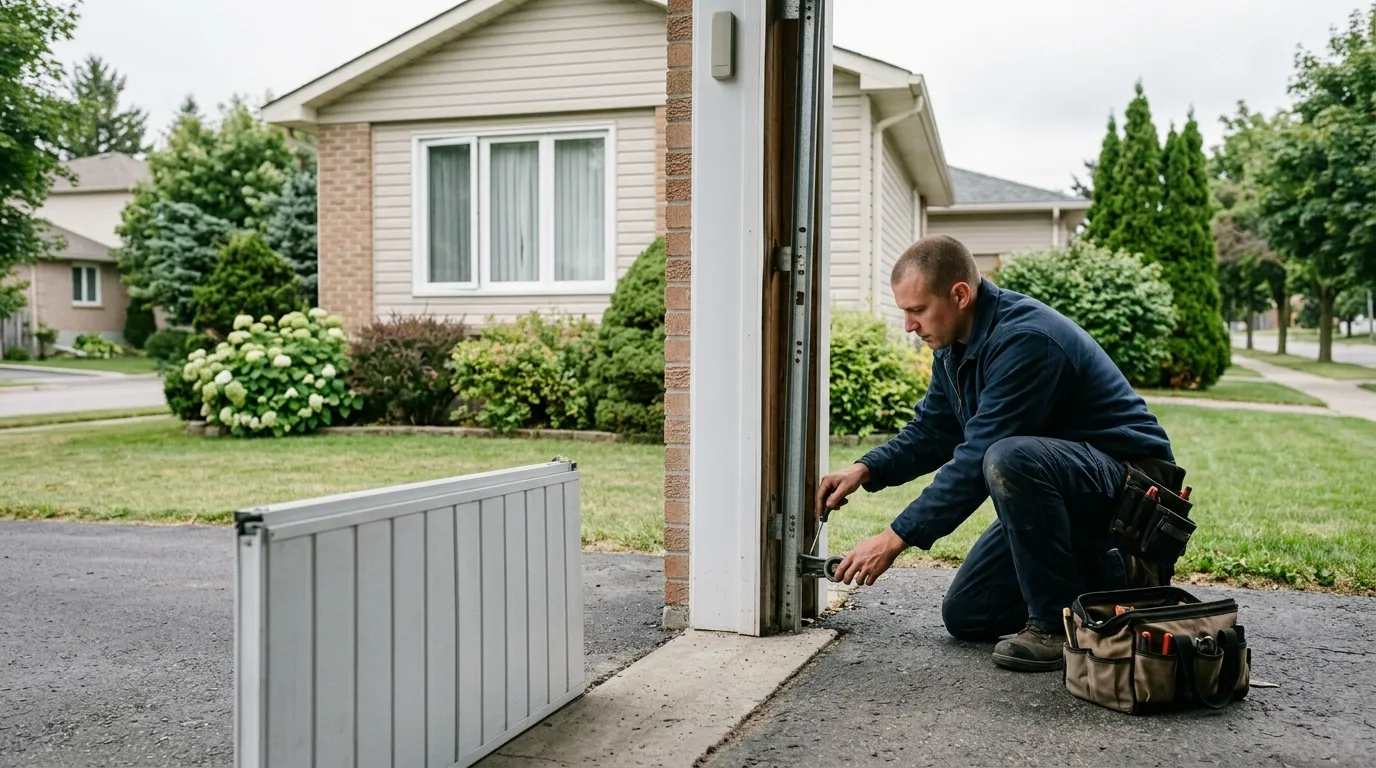
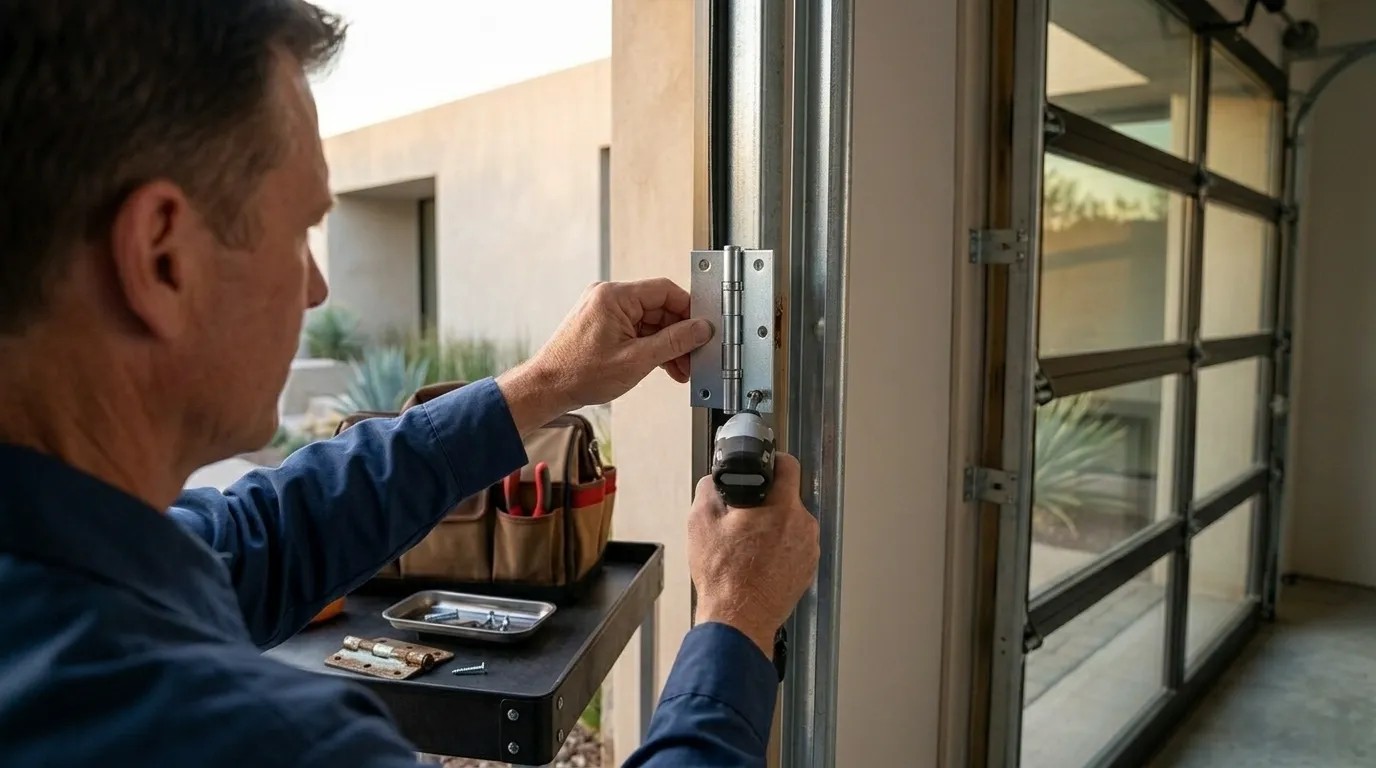
The failure point on a 1966-era door isn't the opener - it's what the opener gets bolted to. The wood header above the door on houses this age has usually taken 55-plus years of Ohio winters, and on a cold-climate frame like this one, freeze-thaw cycling loosens lag screws and softens the wood at the fastening points. We've opened up headers that looked fine from the garage floor and found the wood too punky to hold a new bracket.
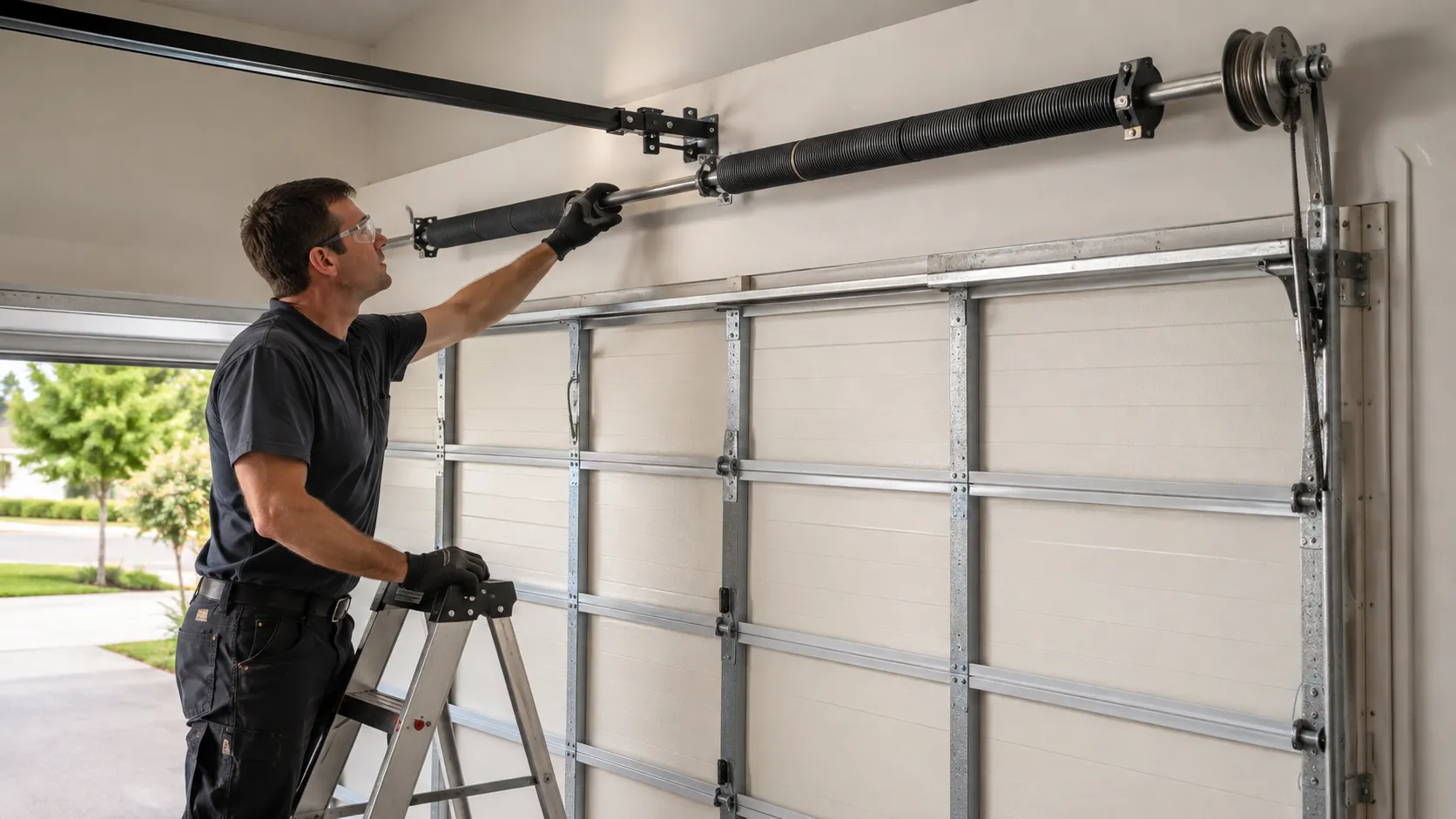
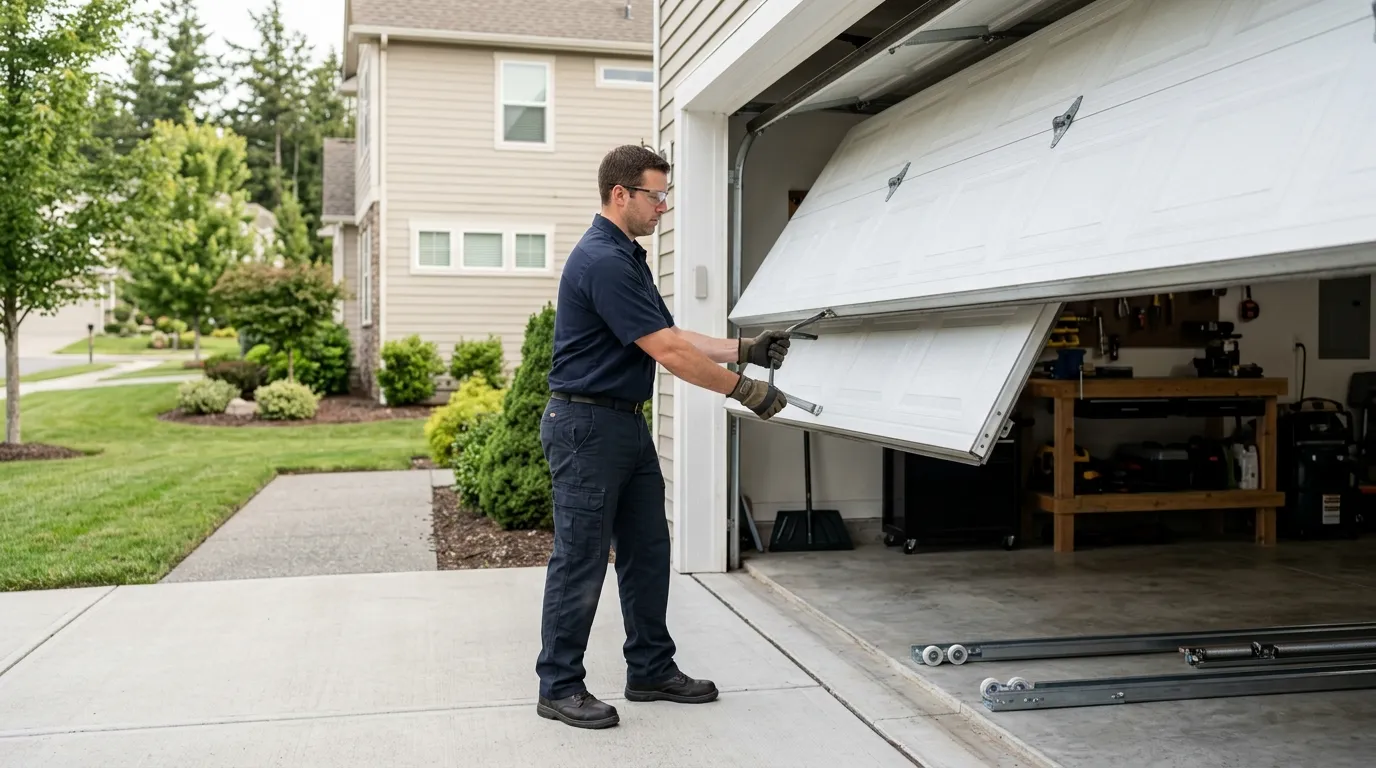
The other spot this goes wrong: the door itself is out of balance because the springs were sized for the original opener-free hardware, not for a modern chain or belt drive pulling against a photo-eye safety reverse. Put a new opener on an unbalanced door and it'll work for a few weeks, then start slamming or refusing to close - and that's not an opener problem, it's a spring problem wearing an opener's symptoms.
Why It Happens Here
Seven Hills sits in the same 1960s-70s housing band as most of the towns we cover out of Parma, and the median build year here lands right at 1966 - square in the middle of that stretch. Doors from that build era are steel, single-layer, hung on headers sized for the lighter hardware of the time, not for a modern opener rated to lift an insulated replacement door. With roughly 4,865 households in Seven Hills, a good number of them are still running on original or near-original door hardware, which is the exact combination - old header, old spring rate, new opener - that causes the bracket failures and balance problems we see on this side of the county.
The cold-climate rating here also plays a part: metal brackets and lag bolts contract and expand every winter, and over 55-plus years that cycling works fasteners loose in ways a warmer climate wouldn't.
Doing It Yourself
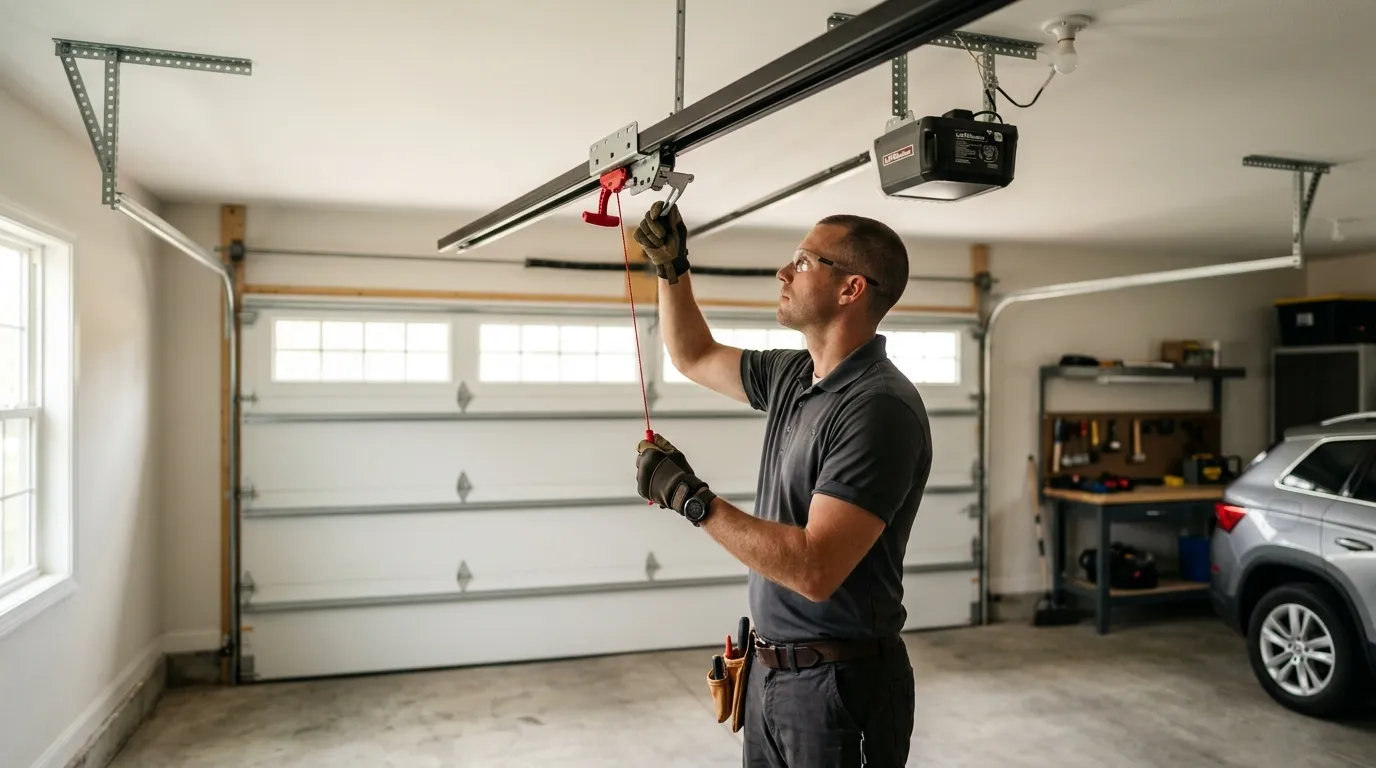
Mounting a new opener bracket yourself on a header you haven't checked is where most DIY installs on houses this age go wrong - you can't see rot from underneath, and a bracket that pulls loose mid-lift brings the door down. If you want to do some of the work yourself, checking spring balance is a reasonable place to start: disconnect the opener, lift the door by hand, and see if it stays put halfway open. If it drops or shoots up, the springs need attention before any opener goes on, DIY or not.
We'll say plainly that we don't do header rebuilds as a side job tacked onto an opener install if the rot is extensive - that's carpentry work, and we'll tell you to get that handled first rather than bolt a new opener to bad wood.