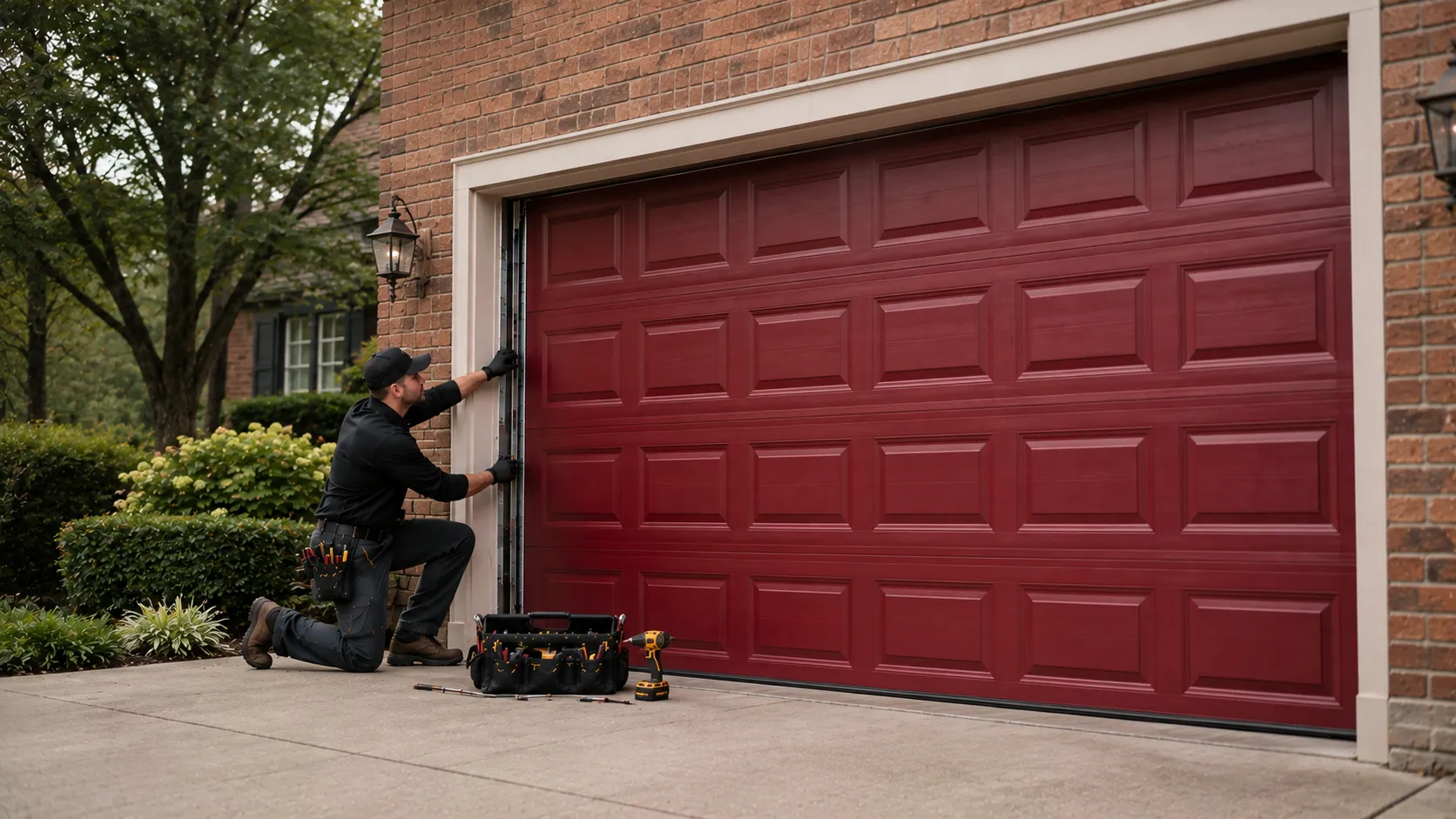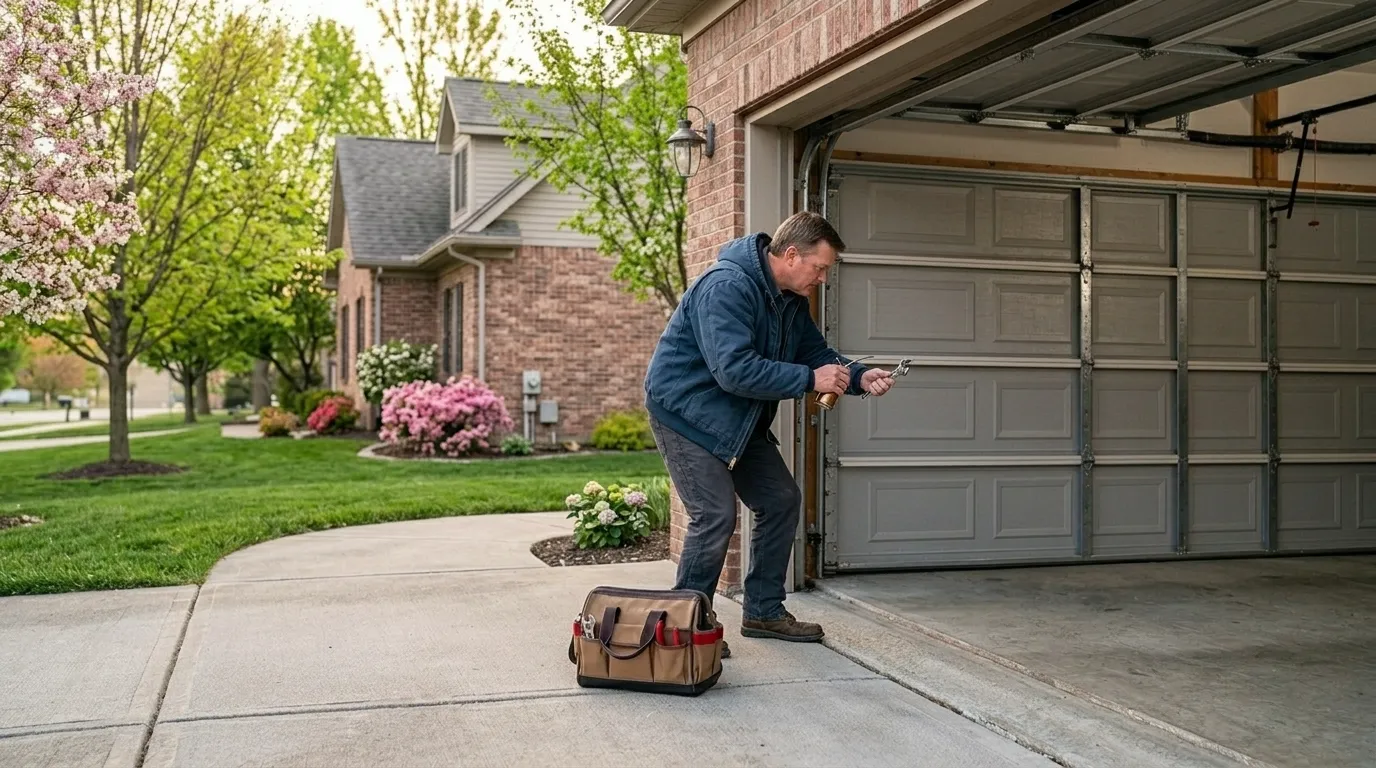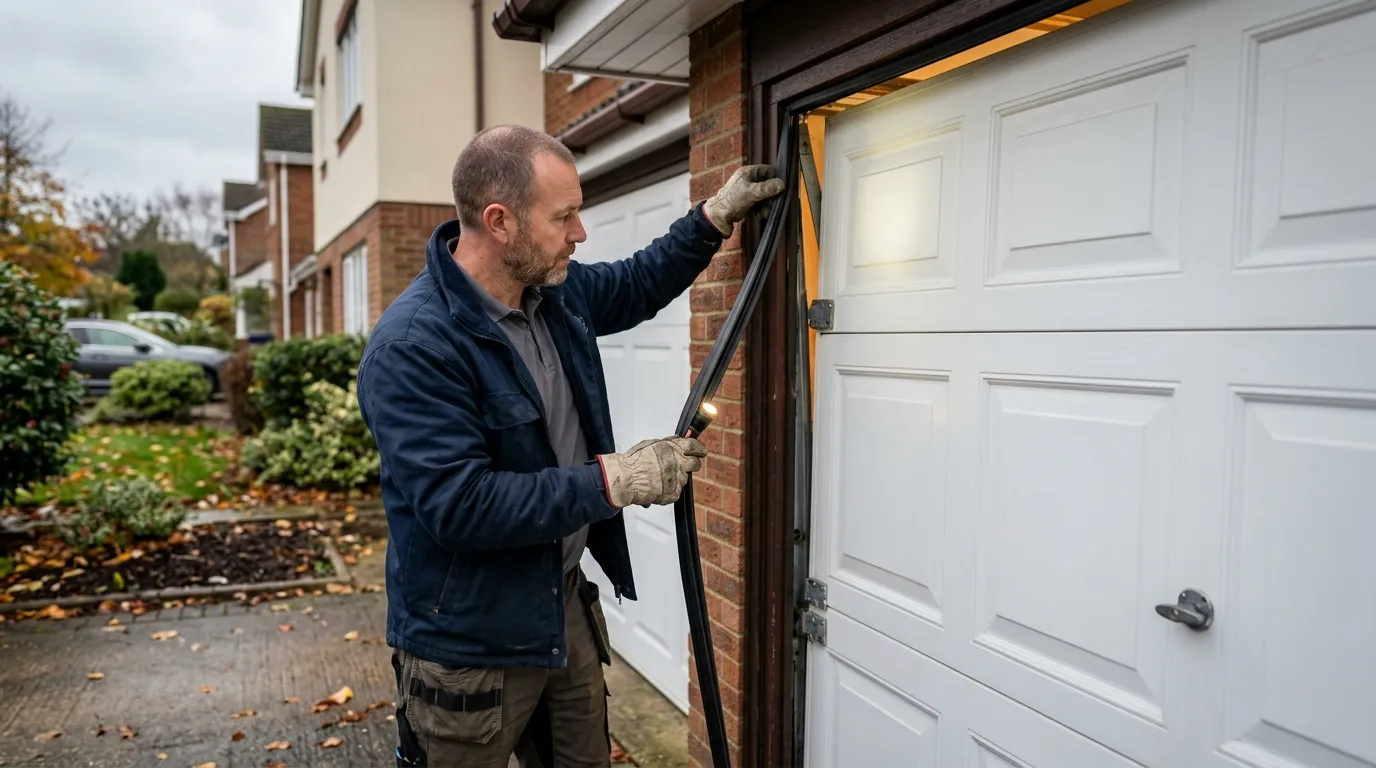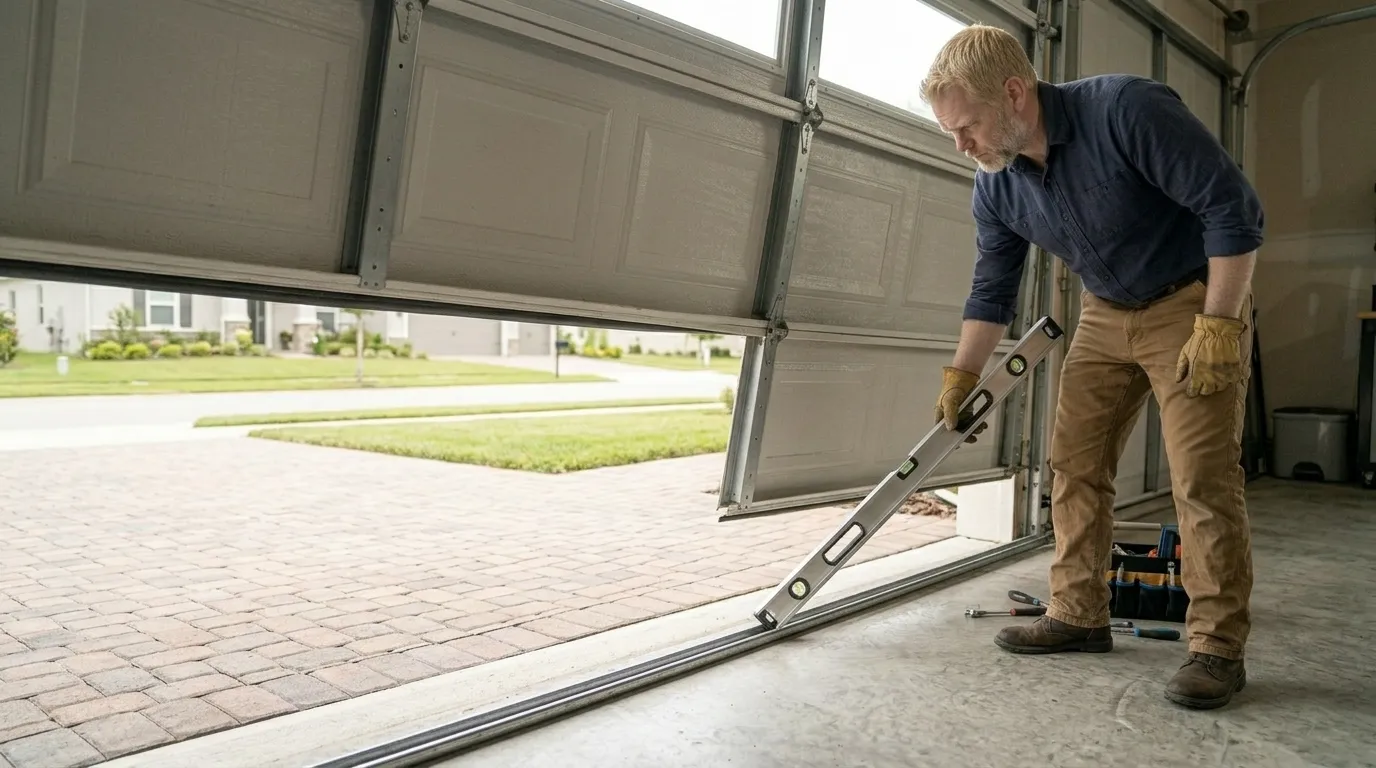
How It Shows Up
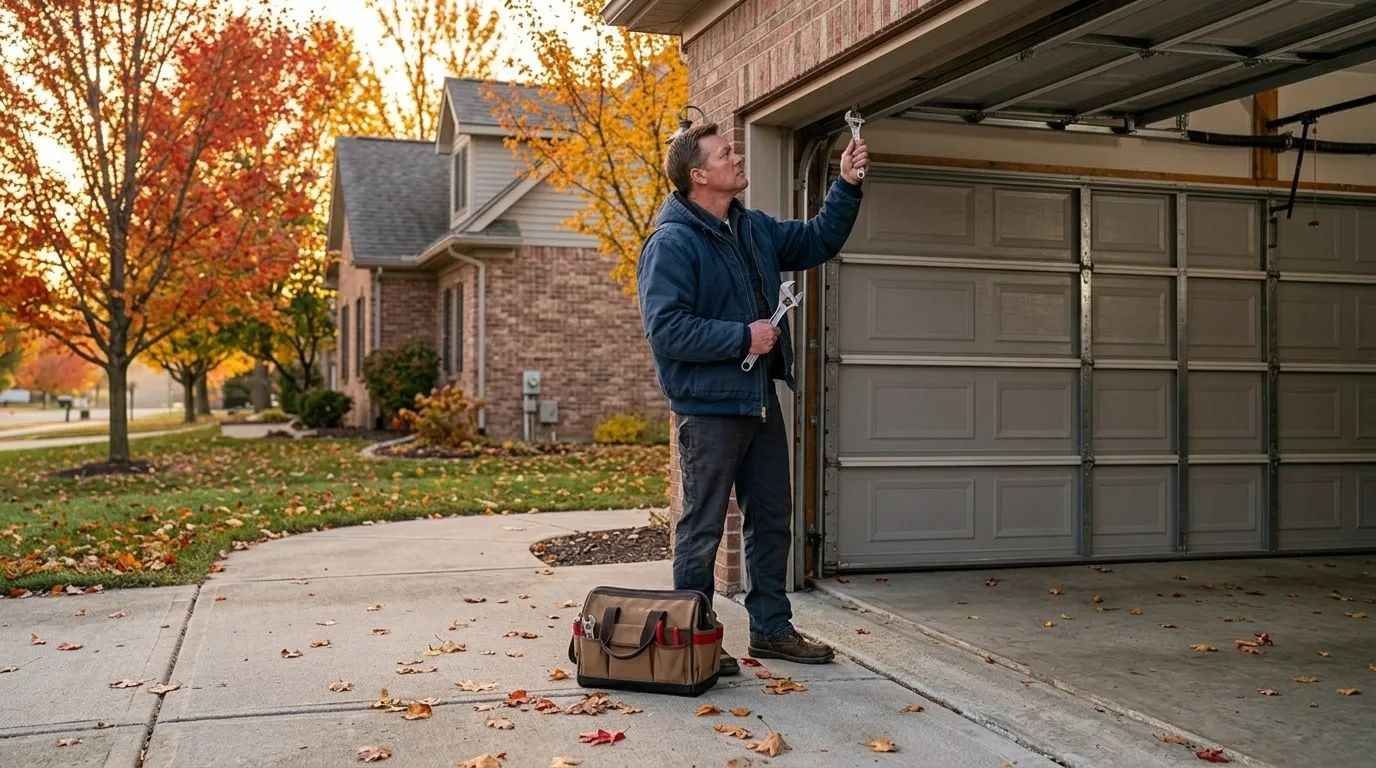
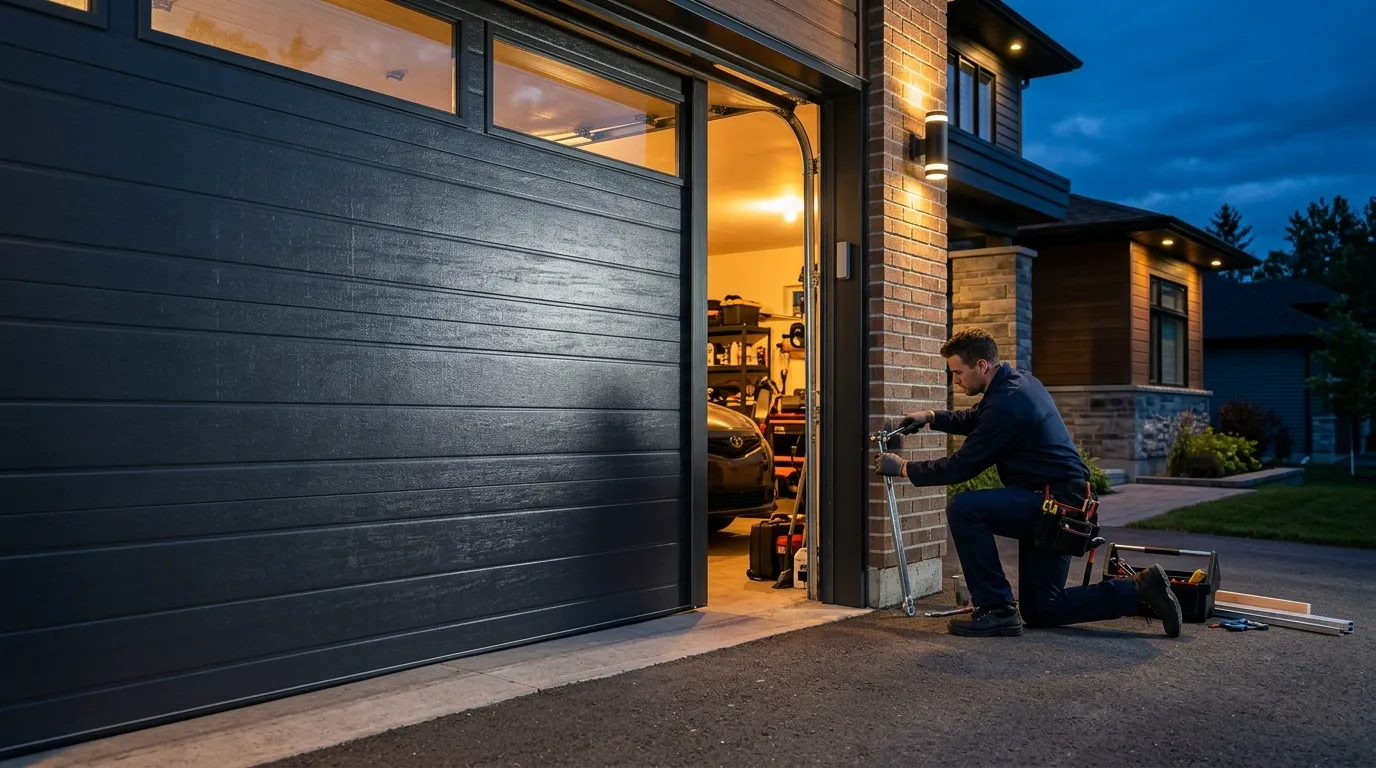
On a lot of Parma calls, the door still opens and closes, but something's off. The opener strains a beat longer than it used to. A spring makes a tick on the way up. The door drifts an inch when it's halfway down instead of holding steady. None of that stops anyone from using the door, so it gets ignored for months, sometimes years, until a cable frays through or a spring lets go with the door in the air.
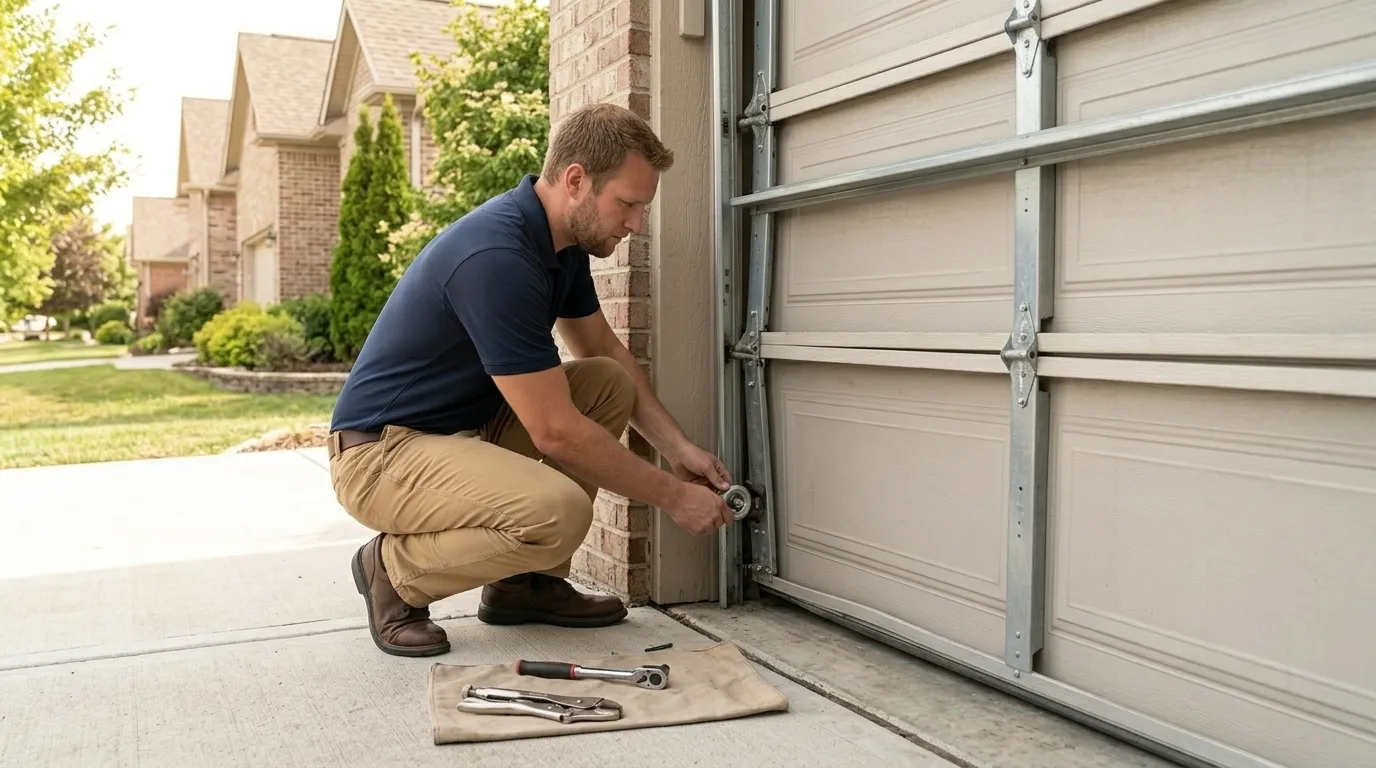
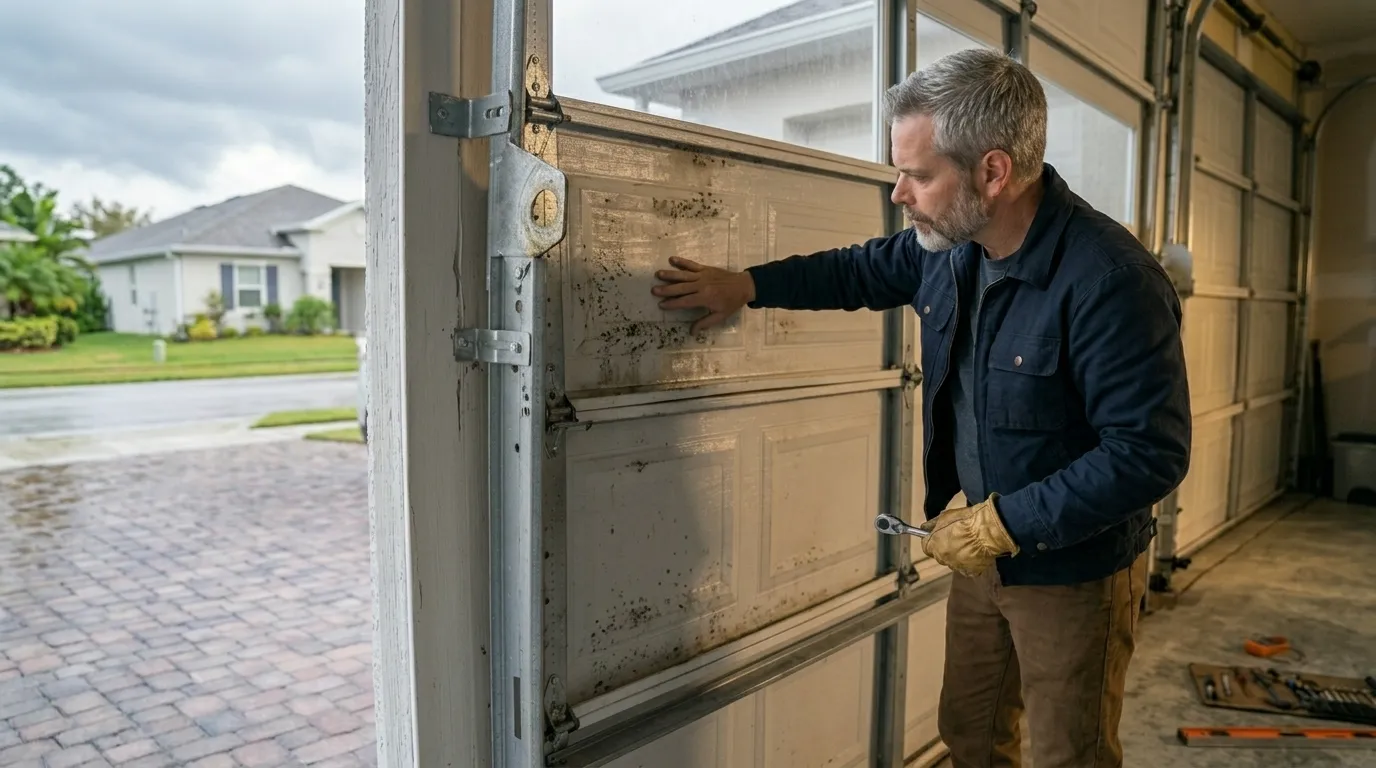
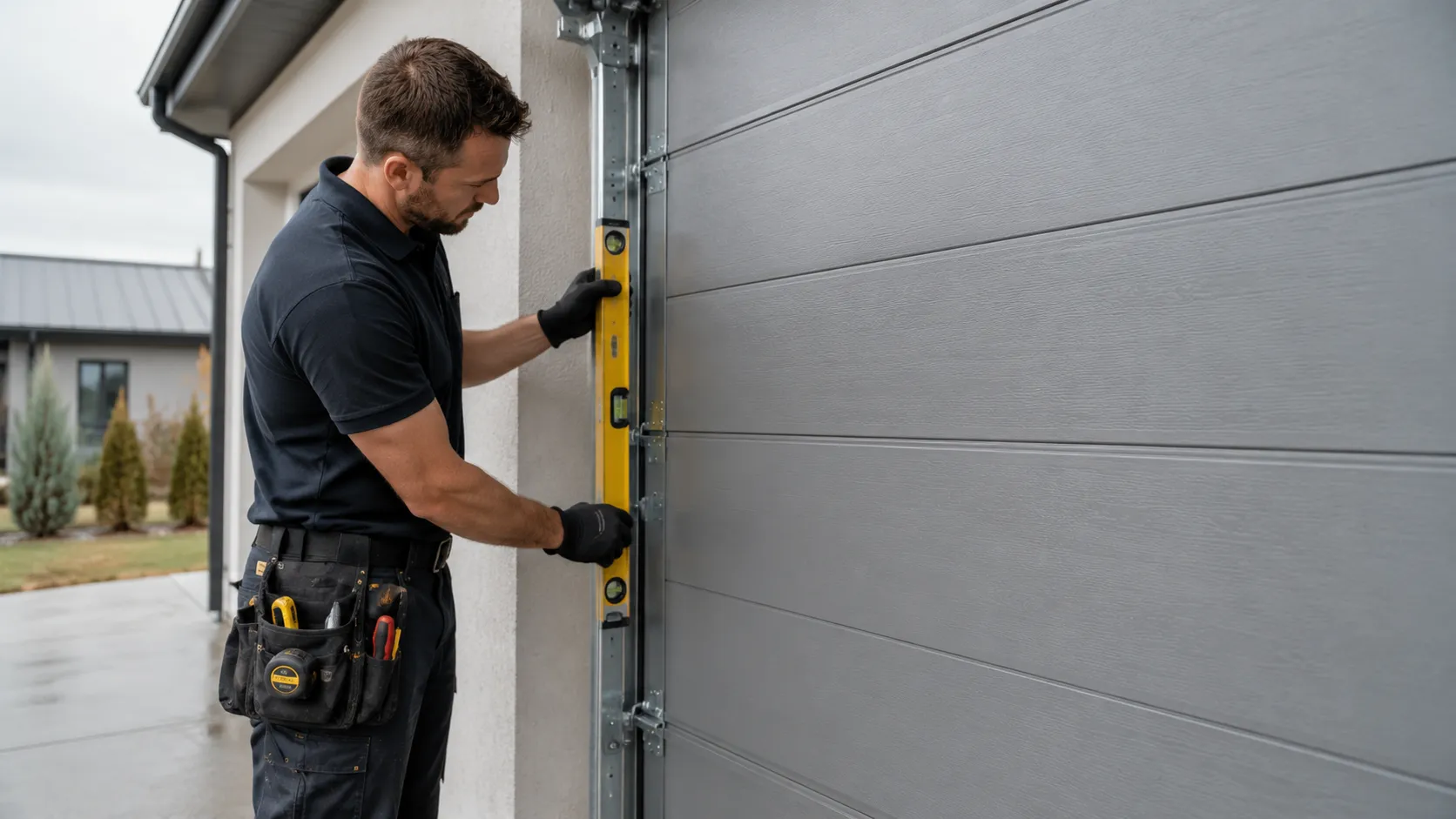
That slow drift is the tell. It usually means the torsion spring has lost tension gradually, which is normal wear, or that track alignment has shifted just enough to load one roller harder than the rest. On the older doors we see across this area, the symptom is almost always in the hardware, not the panel. The steel skin outlasts the springs and rollers by decades, which is exactly why maintenance calls skew toward torsion systems, not dented doors.
Winter is when this stuff gets loud. A door that was quietly losing tension in October will bind, groan, or refuse to seat right once the cold sets in, because cold steel and cold grease behave differently than they did in summer.
Why It Happens Here
Parma's housing was built between 1938 and 2004, with the median home going up around 1966, and most of the stock across this whole service area sits in that same 1960s-70s band. That matters for garage doors specifically: torsion spring systems and steel roller tracks from that era were engineered to a service life, and a lot of that original hardware is still out there, thirty, forty, fifty years past when it should have been swapped.
The climate does the rest. This is a cold-severe band, and steel contracts, lubricant thickens, and spring tension shifts more in a hard winter than most owners realize. A door that's borderline in September often fails outright the first week it drops below freezing, because the same wear that was tolerable in mild weather isn't tolerable once the steel is cold and stiff.
We're not saying every door built in 1966 is a ticking clock. We're saying the math on this housing stock and this climate points to torsion hardware, rollers, and cable as the parts that wear out first, and maintenance built around checking those specifically, not a generic once-over, is what actually catches a failure before it happens in your driveway at 6am in January.
What Is on the Truck
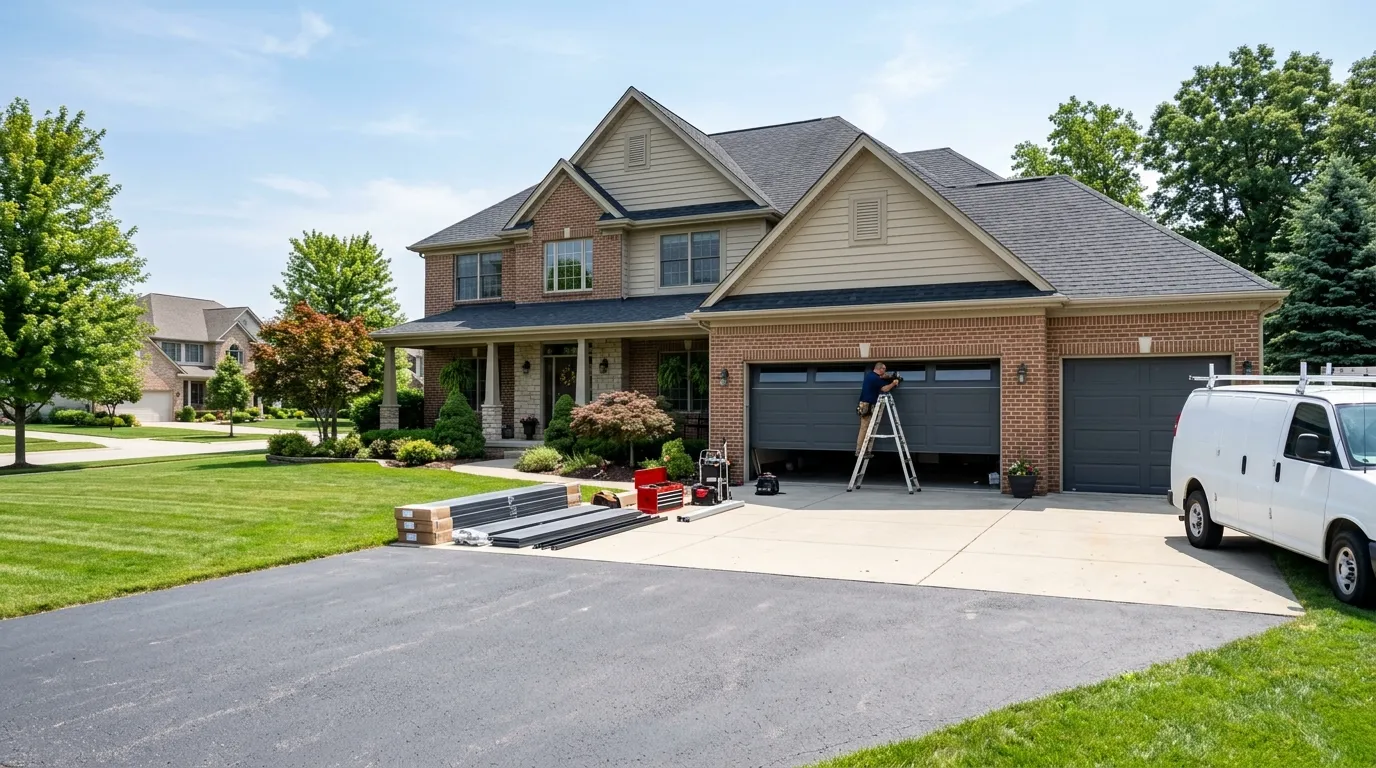
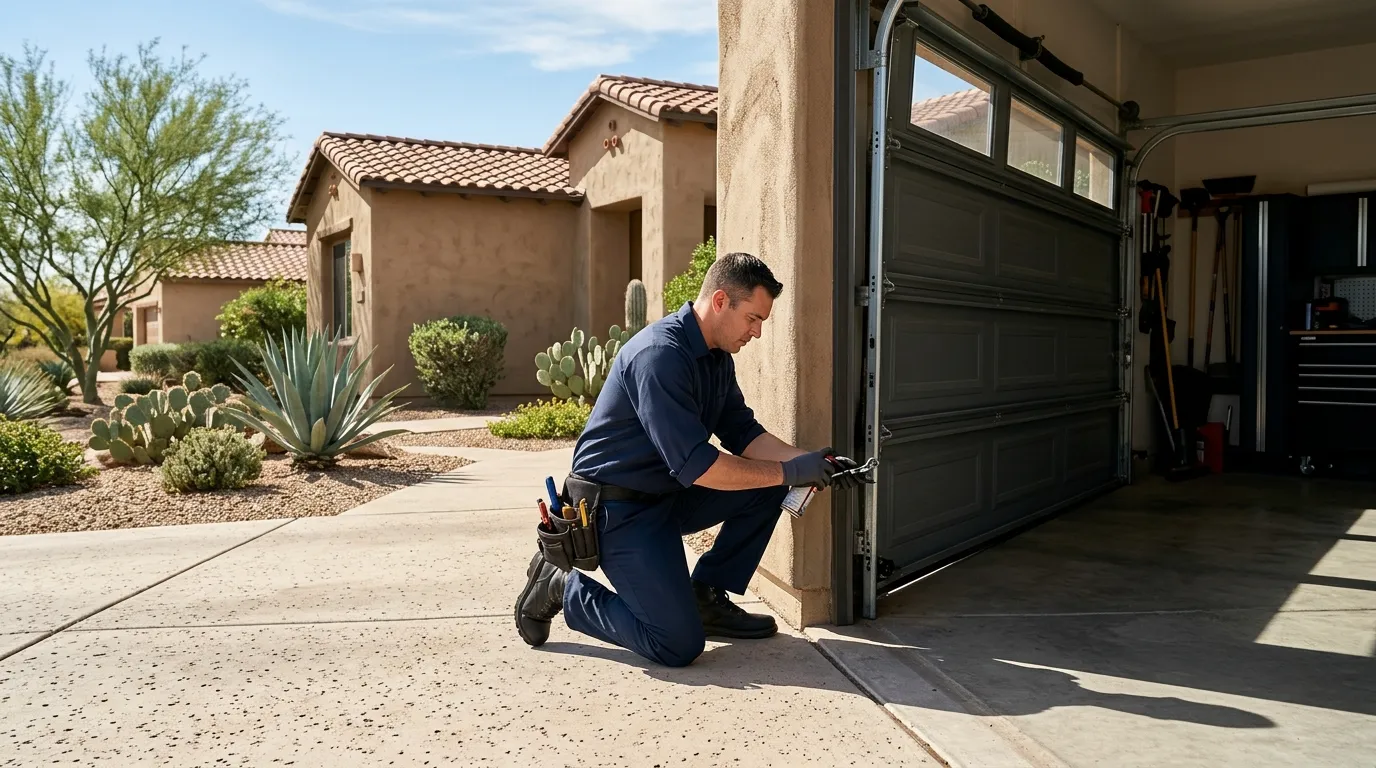
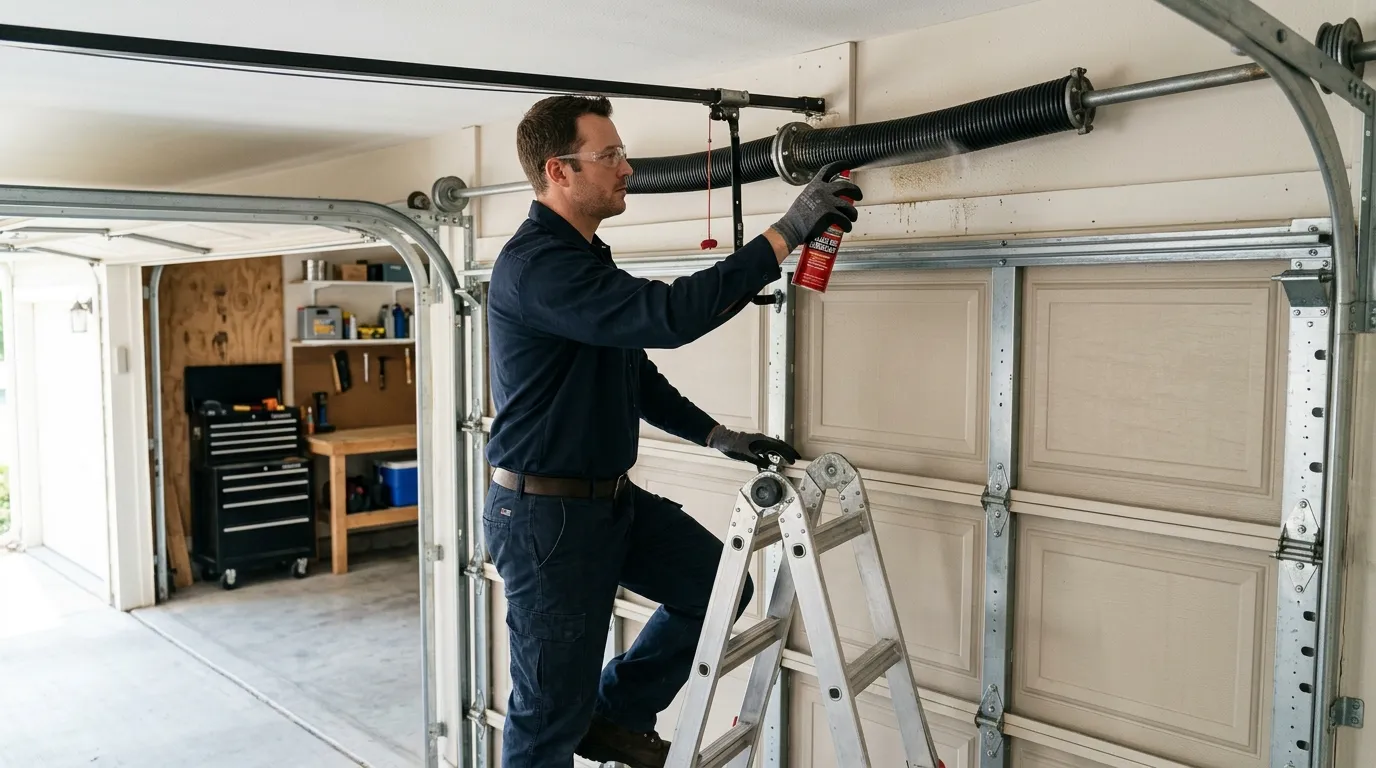
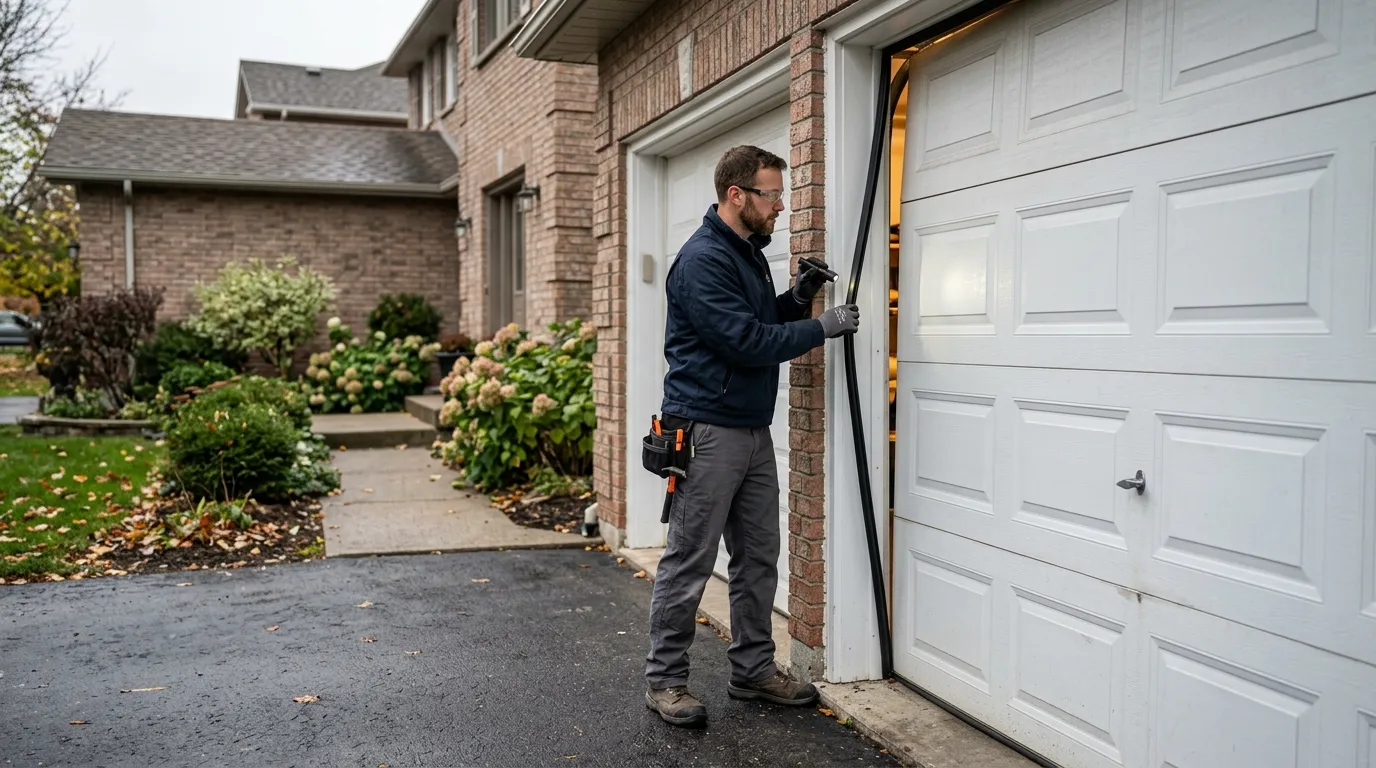
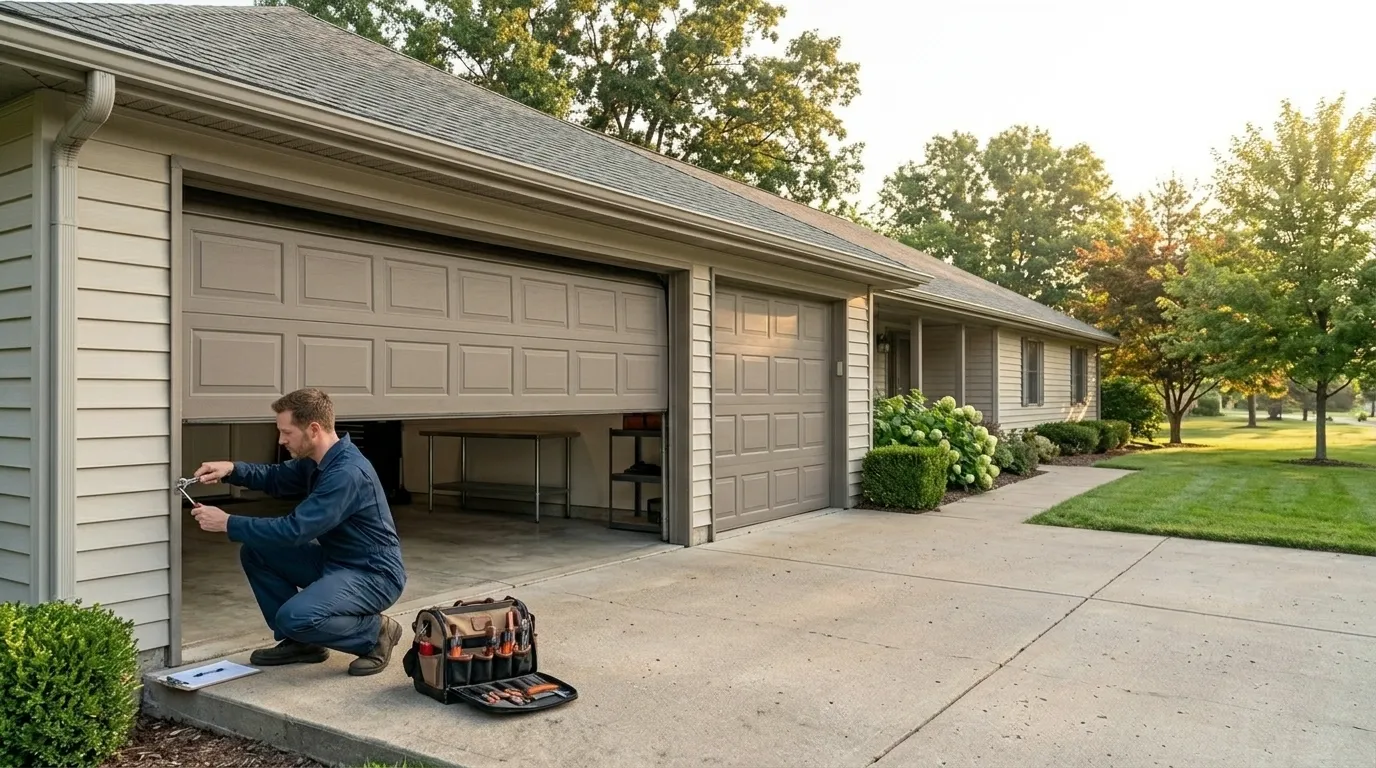
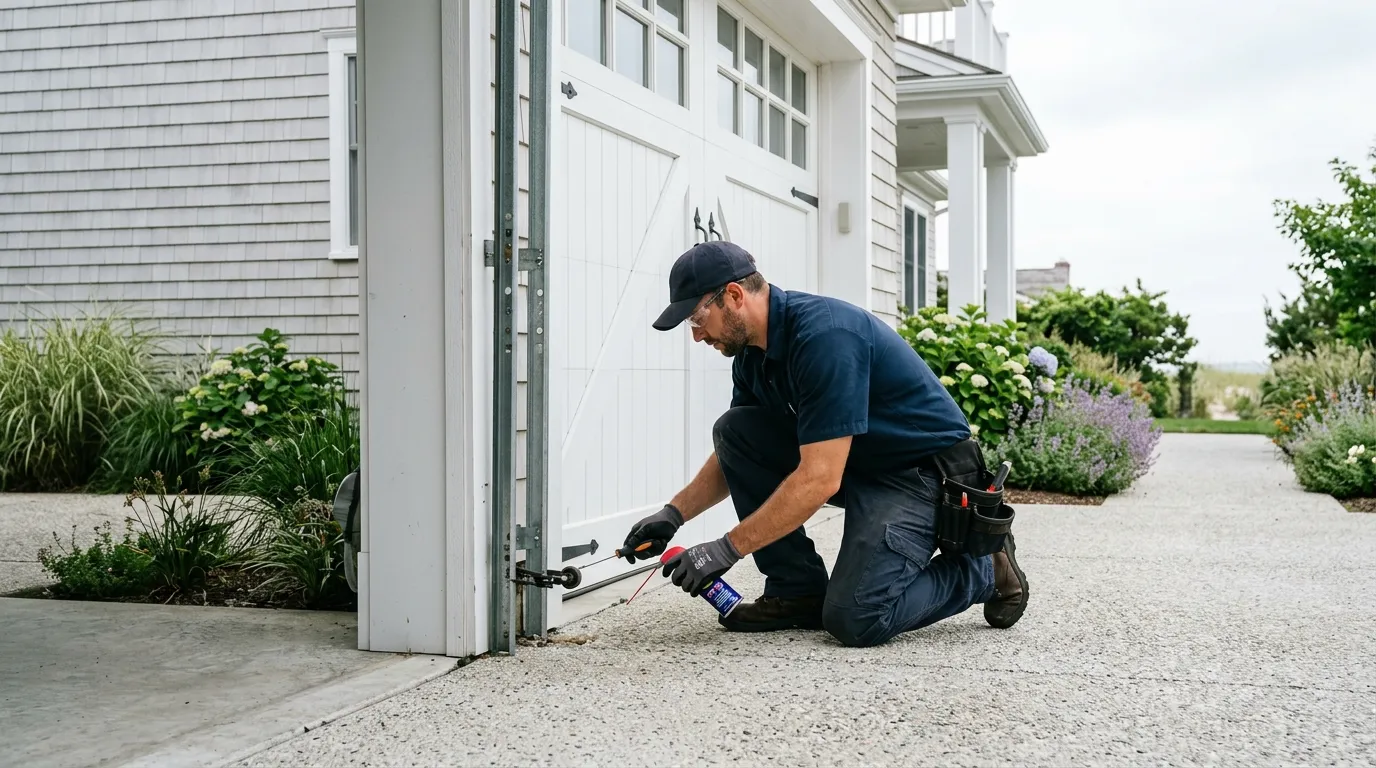
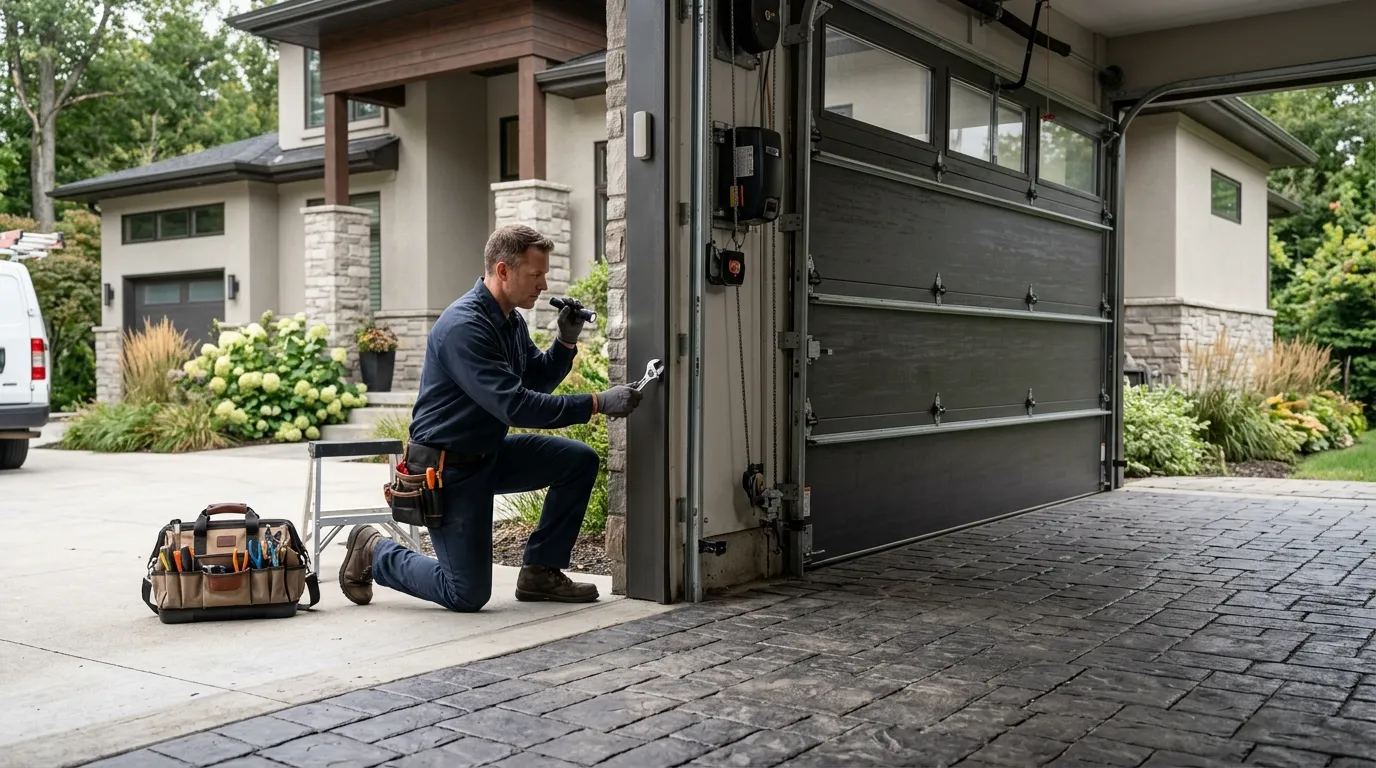
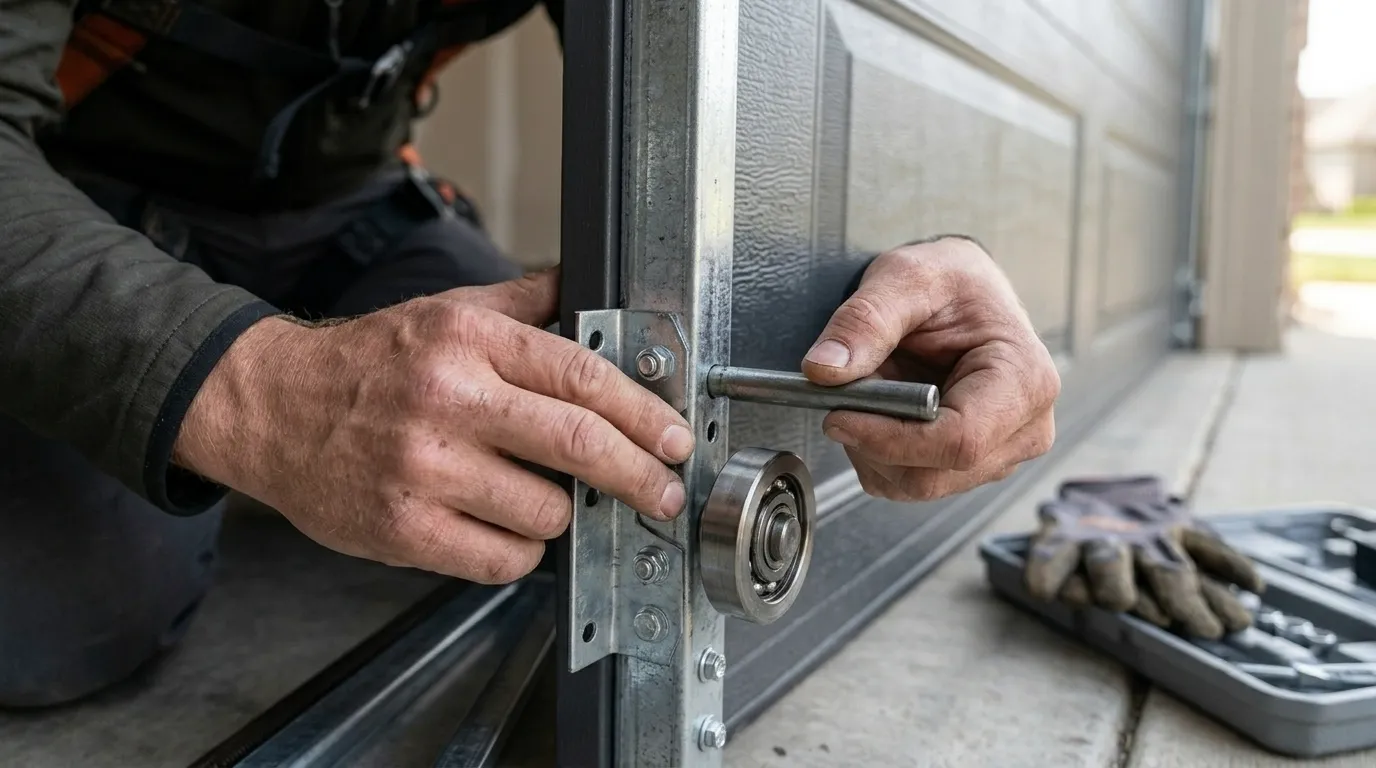
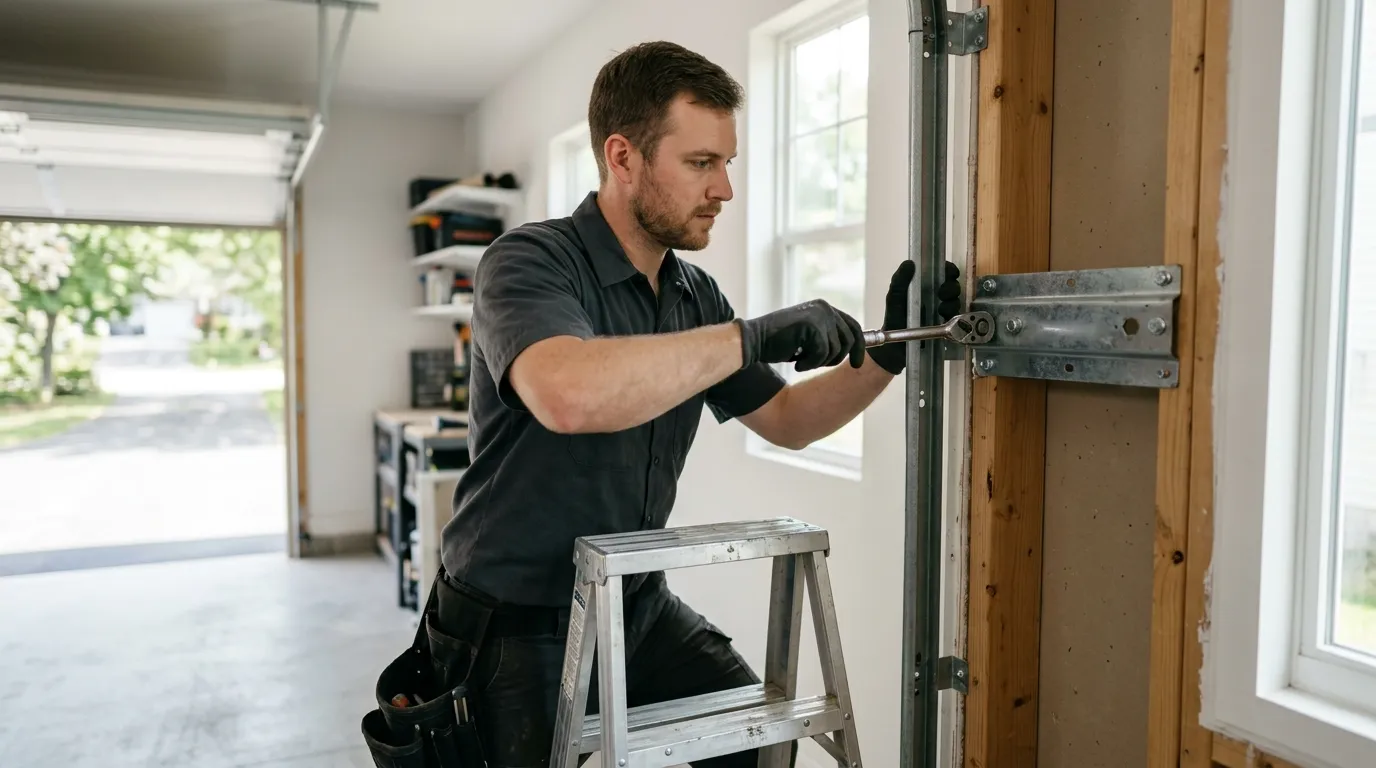
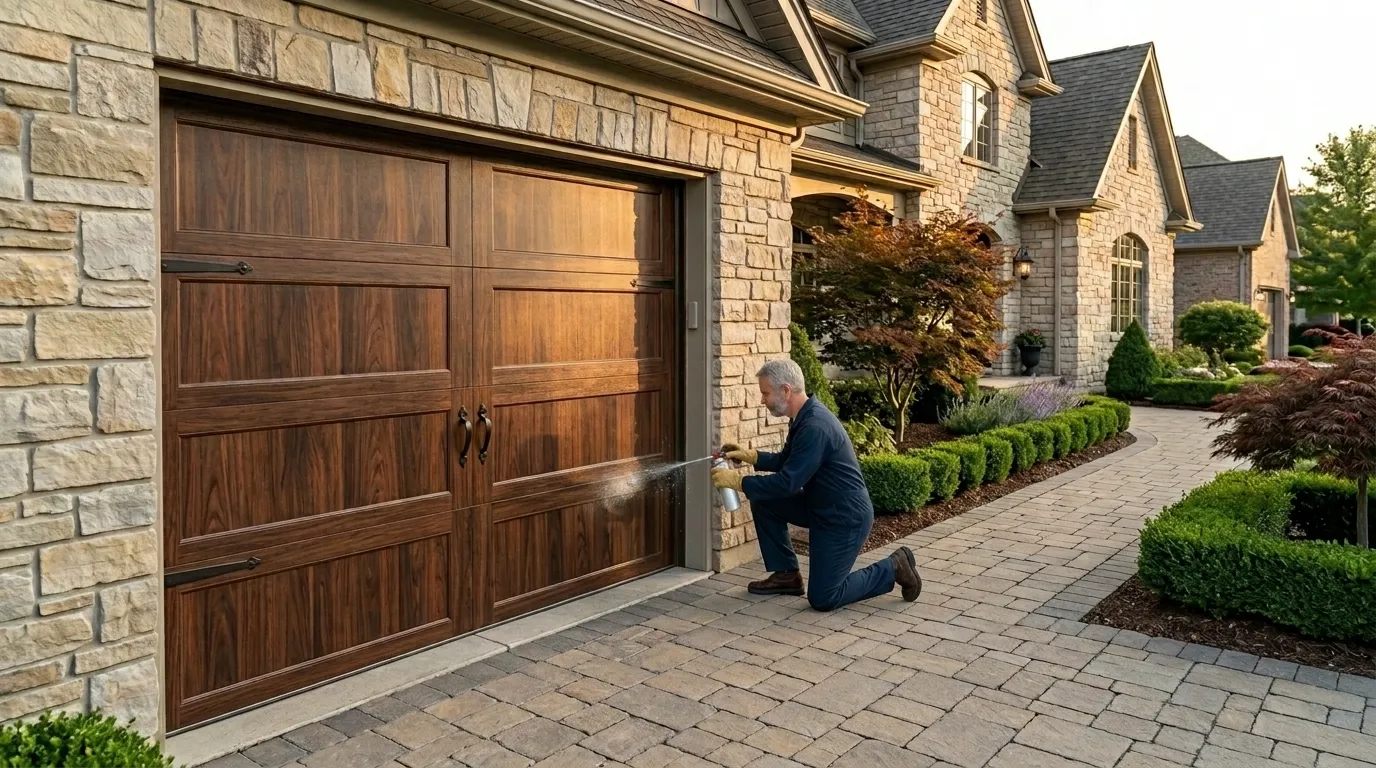
For maintenance calls we carry the parts that actually correlate with this area's door age: torsion springs in the common residential sizes, rollers, cable, and the fasteners and brackets that hold track alignment. We stock cold-rated lubricant instead of a general-purpose grease, since that's the product that holds up through a Northeast Ohio winter instead of gumming up in it.
What we don't carry on a maintenance truck is custom panel stock or specialty opener boards, since those are ordered to match the specific door and aren't something you stock for a tune-up call. If a visit turns up a panel or opener issue outside the maintenance scope, we'll tell you straight rather than trying to force a fix with parts that don't fit the job.
Across the towns we cover near Parma, including Parma Heights, Seven Hills, the hardware profile is similar enough that the same truck stock handles most calls without a special order. That's less true the farther out you go, where housing age and door styles shift a bit more.