Getting It Booked In
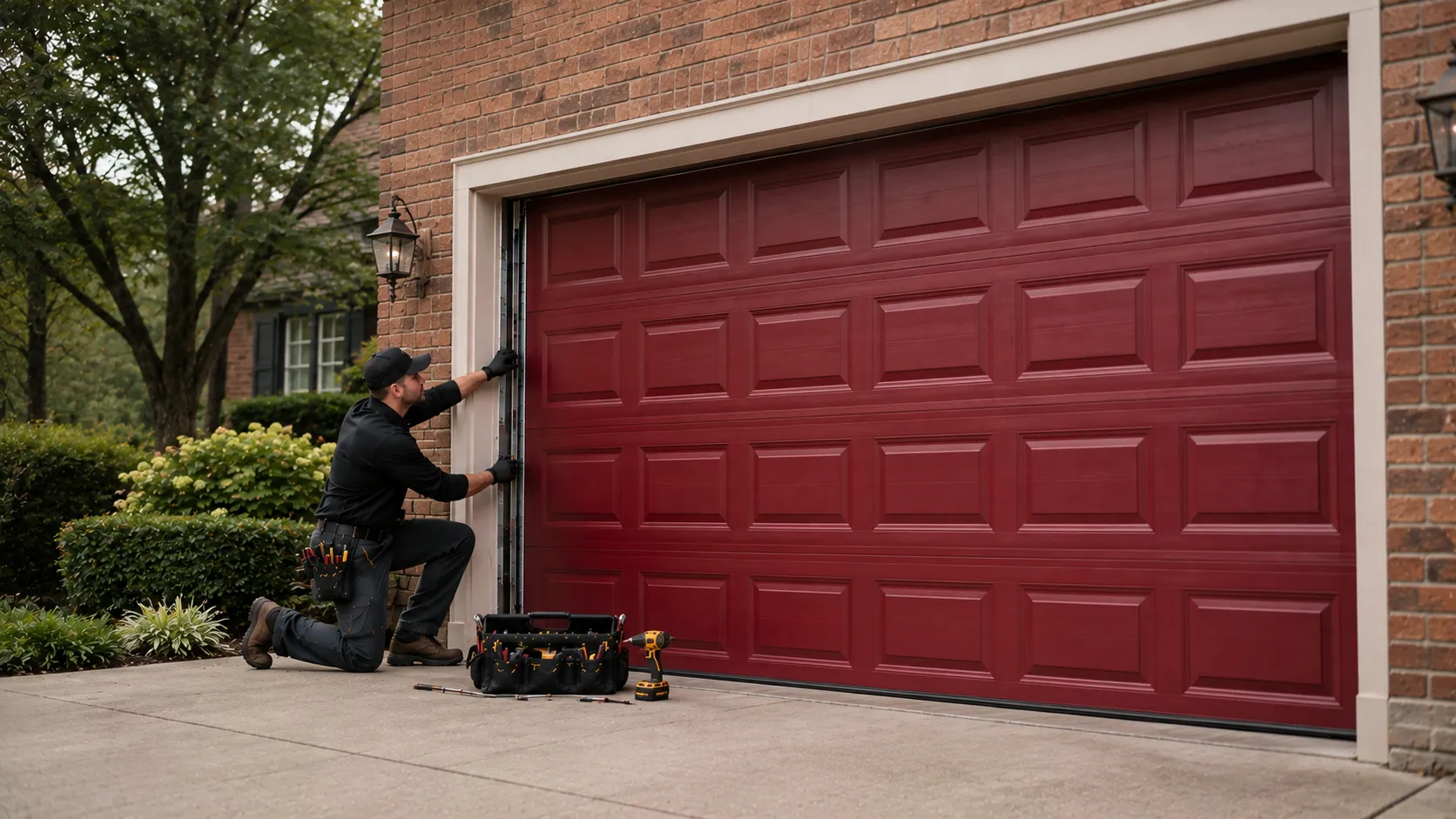
Seven Hills sits three miles from our shop in Parma, which is close enough that a panel job here doesn't turn into a half-day round trip. That matters more than it sounds like it should, because panel replacement isn't a same-visit fix most of the time. We measure the damaged section, confirm it against the door's brand and year, and in a lot of cases that panel has to be ordered before we come back to install it. The short drive means we can turn a second trip around fast once the part is in, instead of stacking Seven Hills onto the end of a route that eats another town first.
When you call, tell us the rough age of the house if you know it - most of Seven Hills was built up in the 1960s and 70s, and that alone tells us a lot about what door and track style we're probably dealing with before we even see it. It saves a diagnostic trip in some cases and speeds up ordering in all of them.
Where This Job Goes Sideways
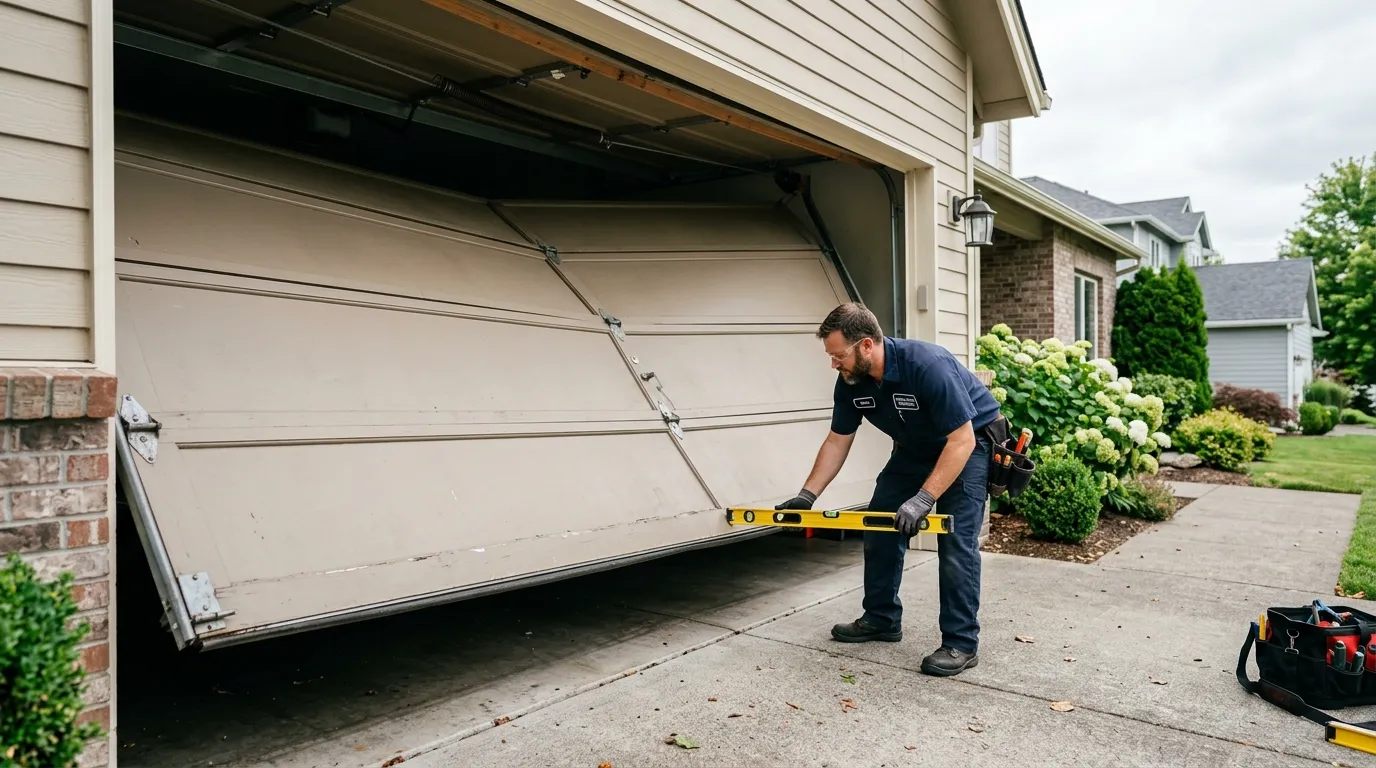
A dented panel on a door built when this neighborhood was going up usually isn't a standalone problem. The steel gauge from that era dents easier than what's sold today, and once one section is bent enough to bow the track line, the rollers on either side of it start wearing at an angle. We've opened up plenty of doors where the customer wanted "just the one panel" replaced and the honest answer was that the matching panel doesn't exist anymore in that exact profile, so the whole door goes.
Cold makes it worse here. This area sits in a severe cold climate band, and steel contracts in winter - a panel that's already dented tends to crack along the bend line in a hard freeze instead of just staying dented. If you've got a ding sitting there through a Seven Hills winter, it's worth getting it looked at before spring, not after.
Why It Happens Here
With roughly 4,865 households in Seven Hills and most of the housing stock dating to the 1960s and 70s, a big share of the garage doors here are old enough that their steel and their hardware were both made to a different standard than what goes up today. Thinner gauge steel dents from things that wouldn't mark a new door - a bike pedal, a trailer hitch backing in slightly off angle, hail that's more of a nuisance elsewhere.
The severe cold winters in this part of Ohio add a second stress on top of the age. Steel that's already thin and already dented handles a hard freeze-thaw cycle worse than new stock does, so a panel that looked fine in October can show a crack by February. That combination - older gauge steel plus real cold - is why panel calls out of Seven Hills skew toward full-section swaps rather than a simple pop-and-patch.
Doing It Yourself
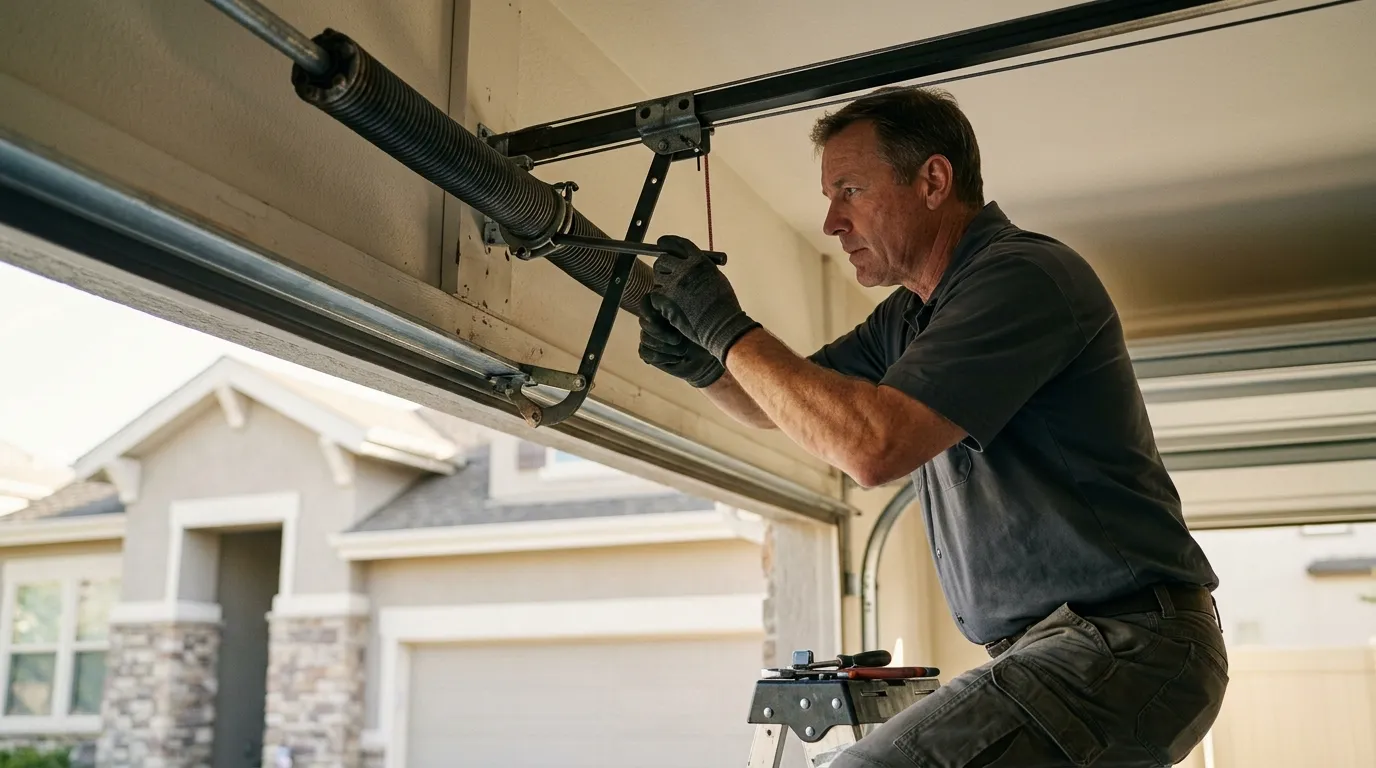
A single scuffed panel with no bend in the seam is sometimes a paint-and-live-with-it situation, and we'll say so if that's what we see - we're not going to sell you a replacement panel for cosmetic damage that isn't affecting the door's operation. But once a panel is dented enough to change the door's curve, don't try to pull it back into shape yourself. On a door this old, the metal is more likely to crack than flex back, and a cracked panel next to a working torsion spring is a hazard, not a repair.
Swapping the panel yourself also risks getting the wrong part. Panel profiles from the 1960s and 70s aren't universal even within the same brand, and an ill-fitting section throws the whole door out of alignment. That's the part of this job worth paying someone to get right the first time.