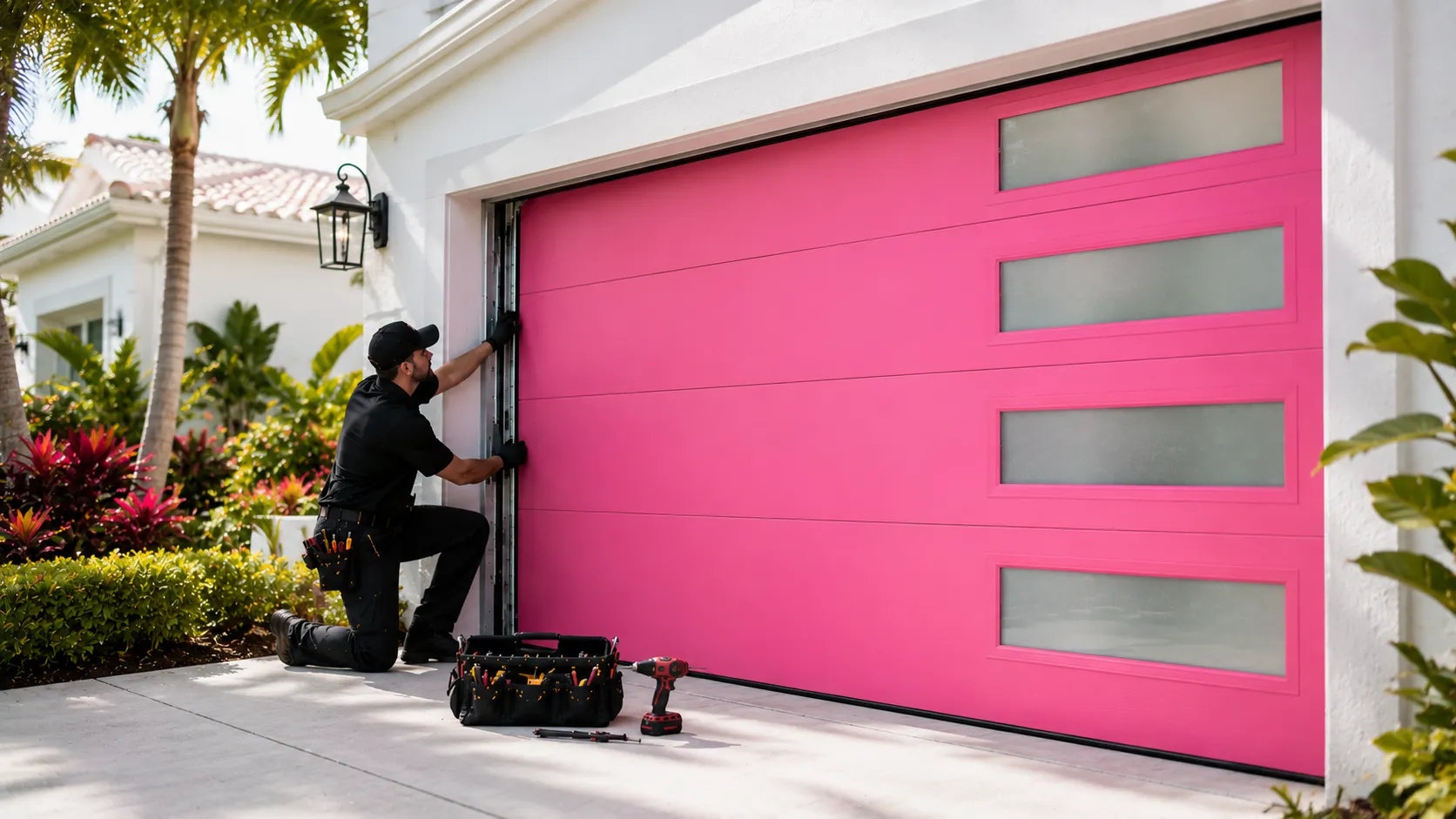
Getting It Booked In
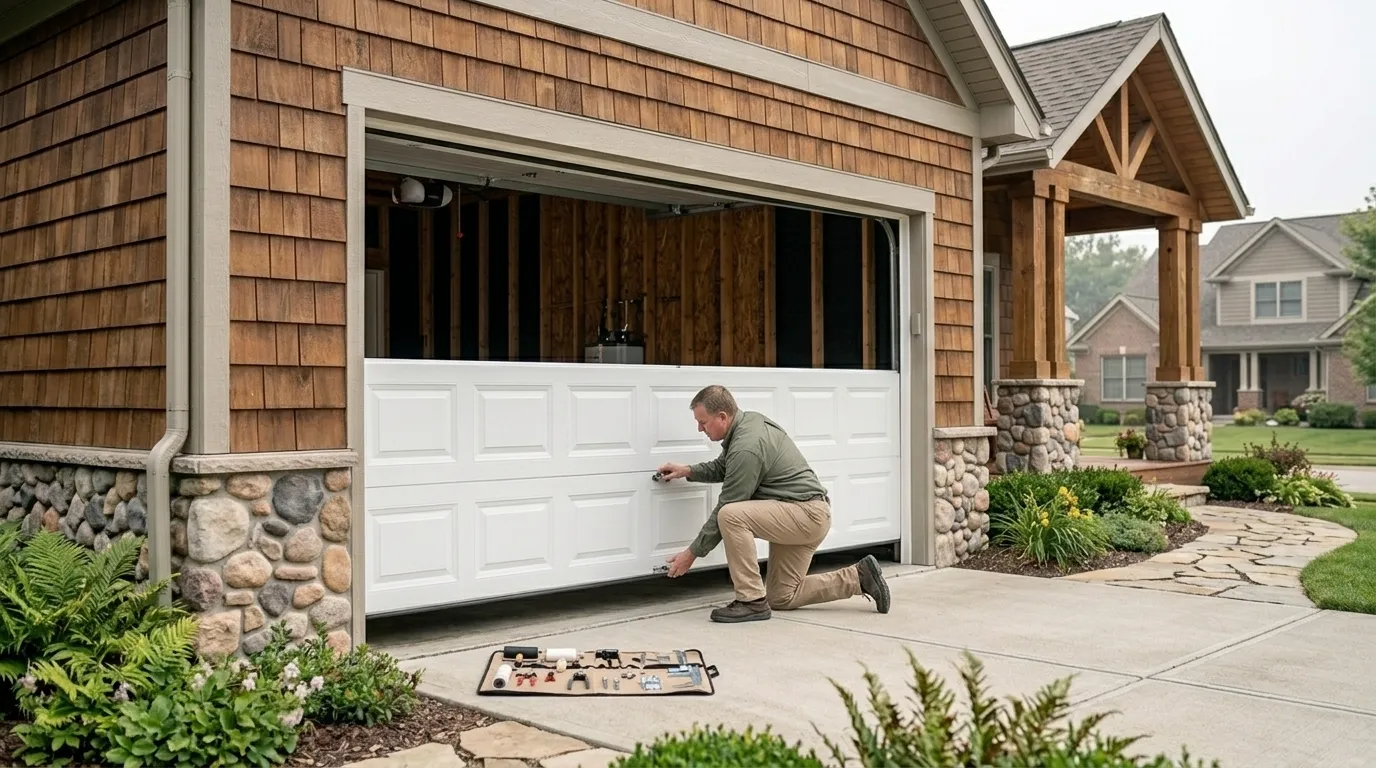
We run this route out of Parma, about 3 miles from Seven Hills, so getting a truck to your driveway isn't a long haul for us. When you call, tell us the age of the house if you know it and what the door is doing - grinding, stuck halfway, opener clicking but the door not moving. That narrows down what we bring off the truck before we even see the garage.
Seven Hills sits in a income bracket that matters for this call: median household income here runs $95,313, well above a lot of the surrounding service area. That changes the math on repair versus replacement, which we'll get into below. It also means most of the doors we see here haven't been patched together with mismatched parts over the years - owners tend to fix things properly the first time, which makes diagnosis faster once we're on site.
We don't quote a same-day guarantee here since we're traveling in from Parma and depend on what else is on the schedule that day, but we'll give you a real window when you call, not a vague one.
Where This Job Goes Sideways
The houses in Seven Hills mostly went up in the 1960s and 70s, with a median build year around 1966 for the area. That generation of garage door came with hardware nobody manufactures new anymore - extension springs mounted on rails instead of torsion bars, single-panel doors instead of sectional, and openers bolted onto framing that's shifted with the house over sixty years.
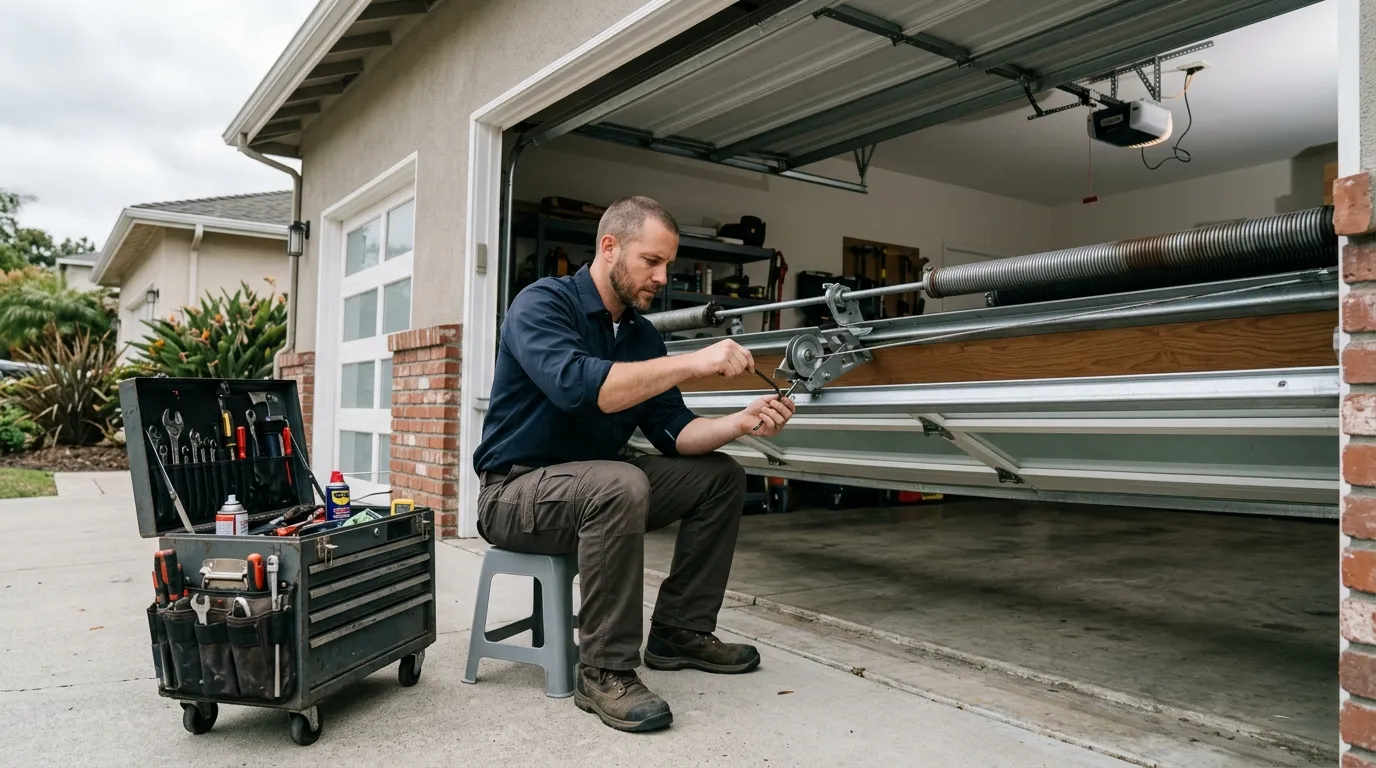
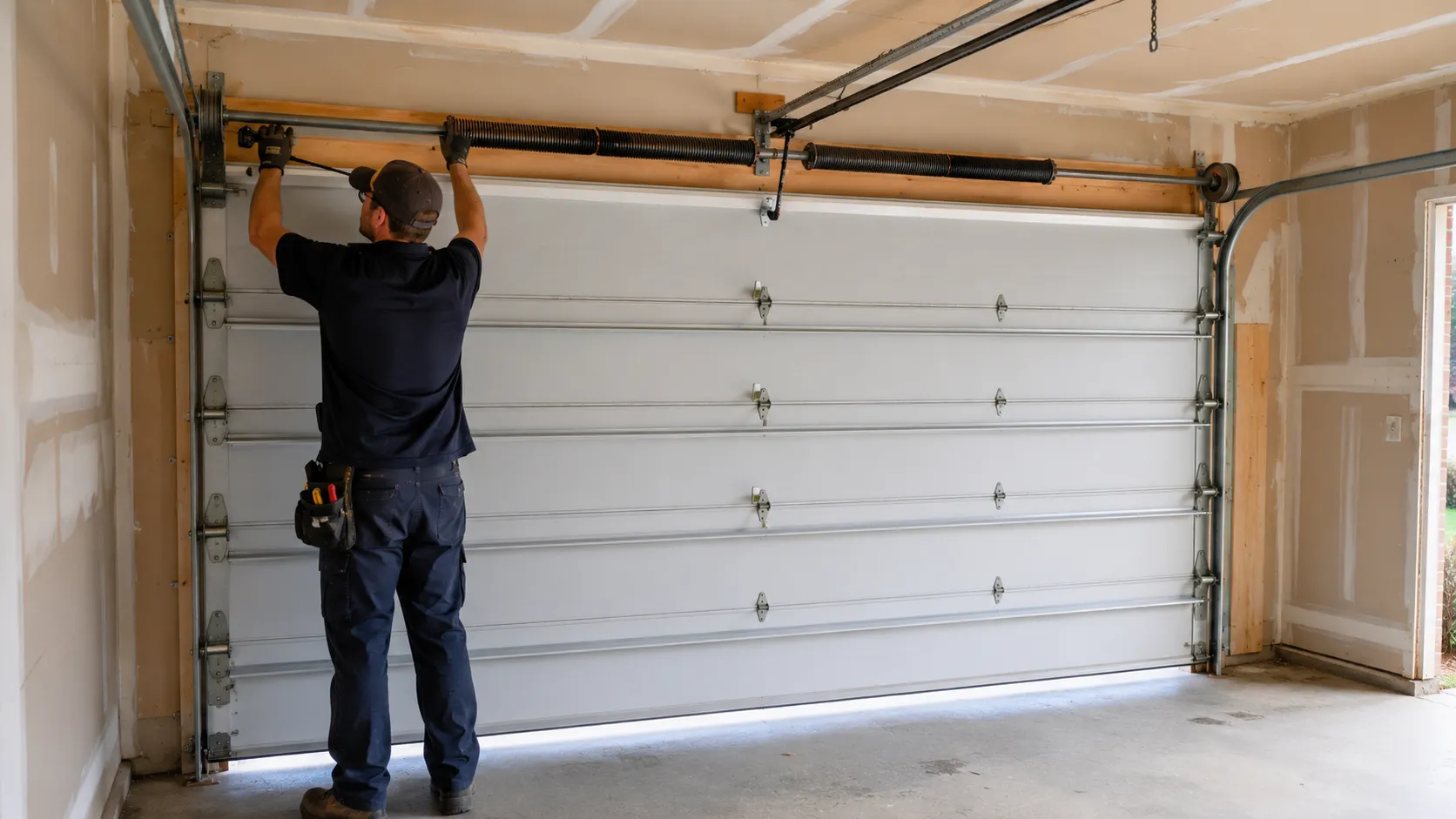
What goes wrong on these doors specifically: the extension spring cables fray where they wrap the pulley, and by the time you hear the door slam down on one side, the cable's already gone. On the torsion setups from later remodels, it's usually a spring that's outlived its cycle count - original springs from a 1966-era door replaced once already are now on their second life and due.
Cold winters here put steel torsion springs under more load when they're stiff and lubricant thickens, so failures cluster on the first hard freeze of the season and again in early spring when things thaw and refreeze. If your door struggled the last cold snap and you shrugged it off, that's usually the spring telling you it's close to done, not fixed.
Why It Happens Here
Housing stock across this part of the service area runs 1960s to 70s construction, and Seven Hills fits that pattern closely with a median build year around 1966. Doors installed then, or in the one round of replacement most of these houses have seen since, are built for a different climate expectation than what current code assumes.
The climate band here is classified cold and severe, which matters more than people think for a garage door. Steel contracts in real cold, torsion springs lose tension faster than they would in a milder zone, and weatherstripping that's cracked from UV exposure over decades stops sealing right when the wind picks up. None of that is unique to any one house - it's the age of the stock plus the winters, and it shows up as the same handful of failures across the area every year.
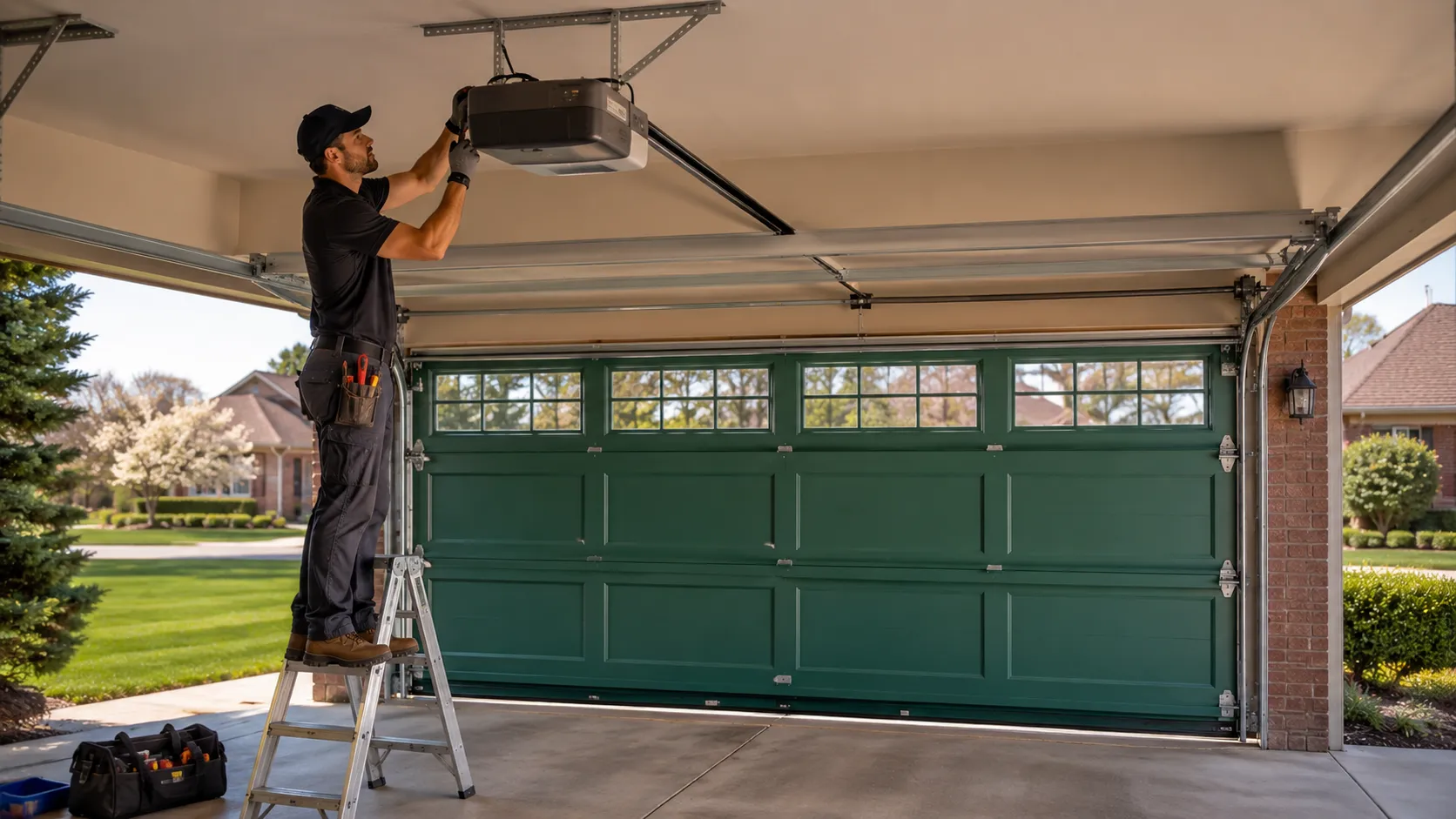
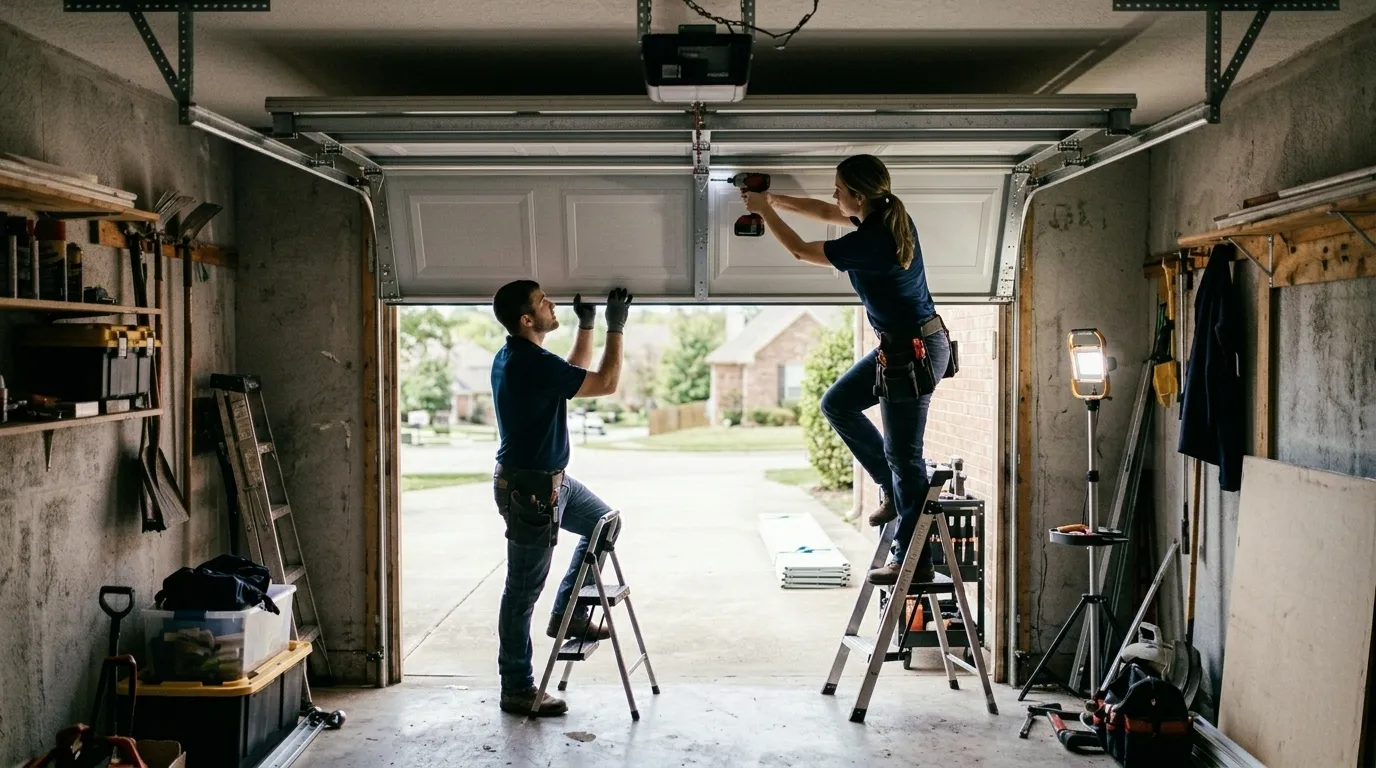
Openers are the other half of it. A chain-drive opener installed alongside a 1970s remodel is at the end of its motor life by now, and the failure mode is usually a stripped gear, not something field-repairable - that one's a replacement, not a fix.
Doing It Yourself
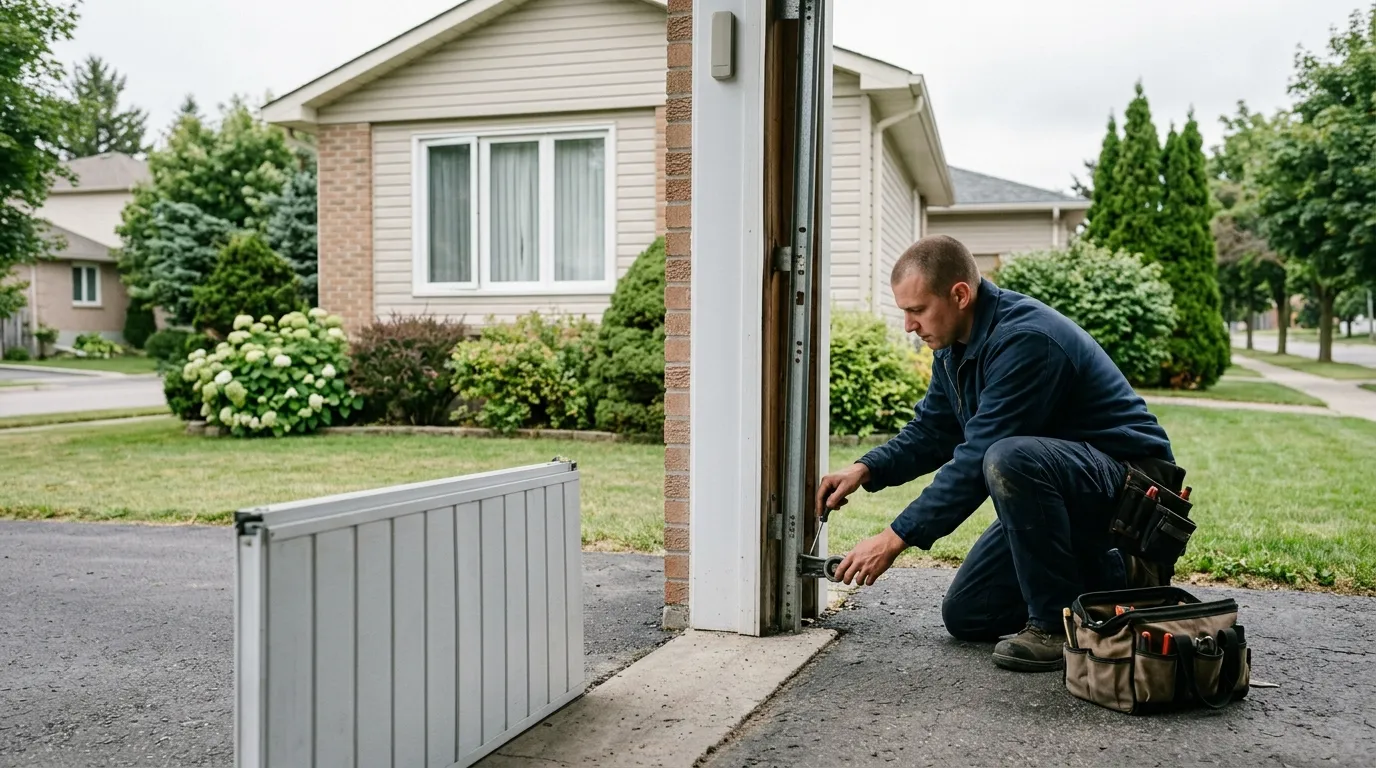
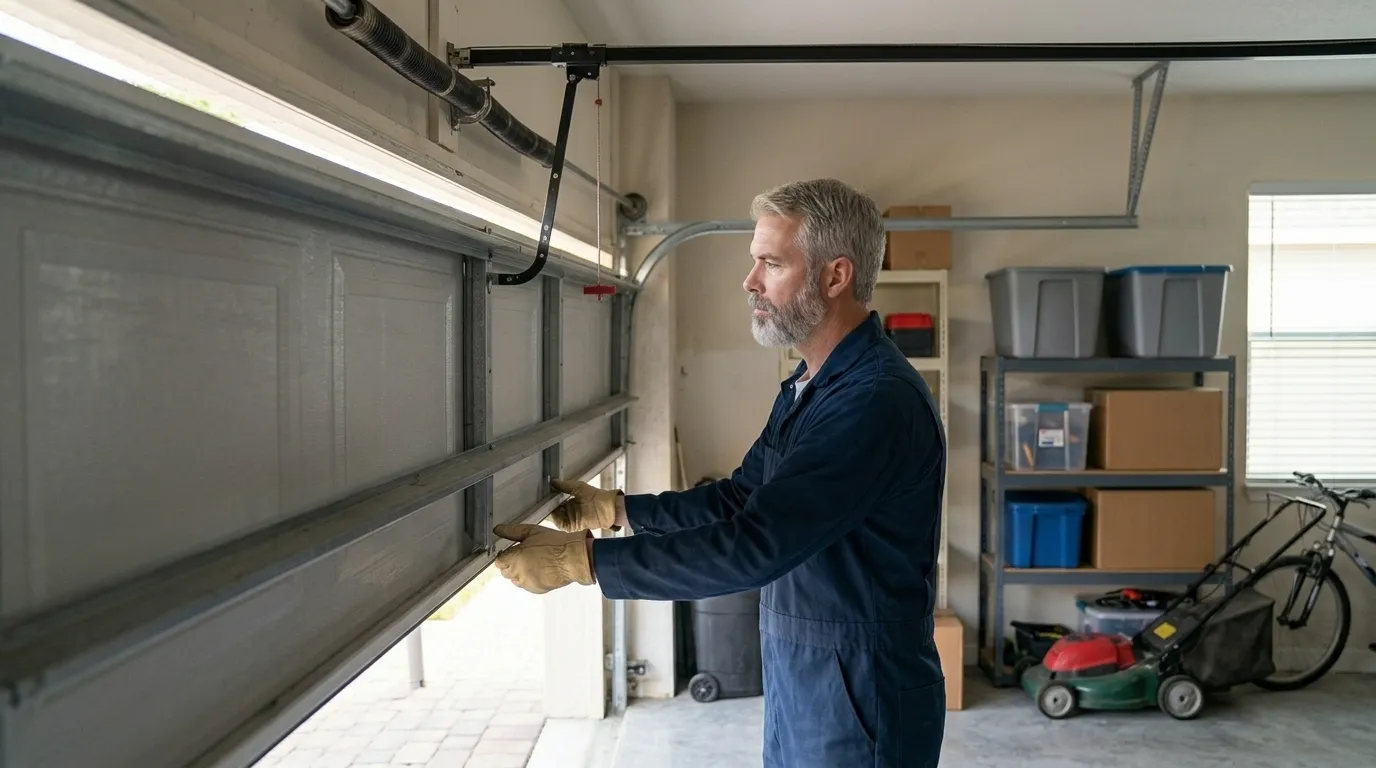
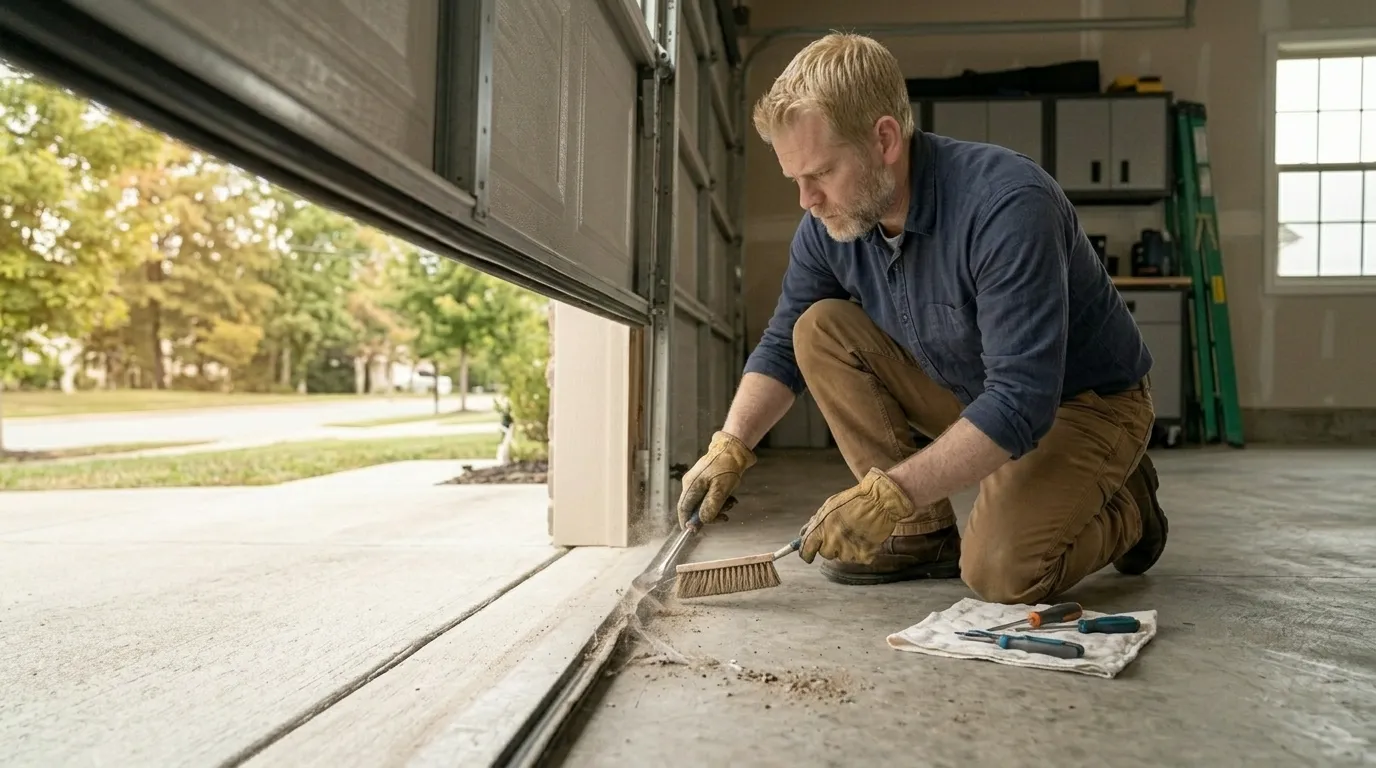
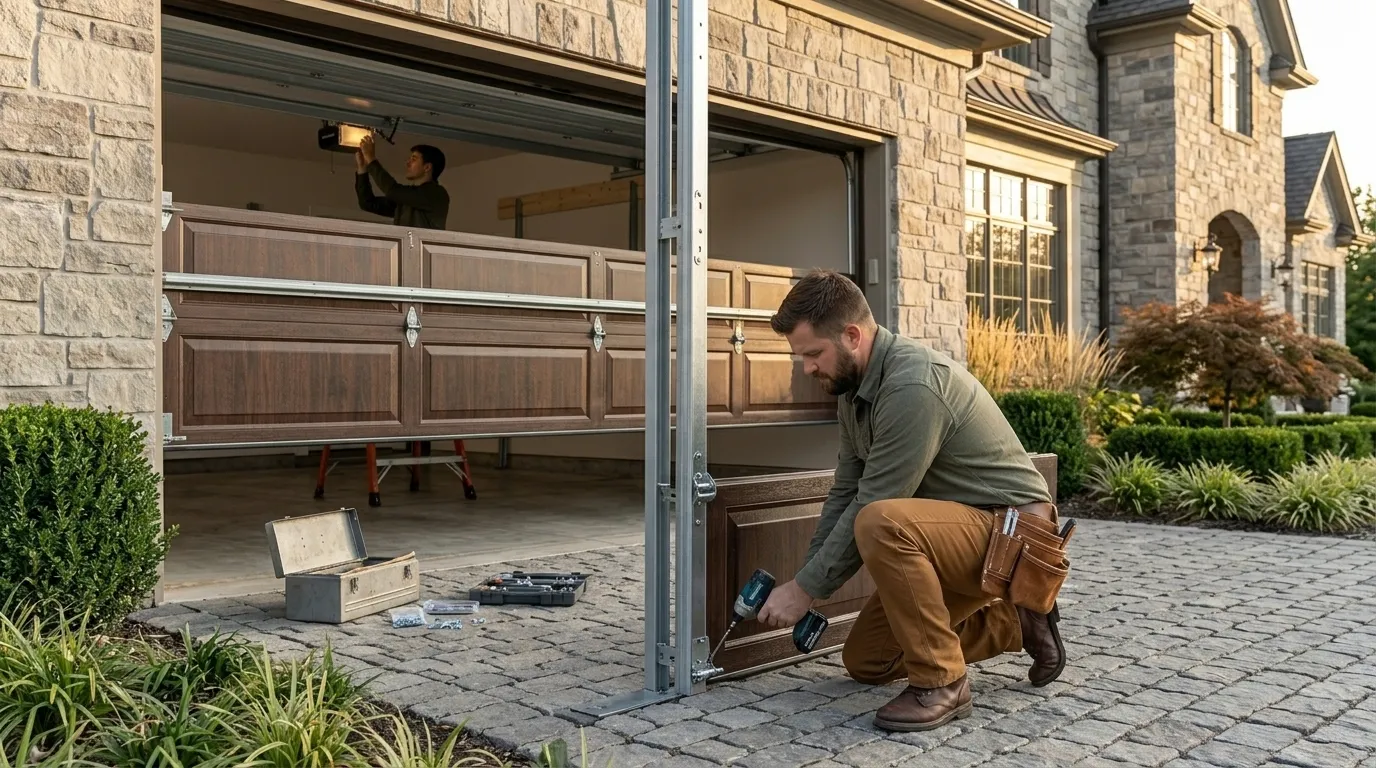
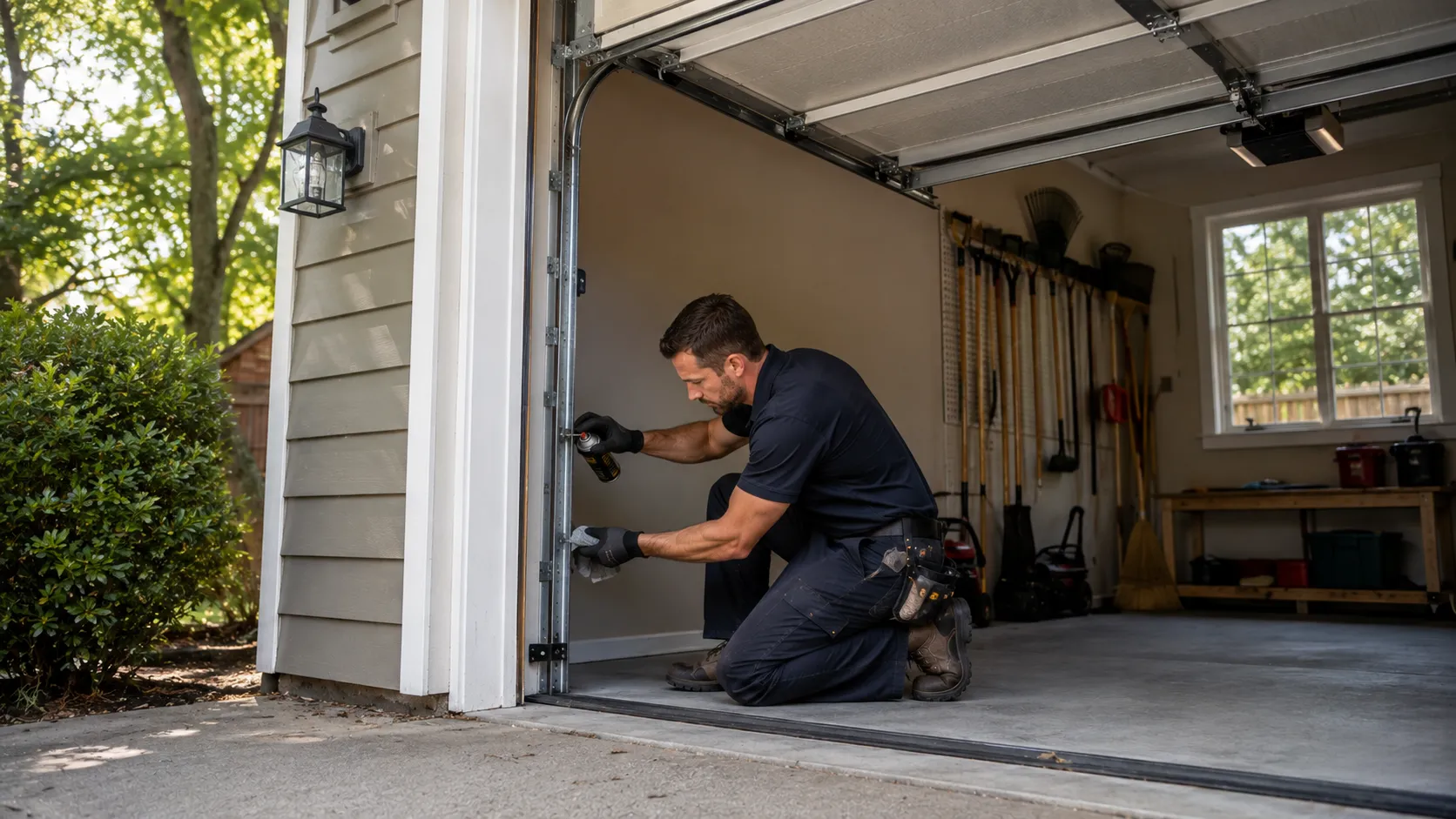
Rollers and hinges are fair game if you're comfortable on a ladder - replacing a cracked roller on a door built in the 1960s-70s range is straightforward once you know the track width, and it's cheap insurance against a bigger failure later.
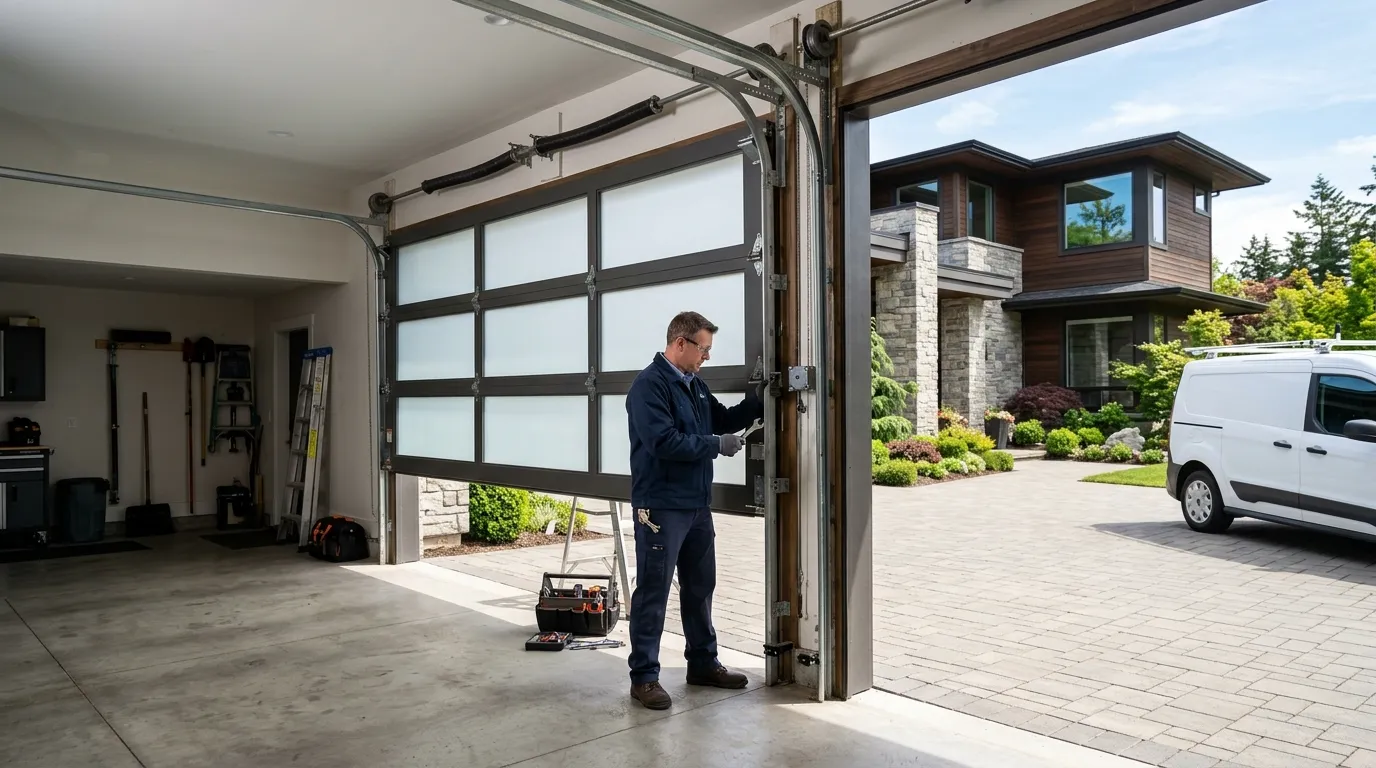
Springs are not a DIY job, full stop. A torsion spring under tension can put someone in the hospital, and extension springs, more common on doors from this era, aren't much safer if you don't know the release sequence. If the door won't open, or opens and slams, don't force it and don't cut the cable to get the car out - call it in.
Opener troubleshooting - dead remote, door not sensing the safety beam - is worth five minutes of your own time before you call anyone. Check the batteries, check that the sensor eyes aren't knocked out of alignment, and check the wall button. If none of that fixes it, the problem's usually inside the motor housing or the logic board, and that's ours to open up, not yours.