How It Shows Up
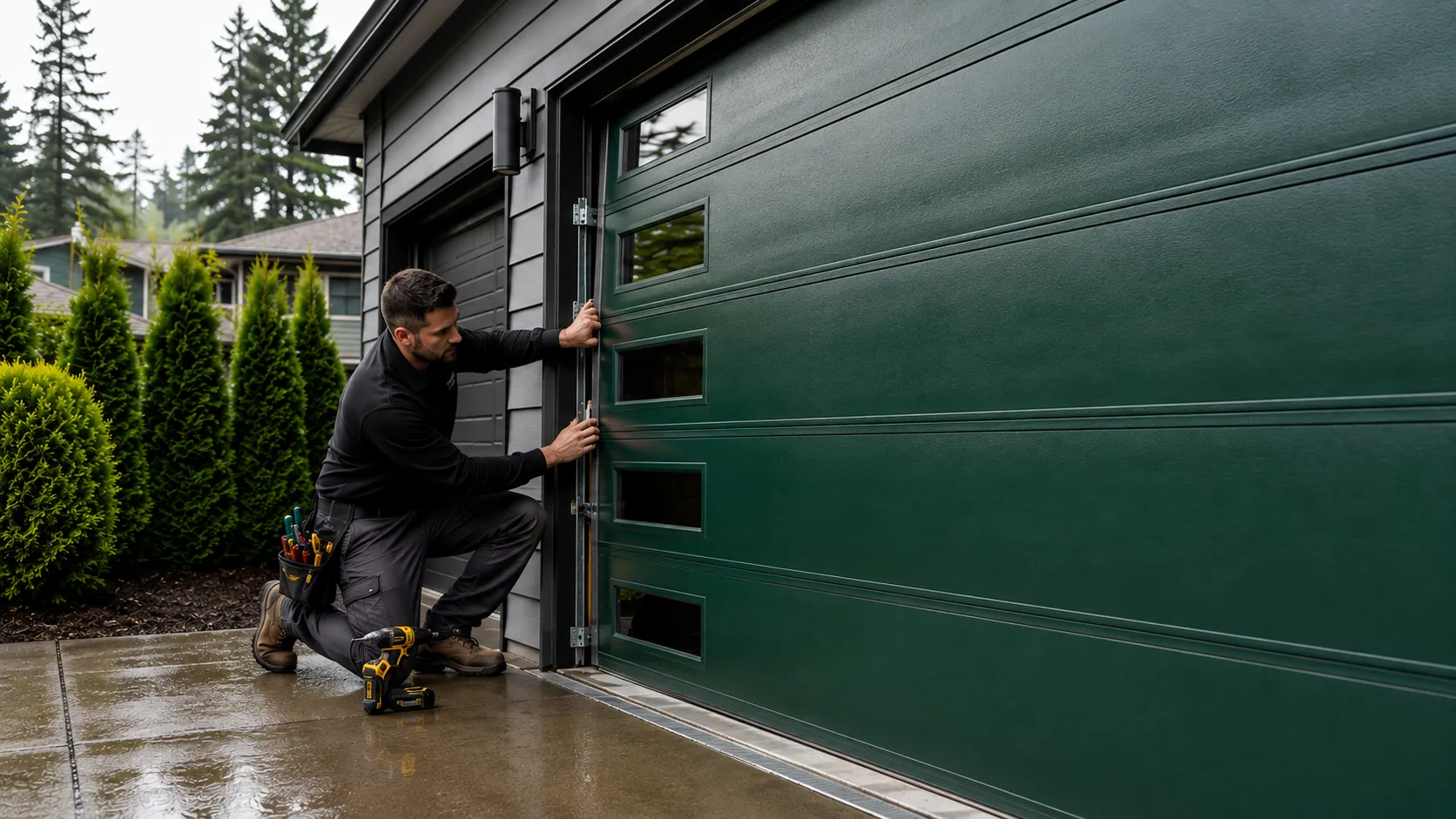
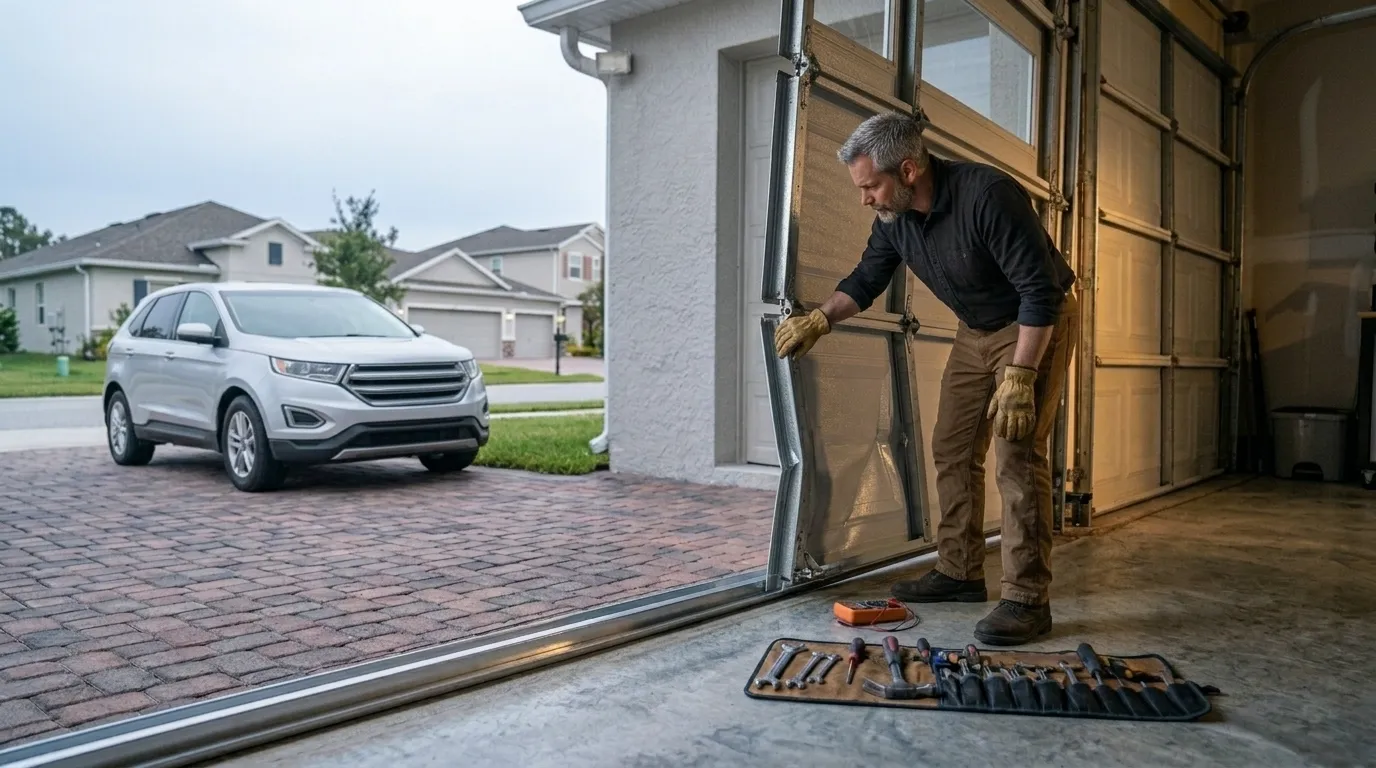
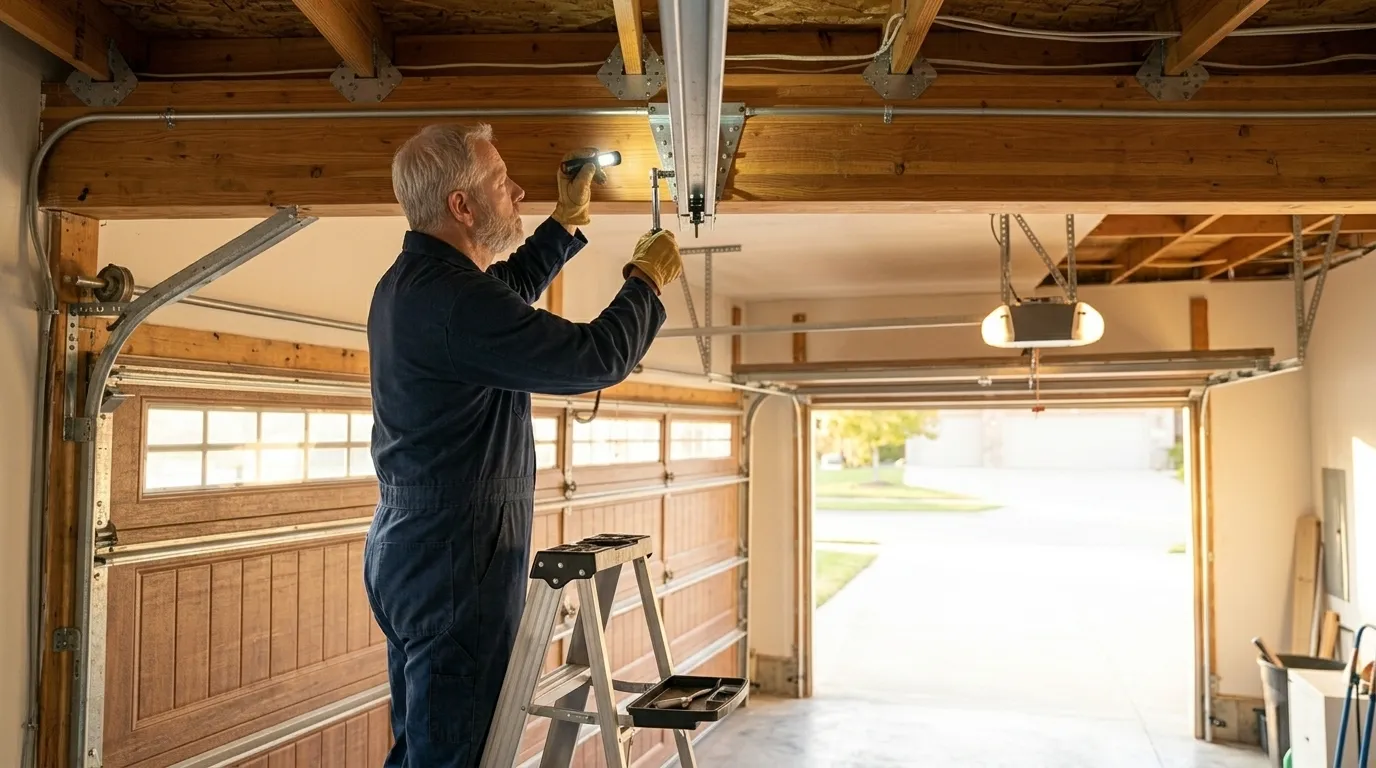
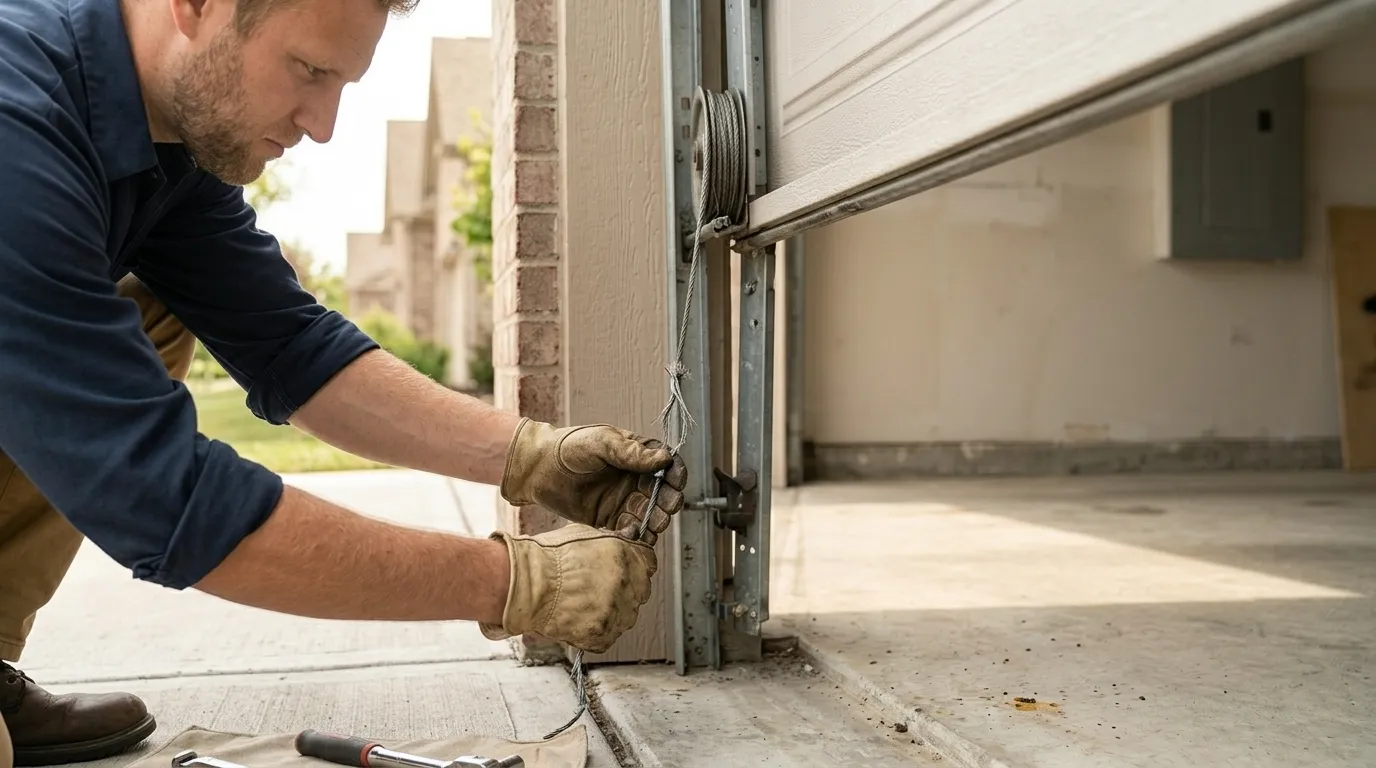
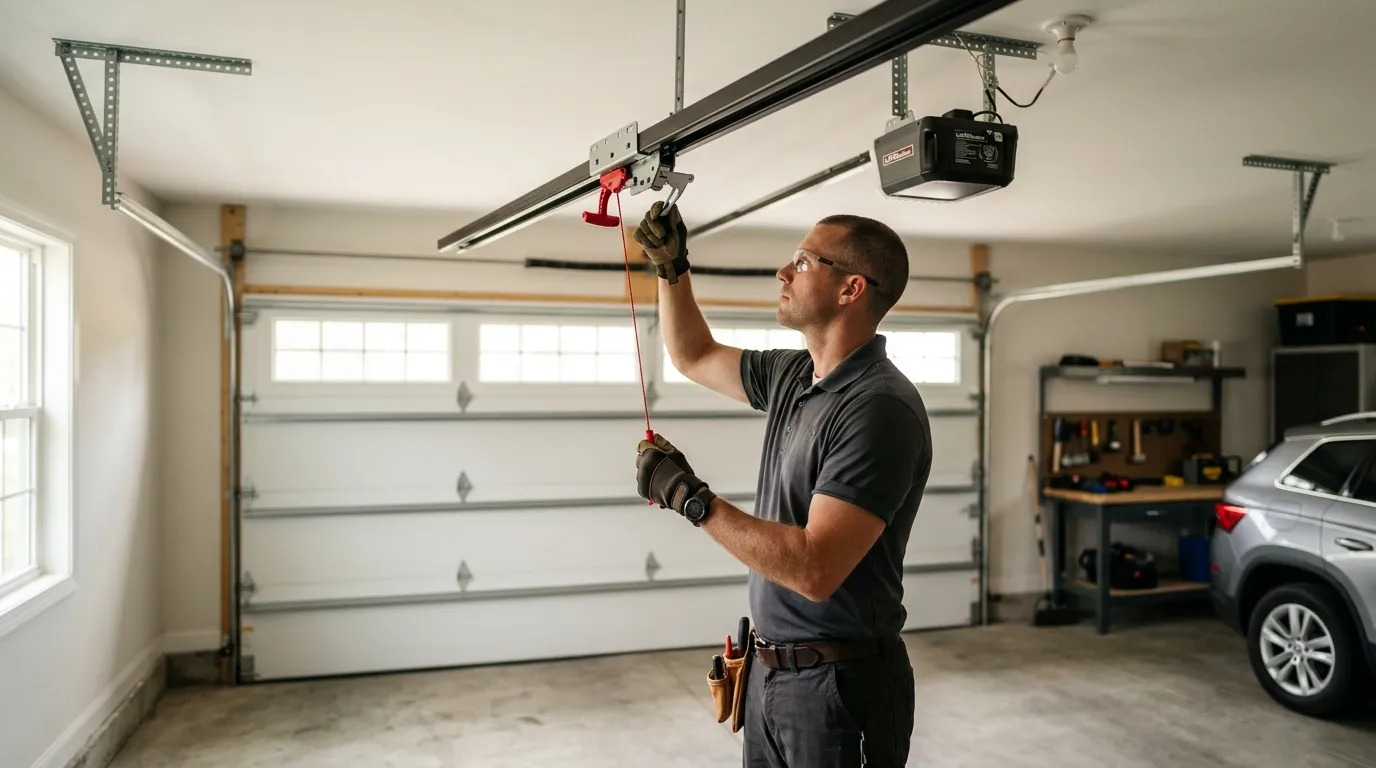
You press the button and nothing happens, or the opener runs but the door barely moves before the motor bogs down. Sometimes it's a grinding chain that used to be quiet. Sometimes the whole unit just gave out after years of working through winters it was never really built for. In a lot of Parma houses, the trigger isn't the opener itself - it's a 1/2 horsepower motor from a different decade trying to lift a heavier insulated door someone put on later, or a header bracket that's been flexing on old lumber for fifty-plus years. Homeowners usually notice it as a maintenance nuisance for a season or two before it becomes a no-drive, no-close problem overnight, often on the coldest morning of the year.
Why It Happens Here
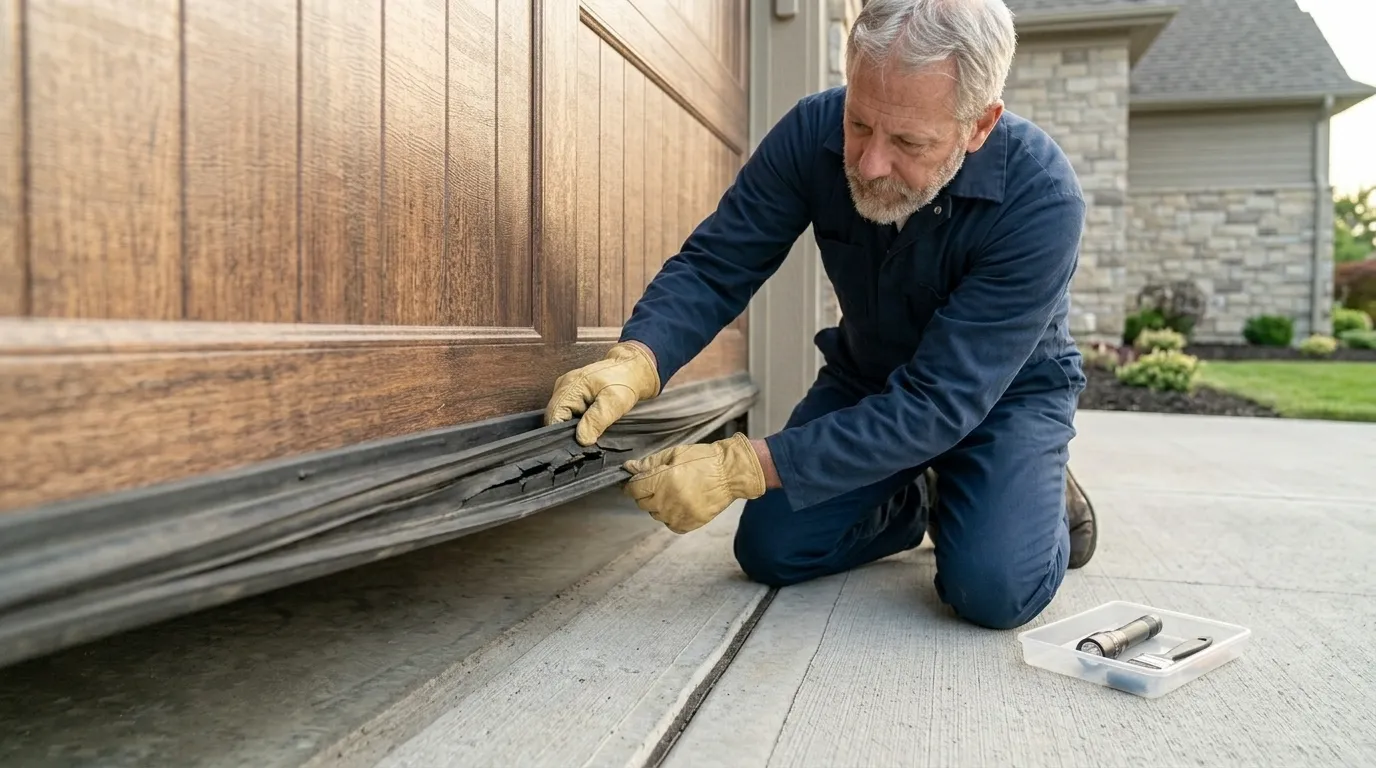
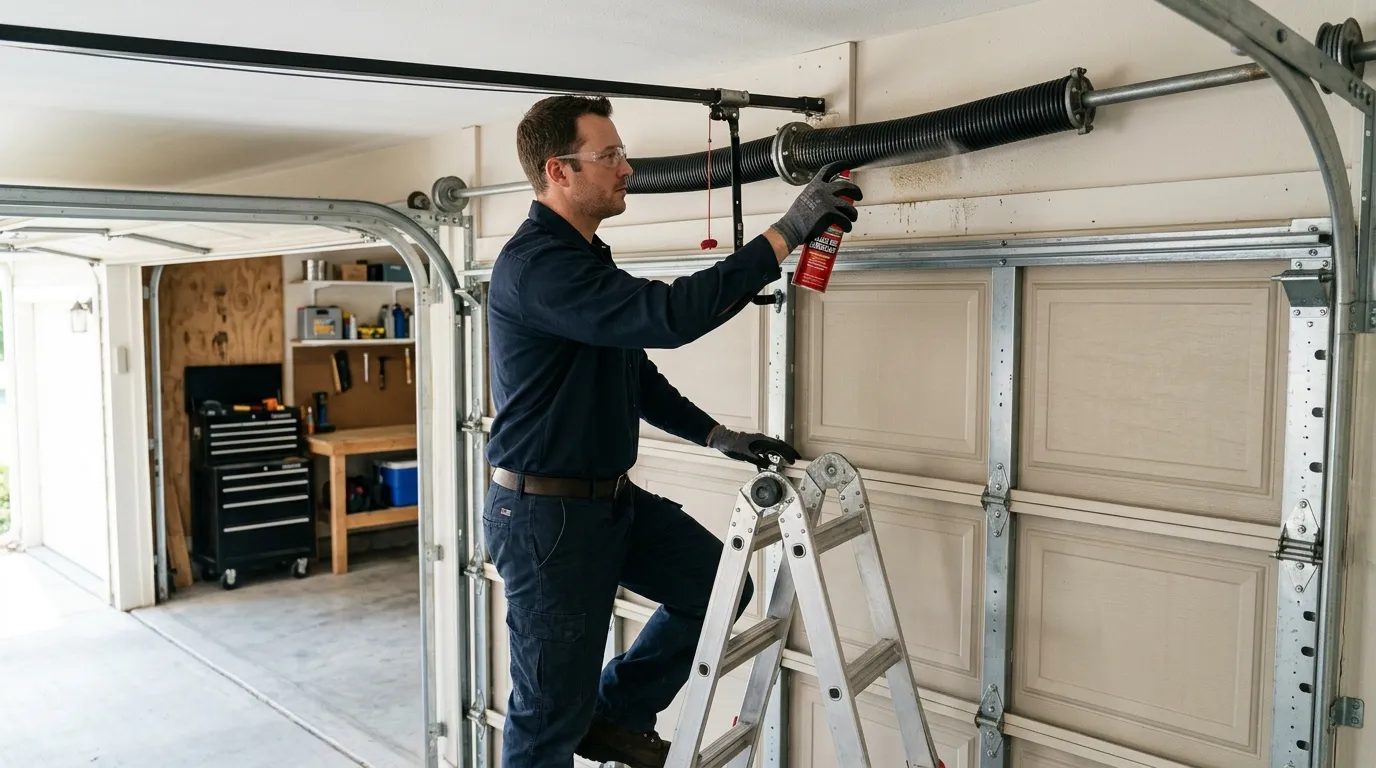
The service area's housing stock runs from 1938 to 2004, with a median build year of 1966, and most of the 67 named areas we cover are still dominated by that 1960s-70s wave of construction. Openers from that era, or even the first replacement generation installed in the 80s and 90s, were sized for lighter doors and lighter-duty springs than what's often on the house now. Add a COLD severe climate band, and you get grease that thickens, gear sets that were already worn getting one more hard pull on a subzero morning, and capacitors in older motors that just don't hold up to that temperature swing year after year. It's not that these openers were bad - they were built for a different door, a different decade, and a lot fewer freeze-thaw cycles than they've since taken.
What Is on the Truck
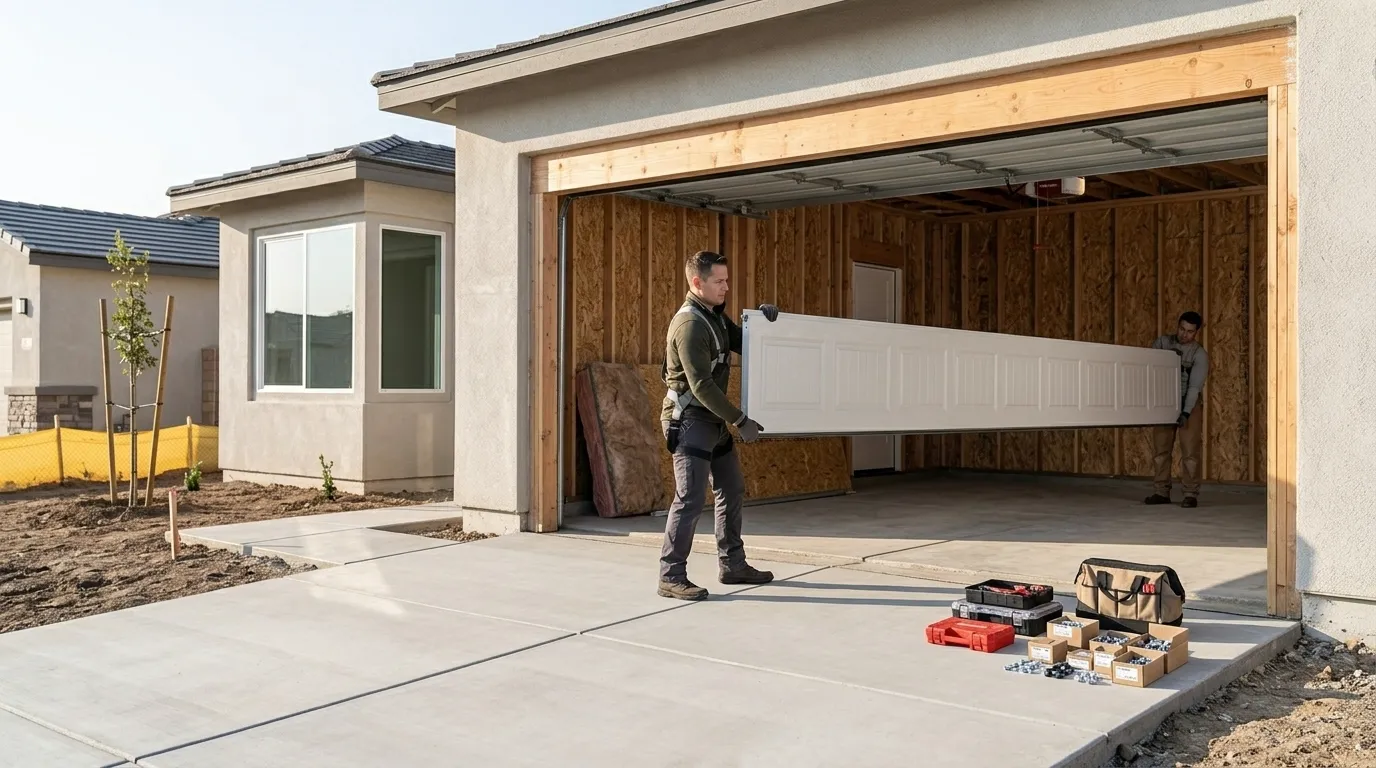
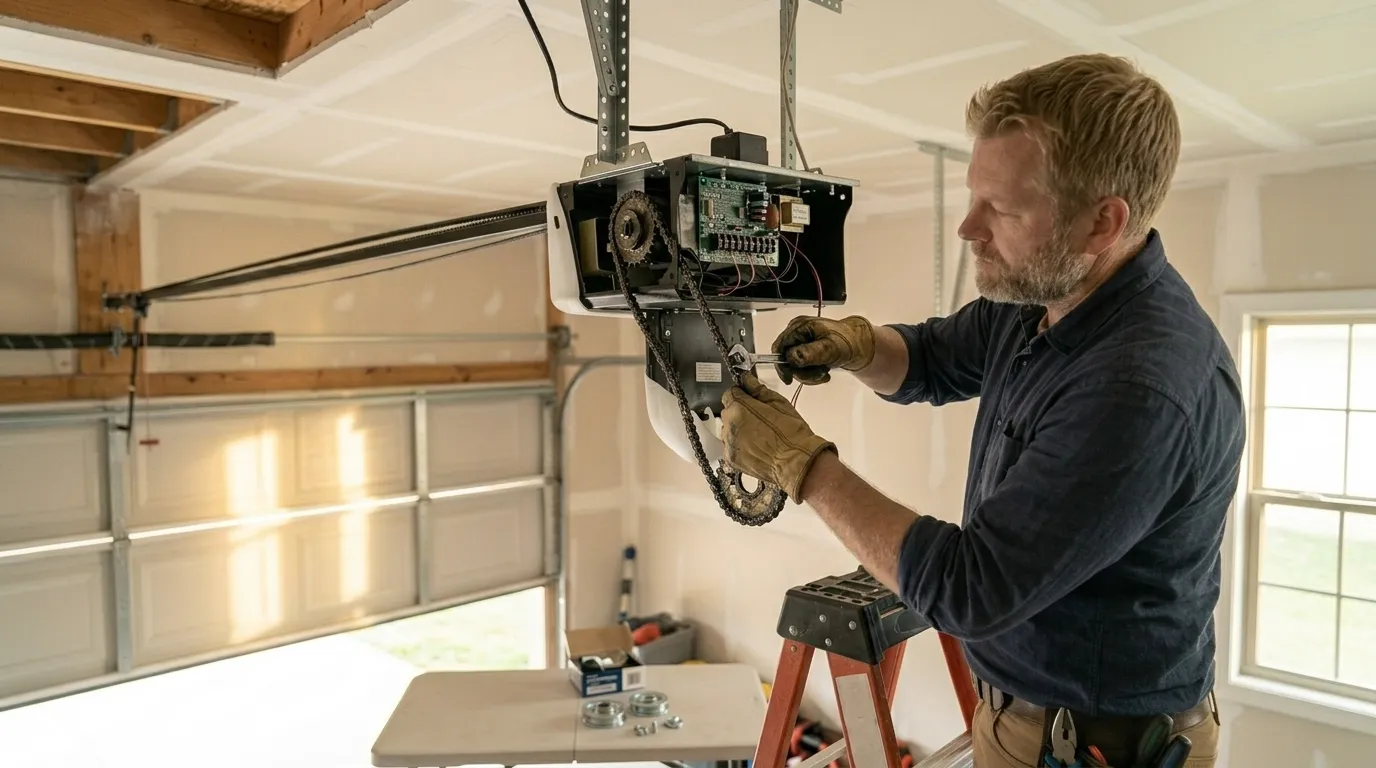
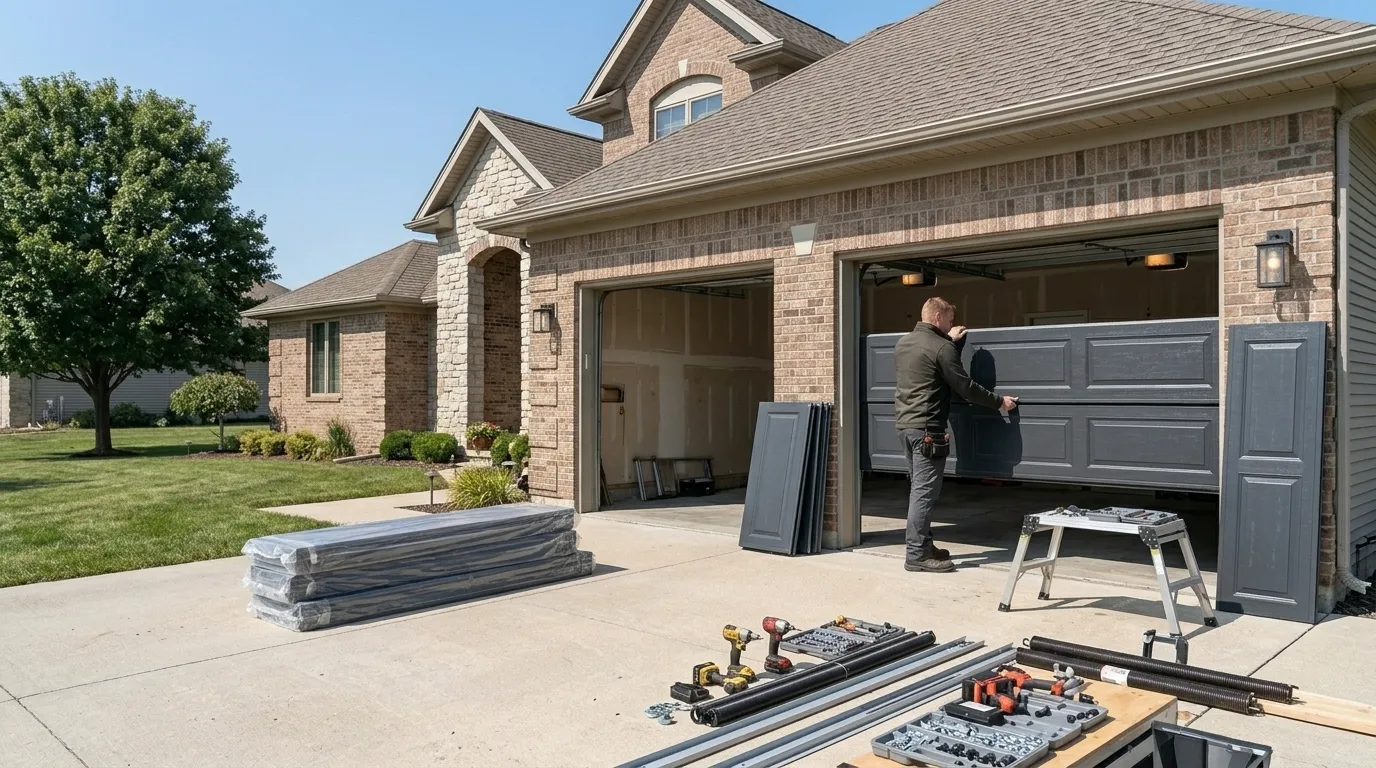
We stock a working range of belt and chain-drive openers in the horsepower ratings that actually match the door sizes common across this service area - single and double doors, insulated and non-insulated - plus the header hardware, safety sensors, and wall controls needed to finish a same-visit install on most houses. What we don't carry is every specialty smart-home bridge or camera add-on; if you want a specific app ecosystem tied to your opener, ask before the truck rolls so we can confirm compatibility rather than guess on-site. For the areas near Parma - Parma Heights, Seven Hills, and out through - the same trucks and the same stock cover the job, since the housing and climate conditions driving these failures don't change much within a few miles.