Getting It Booked In
We run out of Parma, and Seven Hills is a three-mile drive, so a maintenance visit here isn't a special trip - it's a normal stop on the route. That matters for a job like this one, because tune-ups are the kind of thing that get put off until the door starts grinding or the opener starts straining, and by then you're usually looking at a repair instead of a check-up.
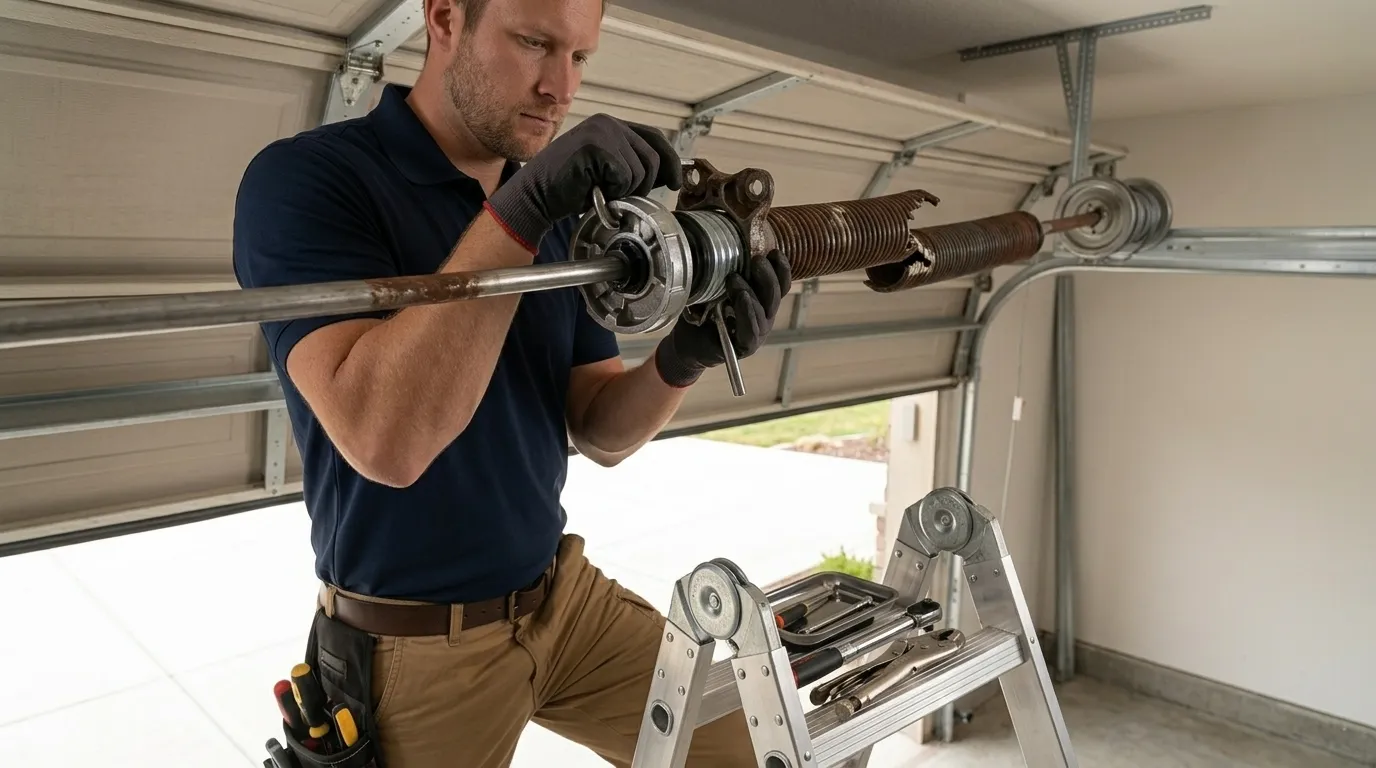
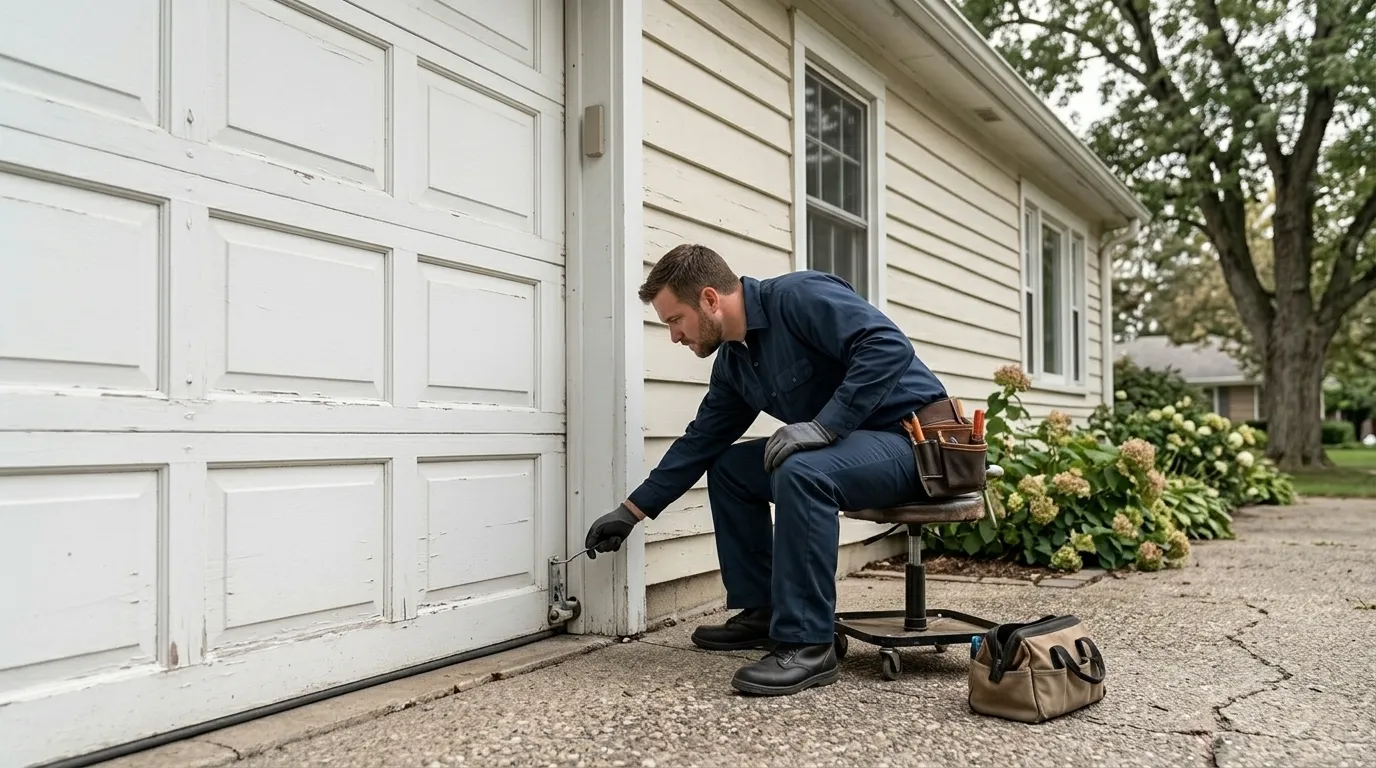
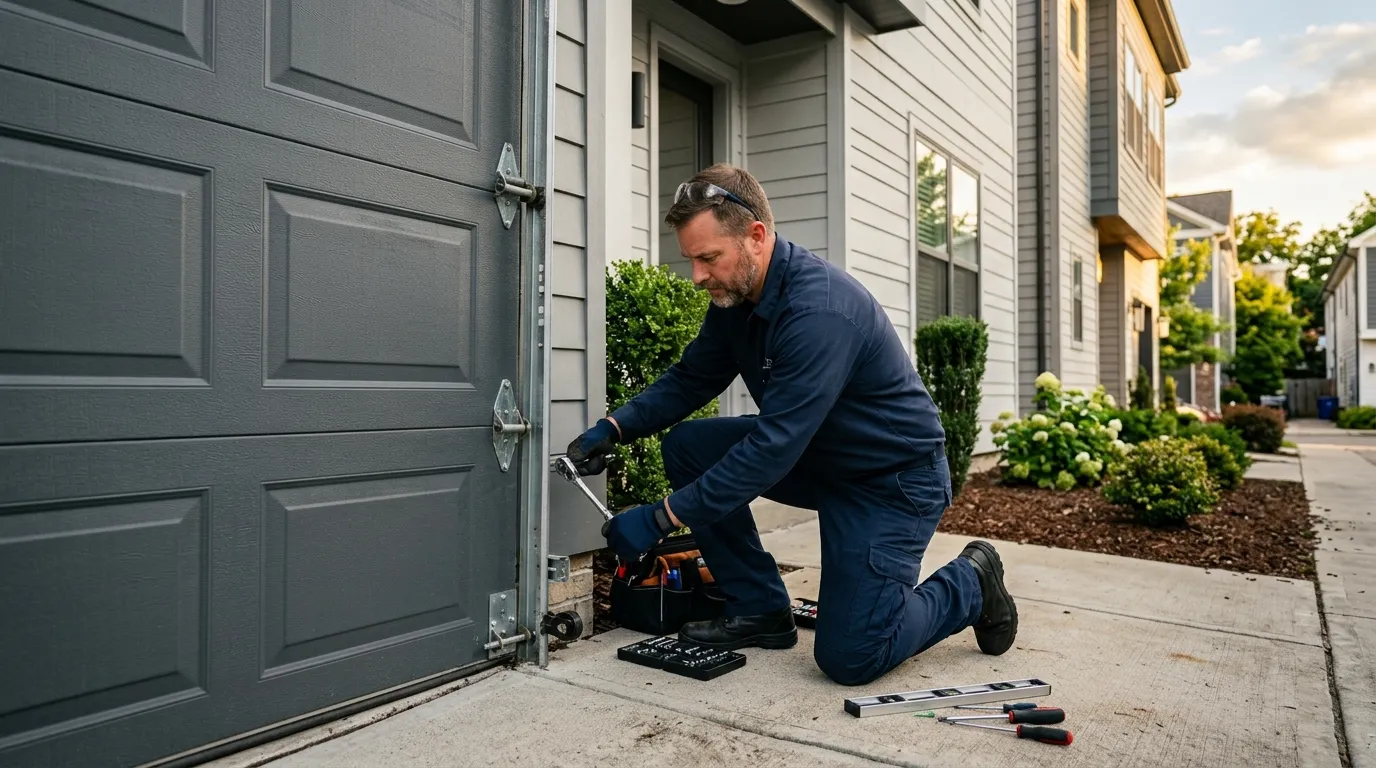
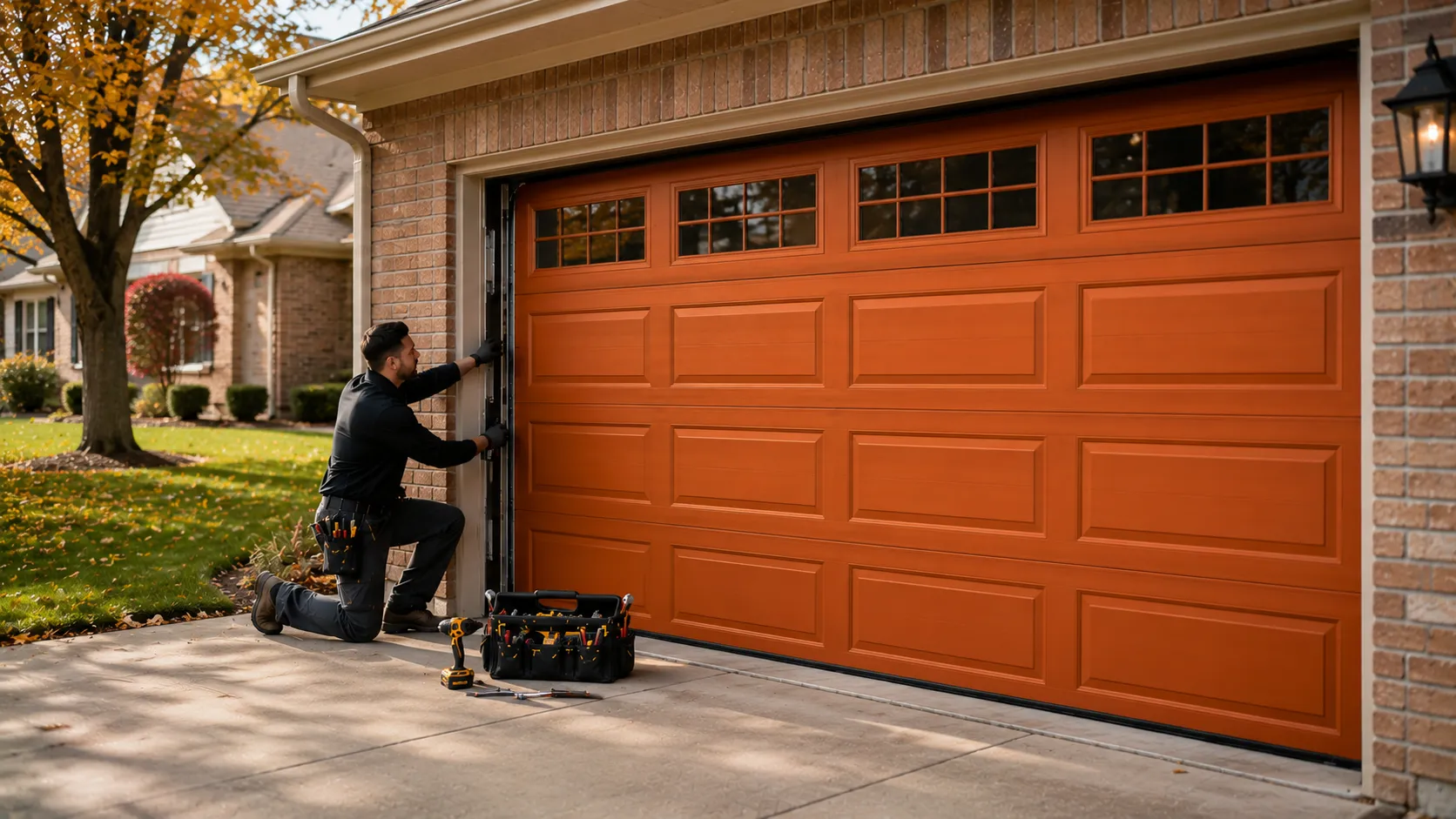
We don't run a Seven Hills branch and we're not going to pretend otherwise. What we do is come from Parma with the truck stocked for the kind of hardware this town actually has, which matters more than a local address does. A tune-up here is a full inspection: spring tension, cable wear, track alignment, roller condition, opener force settings, and the hardware that's easy to forget - hinges, drums, the fasteners holding the whole thing to the jamb. On a door that's original to a 1966 build, most of that hardware has never been touched, and that's exactly what we're checking.
Where This Job Goes Sideways
The failure we see most in this housing stock isn't a snapped spring out of nowhere - it's a spring that's been losing tension for years while nobody adjusted the opener to compensate. The opener keeps working harder to make up the difference, the motor wears faster, and the owner doesn't notice anything's wrong until the day the spring actually lets go, usually on a cold morning when the steel is least forgiving.
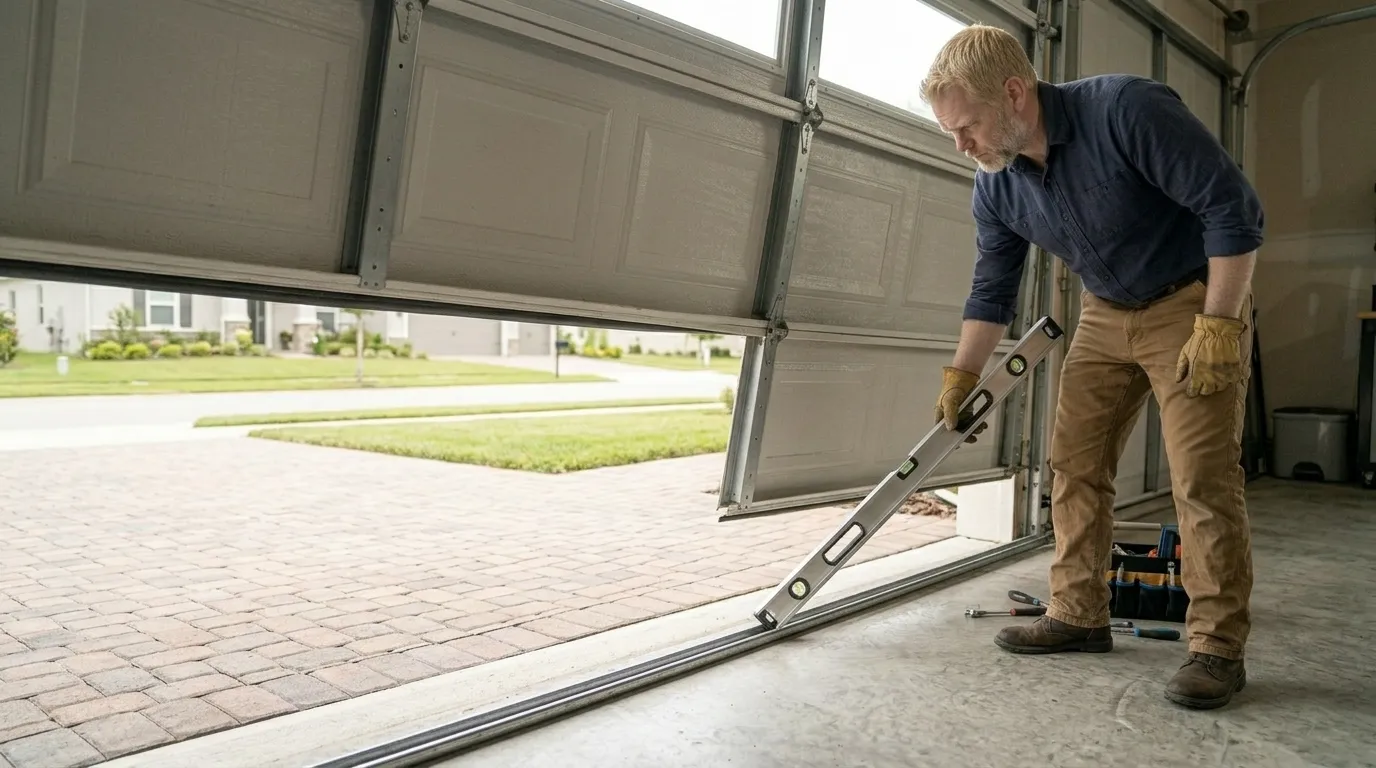
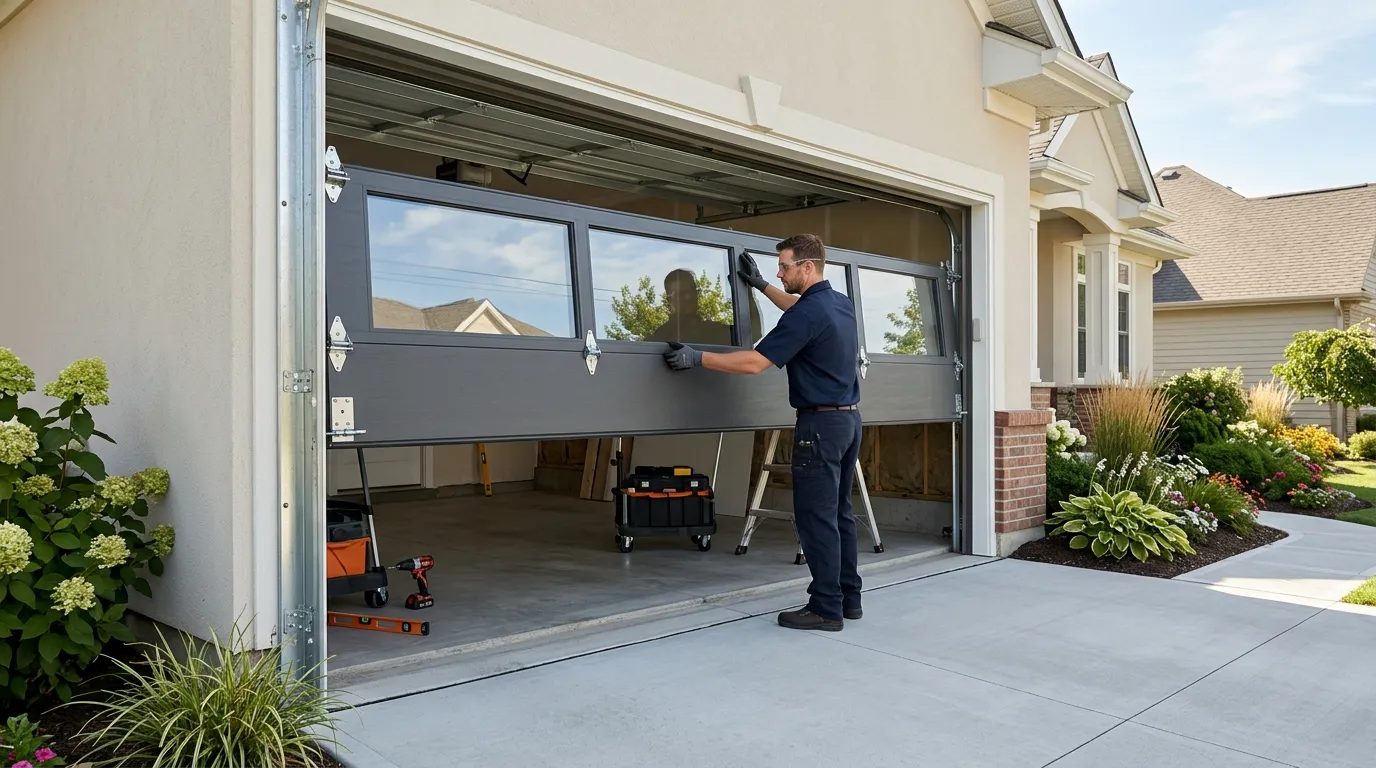
The other place this goes wrong is track alignment on original hardware. Sixty years of foundation settling and door use will walk a track out of true by fractions of an inch at a time, and on a door with the original drums and rollers, that fraction of an inch is enough to start chewing through a cable strand you can't see from the floor. We catch this on the balance test, not by eyeballing the door - a door that looks fine can still be inches out of balance.
We'll say the honest part here: if the drums or the torsion tube itself are original and pitted, tune-up service isn't going to fix that. At some point the hardware is past adjusting and needs replacing outright.
Why It Happens Here
Seven Hills sits in a severe cold climate band, and that's not just a line on a map - steel spring wire loses some tension every time it cycles through a hard freeze and thaw, and a door installed in 1966 has been through close to sixty winters of that without most owners ever having the spring re-tensioned or lubricated for cold.
With roughly 4,865 households in this town, and a median build year sitting right around 1966, that's a lot of garages running original torsion hardware sized to a code and a wind-load standard that's since changed. A household income of $95,313 here tells us something too - these are houses that generally get kept up. Roofs get replaced, furnaces get serviced. The garage door is often the one thing on the property that never gets a line item, because it still opens, right up until the day it doesn't.
Doing It Yourself
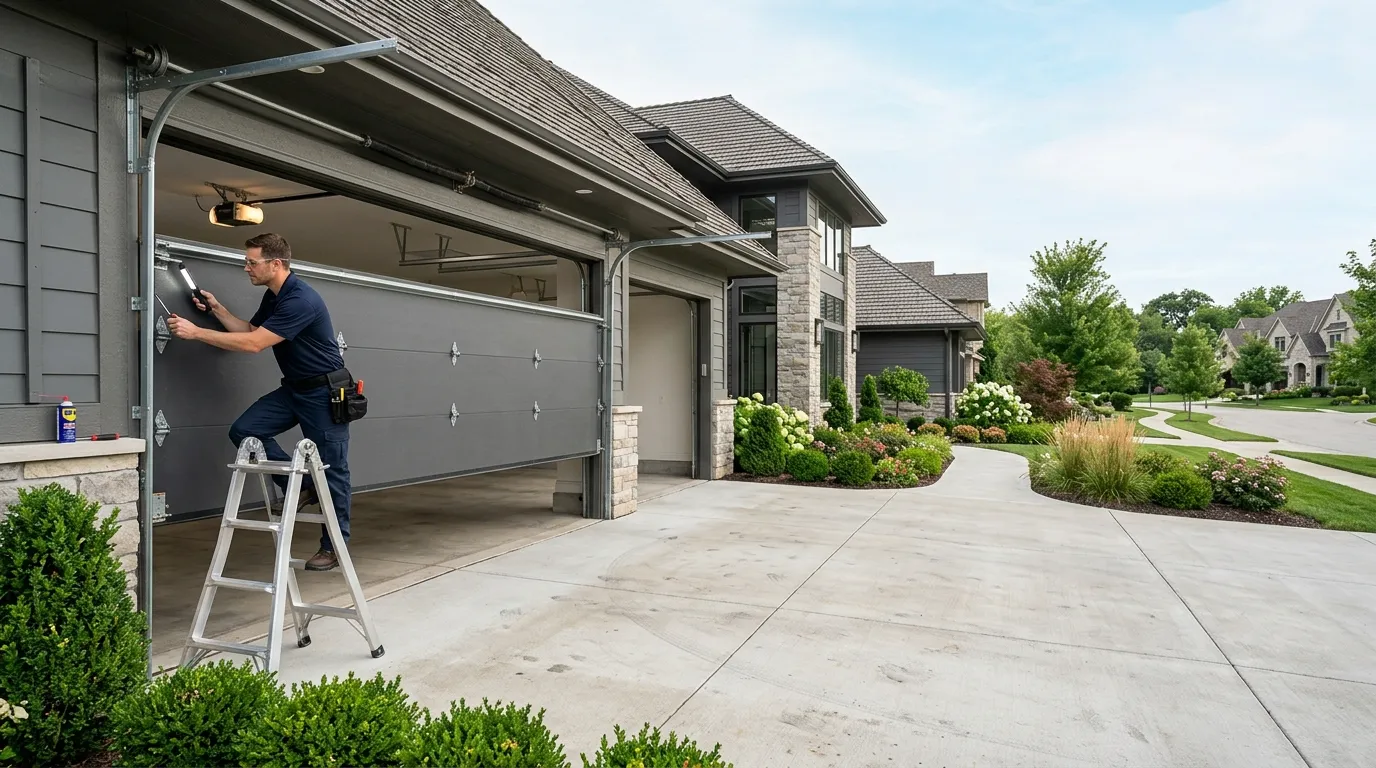
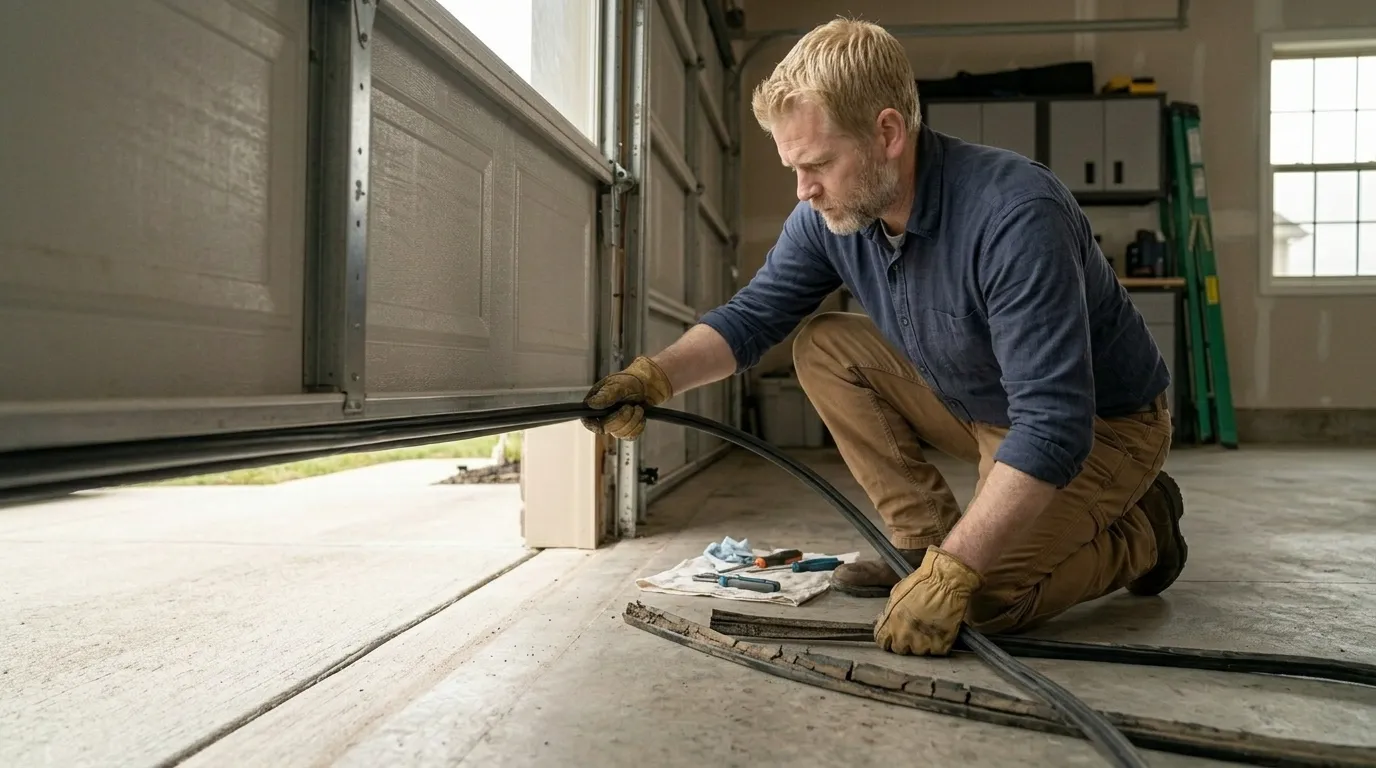
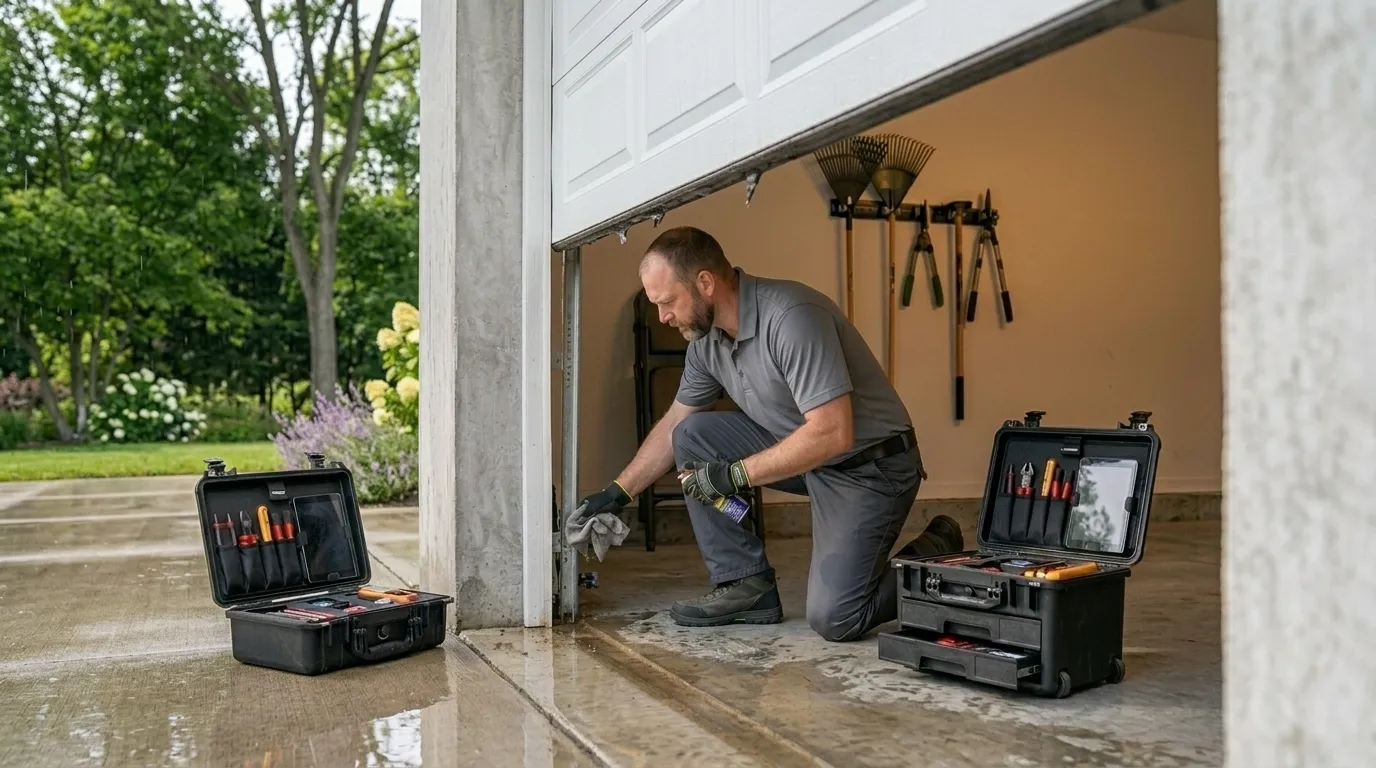
Some of this you can do yourself, and it's worth doing between our visits. Wipe down and lubricate the rollers and hinges with a garage-door-specific lubricant, not household oil, which attracts grit and gums up faster in cold weather. Check that the photo-eye sensors near the floor are aligned and unobstructed. Look at the cables for fraying, especially near the bottom bracket.
What you shouldn't touch is the spring itself. On a door this age, the torsion spring is under enough stored tension to cause a serious injury if it's handled wrong, and if it's original hardware, you don't know its exact condition until it's inspected properly. Balance testing - disconnecting the opener and seeing if the door holds position halfway up - is safe to try, and if it doesn't hold, that's your sign the spring needs a professional look, not a home adjustment.