Getting It Booked In
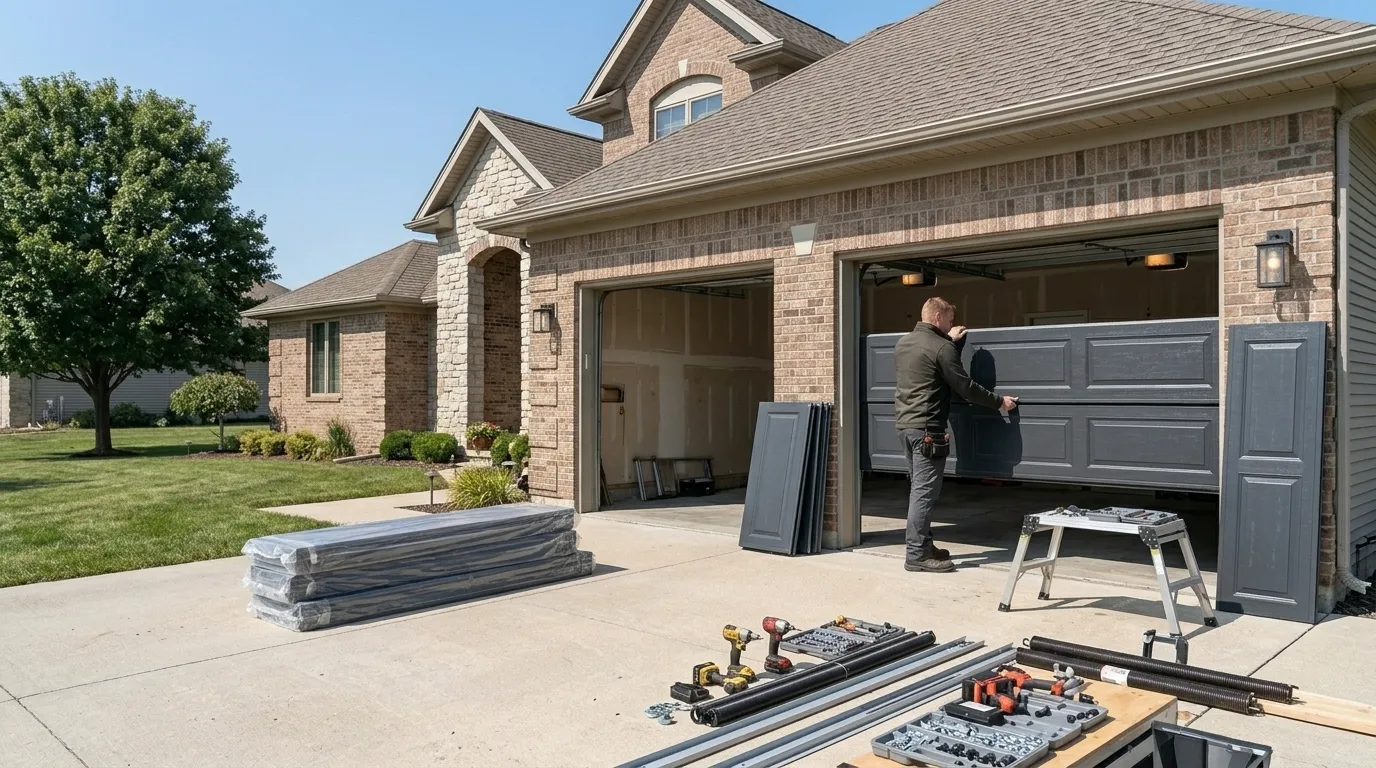
The fault we run into most on a Seven Hills install isn't the door itself, it's the opening. Houses here went up mostly in the 1960s, and a lot of those garages were framed for a single 16-foot door on a header that was never sized for the heavier insulated sections people want now. Swap in a modern steel door without checking that header and jamb, and you get a door that racks in the track within a year or binds on one side every time it's cold.
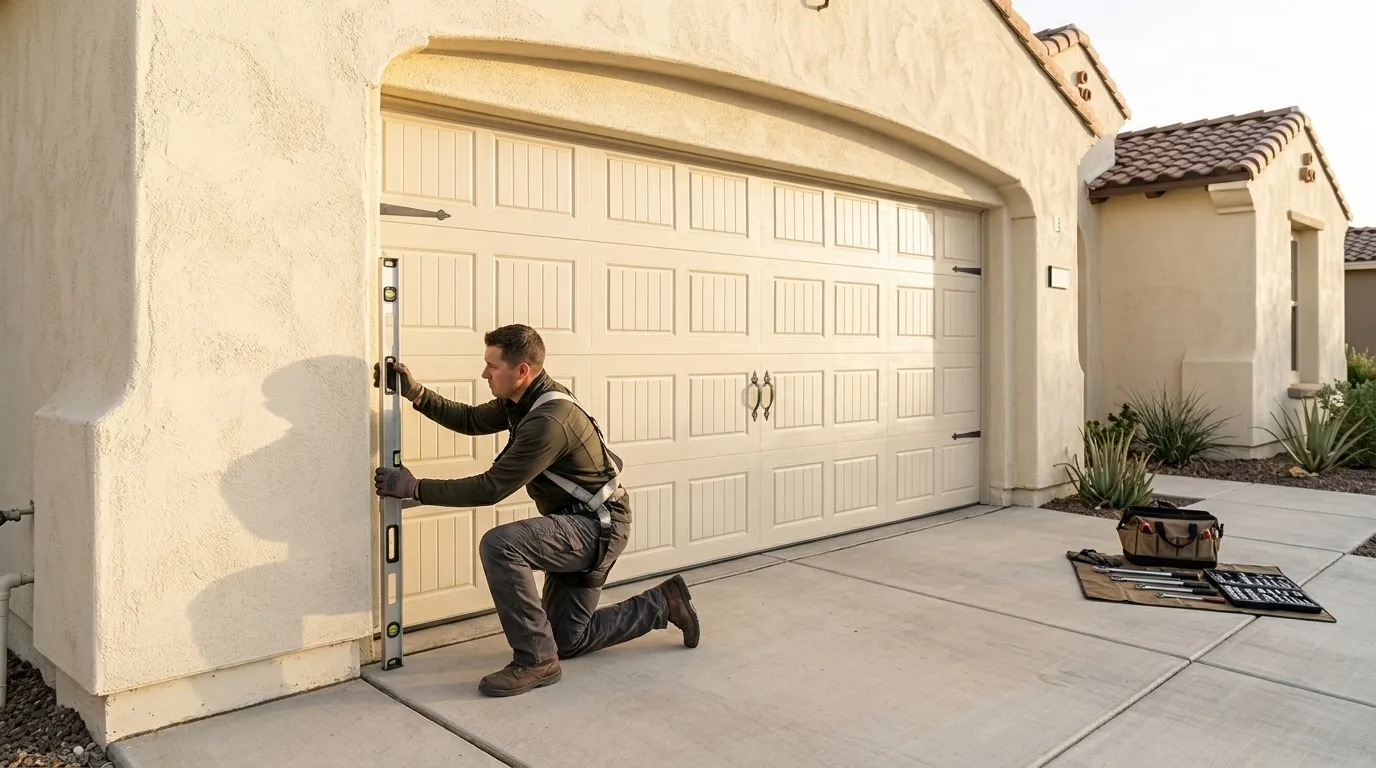
With a median build year of 1966 in this pocket of the service area, that's the baseline we plan around, not the exception. Before we quote anything, we ask for the age of the house and, if you have it, whether the garage was ever touched during a remodel. That tells us whether we're installing into original framing or into something already reinforced. We come out from Parma, about 3 miles away, so scheduling the visit doesn't take long, but the visit itself has to happen before we commit to a door size or a track configuration, because guessing on a house this age costs you a return trip.
We book the walk-through first, quote second. That order matters more here than it would in a newer subdivision.
Where This Job Goes Sideways
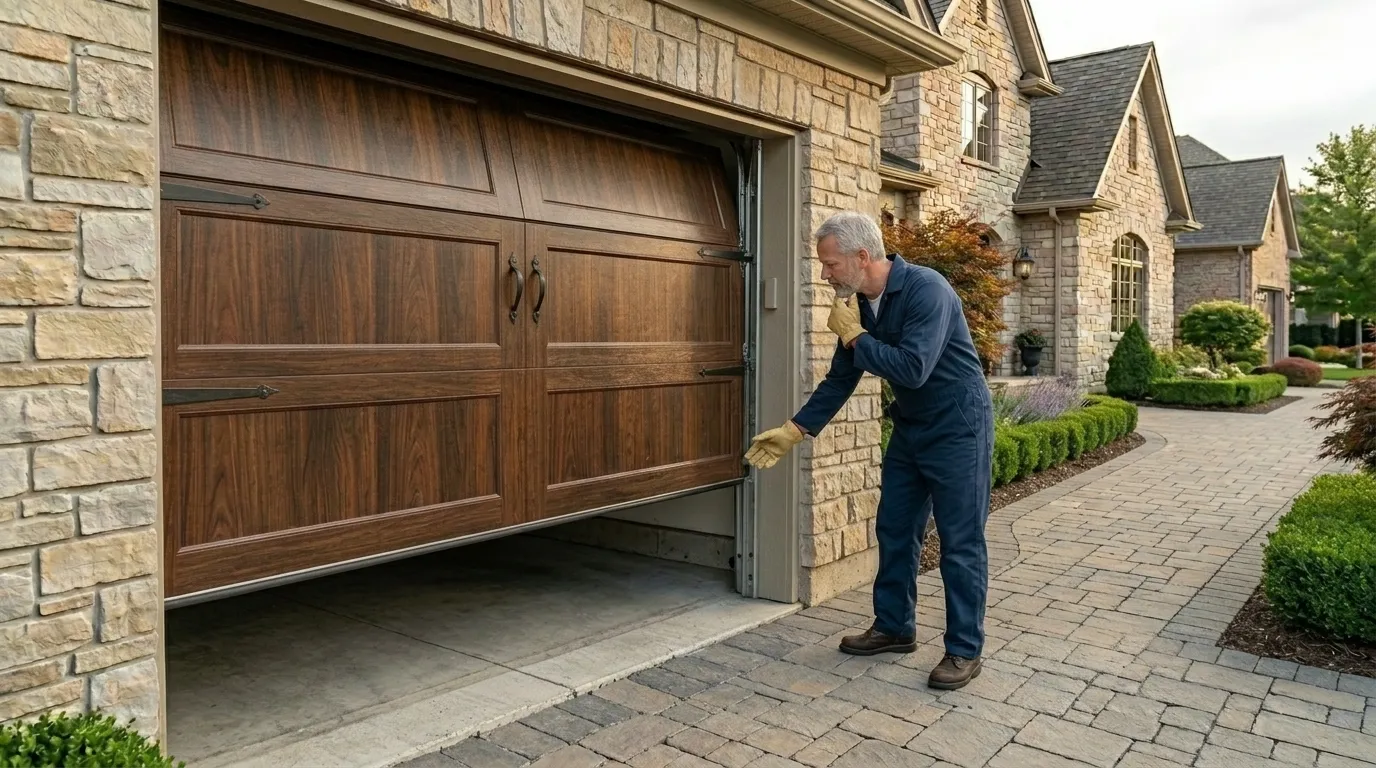
The most common way a Seven Hills install goes wrong is the crew treats the opening like a blank slate instead of a 1960s-era frame. Original jambs on houses from this period are often narrower than what current door sections assume, and the header height can be a couple of inches short of what a full-thickness insulated panel needs for the track curve at the top. If nobody measures that before the door shows up on the truck, you end up trimming panels on site or, worse, forcing a track bend that puts uneven load on one bearing plate.
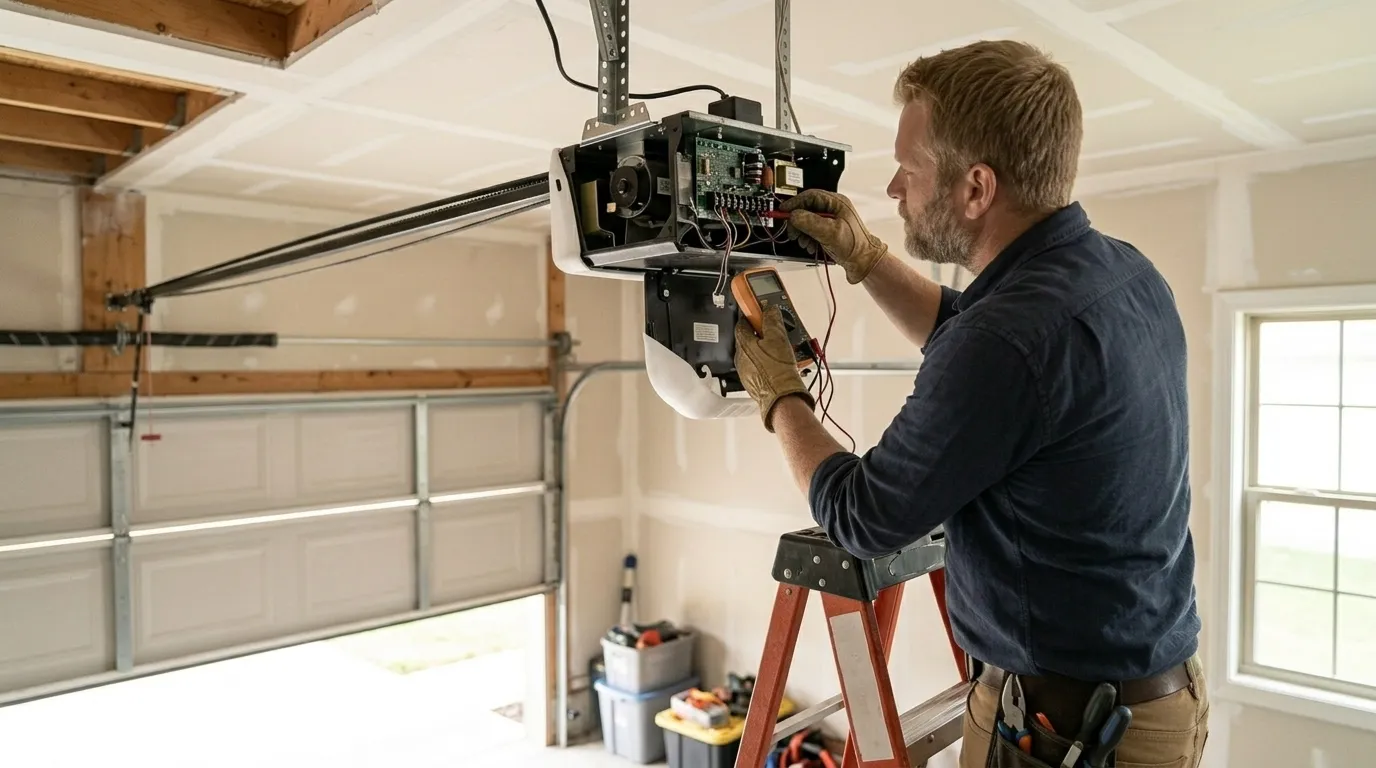
The other place it goes sideways is insulation choice paired with our winters. This area sits in a cold, severe climate band, and an uninsulated or thin-core door on an attached garage means the wall it shares with the house is losing heat all winter, plus the springs and rollers are cycling through hard freezes without any buffer. We spec torsion springs and hardware rated for that swing, not the mild-climate defaults some suppliers push first.
We won't install a door we haven't measured against the actual header and track path. That's not us being difficult, it's the difference between a door that lasts and one you're calling us back about in a year.
Why It Happens Here
The pattern in Seven Hills traces straight back to when the neighborhood was built. With a median construction year of 1966, most garages here were framed to a builder-grade spec that assumed a single, lighter door and manual hardware, not the two-car openings and heavier insulated sections that are common on replacement jobs today. Add a cold, severe climate on top of that, and the original hardware often wasn't sized for the temperature swings we actually get, so springs and cables that looked fine on installation day fatigue faster over the decades.
At roughly 4,865 households in this area, it's not a huge market, but it's a consistent one: enough of the housing stock shares that build era that we see the same header and track mismatches job after job. That consistency is useful. It means when we come out from Parma, three miles away, we already know what we're likely to find before we open the garage.
Doing It Yourself
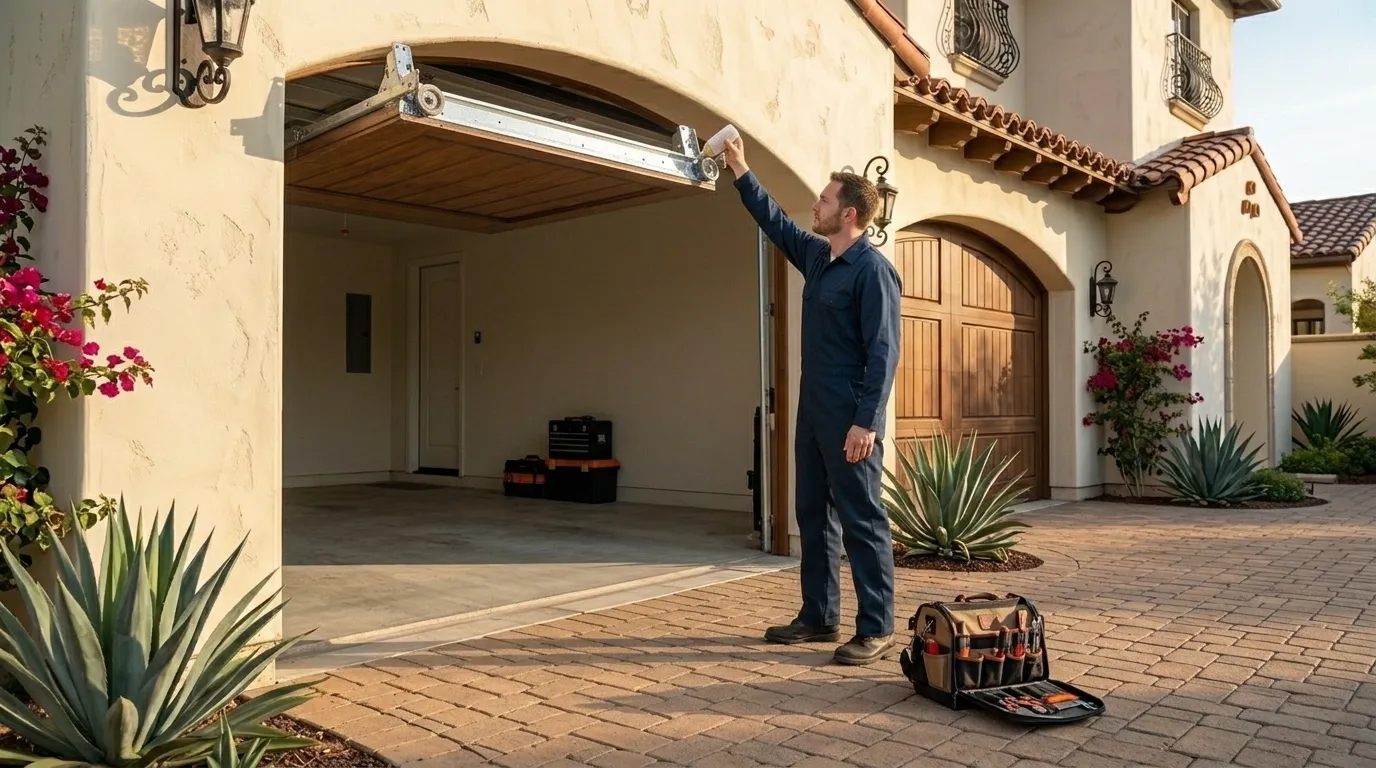
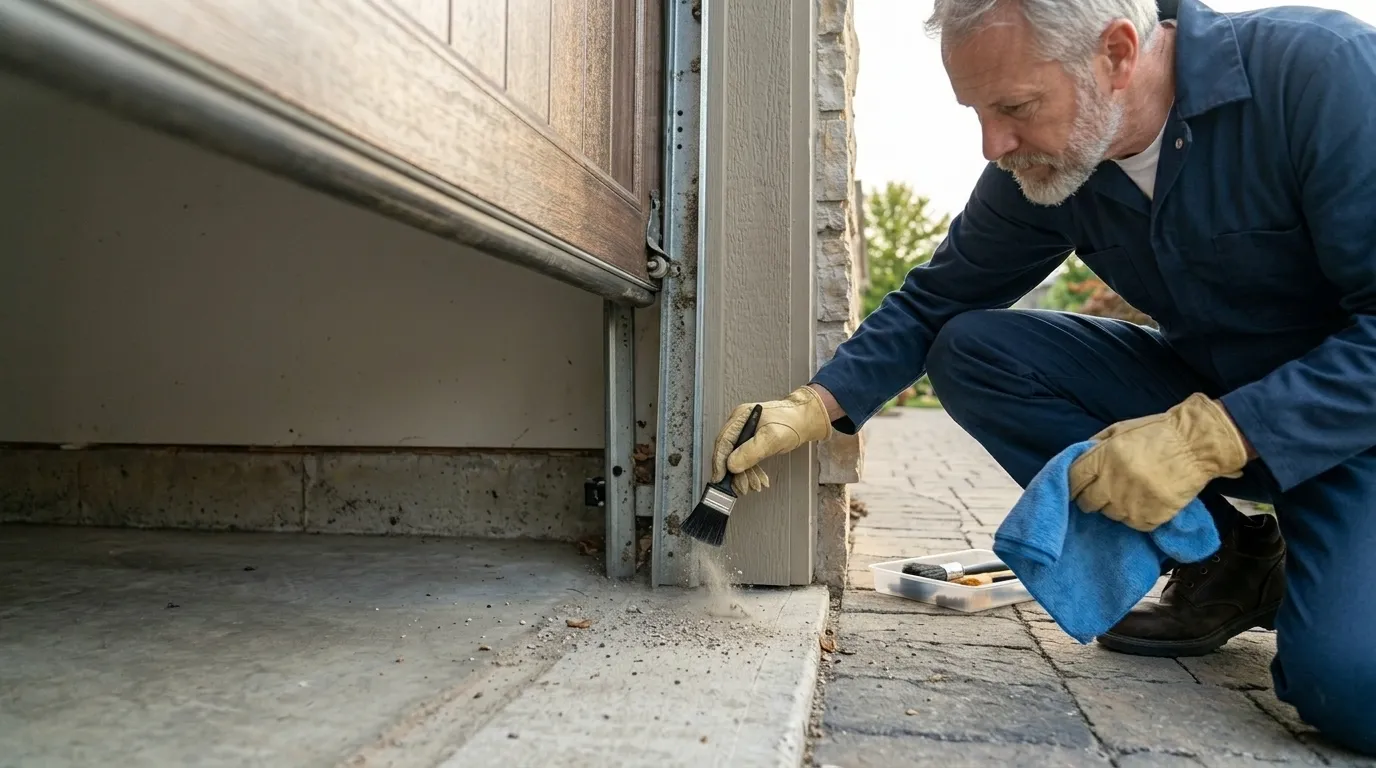
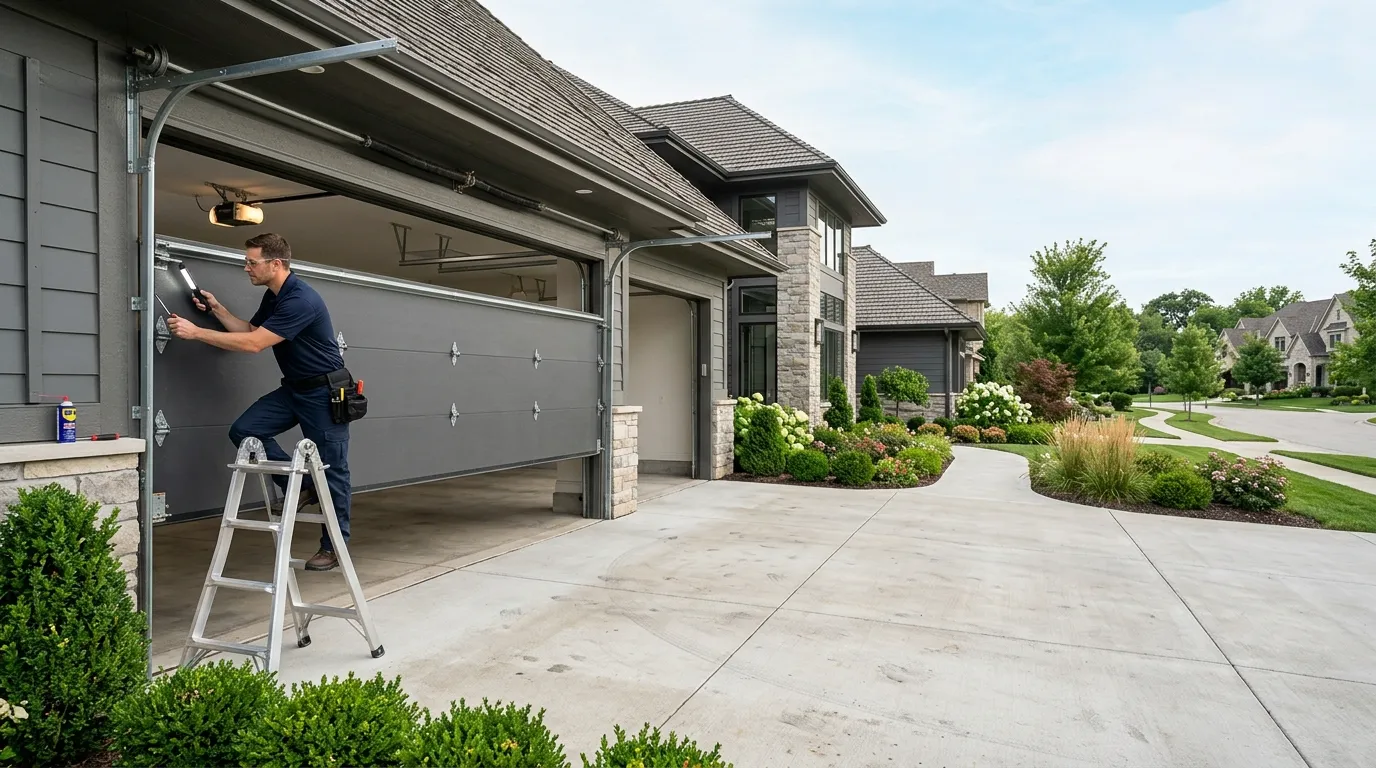
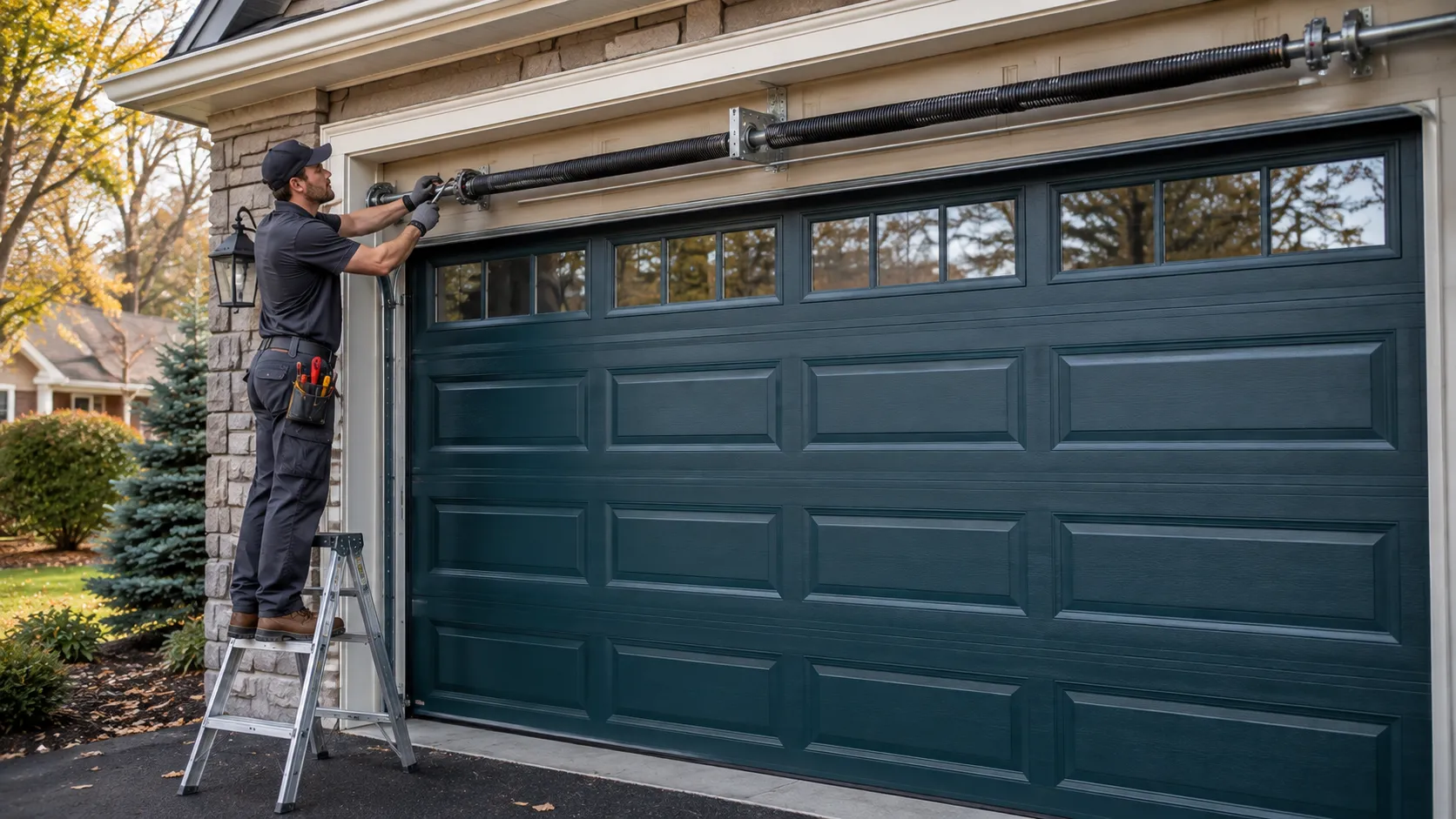
A full door replacement isn't a solo weekend project, and on a house from this era it's riskier than usual. Torsion springs on any door, old or new, are under enough tension to cause serious injury if released wrong, and on an original 1960s header you're also gambling on framing you can't fully assess without pulling trim. If you're set on doing some of the work yourself, weatherstripping, hardware tightening, and track alignment on an existing door are reasonable DIY jobs. Swapping the door itself, resizing the opening, or touching the spring system are not.
We'd rather tell you that upfront than sell you a kit and a callback.