How It Shows Up
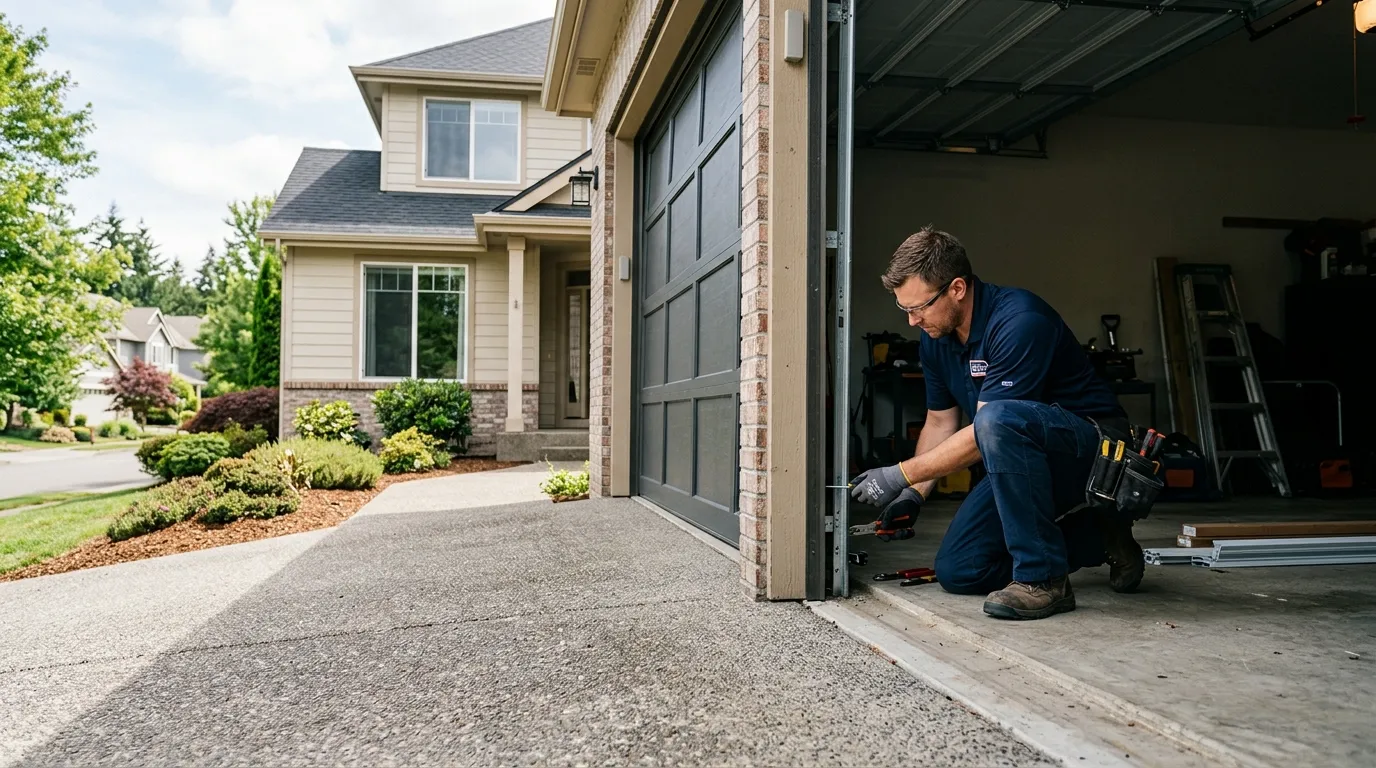
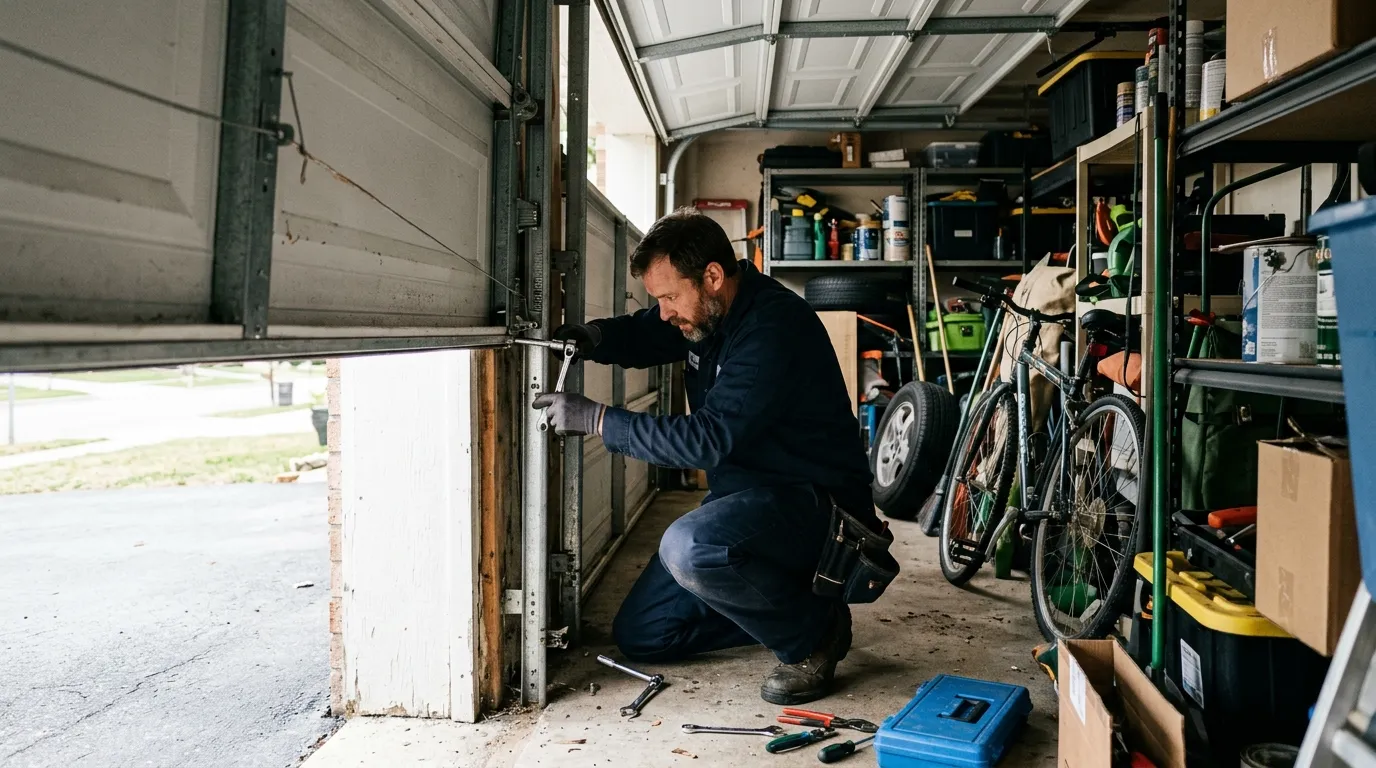
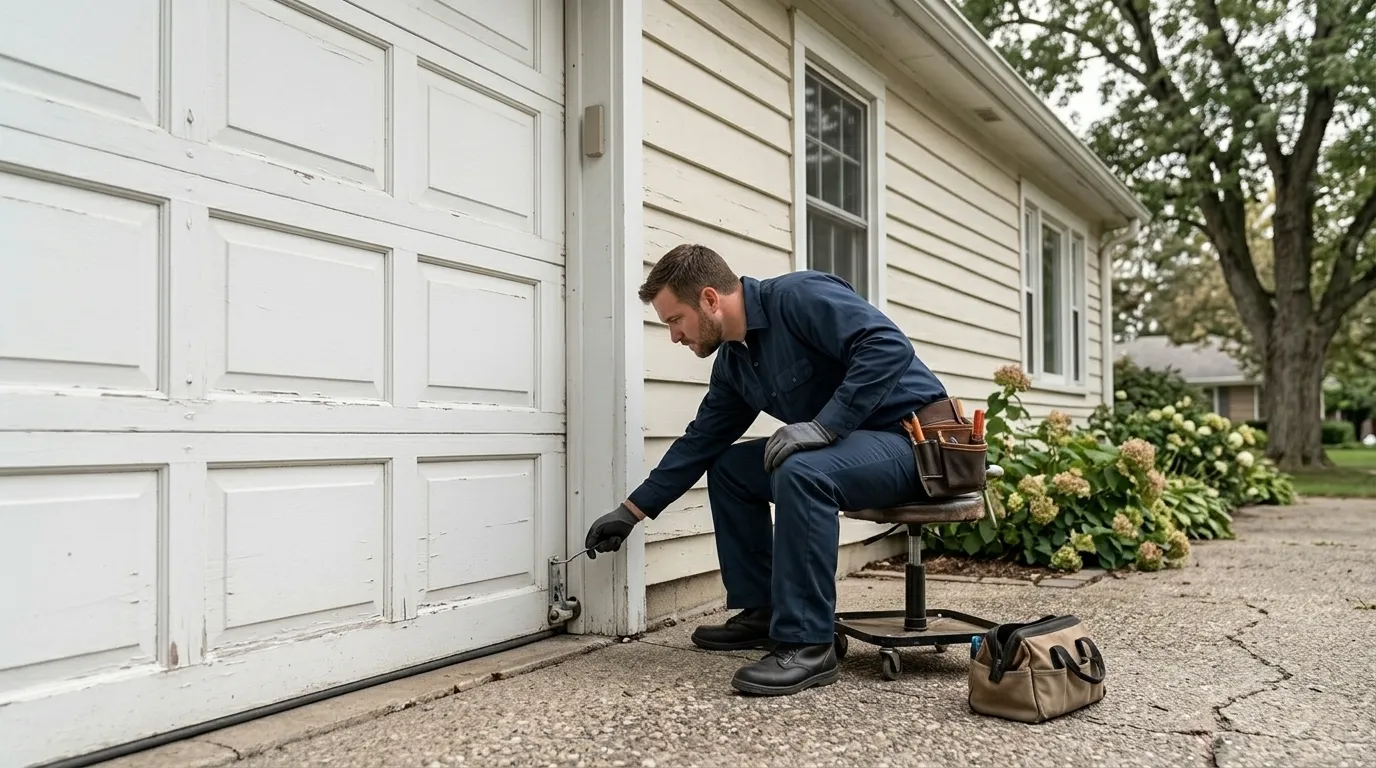
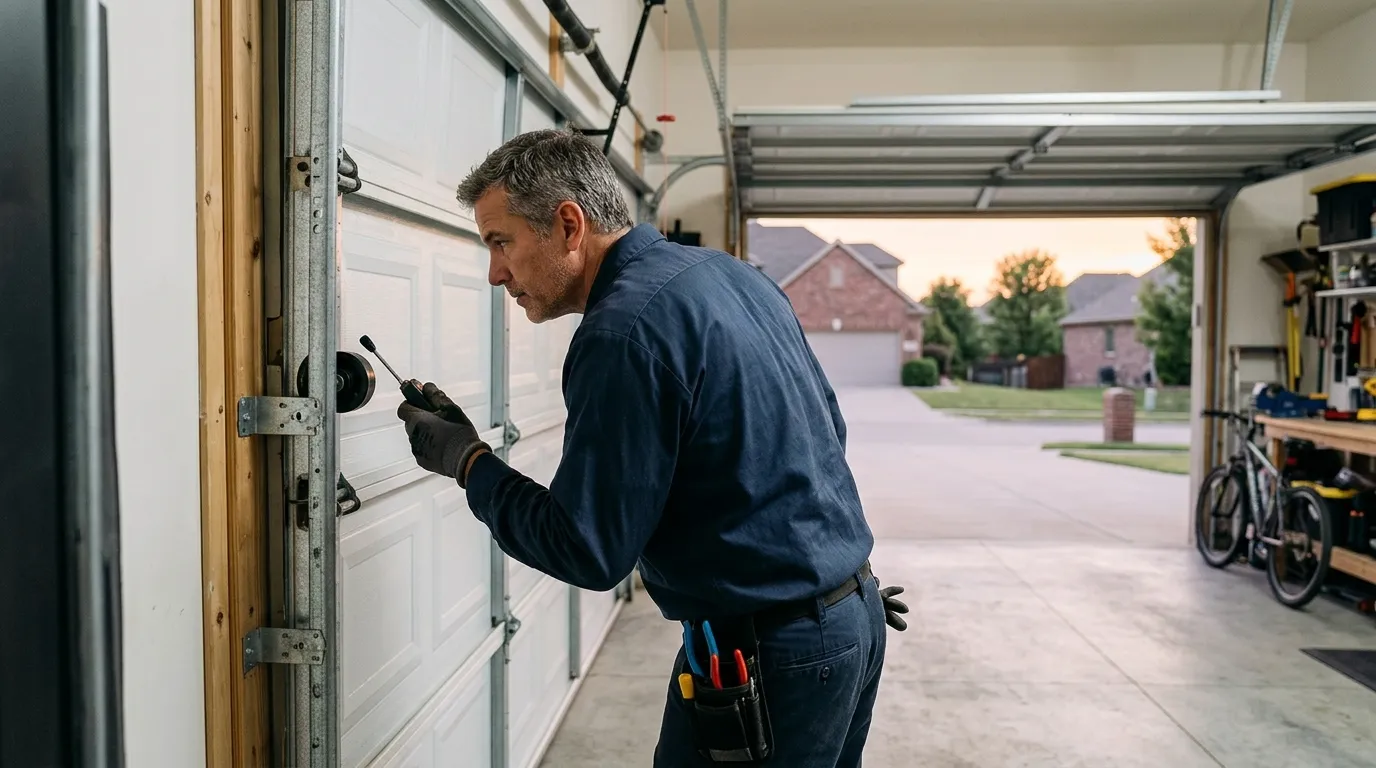
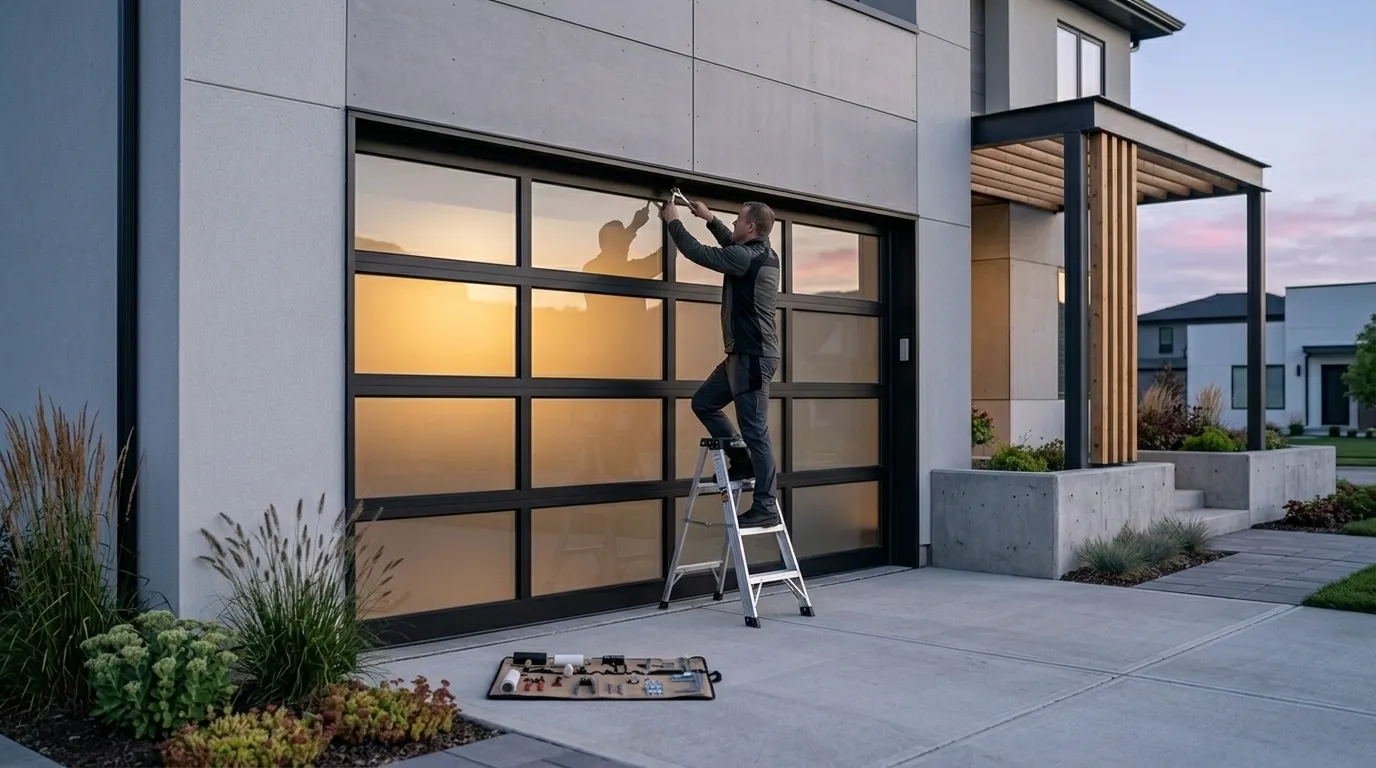
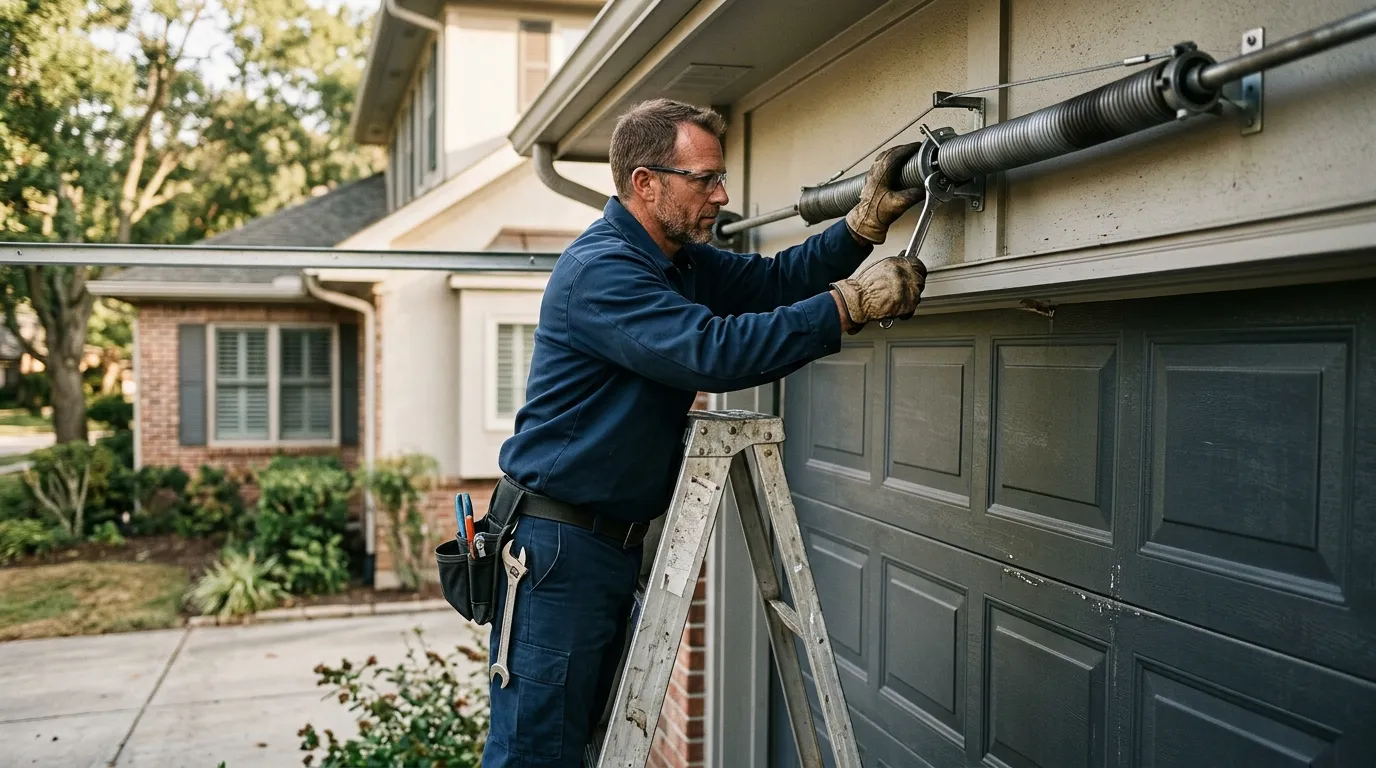
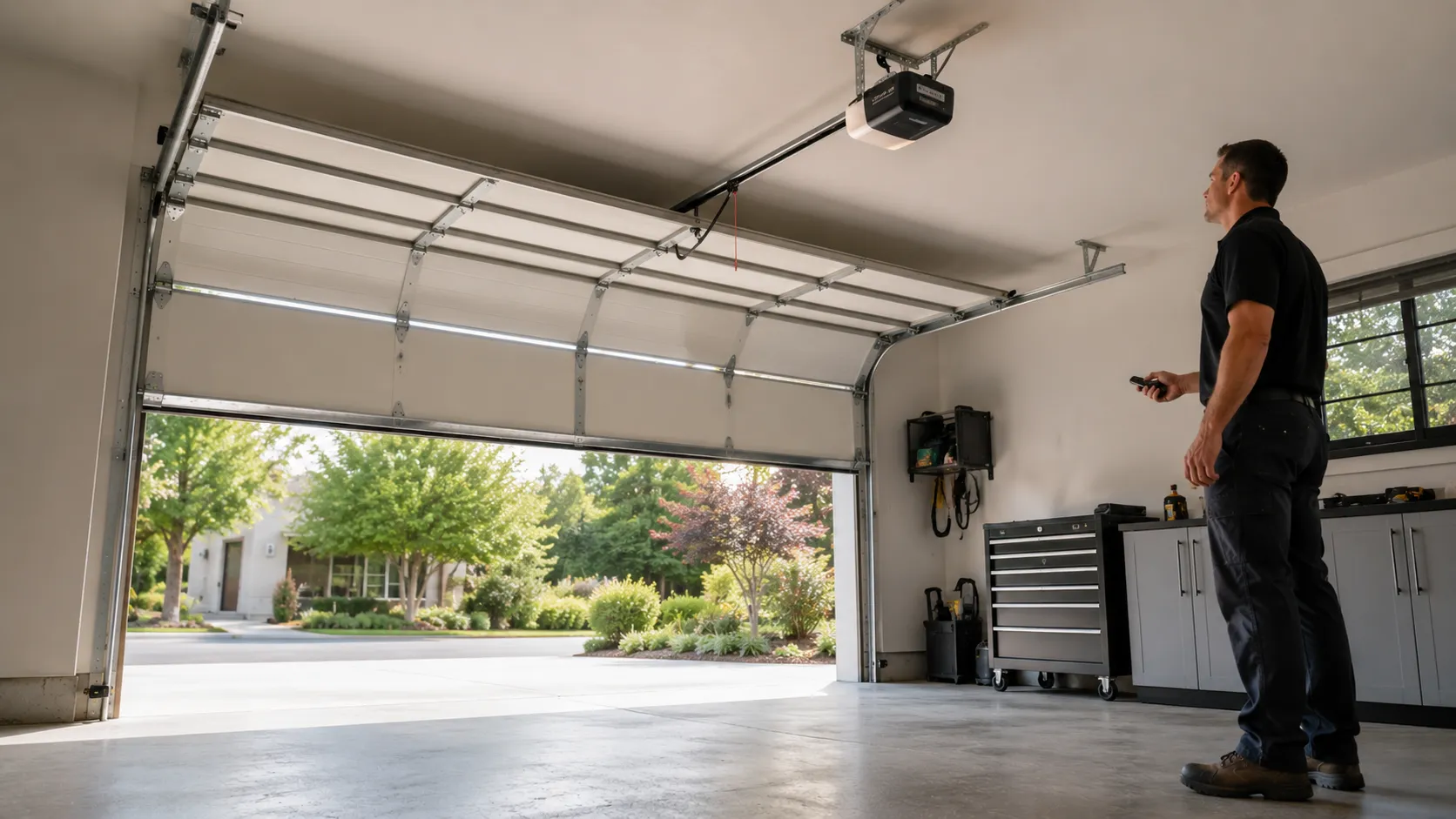
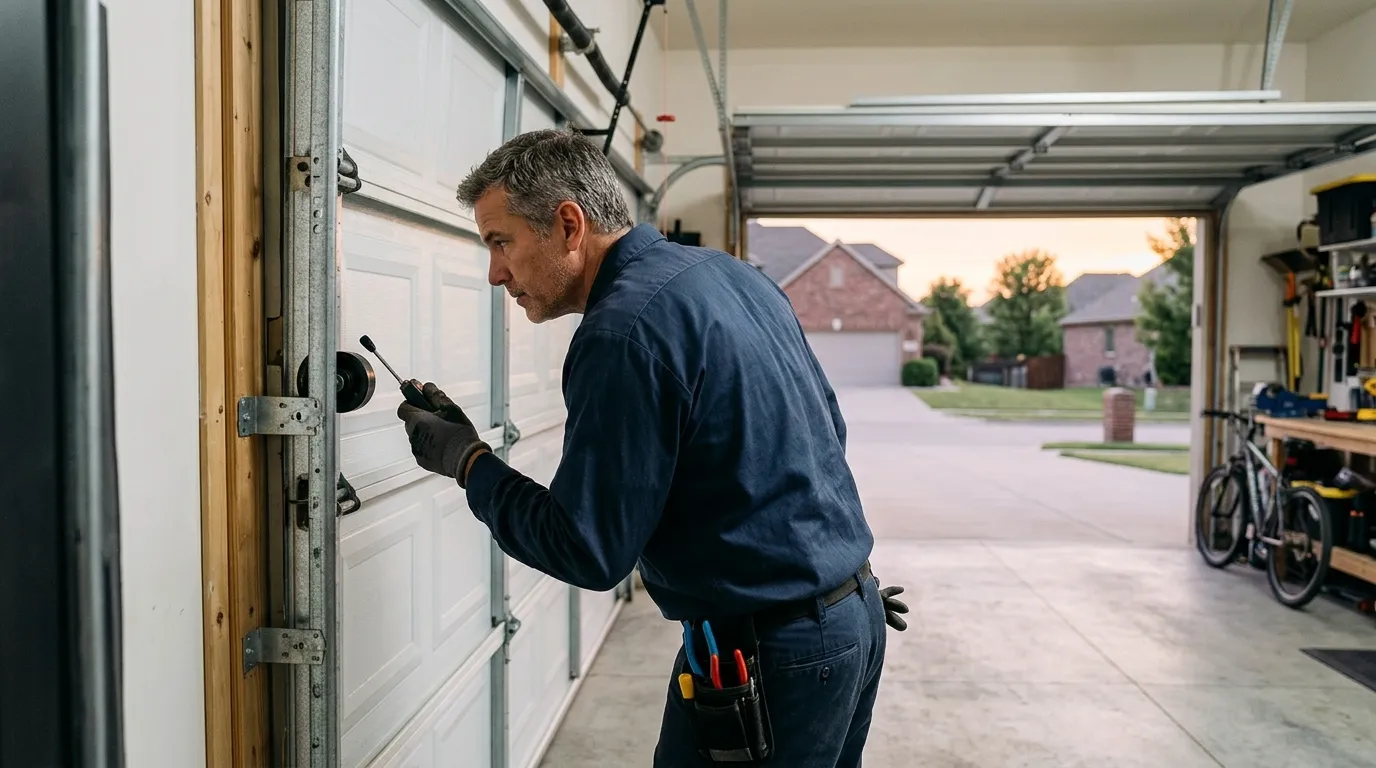
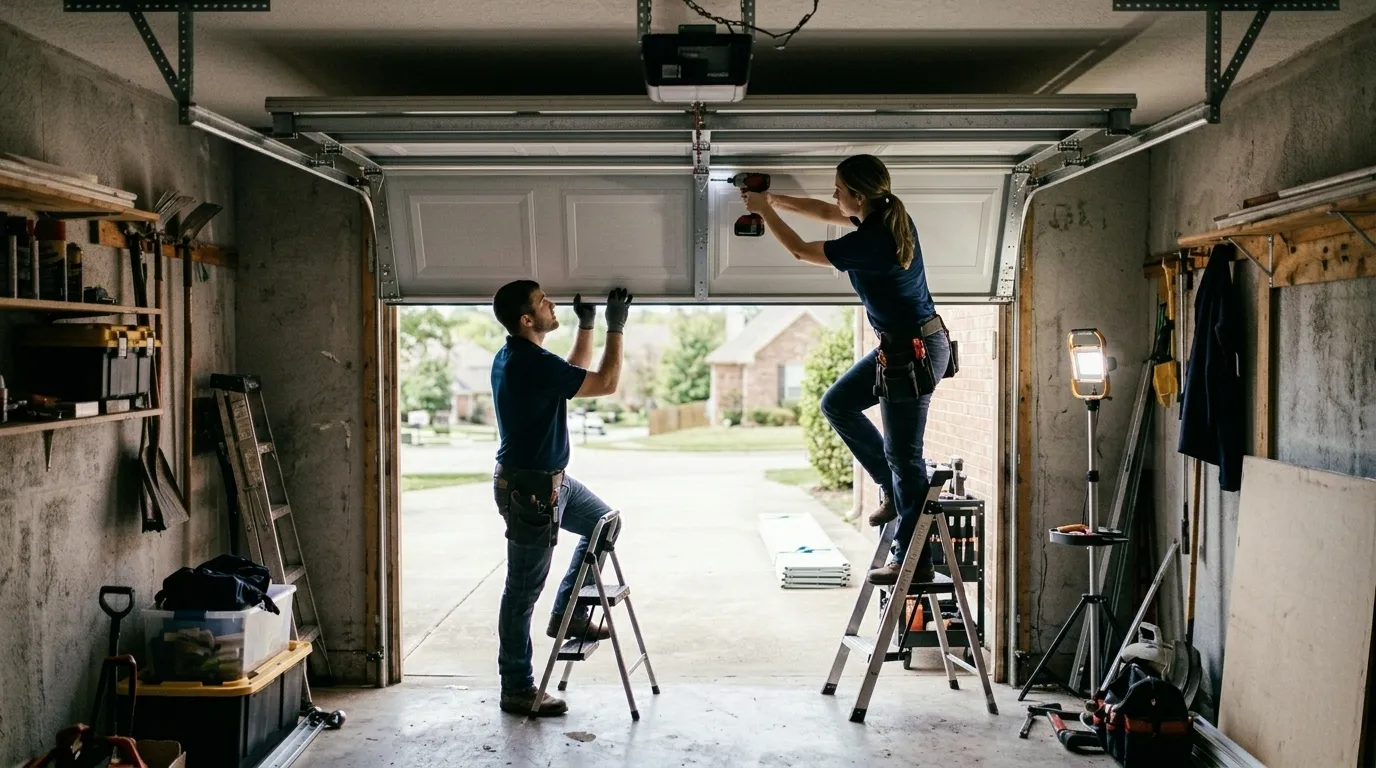
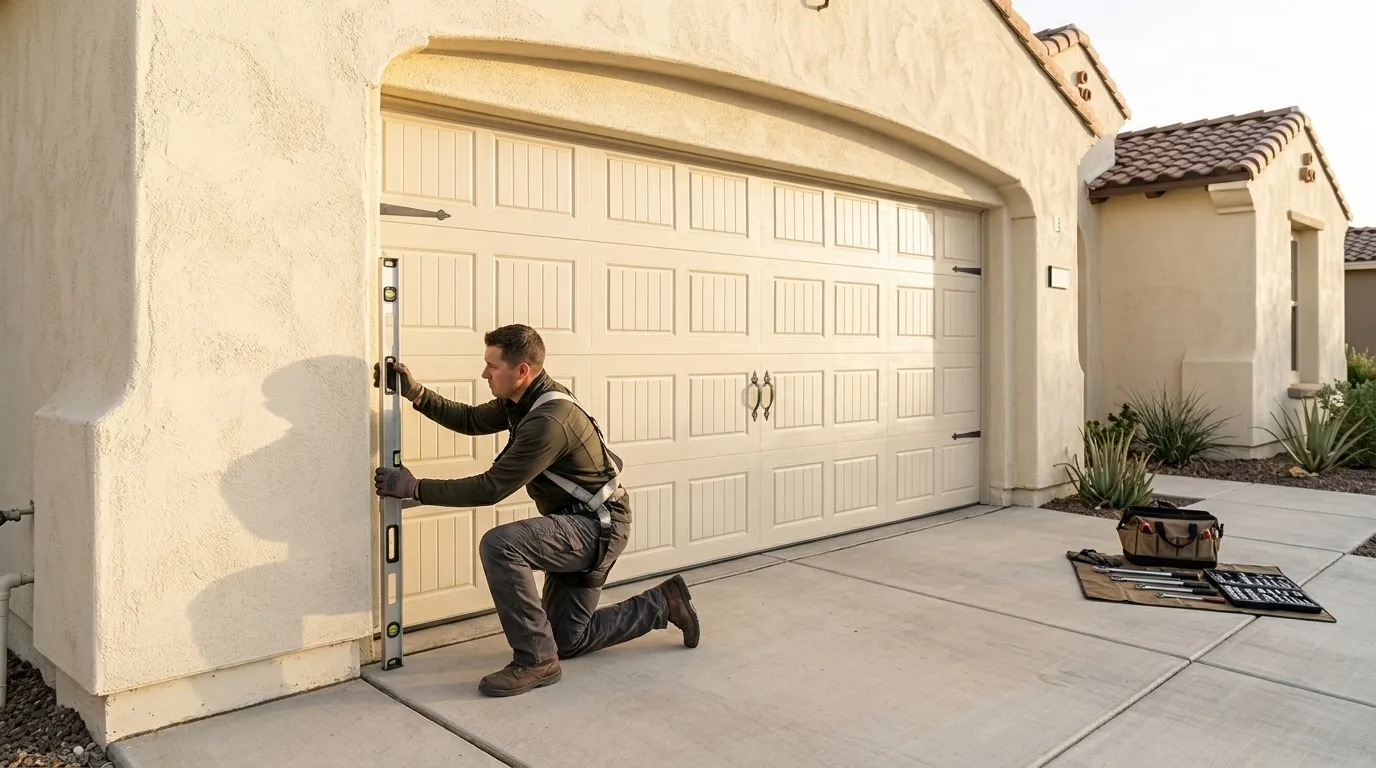
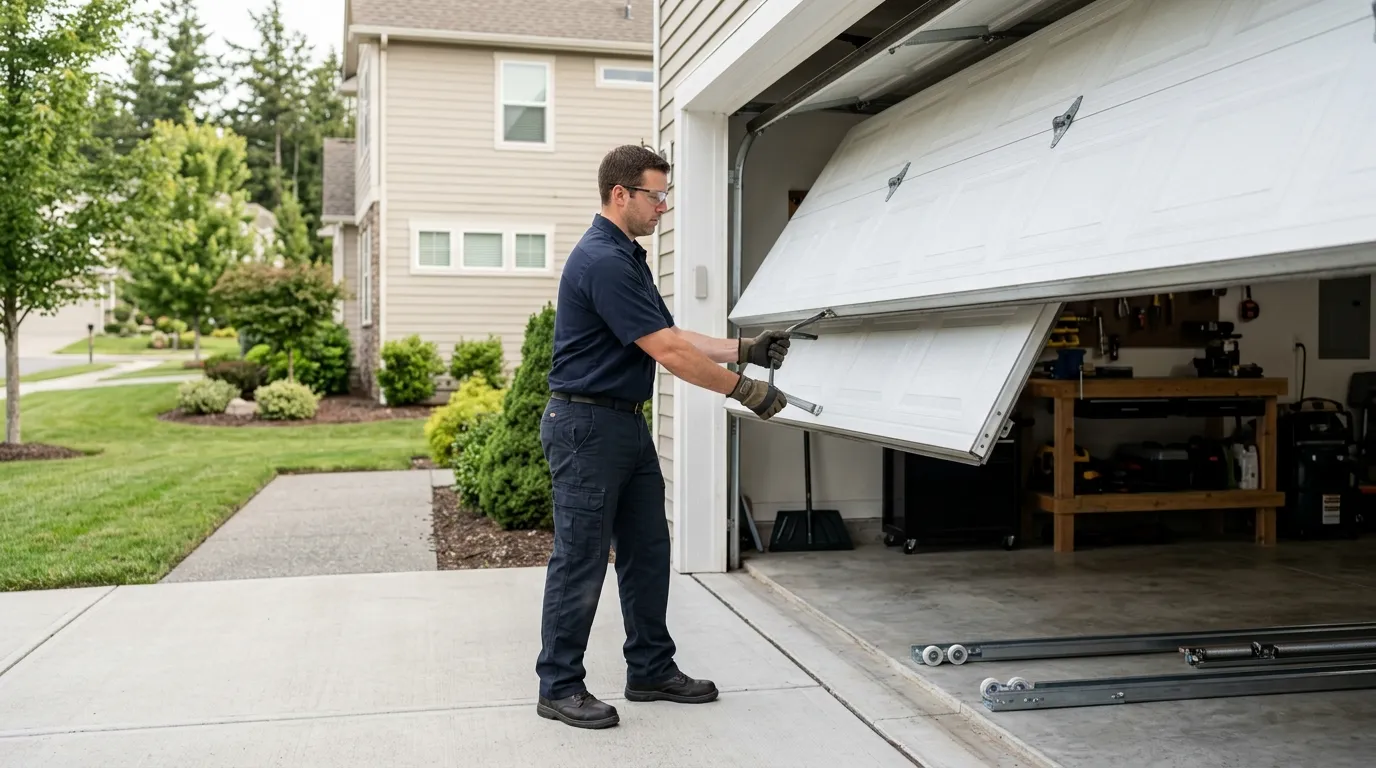
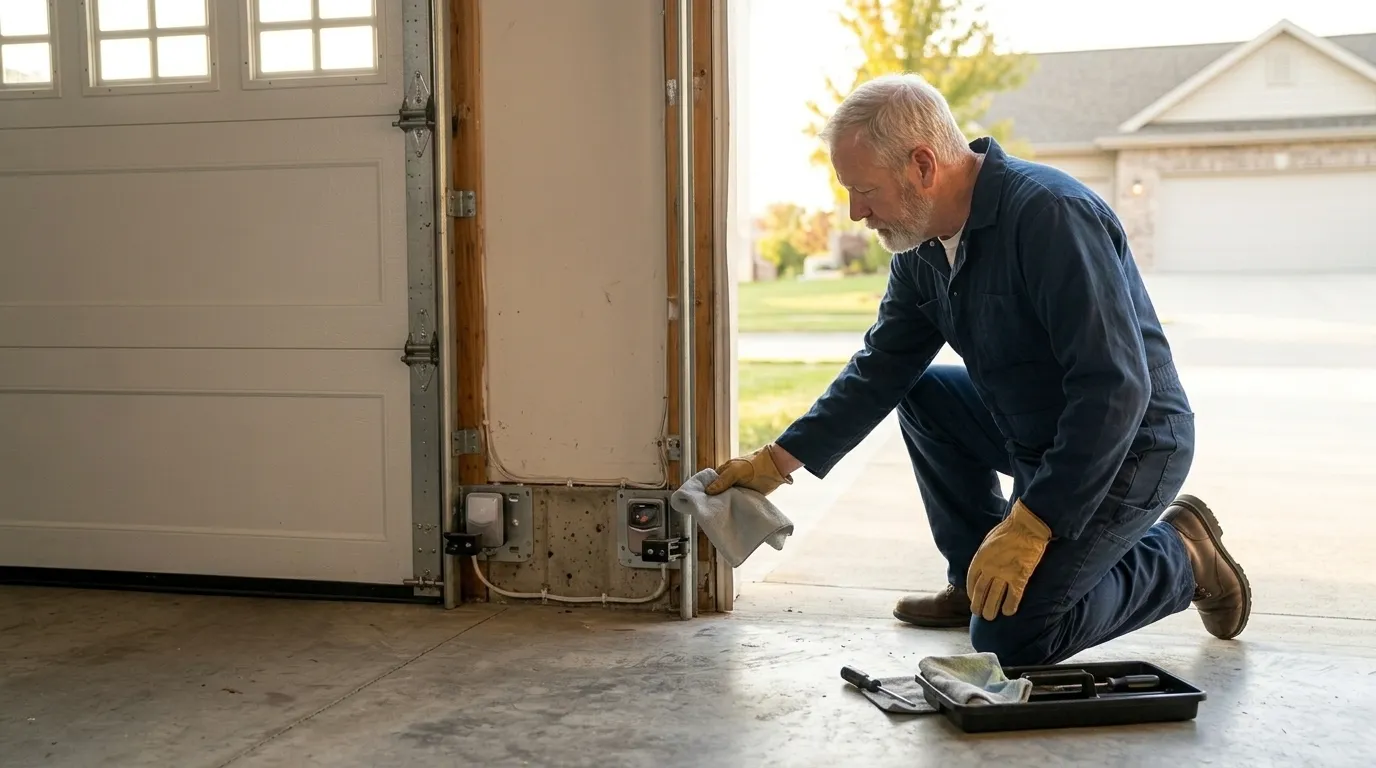
The opener runs but the door doesn't move, or it moves a few inches and reverses. Sometimes the motor hums and nothing happens at all. On a lot of the houses we get called to in this area, the opener itself is fine and the real problem is upstream of it - a spring that's lost tension, a track that's racked, or a sensor knocked out of alignment. Because most of the housing here dates to 1938 through 2004, with the bulk from the 1960s and 70s, we see openers paired with original or near-original hardware that was never built for the weight of a replacement door installed decades later. A homeowner swaps a door, keeps the old opener, and ends up with a motor straining against a load it wasn't sized for. The symptom looks electrical. It usually isn't. Other calls are the opposite - a newer opener bolted onto an old wood-jamb header that's shifted with the house, so the travel limits drift every few months. Either way, the fix starts with figuring out which side of that pairing actually failed, not just resetting the unit and hoping.
Why It Happens Here
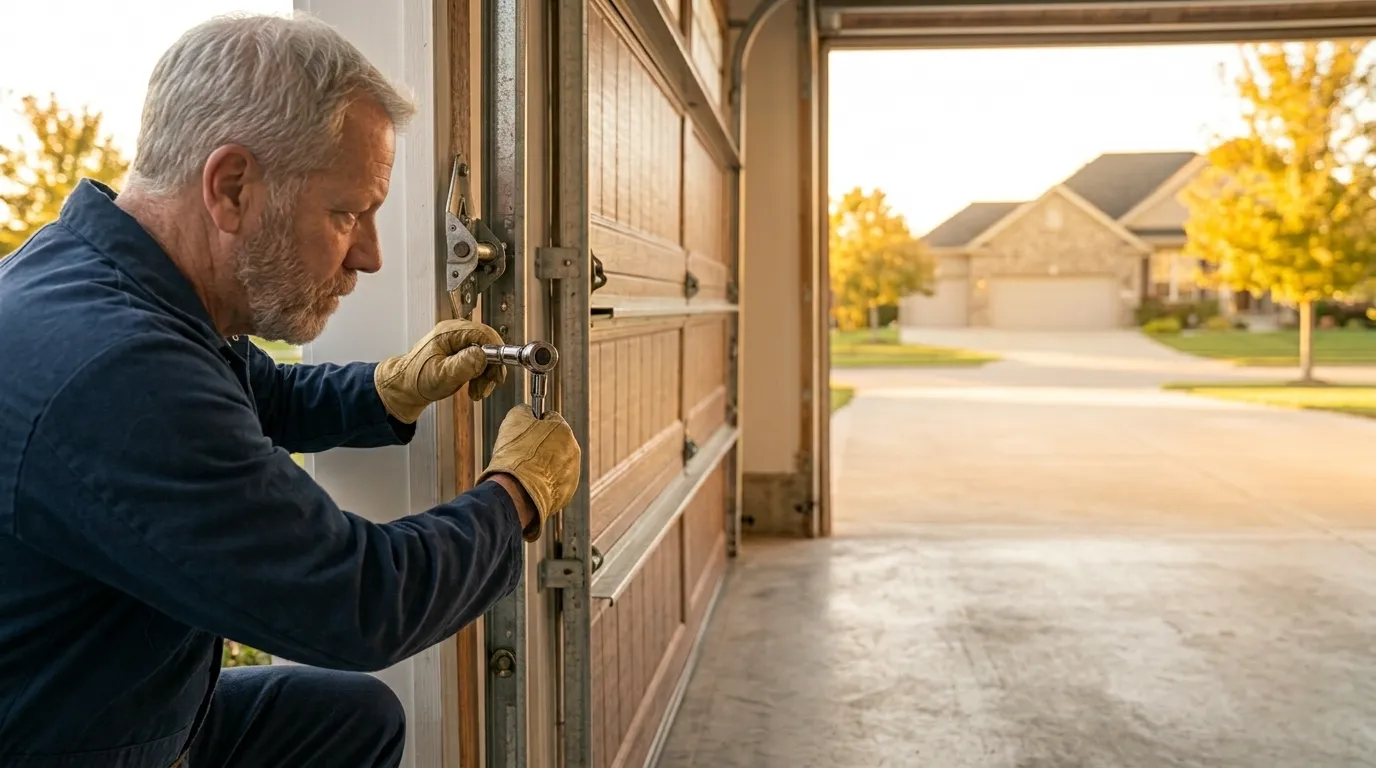
Cold is the other half of it. This area sits in a severe cold climate band, and opener motors, capacitors, and logic boards all lose tolerance for error once garage temperatures drop for weeks at a time. Nylon drive gears that were marginal in September strip in January. Steel springs that were slightly weak all summer finally let go on the coldest morning of the year, and the opener takes the blame because it's the last thing that moved before the door stopped. Add in housing stock that runs 1960s-70s across most of the neighborhoods we work in, and you get a lot of garages that were never insulated to begin with - so the opener lives in the same temperature swings as the outside air, all year, every year. That's not a flaw in any one brand of opener. It's what happens when 50-to-80-year-old structures meet motors and boards that expect a controlled environment. We don't sell insulation work here, but we'll tell you straight if that's the actual root cause before we touch the opener.
What Is on the Truck
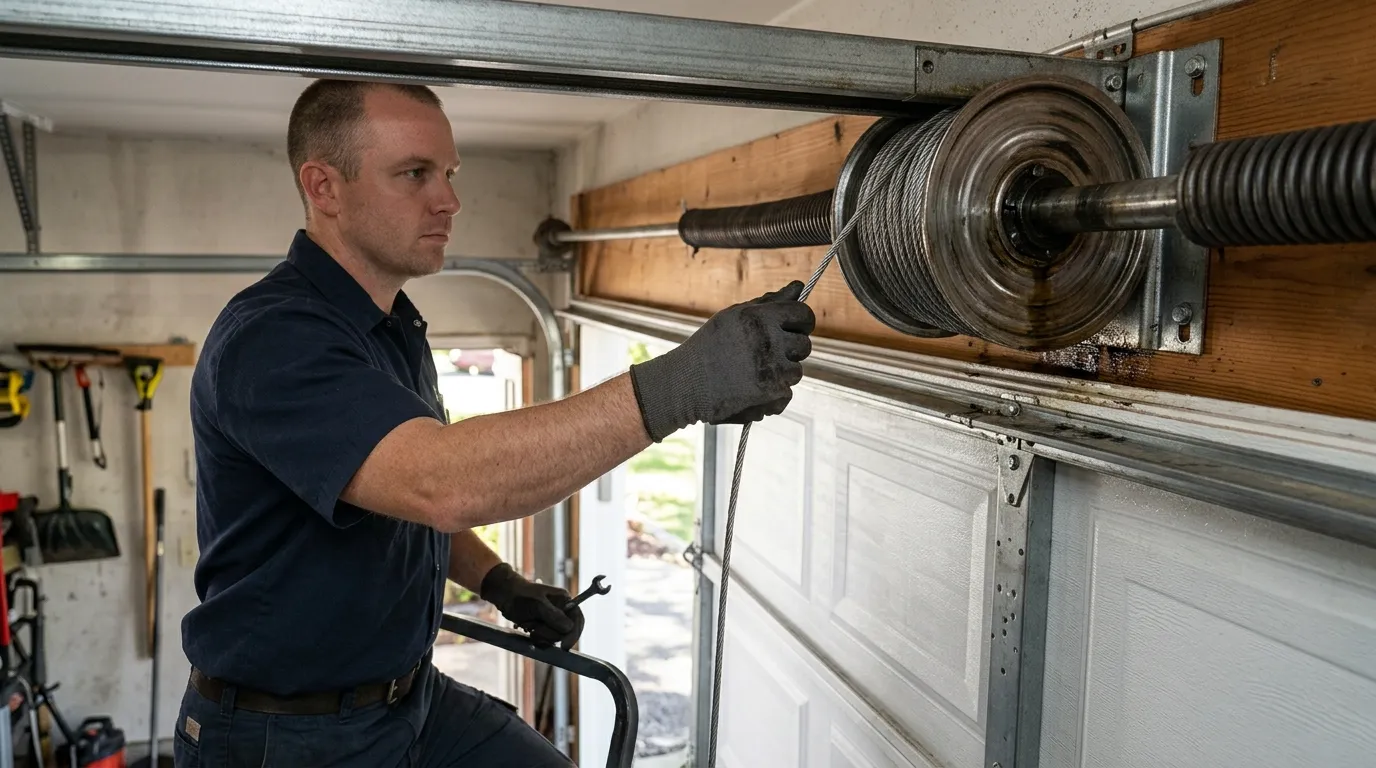
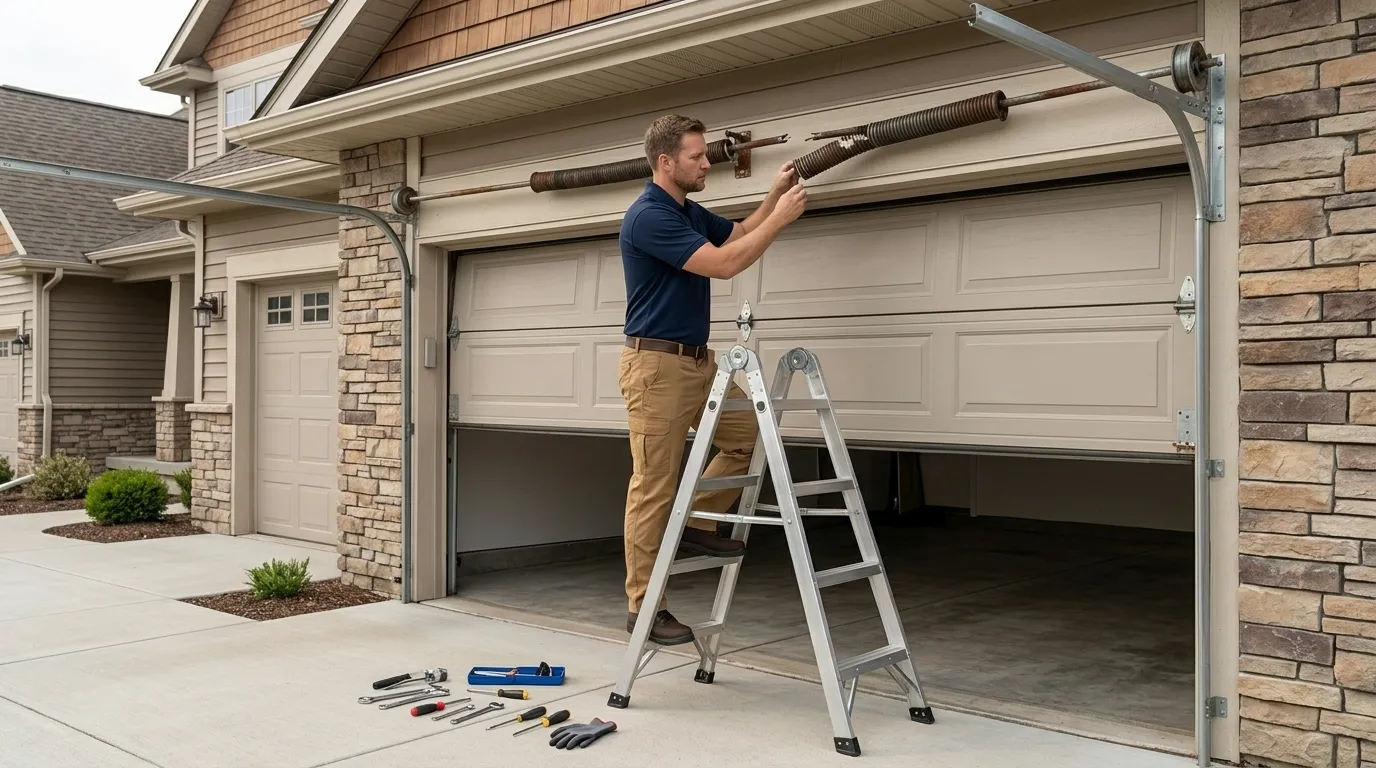
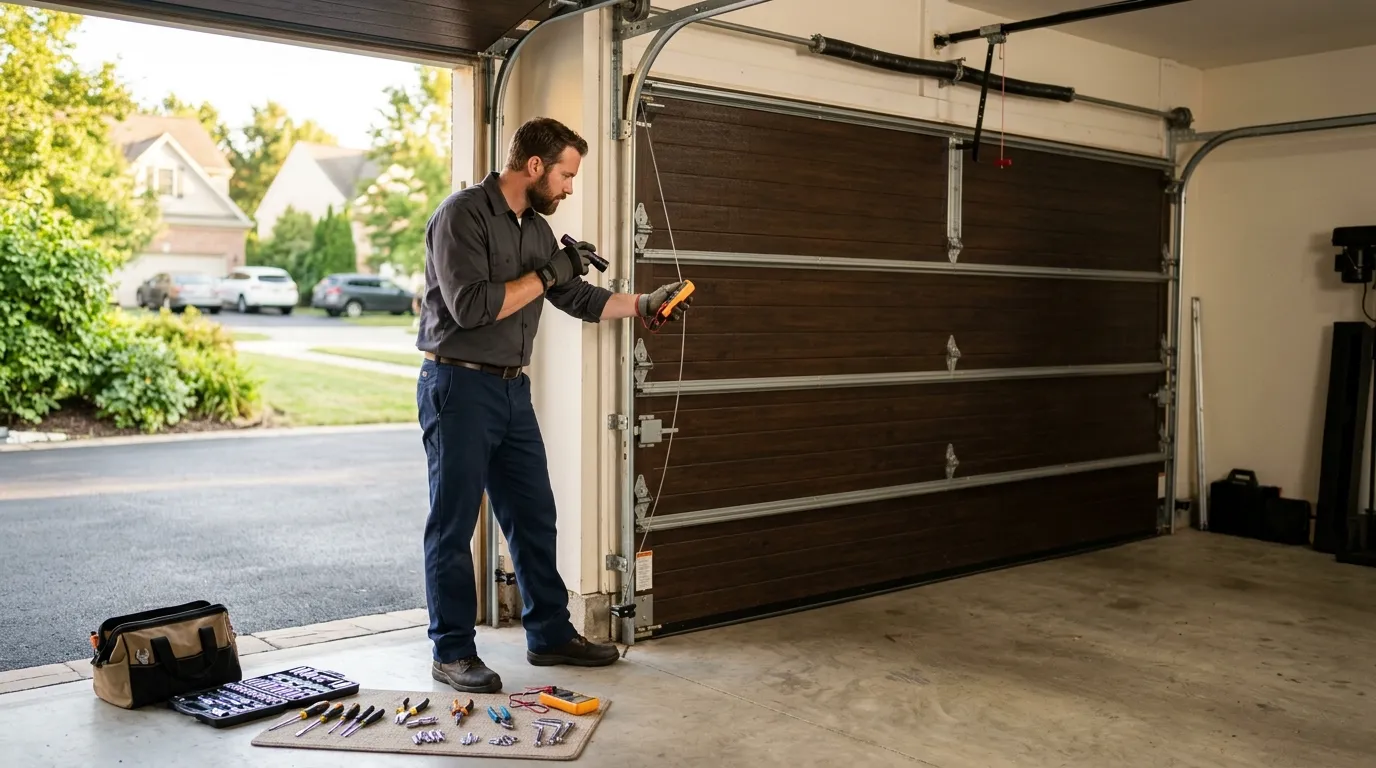
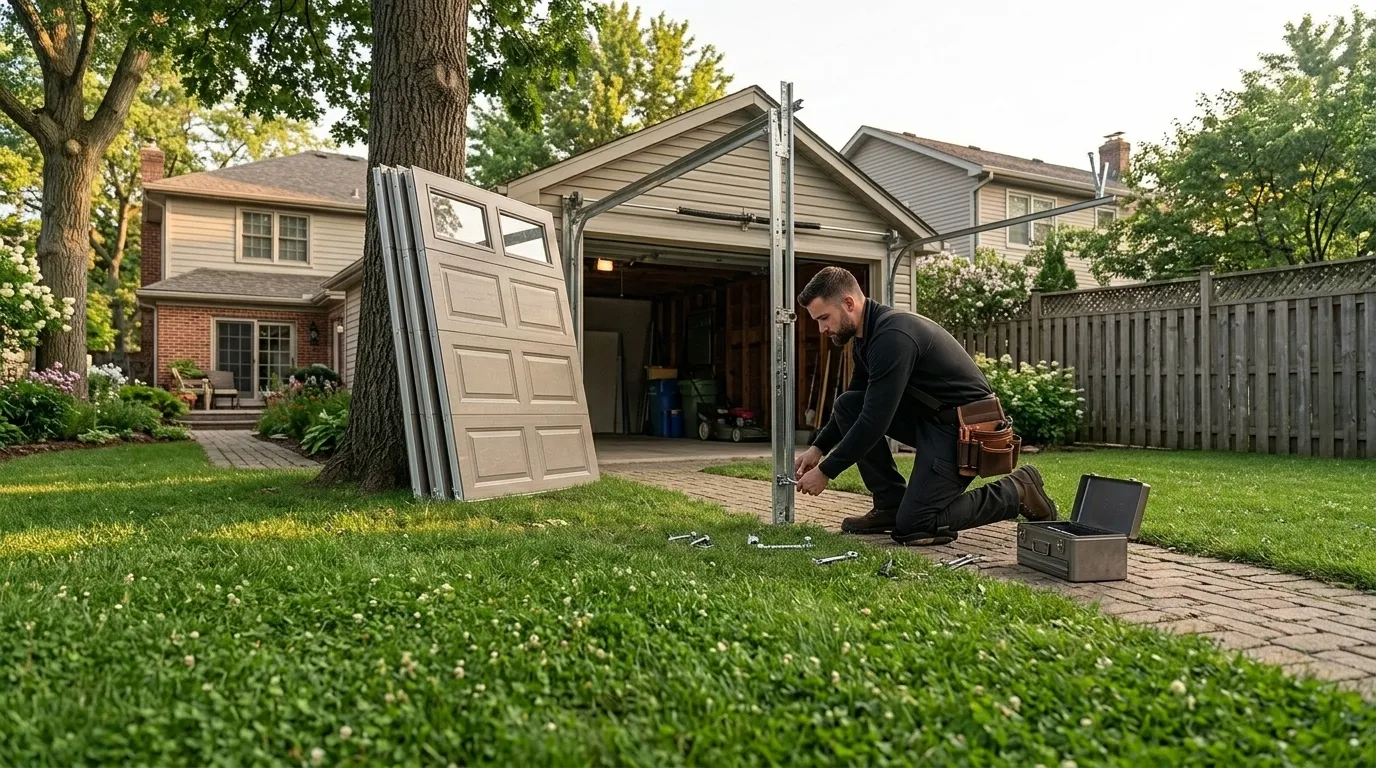
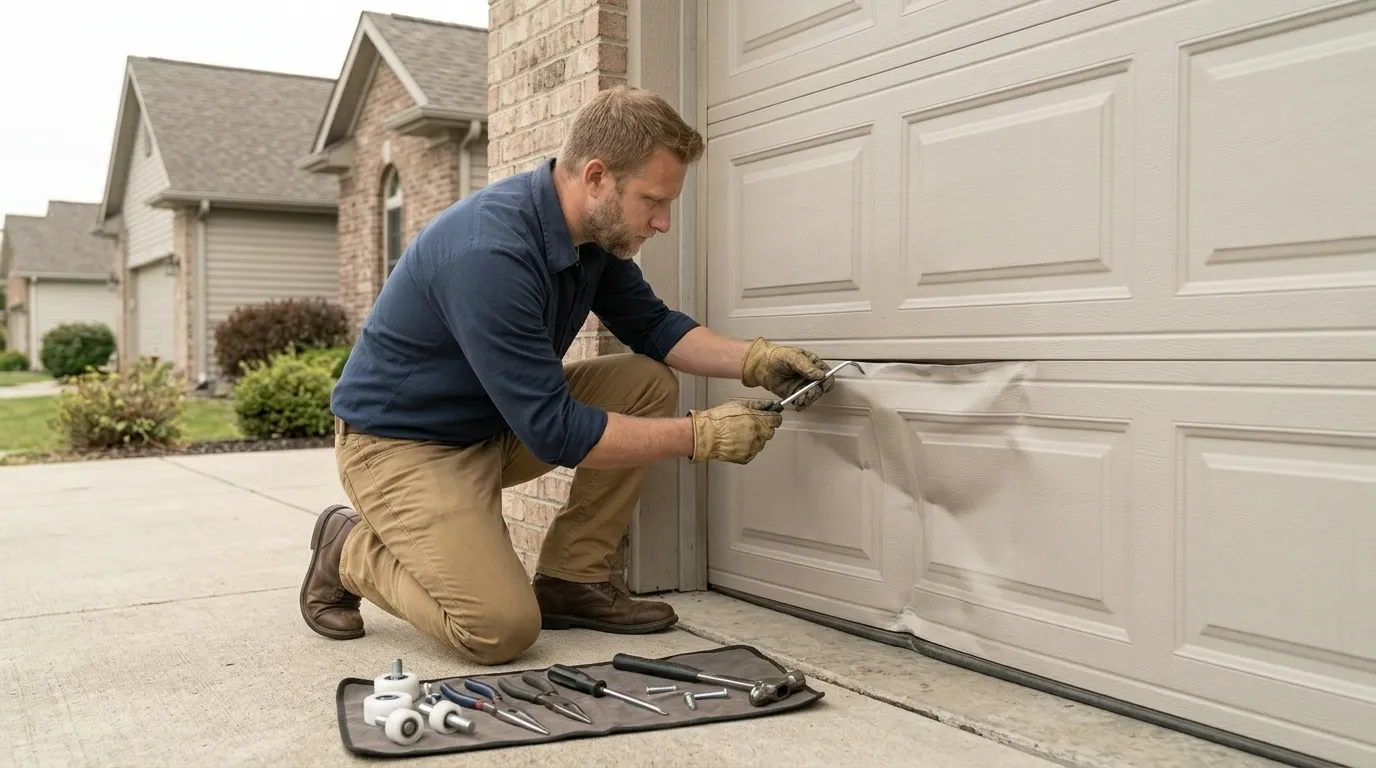
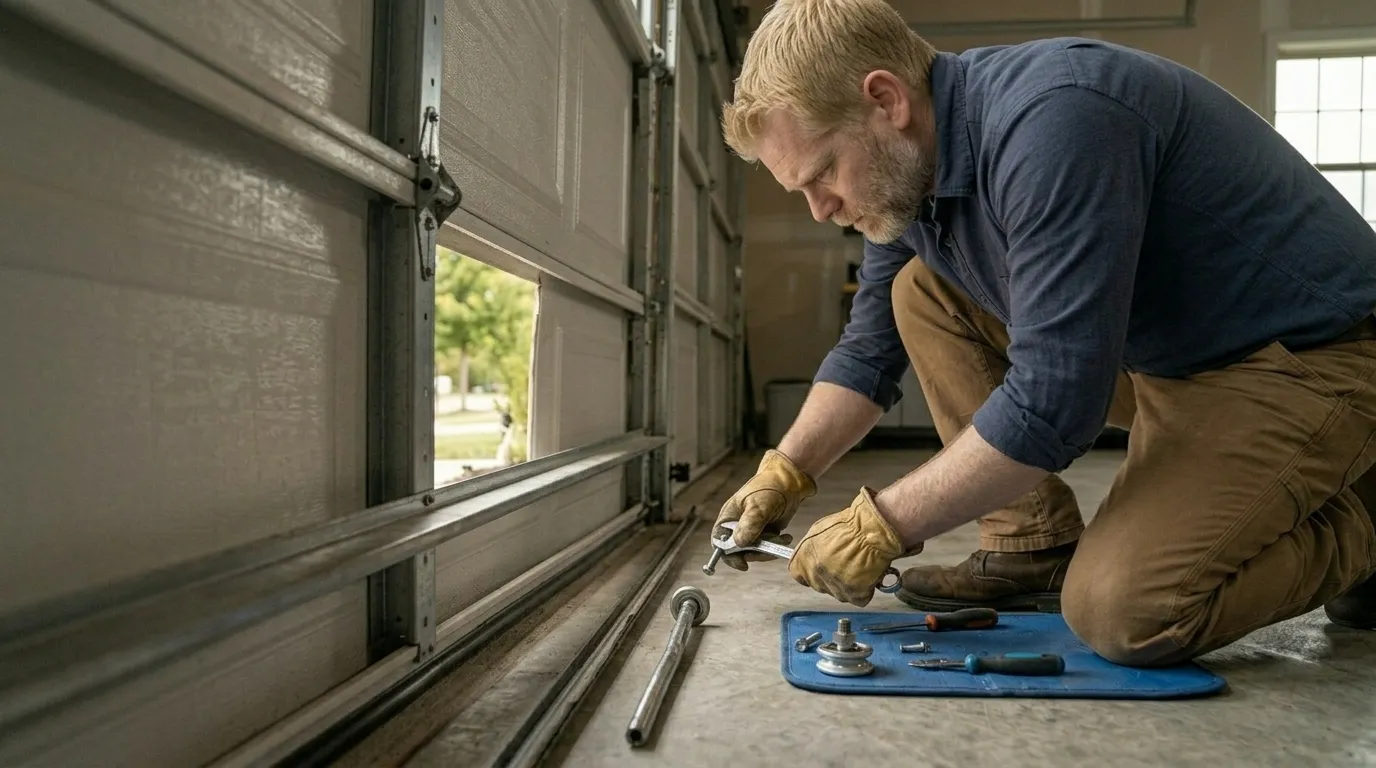
We carry the sensor pairs, drive gears, belts, chains, and logic boards that fail most often across the opener brands common in this area's housing stock, plus the wall units and remotes that go with them. Springs and cable stock ride separately, because balance problems show up on the same calls often enough that we don't want to make a second trip for something we could have caught the first time. Some parts - certain discontinued boards, older proprietary remotes - aren't stock items and have to be ordered, and if that's the case we'll tell you the lead time instead of guessing. Across the roughly 205,438 owner-occupied houses in this service area, openers vary a lot by age and brand, so the truck is stocked for range, not for one manufacturer's parts bin.