Doing It Yourself
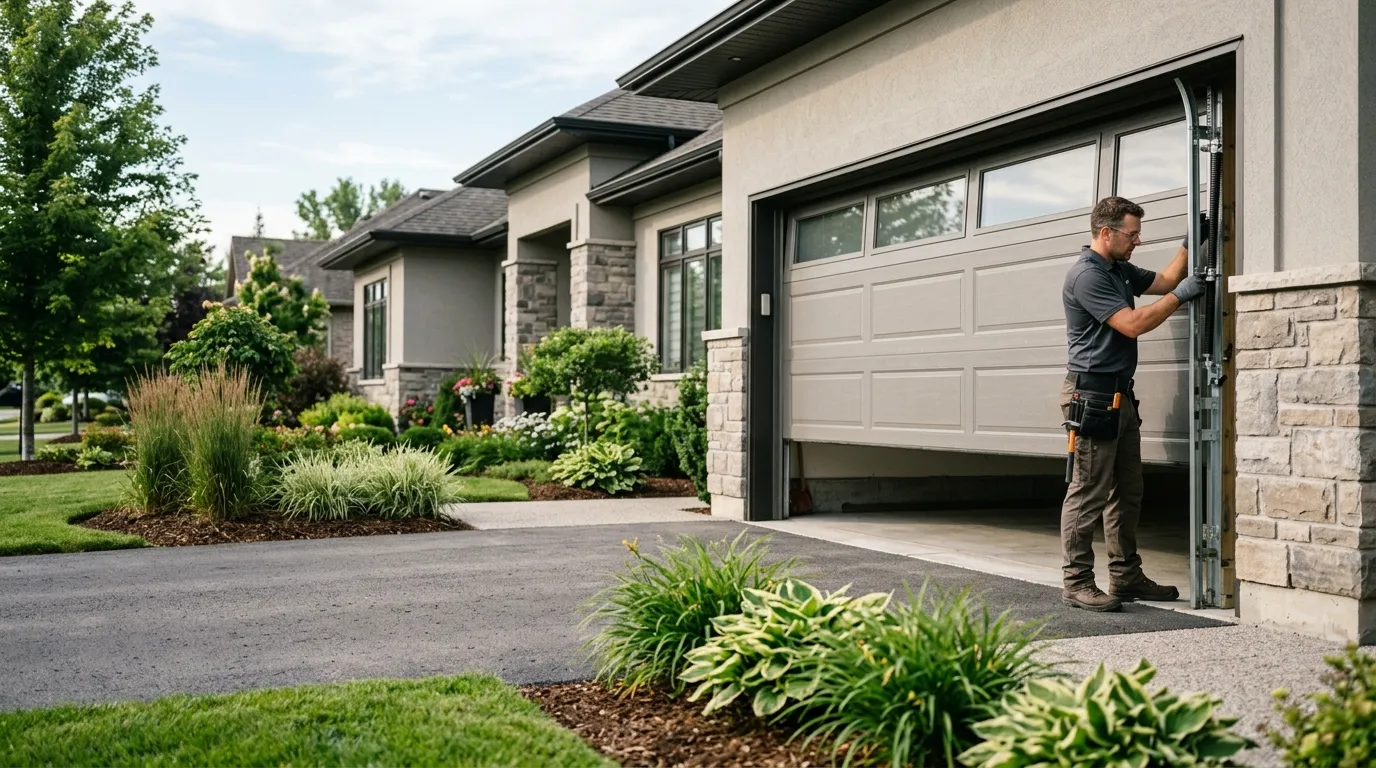
A house in Parma Heights going up in 1959 got a door with steel rollers riding in a track that was never designed for anything else. Sixty-some years on, a lot of that original hardware is still in there, because rollers don't announce themselves the way a broken spring does - they just get louder and grind harder until someone finally calls about it. If your door sounds like a shopping cart with a bad wheel, that's usually the roller, not the opener.
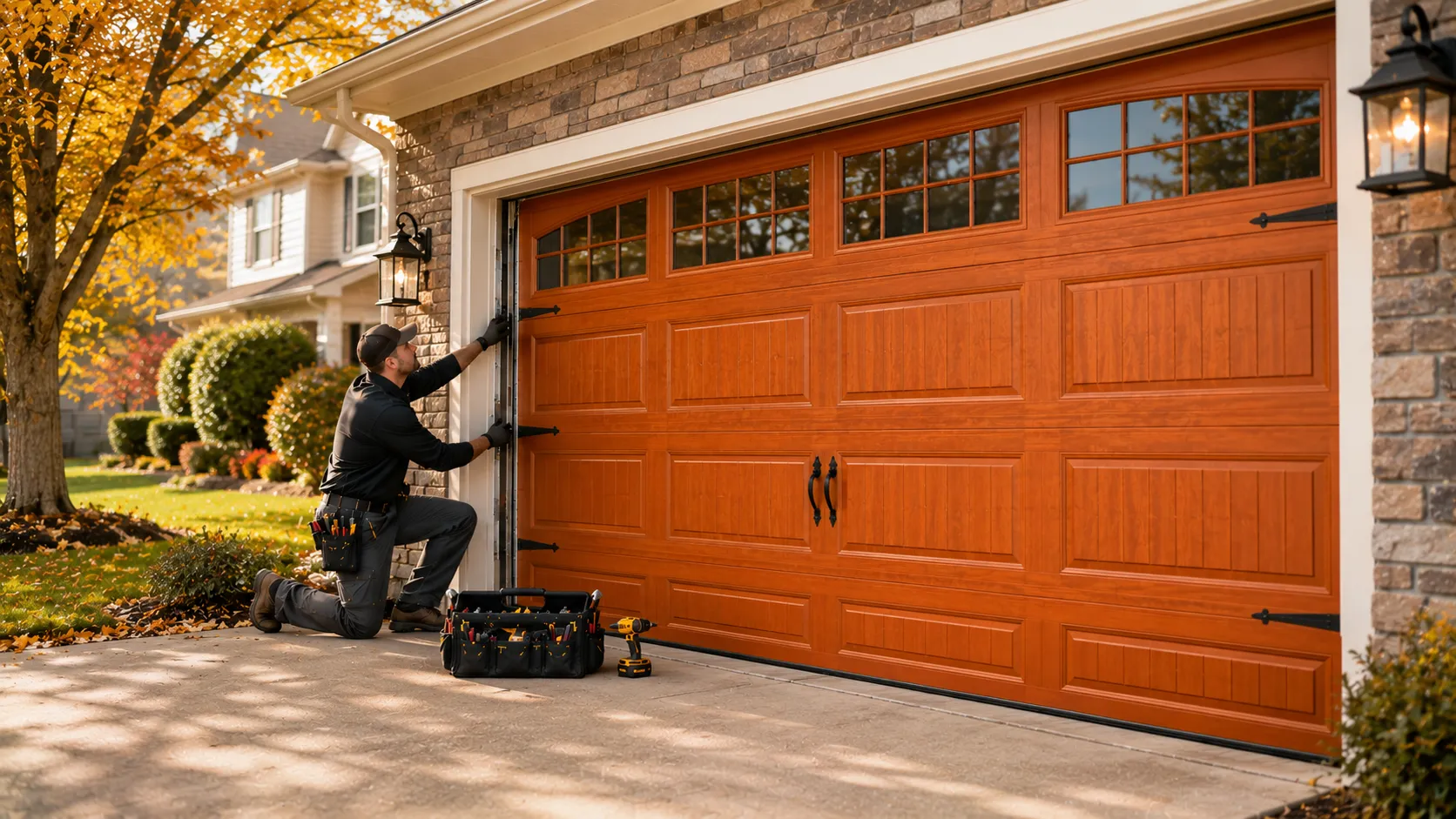
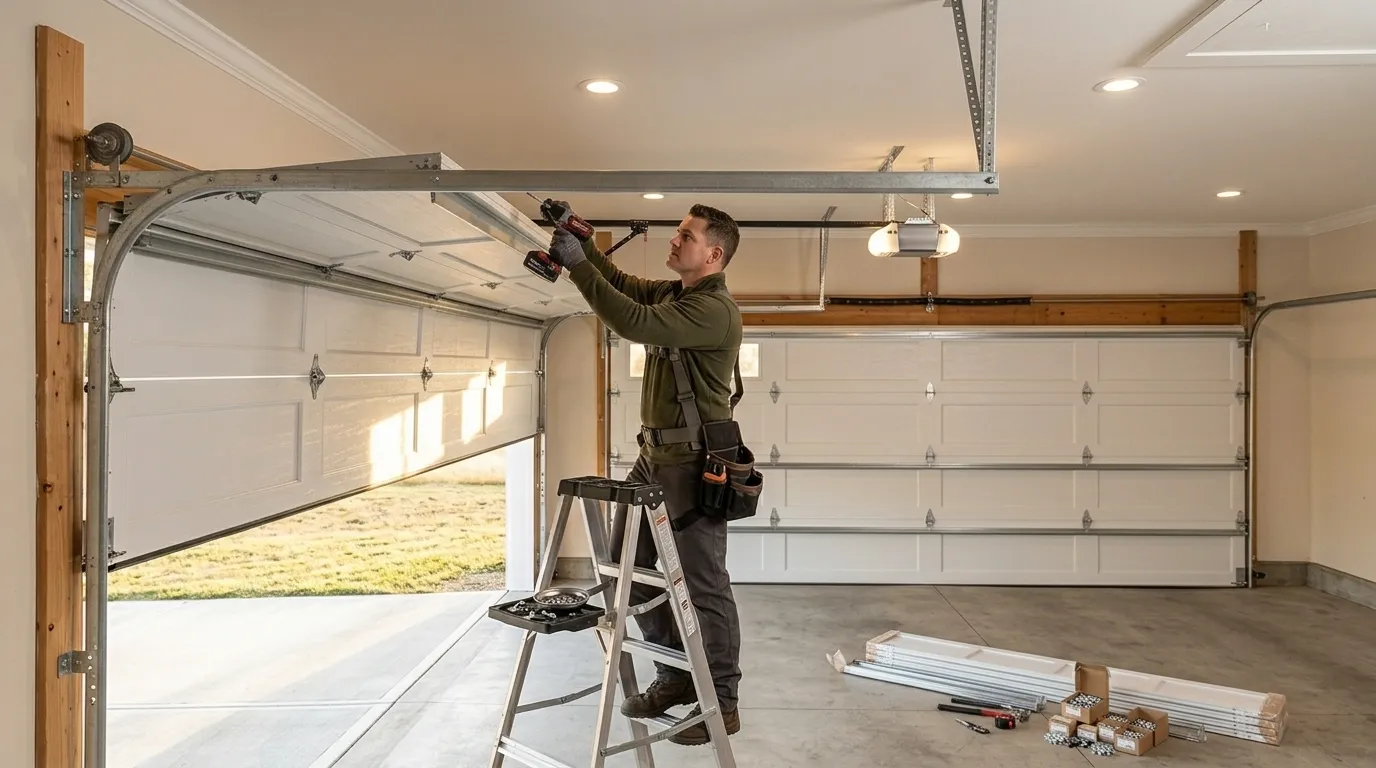
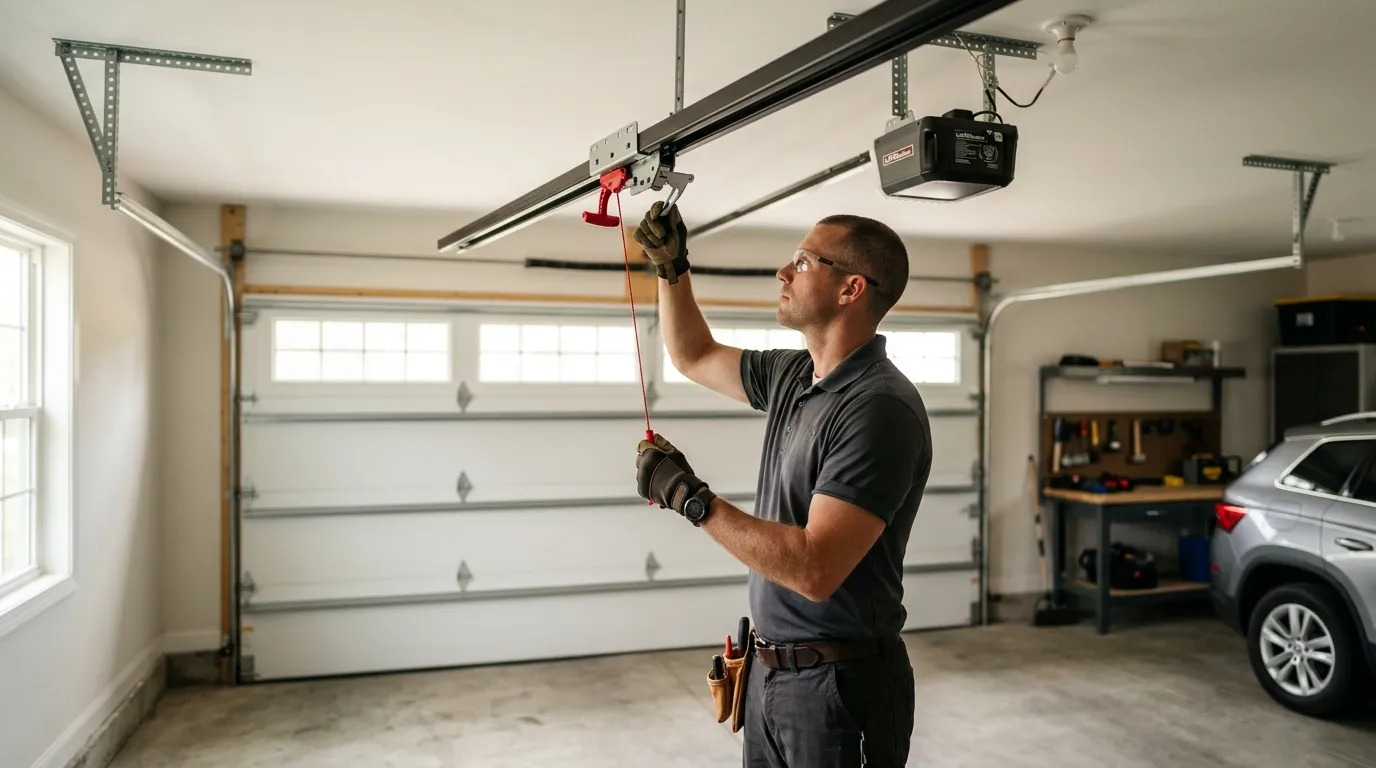
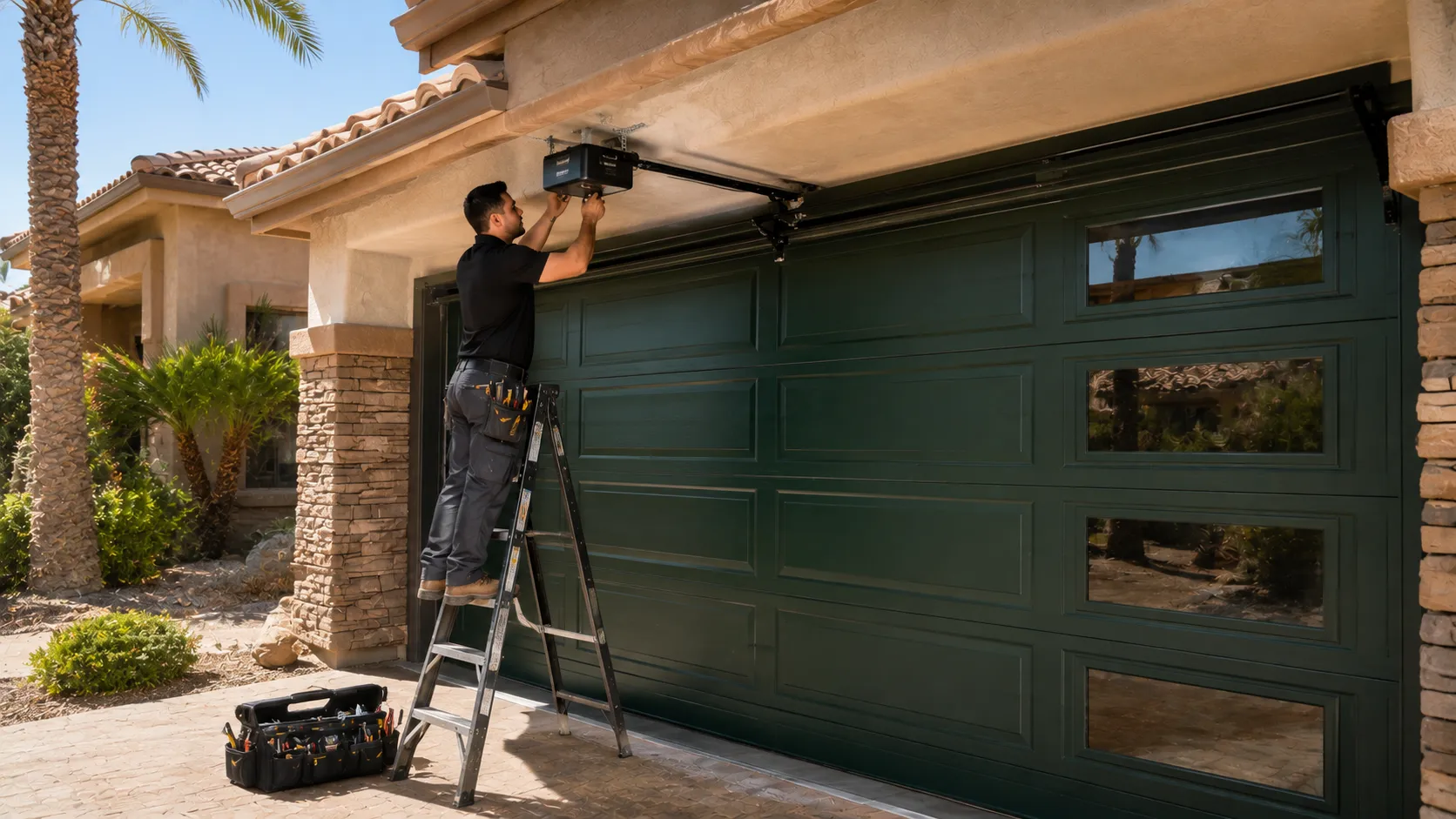
Swapping a roller yourself is possible if you know what you're doing: unclip the retaining bracket, slide the roller out of the track, slide the new one in. The part where people get hurt is the top roller on a tensioned track, or trying to do this with the spring still loaded. If you've never had the door apart before, that's the one to hand off. Cold-climate steel gets brittle in a way it doesn't down south, so a stem that looks fine can snap the second you lever it. We'd rather you call than lose a finger to a $6 part.
If you do want to try it, do the bottom rollers first - they're low-risk and let you see the wear pattern before you touch anything near the spring.
Where This Job Goes Sideways
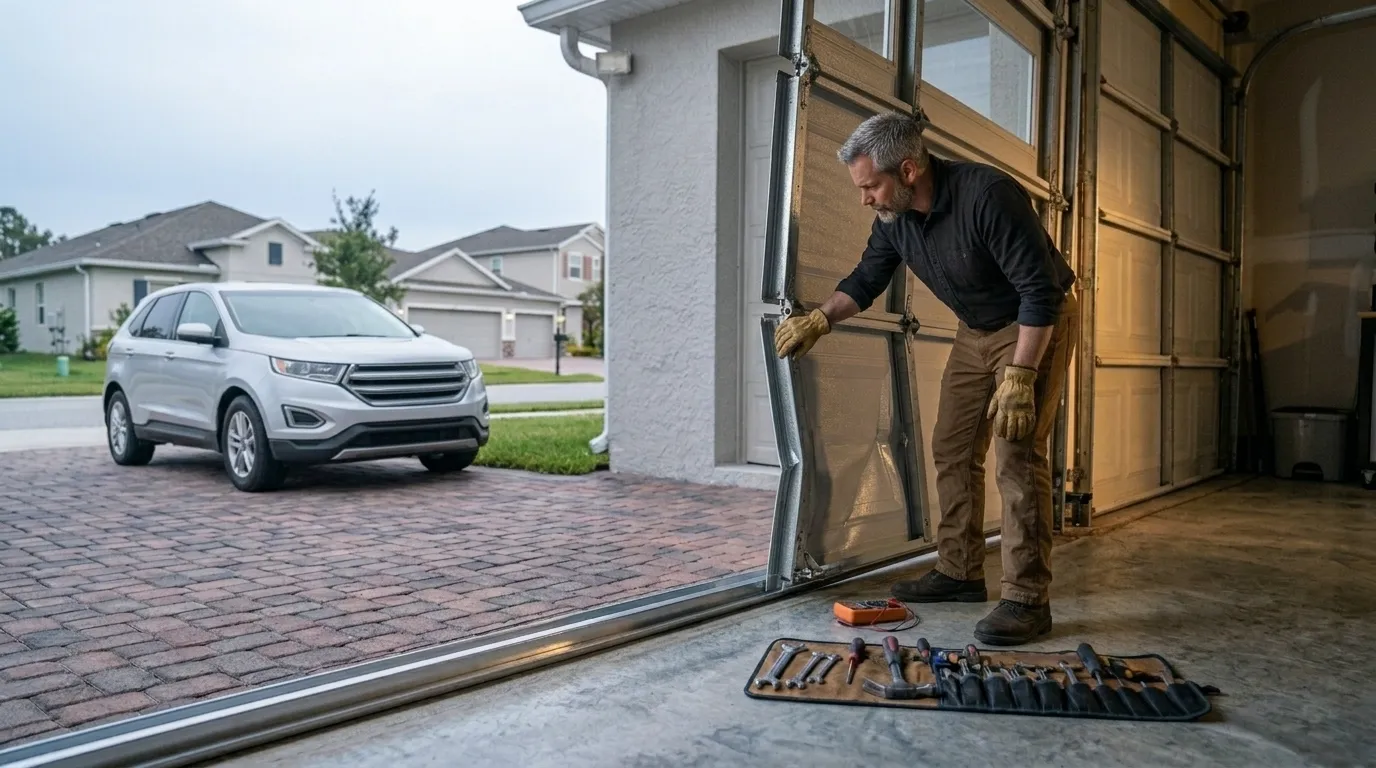
On a house this age, the roller is rarely the only thing that's original. The track was set to match steel rollers, and if someone already swapped in nylon without adjusting the track gap, the door rides rough no matter how new the roller is. We see this a lot in Parma Heights because the housing stock is tight - 1959 median build year means the track hardware and the roller are usually the same generation, wearing out together instead of one covering for the other.
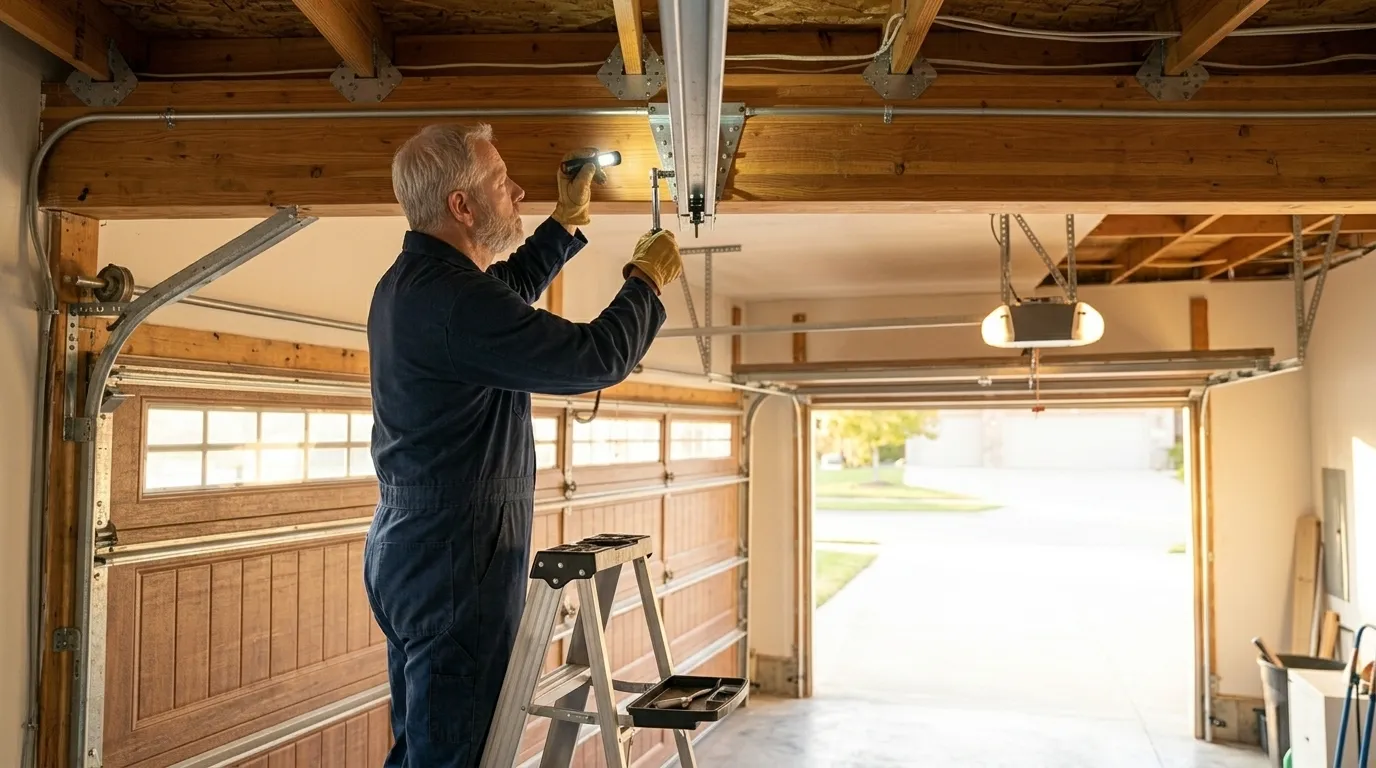
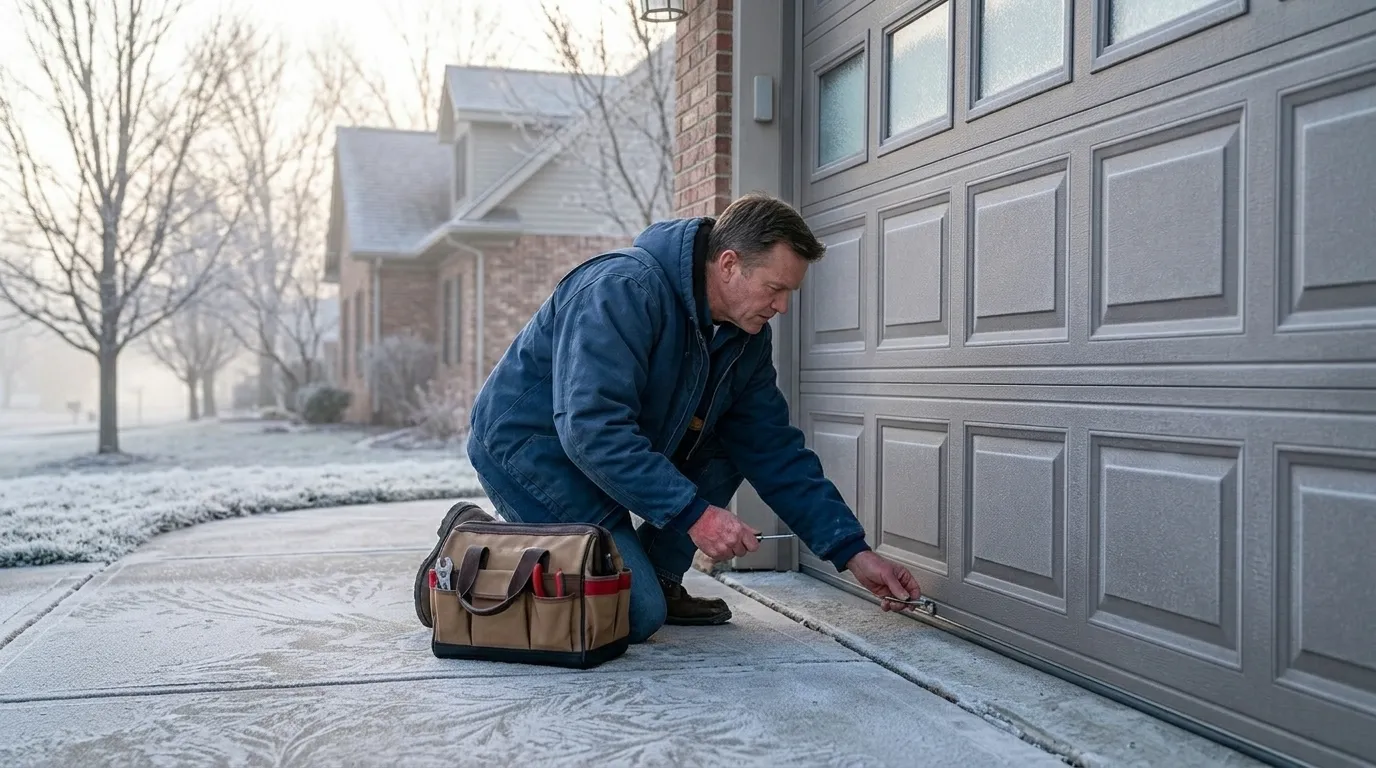
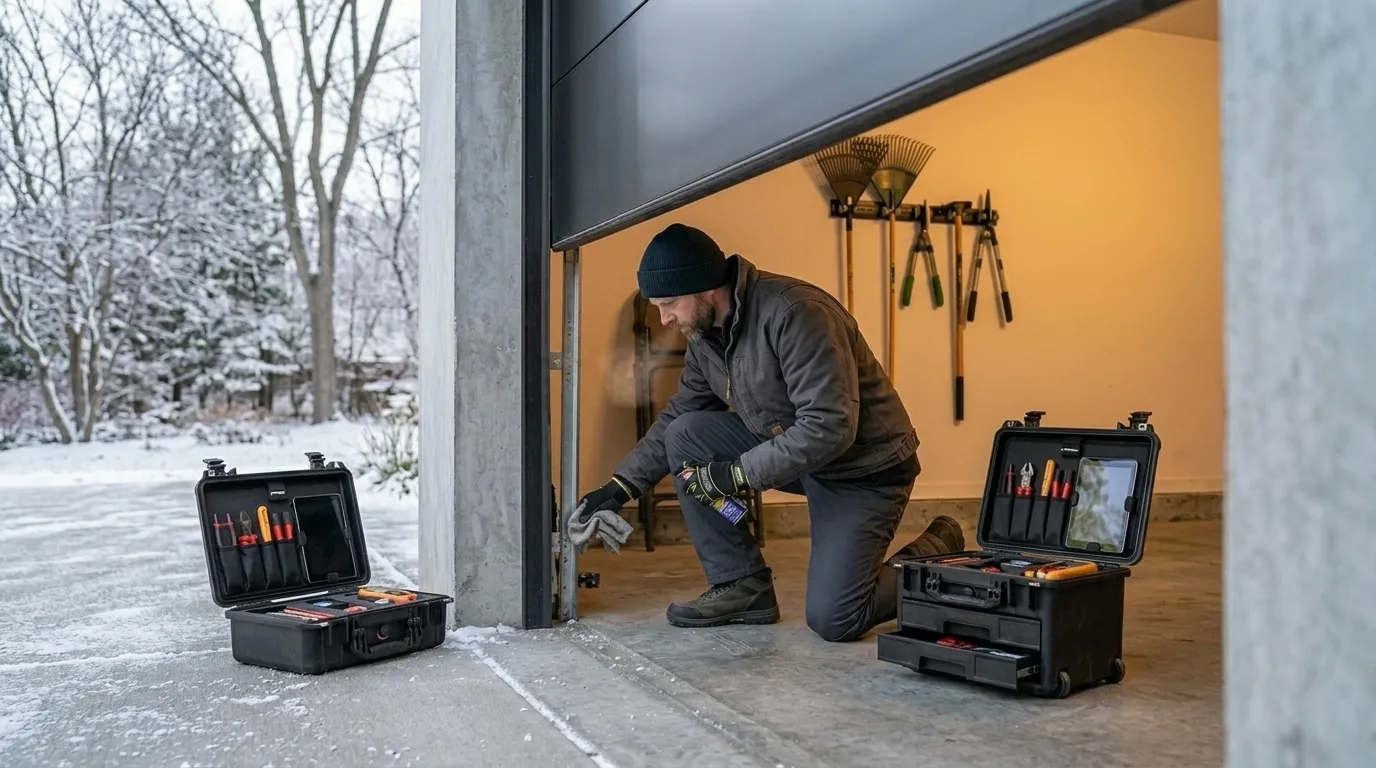
Cold makes it worse. Ohio winters stiffen the grease in an old track, and a roller that's marginal in July will bind hard in January. If the door's been sticking only in cold weather, that's not a new roller's job to fix alone - the track needs cleaning and realignment too, or you're back here in a year.
The other place this goes sideways: people replace one bad roller and leave the other nine original. Steel rollers wear as a set. If one's gone, the rest are close behind, and doing them one at a time means more truck visits than doing all ten now.
Time on the Job
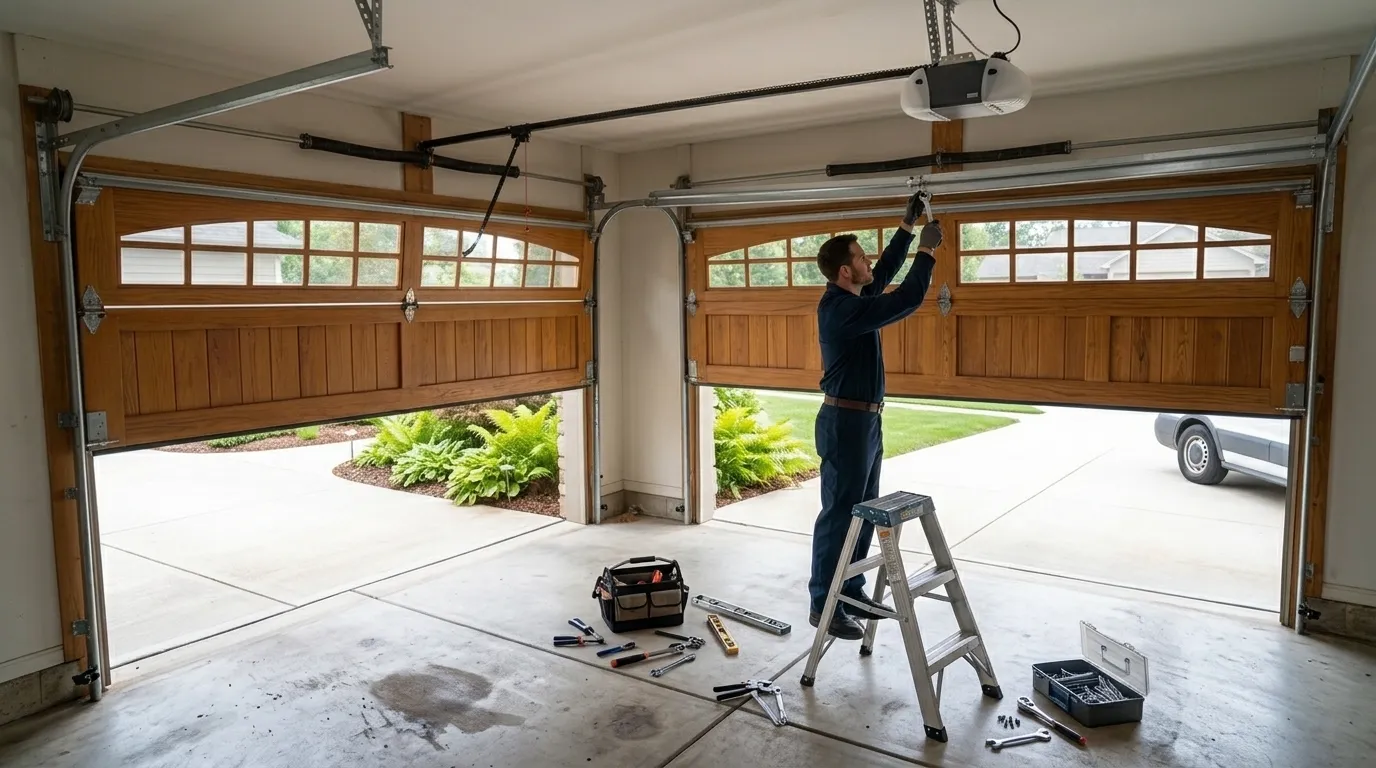
A straight roller swap - bottom rollers, no track work - runs about the length of a short truck visit once the door's up on the bench. Add all ten rollers and a track realignment, which is common on houses built before 1966 given how much of that original hardware is still running, and you're looking at a longer job, mostly because the track has to be re-set and tested through a full open-close cycle before we call it done.
We come from Parma, about 2 miles out, so travel isn't the variable - what's in the track is. If we get there and find the bracket's cracked or the track's rusted through at the mounting point, that adds time on the spot rather than a second appointment, which is usually better for you than scheduling twice.