Doing It Yourself
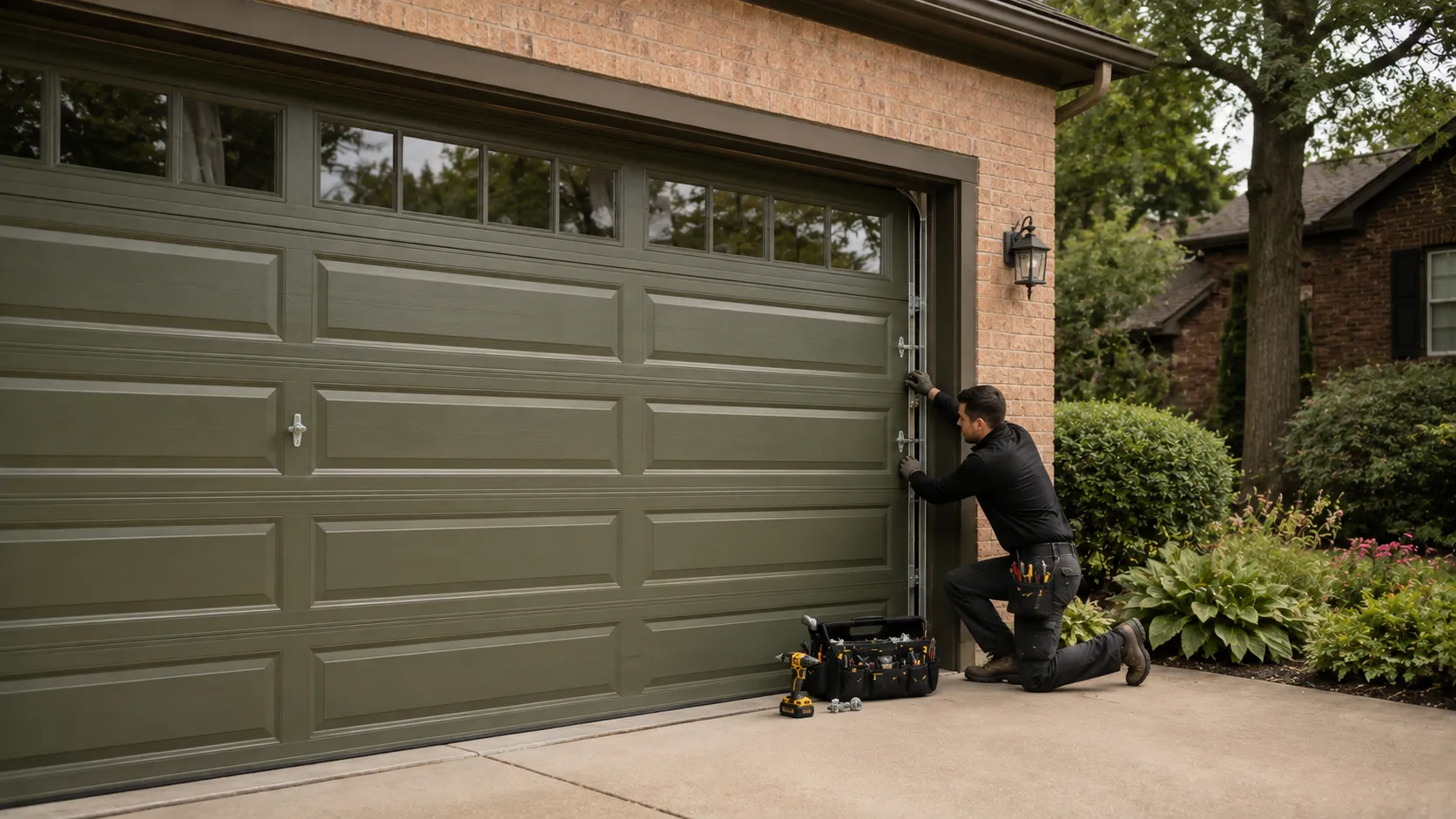
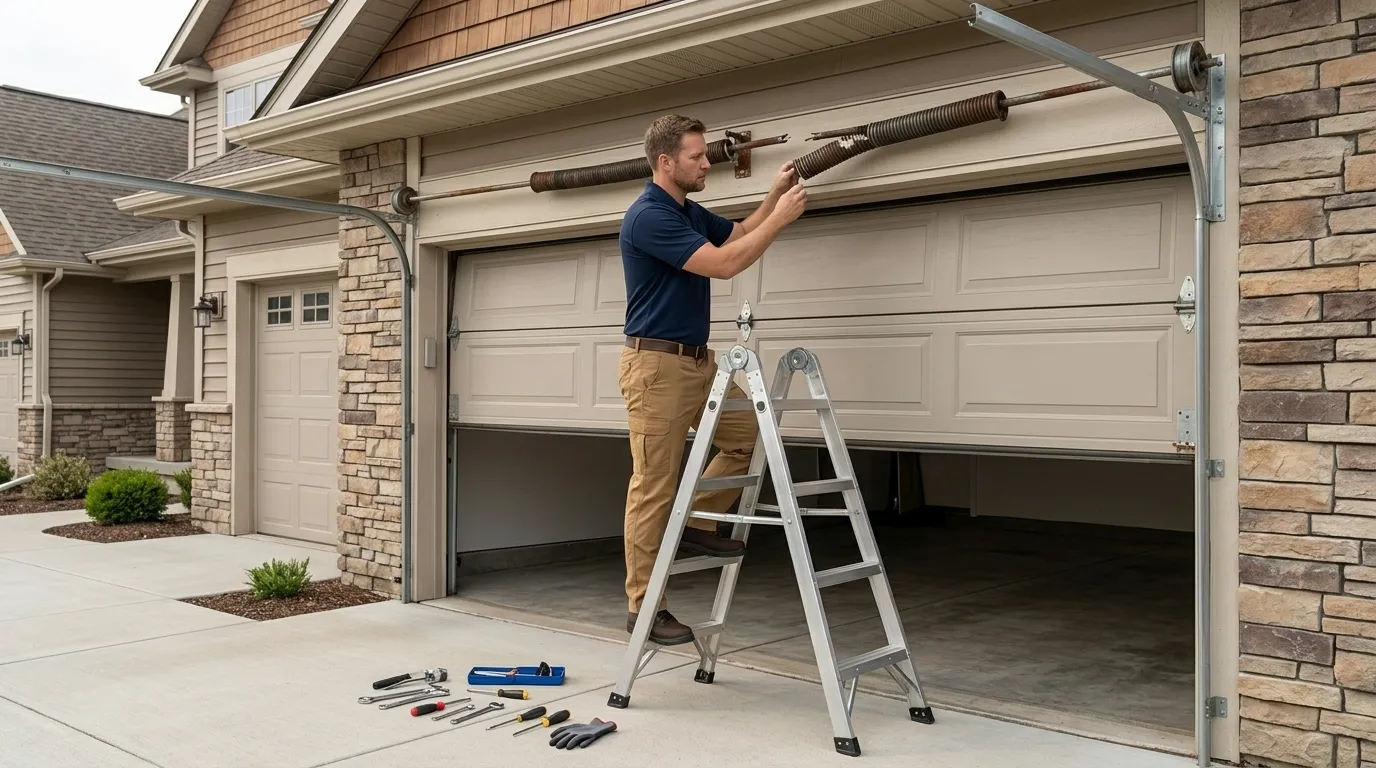
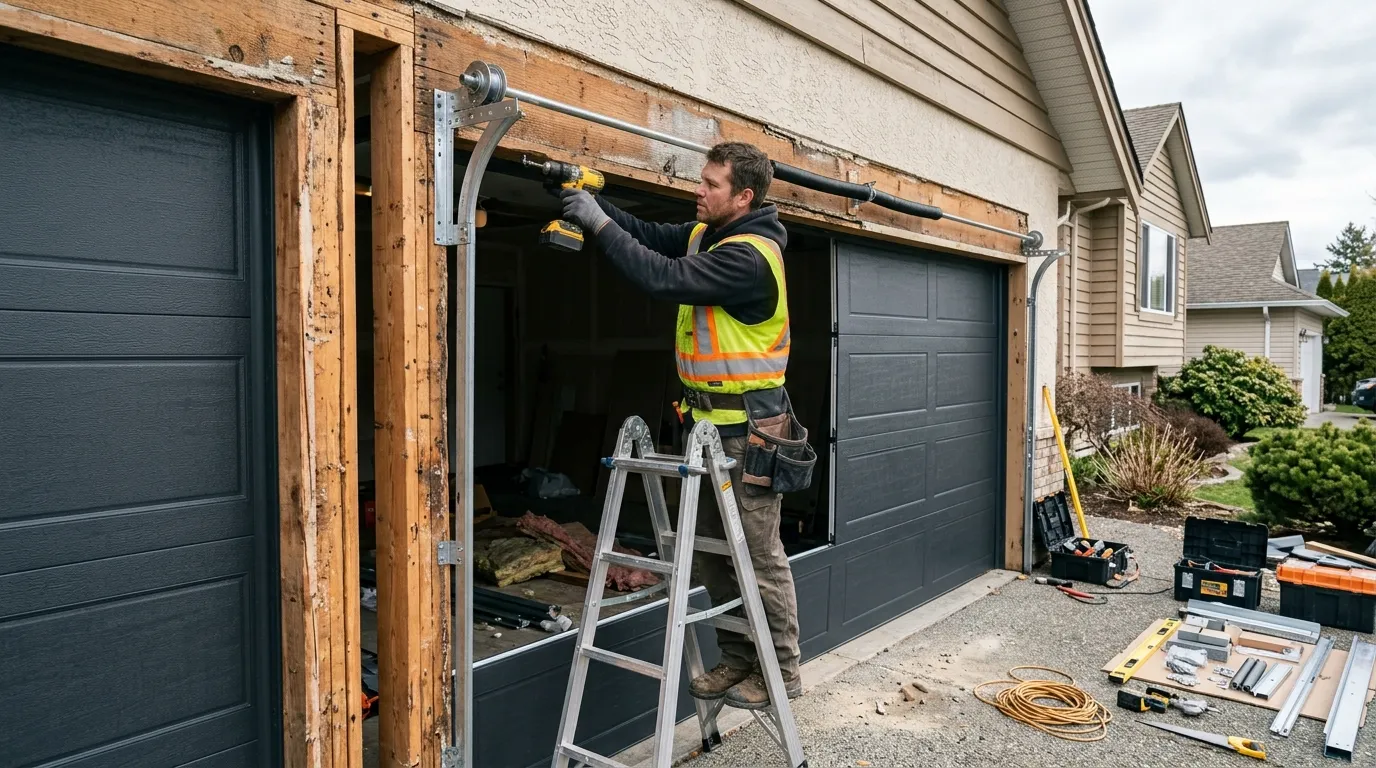
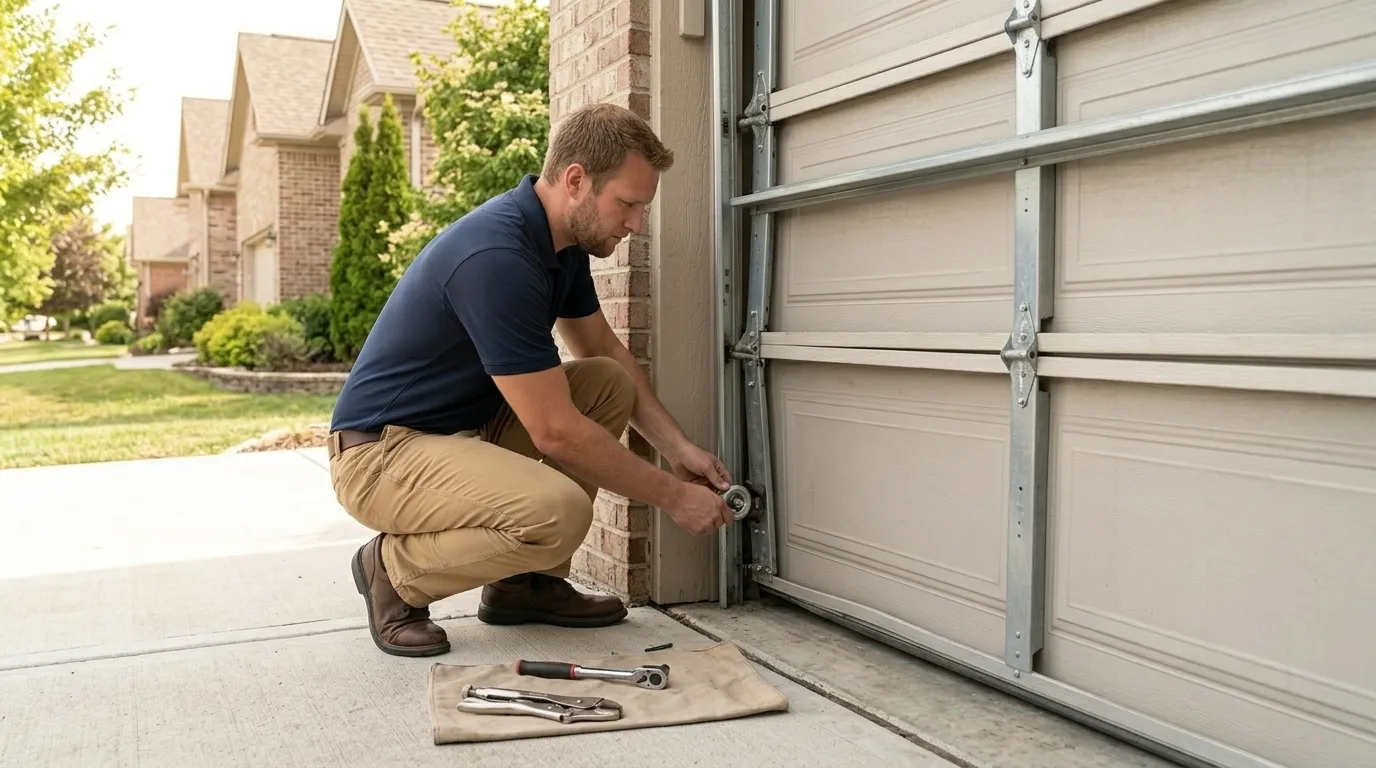
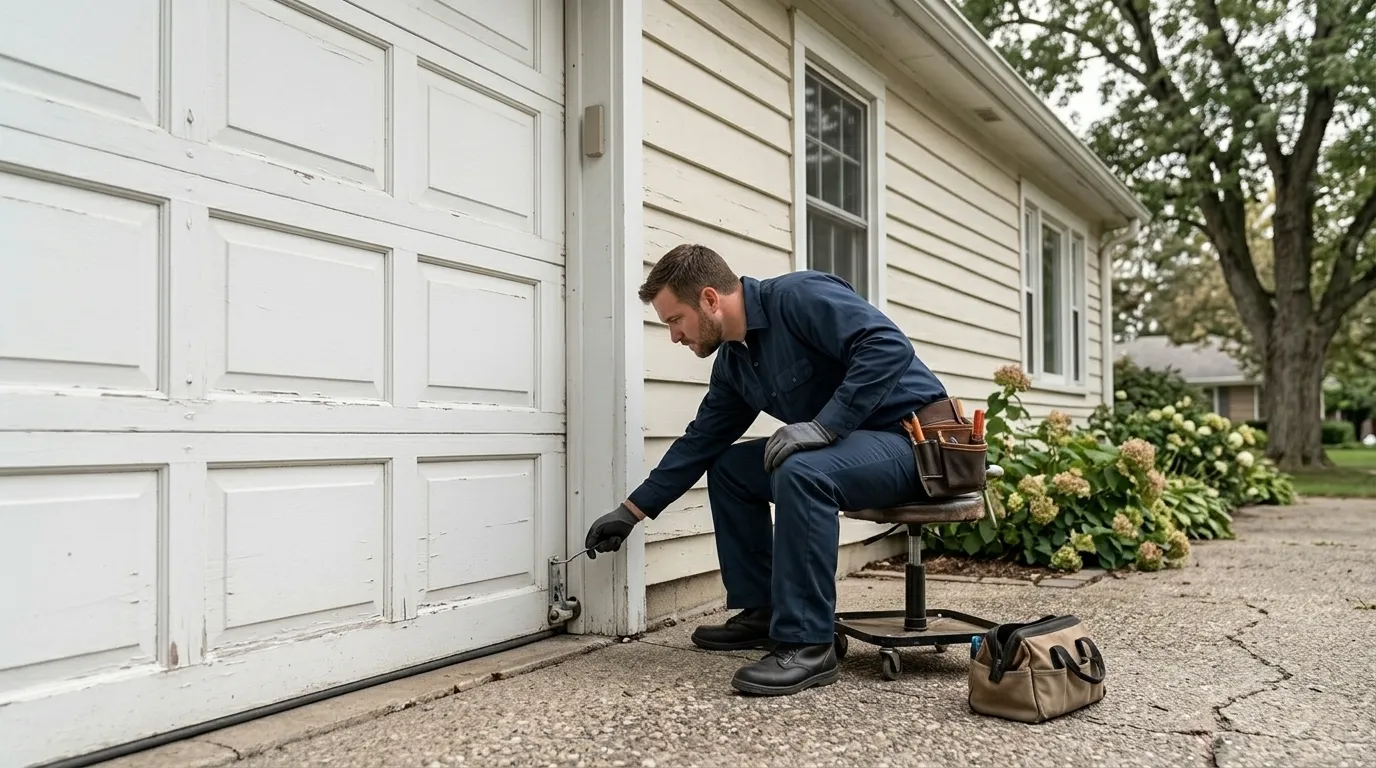
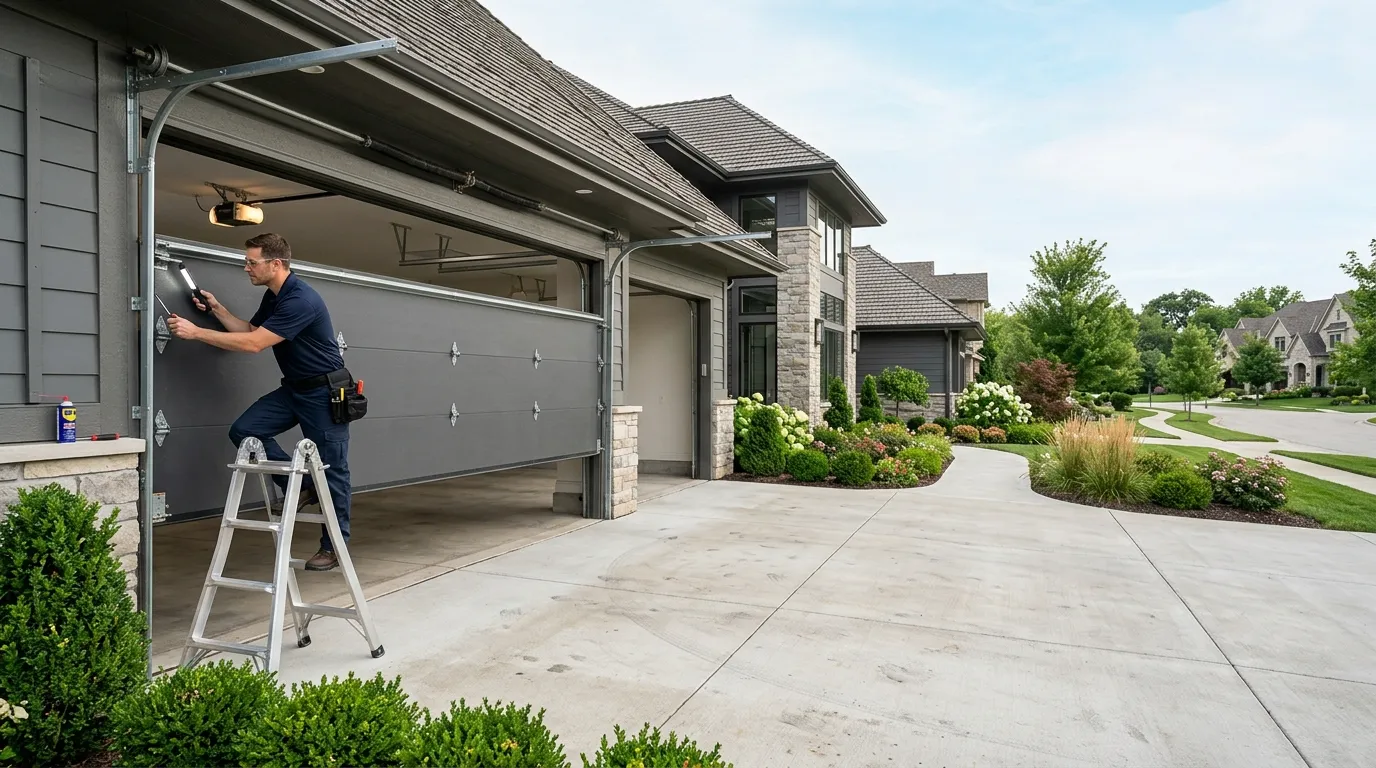
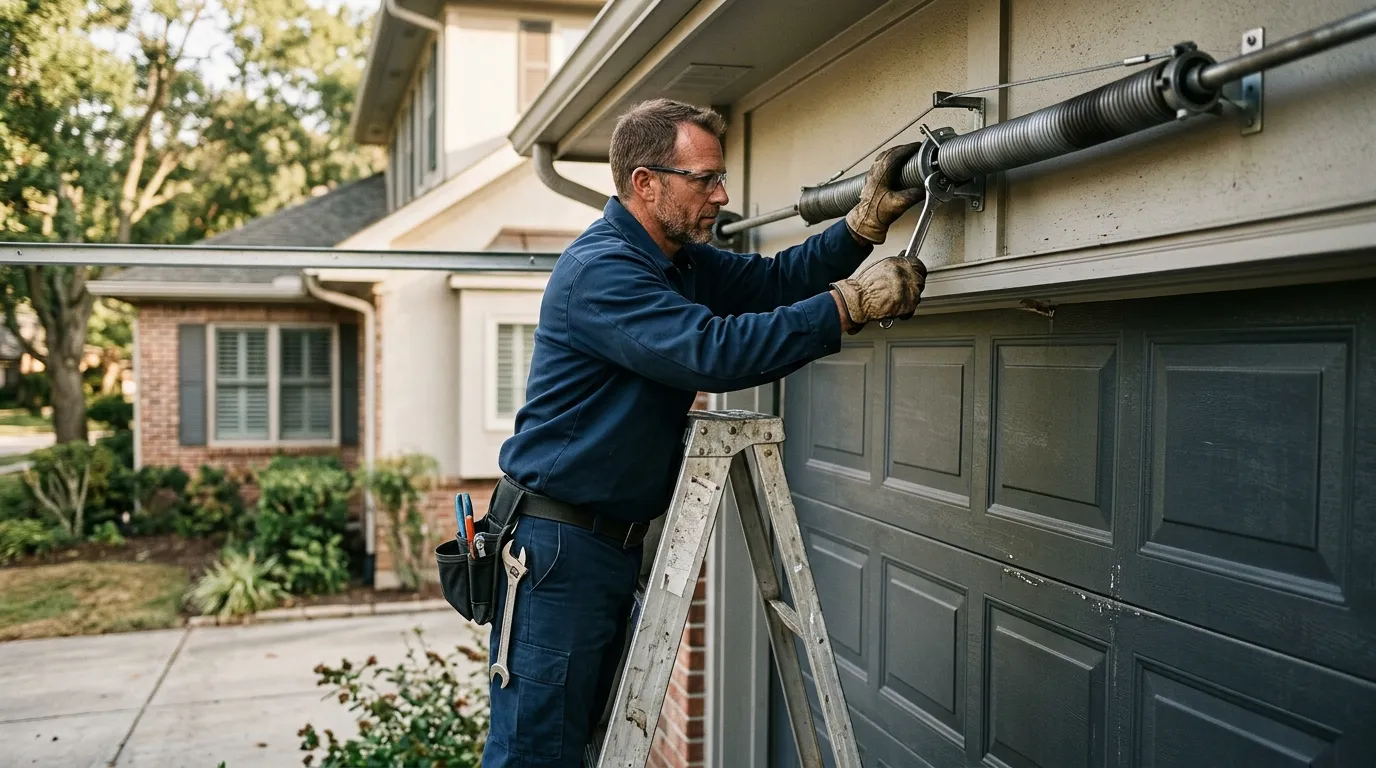
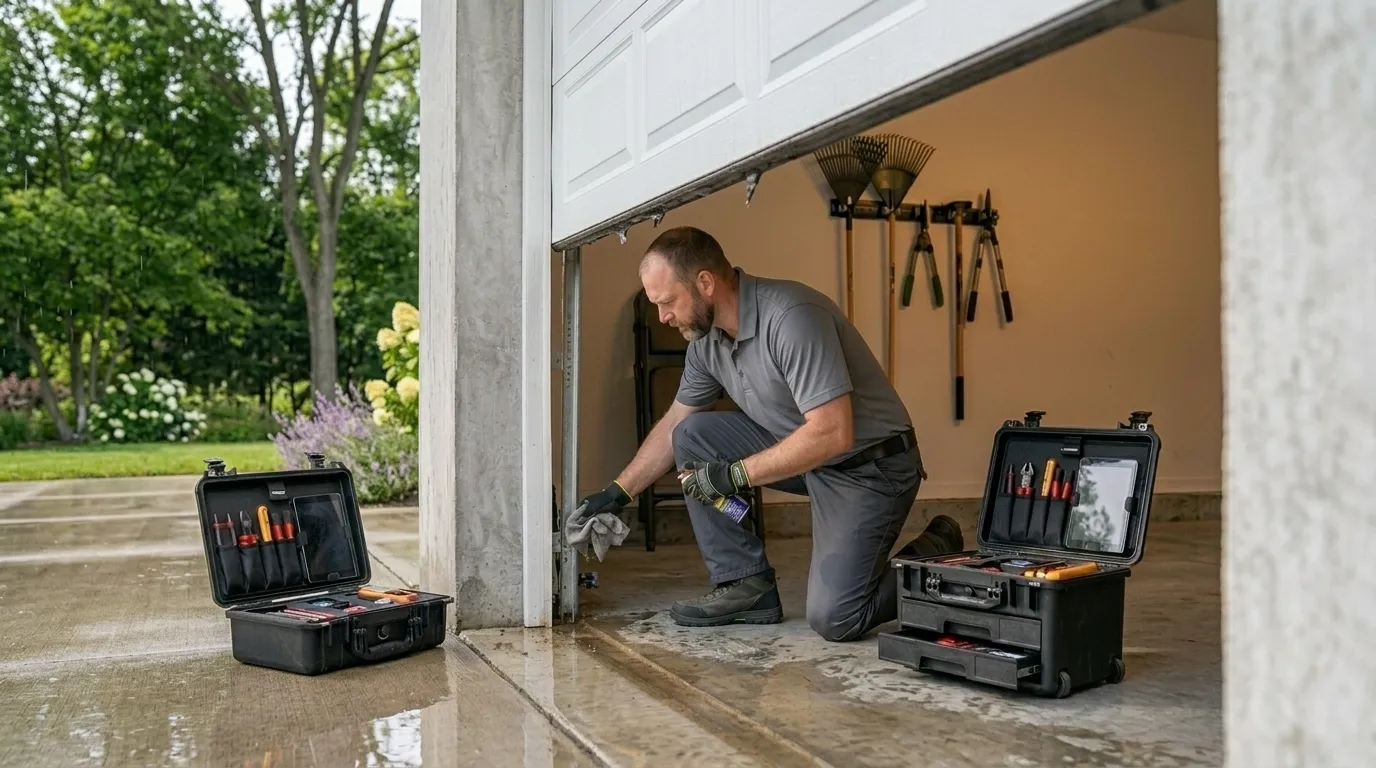
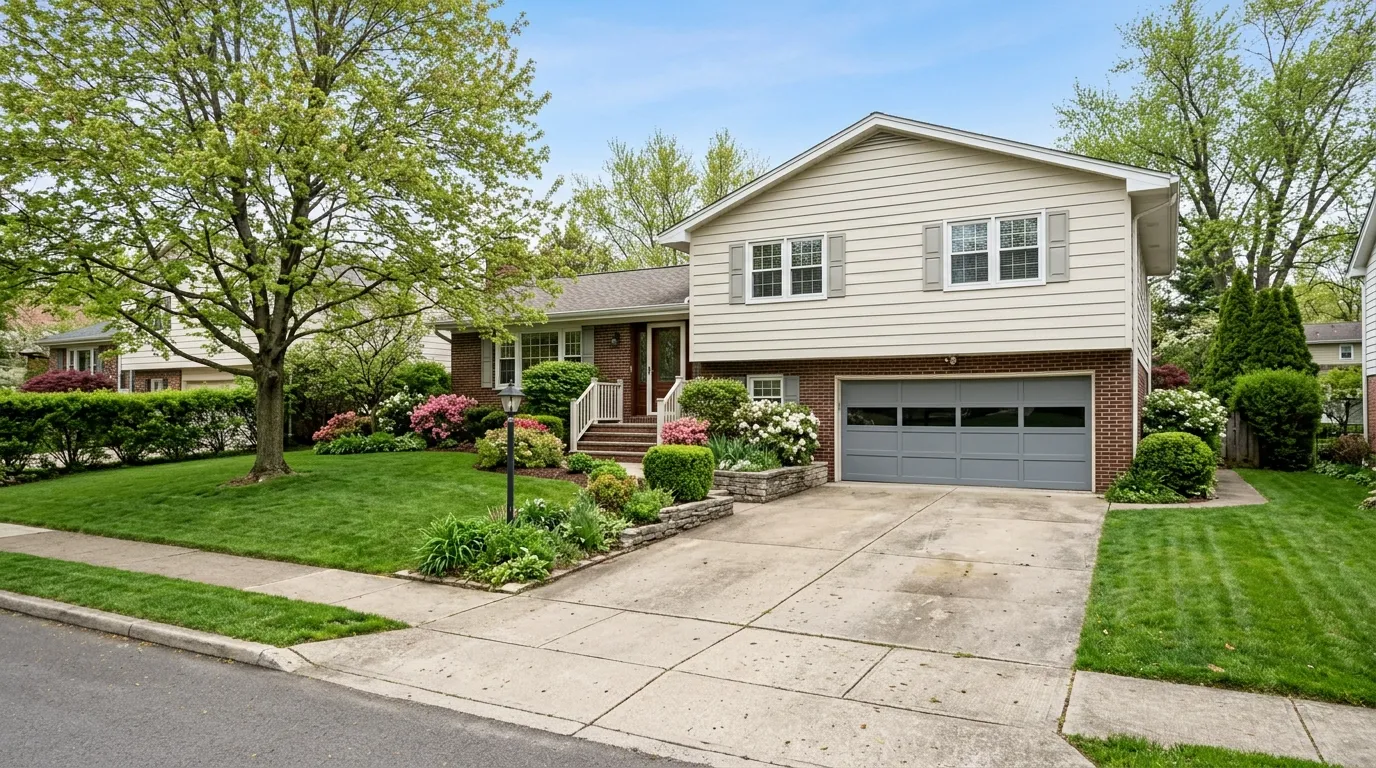
Parma Heights homes cluster around a 1959 build year, a decade or so after the wider service area's median of 1966 and right in the window when a lot of houses still went up with extension springs and side pulleys instead of the torsion bar over the header that became standard by the mid-60s. That matters for what you should touch yourself. Lubricating rollers, tightening loose hinge bolts, and clearing track debris are fine jobs for an owner with a stepladder and a rag. Anything involving the spring itself is not. An extension spring under tension can put a cable through drywall or a hand, and on a house this age the mounting bracket is often the original steel, thinned by sixty-some winters of condensation. If the door won't stay up on its own, or the cable looks frayed at the drum, that's a call, not a project. One honest limit: we don't walk owners through spring swaps over the phone. It's not a liability dodge - it's that the hardware on a 1959 door doesn't match what's sold at a hardware store, and guessing gets someone hurt.
Where This Job Goes Sideways
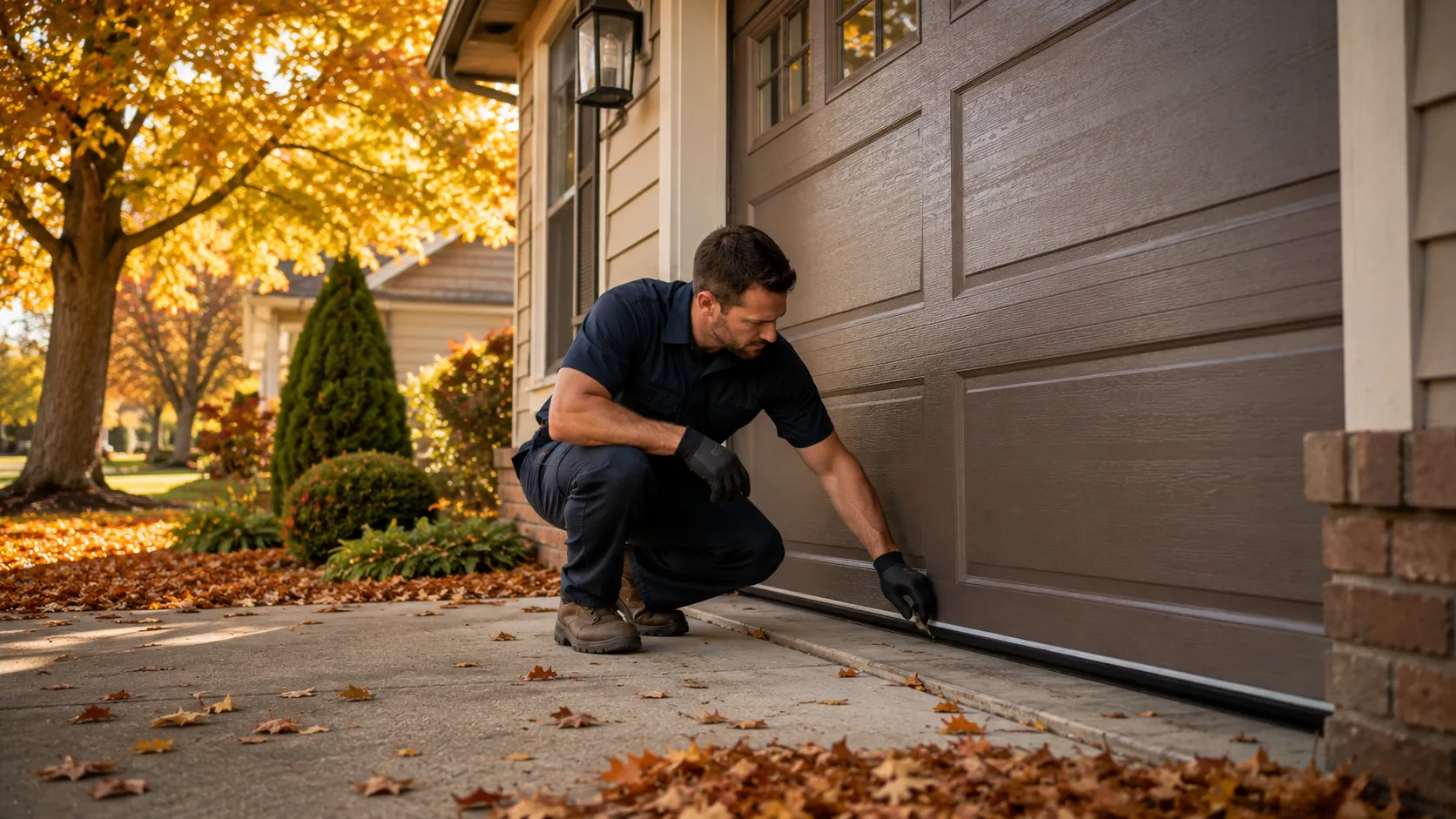
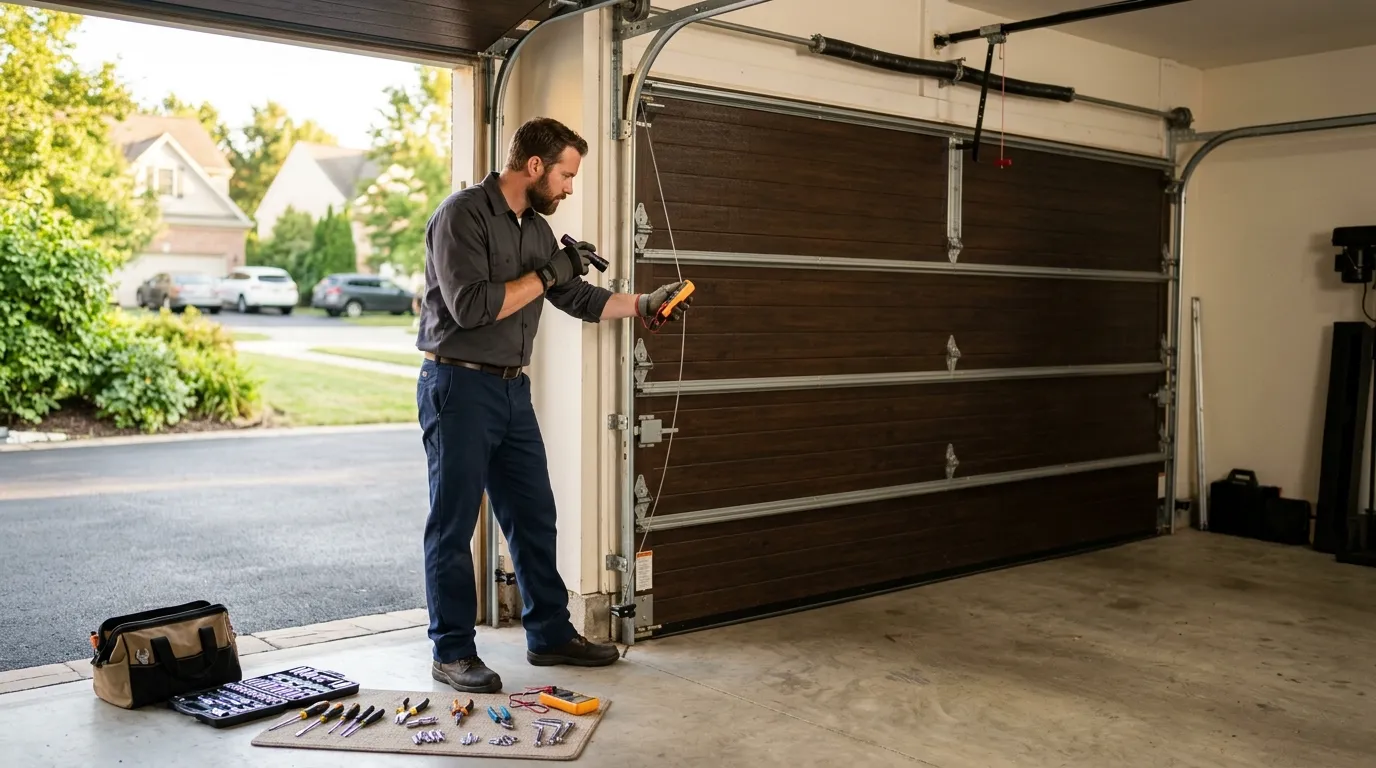
The service area sits in a severe cold climate band, and Parma Heights' older stock feels that harder than newer builds do. Steel panels from a 1959-era door were never insulated the way current ones are, and the wood jamb they're set into moves with frost heave over decades. What we see: a door that tracked fine in October and binds hard by January because the jamb shifted a quarter inch and nobody touched the track to compensate. Openers are the other sideways turn. A house this old has usually had two or three openers installed over the years, each one wired into whatever switch box the last guy left, and the safety sensors are sometimes an afterthought bolted on later rather than part of the original install. When we get a call about a door that reverses for no reason, half the time it's sun glare on an old sensor eye, and half the time it's wiring that was never grounded right in the first place. Neither is a five-minute fix once you're actually looking at it, but neither should be ignored either - a door that won't reverse reliably is a door that shouldn't be running unattended.
Time on the Job
We run out of Parma, two miles from Parma Heights, so there's no separate branch or crew based in the neighborhood itself - every job here is a short drive, not a dispatch from a local depot. That distance is short enough that travel isn't the bottleneck on most calls; what takes time is the work itself once the truck is parked. A spring replacement on a 1959-era extension setup usually runs longer than the same job on a newer torsion door, because the hardware has to be assessed piece by piece rather than swapped as a kit. A straightforward roller or cable job is quick. A full opener swap where the wiring needs to be redone to current safety standard takes longer than the opener install alone would suggest. We don't quote a flat time on the phone before seeing the door, because on housing this age, what looks like a simple fix from the driveway sometimes turns out to be three problems stacked on top of each other.