Doing It Yourself
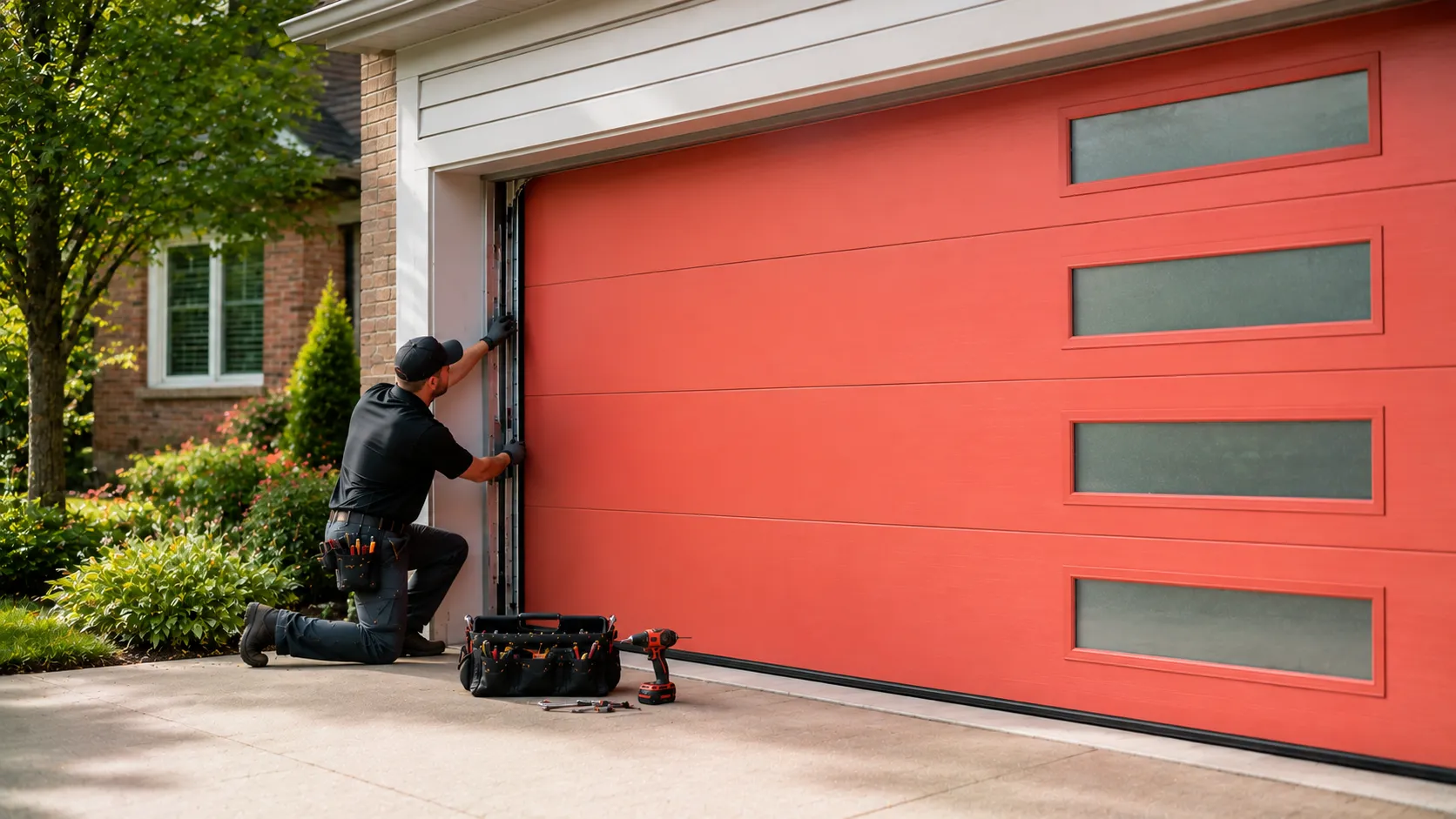
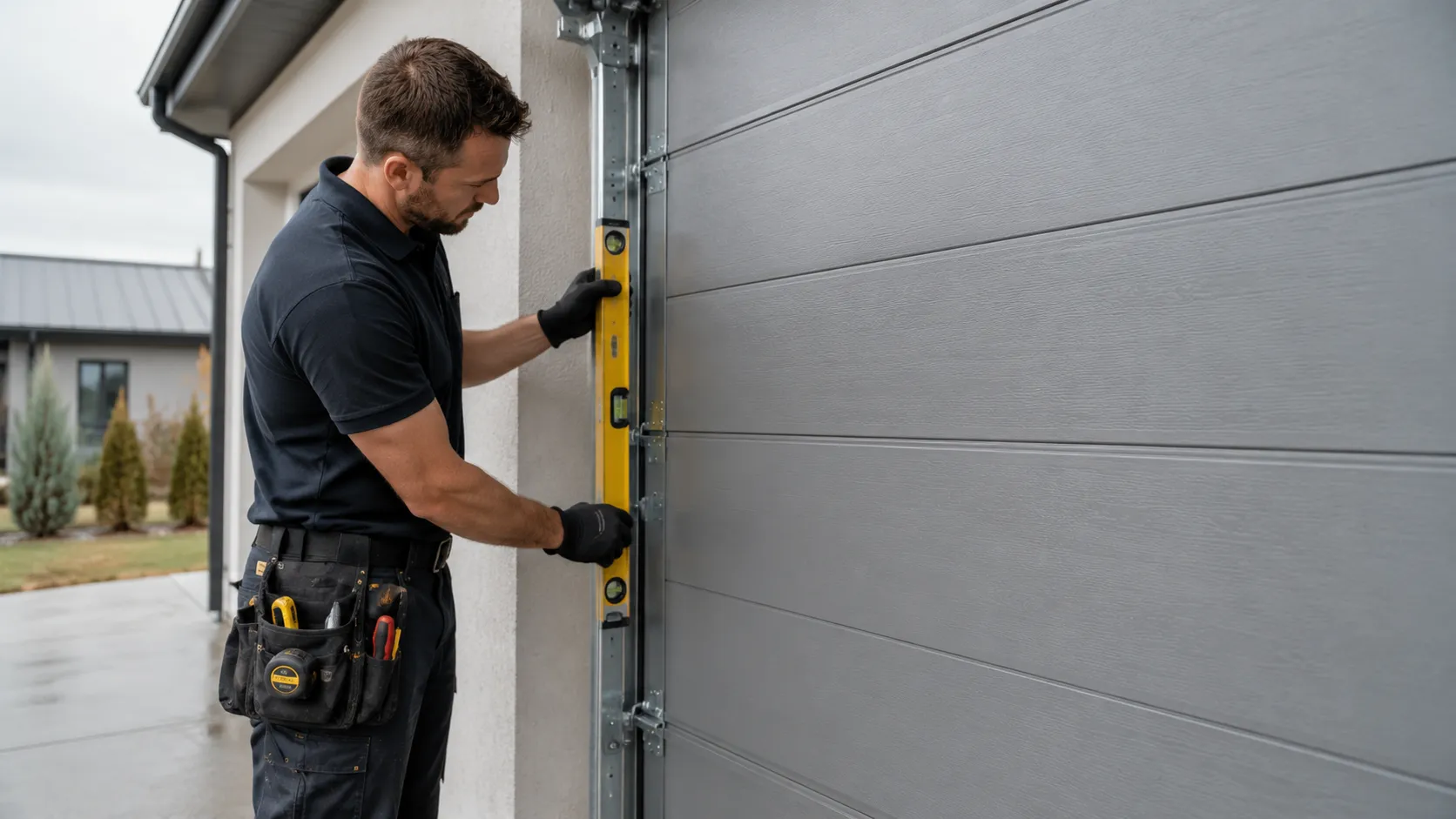
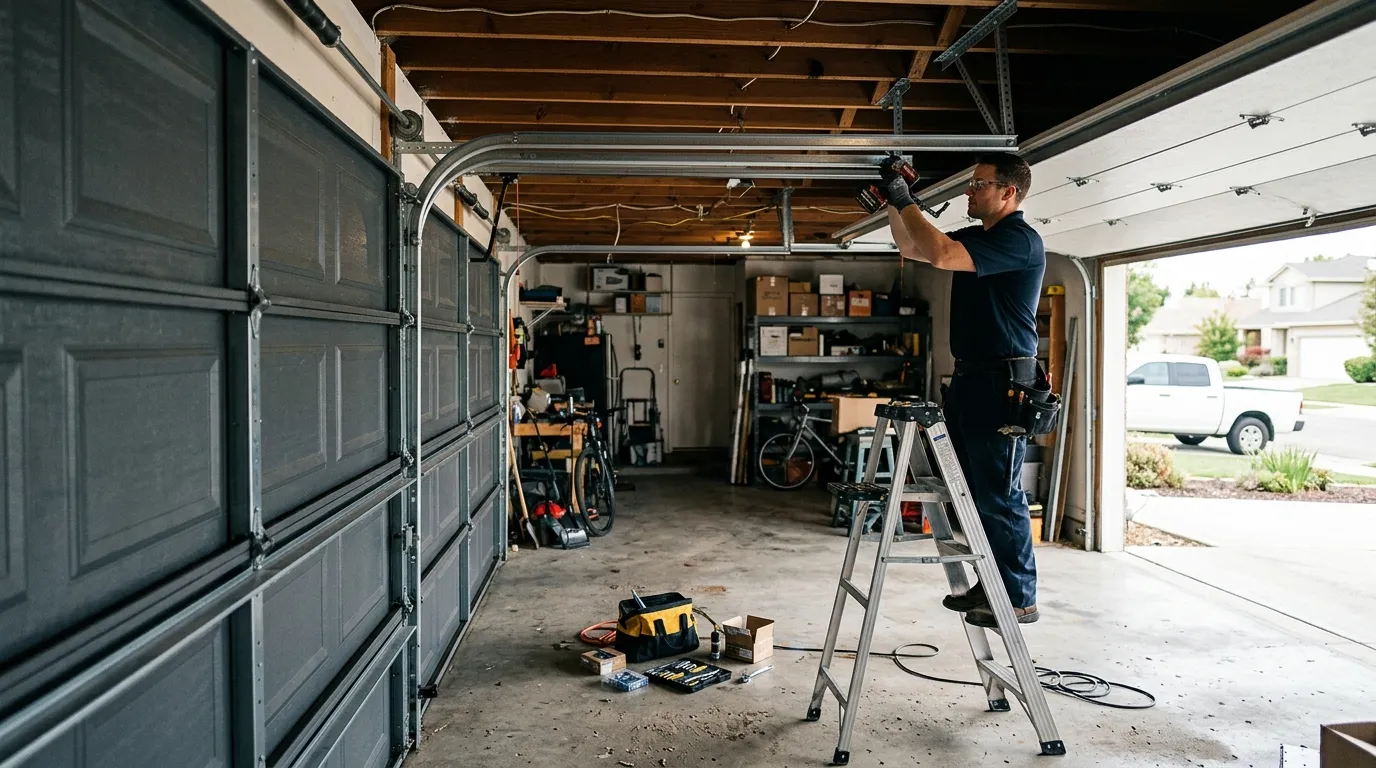
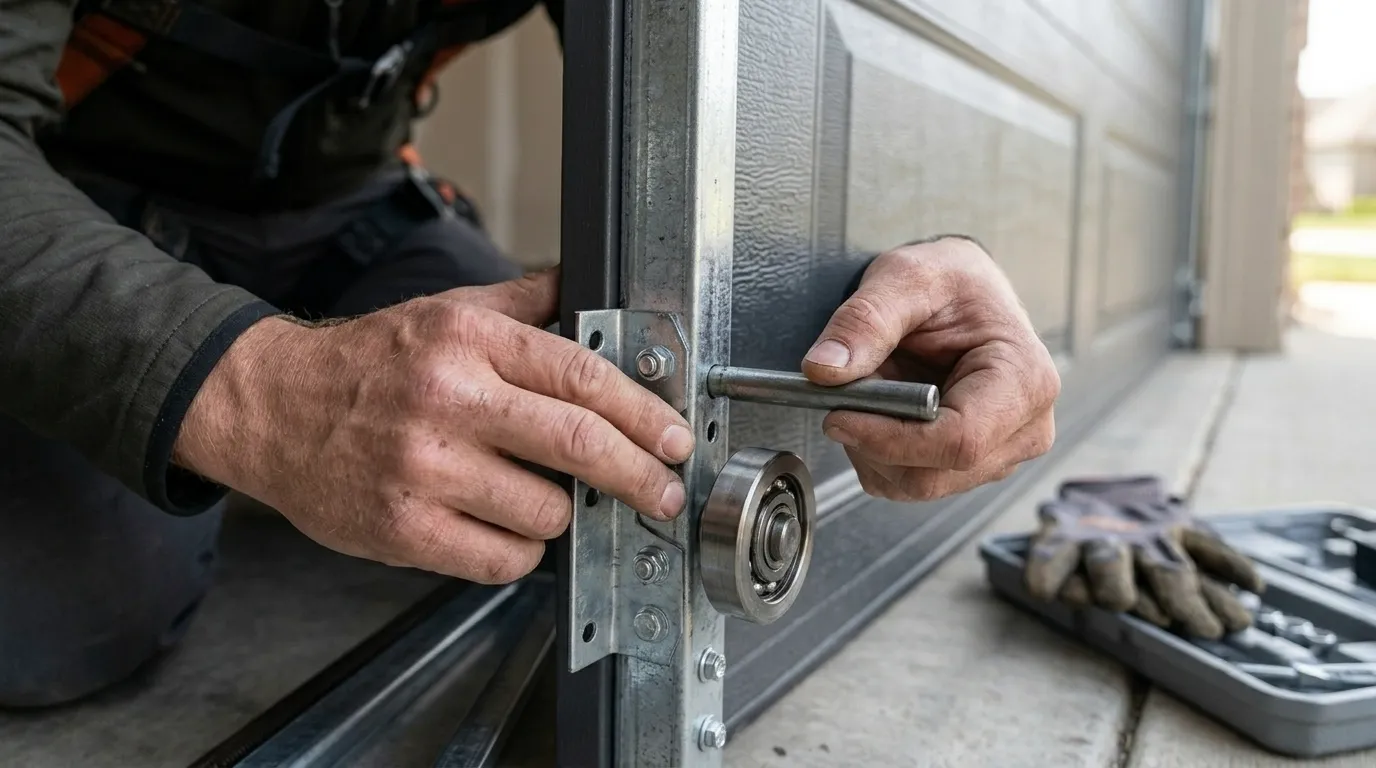
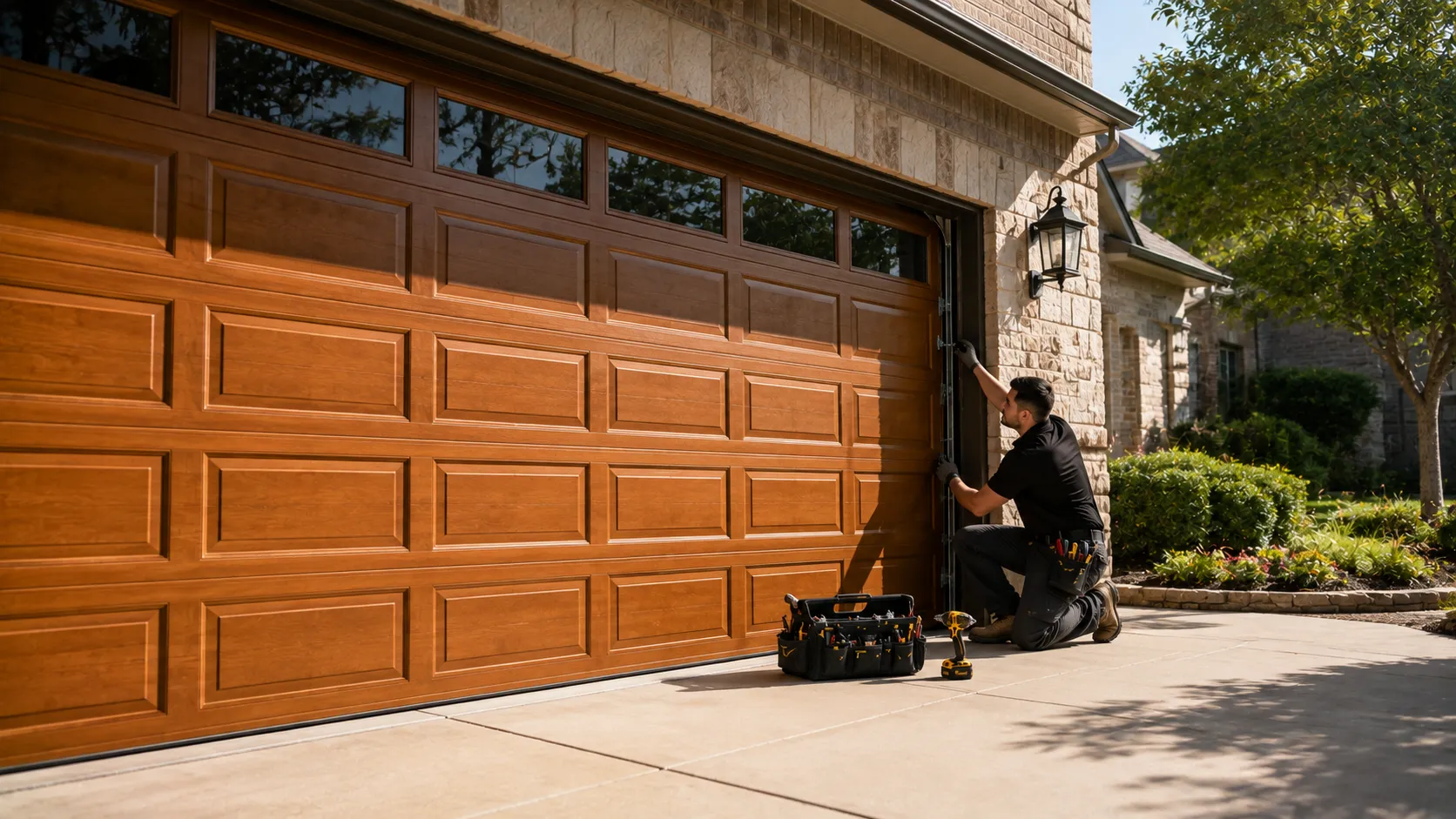
The panel that's dented or rusted on your door looks like a simple swap until you try to order one. Parma Heights sits in a stretch of Cuyahoga County where the median home went up around 1959, and the doors that came with those houses are mostly steel sectional units built to sizing standards that shifted more than once between then and now. A panel pulled off a big-box shelf today is very often a fraction of an inch off in height, in groove spacing, or in the way it keys into the stile. You can get it to fit if you're patient and willing to shim and re-drill, but a mismatched panel on a torsion-spring door throws the balance off, and a door that's out of balance wears its opener and cables faster than it should. If your house is one of the newer builds mixed into this area, closer to 2004 on the range, you may have an easier time - insulated steel sections in that era are more standardized. Either way, measure twice before you order once, and take a photo of the hinge pattern, not just the panel dimensions.
Where This Job Goes Sideways
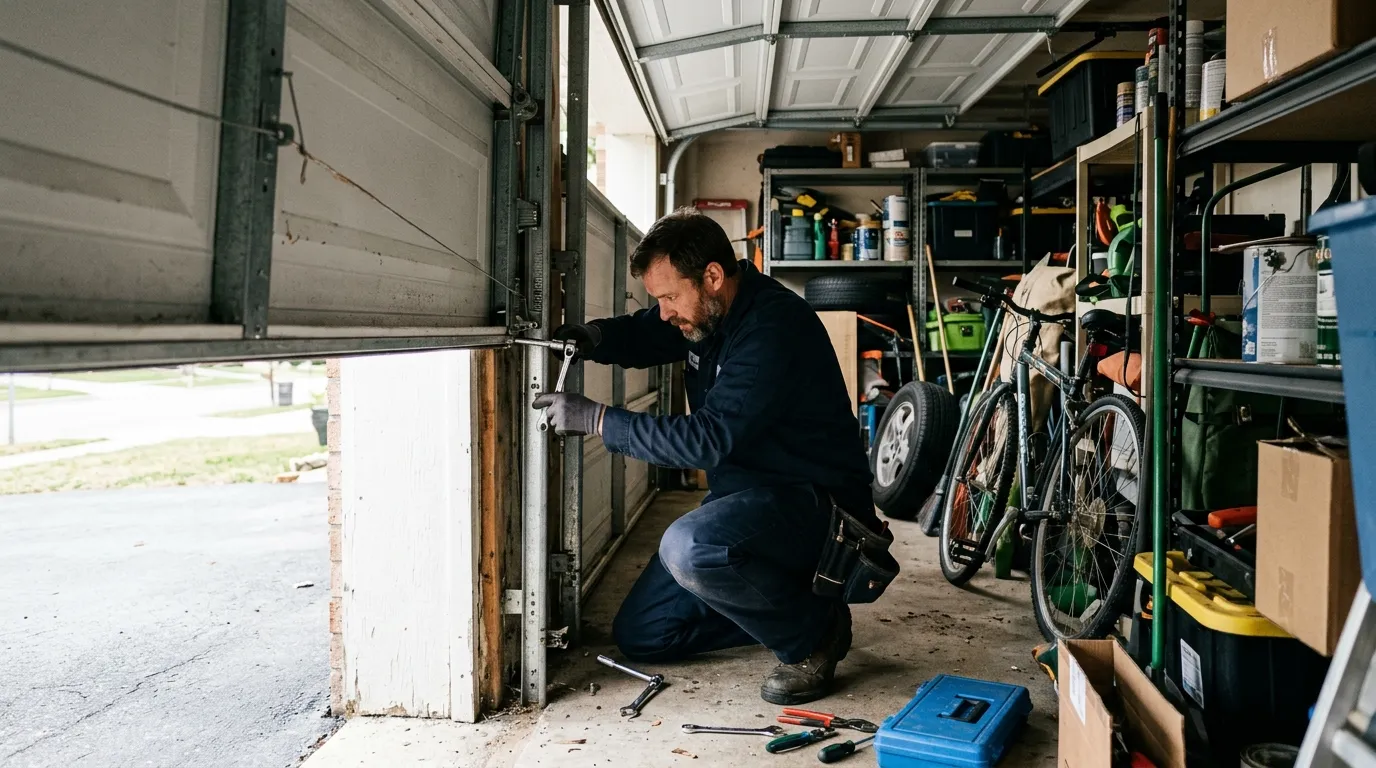
The failure we see most in this stretch of the county is the wrong-profile panel getting bolted in anyway, because the homeowner or a helper assumed steel is steel. It isn't. Doors from the 1959-through-1970s run of construction common here often used a rib pattern and a groove depth that later manufacturers stopped making - the section looks close, bolts up, and then binds against the track on the first cold morning. This region sits in a cold-severe climate band, and steel contracts enough in a hard freeze that a quarter-inch of slop at the panel seam turns into a door that won't seat square or seal at the bottom. The other way this goes wrong is on multi-panel doors where only the damaged section gets replaced and the color or texture doesn't match the rest - cosmetically fine to some owners, a dealbreaker to others, and something to decide before the old panel comes off, not after. We won't pretend every panel replacement ages invisibly; on a door old enough to have sun-faded, a new section next to worn ones will show.
Time on the Job
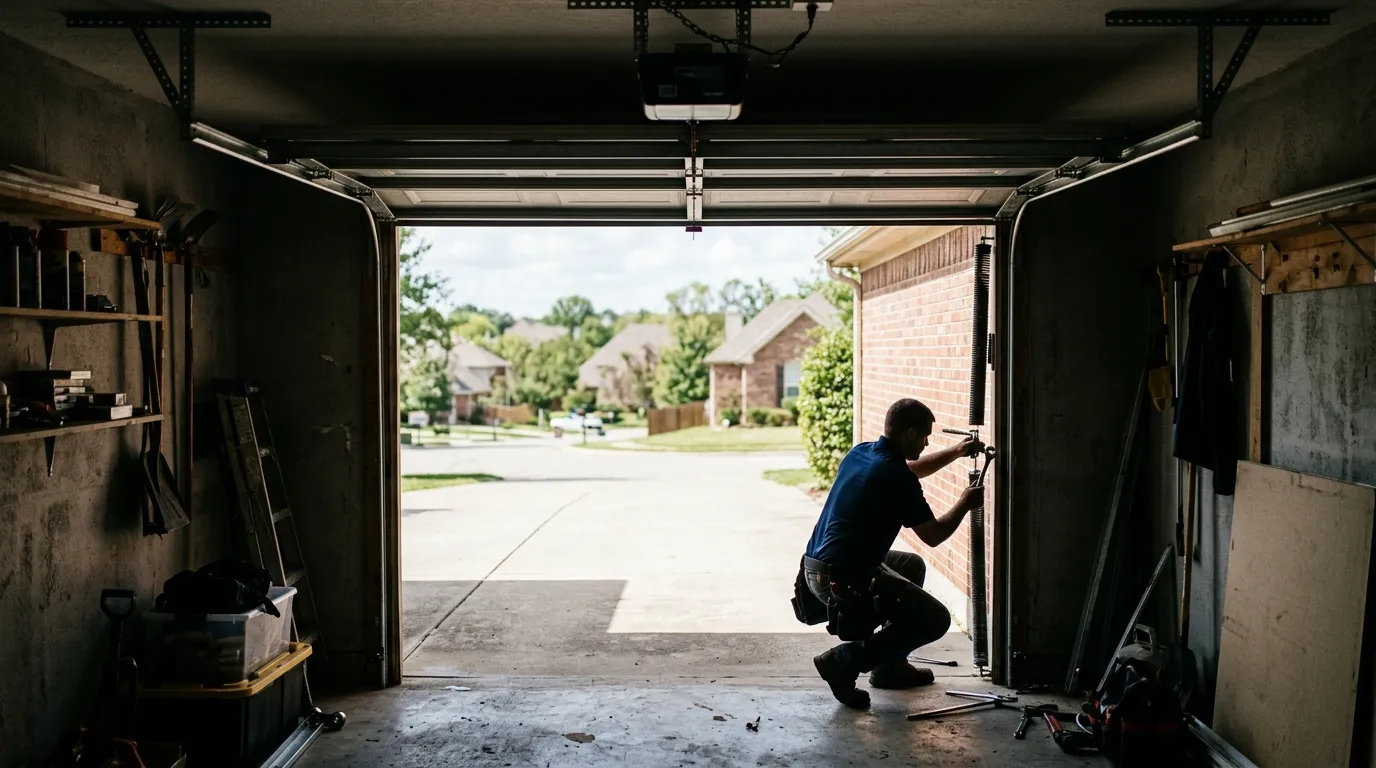
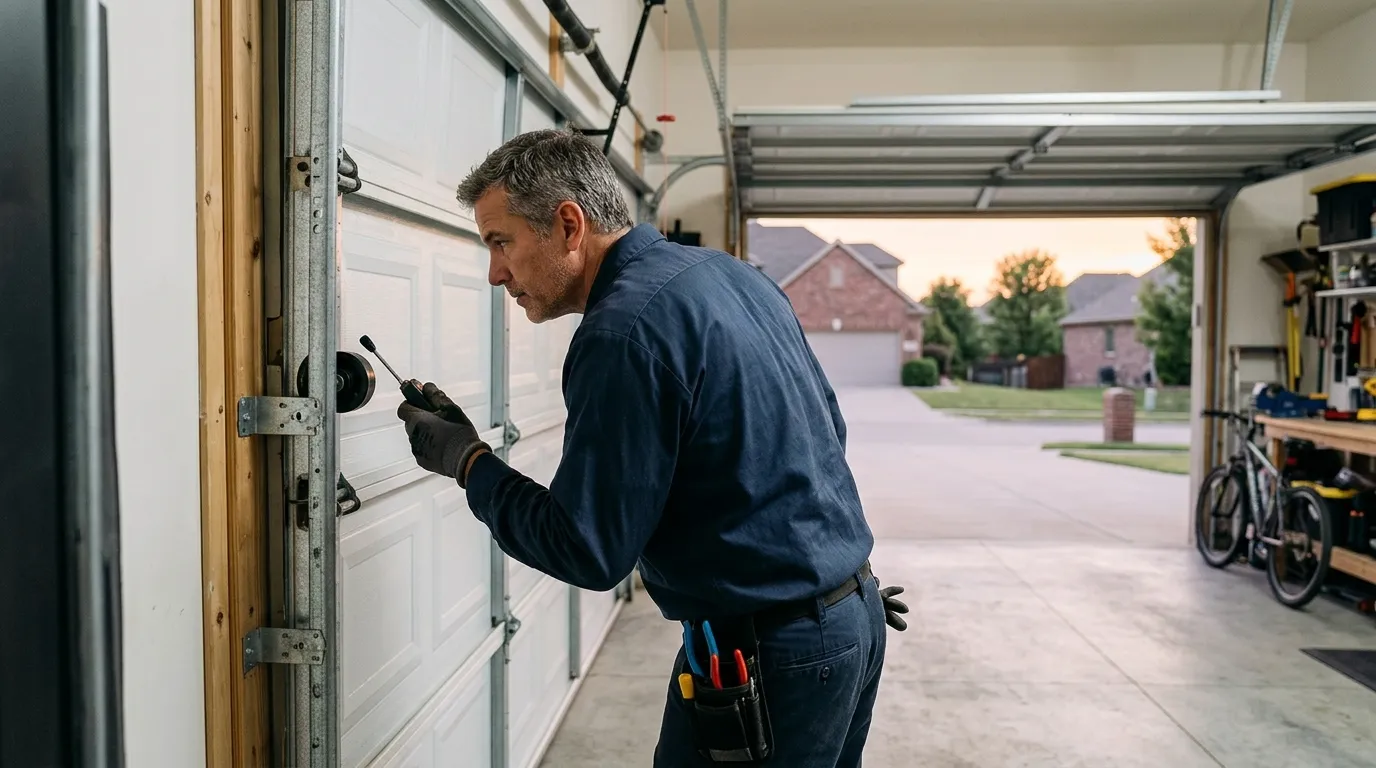
A single-panel swap on a door where we have the matching section in stock is usually a same-visit job - most of the time goes into removing the old panel cleanly without bending the track, not into the install itself. If the panel has to be special-ordered because your door is an older or less common profile, the wait is on the supplier, and we'll give you a straight answer on lead time once we know the make and model rather than guess. Multi-panel jobs or ones where the spring needs rebalancing after the swap run longer. We'd rather quote you accurately once we've seen the door than promise a number over the phone that doesn't hold up.