Doing It Yourself
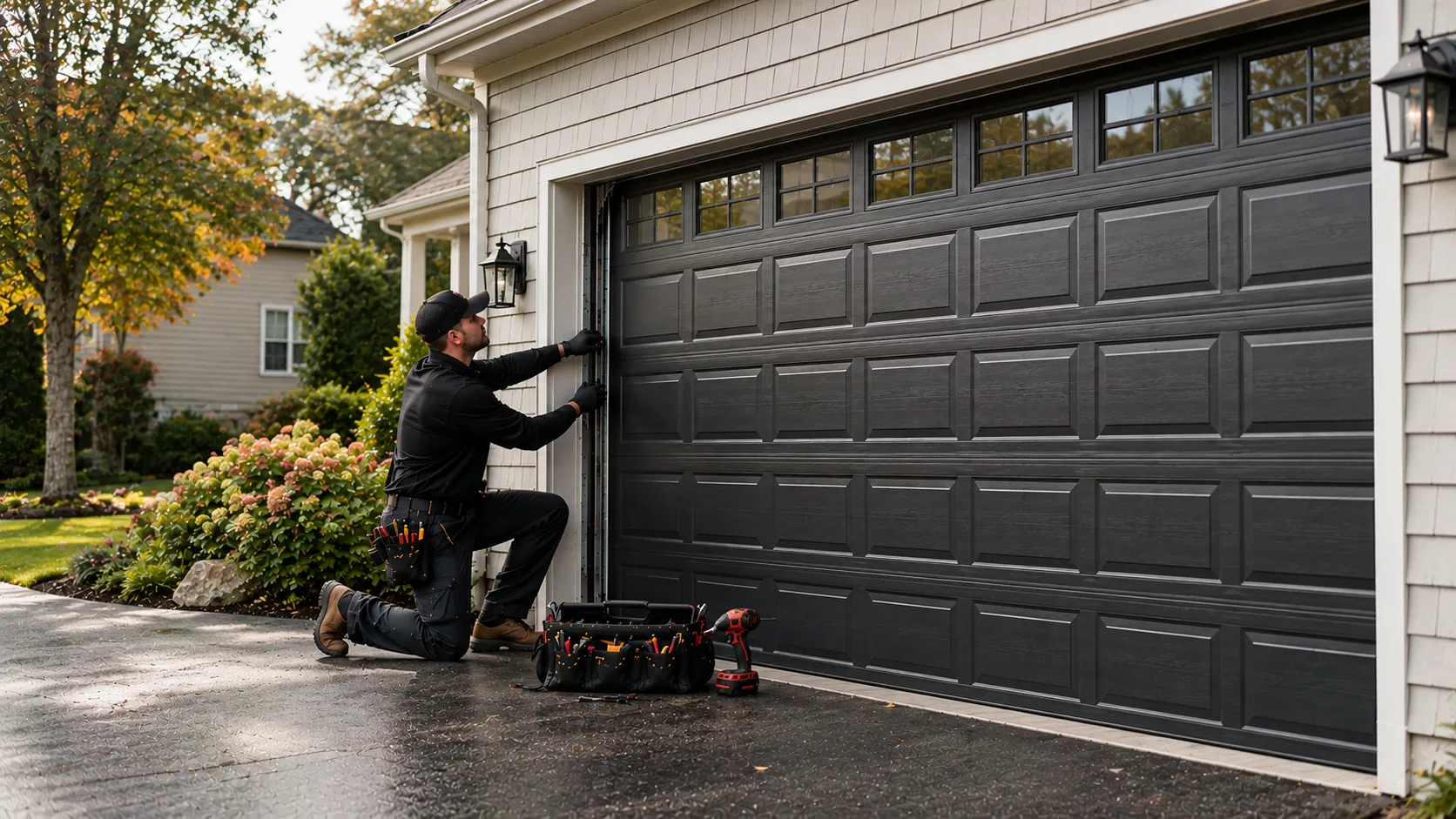
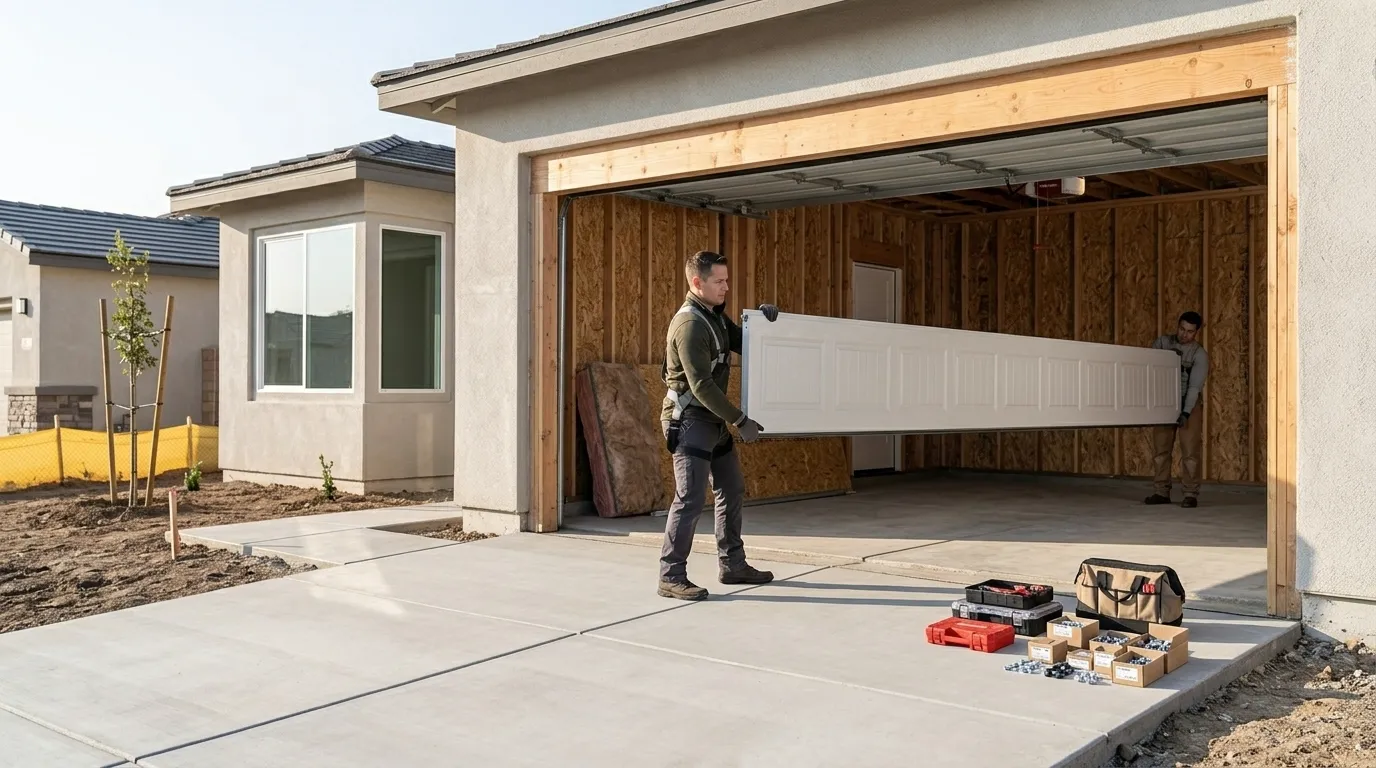
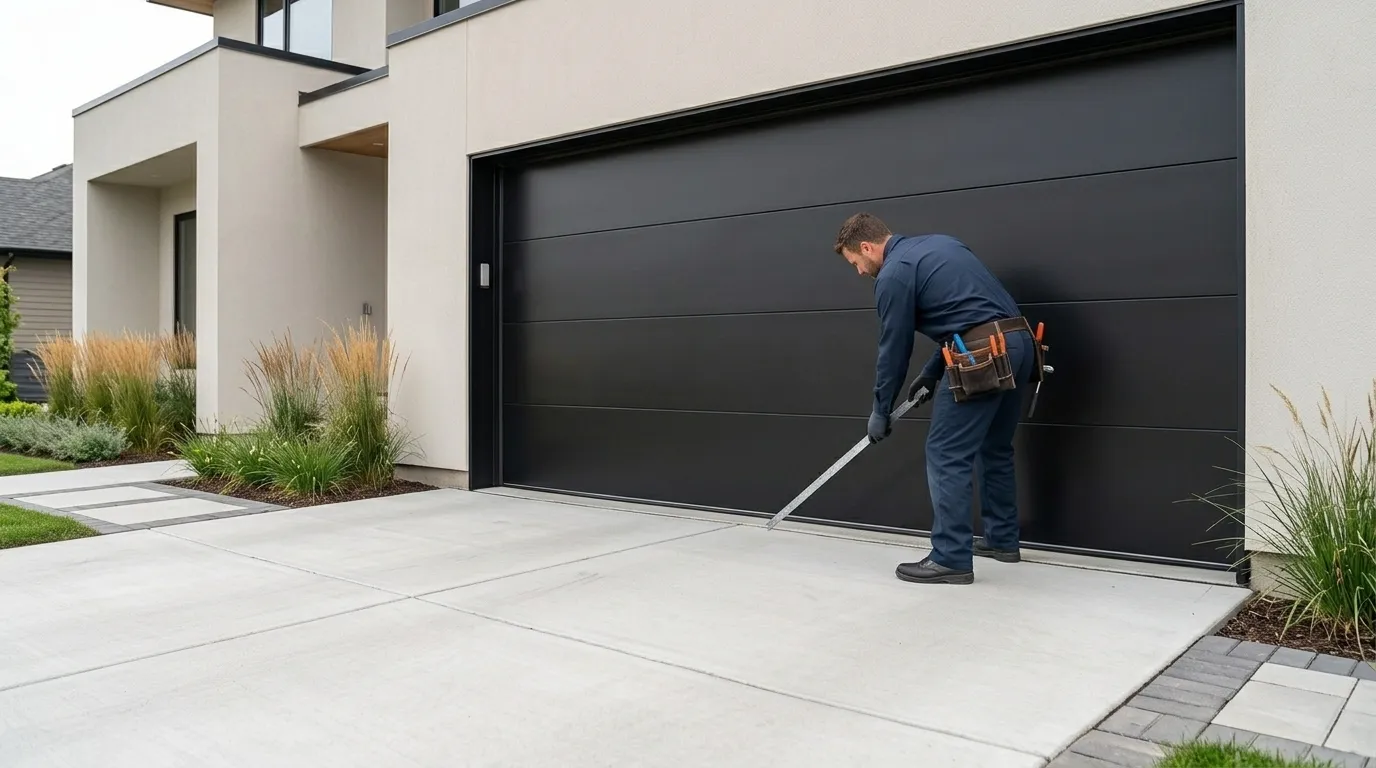
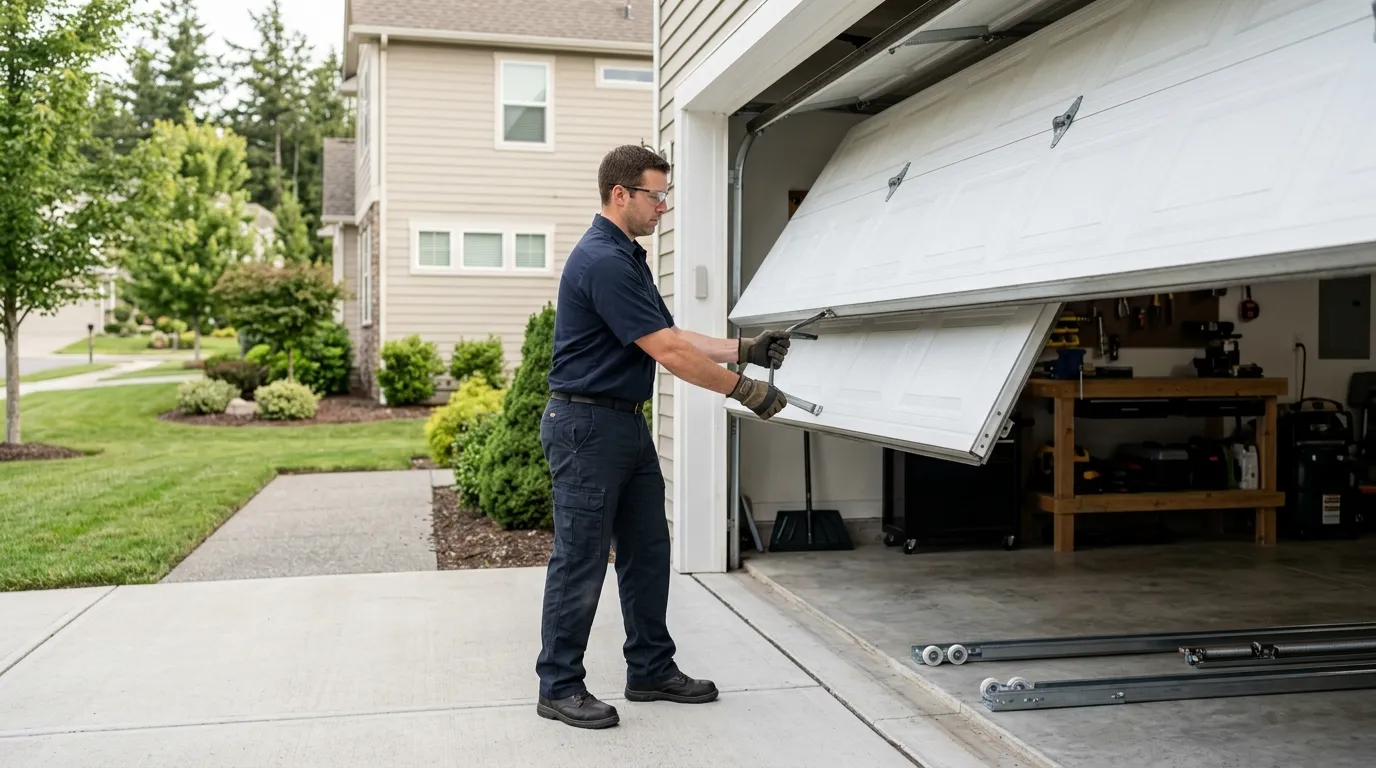
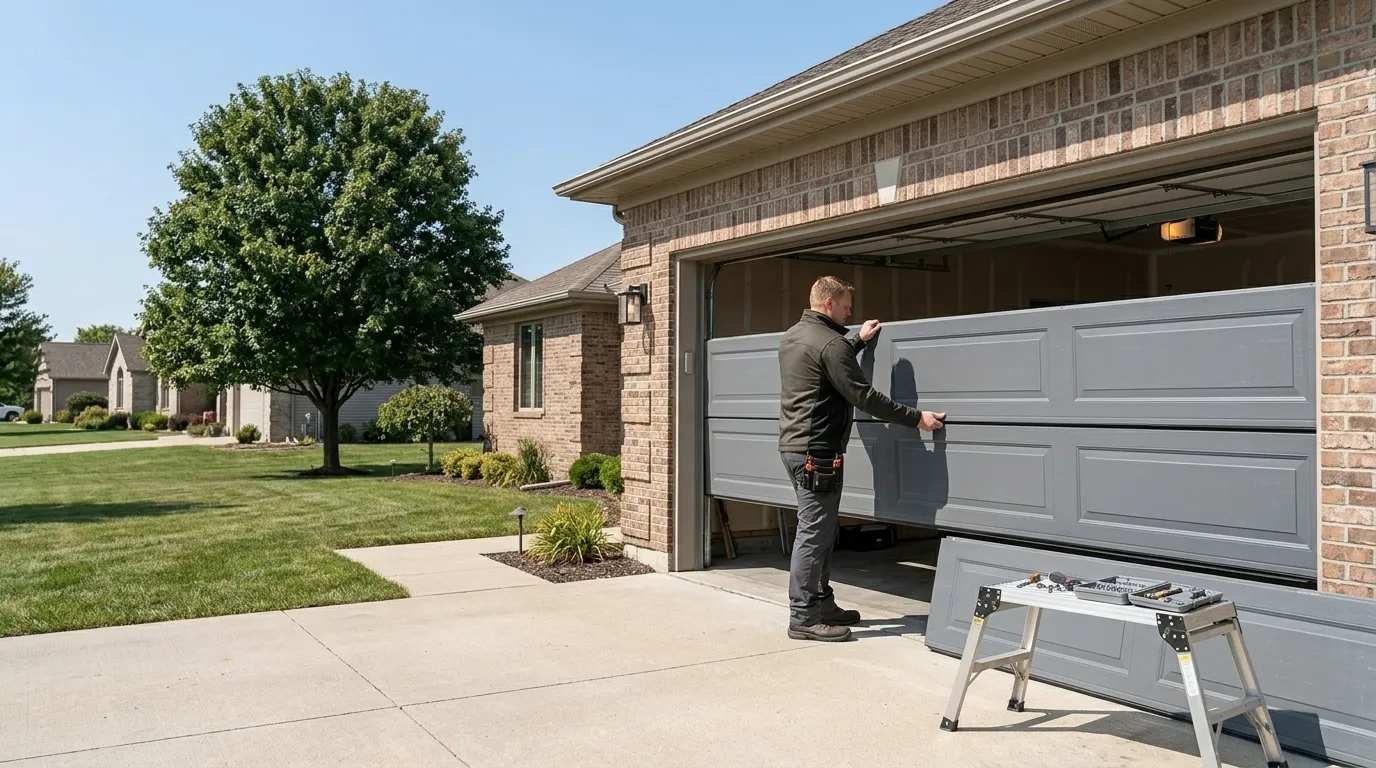
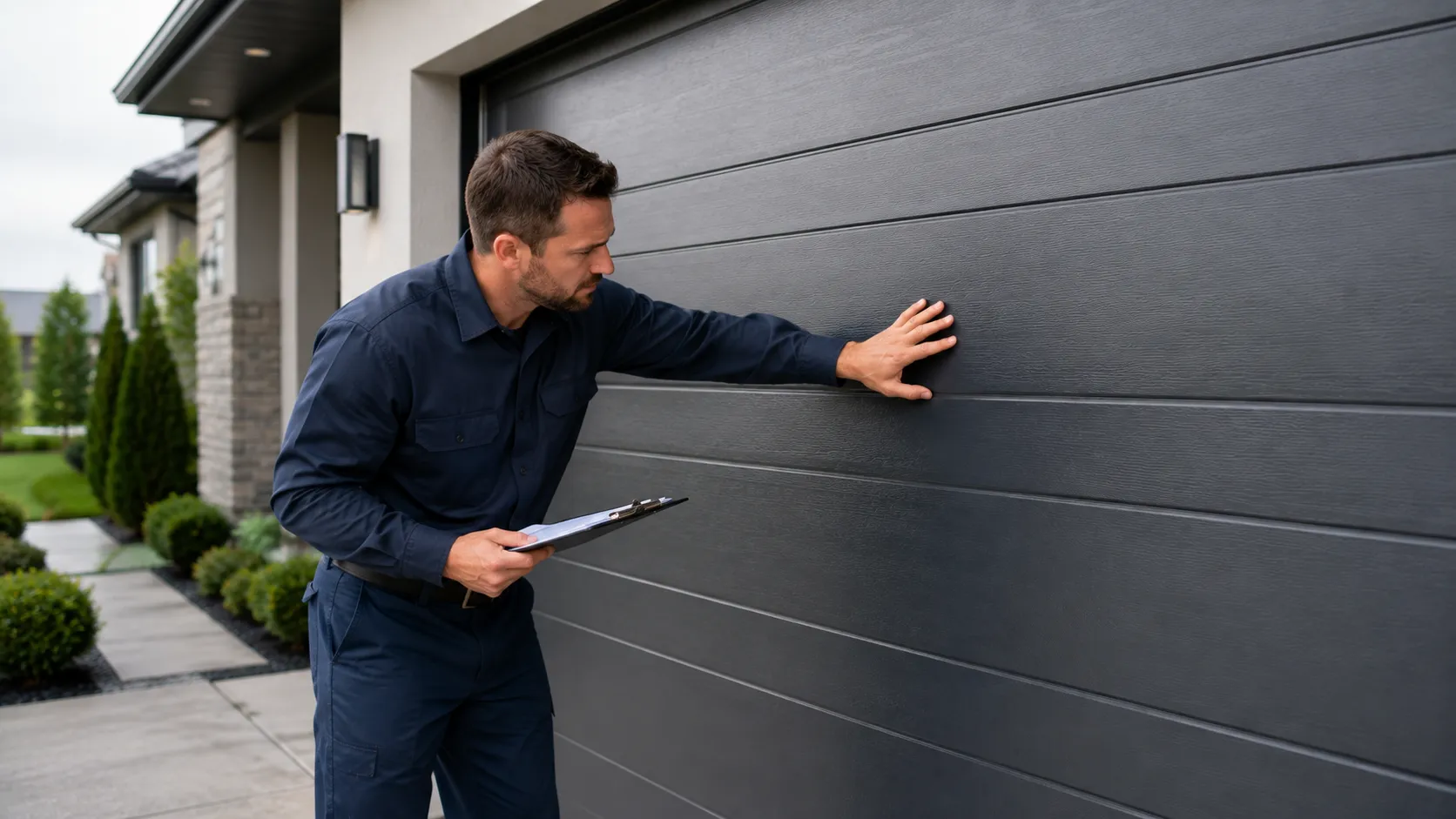
Parma Heights sits two miles from our shop in Parma, close enough that a new-install job here doesn't turn into a special trip or a truck loaded light. That matters more than it sounds like, because most of the houses in Parma Heights went up around 1959, well before today's standard door and opening sizes settled in. If you're weighing whether to do this one yourself, the first thing to check isn't the door - it's the opening. Openings framed in the late 1950s often run a couple inches narrower or shorter than what current doors ship in, and jambs settle unevenly over sixty-plus years. A DIYer can hang a door. Squaring it to a frame that's shifted since the Eisenhower years is the part that goes wrong. We've seen owners buy a standard 16x7 online, get it home, and find the opening is 15.5x6.75 - close enough to look right, not close enough to seal against a Northeast Ohio winter. If your opening was framed and finished within the last fifteen years, DIY is a reasonable call. If your house dates to the original 1959 build and nobody's touched the frame since, get the opening measured before you order anything, whether that's from us or somebody else.
Where This Job Goes Sideways
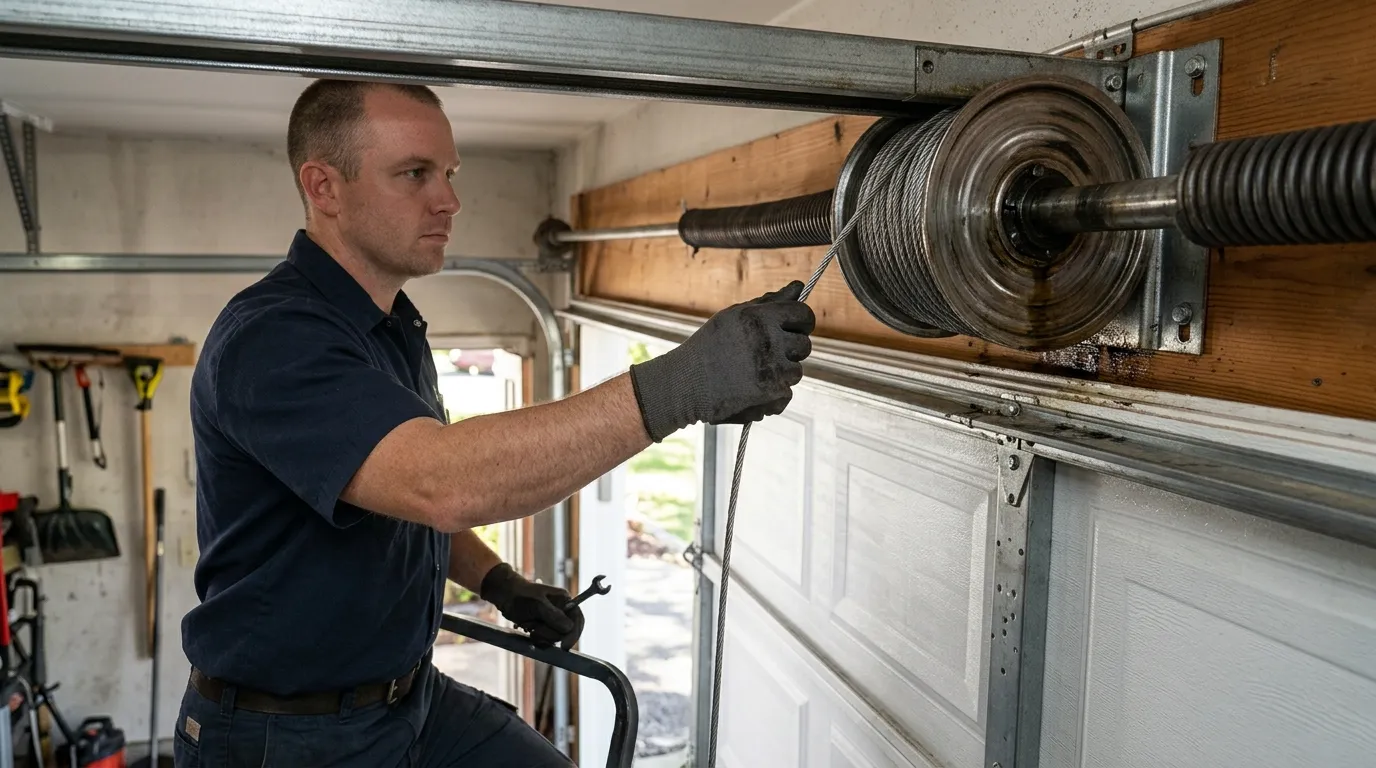
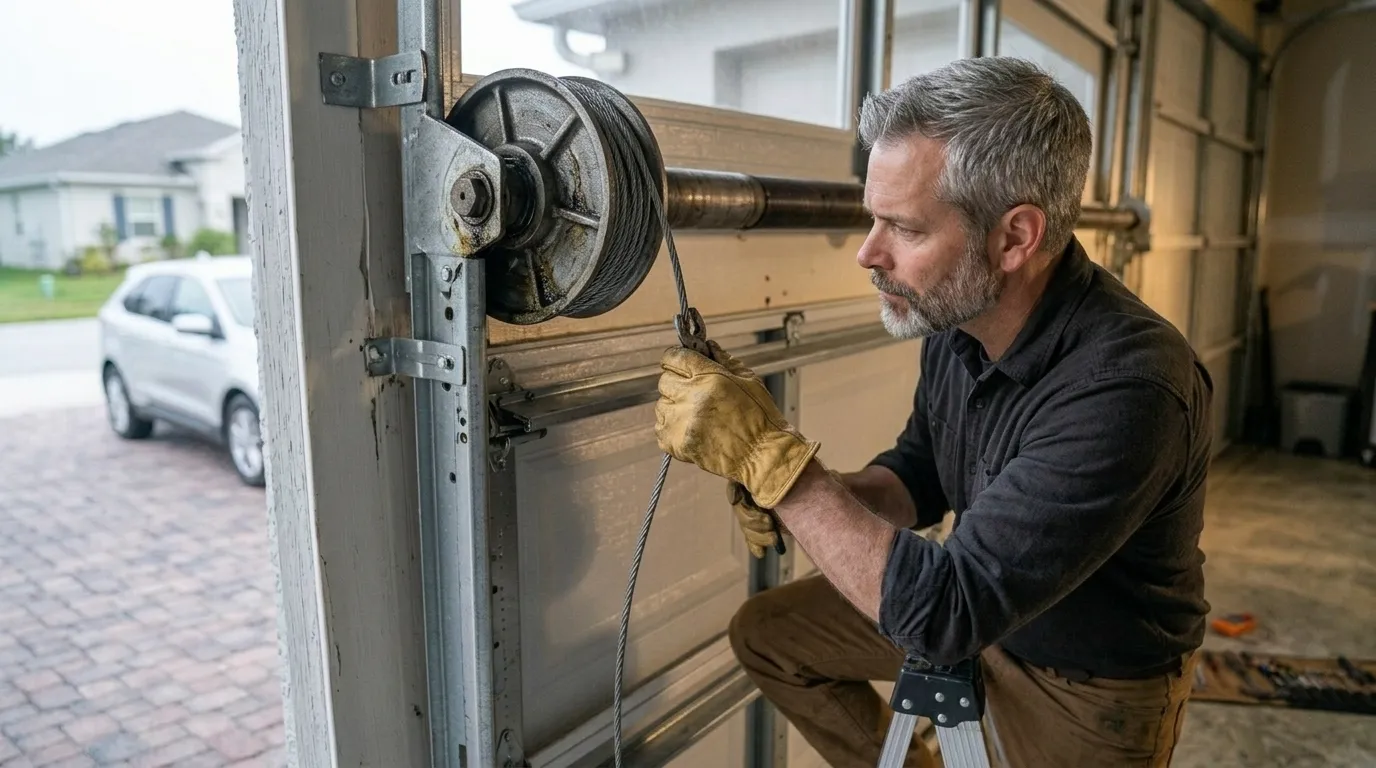
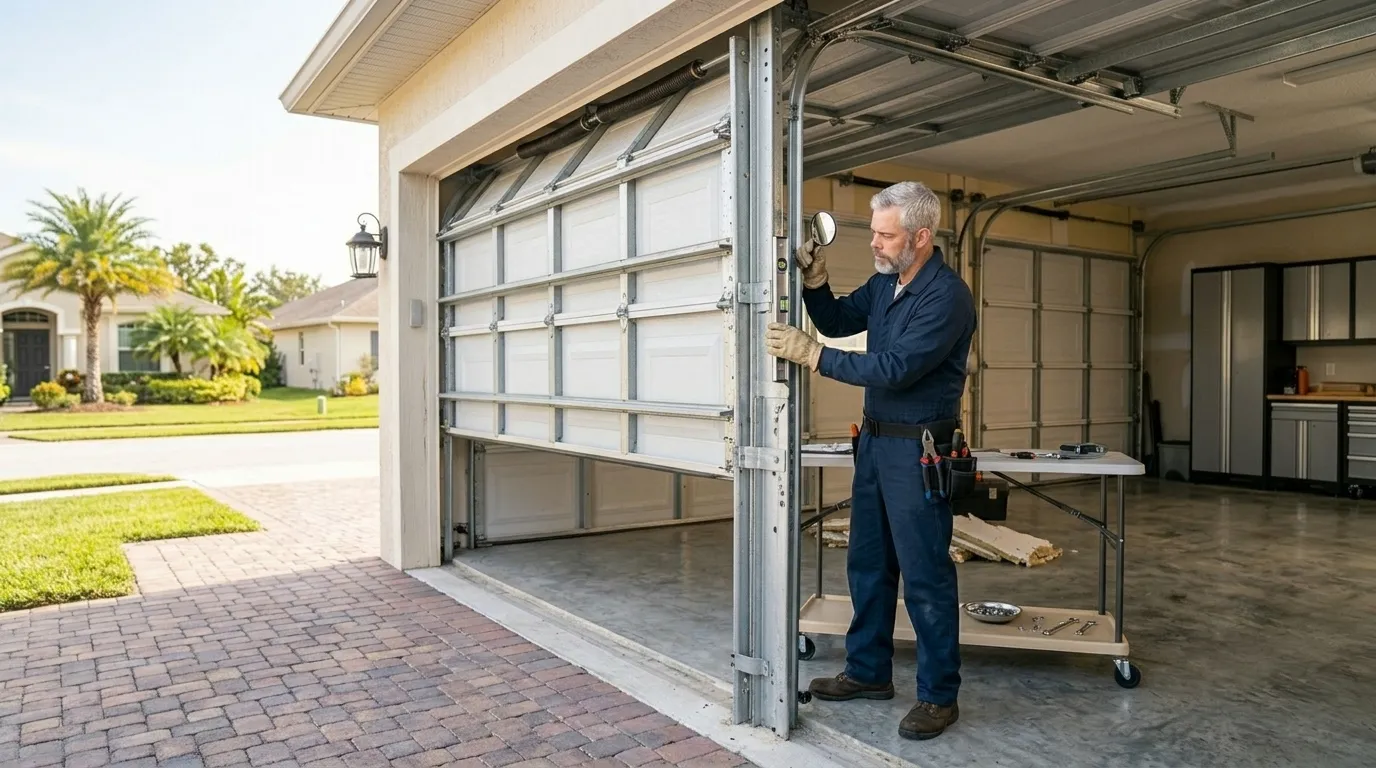
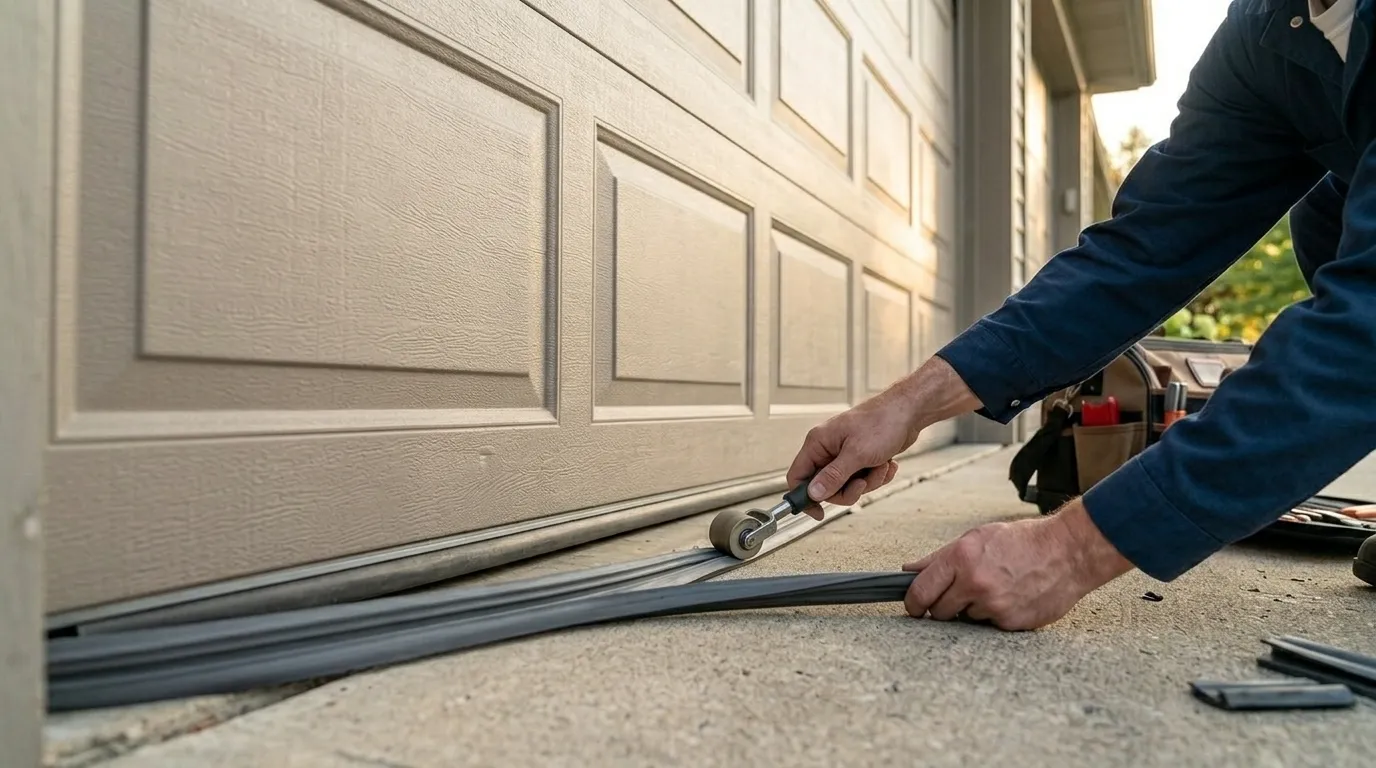
The failure point on most installs here isn't the door itself, it's what's behind the drywall. Houses built in and around 1959 in Parma Heights were framed to different lumber standards than anything built after the 1970s, so headroom for a torsion spring setup is sometimes tighter than the door manufacturer's spec sheet assumes. We've measured openings with barely four inches of clearance above the frame, which rules out a standard torsion shaft without shimming or a low-headroom kit. The other spot this goes sideways: insulation. This region sits in a severe cold climate band, and a single-layer door that looked fine on the showroom floor won't hold heat the way a two-inch polyurethane-core door does once winter sets in. Owners who buy on price alone sometimes find that out the first cold spell, when the garage stays noticeably colder than the rest of the house. Neither of these is a reason to panic - they're reasons to measure the header, the jambs, and the room before ordering, not after the door shows up on a truck that can't take it back.
Time on the Job
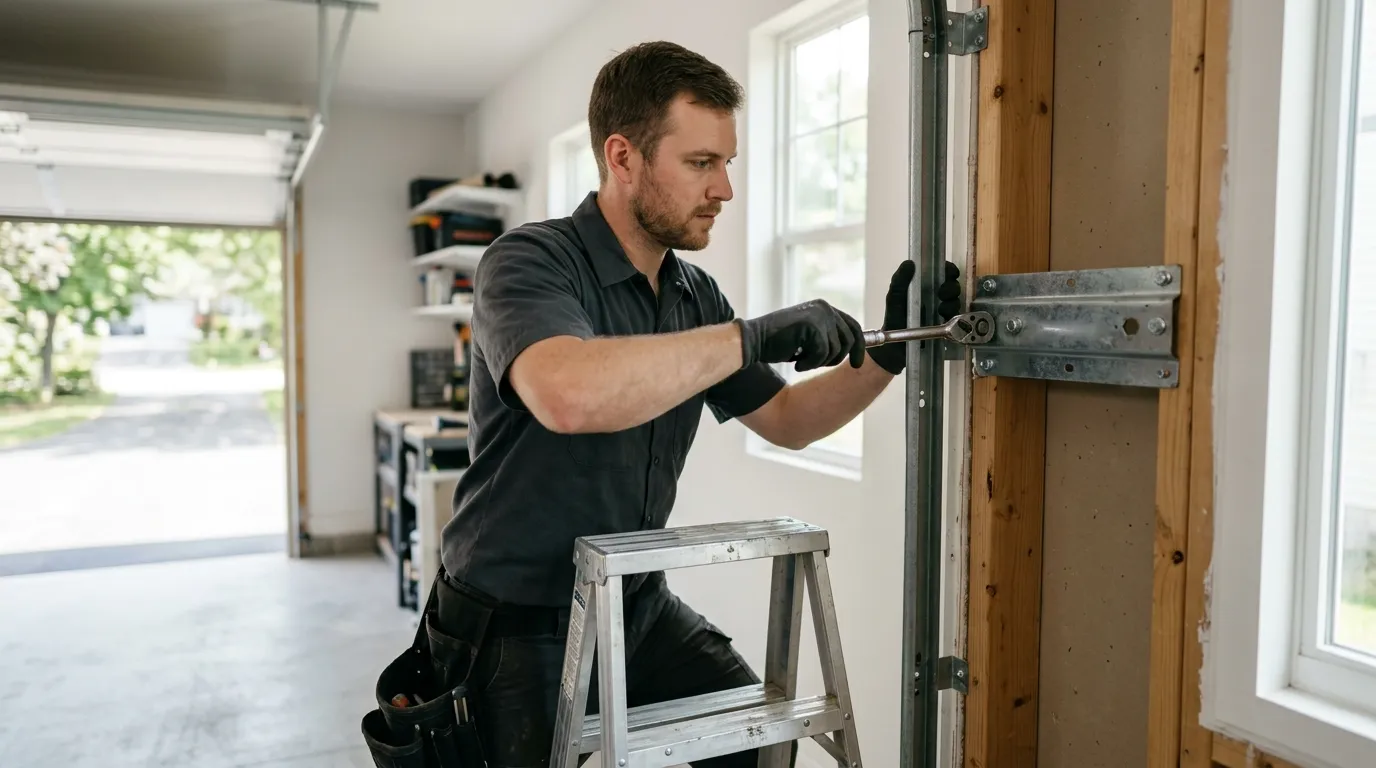
A standard new install, once the door's in hand, runs about the same here as anywhere in the service area - the two-mile drive from Parma doesn't change the work, just how soon we can start it. What can add time is the framing itself: a jamb that's not square after sixty-plus years takes longer to shim than a fresh-built opening, and that's more common in Parma Heights' 1959-era housing stock than in newer construction elsewhere. If the door you want isn't a standard size - which happens more often here than in newer suburbs - expect a lead time on the order itself before we ever touch a drill. We won't quote you a same-day install on a non-standard door; that's not us being cautious for the sake of it, it's just how long the manufacturer takes to build one.