
Doing It Yourself
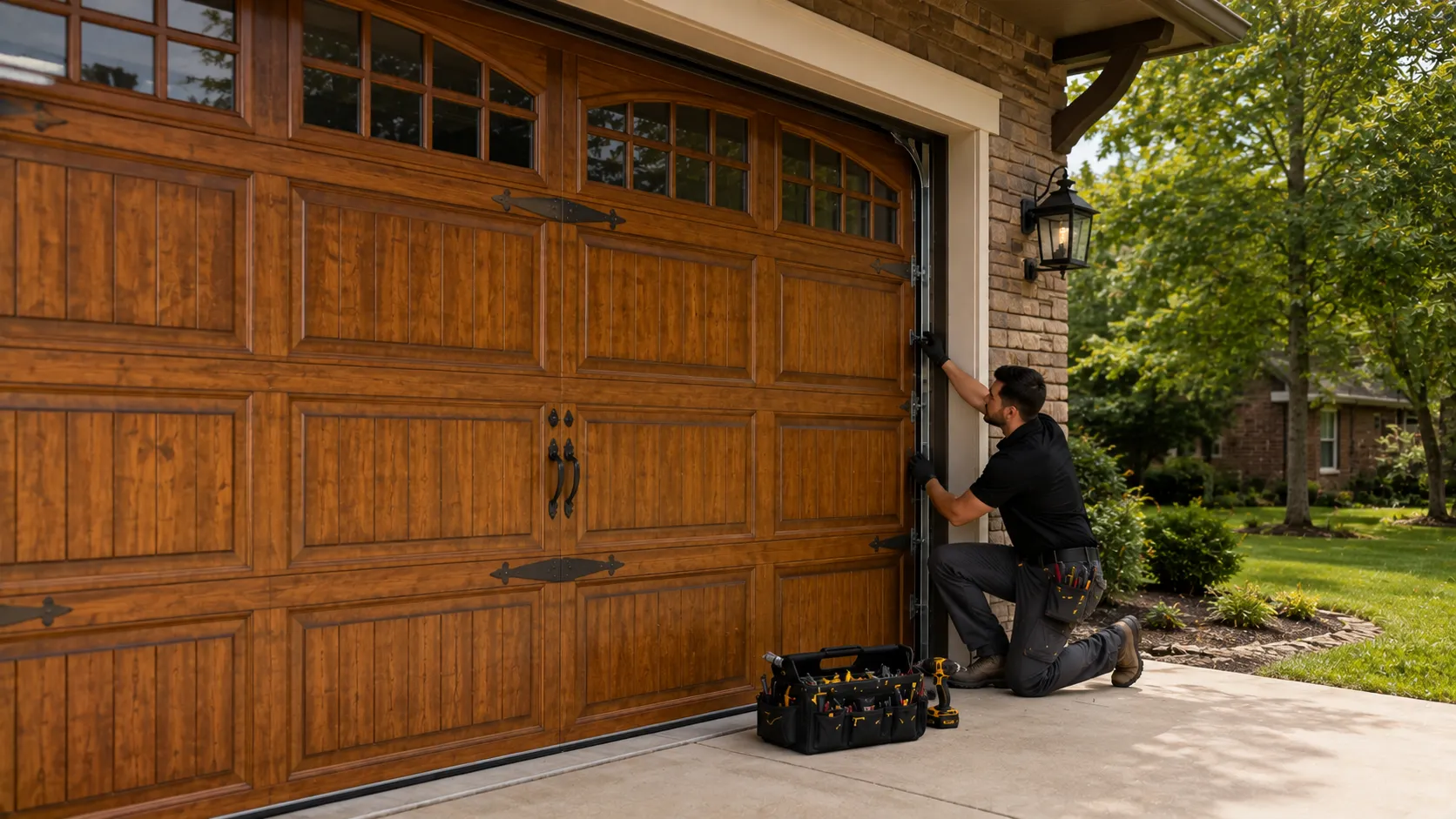
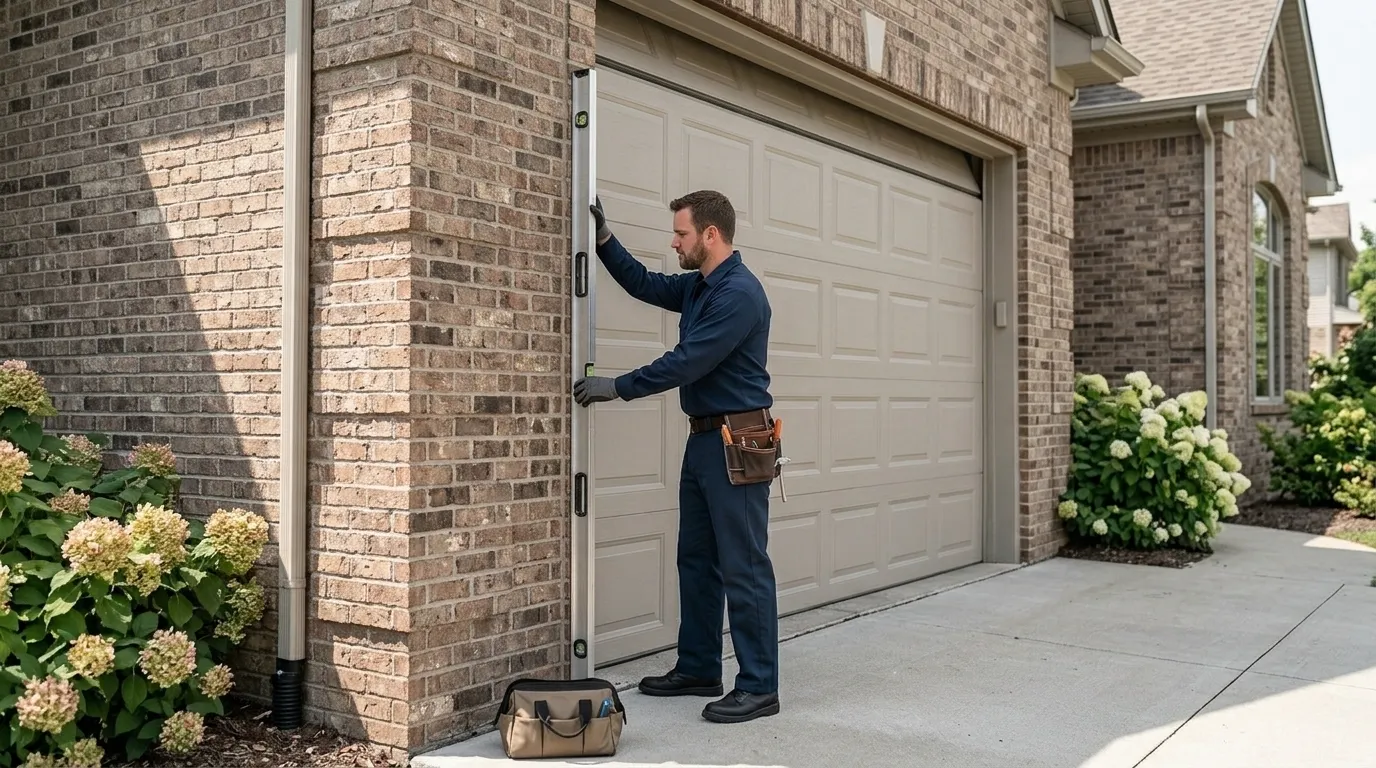
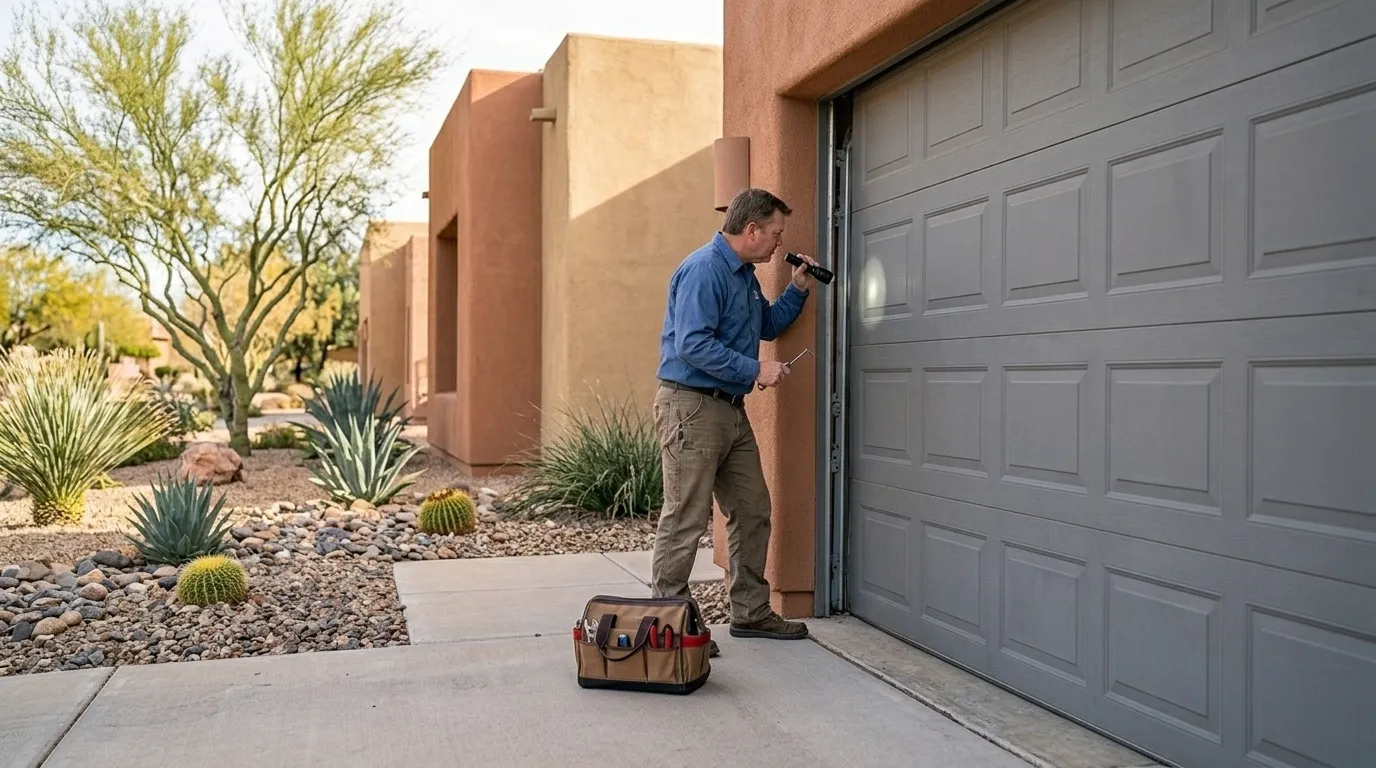
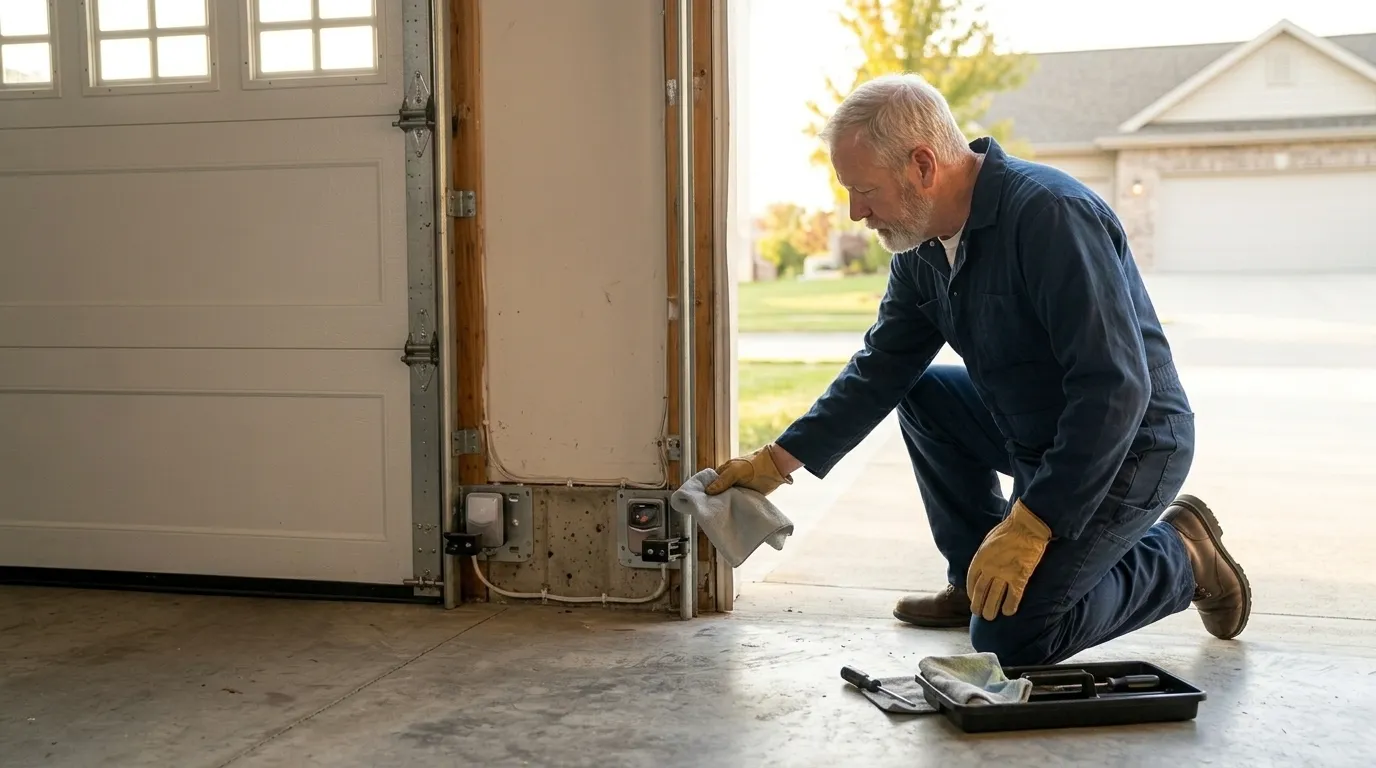
Parma Heights' median build year sits at 1959, seven years ahead of Parma's citywide median of 1966. That earlier construction date matters because it usually means the opener isn't the original - it's a replacement unit bolted onto framing and wiring that predates it, sometimes more than once over. Before you call anyone, check the easy stuff: are the safety sensors at the bottom of the track aligned and clean, is the remote's battery dead, is the wall button wired loose. Those three things account for a real share of "my opener won't work" calls everywhere, and they cost nothing to rule out yourself.
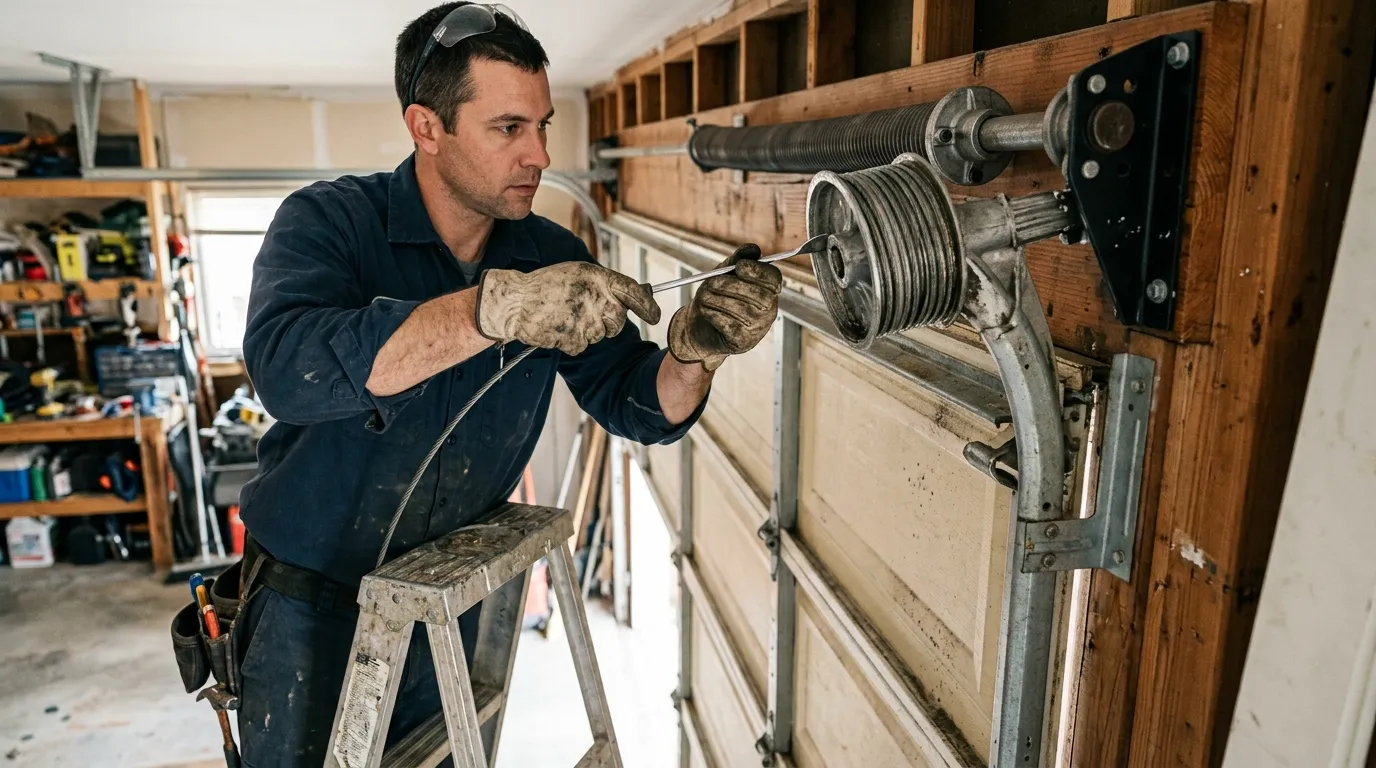
What we don't recommend touching yourself is the drive gear housing or anything involving the opener's power head wiring if the unit is original to a house built before 1970. On houses this age in this area, we've found deteriorated insulation on interior wiring that a homeowner shouldn't be poking at with the power on. If the sensors are aligned, the remote has a fresh battery, and the opener still won't run or reverses randomly, that's a job for someone who knows what a stripped drive gear versus a failed logic board looks like from the sound alone. Guessing wrong here usually means buying two parts instead of one.
Where This Job Goes Sideways
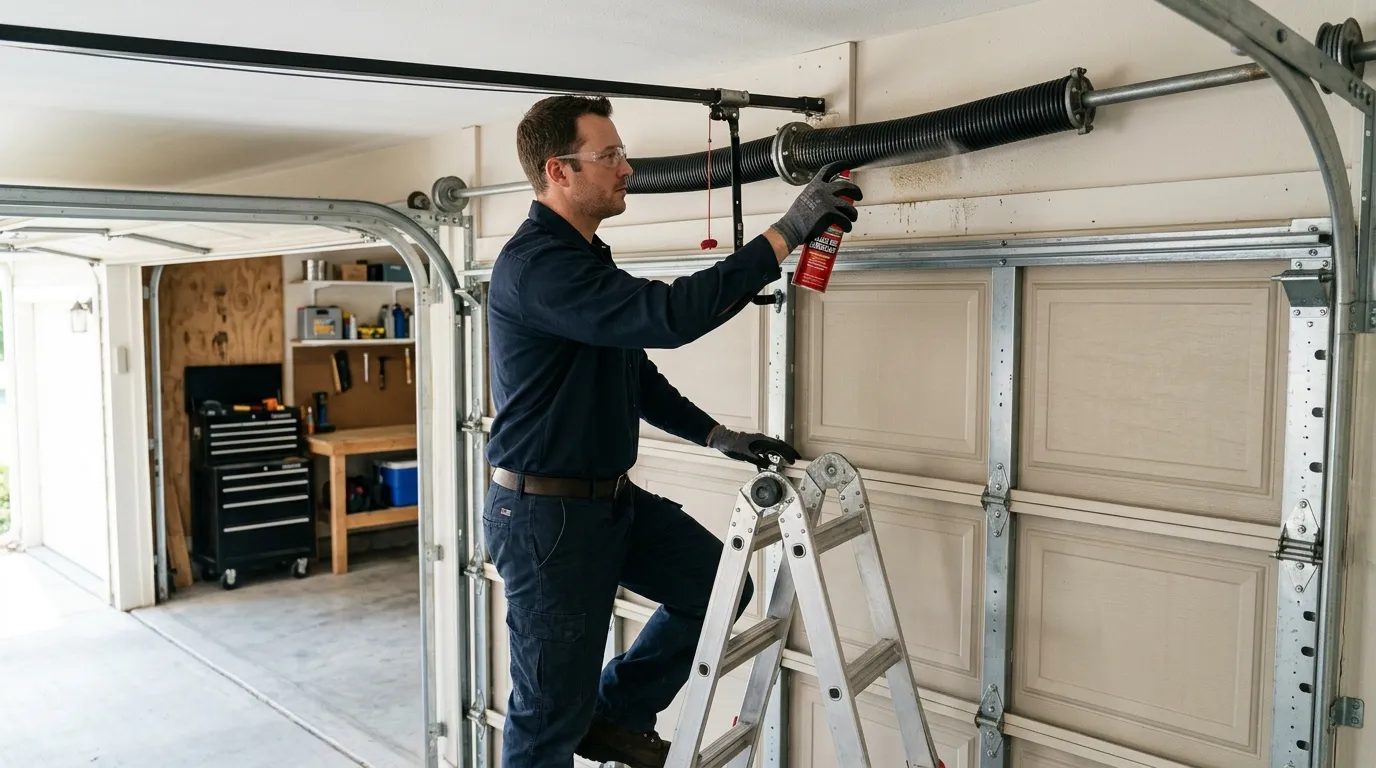
The area's cold winters put real stress on garage door openers, and that stress compounds on older units. Grease inside a chain-drive gearbox stiffens in deep cold, motors labor harder to pull a door with cold-shrunk springs, and that extra draw is what finally cooks a capacitor or fries a circuit board that was already marginal. On a 1959-median housing stock like this one, we run into openers where the logic board has been replaced once already but the drive assembly is still original - two different failure clocks running on the same unit.
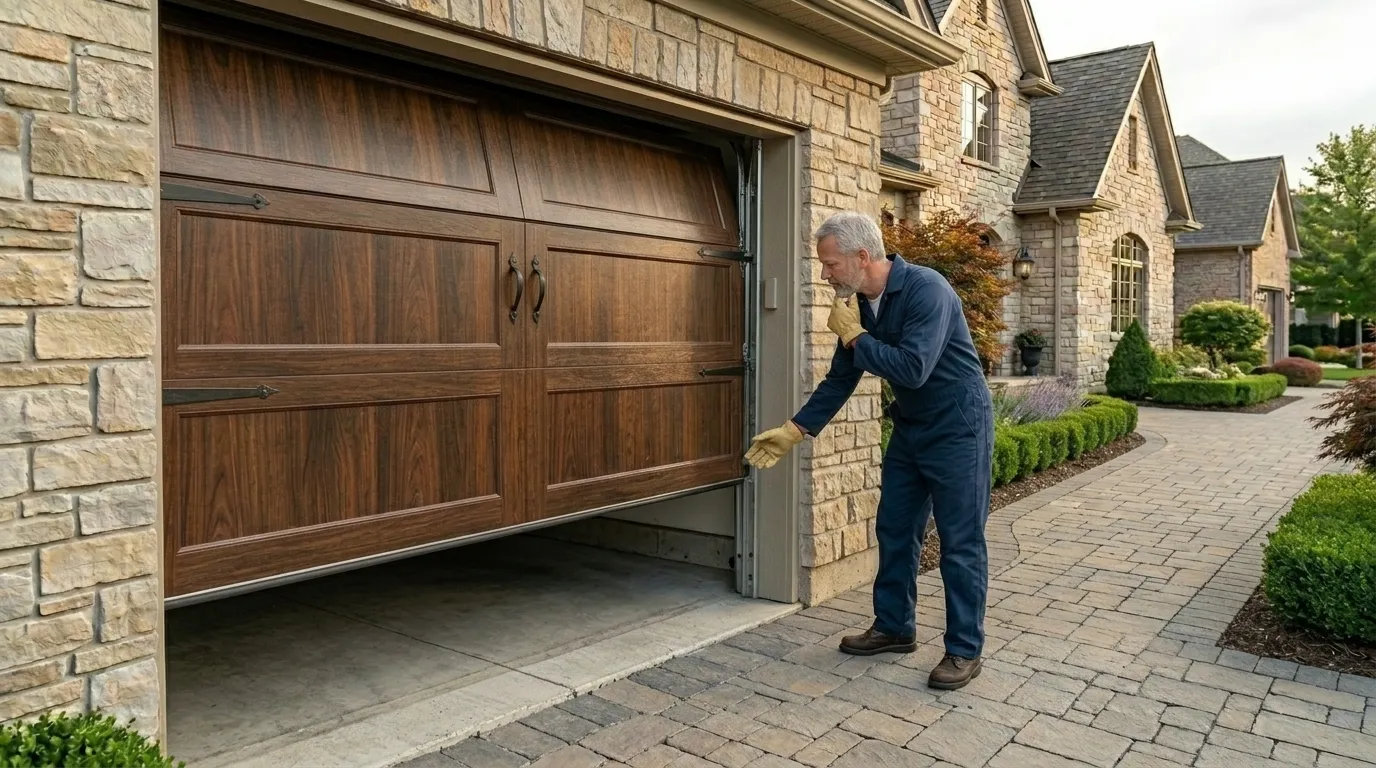
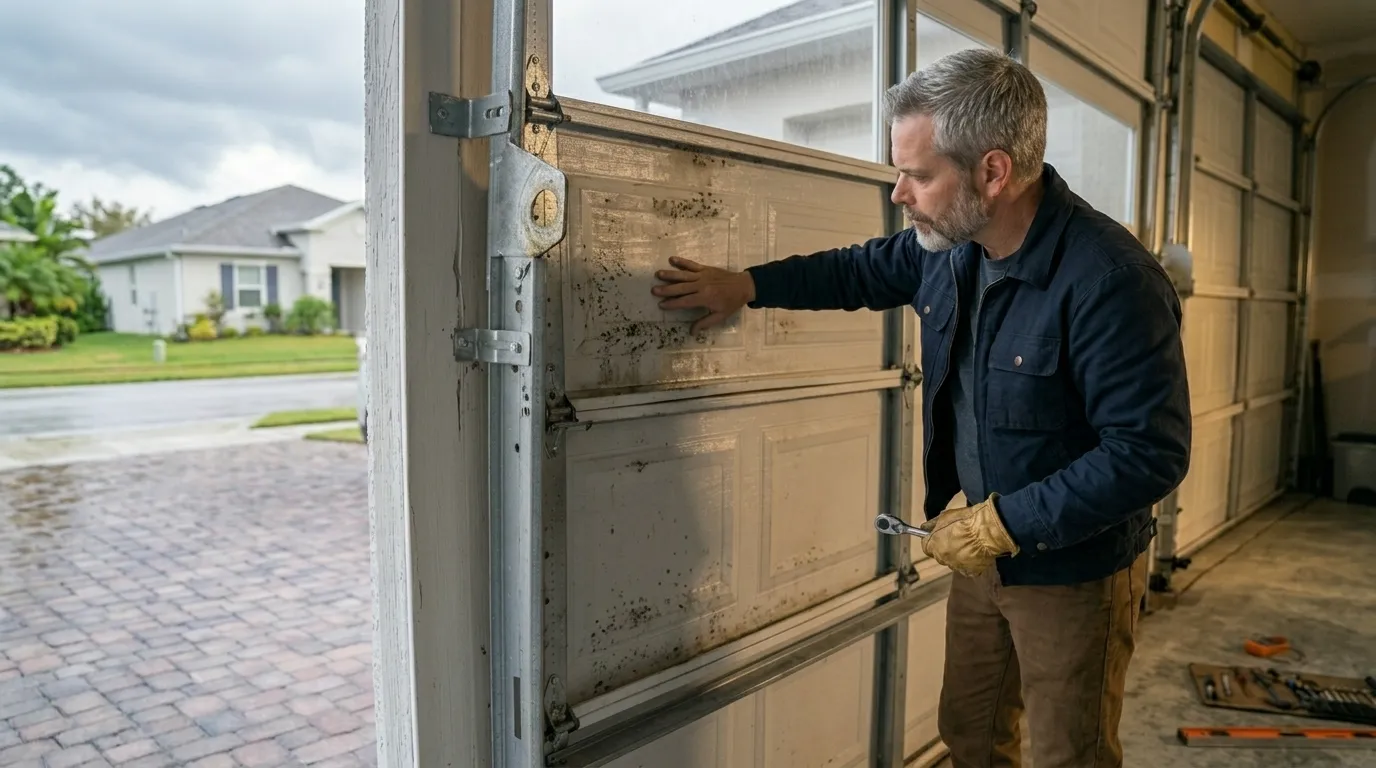
The other place this goes sideways: homeowners assume a dead opener means a dead motor, when it's often the safety reversal sensors knocked out of alignment by a bumped ladder or a garage sale table leaned against the track. We also see chain tension go slack on older drives that were never adjusted after the first few years of use, which reads to the owner as "the opener is dying" when it's a five-minute fix. The honest limitation: if the opener is original to a house from the 1960s and the drive gear housing has cracked, we'll usually tell you replacement beats repair - parts for units that old are getting hard to source and a new opener runs quieter and safer anyway.
Time on the Job
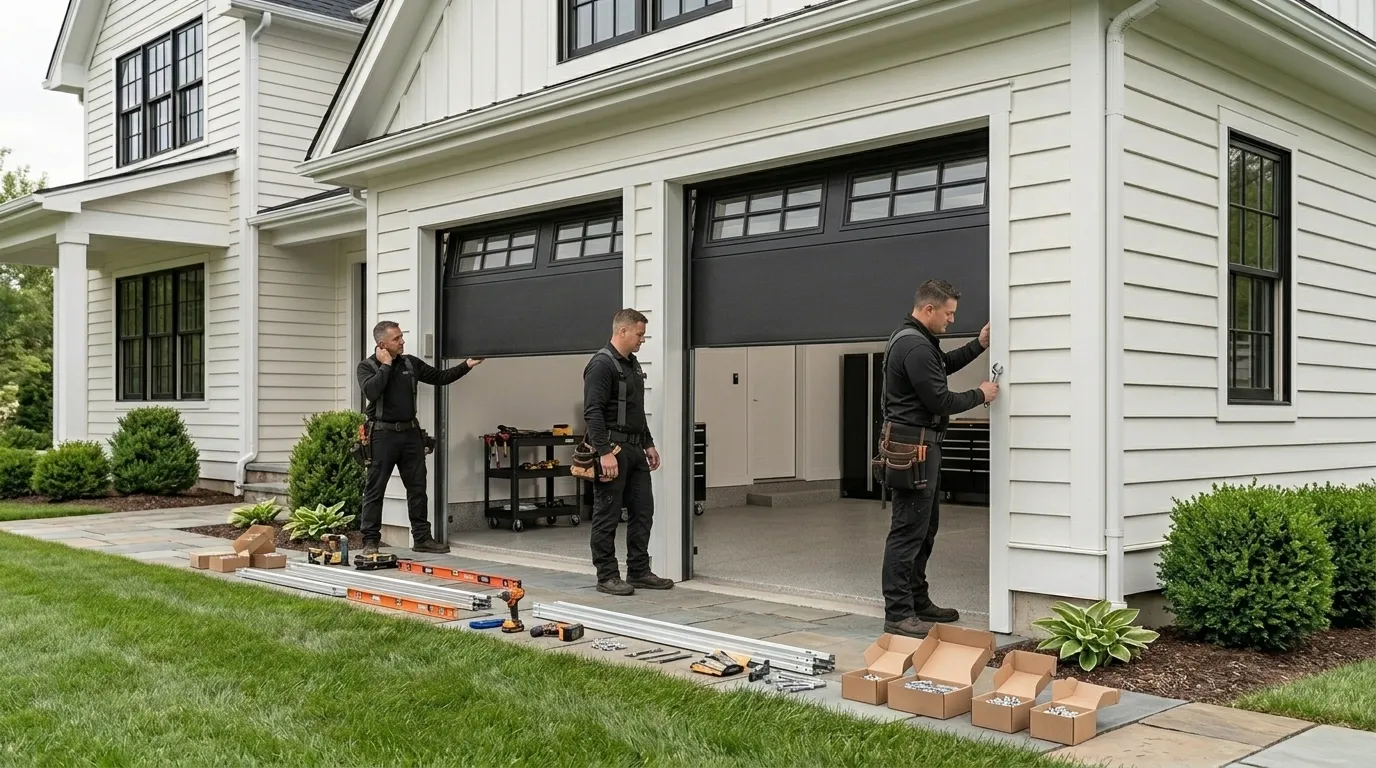
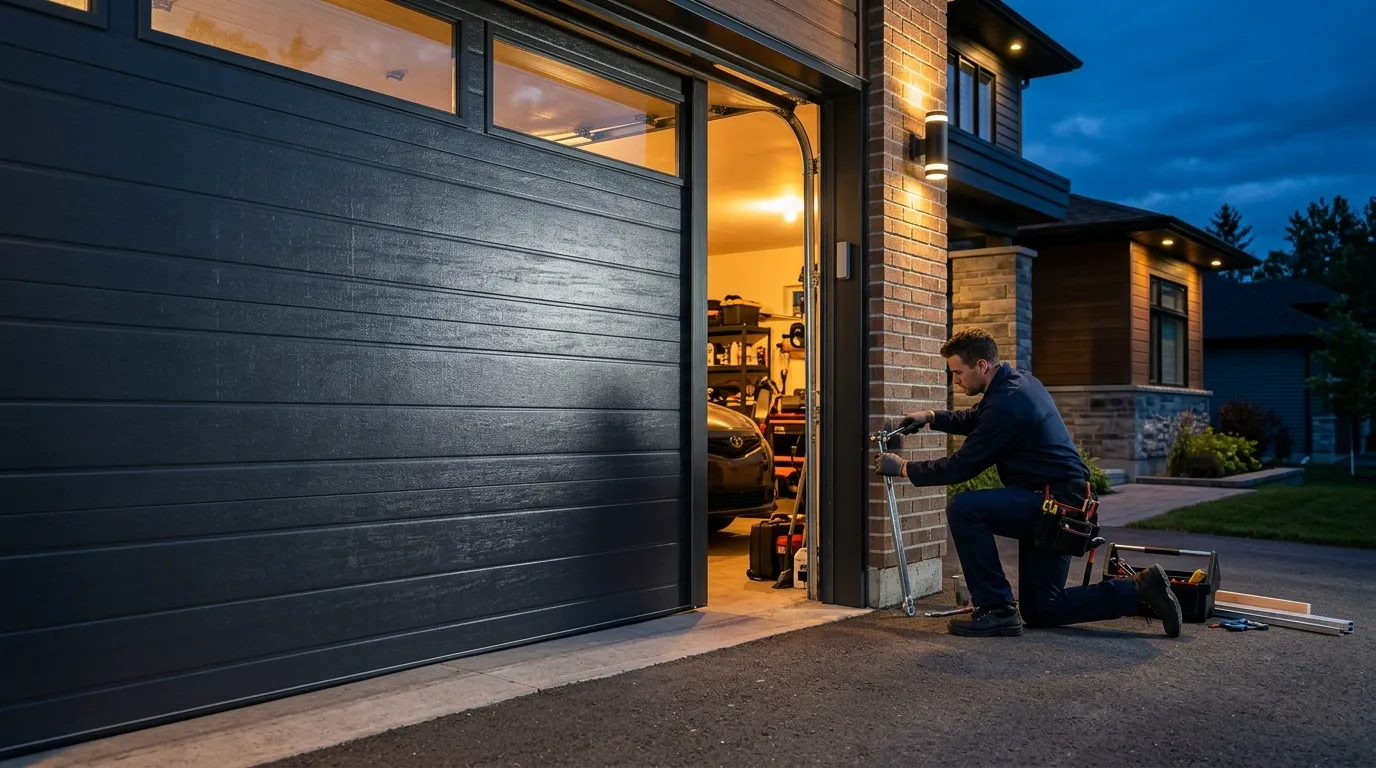
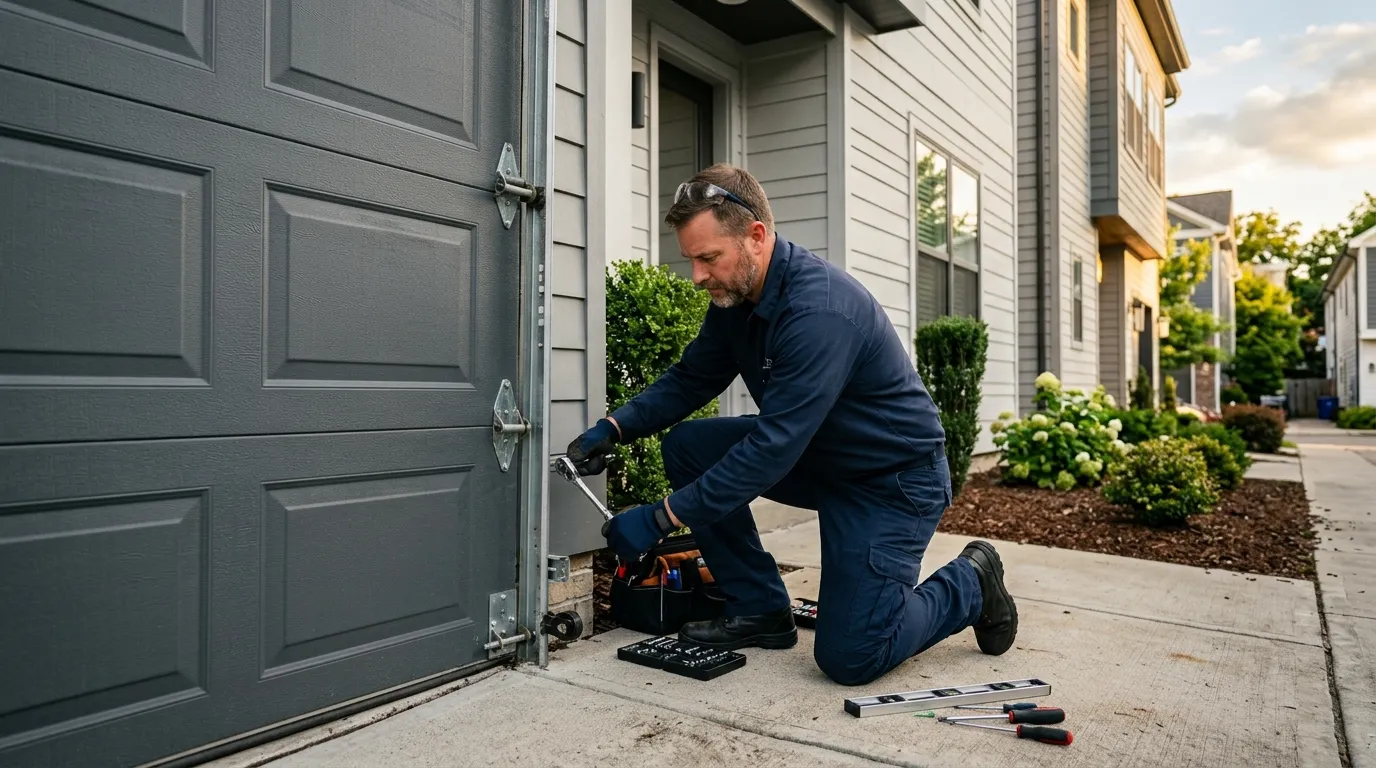
The crew comes from Parma, two miles up the road, so getting to a Parma Heights job doesn't add meaningfully to the drive. Most straightforward opener repairs - a sensor realignment, a chain tension adjustment, a capacitor swap - run under an hour once the truck is parked. A full opener replacement, which is common on the original units still running in this area's older section of housing stock, takes longer because it usually means re-mounting brackets and rewiring a wall control that's decades newer than the door track it's paired with.
We won't quote a time before seeing the unit, because a 1960s drive assembly with a stripped gear takes a different amount of time than a 2000s belt drive with a bad board. What we can say is that the age gap between this area's housing and the rest of Parma's stock is exactly why we bring both older-style and current parts on the same truck run.