Doing It Yourself
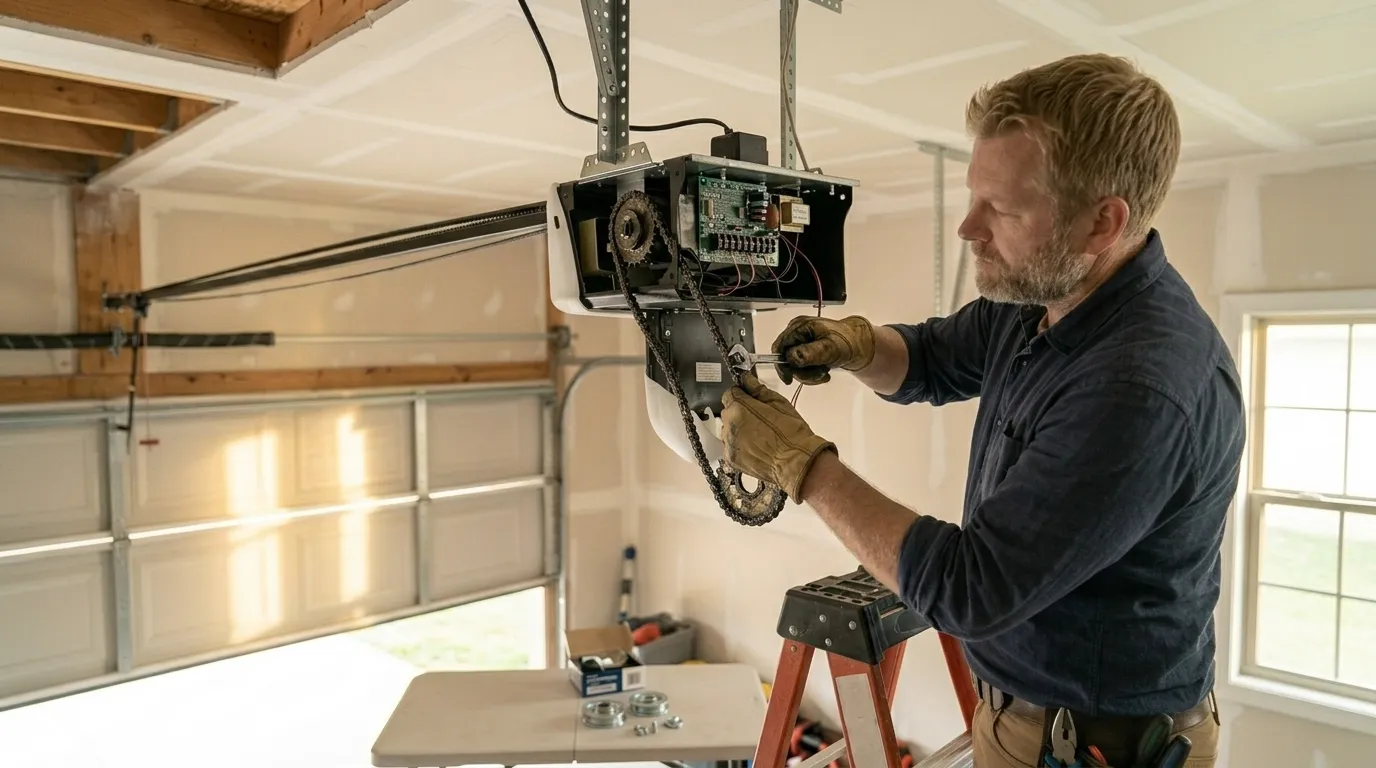
Parma Heights households have a median income of $59,218, well under the $95,313 median across the wider service area. That gap matters here because it decides which side of the repair-or-replace line most calls land on. A chain-drive opener that's stalling but still pulling the door is usually worth fixing. An opener from the same era as the house - and this is a neighborhood where the housing stock leans older, closer to 1938-1966 construction than the newer end of the area's range - is often past the point where a new logic board or gear kit makes sense next to the cost of a new unit.
We won't talk you into a new opener you don't need. If the motor's fine and it's a capacitor or a worn sprocket, that's a repair call, not a sales pitch. But we also won't pretend a 20-year-old opener on a house built in the 1950s or 60s is a good long-term bet once the board starts going. At this income level, we'd rather tell you the real number up front than have you spend twice.
We travel to Parma Heights from Parma, about 2 miles, so there's no separate branch here and no local response-time promise beyond what we quote on the call.
Where This Job Goes Sideways
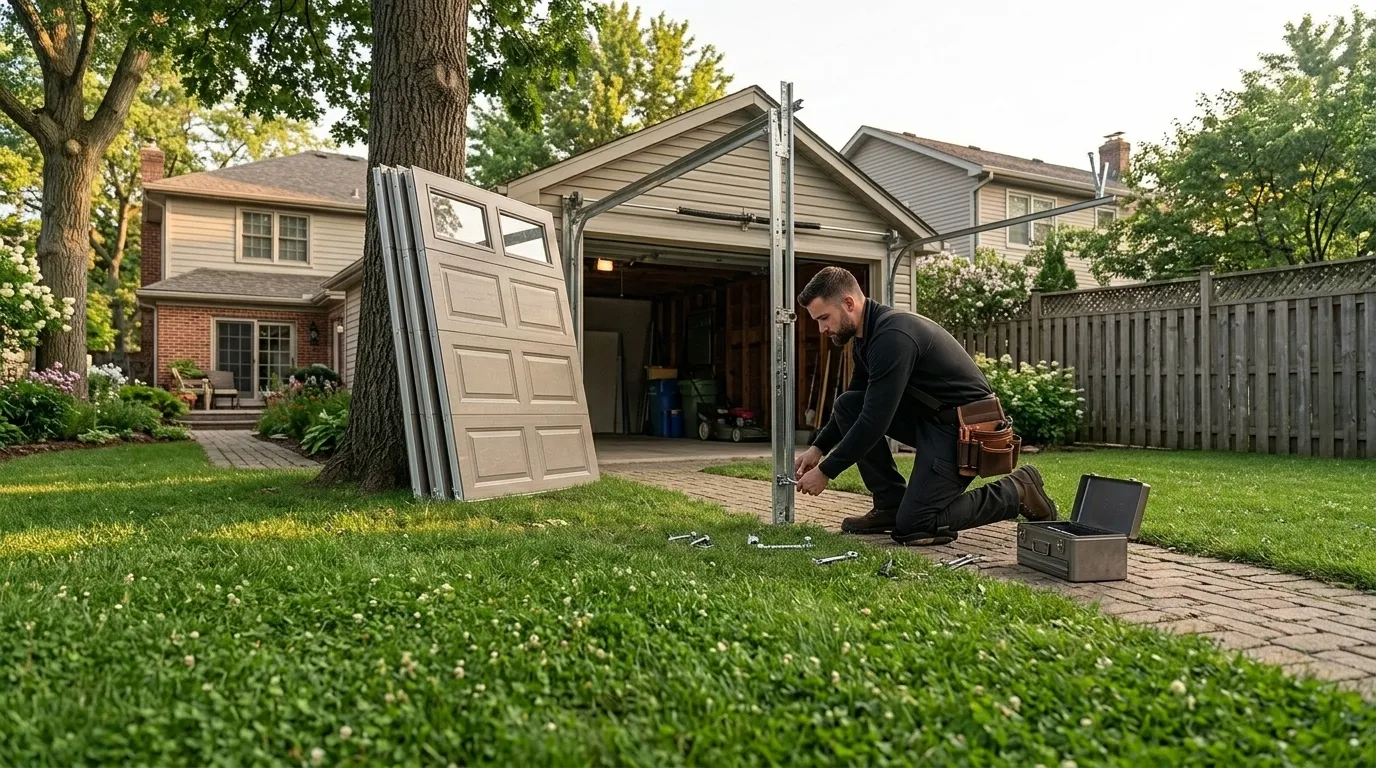
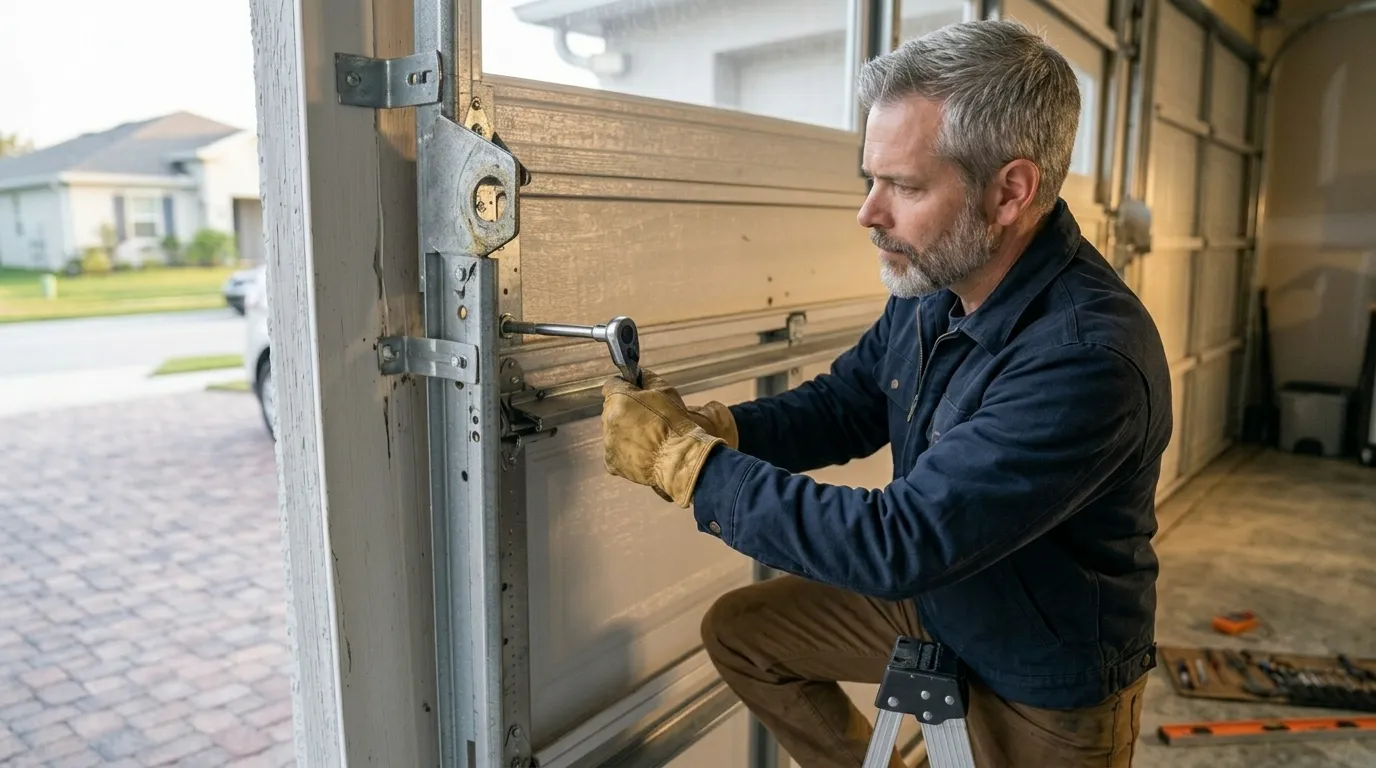
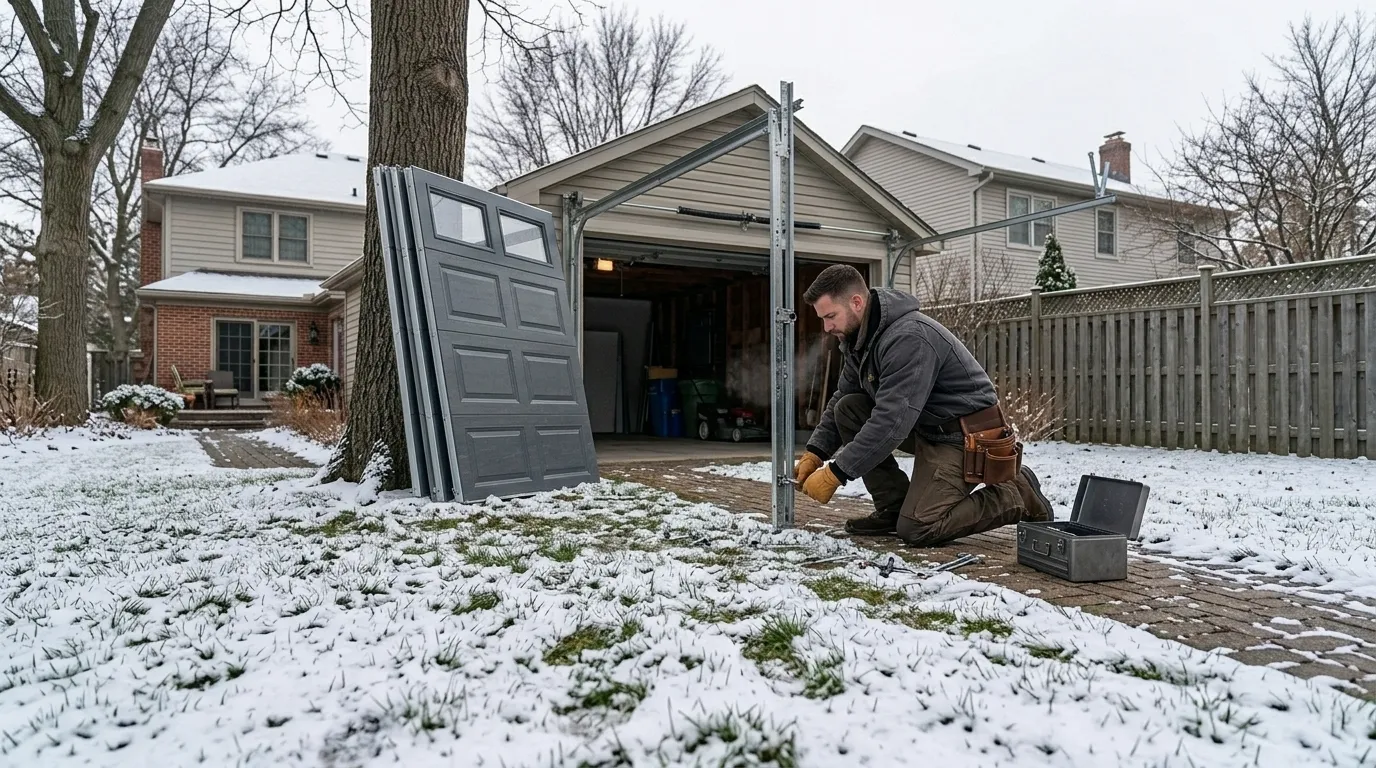
The trouble spot in this town isn't usually the opener itself - it's what's attached to it. Houses built when this area's median year (1959) puts them means a lot of the original garage structure and door hardware predates the opener that's currently installed. Somebody added a chain-drive unit to a door and track that were never engineered for it, and the mismatch shows up as a header that flexes, a door that reverses on its own, or a bracket pulling loose from a jamb that's older than the opener bolted to it.
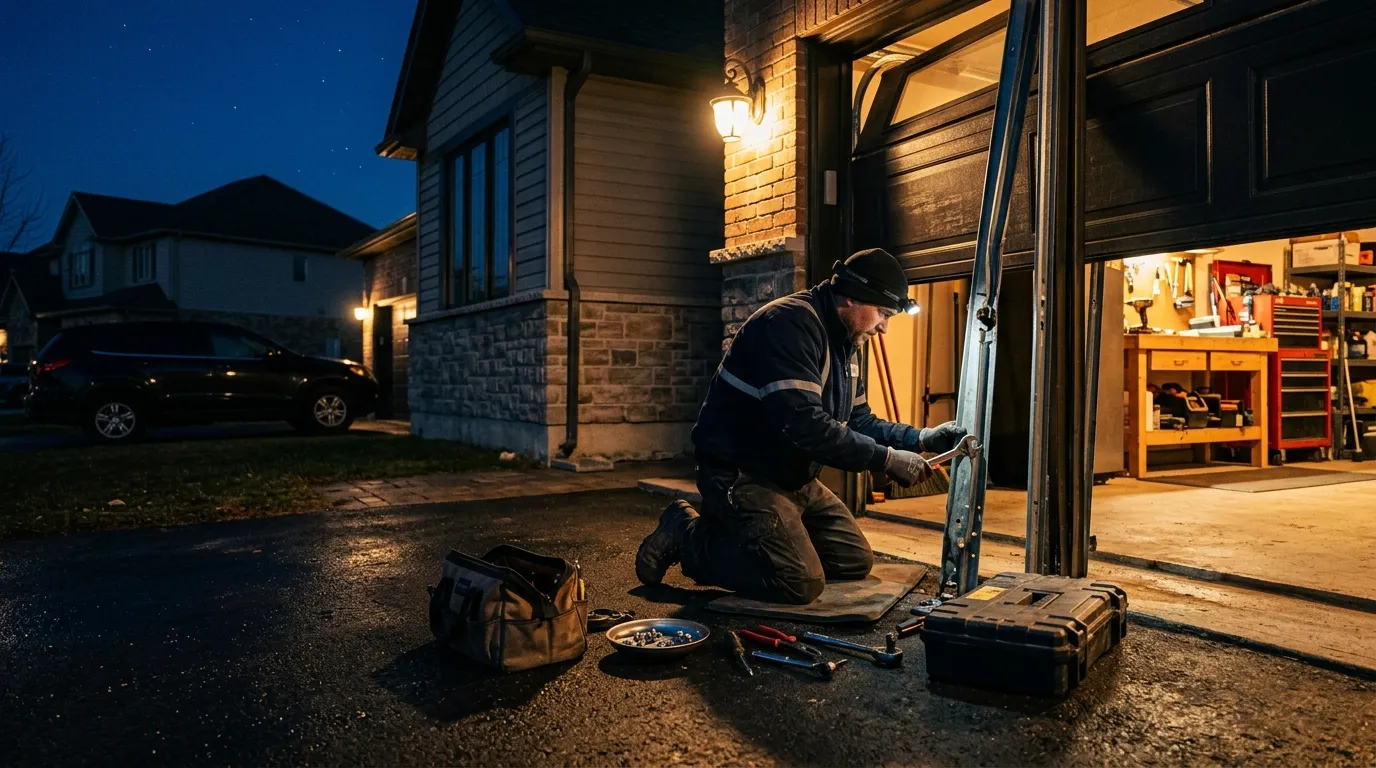
The severe cold winters this area gets (per federal climate data for the region) make it worse. Cold-stiffened grease and a marginal bracket is a bad combination on a January morning - that's usually the day the opener finally quits instead of just struggling.
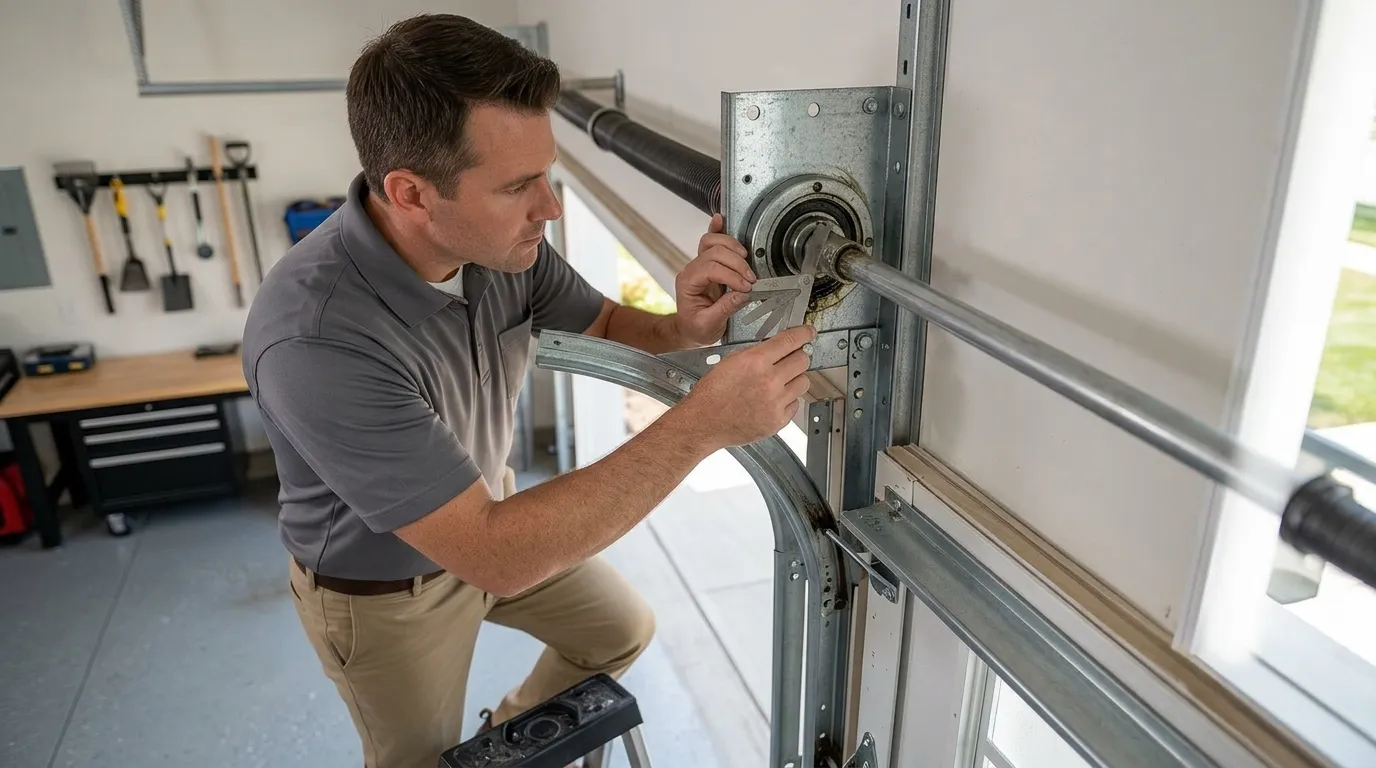
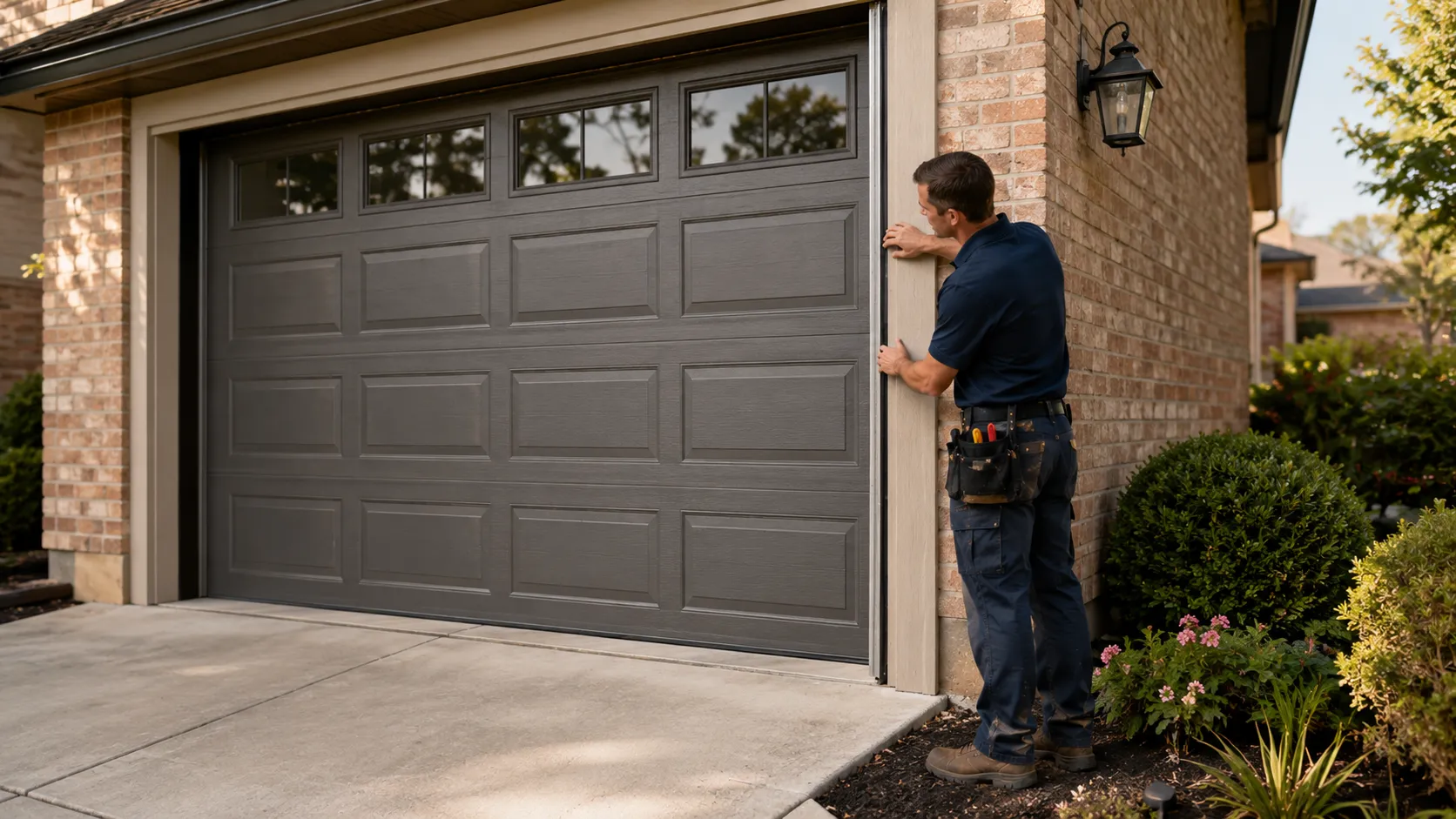
We check the header and the track before we touch the opener. If the door side of the equation is the real problem, installing a new opener on top of it just moves the failure point somewhere else in the system, and we'll say so before we quote the job.
Time on the Job
A clean swap on a door and track that are already sound is a same-visit job. Add a header repair, a bracket replacement, or rewiring for older safety sensors - more common in houses built well before this town's 1959 median - and the visit runs longer or needs a follow-up trip for parts.
We don't give a blanket time estimate on the phone before we've seen the door, because the two jobs above look identical from the driveway and aren't identical once the old opener comes down. What we can tell you before we start: whether it's a straight swap or a structural fix, based on what we find when we're standing under it.