Where This Job Goes Sideways
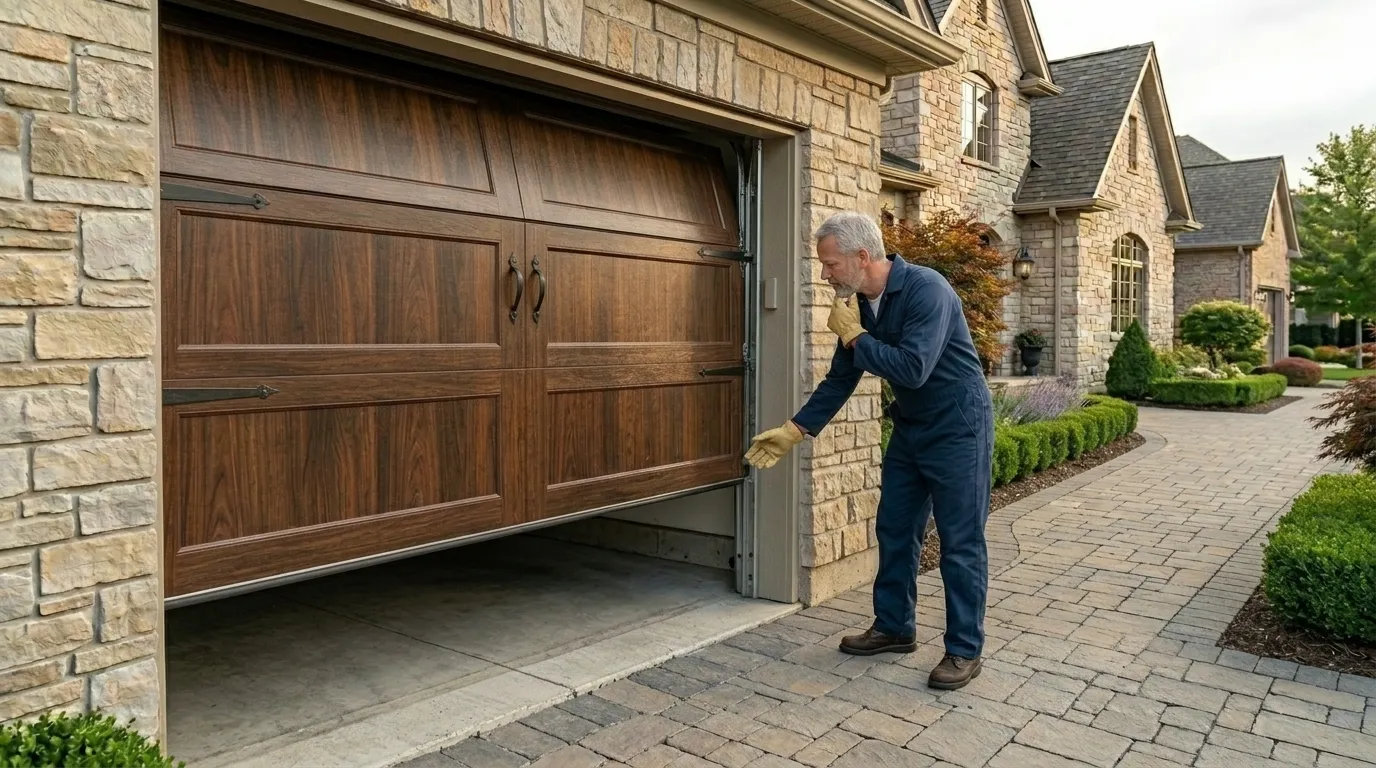
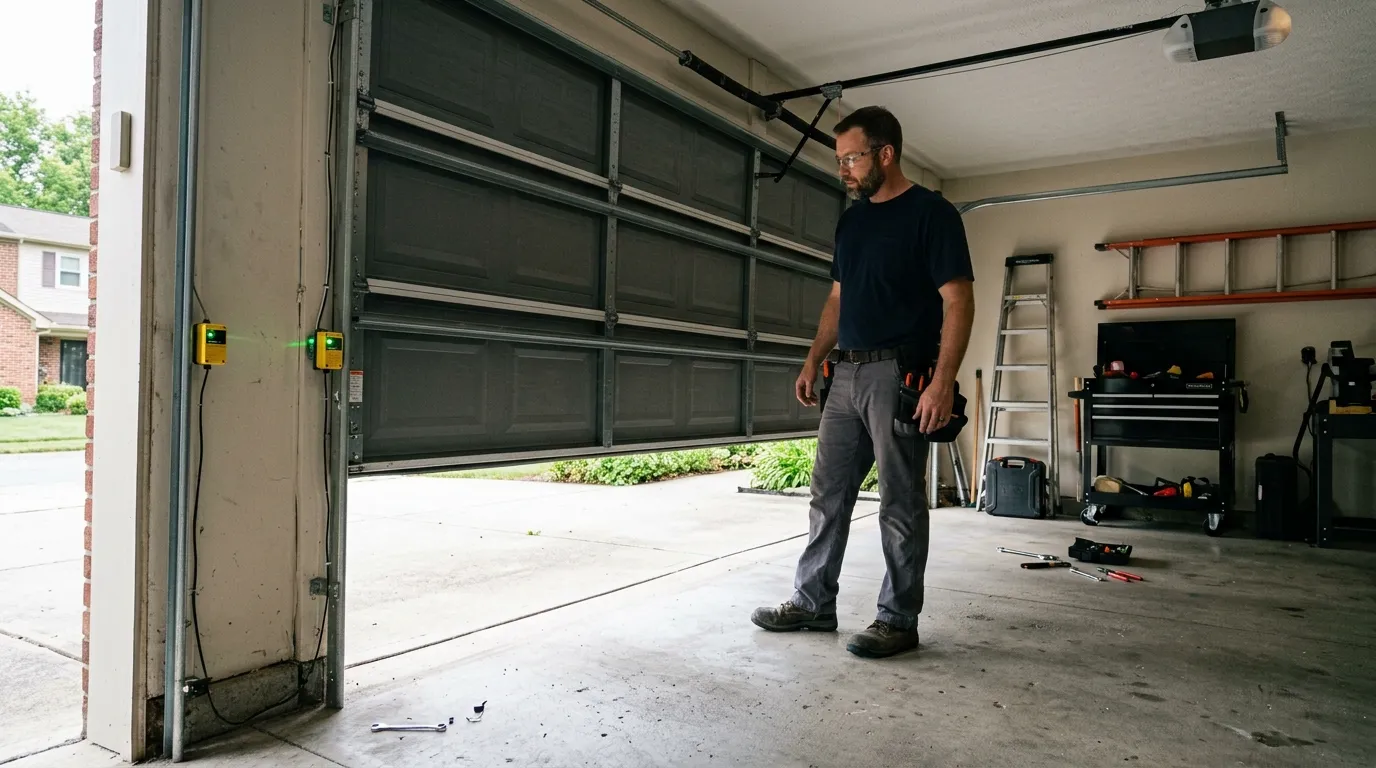
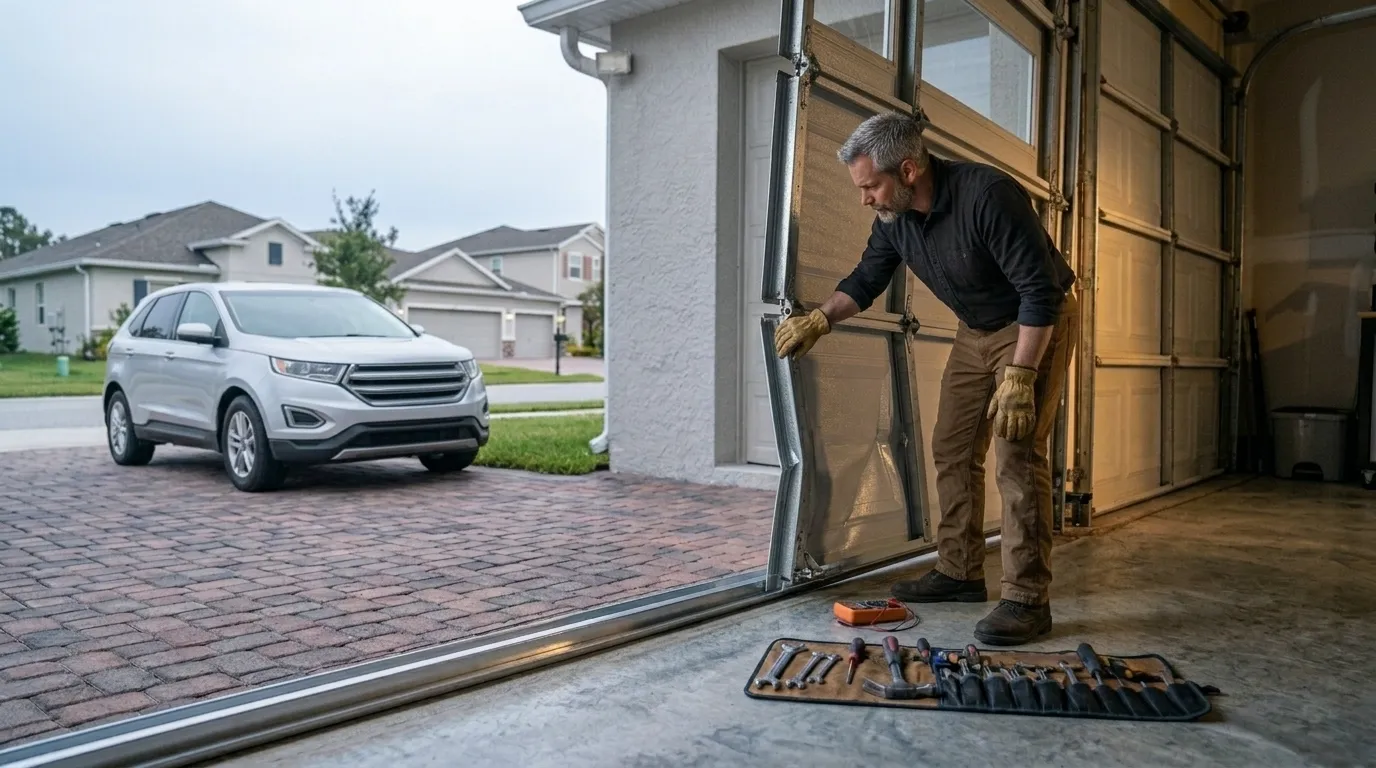
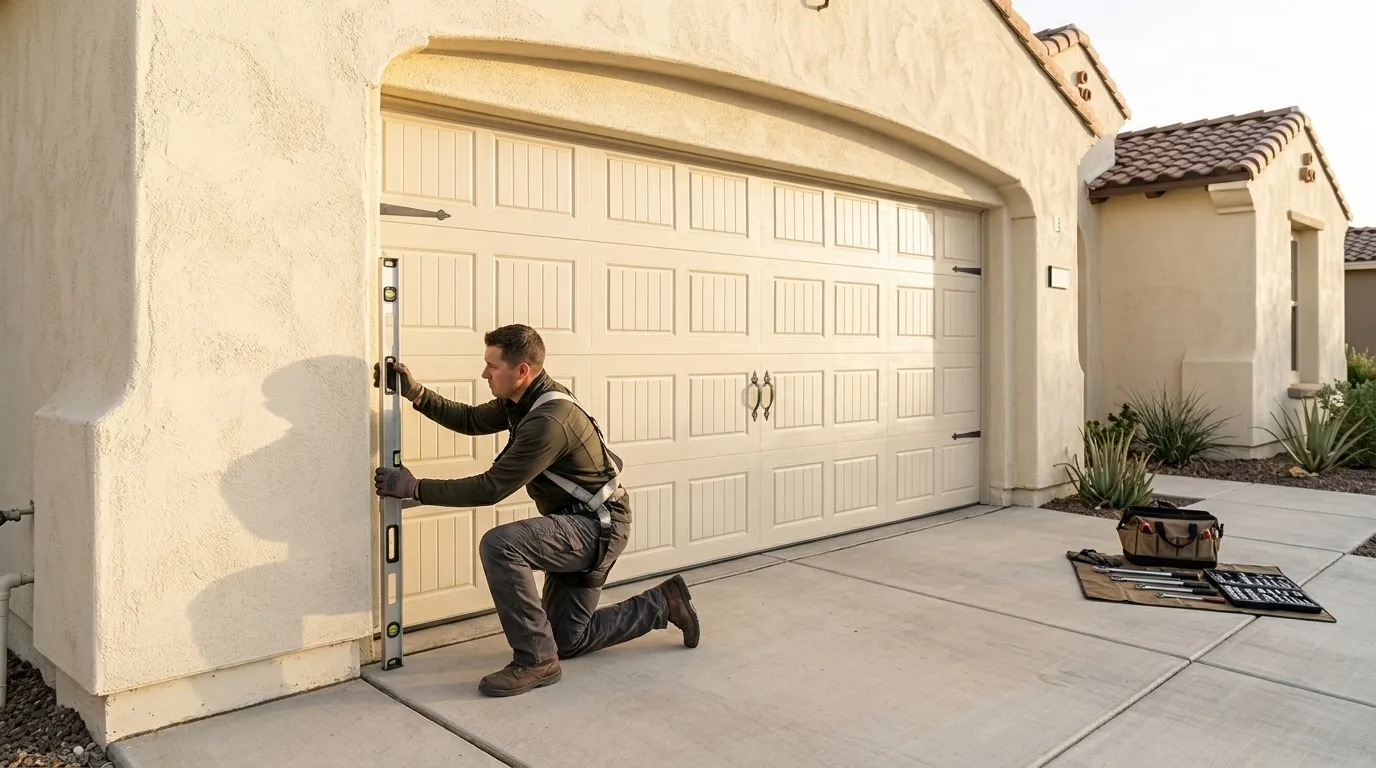
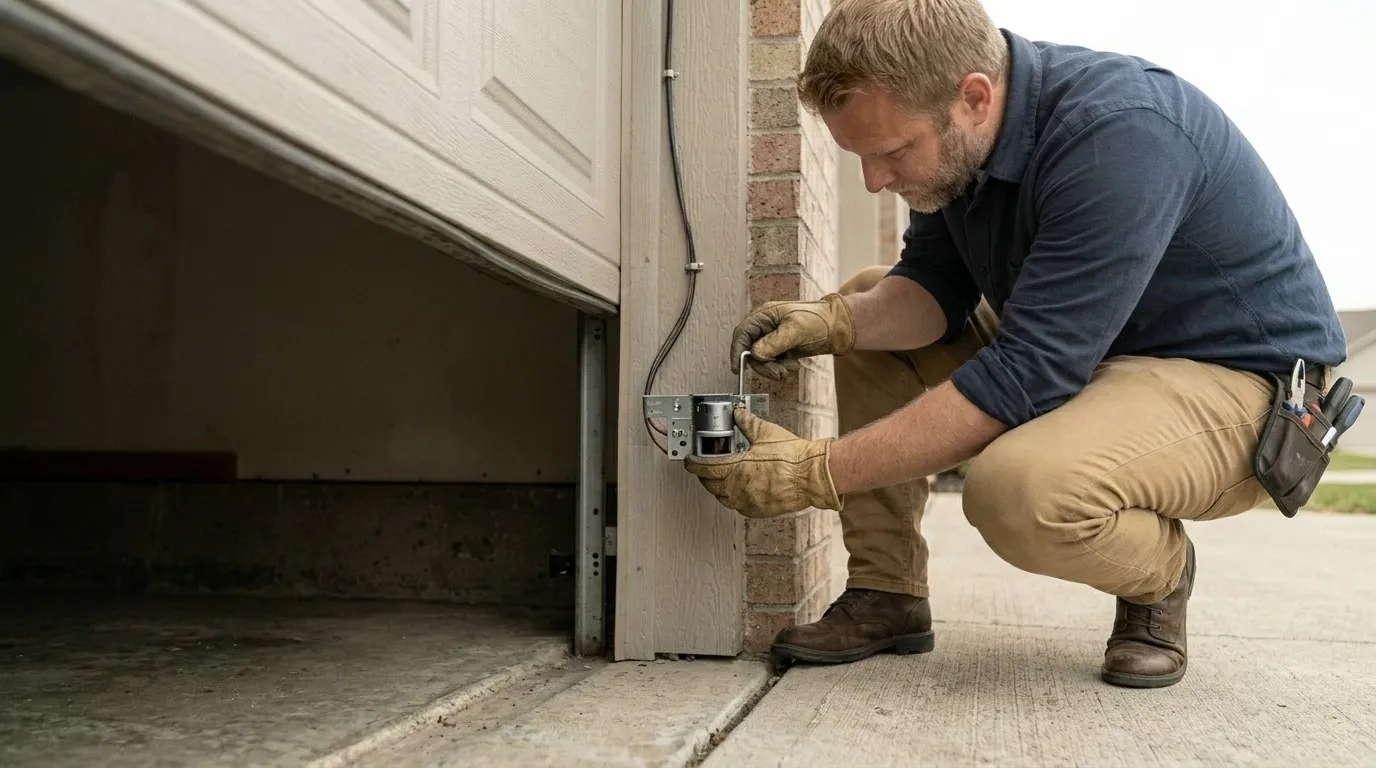
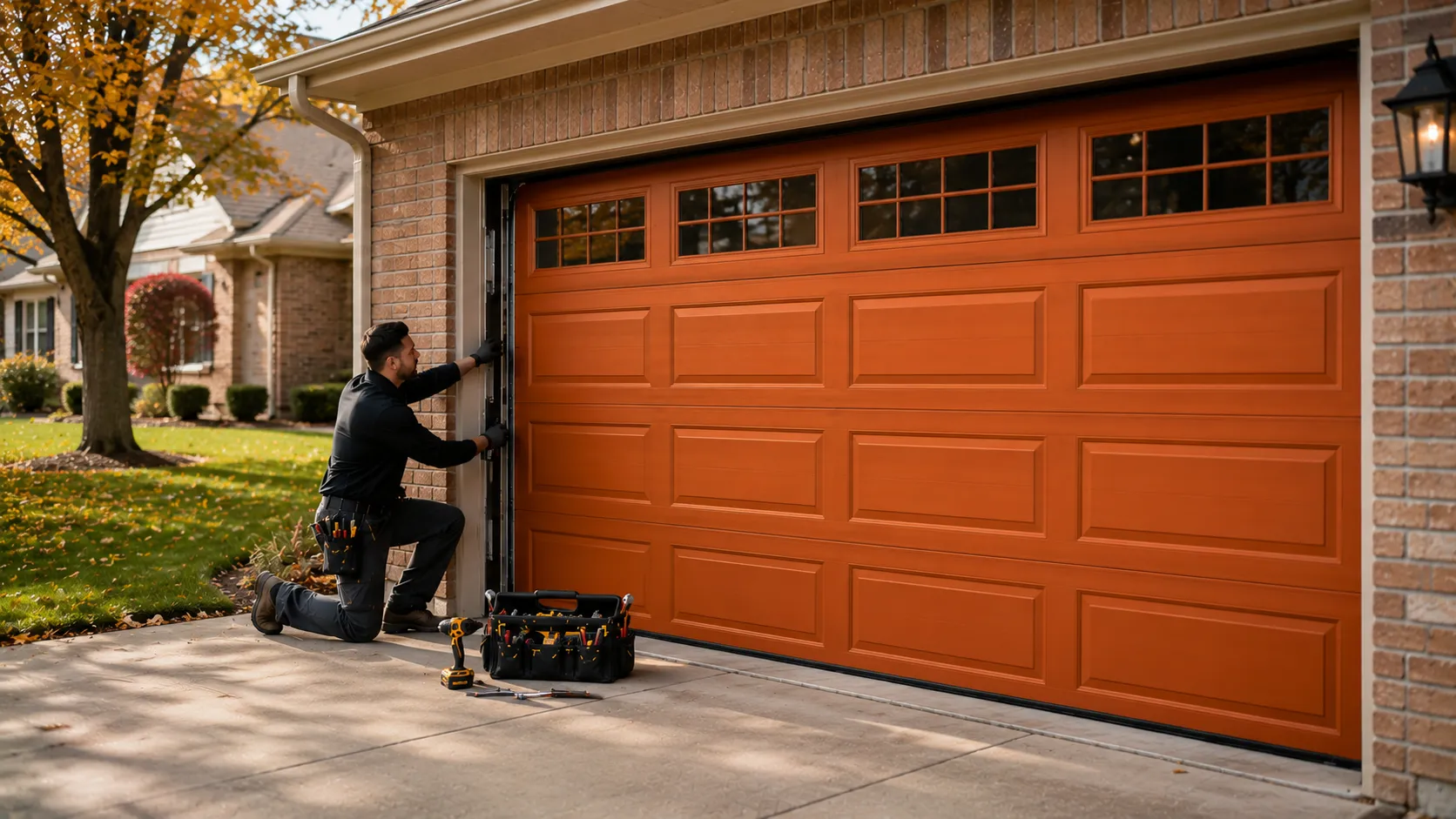
Garfield Heights is a small city as these things go - around 11,906 households, not a sprawl. That matters for roller work because it means the housing here went up in a fairly tight window rather than in waves over sixty years. A lot of the doors we see are original enough that the rollers are old-school steel-on-steel or hardened nylon that's outlived its stem, and the failure pattern is consistent: the roller doesn't roll anymore, it drags, and the track edge starts to peel back on one side before anyone notices a sound has changed. Where it goes sideways is when a homeowner keeps running the door on a dragging roller for a few more weeks. The stem wears through the roller bracket, the door drops on that corner, and now you're not replacing four rollers - you're straightening or replacing a track section too, and possibly a hinge that took the load it wasn't built for. Caught early, roller swaps are one of the cheaper jobs we do. Caught late, on a door already stressed by cold-climate hardware fatigue, it turns into a half-day repair instead of an hour one. We come out from Parma, about 7 miles, so there's no rush charge baked into the job - but there's also no reason to wait once a door starts rattling on one side.
Why It Happens Here
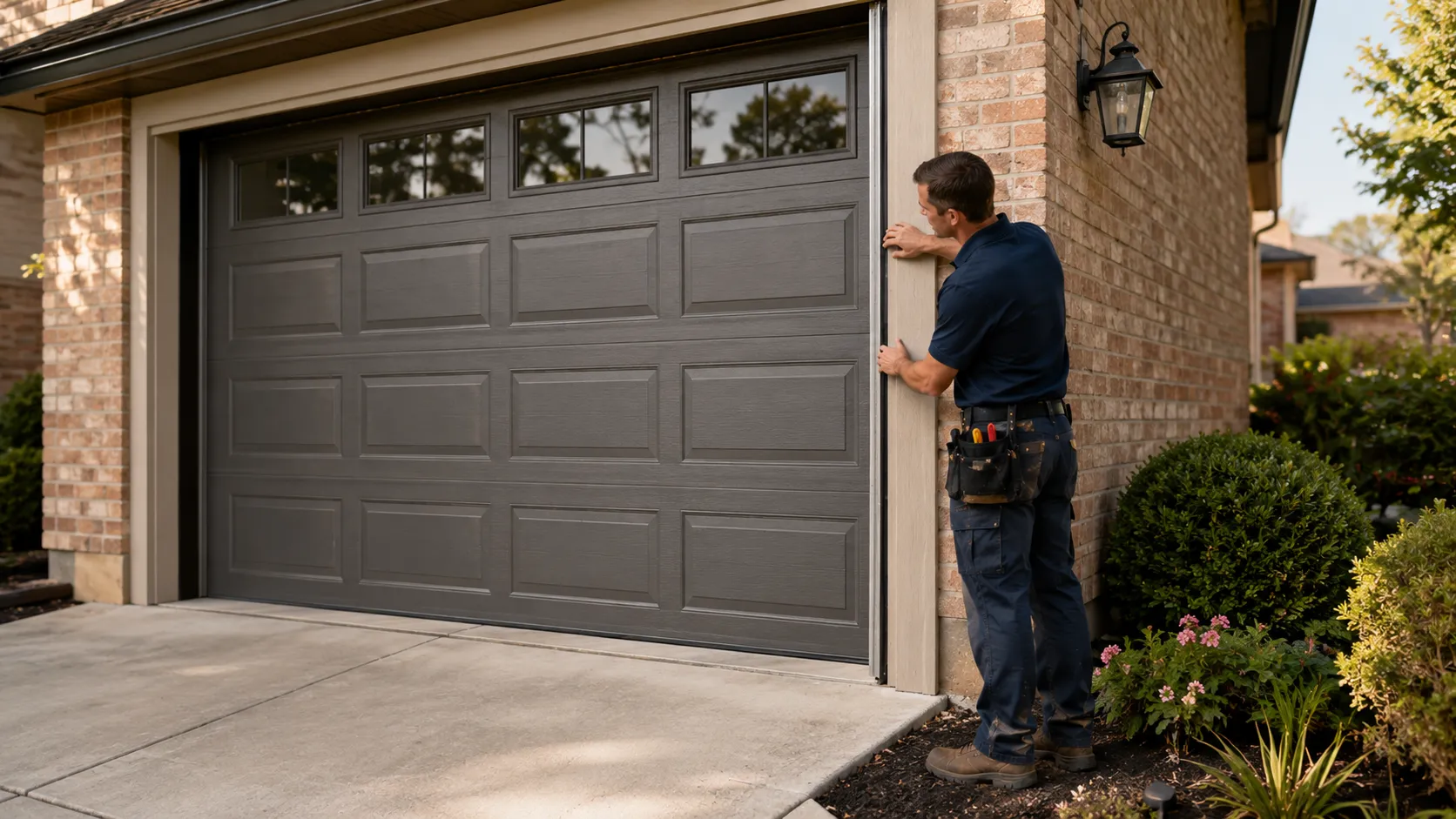
The typical Garfield Heights house dates to around 1955, which puts it a decade or so ahead of the median build year across the wider service area. Doors and track hardware from that era were built for a garage, not for a severe cold-winter climate cycling through freeze and thaw the way this region does. Steel rollers in unlubricated brackets don't handle that cycling well - they seize slightly, get forced to turn anyway, and wear flat on one side. Once a roller wears flat, it doesn't ride the track center, it walks toward one edge, and that's what puts stress on the track flanges themselves. Add in that a lot of these garages sit close enough to grade that road salt and slush track in on tires and drip near the door track over a winter, and you get corrosion working on the same steel that's already fatigued. None of this is unique to any one street - we don't have addresses for you, and we wouldn't guess at them - but the pattern across houses built in this window is real and it's why roller replacement is one of the more common calls we get for doors this age, rather than something rarer like a full panel swap.
What Is on the Truck
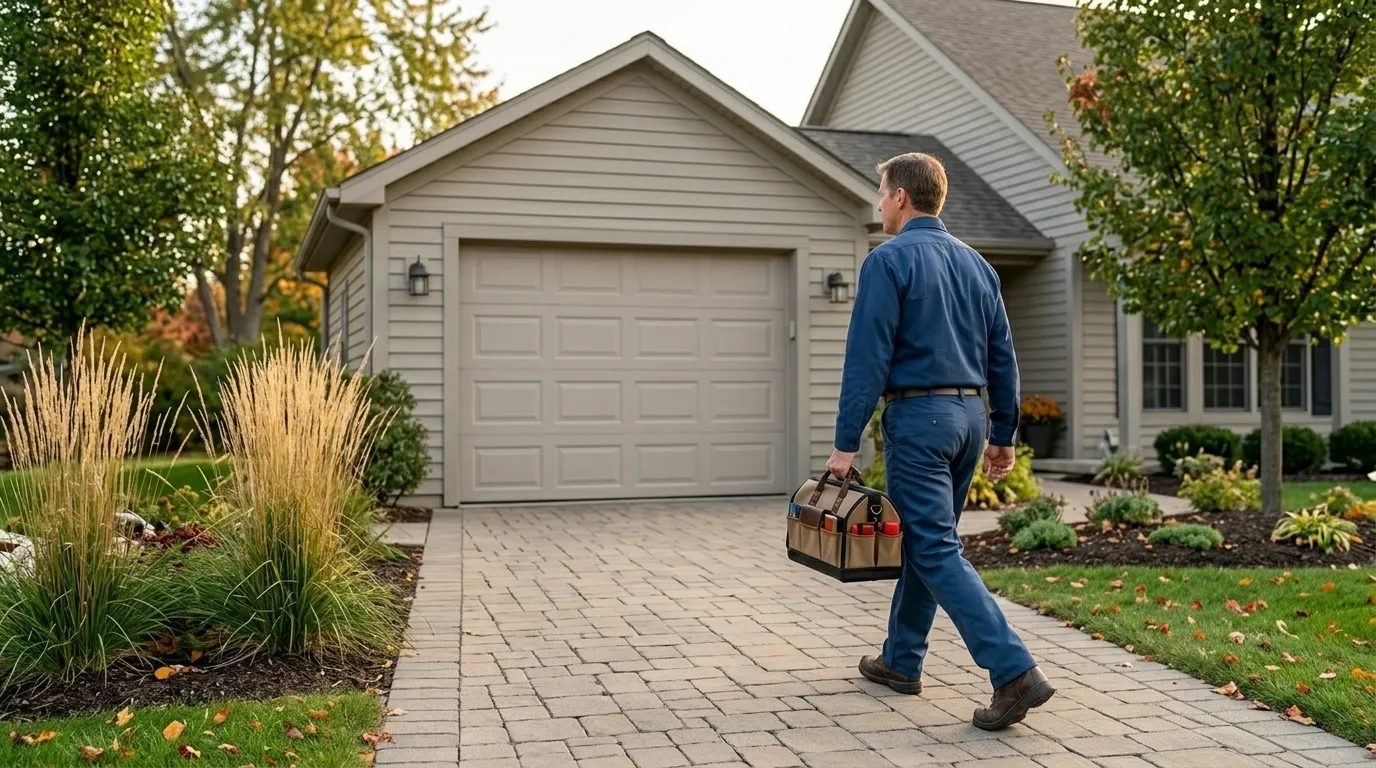
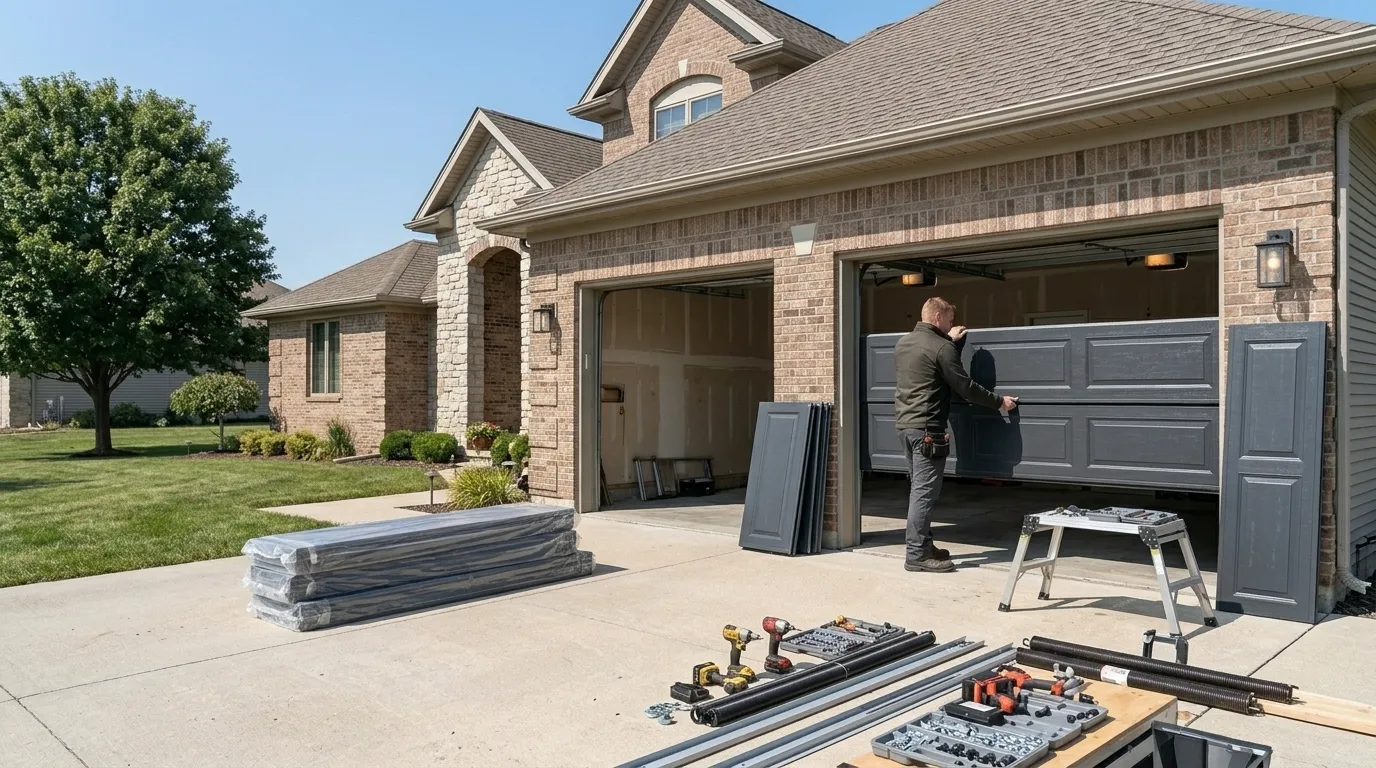
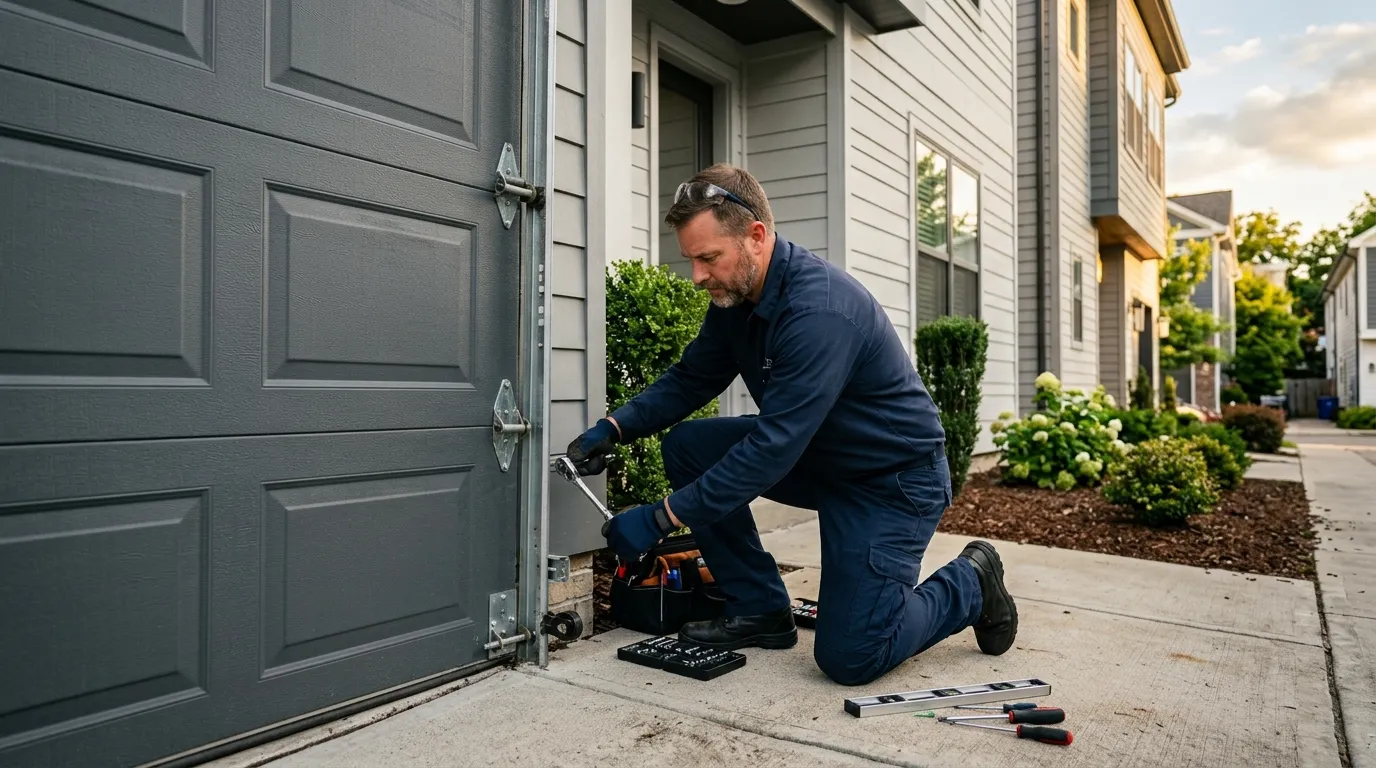
For roller calls in this area we carry both 7-ball nylon and steel rollers, in the stem lengths that match the older Garfield Heights housing stock as well as newer garages built through the rest of the wider service area's 1938-2004 range. We stock the track brackets and fasteners that tend to go along with a roller job on an older door, since the two failures often show up together. What we don't stock on the truck is full replacement track sections in every size - those get measured and ordered if a job needs one, which is the kind of thing we'd tell you plainly rather than pretend we can finish in one visit. We travel to Garfield Heights from our base in Parma, so the truck that shows up is the same stocked truck running calls across the rest of the area that day.