Where This Job Goes Sideways
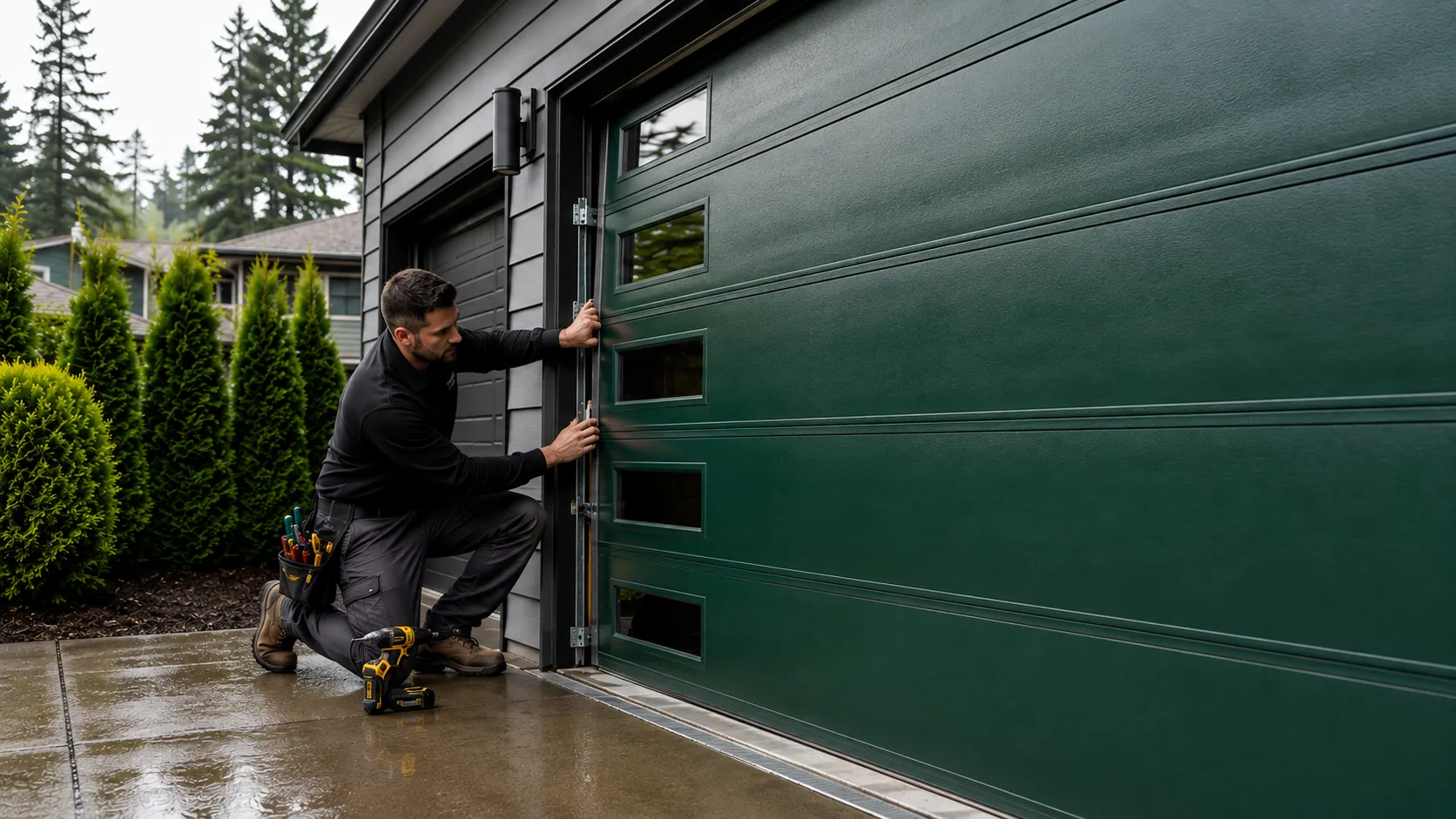
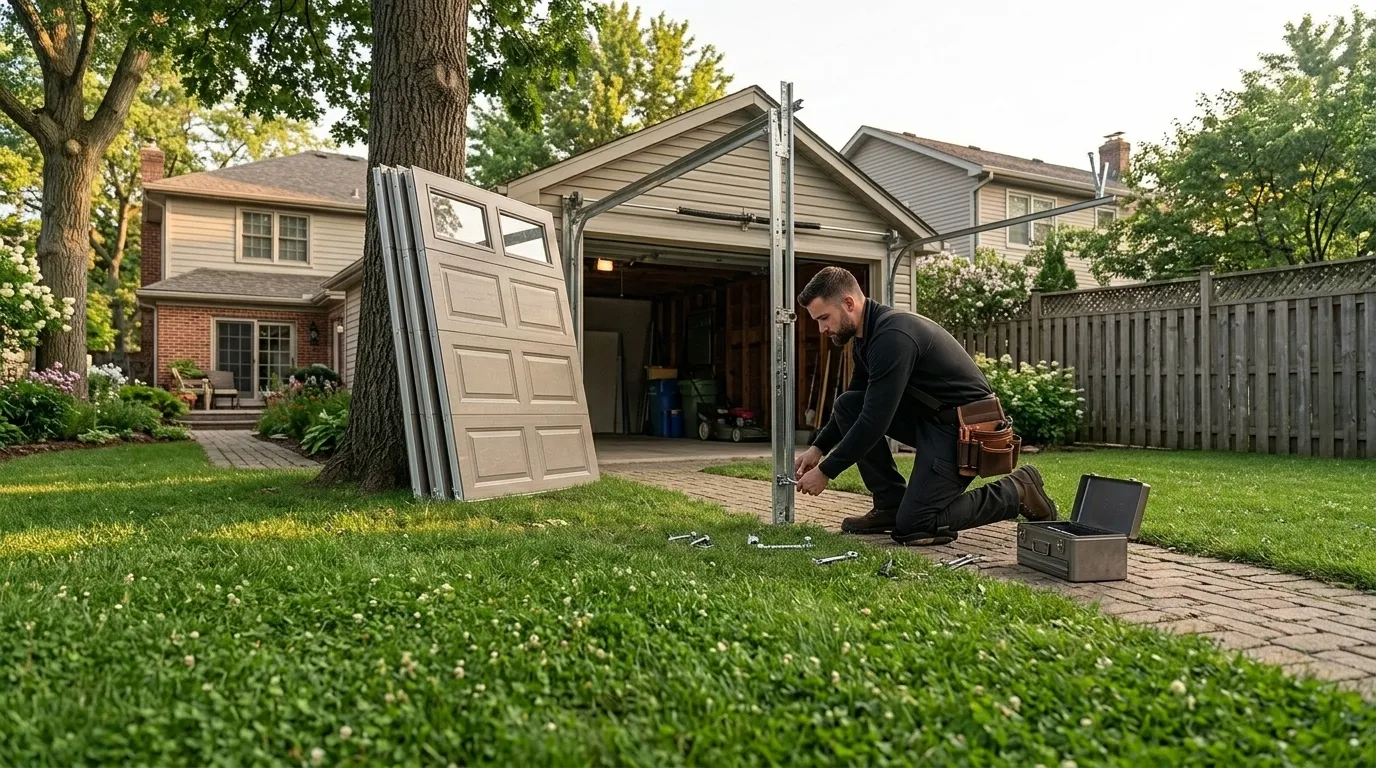
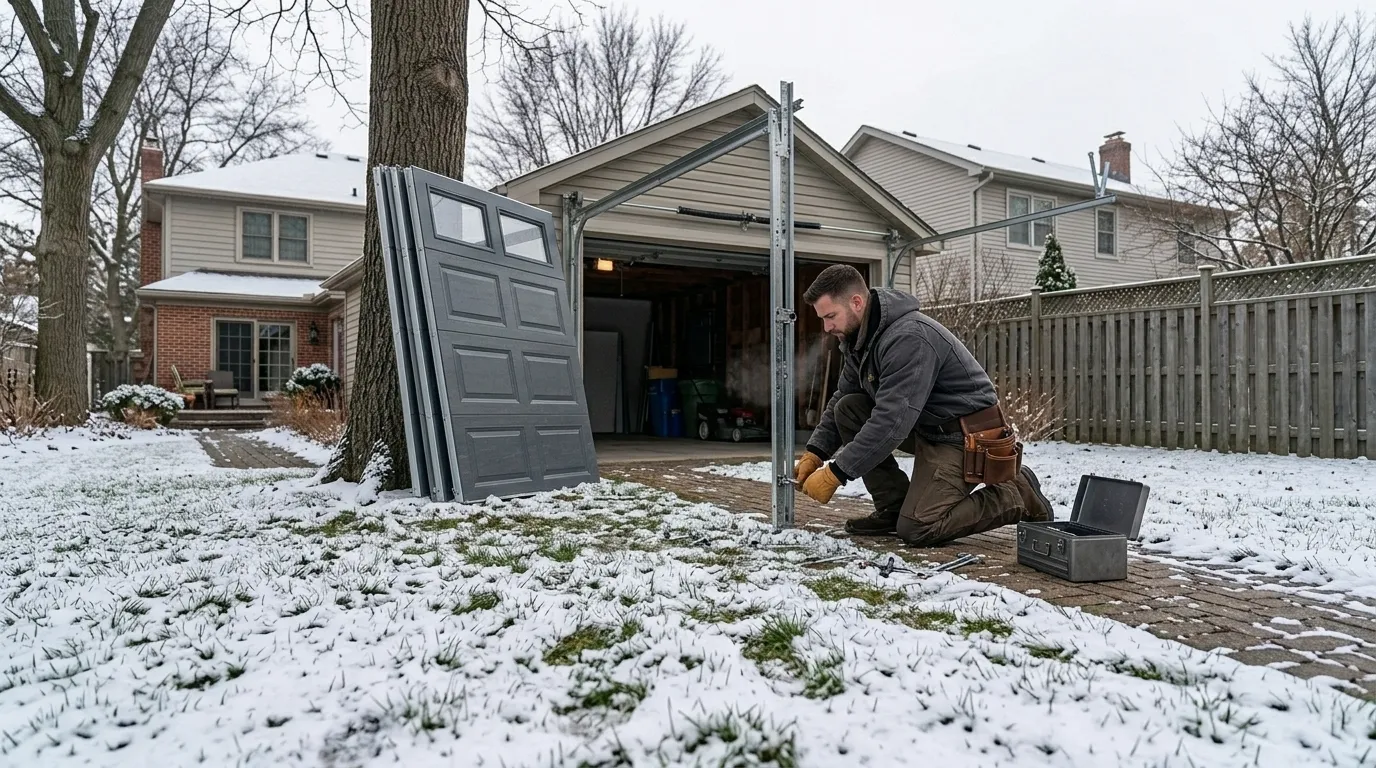
The call we get most from Garfield Heights isn't about a broken spring - it's about a door that was never sized right for the opening in the first place. A lot of these garages were built as single-car bays with narrow headroom, and somewhere along the way a replacement door went in that's a stock size, not the size the track and jamb actually call for. It works, poorly, until it doesn't.
That's not a coincidence. The median home here was built around 1955, roughly a decade earlier than the 1966 median across the rest of the service area we cover out of Parma. A house from 1955 usually has a shallower garage, tighter headroom for the torsion shaft, and framing that was never meant to carry an insulated steel door built to today's standard thickness. When a homeowner orders a door off a size chart without checking the actual header height and side room, the installer either forces it in wrong or has to come back with a second visit to fix clearance nobody flagged the first time.
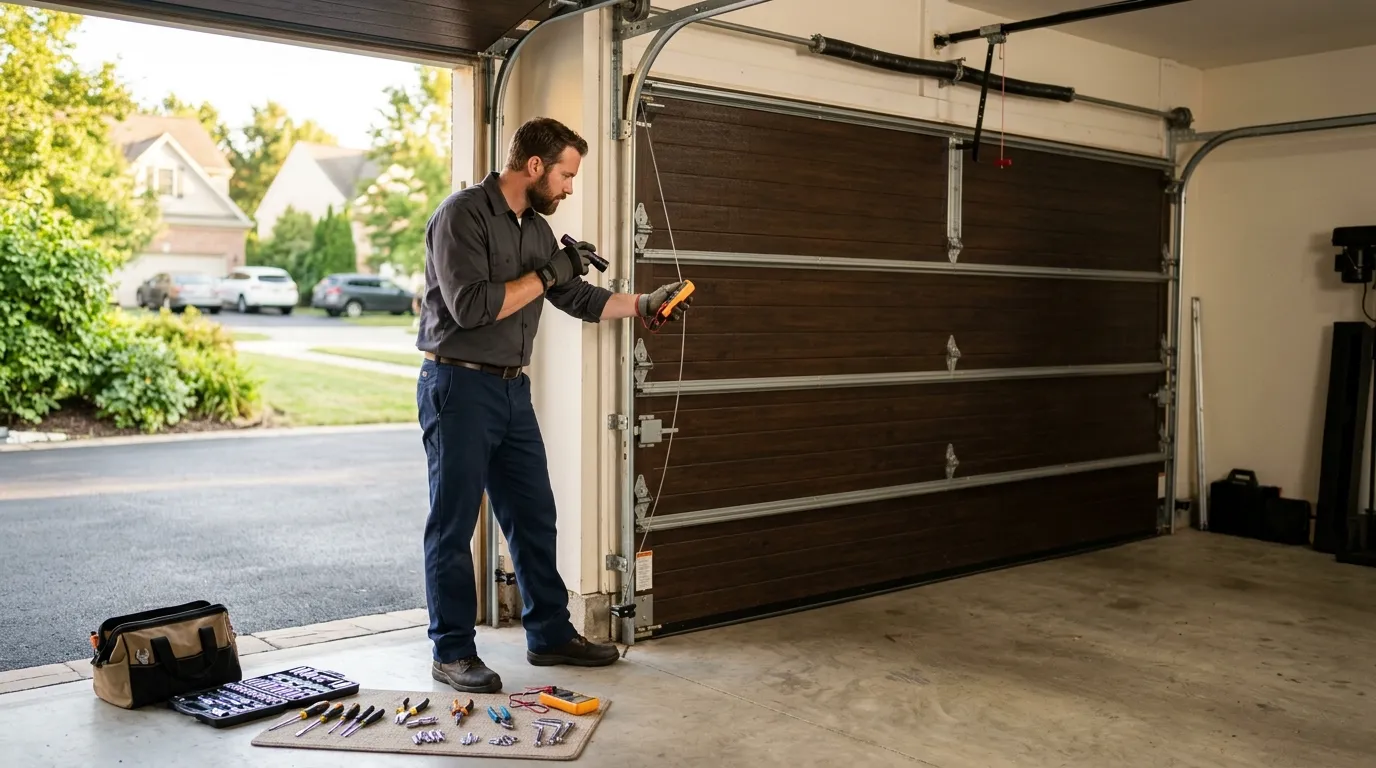
We see this often enough on this side of the county that we measure the opening before we quote it, not after.
Why It Happens Here
Two things collide in Garfield Heights: an older, narrower garage stock and a household budget that runs tighter than the surrounding area's. Median household income here sits at $52,006, well under the $95,313 median across the wider service area. That gap changes what a replacement conversation looks like. Owners elsewhere might swap a door at the first sign of wear. Here, more people ride a failing door another winter, patch the bottom panel, or replace one section instead of the whole unit - reasonable choices, but they push the eventual full install further into a season when the old opener, old track, and old header are all failing at once instead of one at a time.
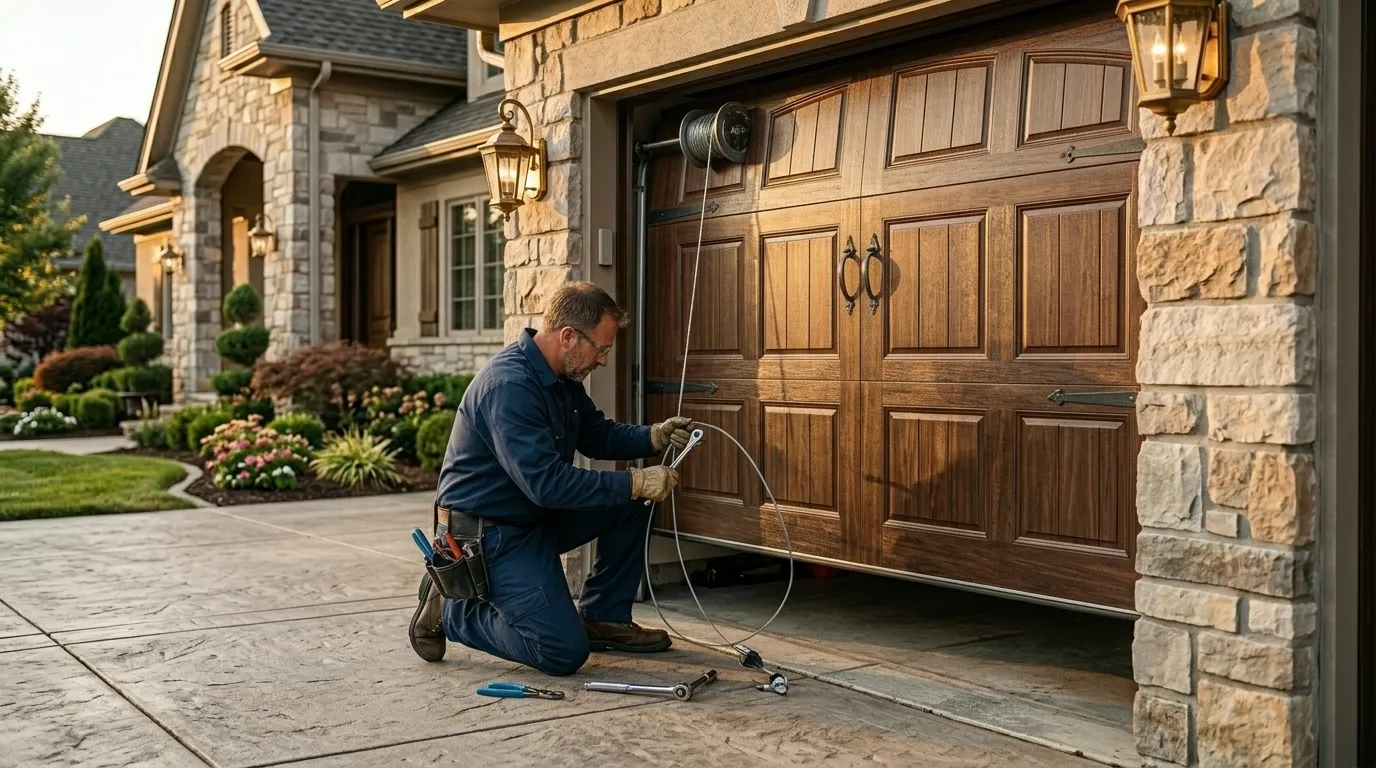
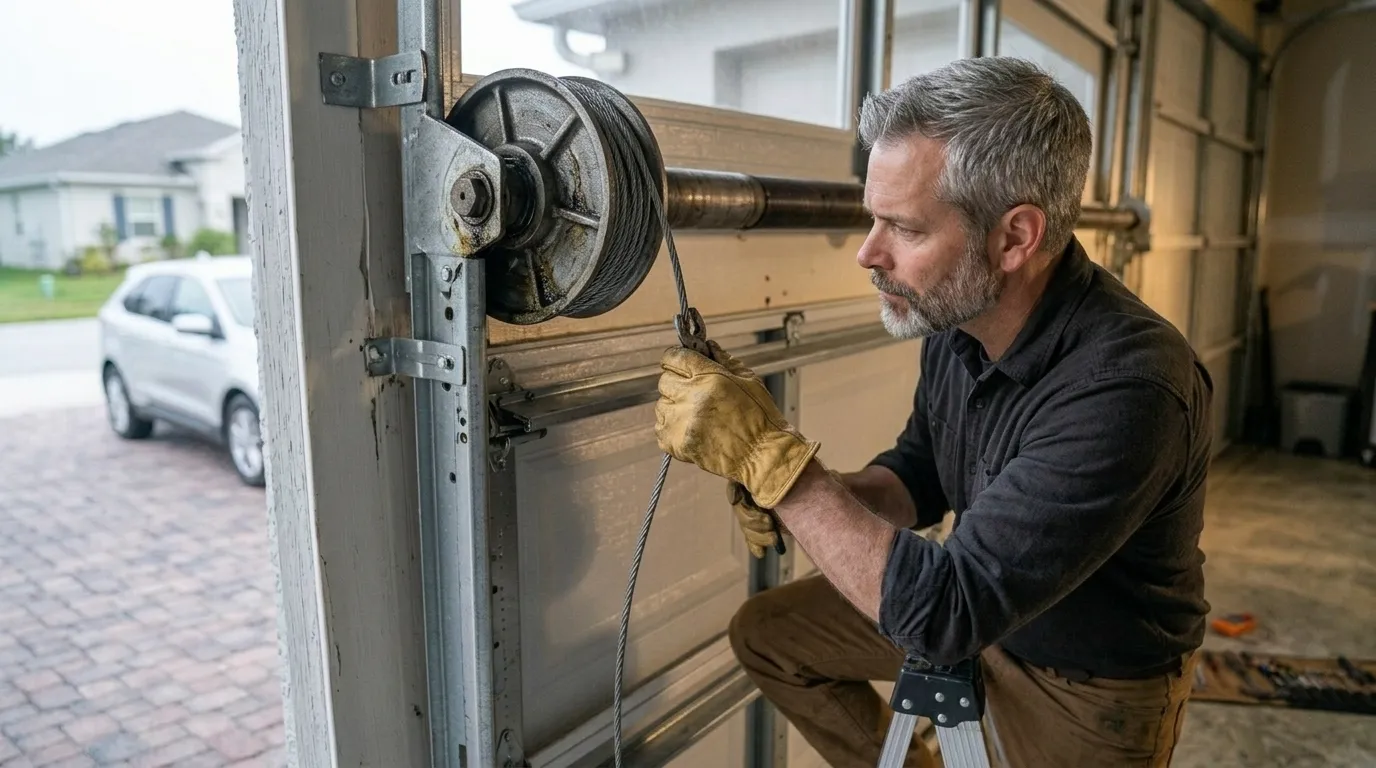
Cold matters too. This area sits in a severe cold climate band, and a 1955-era single door - often uninsulated steel or thin aluminum - has none of the R-value a new door carries. Combine that with a household that's held off on replacement, and you get calls where the spring, the seals, and the panel all need attention on the same visit, not because the owner neglected it, but because the door was doing three decades of extra work with no help.
What Is on the Truck
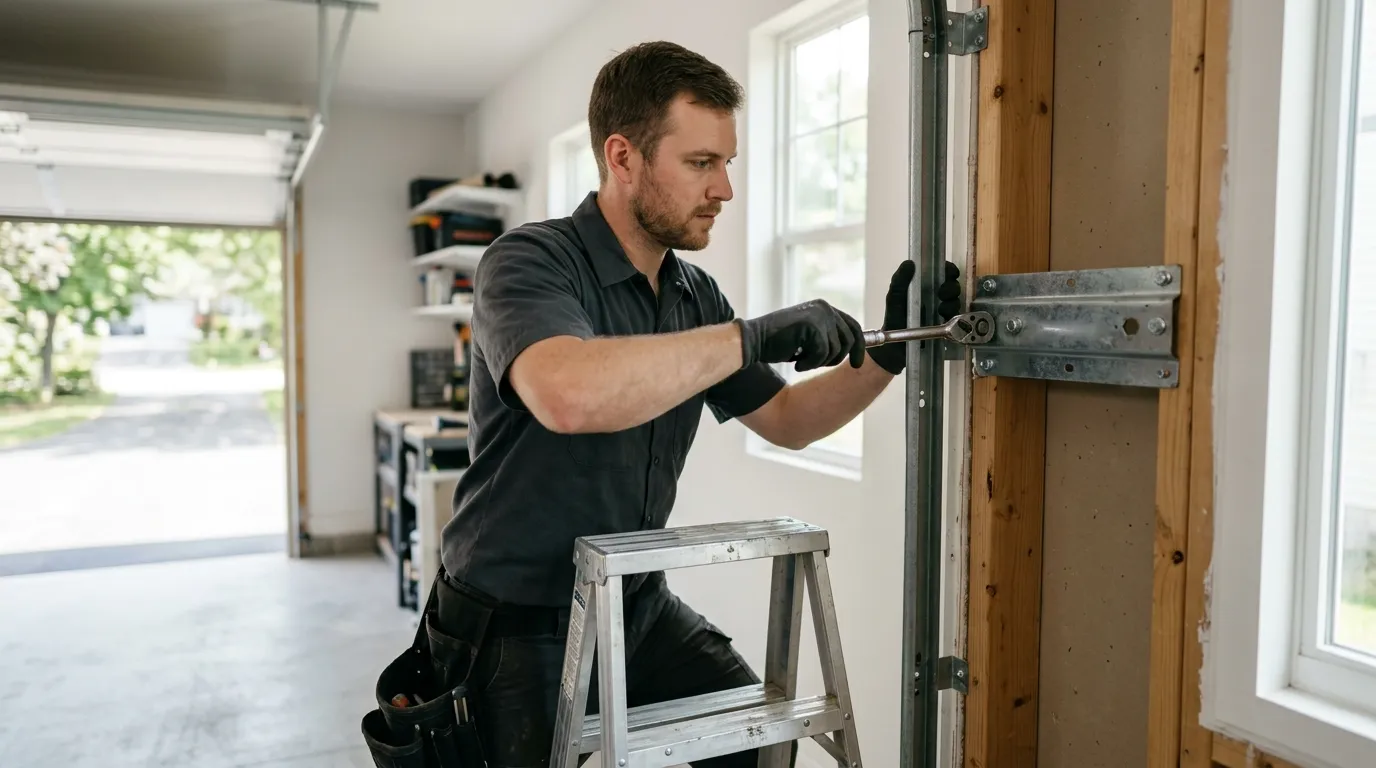
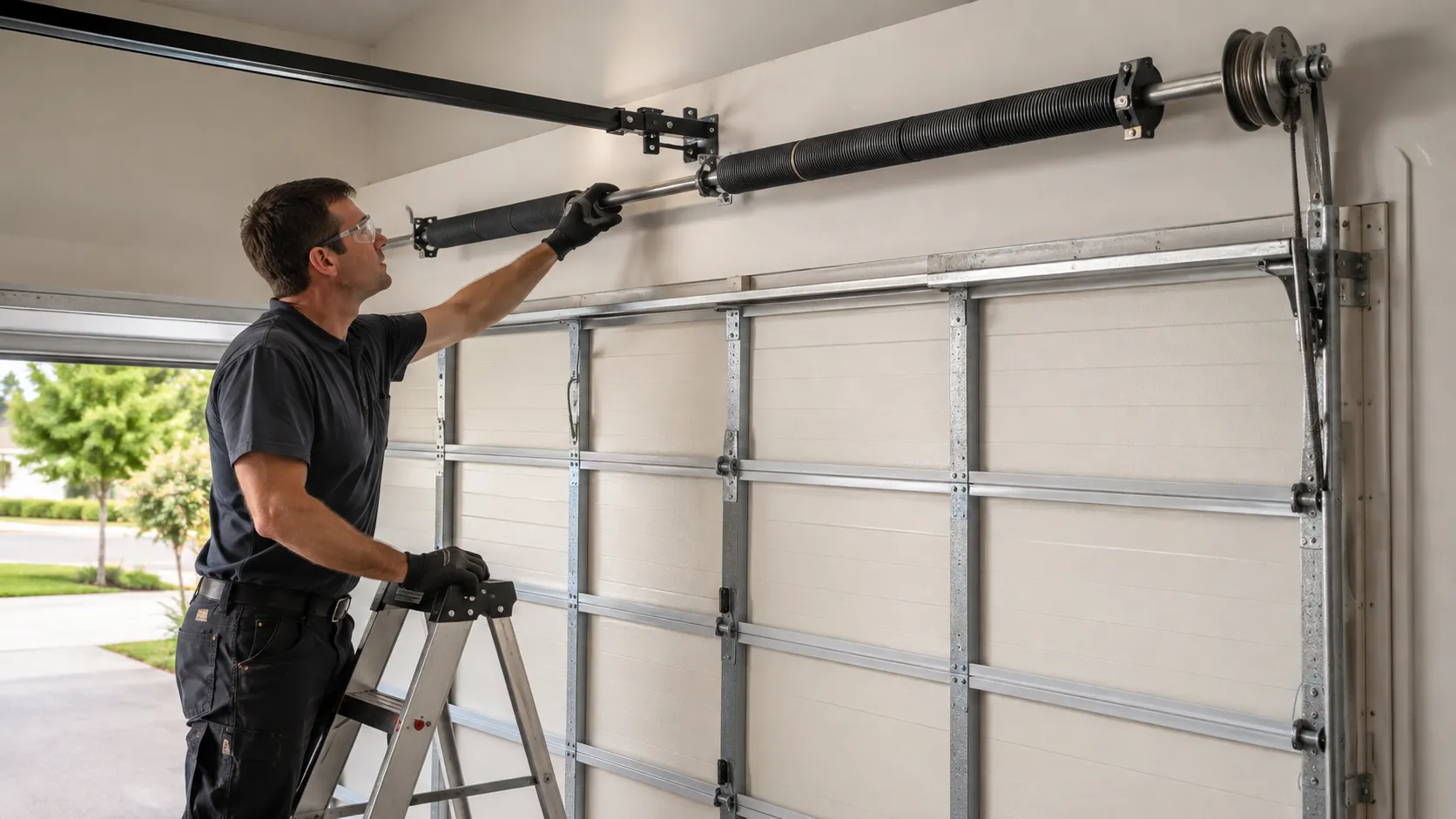
We load out of Parma knowing what a Garfield Heights job usually needs before we're seven miles into the drive. That means insulated steel doors in the narrower widths that fit 1950s single-car openings, not just the wide two-car stock sizes. It means torsion springs wound for shorter, older track runs, and low-headroom hardware kits for garages where there isn't much room above the door for a standard torsion shaft.
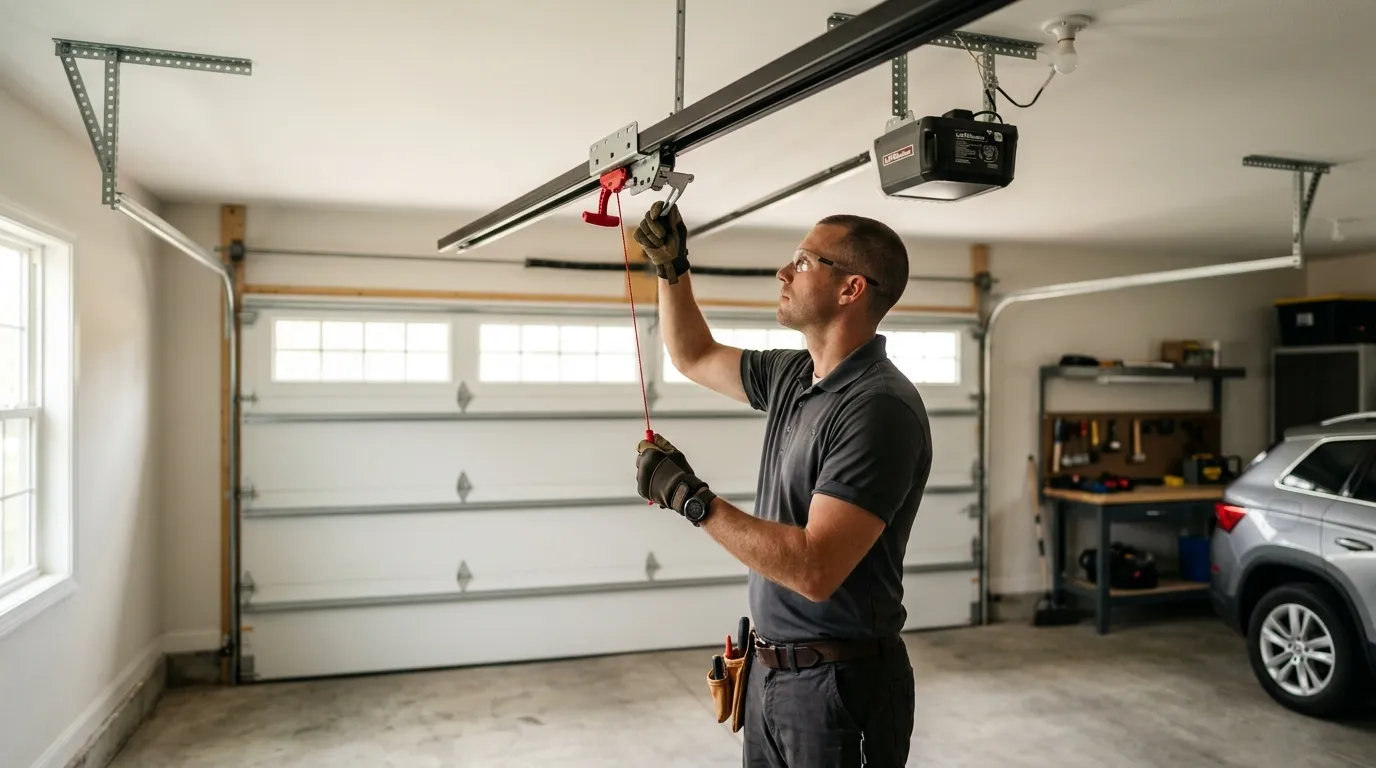
We also carry openers rated for the cold - cold-band winters here are hard on old chain-drive units and their gears, and a new opener with a cold-rated gearbox and sealed circuit board holds up better than a bargain unit meant for a milder climate.
What doesn't ride on the truck: custom wood doors or anything built to order. Those are special-order items with a lead time, and if that's what a homeowner wants, we say so up front rather than promise a same-visit swap we can't deliver. For everything else - standard steel, insulated, sized to an older single-car bay - we're set up to measure, quote, and install in one trip.