Where This Job Goes Sideways
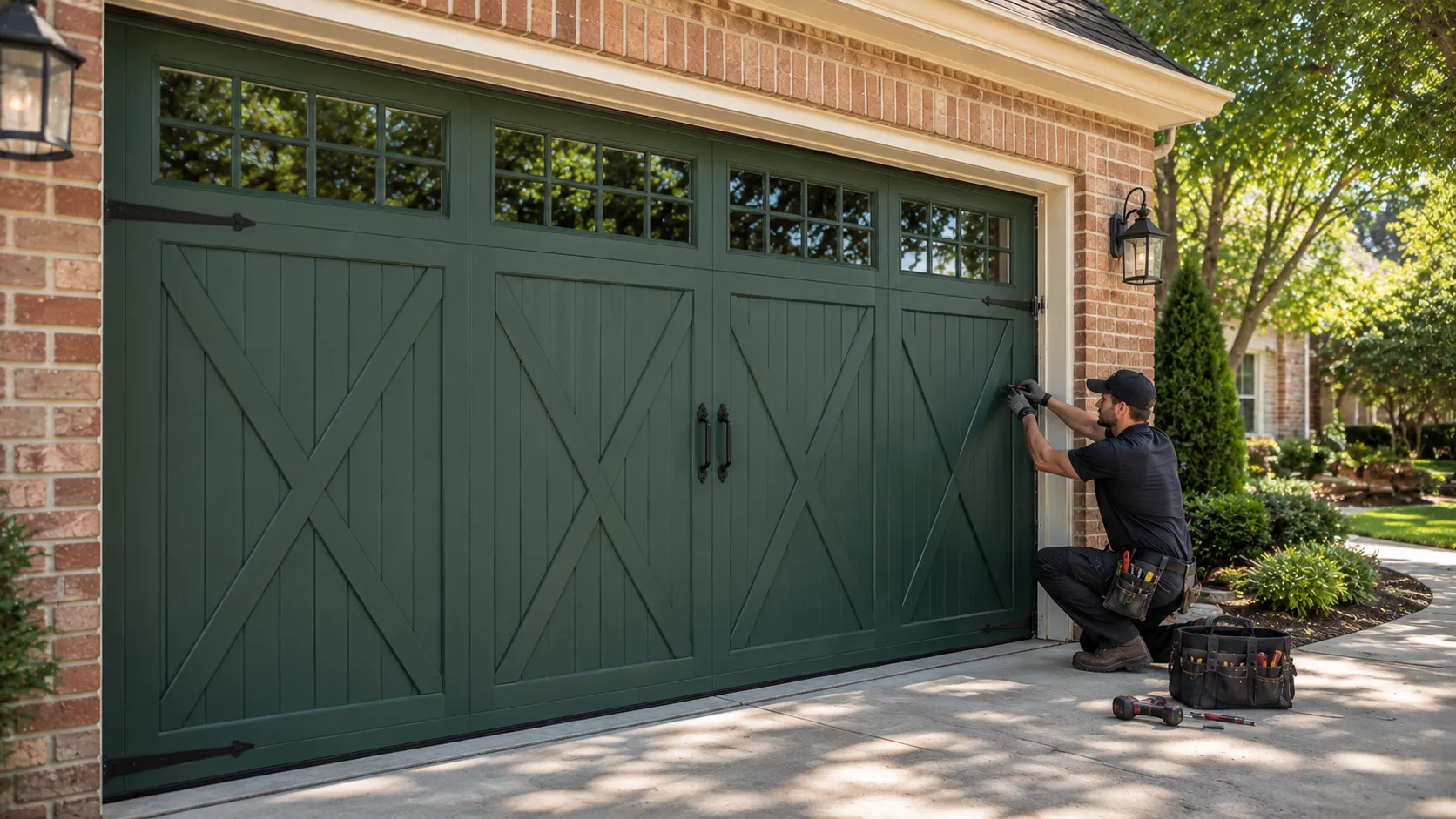
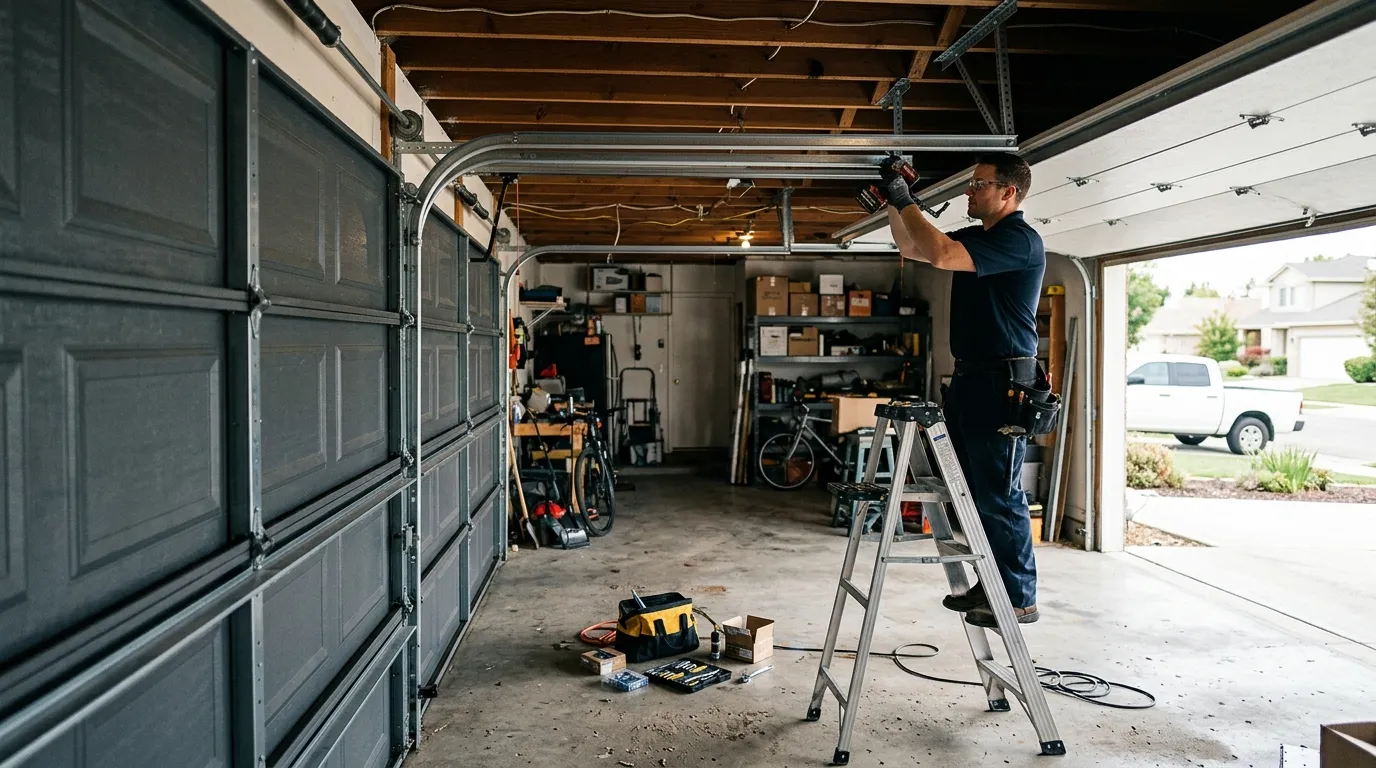
Across the wider Parma service area, the median house was built in 1966. In Garfield Heights, that number drops to about 1955 - roughly a decade earlier. That gap matters more than it sounds like it should. A door and opener installed on a mid-1950s garage almost never match what's on a 1966 build: different header heights, different track spacing, often a single-piece door that was swapped for a sectional at some point by whoever owned the house before you. When we get a call from this side of the service area, we don't assume the standard torsion setup we'd expect on a newer build. We ask more questions before we load the truck, because guessing wrong here means a second trip.
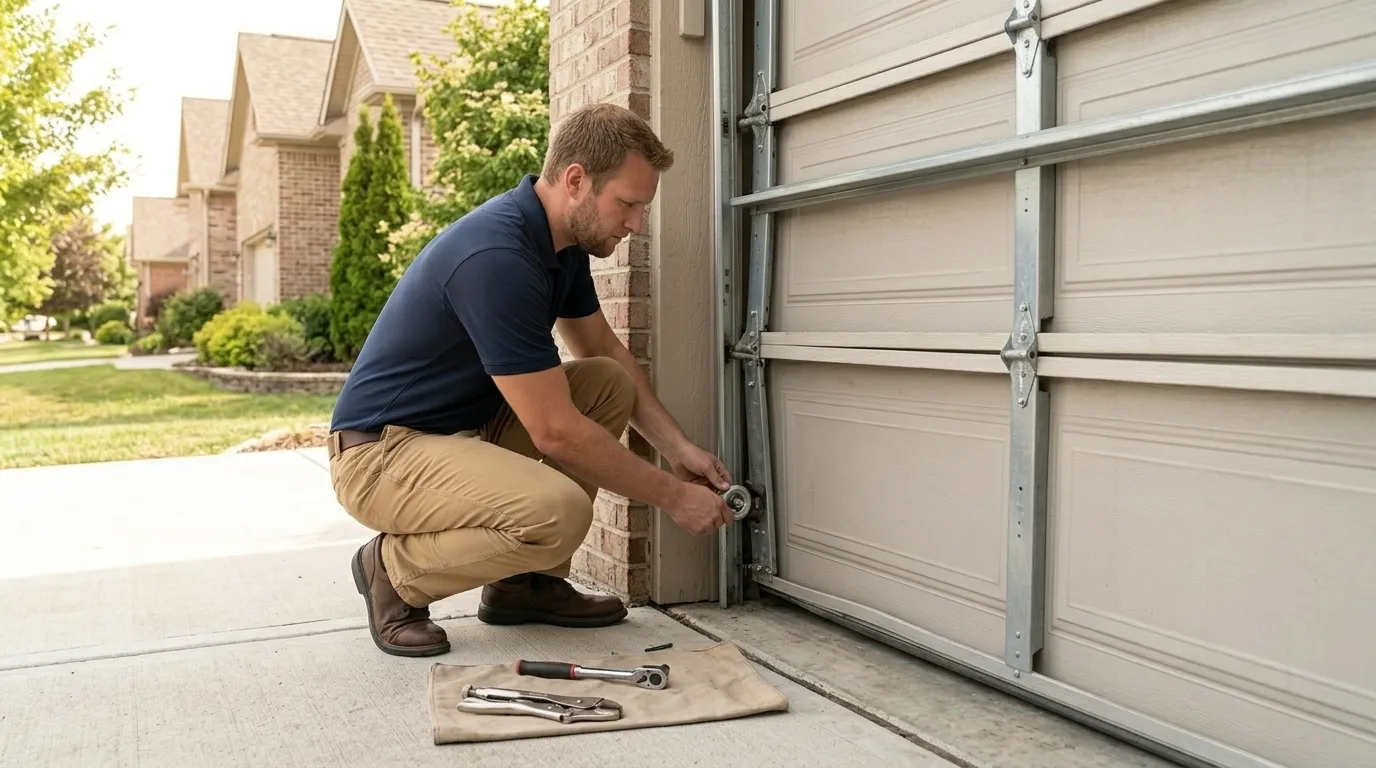
Garfield Heights sits about 7 miles from Parma, close enough that a same-day fix is usually workable once we know what we're walking into. But the extra decade of age on the stock means more of these jobs turn into 'the bracket is bent because the original hardware was never upgraded' rather than a clean spring swap. We'd rather find that out on the phone than in your driveway.
Why It Happens Here
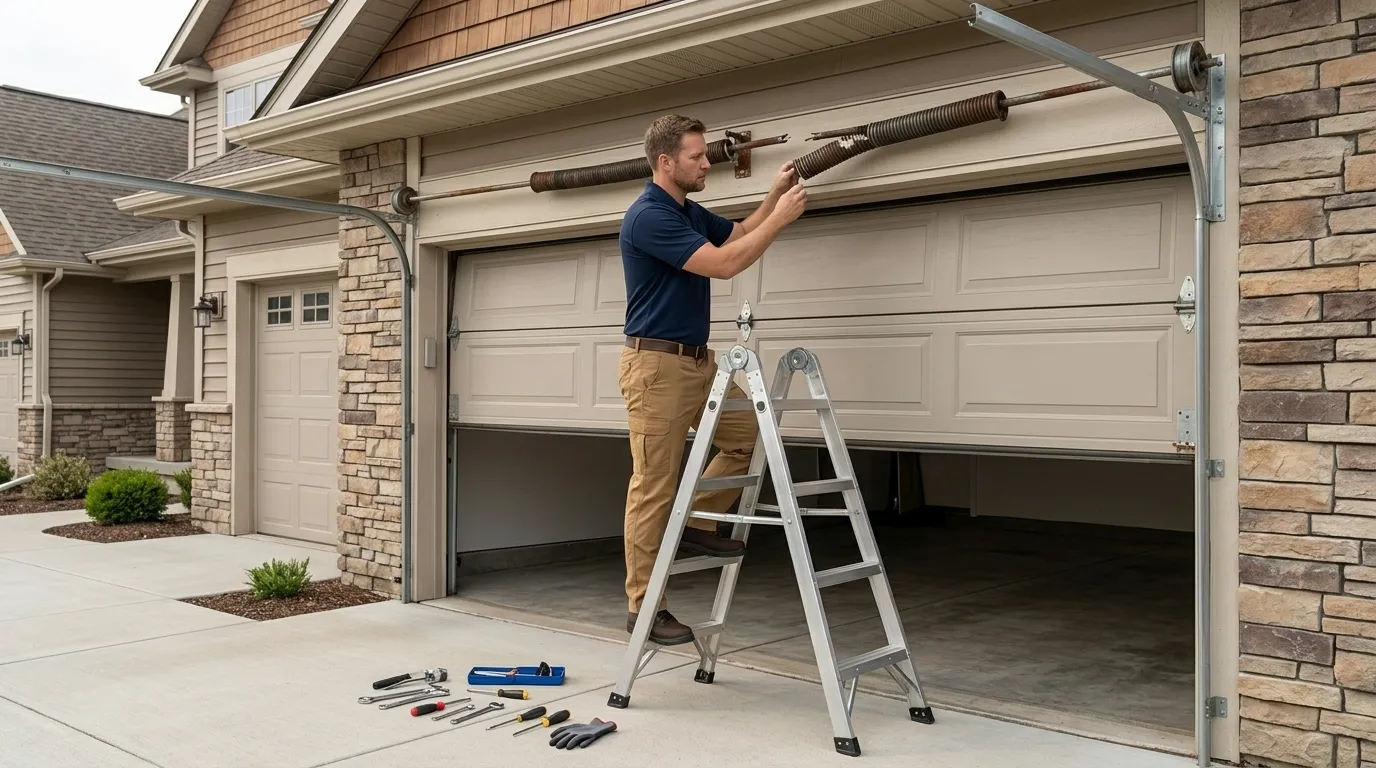
With about 11,906 households in Garfield Heights, this is a smaller, older pocket than most of the rest of the Parma service area, and it shows in the calls we get. Median household income here runs around $52,006, well under the $95,313 median across the broader service territory - and that gap shows up in how long people run a door before calling. A lot of these garages are still working off hardware from the original build, not a mid-life replacement, which means when a spring finally goes, it's often original-generation steel that's had every winter since the Eisenhower administration to fatigue.
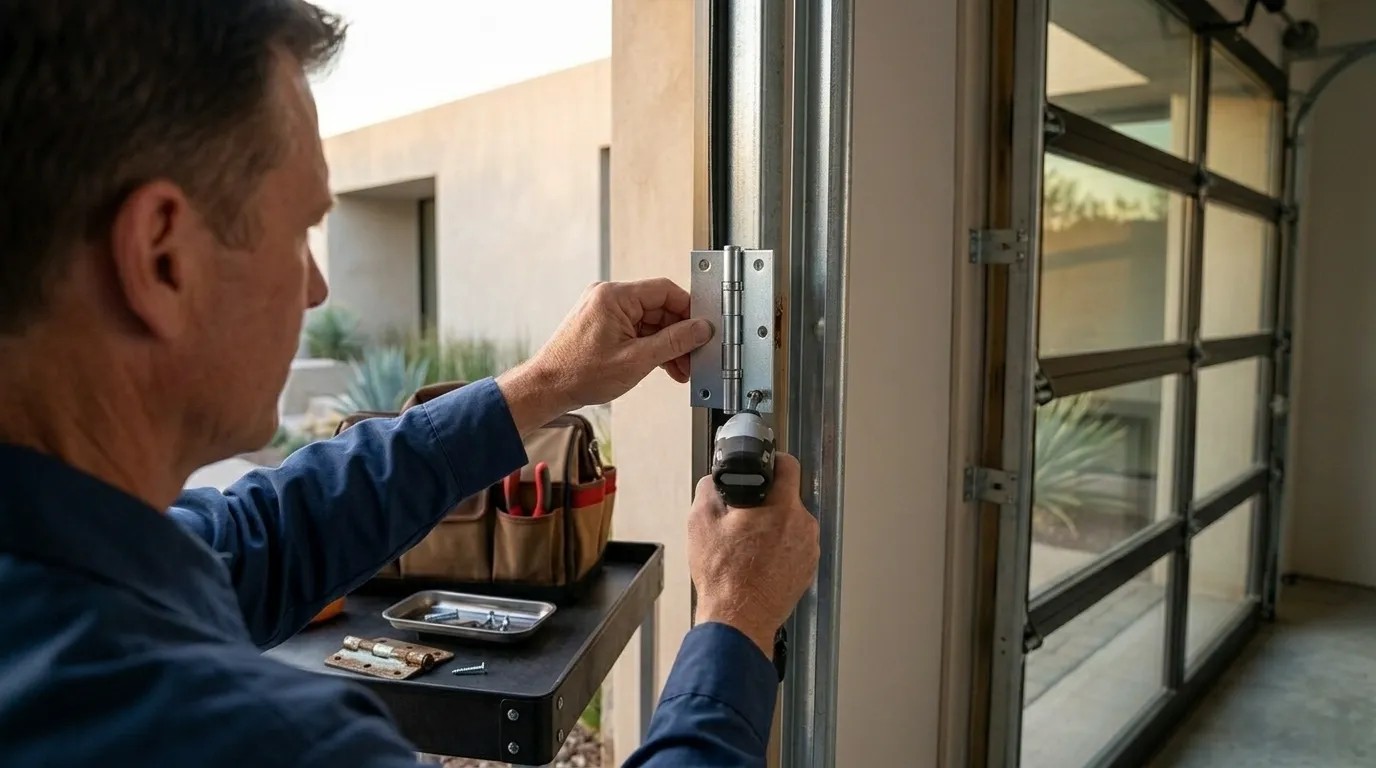
The region sits in a severe cold climate band, and that's not a small detail on a door this old. Cold steel is brittle steel. A spring that's already stretched thin from decades of cycles snaps clean in a hard freeze more often than it does in July. On 1950s-era garages specifically, we also see more single-car openings with narrower tracks, which limits which replacement hardware bolts on without modification. That's a Garfield Heights problem more than a Parma-wide one - the newer stock doesn't have it as often.
What Is on the Truck
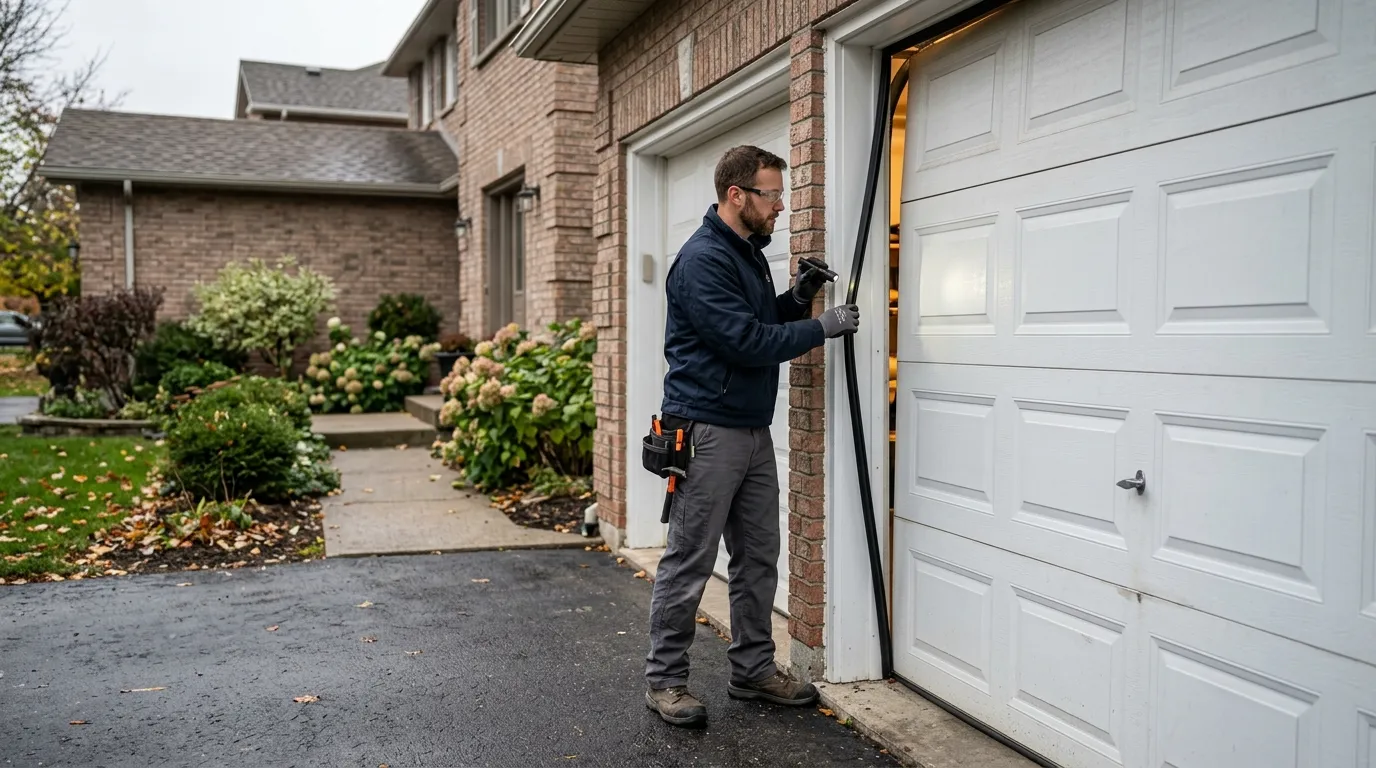
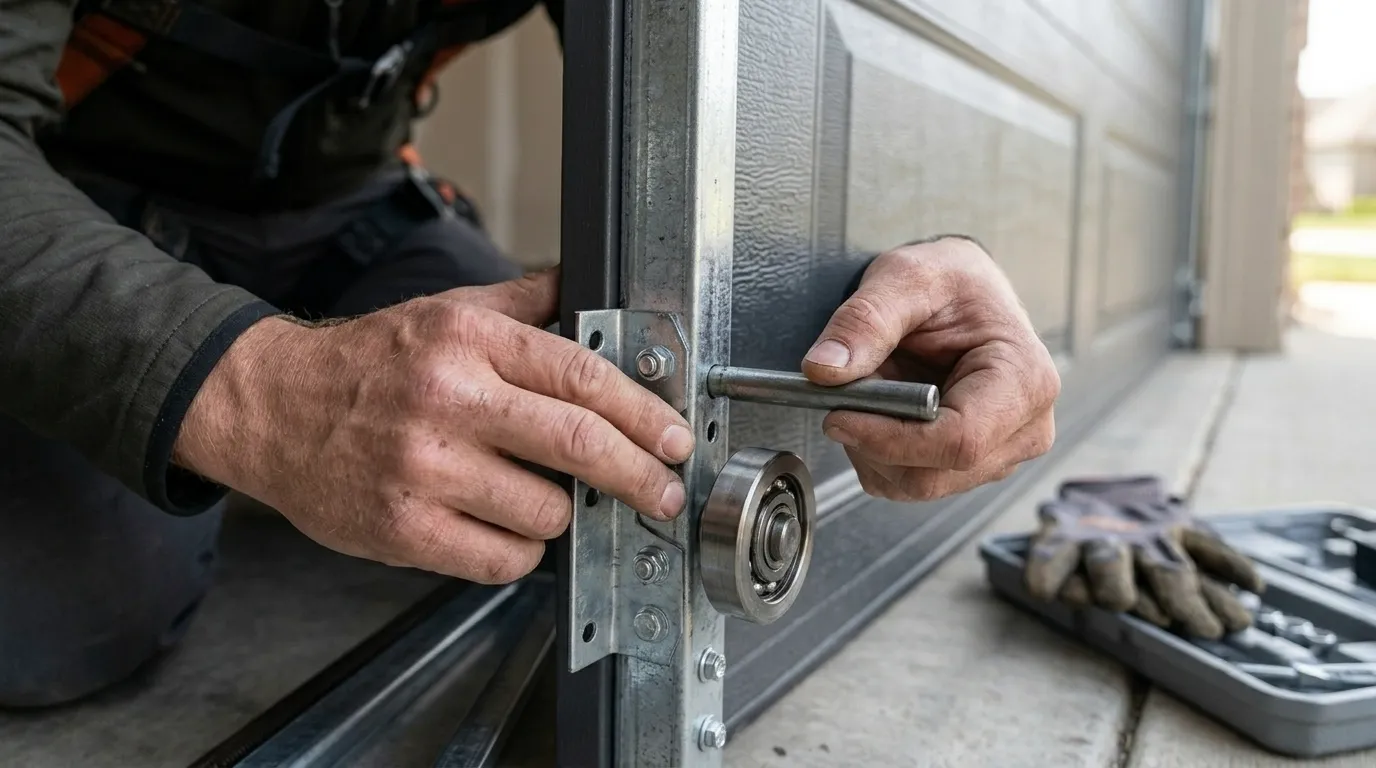
For calls in this part of the service area, the truck carries a wider range of spring sizes and drum diameters than we'd need for newer construction, because a decade of extra age on the housing stock means more variety in what's actually bolted to the header. We keep stock rollers, standard-lift cable, and both 2-inch and older narrower track sections, since a 1955-era garage is more likely to still have the narrower opening than a house built in the mid-60s.
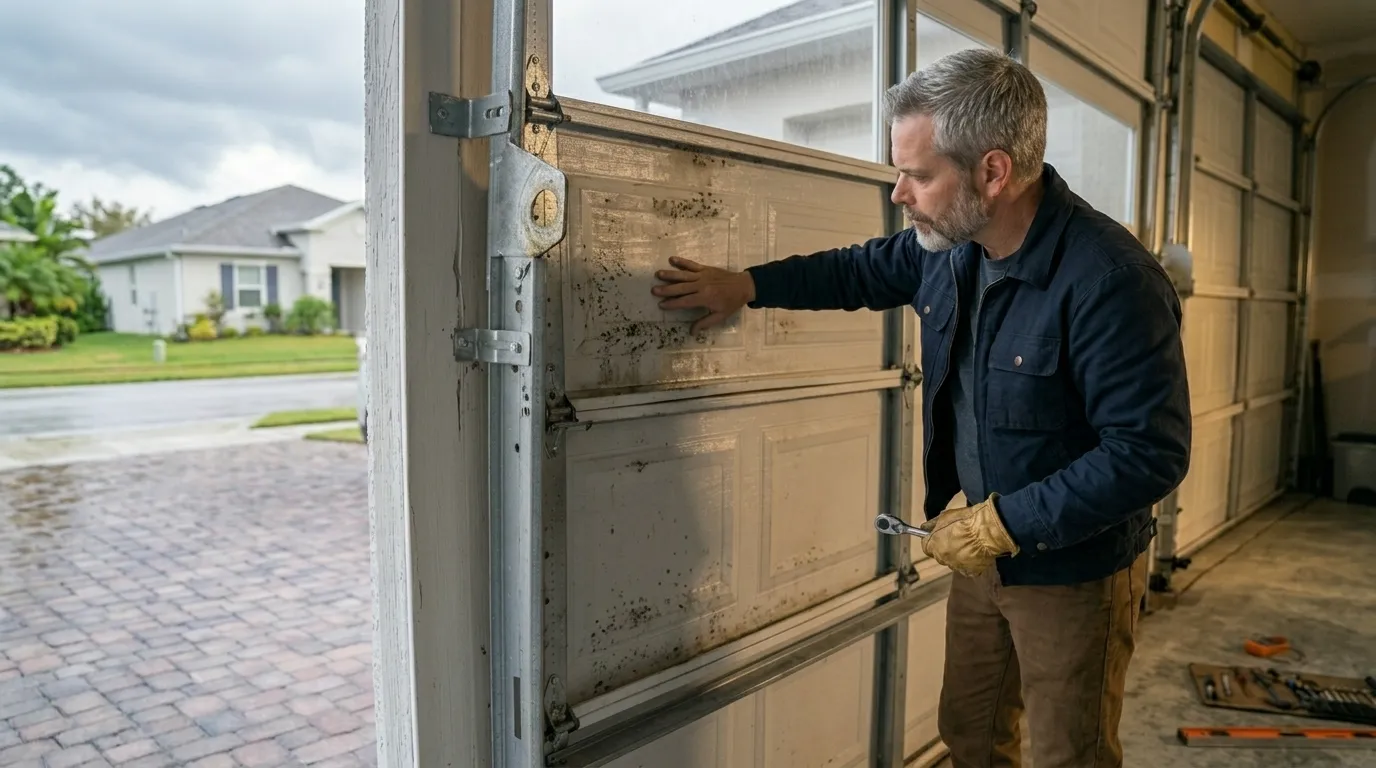
One honest limit: if a door on a house this old needs a full replacement rather than a repair - say the track is rusted through or the panel is warped past what weatherstripping can fix - we don't carry every discontinued panel style on the truck. Some of those parts have to be special-ordered, and that's a longer wait than a same-day spring swap. We'll tell you on the spot whether your job is a truck-stock repair or a special-order replacement, rather than promise a timeline we can't back up.