Where This Job Goes Sideways
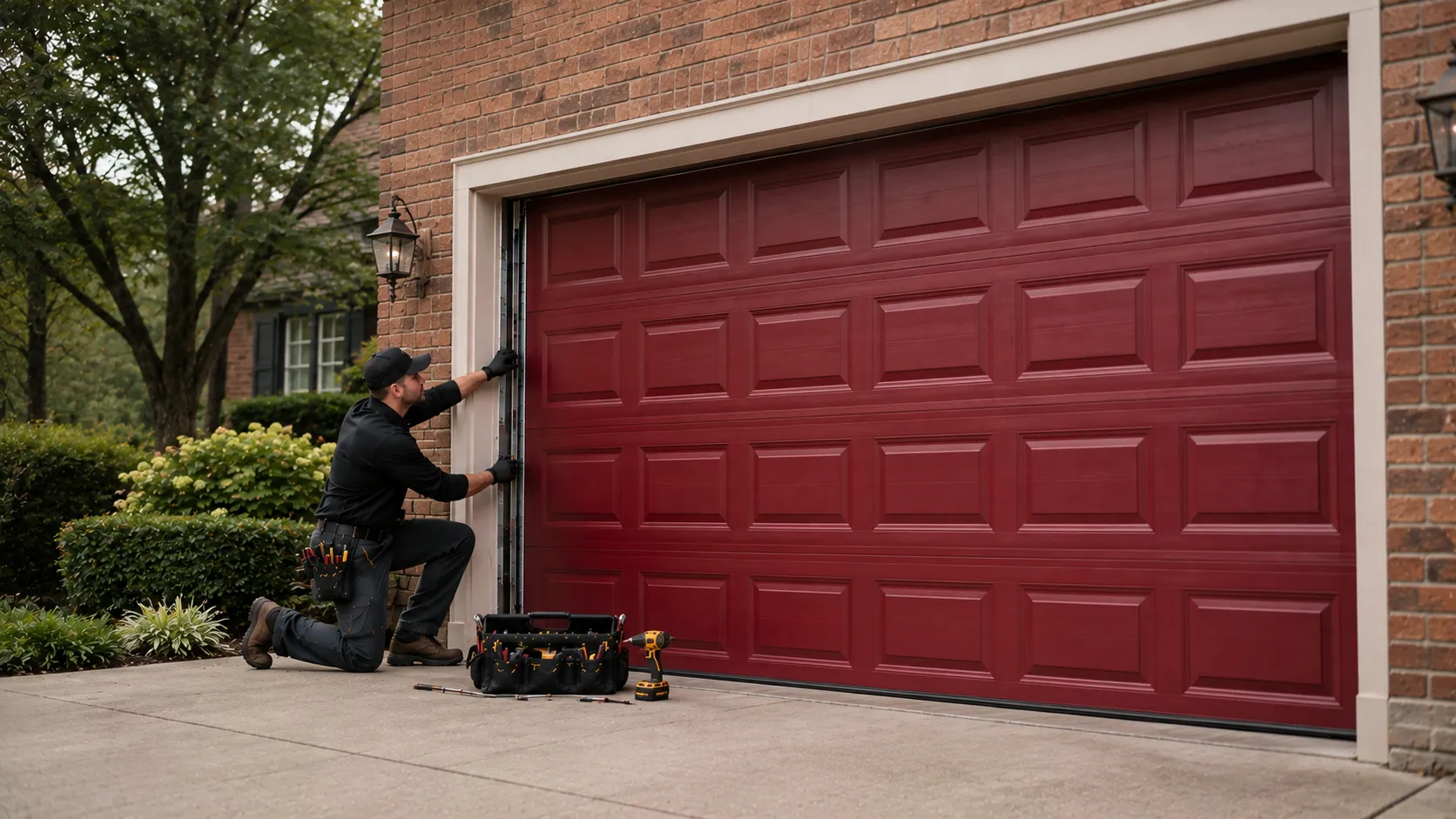
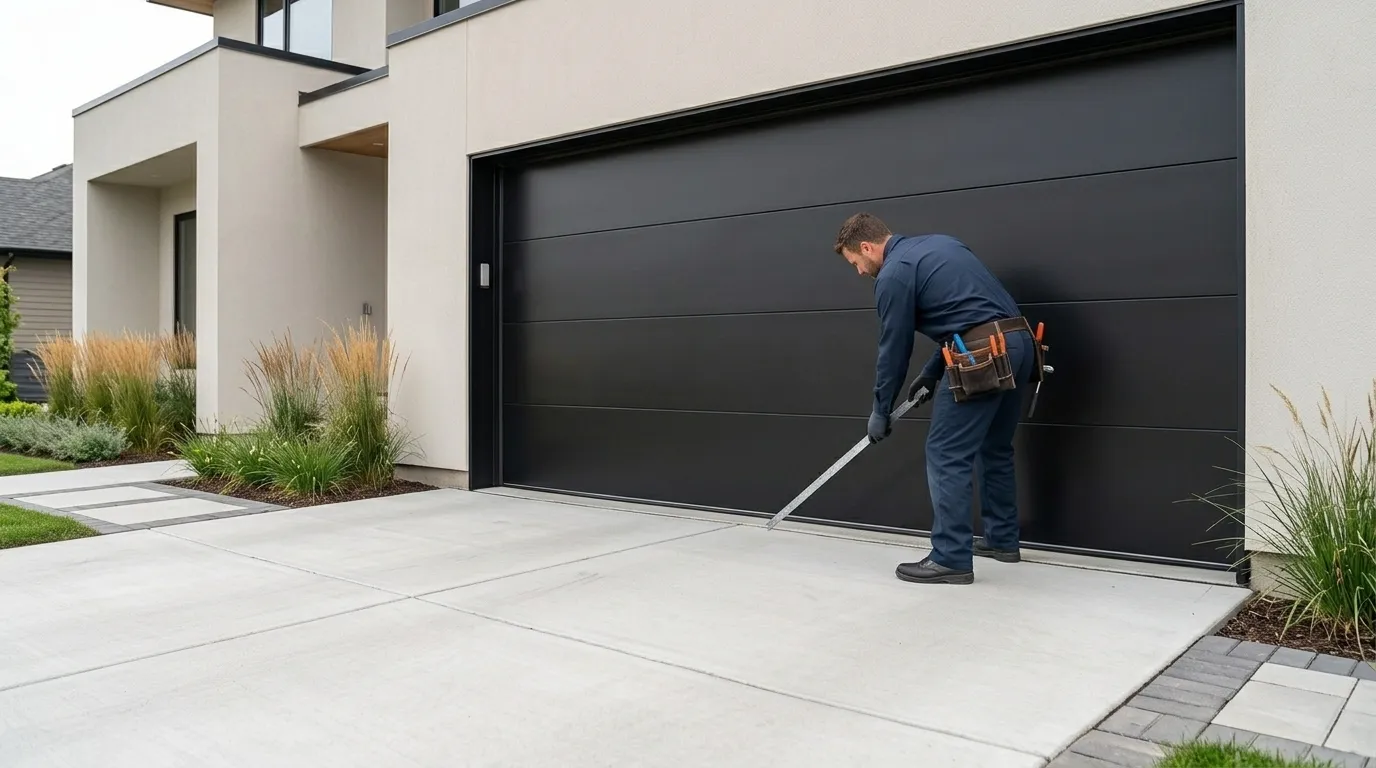
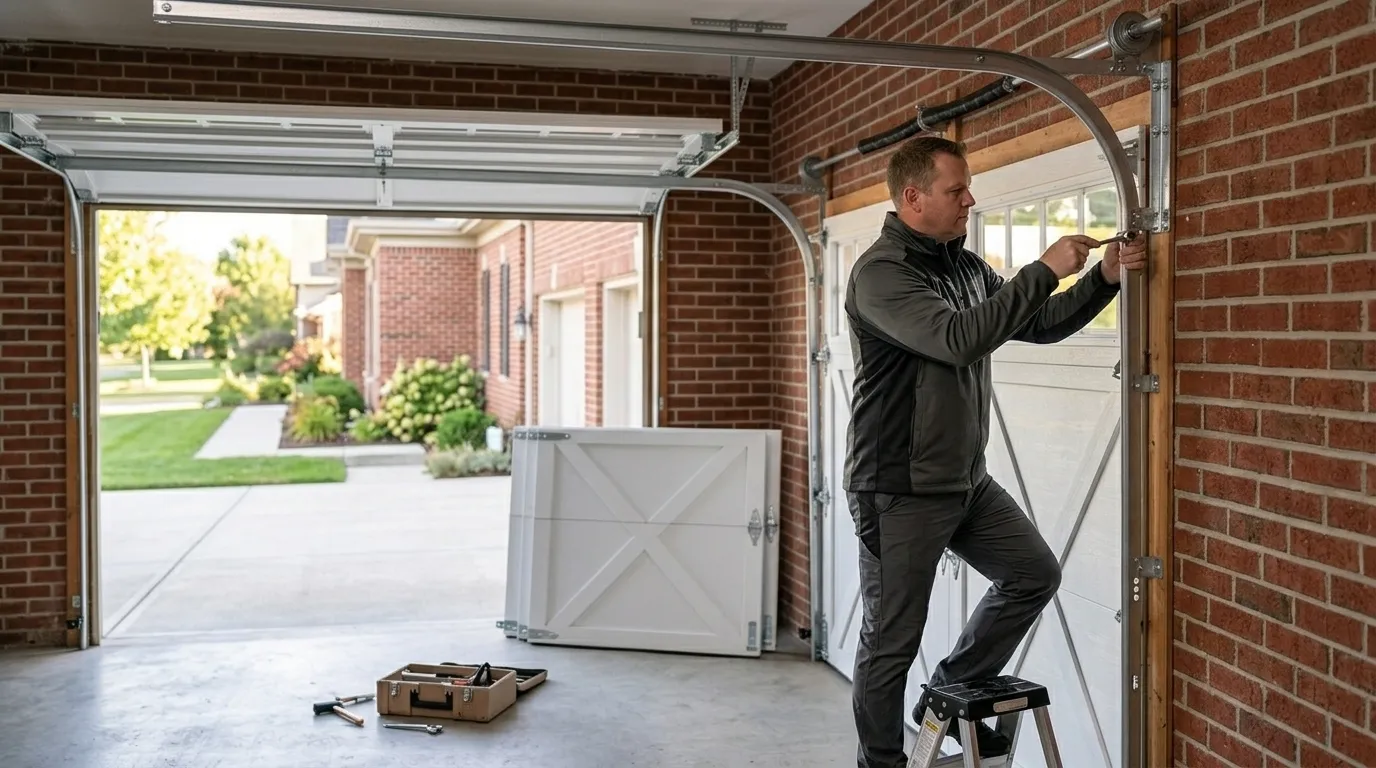
Most garages in Garfield Heights went up around 1955, and the bay itself tells you what you're dealing with before you even open the door. A lot of these are single 8-foot openings, wood-jamb construction, with a steel or wood-composite panel hung on a chain-drive setup that was often added years after the house was built. The header above that opening is shallow - there wasn't much reason to leave extra clearance when nobody made low-headroom rail kits yet.
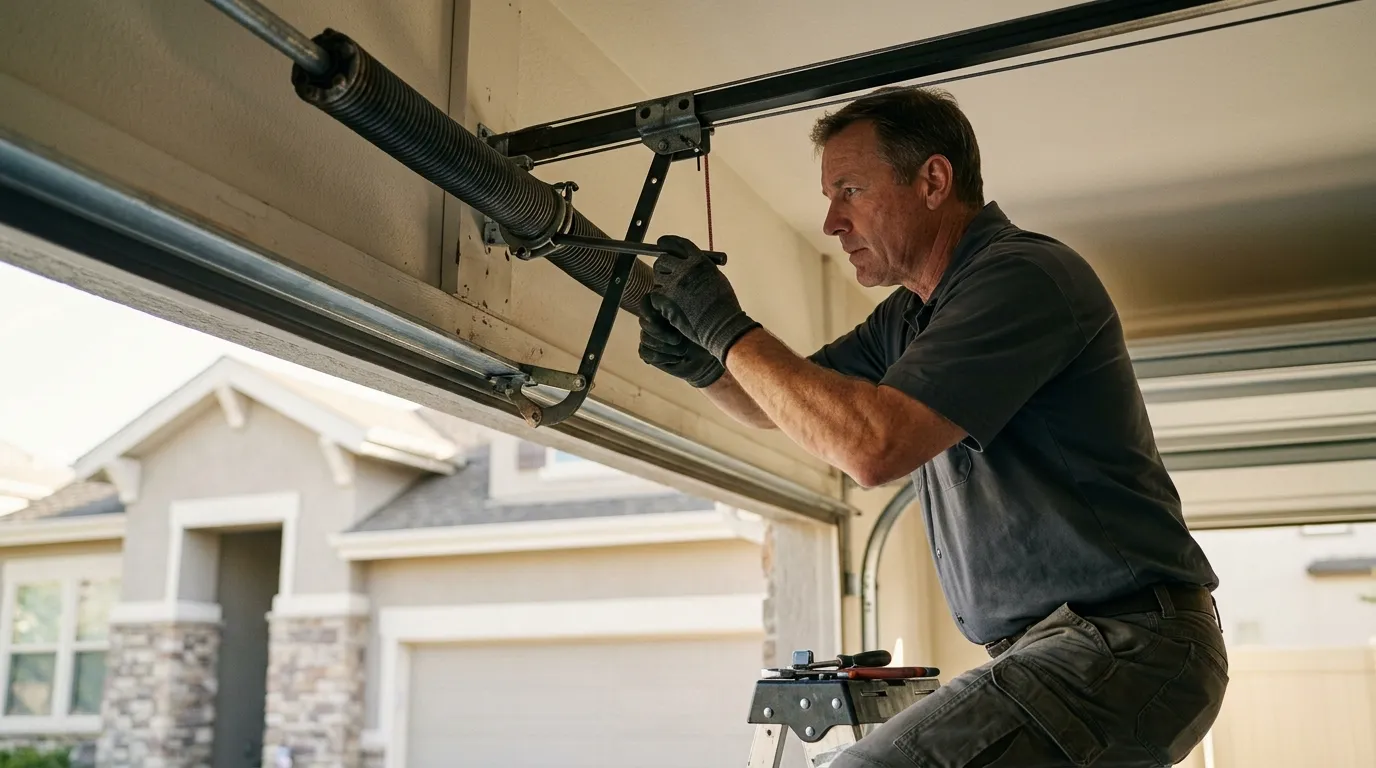
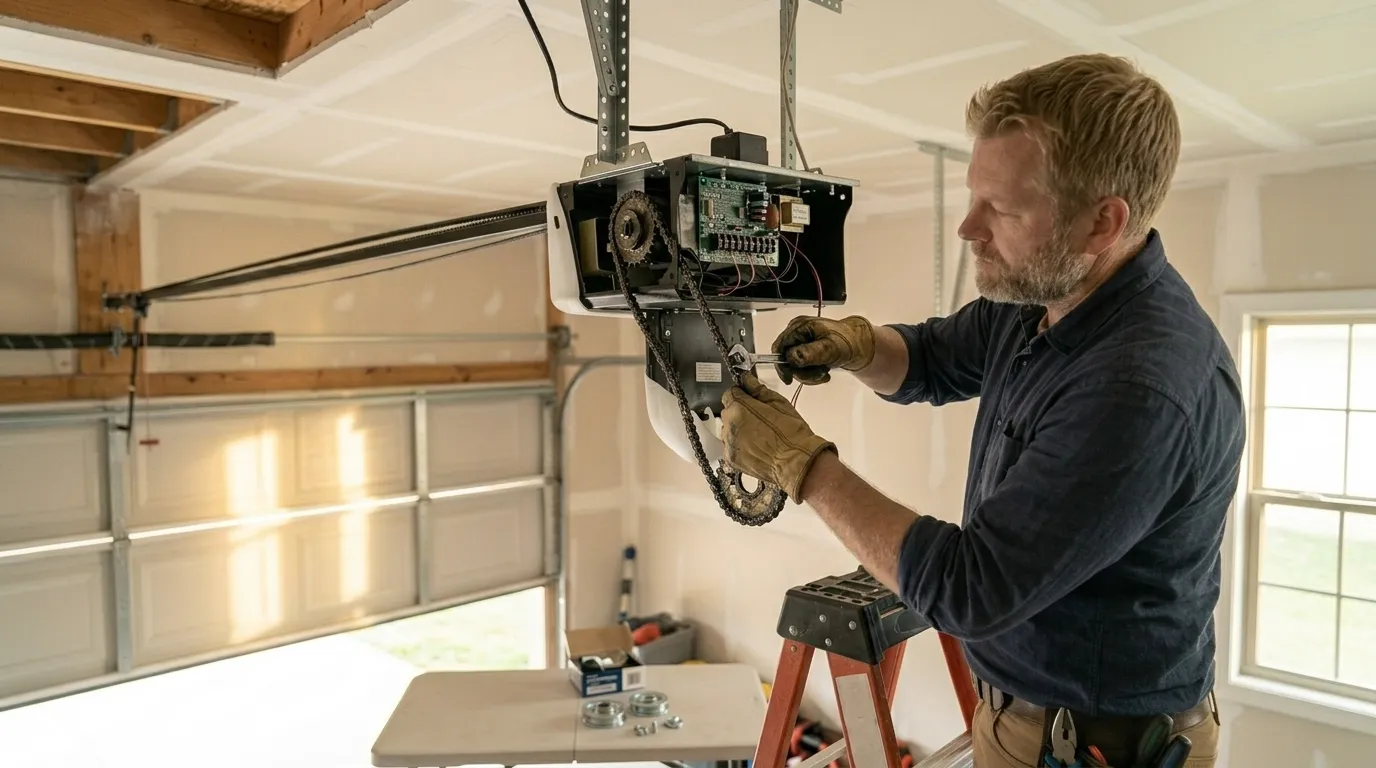
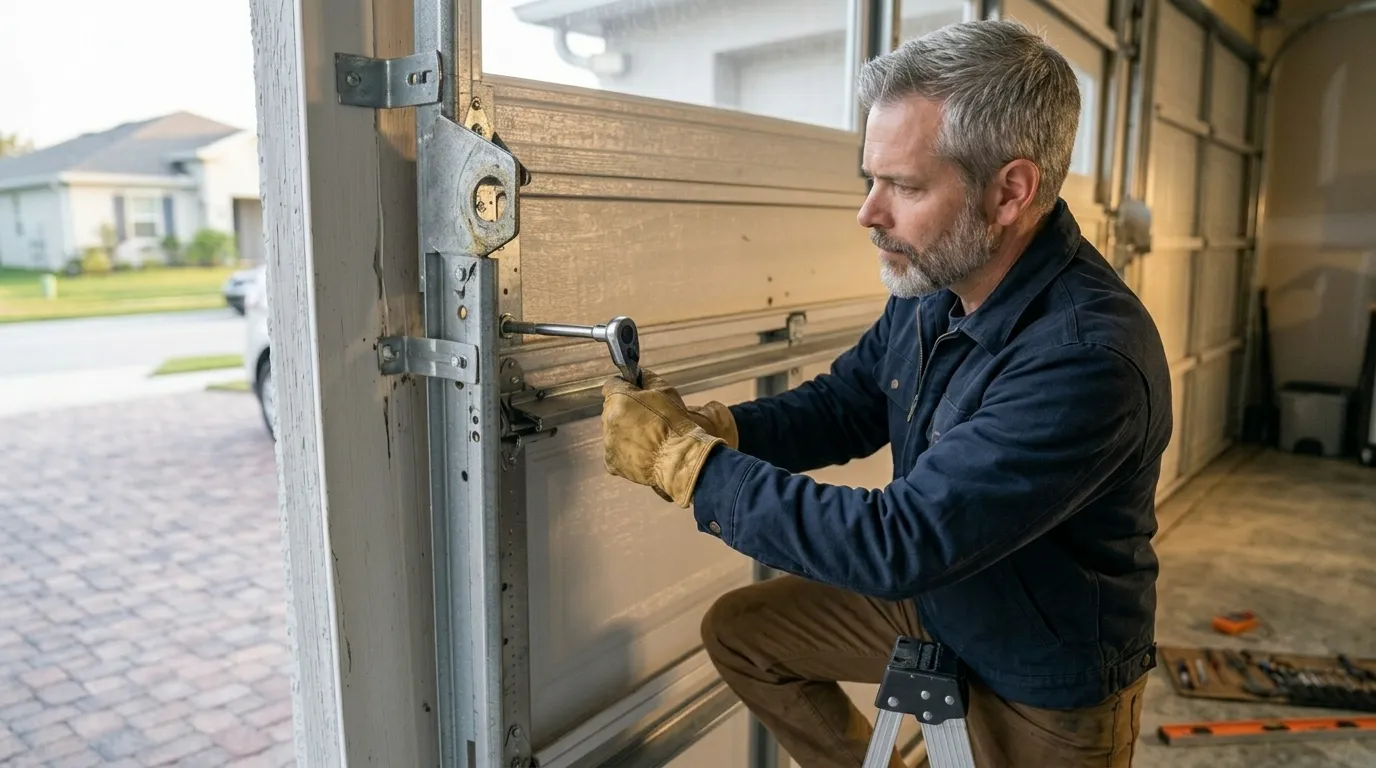
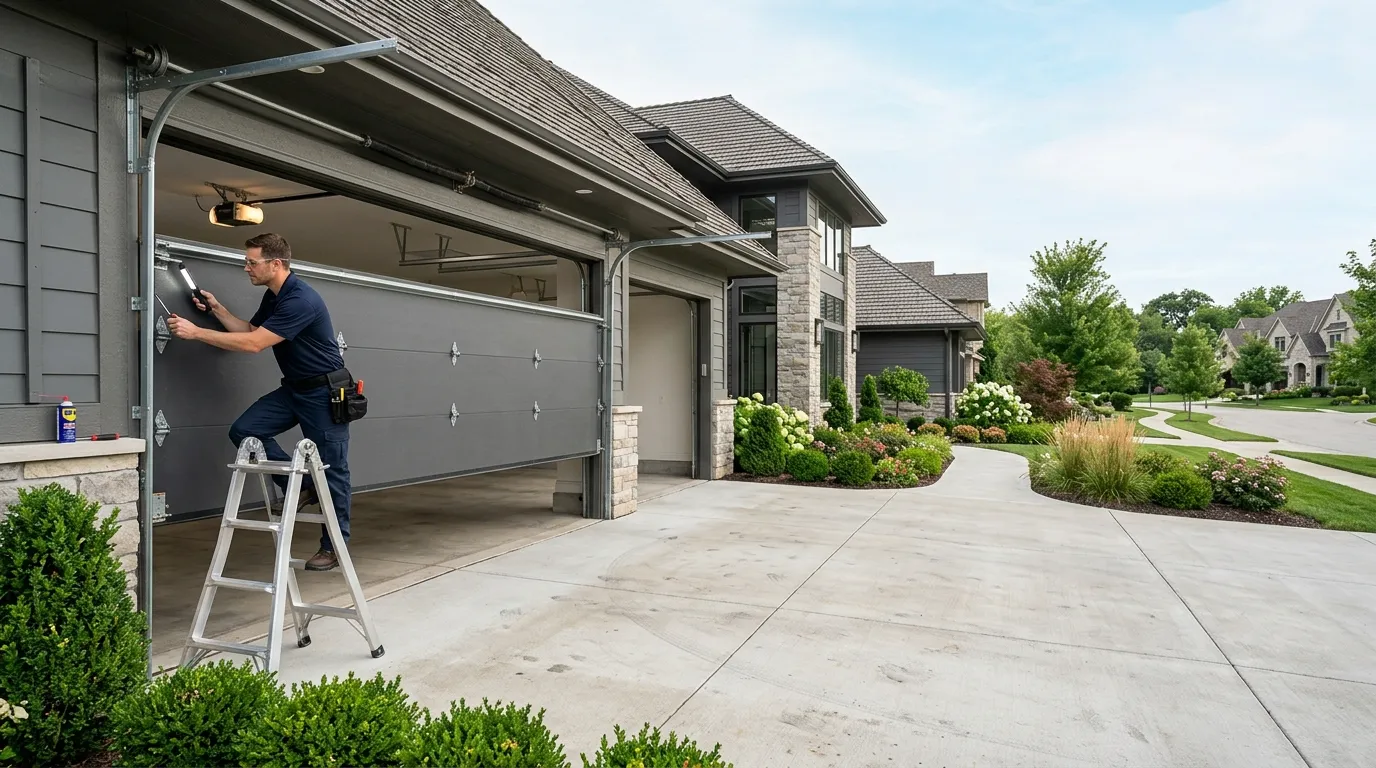
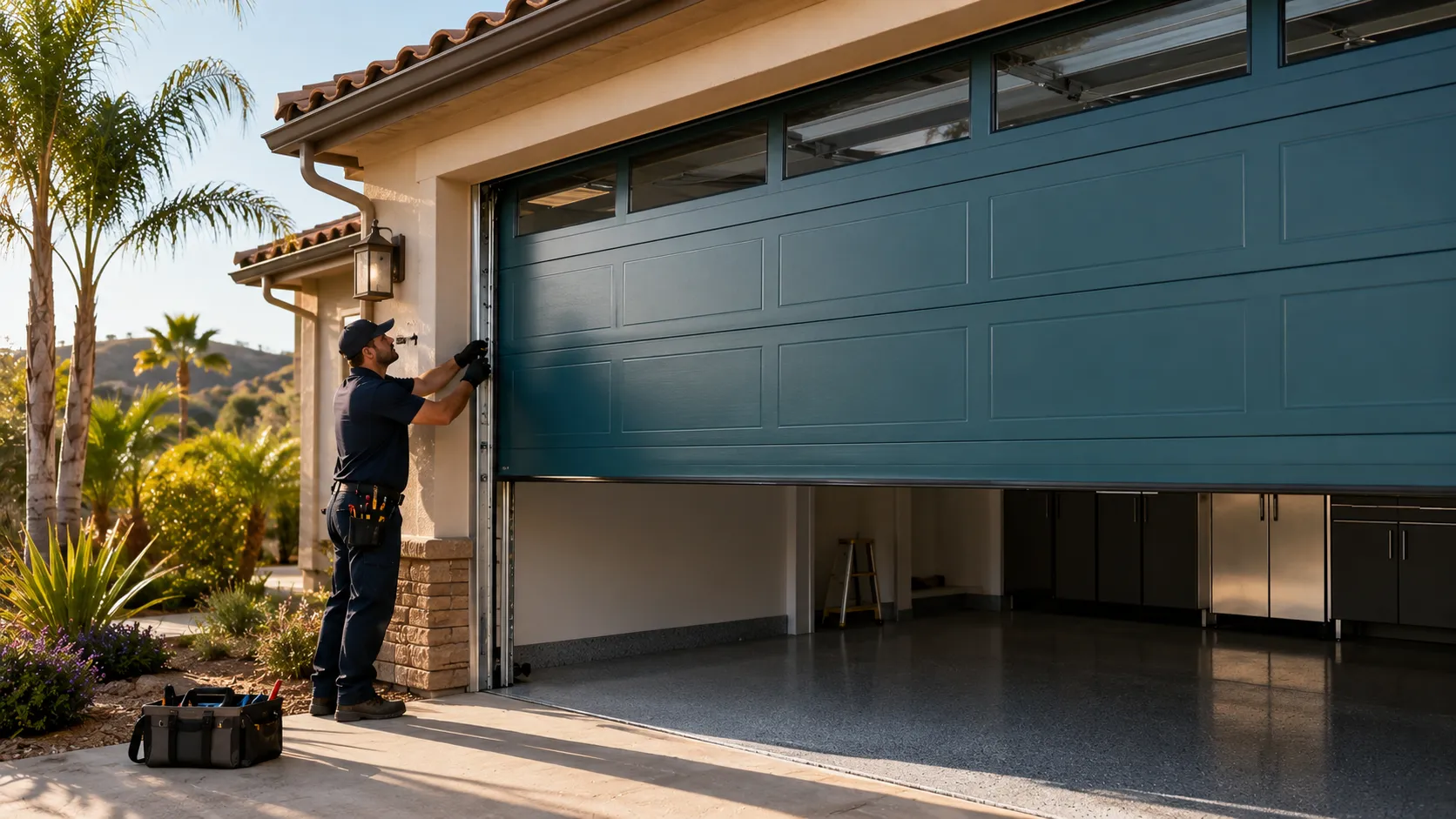
That's where a straight opener swap goes sideways. A standard modern rail bracket assumes header depth that a lot of these garages don't have, so the installer either has to notch trim, use a jackshaft unit mounted to the side wall, or run a shorter travel rail than the box calls for. The wall studs on houses this age were also framed for lighter fixtures than today's belt-drive units, so the mounting plate needs real lag bolts into a stud, not the drywall anchor a newer build might tolerate. None of this is exotic work, but it's not a fifteen-minute bracket swap either, and pretending otherwise is how a door ends up racked on one side within a year.
Why It Happens Here
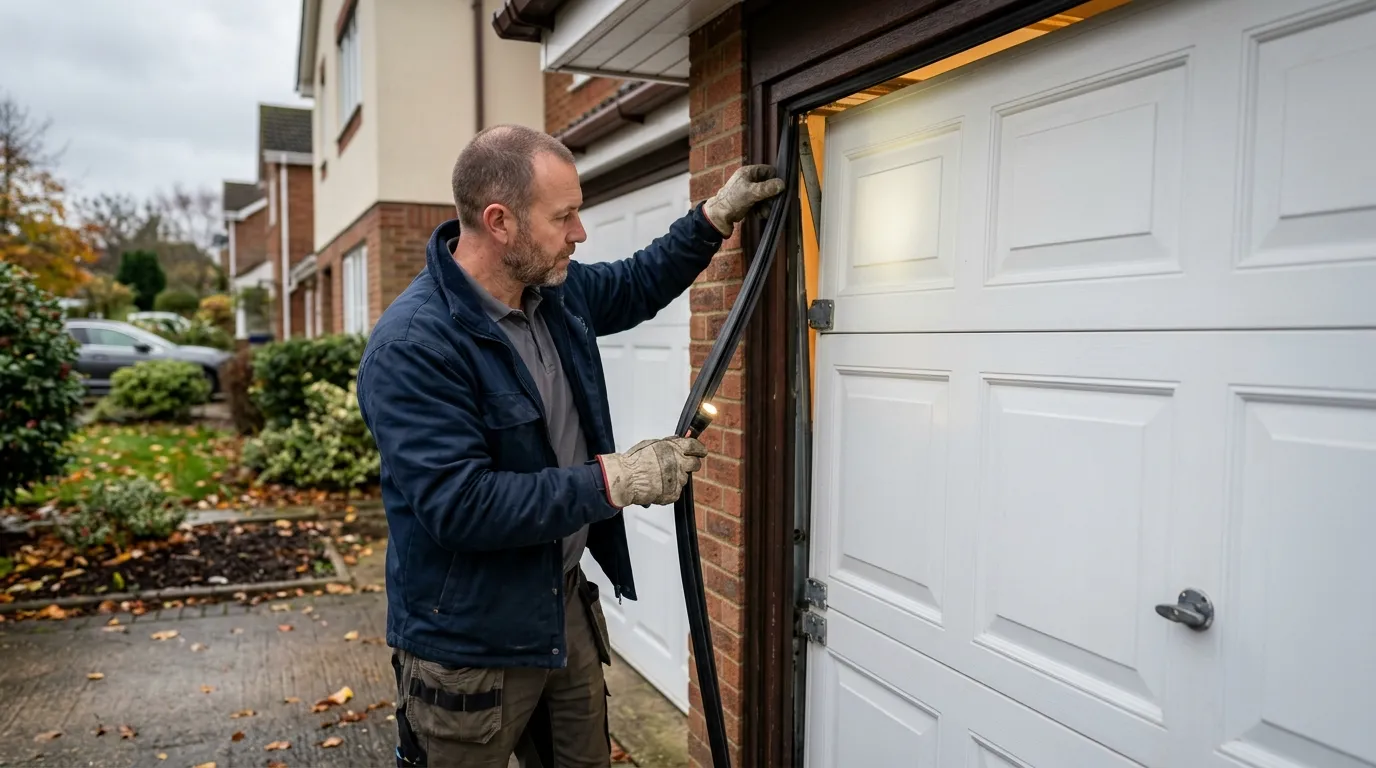
The building stock here clusters tight around that 1955 median, which puts almost the whole neighborhood into the same era of door, header, and framing at once - unlike a newer subdivision where openers just bolt to a modern truss. Cuyahoga County sits in a cold, severe climate band, and that matters for a chain-drive unit that's been through seventy winters of freeze-thaw cycling on the same sprockets and hinges. Metal fatigues, wood swells and shrinks, and by the time an opener finally quits, the track and rollers around it are usually just as tired.
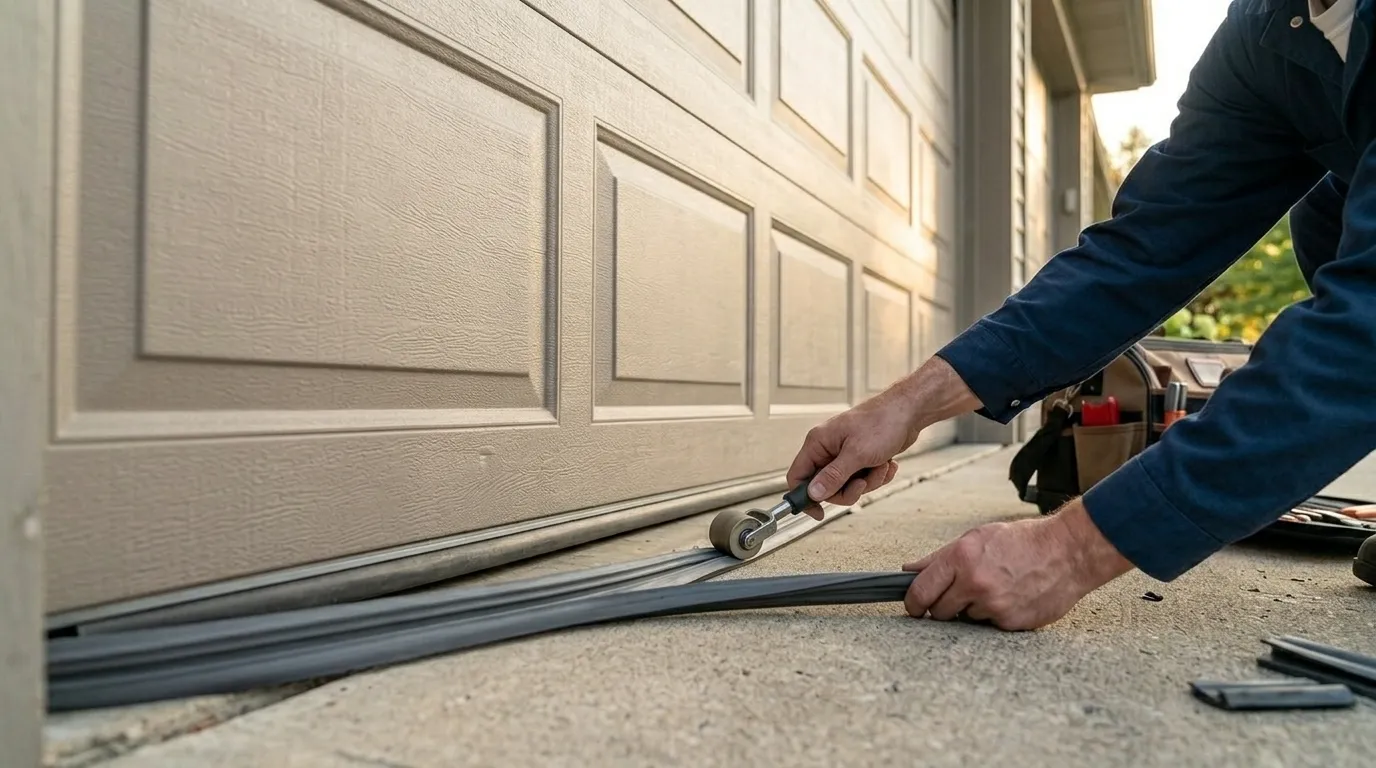
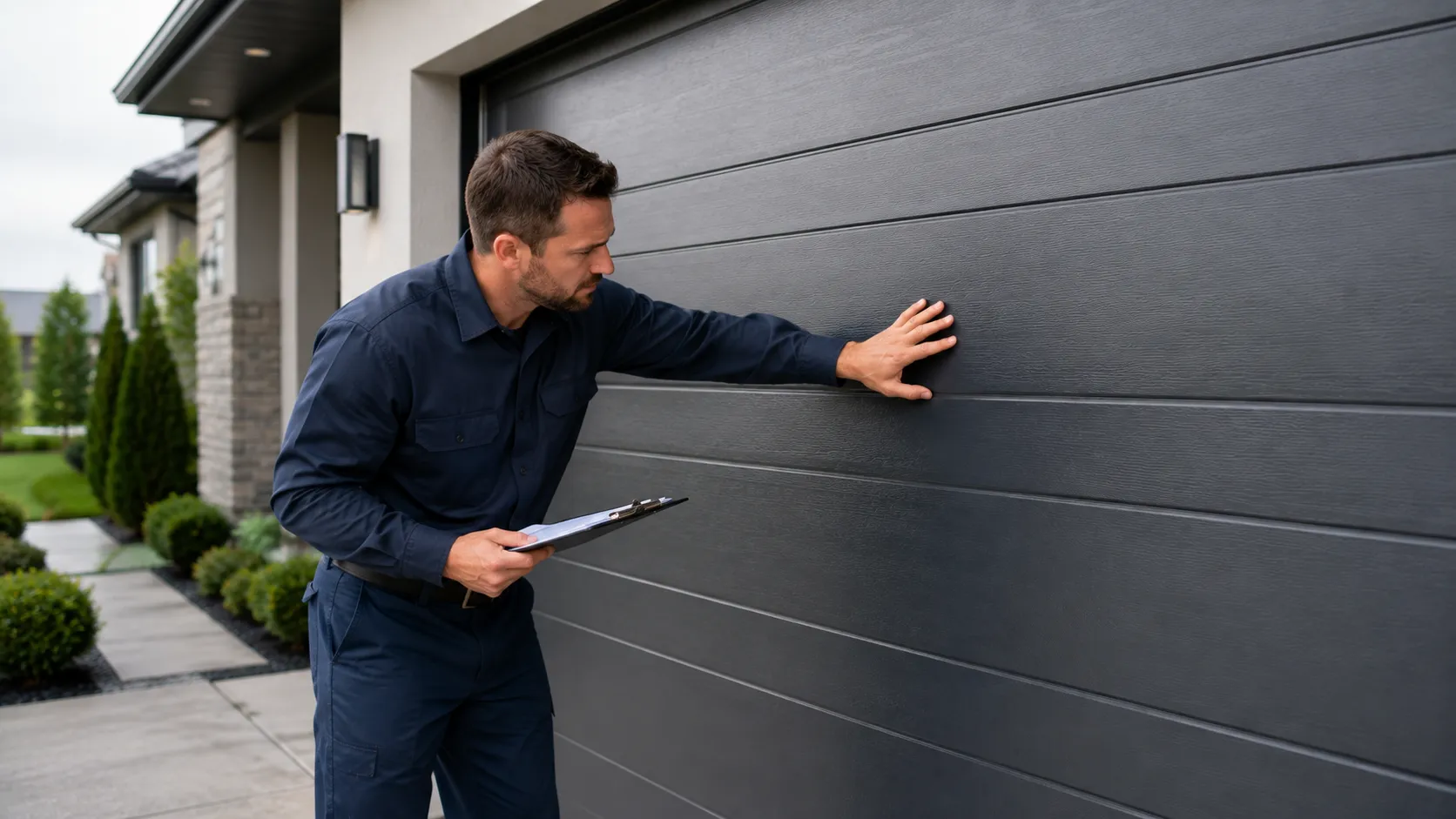
Median household income in Garfield Heights runs around $52,006, well under the $95,313 median across the wider area this company covers from Parma. That gap shows up in how these jobs get called in - owners tend to wait until the opener is fully dead rather than replace it at the first grinding noise, which means more of these visits involve worn track and hardware alongside the opener itself, not just a motor swap. It's a different mix of work than a newer suburb sends, and it's worth planning the visit around that.
What Is on the Truck
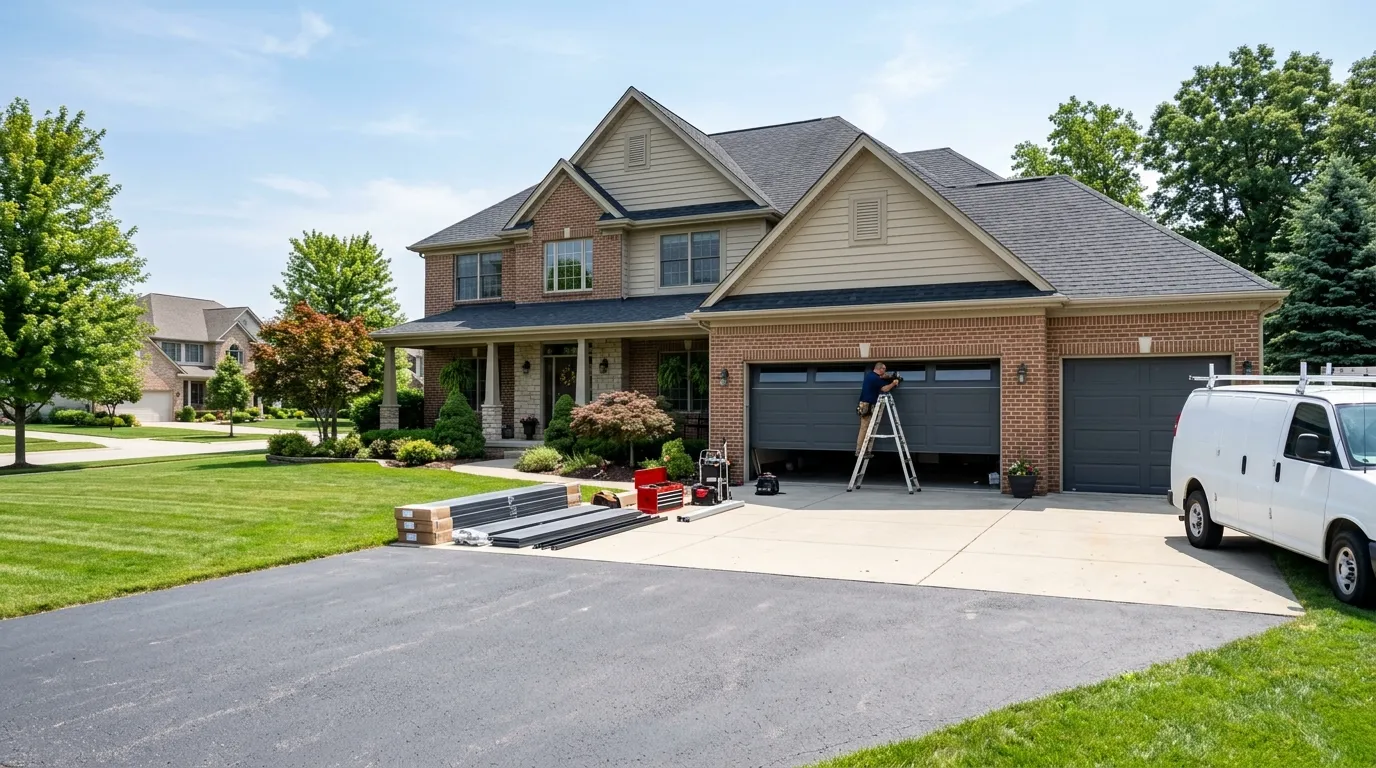
For a neighborhood running mostly on 1955-era single-bay doors, the truck carries low-headroom rail brackets and jackshaft opener kits alongside the standard belt and chain-drive units, since a straight swap isn't always what the header allows. There are stud-rated lag bolts and mounting plates sized for older wall framing, not just the drywall anchors that come in a retail box.
Battery backup units go out on most calls now, since a chain-drive opener from decades back almost never had one, and replacing the unit is the easiest point to add it. There's also a small stock of GFCI outlet kits, because bringing the circuit up to code is often part of the job on a house this age, not a separate call. What doesn't ride on the truck: spare parts for openers older than what's currently sold - if the original unit is a legacy chain-drive with a proprietary logic board, the fix is a new opener, not a repair kit for the old one.