Where This Job Goes Sideways
The drive from our shop in Parma to Garfield Heights is seven miles, mostly straight down through the inner suburbs, so a panel call here runs the same day as a Parma call - the truck just spends fifteen more minutes on the road before it starts working. That travel time matters less than what's waiting at the door once we get there.
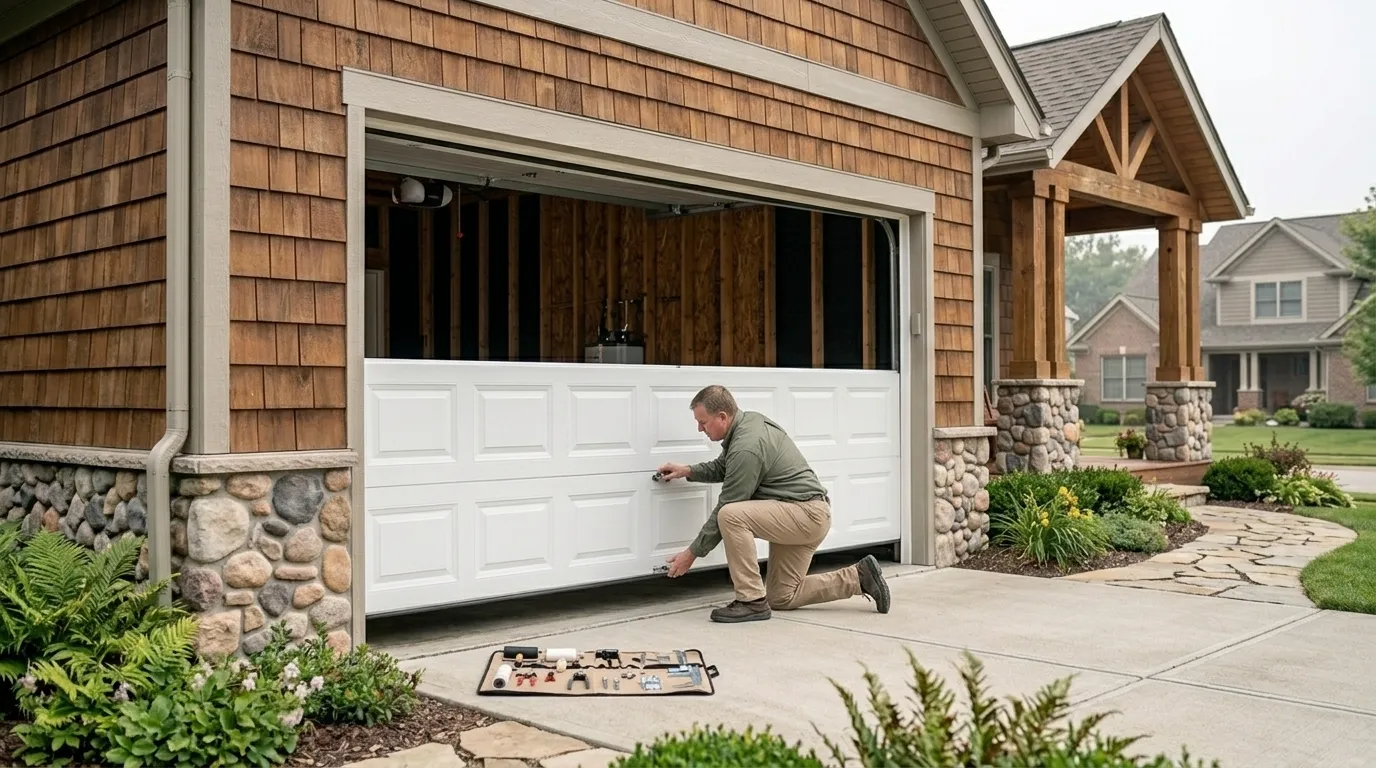
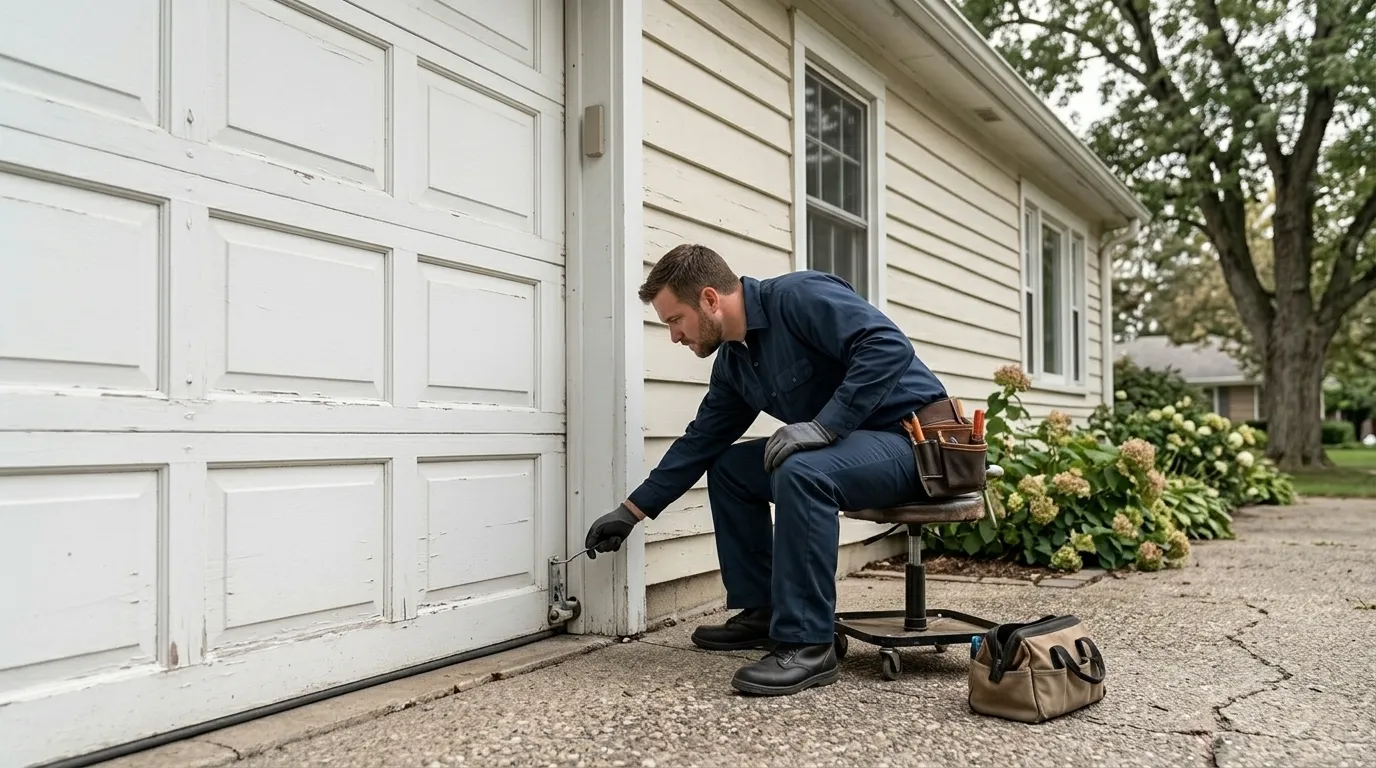
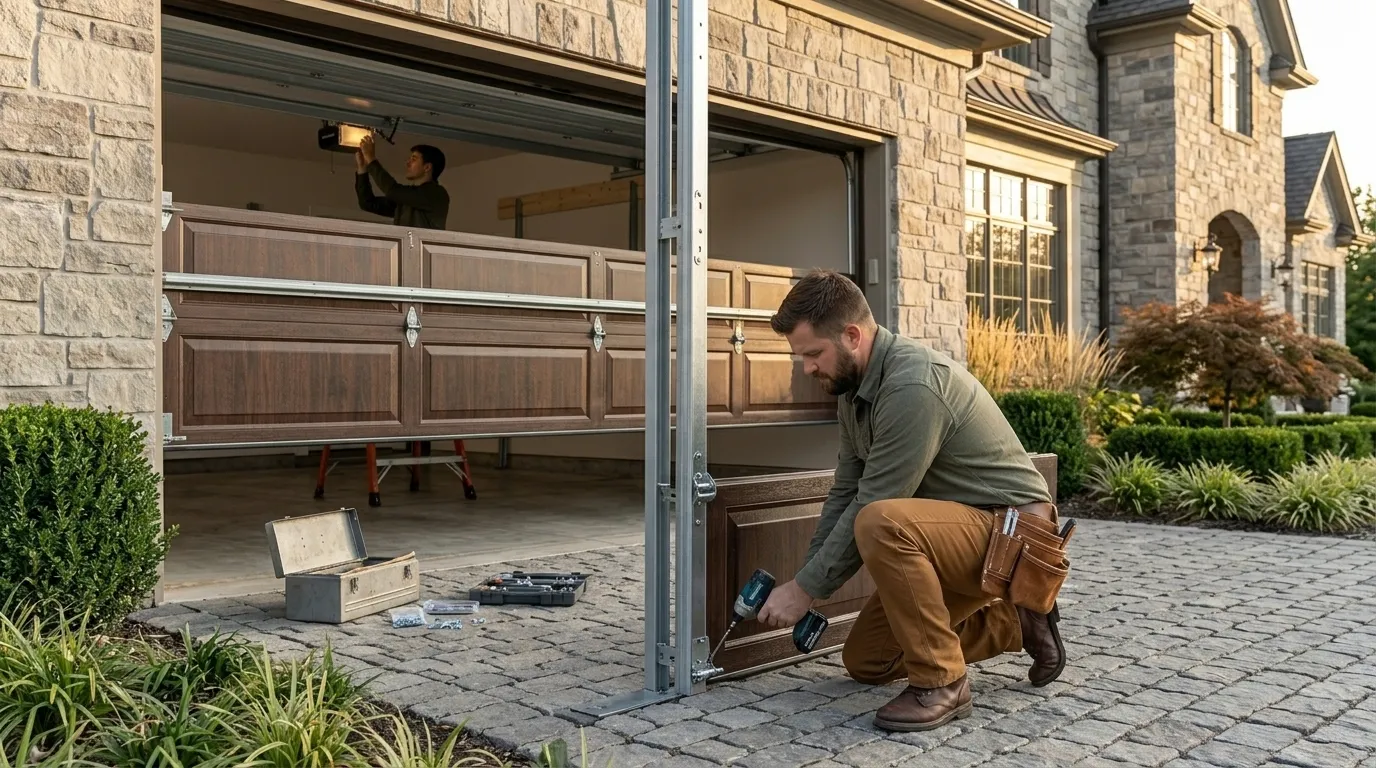
Garfield Heights homes tend to be older than a lot of what we see closer to Parma. The median build year here lands around 1955, which puts most garages into that first big wave of steel sectional doors before the industry settled on the panel widths and rib patterns that are common today. When one panel gets crushed by a car backing out too fast, or a kid's baseball puts a dent in the bottom section, the fix isn't always "order a matching panel and swap it in." Sometimes the door is old enough that the manufacturer doesn't make that panel profile anymore, and the whole conversation changes.
We've had jobs where the customer expected a one-panel fix and left with a full door quote instead, because nothing on the shelf lined up with a door built when Eisenhower was president. That's not us upselling - it's the reality of a door that age.
Why It Happens Here
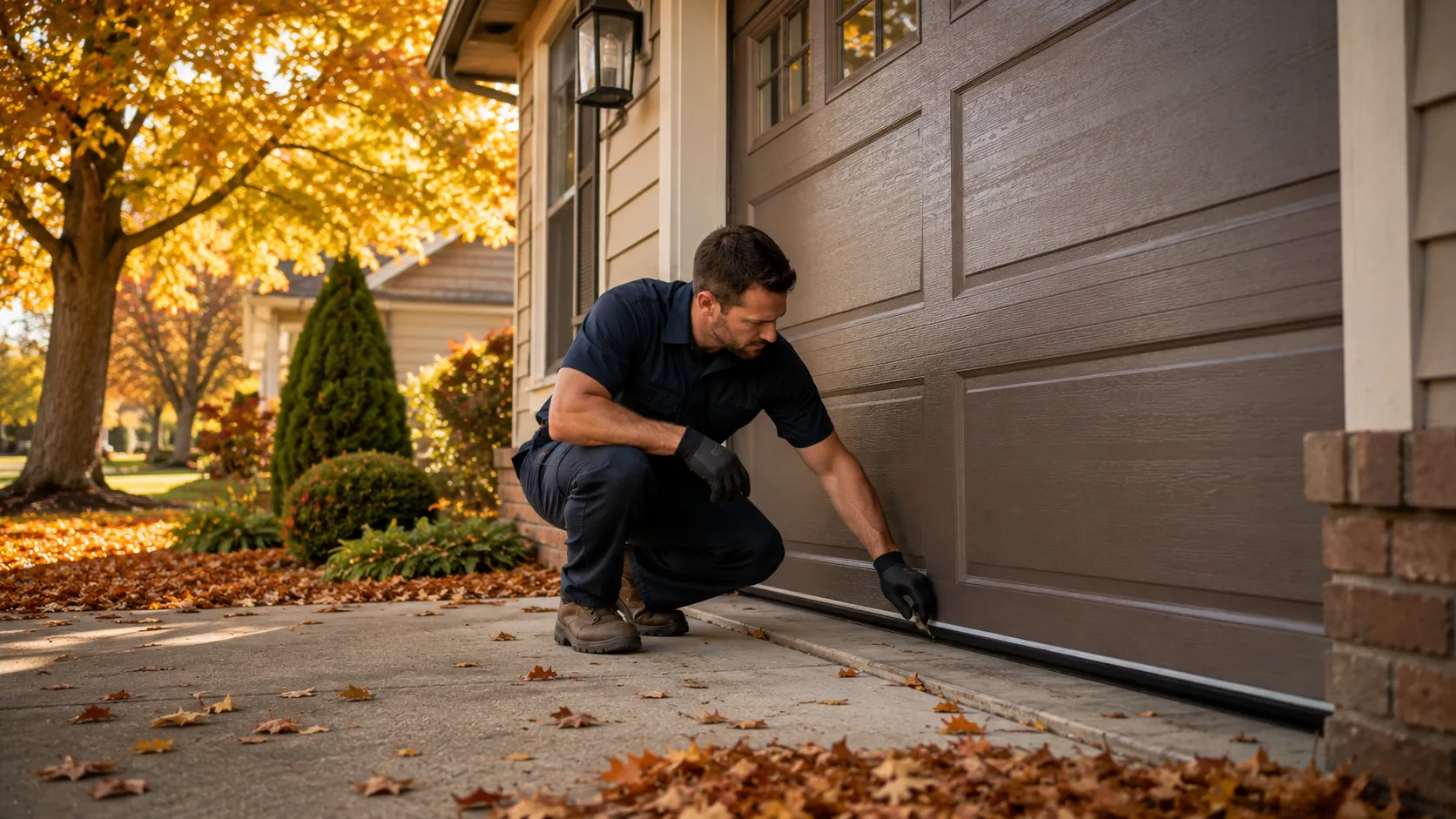
A house built around 1955 in a cold-climate town like this one has usually been through seventy winters of freeze-thaw on the same steel door, unless someone replaced it along the way. Steel doesn't rust out from the weather alone - it's the salt off the street in winter, splashed up onto the bottom panel by tires, that eats through the paint and then the metal underneath.
Garfield Heights sits solidly in that same cold, severe climate band as the rest of the service area, so the freeze-thaw cycle that stresses panel seams in Parma stresses them here too. The difference is the age of the door taking the hit. A door from 1966 or 1975 still has a reasonable shot at finding replacement panels through normal channels. A door older than that, especially one nobody's ever touched, is more likely to need custom work or a full swap.
Garfield Heights' median household income runs lower than the wider service area's - around $52,000 here against roughly $95,000 across the towns we cover - and that shapes the decisions people make. More owners here ask us to patch a panel and get five more years out of a door than ask for a full replacement outright, and on a door built in the 1950s, that's not always possible.
What Is on the Truck
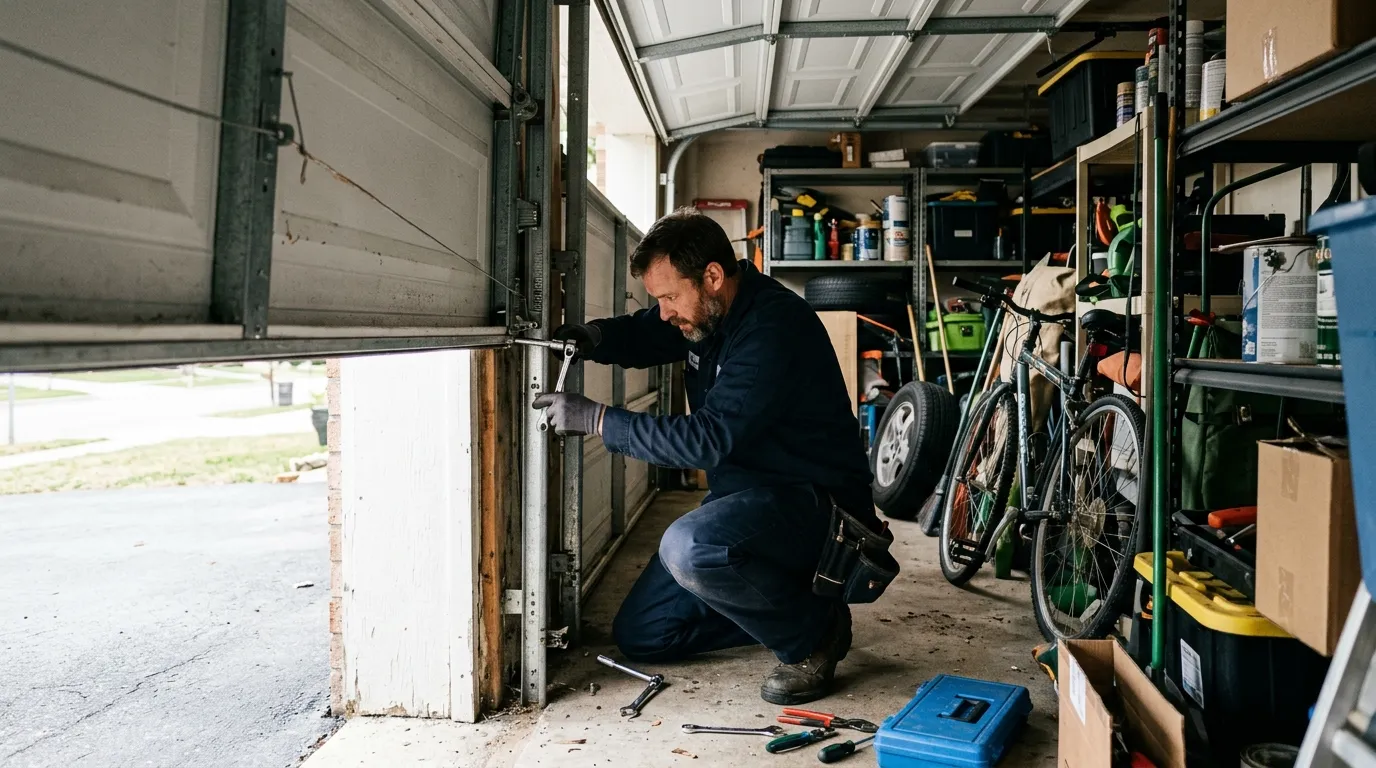
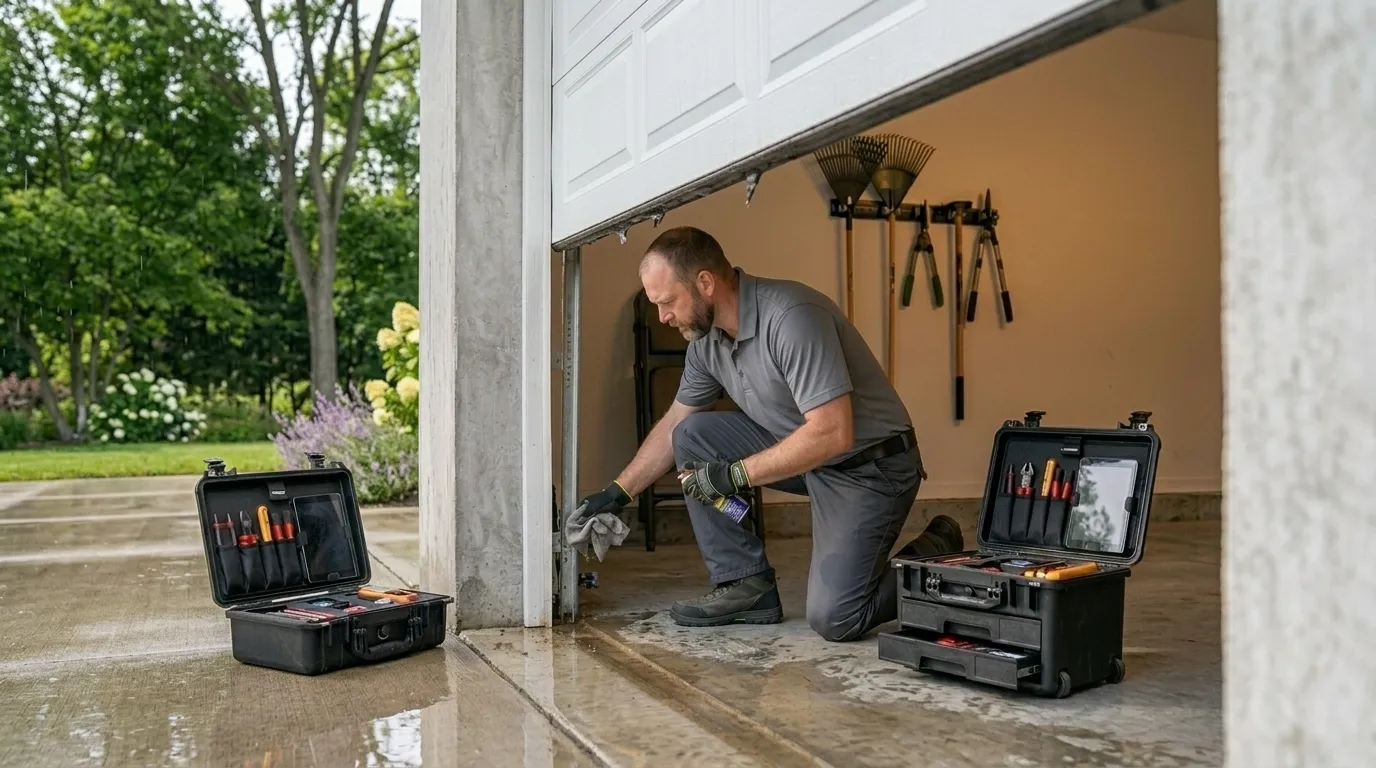
For a panel call anywhere in the service area, the truck carries the common steel and aluminum panel widths, matching rollers, hinge sets, and the fasteners that go with them, plus the tools to true up a track that's shifted from the impact. What it doesn't carry is a guess at what's behind an unmarked 1955 door until someone's looked at it in person.
Because Garfield Heights leans older in its housing stock than towns closer to Parma, we go into these calls expecting to spend more time measuring and matching than we would on a house built in the 1970s or later. If the panel on the truck fits, the job wraps that visit. If it doesn't, we'll tell you what we can special-order and what it'll run, rather than forcing a mismatched panel onto a door that deserves better.