What the Repair Takes
Broadview Heights has about 8,598 households, which is a smaller, more spread-out town than the denser blocks closer to Parma. That size matters for roller work: fewer doors overall, but a lot of them built in the same stretch of years, so when one roller set starts grinding on a track, we're usually looking at a batch of houses with the same door, the same hardware, and the same wear pattern showing up around the same age.
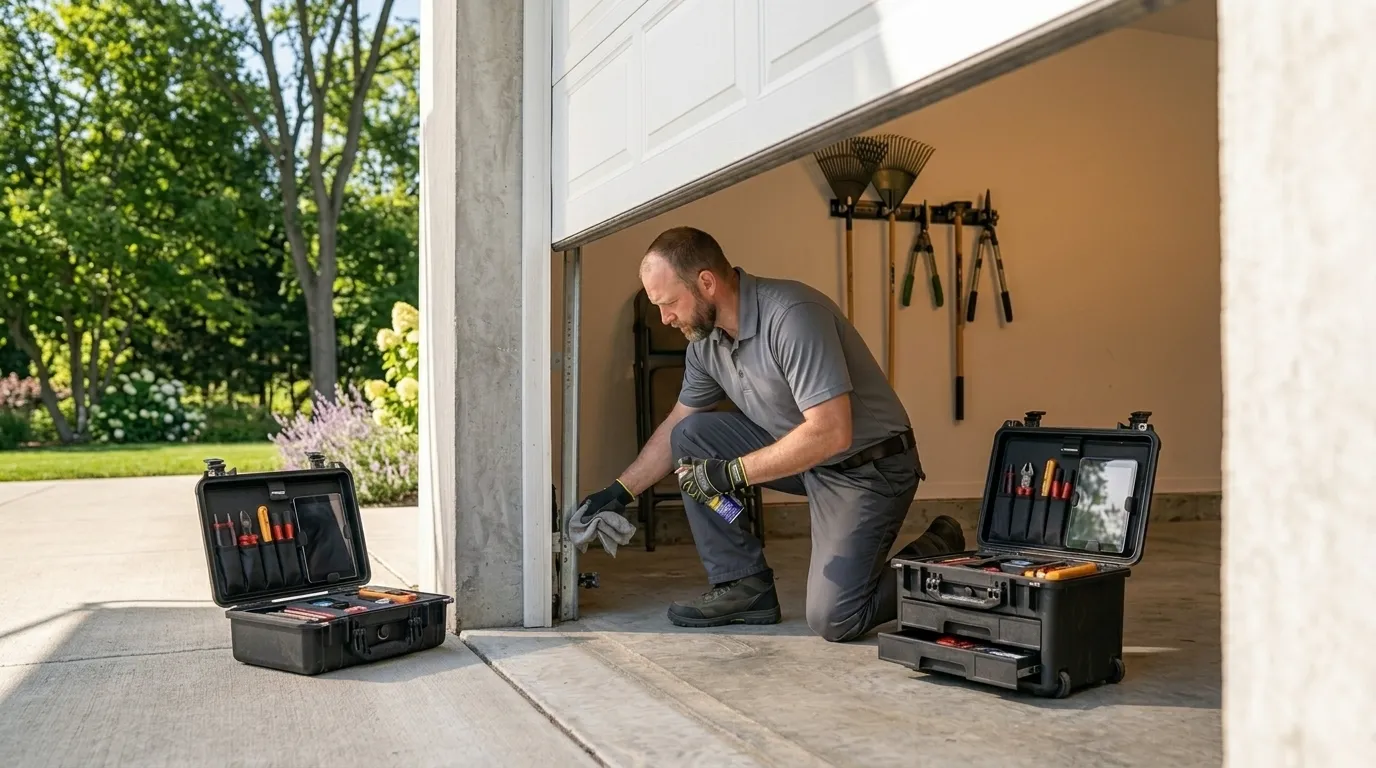
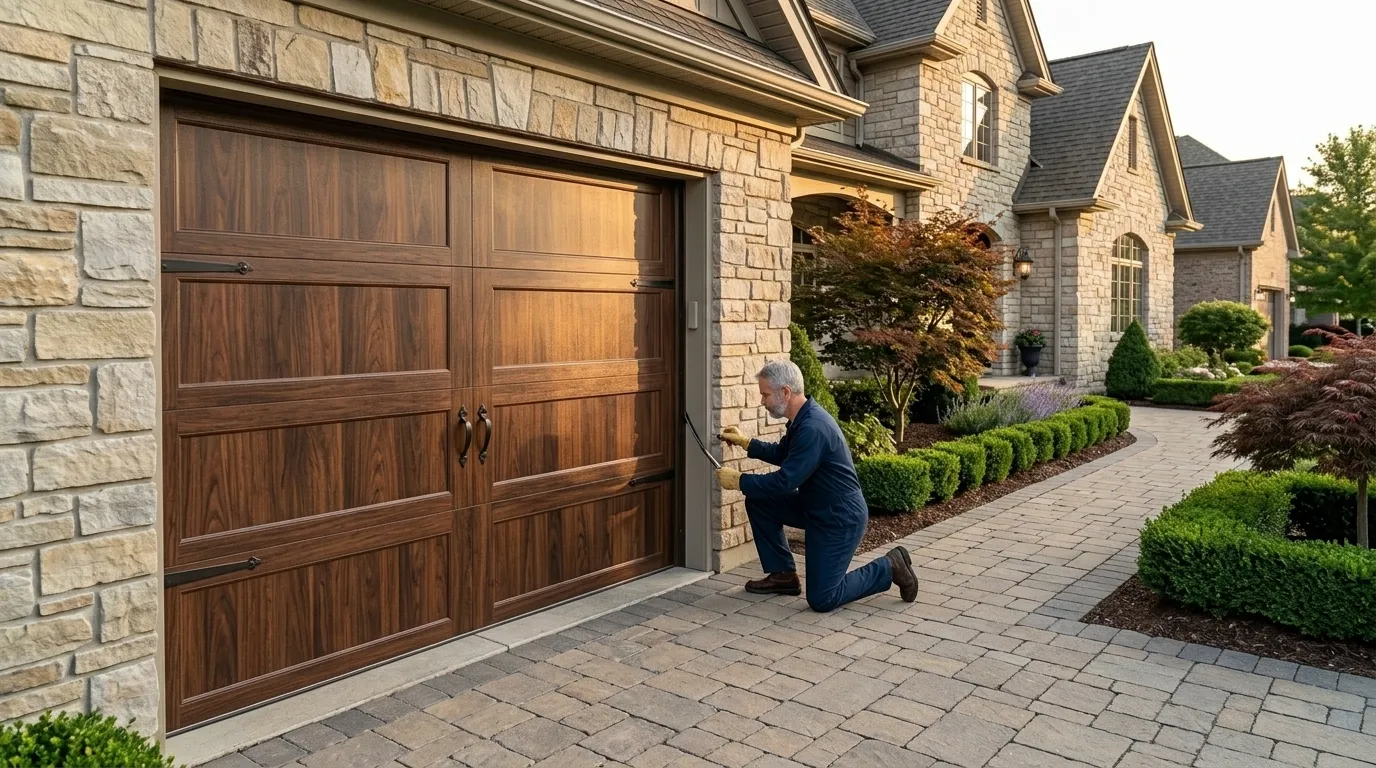
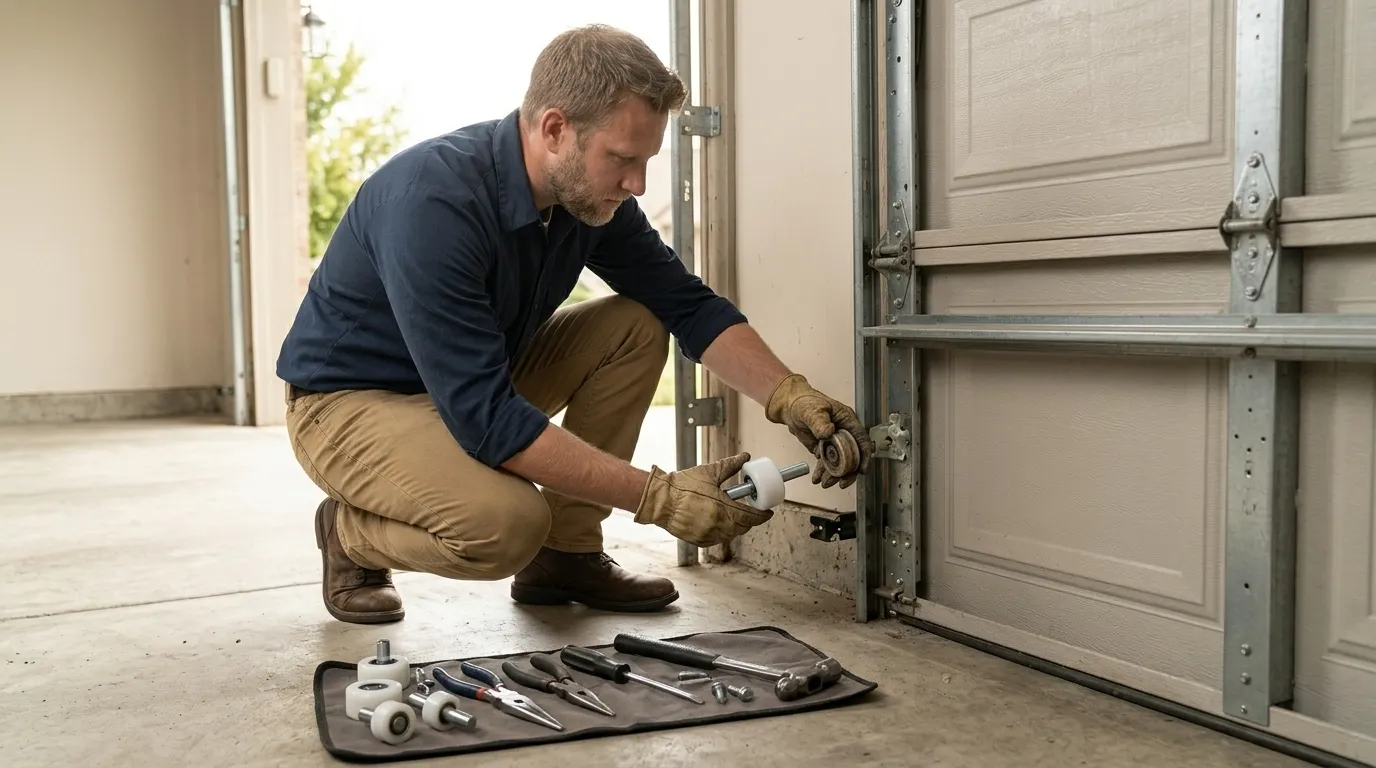
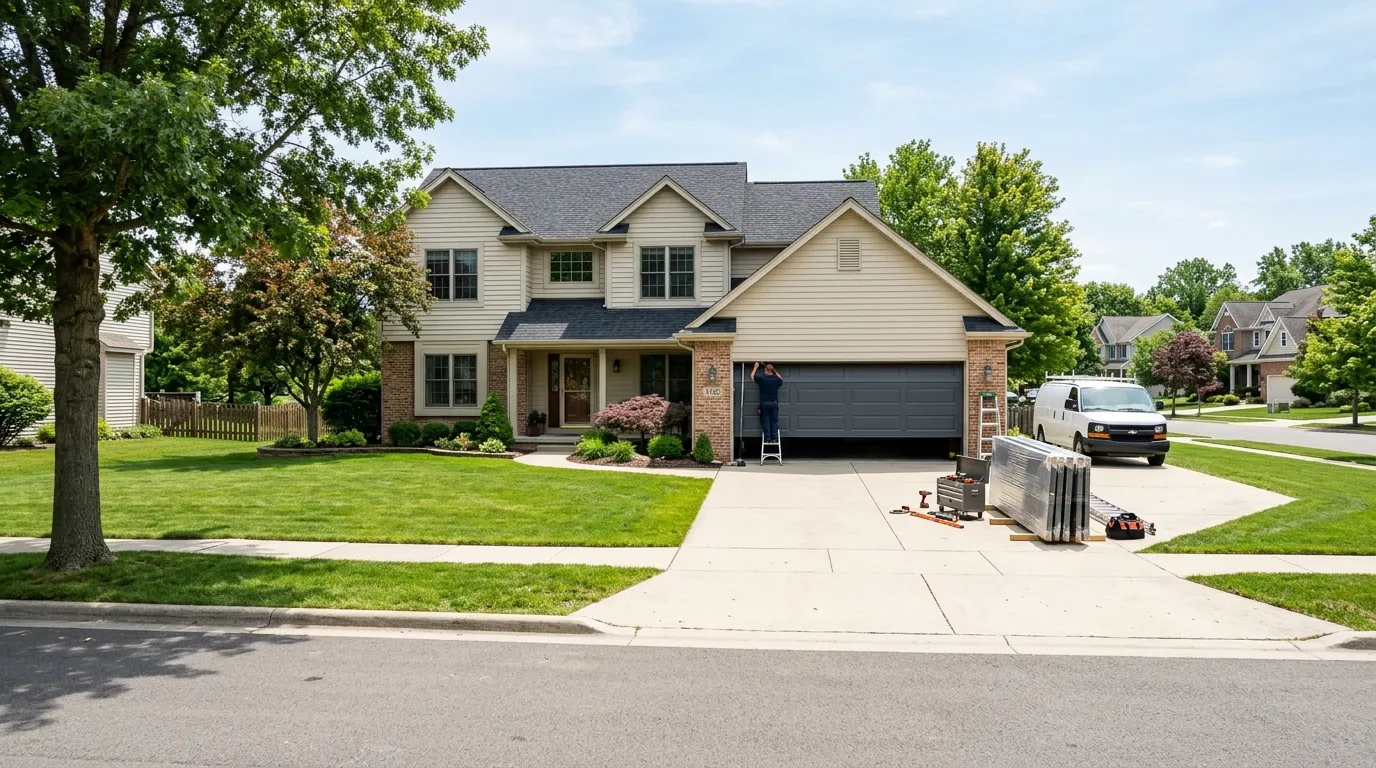
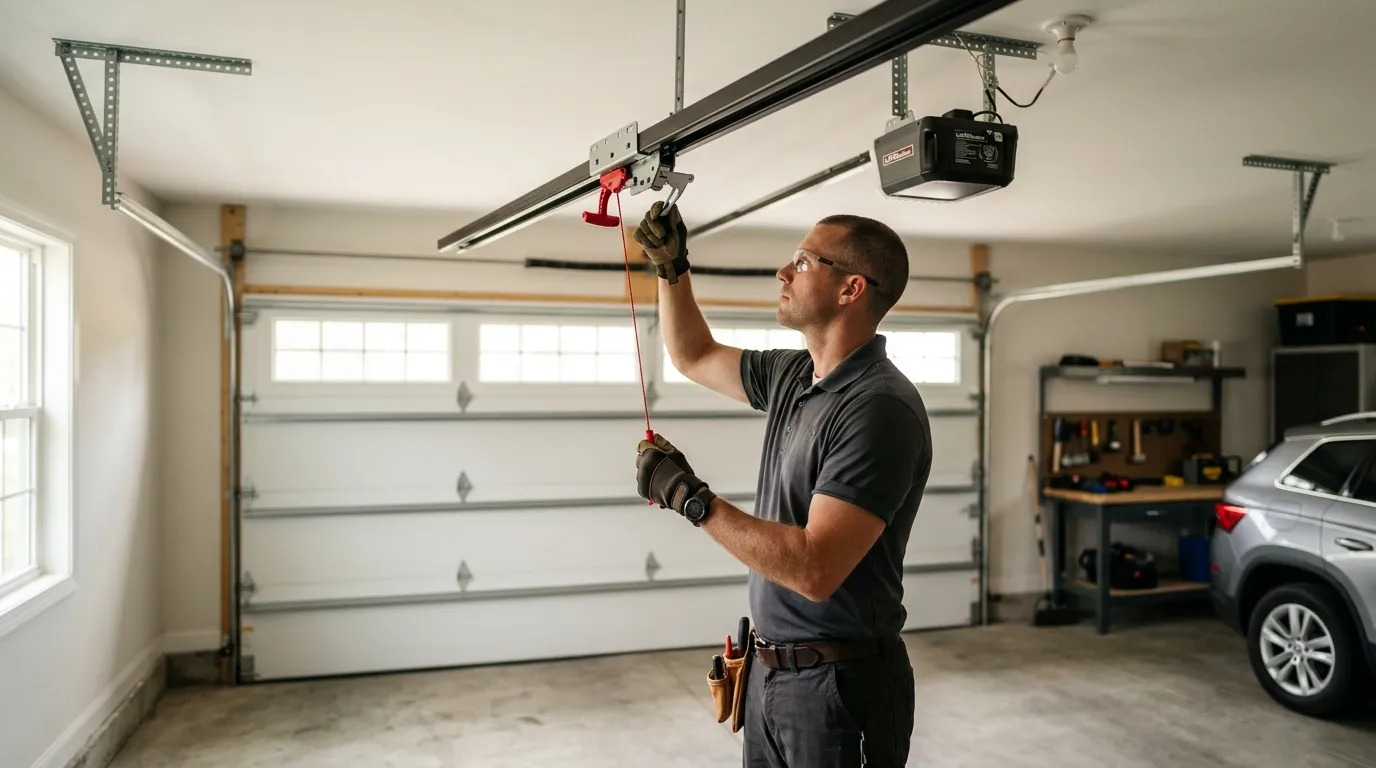
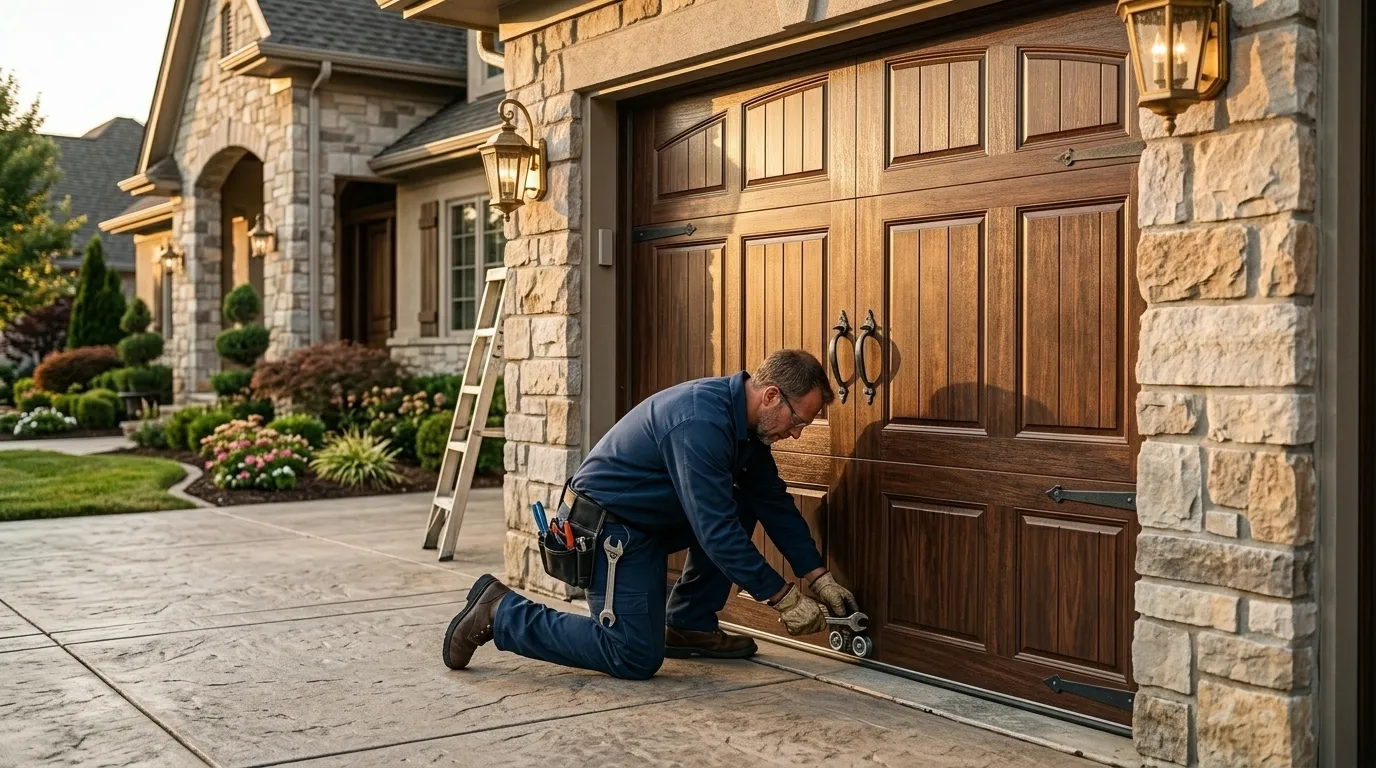
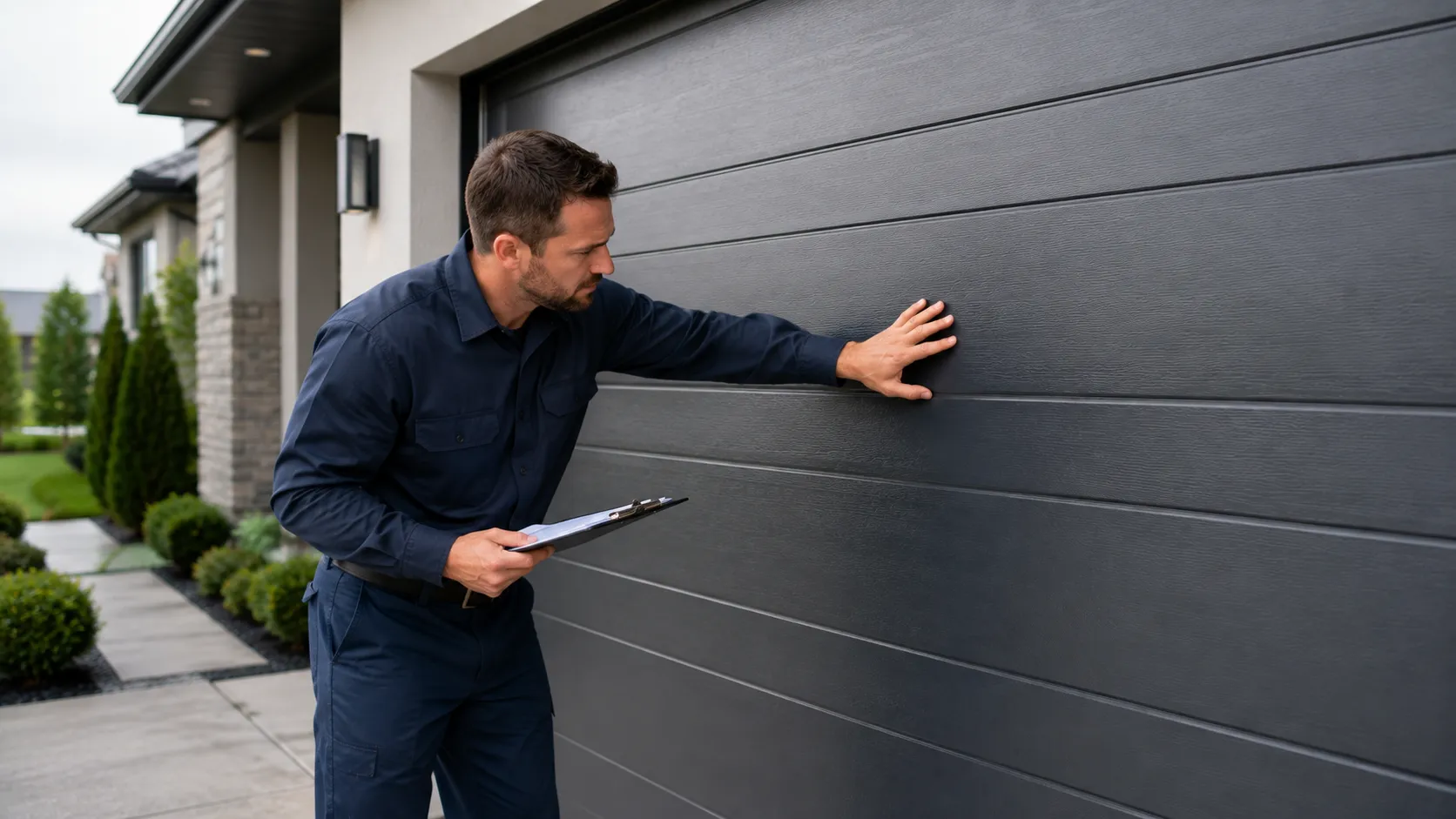
A roller job itself is straightforward once we're on site. We pull the old rollers - usually steel with open bearings or the cheaper nylon that shipped stock on builder-grade doors - and set new ones matched to the track radius and stem length already on the door. Ten rollers on a standard two-car door, sometimes 12 if the track run is longer. We check the track for bends or rust pitting while we're in there, because a straight track on a worn roller lasts years longer than a good roller on a bent one.
We don't push full track replacement on a roller call unless the track is actually damaged. If it's just noisy and grooved from age, cleaning and a shim adjustment often solves it alongside the new rollers, and that keeps the job from turning into a bigger bill than it needs to be.
Why It Happens Here
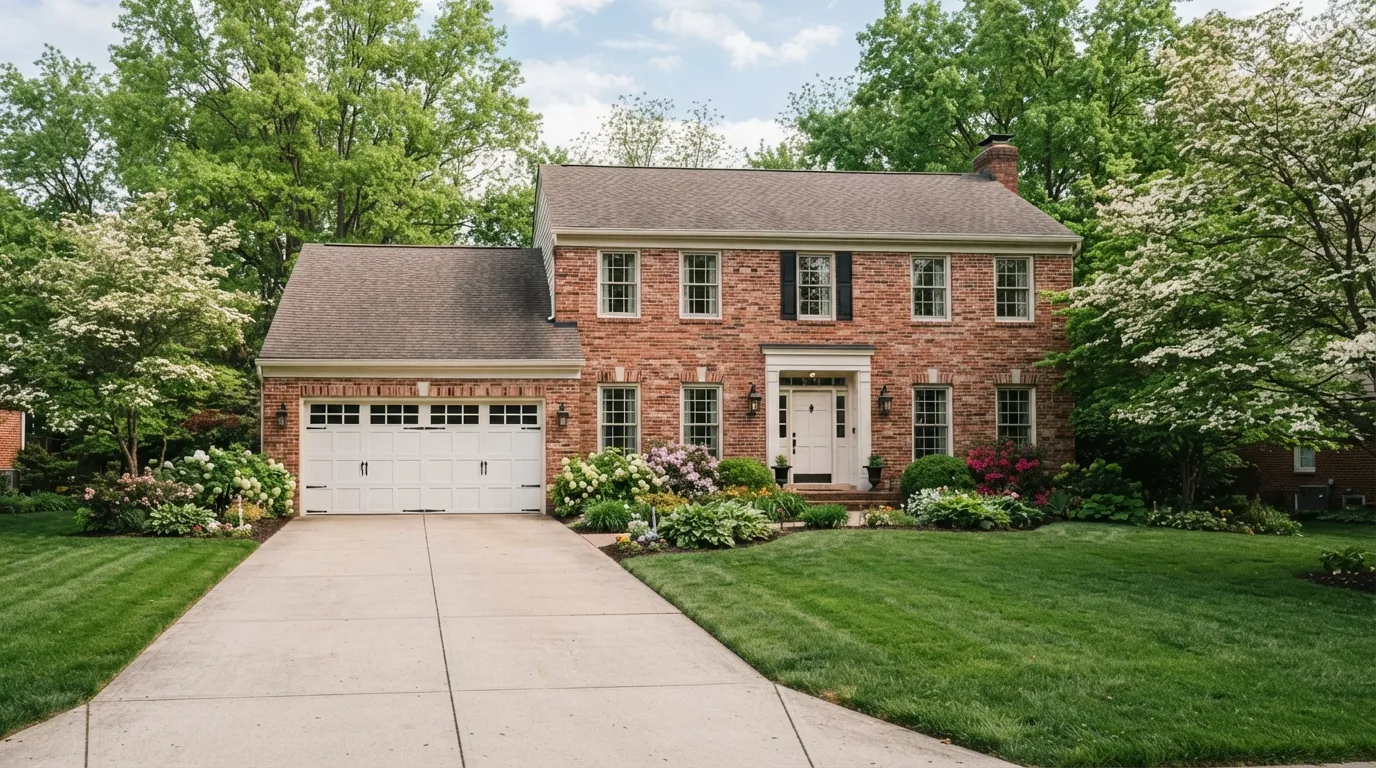
The median year built in Broadview Heights is 1984, noticeably newer than the older housing closer in toward Parma, where doors and track hardware from the 1960s and 70s are still common. That later build date means most Broadview Heights garages came with steel roller doors on lighter-gauge track, designed for a couple decades of service, not fifty years. By now a good share of those original rollers are past due, especially the plastic-tired ones that were standard on mid-1980s builder doors.
Winters here are the other half of it. This area sits in a cold climate band with real seasonal swings, and a garage that isn't heated puts steel rollers through repeated freeze-thaw cycling. Grease stiffens, bearings dry out, and the roller starts riding rough on the track instead of rolling smooth. That's the grinding or popping sound owners usually call about - not a broken spring, just tired rollers finally giving up after a winter or two too many.
Households in this area report a median income around $99,431, and what we see on the job matches that: owners tend to replace rollers before they let the door limp along and damage the track or the opener's drive gear. Catching it early is cheaper than fixing what a seized roller drags into.
Time on the Job
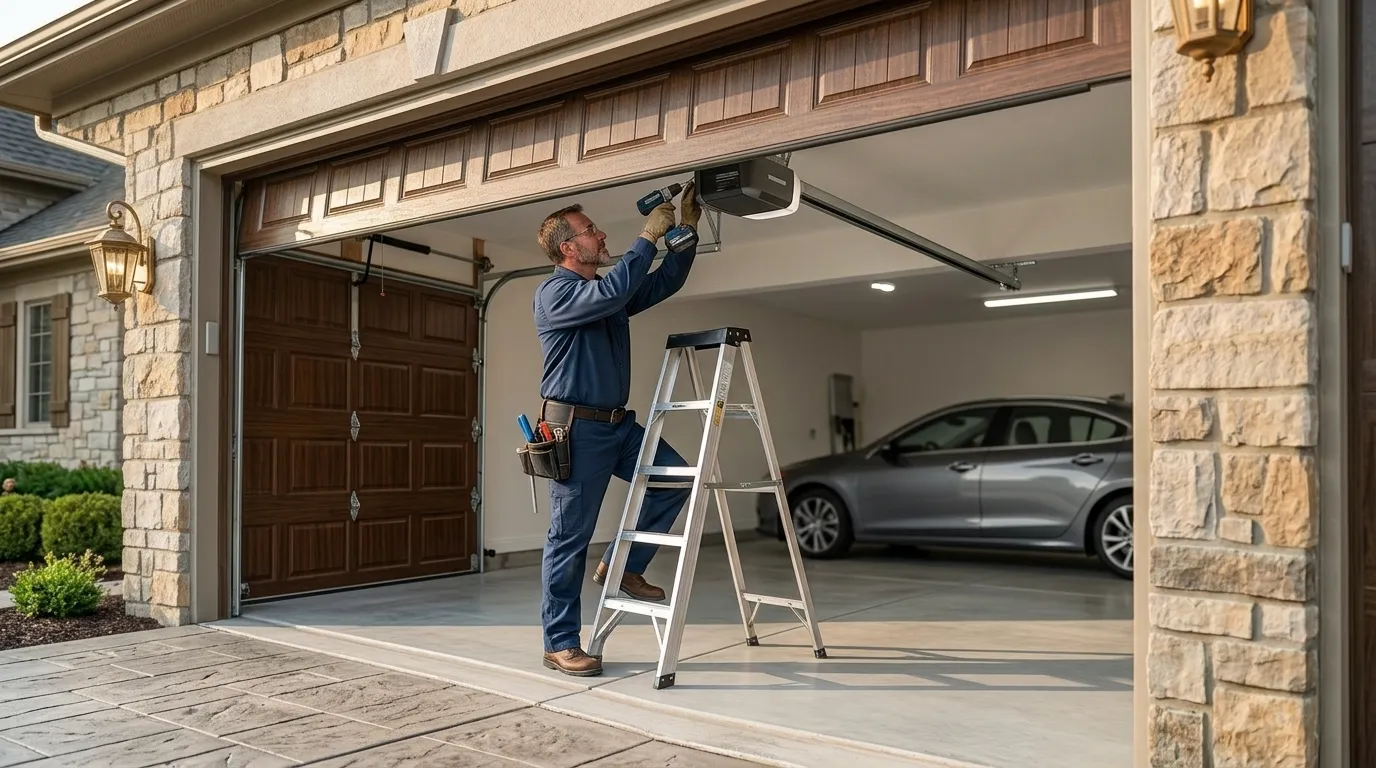
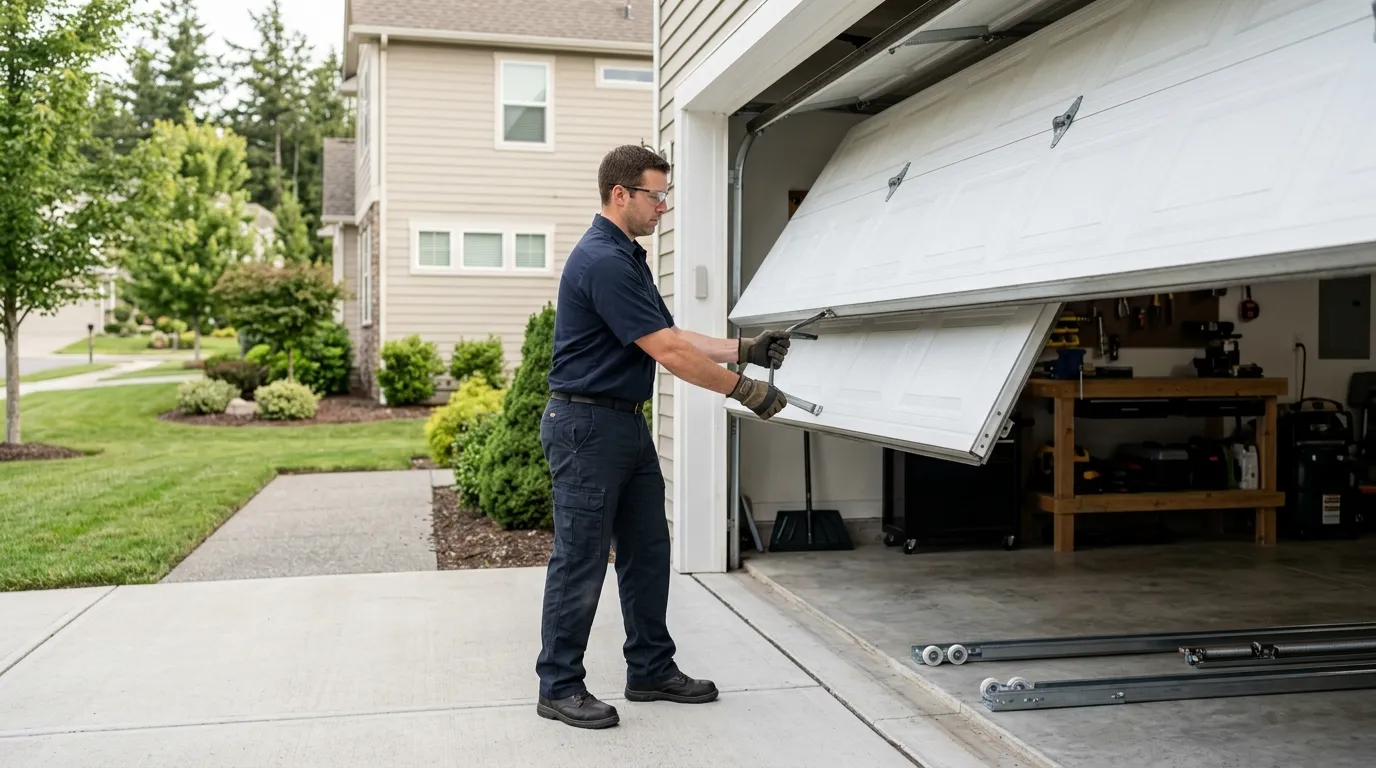
A straightforward roller replacement on a single door runs a couple hours once we're set up, including checking track alignment and testing the door through a full cycle after. If the track needs re-hanging or a bracket has pulled loose from the framing - more common on doors nearing the 40-year mark than on newer ones - that adds time, since we're squaring the track section by section rather than just swapping parts.
One limitation worth saying plainly: if the rollers have been grinding long enough to groove or bend the track itself, roller replacement alone won't fix the noise. At that point the honest call is track repair or replacement alongside the rollers, and we'll tell you that on site rather than sending you home with new rollers on a bad track. It doesn't happen on every job, but on doors that have been ignored a while, it's the difference between a job that's done and one that comes back in six months.