What the Repair Takes
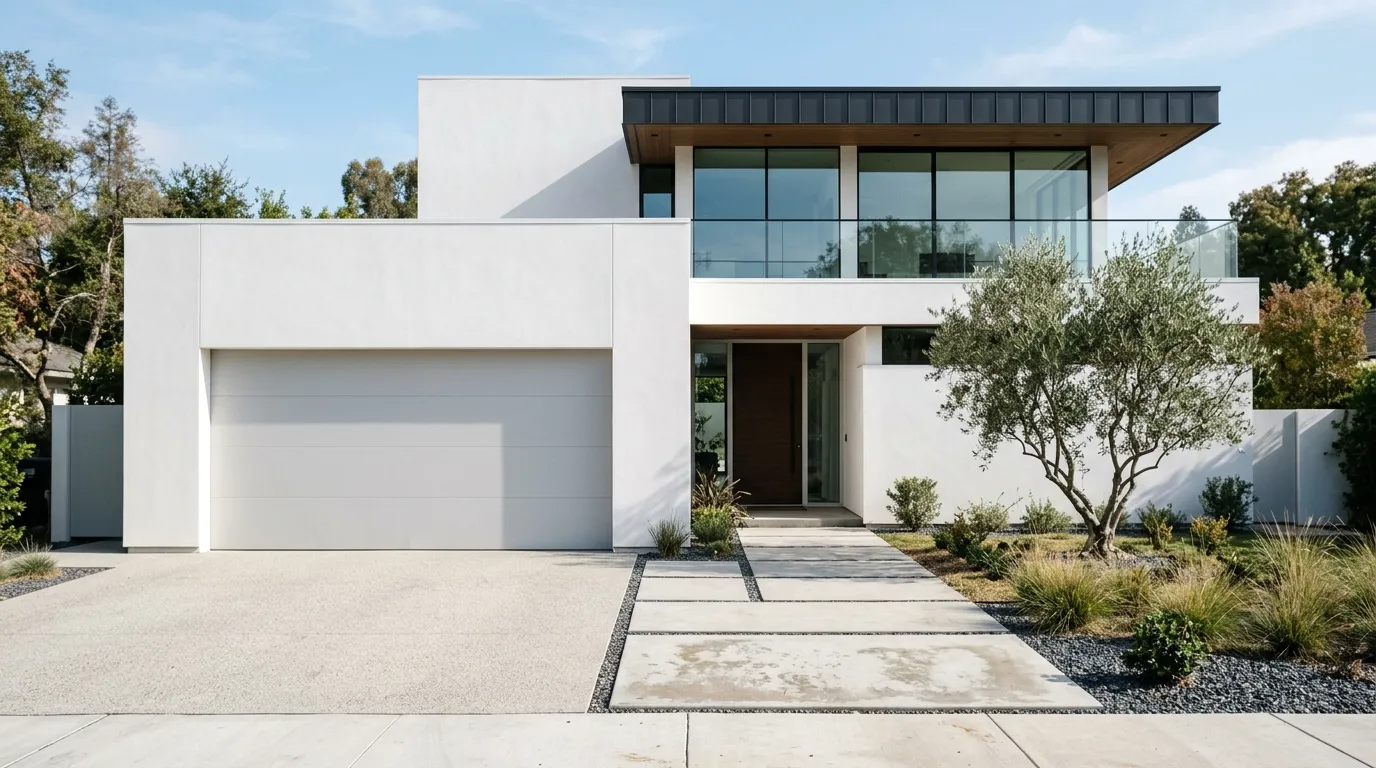
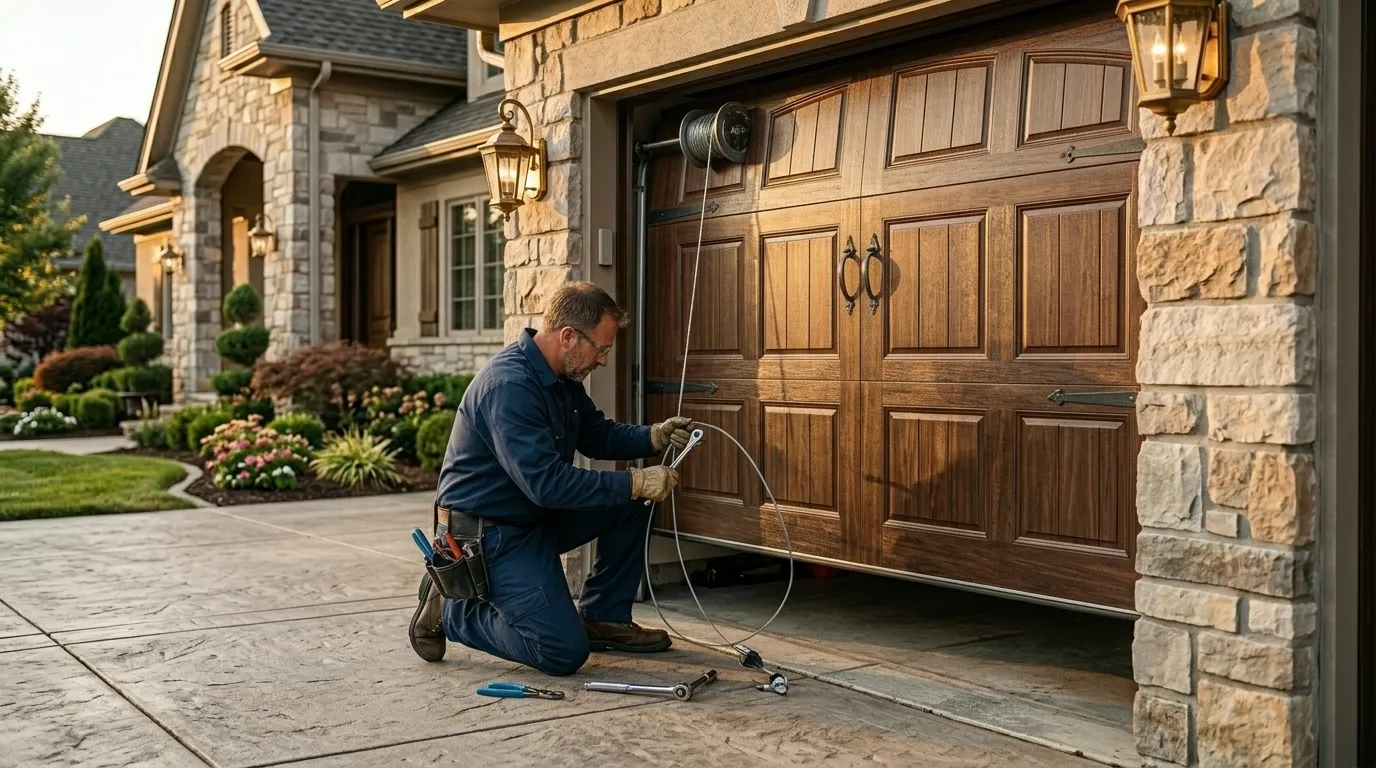
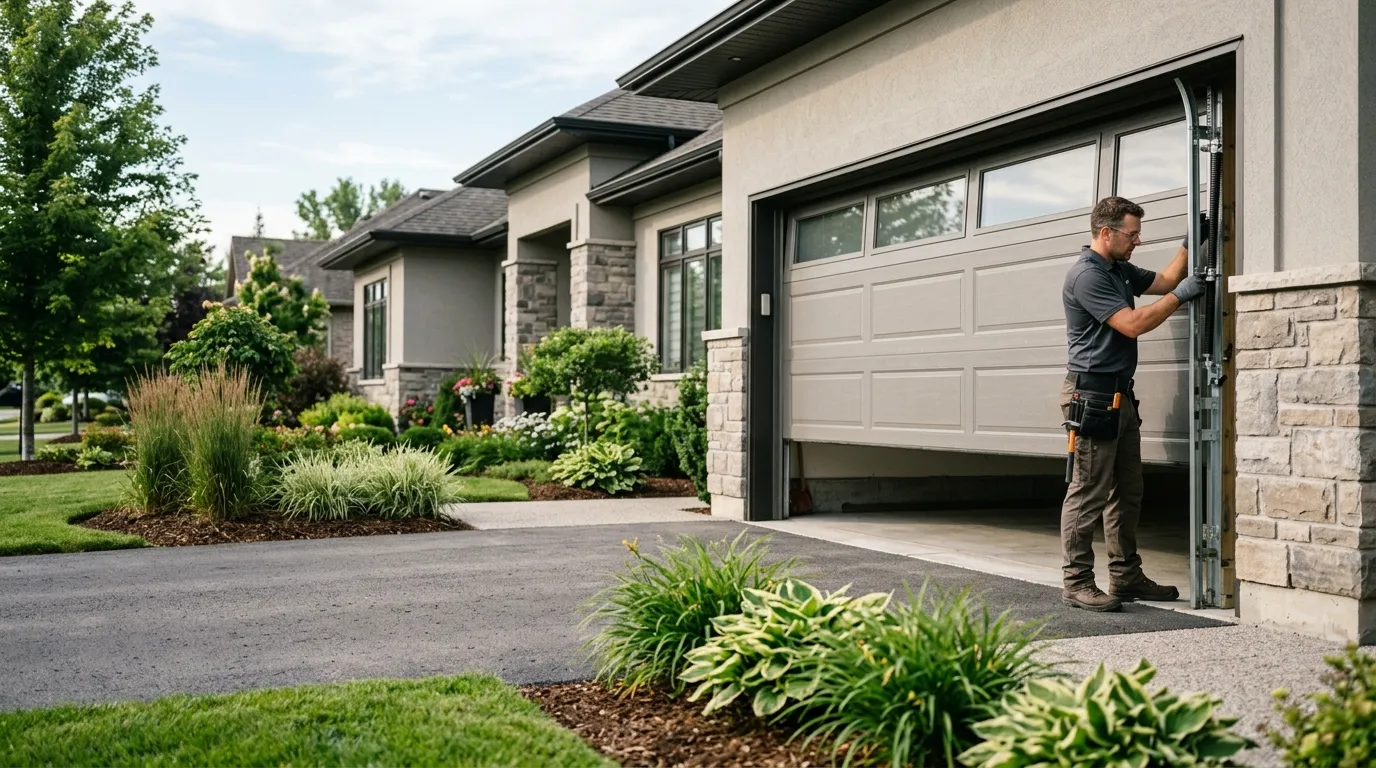
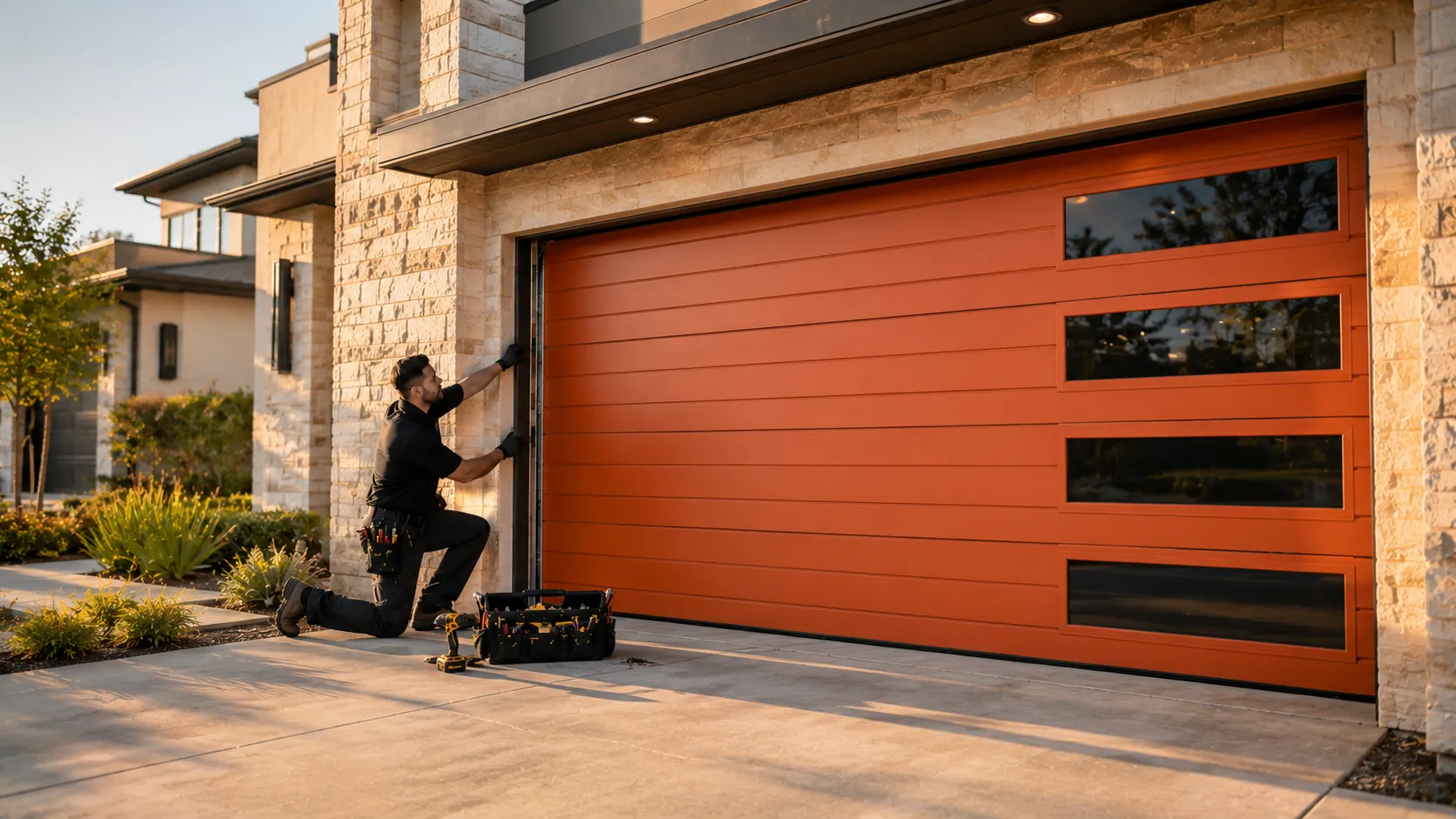
Most garage doors in Broadview Heights are steel sectional units on 16-foot double openings, builder-grade doors that went up with the rest of the neighborhood in the 1980s. That's a different animal than the narrow one-piece doors you find on older streets closer to Parma. A 16-foot door is heavier and wider, so the opener pulling it needs the right horsepower and the right lift type, or you get a unit that strains, slips, or burns out its gears years before it should.
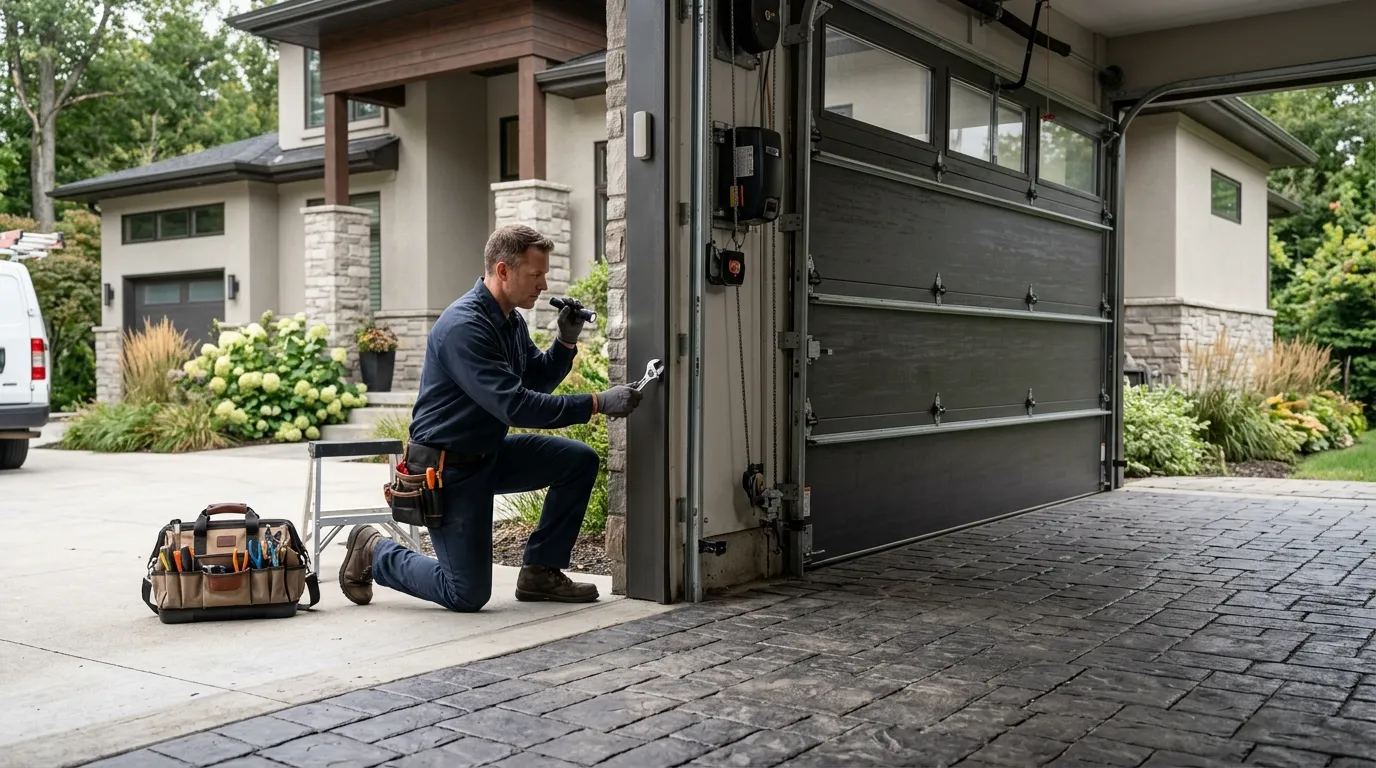
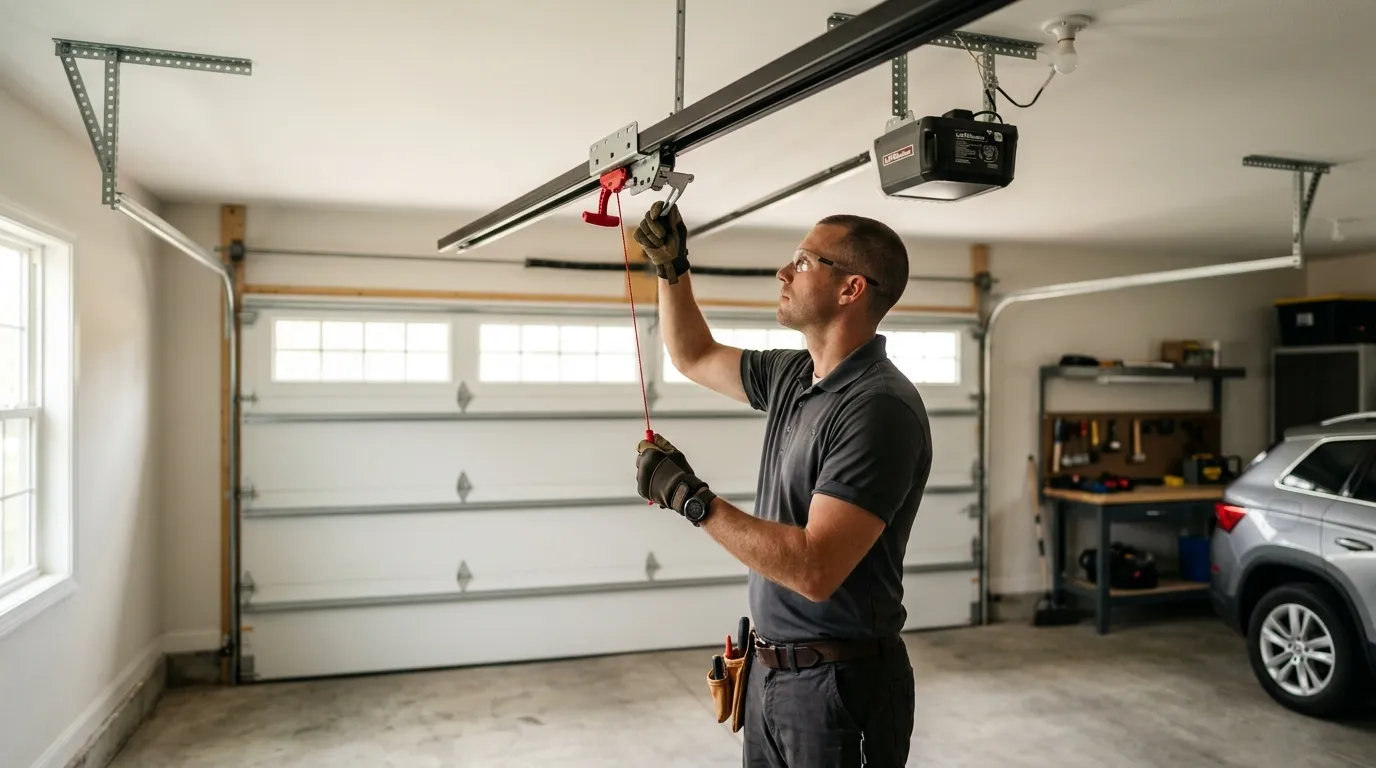
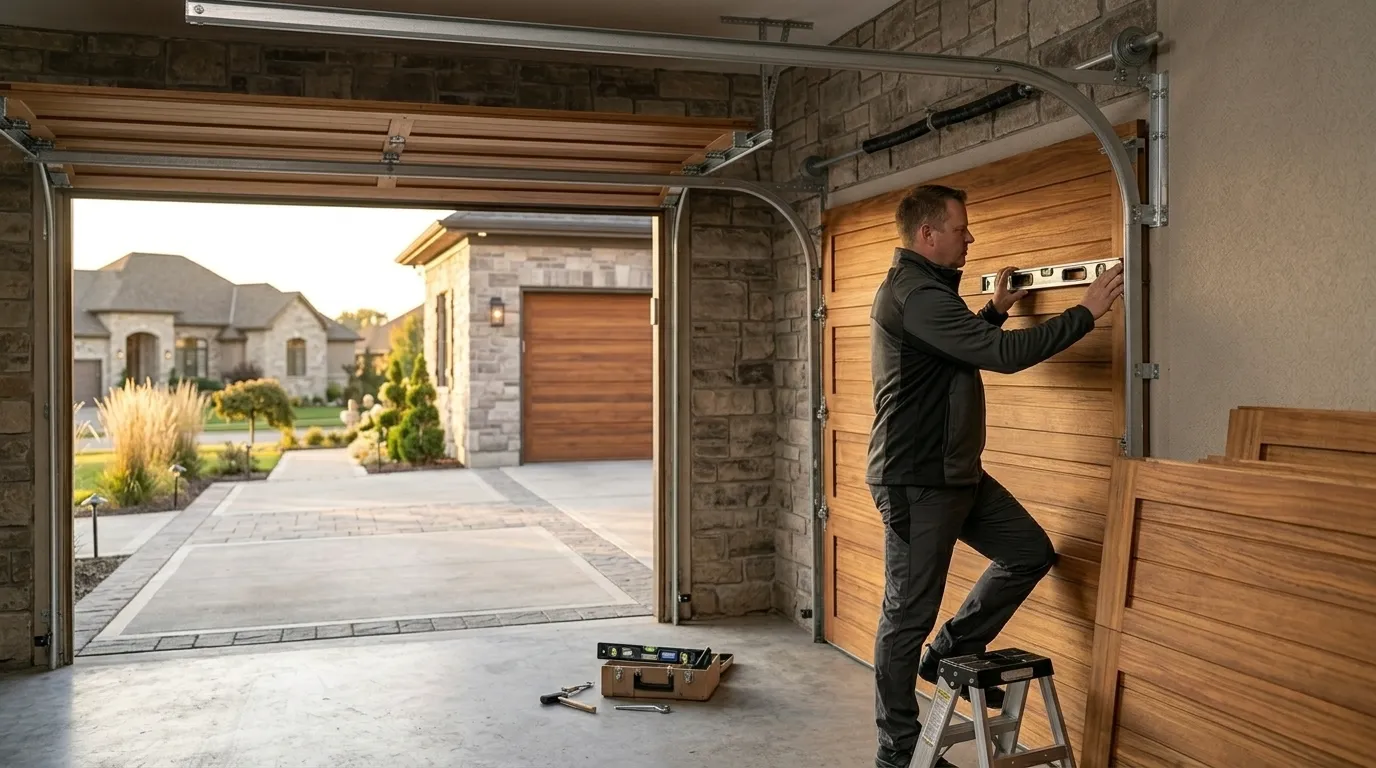
When we install a new opener here, we're almost always swapping out a chain-drive unit that came with the house, sized for the builder's door and nothing more. The rail, the drive gear, the travel limits - all of it gets matched to the actual door in front of us, not a generic average. If the door itself has sagged or the panels have racked over forty years of use, we'll tell you before we mount anything, because bolting a new opener to a tired door just moves the failure point.
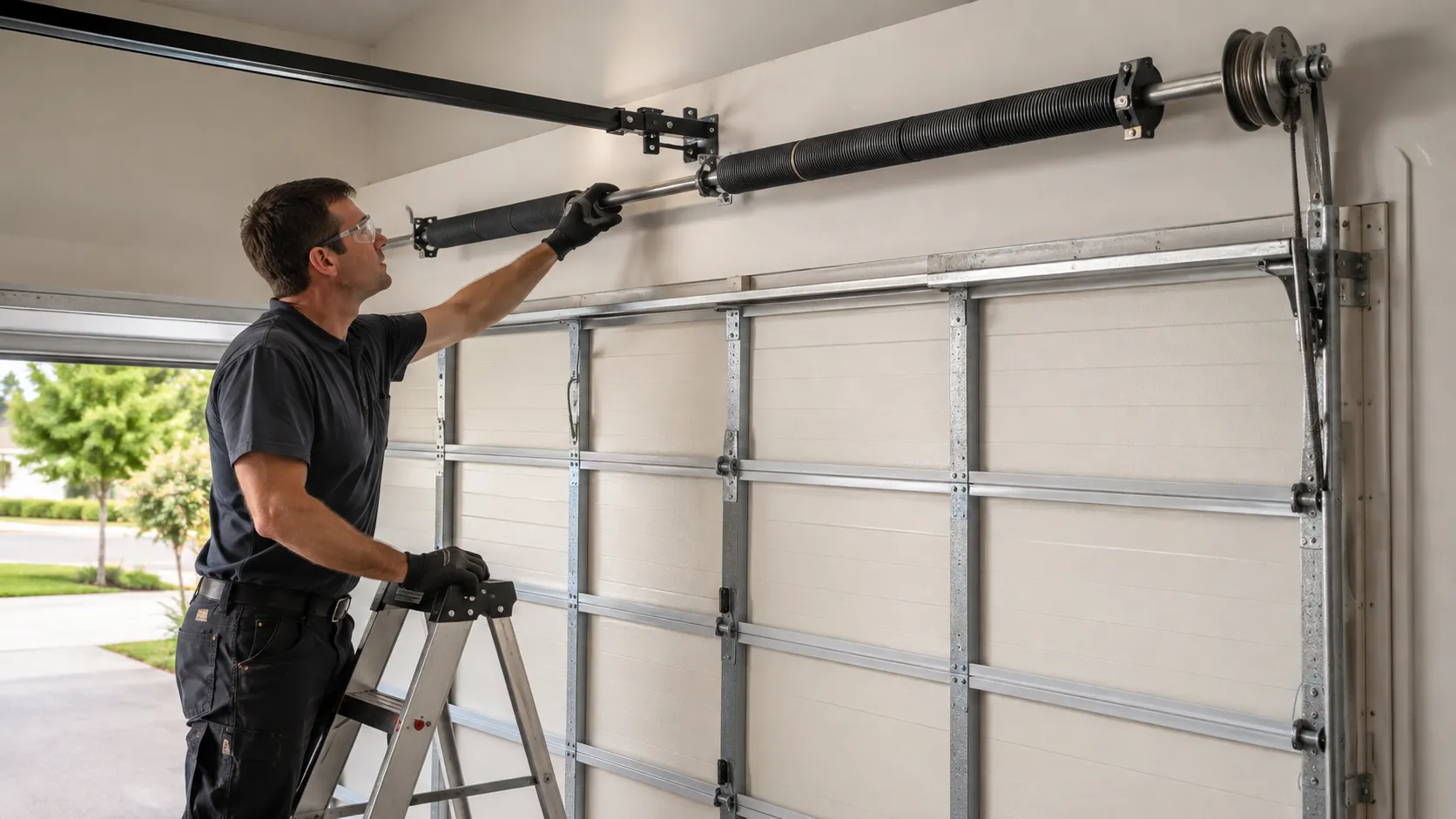
We carry openers suited to standard residential lift, chain and belt drive both. What we don't do is guess at a size - we measure the door, check the header clearance, and spec from there.
Why It Happens Here
Broadview Heights homes cluster around a median build year of 1984, which puts most garage doors and their original openers around forty years old. That's well past the working life of the motor and drive components on a chain-drive unit that's been running two or three times a day since the Reagan administration. The gears wear down slowly, so the failure doesn't announce itself - the door just starts closing slower, or the remote range shrinks, until one morning it doesn't respond at all.
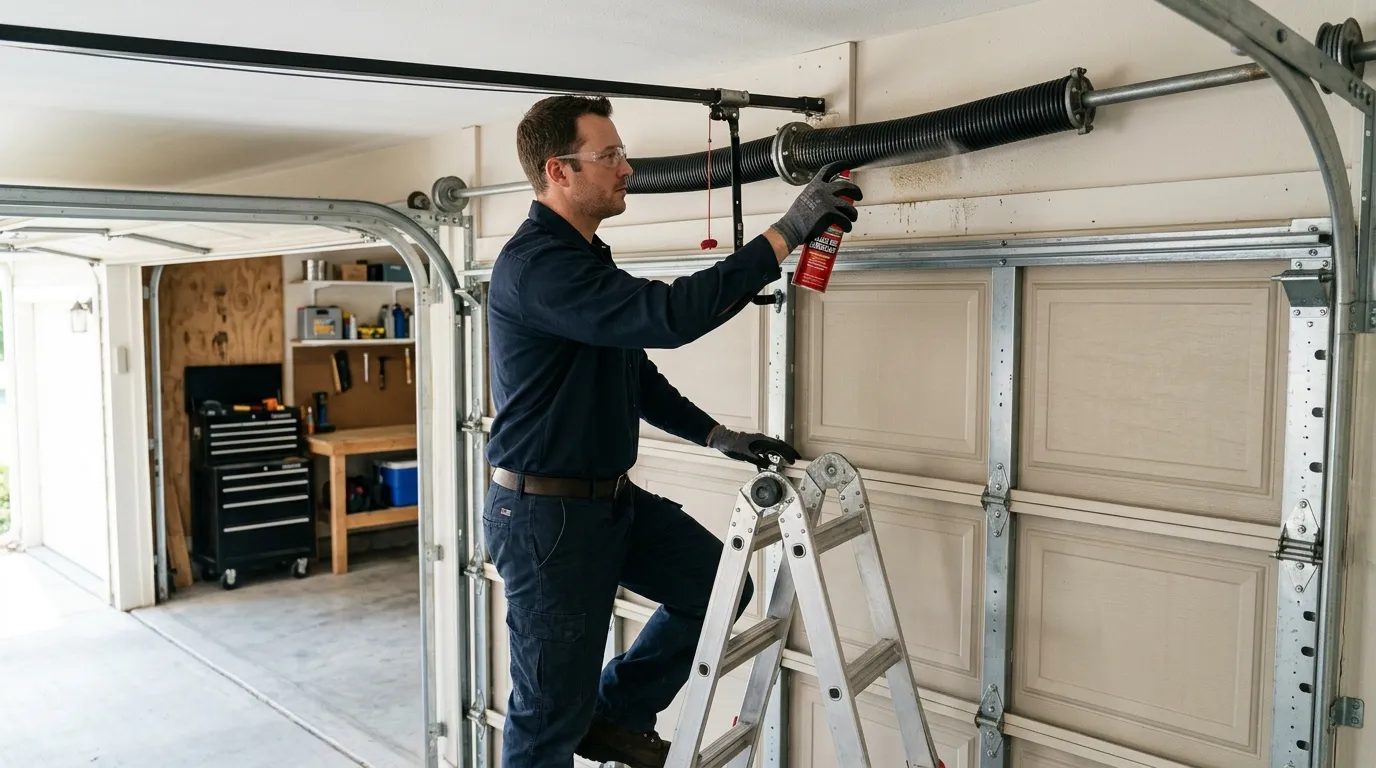
The cold here does the rest of the work. Winters in this part of Ohio sit in a severe cold band, and a chain-drive opener with worn nylon gears struggles harder on a cold morning than it does in July. Grease thickens, the chain has more slack than it should, and the extra load finishes off a motor that was already near the end.
With household income here running higher than the regional median, most owners we talk to would rather replace the opener once, correctly, than keep nursing a forty-year-old unit through another winter. That's a reasonable call on a door this size - the parts to rebuild an original 1980s chain-drive unit mostly don't exist anymore.
Time on the Job
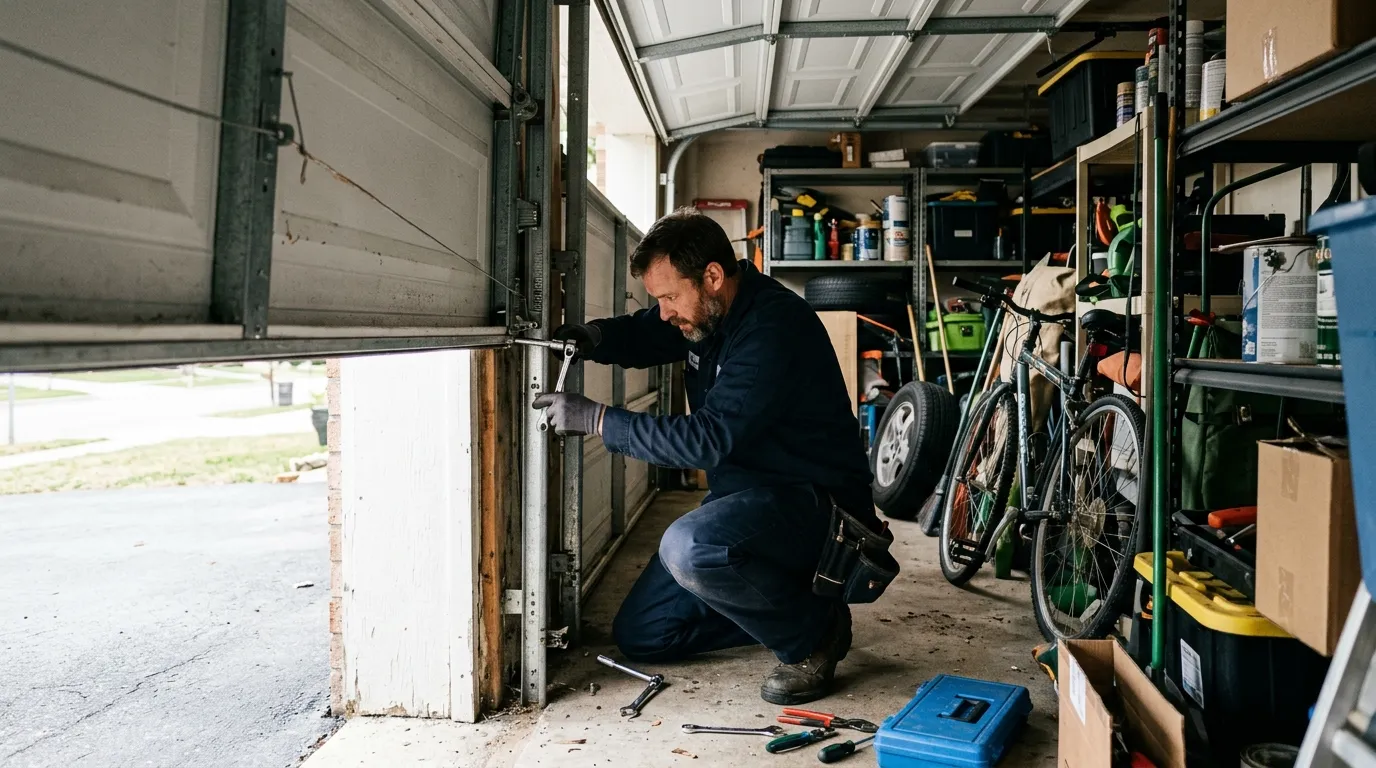
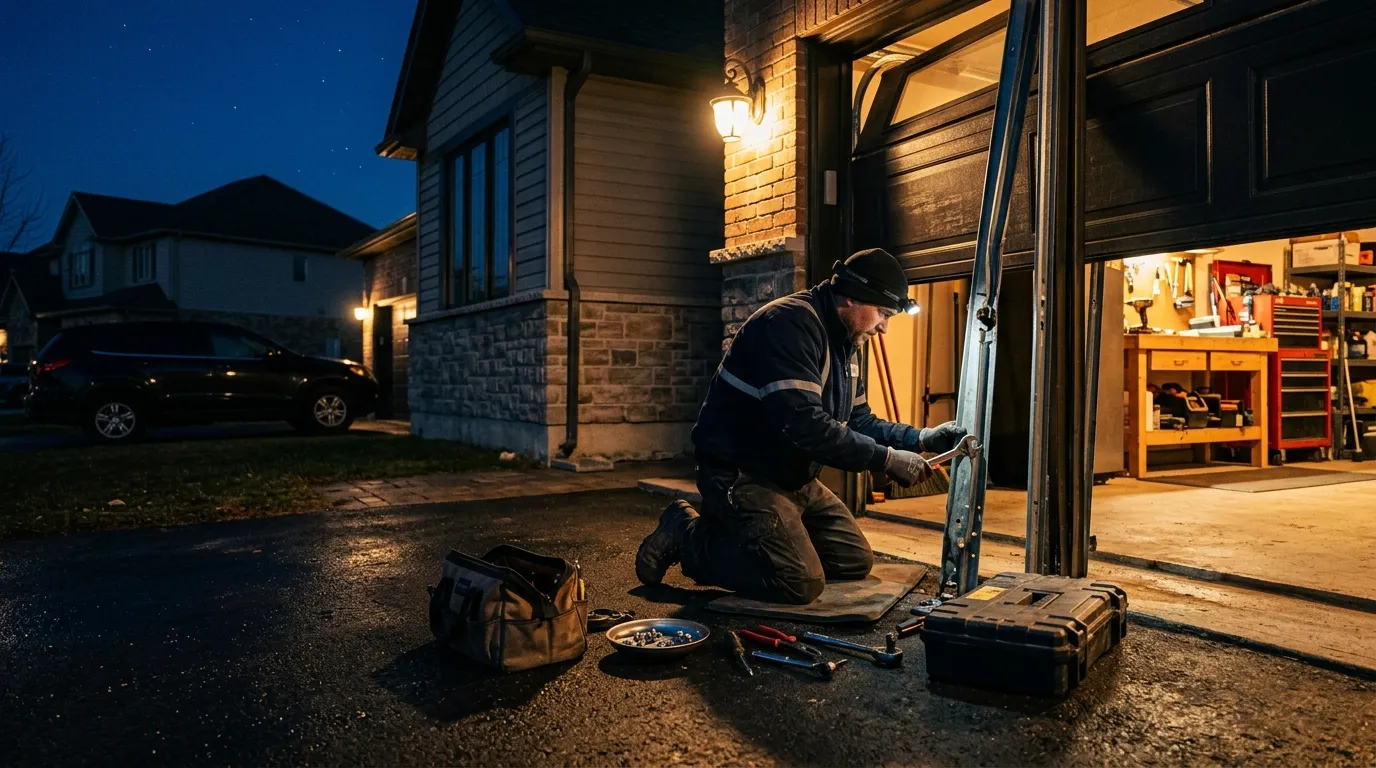
A straightforward opener swap on a single door usually runs under two hours once we're on site - old unit down, new unit mounted, travel and force limits set, safety sensors aligned and tested. A 16-foot double door with a heavier motor and a longer rail takes longer, closer to half a day when we're also replacing worn rollers or a bent track section we find once the old opener's out of the way.
We test the auto-reverse safety feature on every install before we leave, no exceptions - on a door this size, a sensor that's out of alignment is not a small thing. If the door itself needs work beyond the opener, we'll say so plainly rather than install a good opener on a door that's going to keep failing underneath it.