What the Repair Takes
At $99,431, median household income in Broadview Heights runs above the $95,313 median across the rest of the area we work in from Parma. That number matters for one reason: it changes where the repair-or-replace line sits. A household at this income level can usually absorb a full opener swap or a two-spring replacement without it being a hardship decision, so we don't have to talk anyone into patching a door that's already worked twice this year. That's not true everywhere we go.
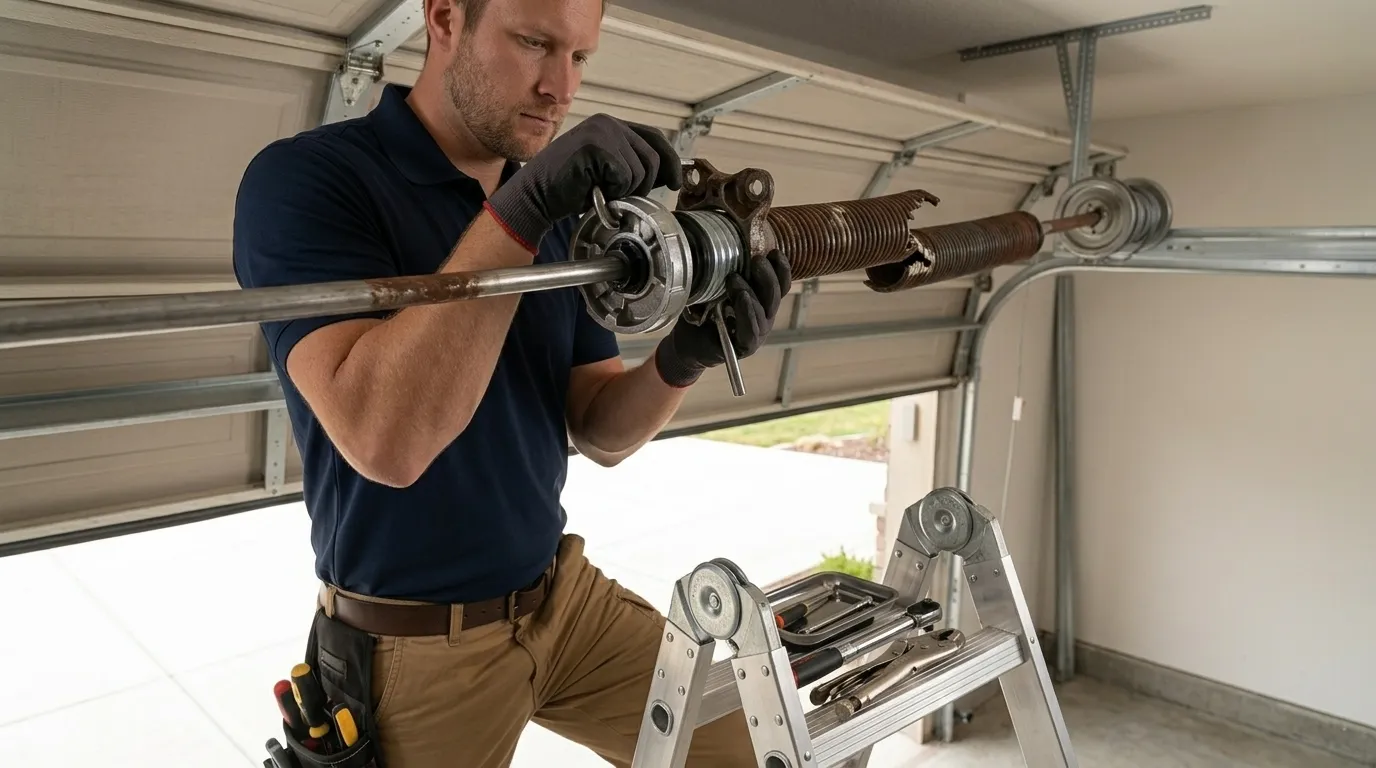
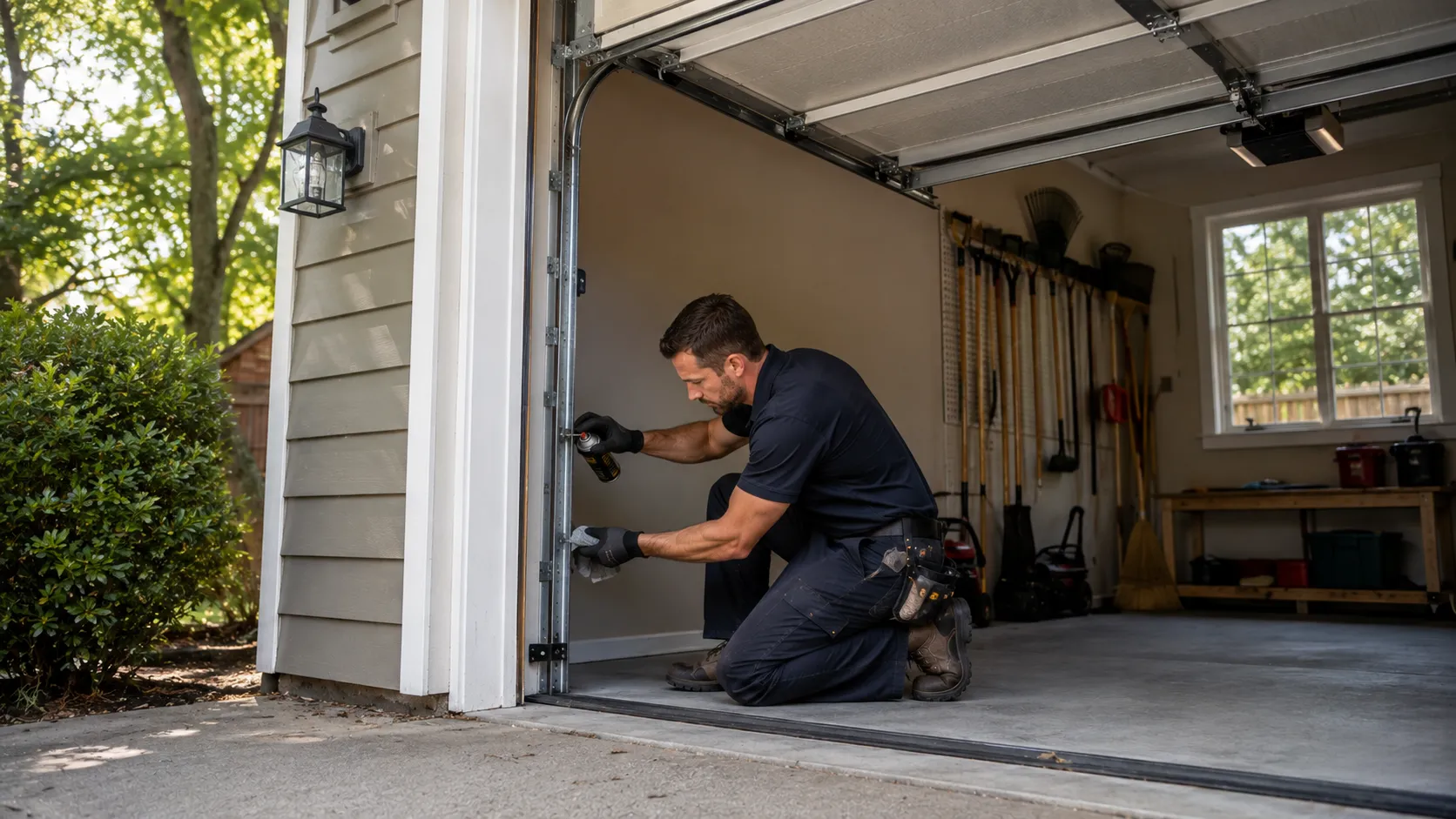
The flip side is that a lot of doors in Broadview Heights are still original or close to it, because the houses themselves aren't old. The typical home here went up around 1984, a good two decades newer than the 1966 median across the wider service area. That means steel torsion springs and openers from the 80s and 90s that are at or past the end of their duty cycle, not because they were cheap, but because 35-40 years of cycles is what a spring is rated for. When one goes, it's wear, not a defect, and the fix is usually a straight spring or opener swap rather than a hunt for parts nobody makes any more.
We'll tell you flat out when a repair isn't worth doing. If the opener and the springs are both past due at the same time, throwing a new spring on a dying opener is money you'll spend twice.
Why It Happens Here
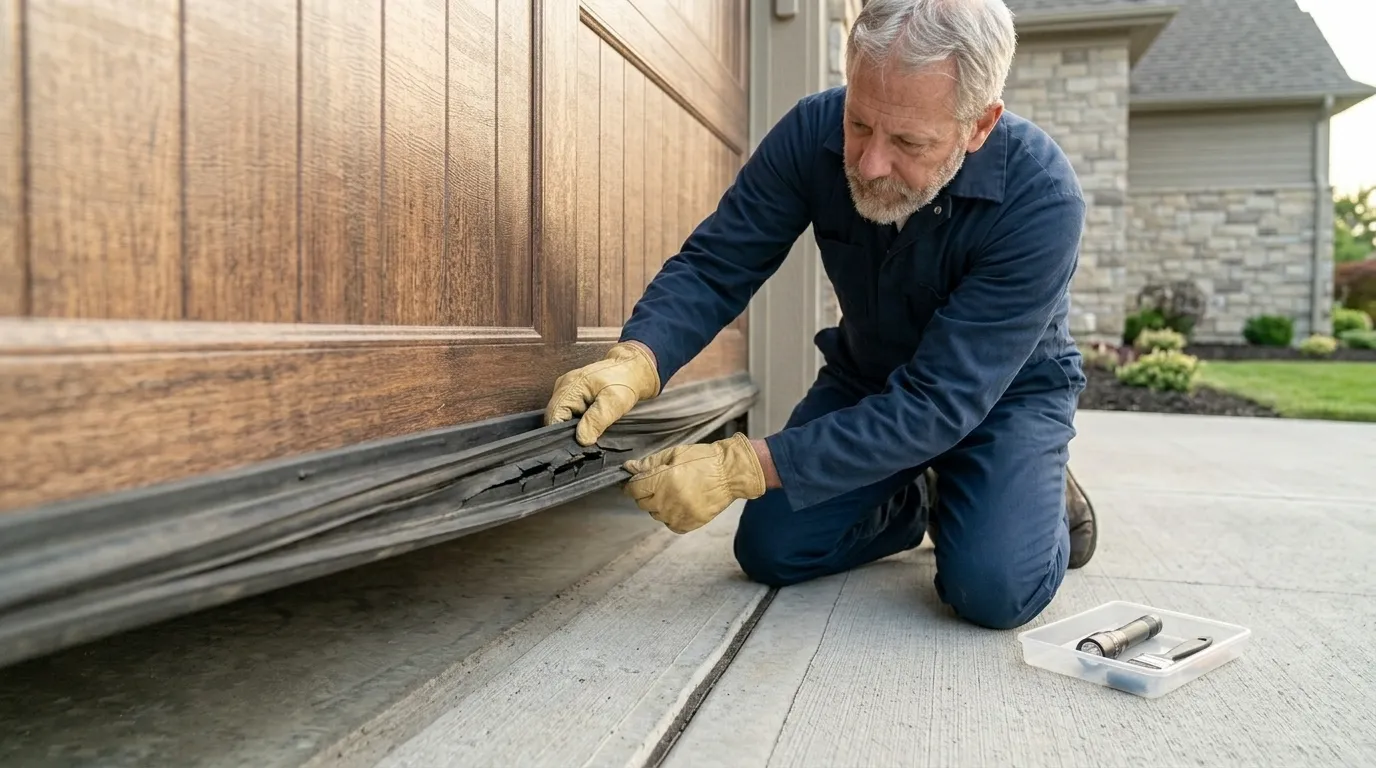
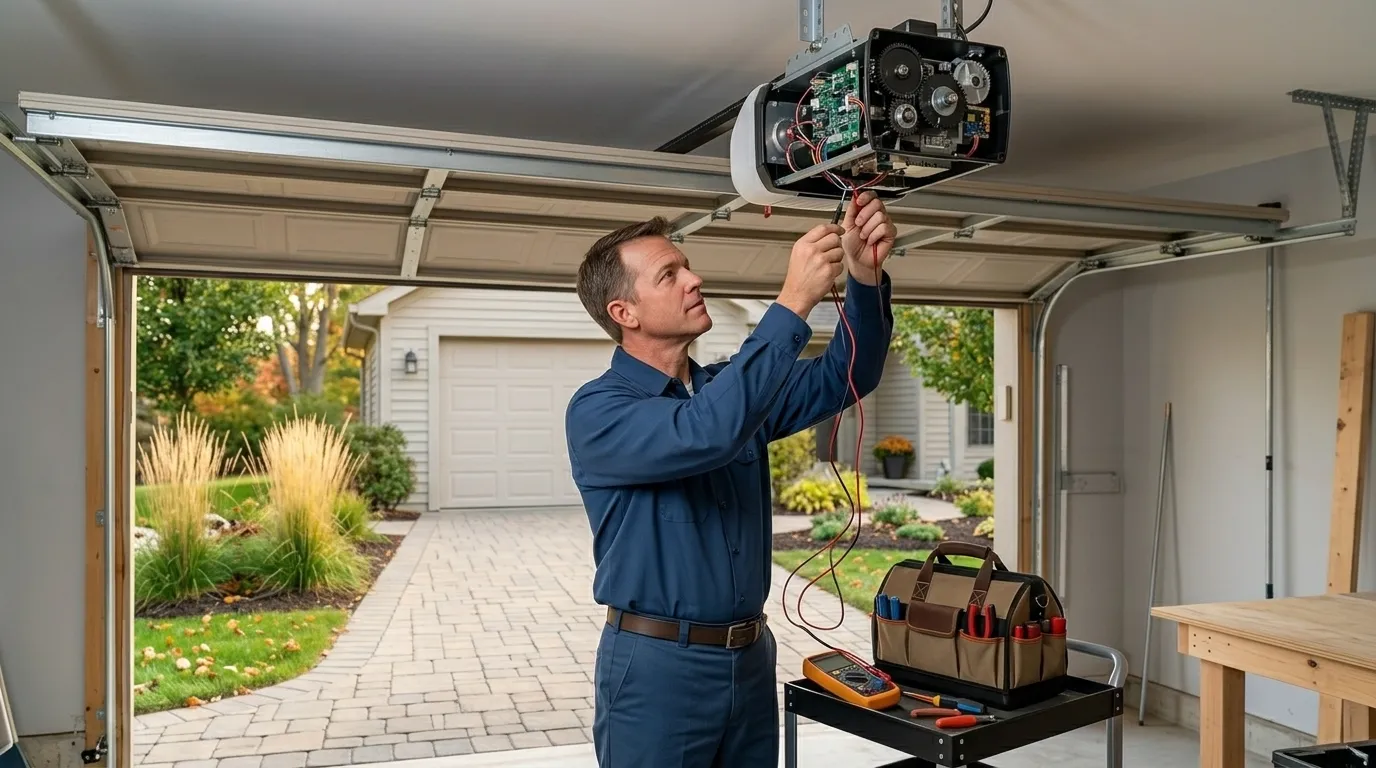
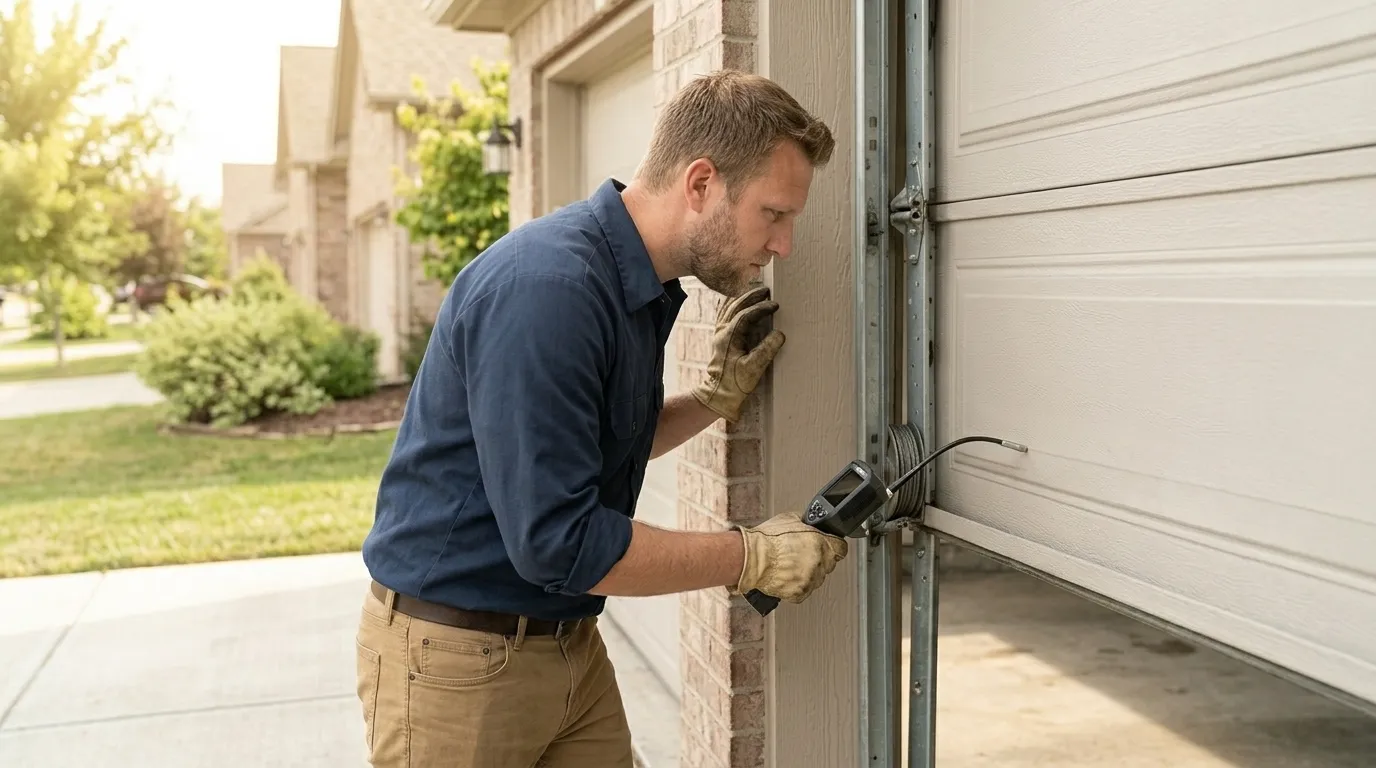
With 8,598 households in Broadview Heights, the housing stock is tighter in age than in older pockets of the service area, and that shows up in the calls we get. Fewer one-piece wood doors, fewer side-mounted torsion setups from the 1950s. What we do see is extension and torsion spring fatigue on doors installed through the 80s and 90s, worn nylon rollers on the same-era tracks, and openers reaching the point where the logic board or the drive gear goes before the motor does.
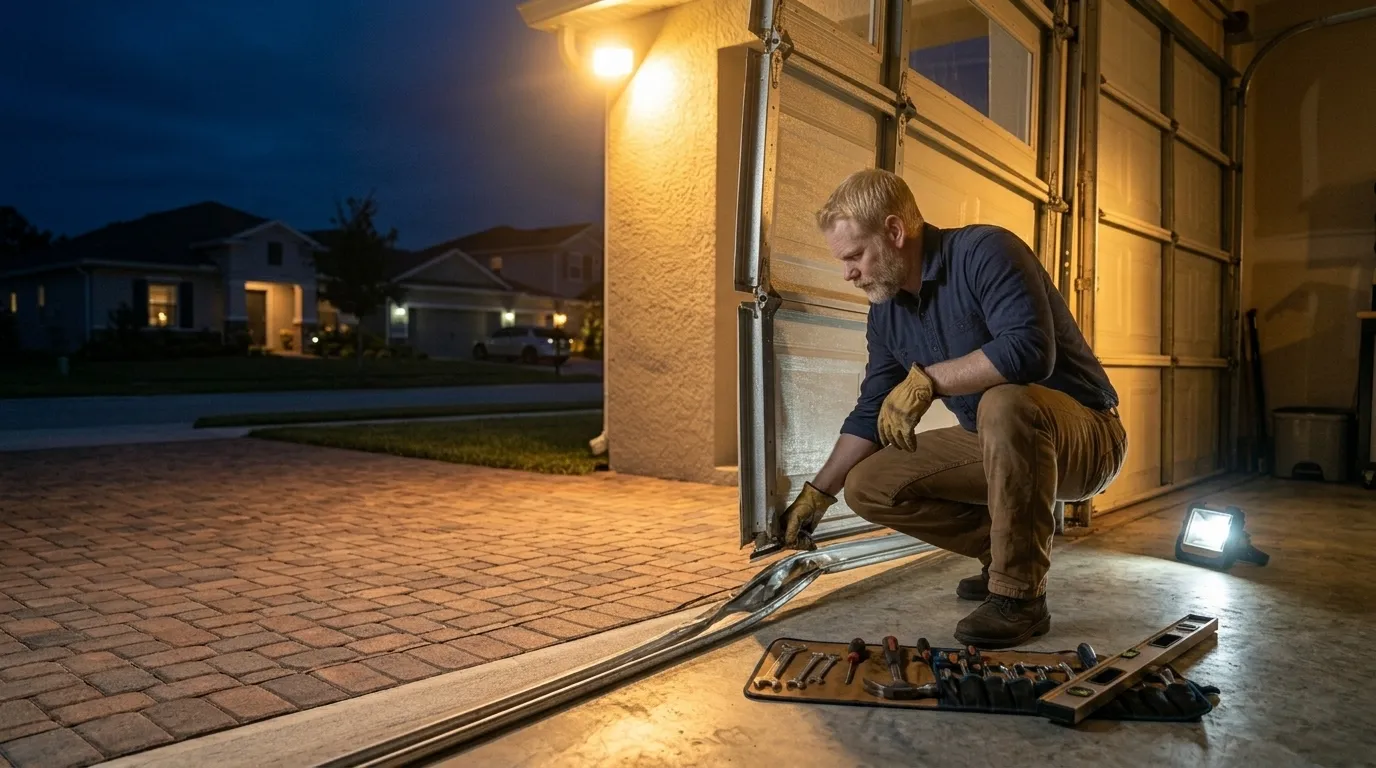
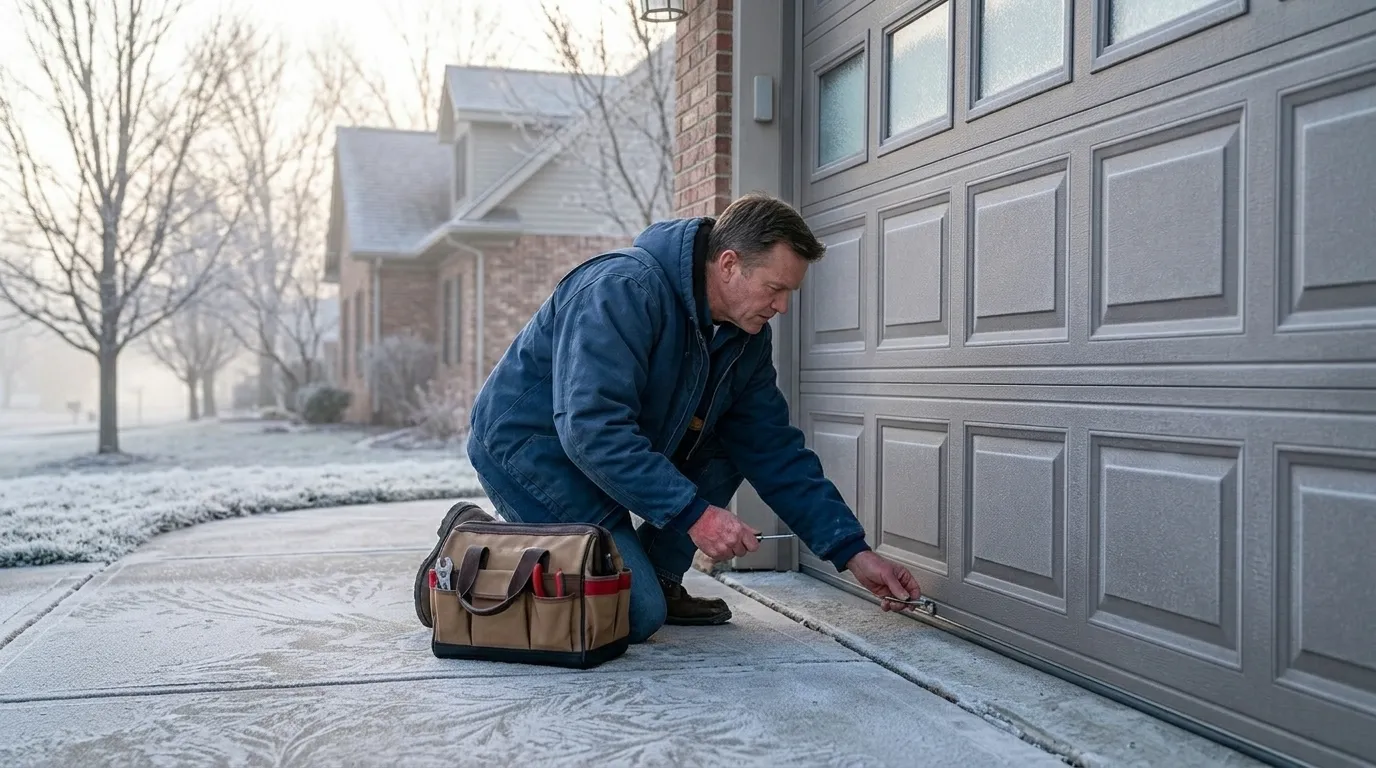
Winter is the other driver. This is a cold-climate service area, and cold makes lubricant stiffen, metal contract, and a spring that's already near the end of its rated cycles more likely to give out on a below-freezing morning rather than a mild one. It's not that the cold breaks good hardware. It's that it picks the moment for hardware that was already close to done.
Time on the Job
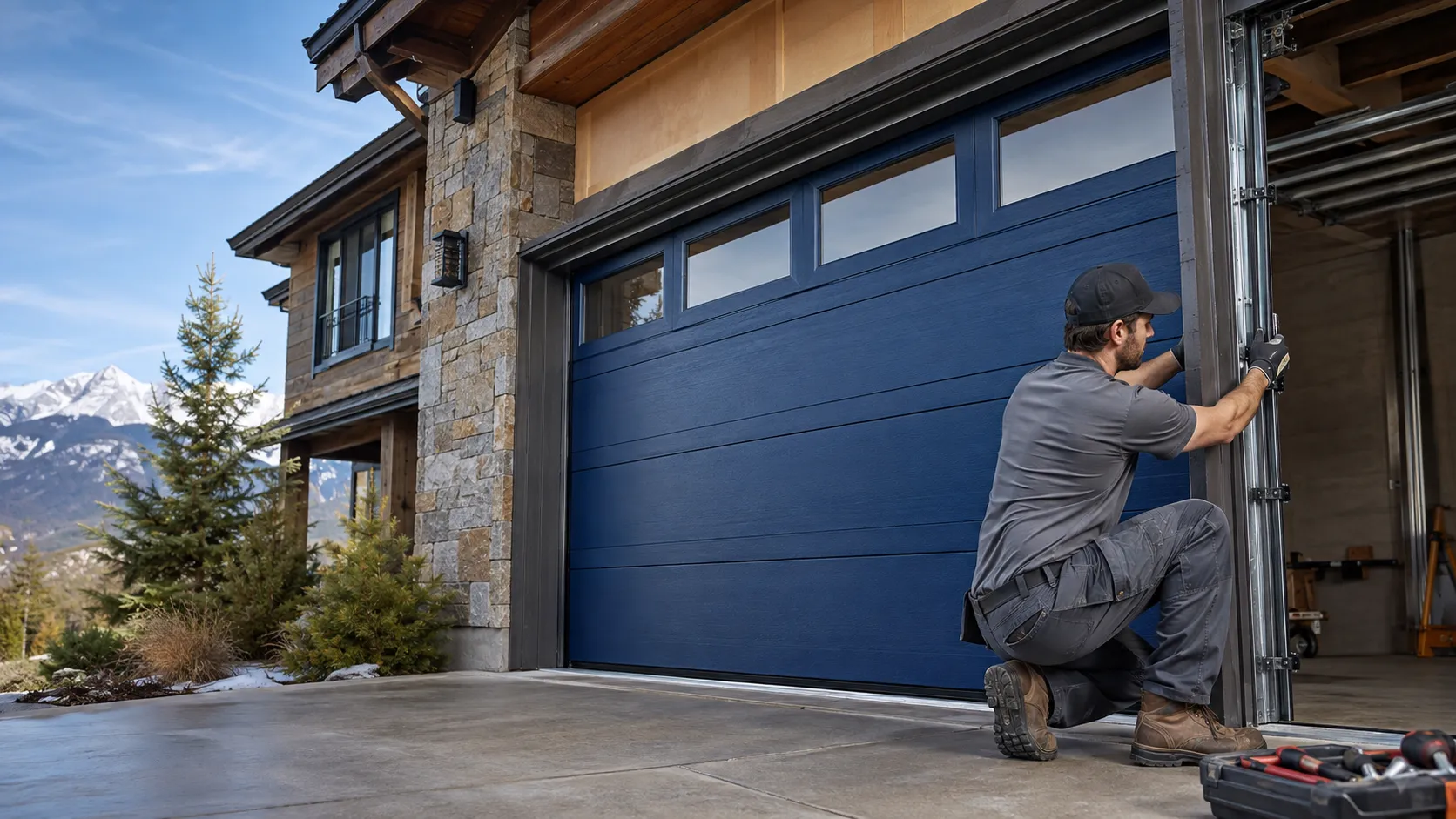
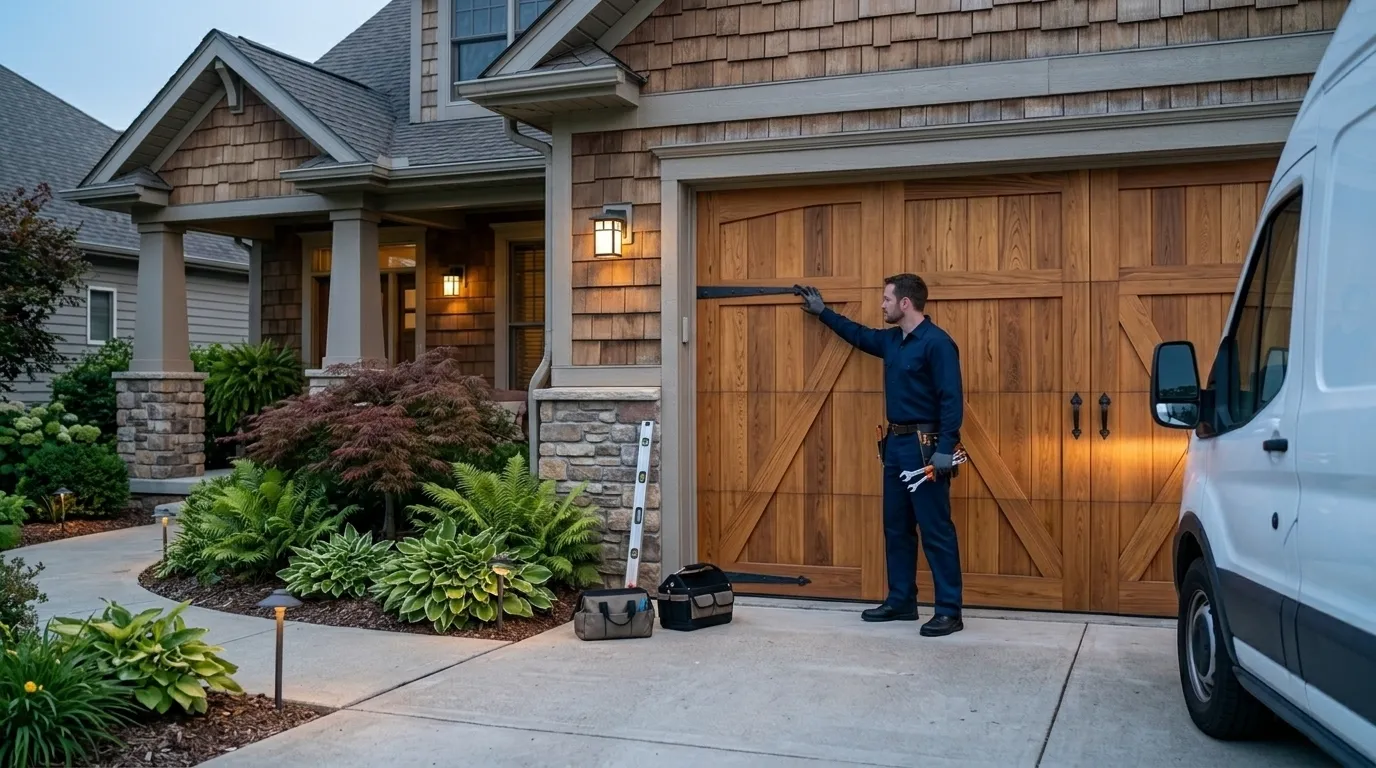
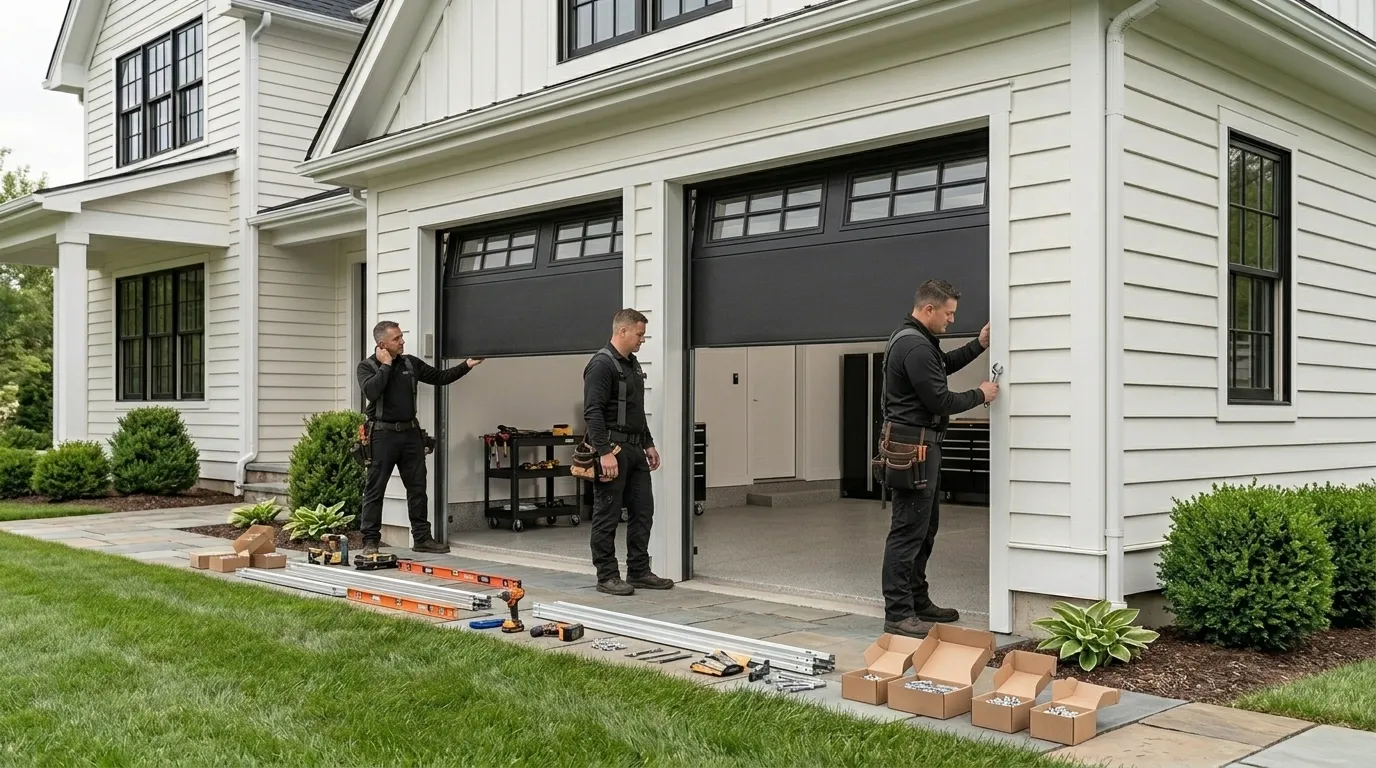
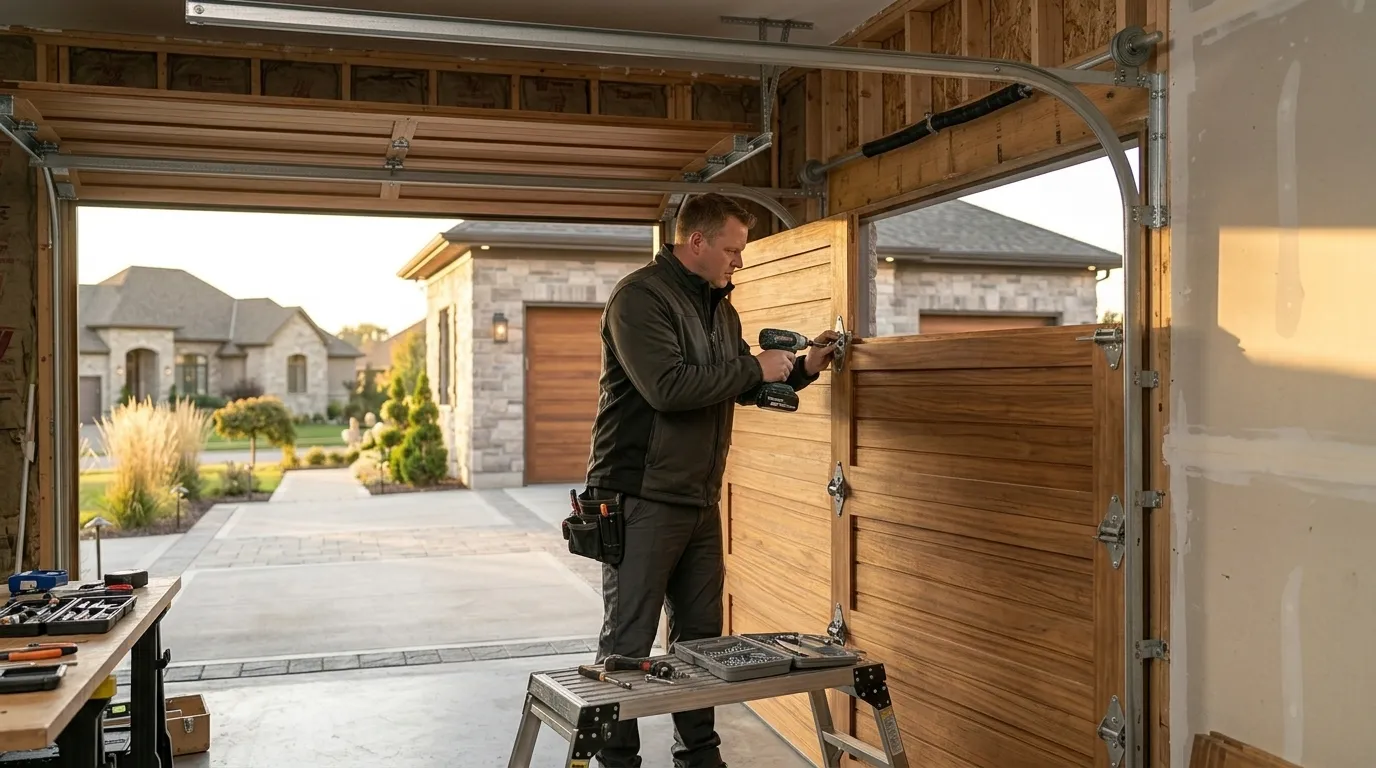
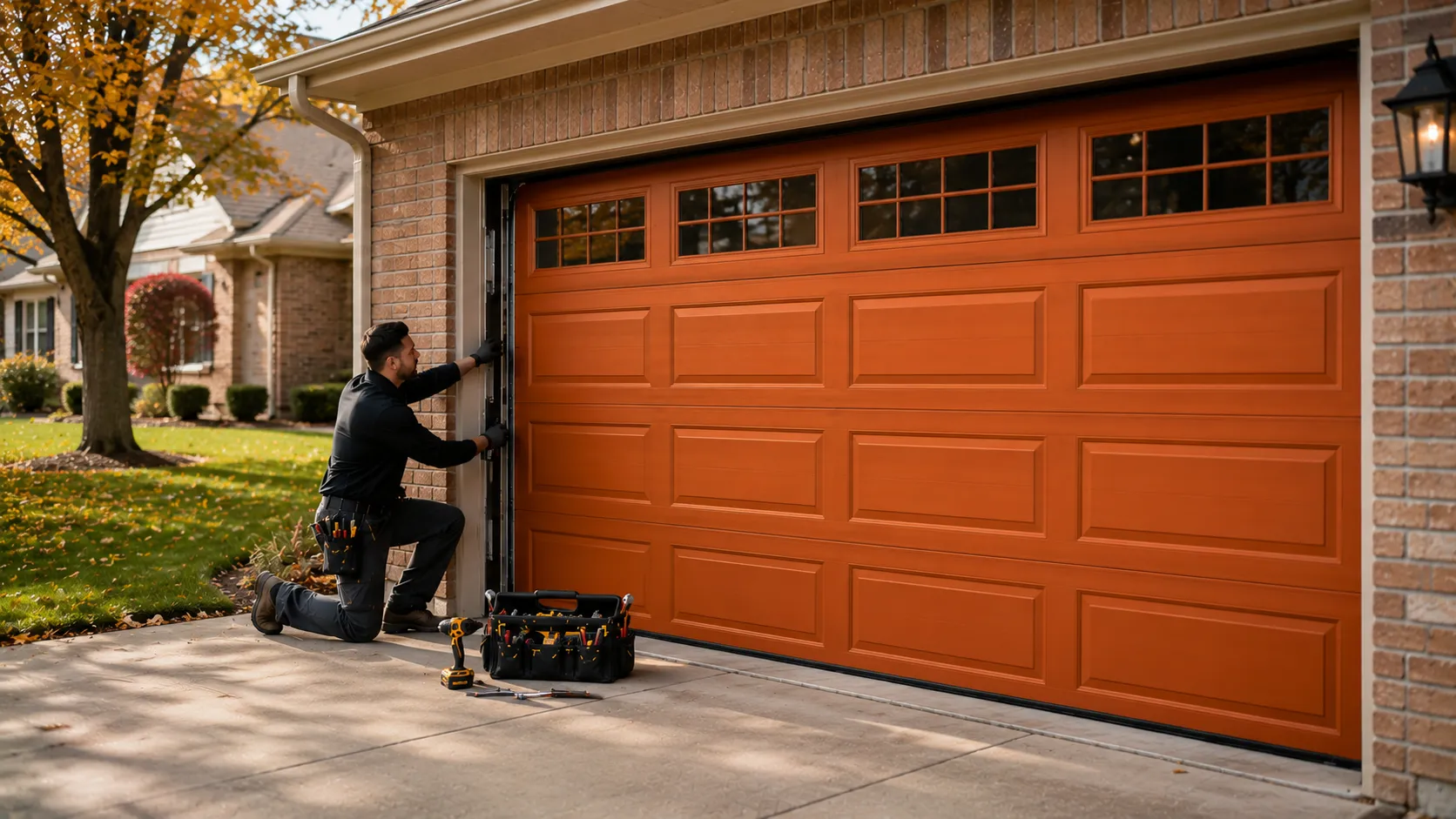
Most single spring or roller jobs on a door from this era run inside a couple hours once the truck's on site, because the hardware is standard and parts aren't hard to source for a 1980s or 90s door. A full opener replacement takes longer, mostly for mounting and safety sensor alignment, not because the part itself is complicated.
Where it runs long is when a homeowner's had a door limping for months and two systems fail close together, a tired opener pushing against springs that are already gone. That's a longer job and a bigger invoice, and it's the one case where waiting cost more than calling earlier would have.