What the Repair Takes
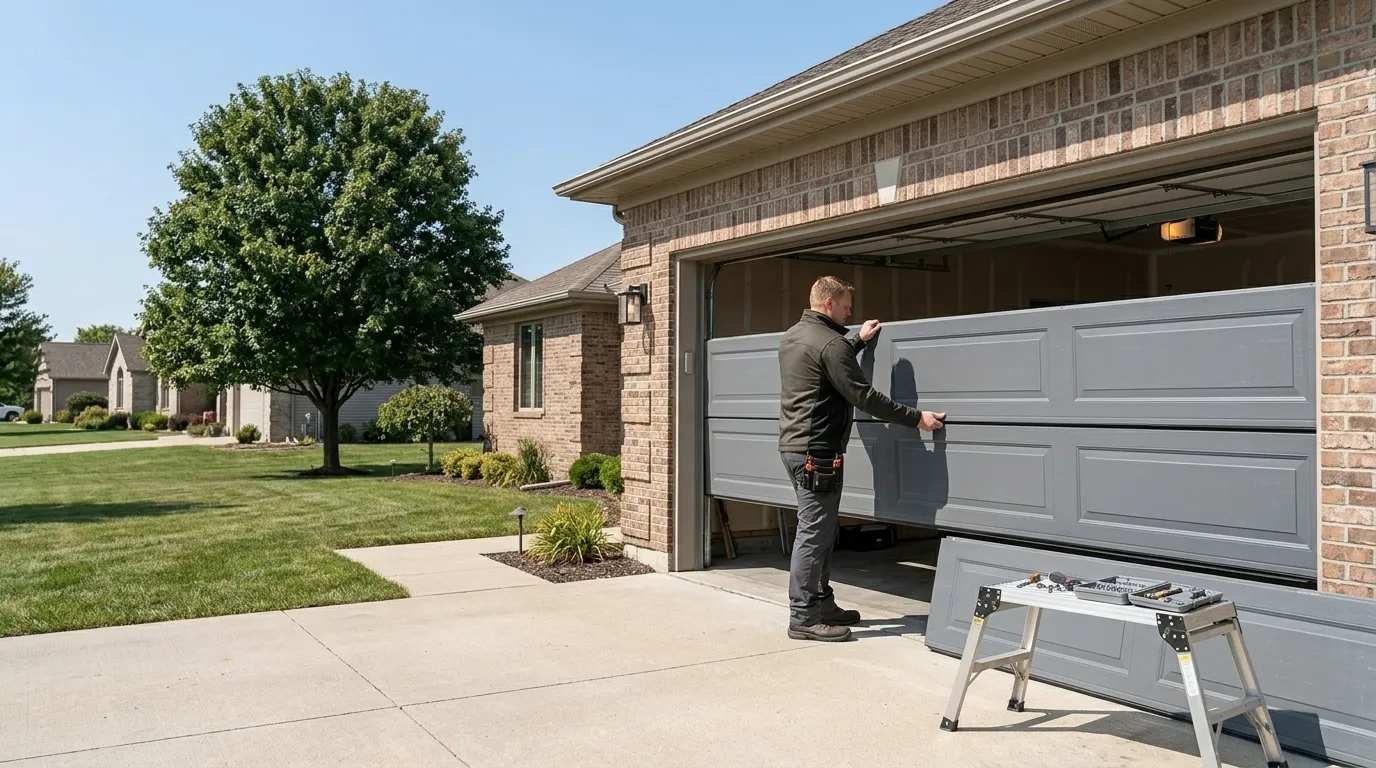
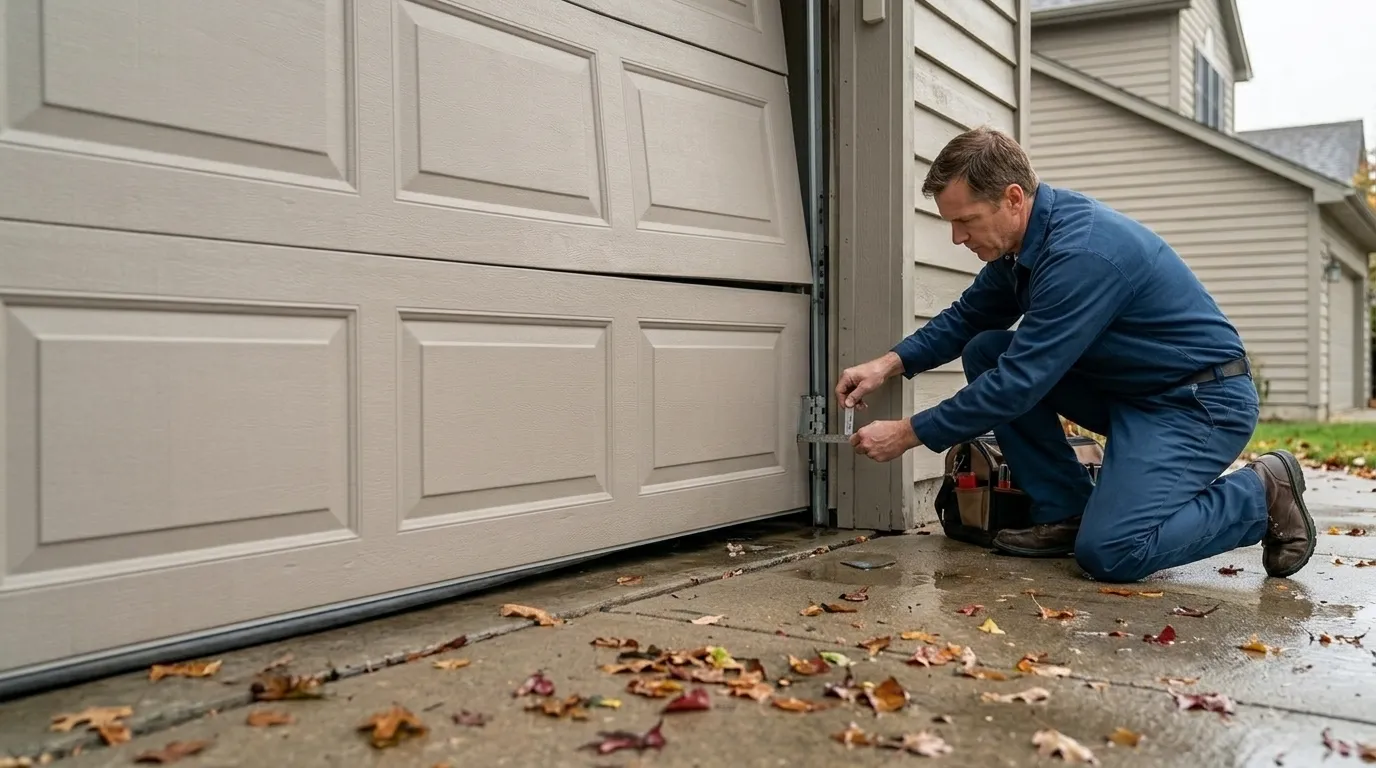
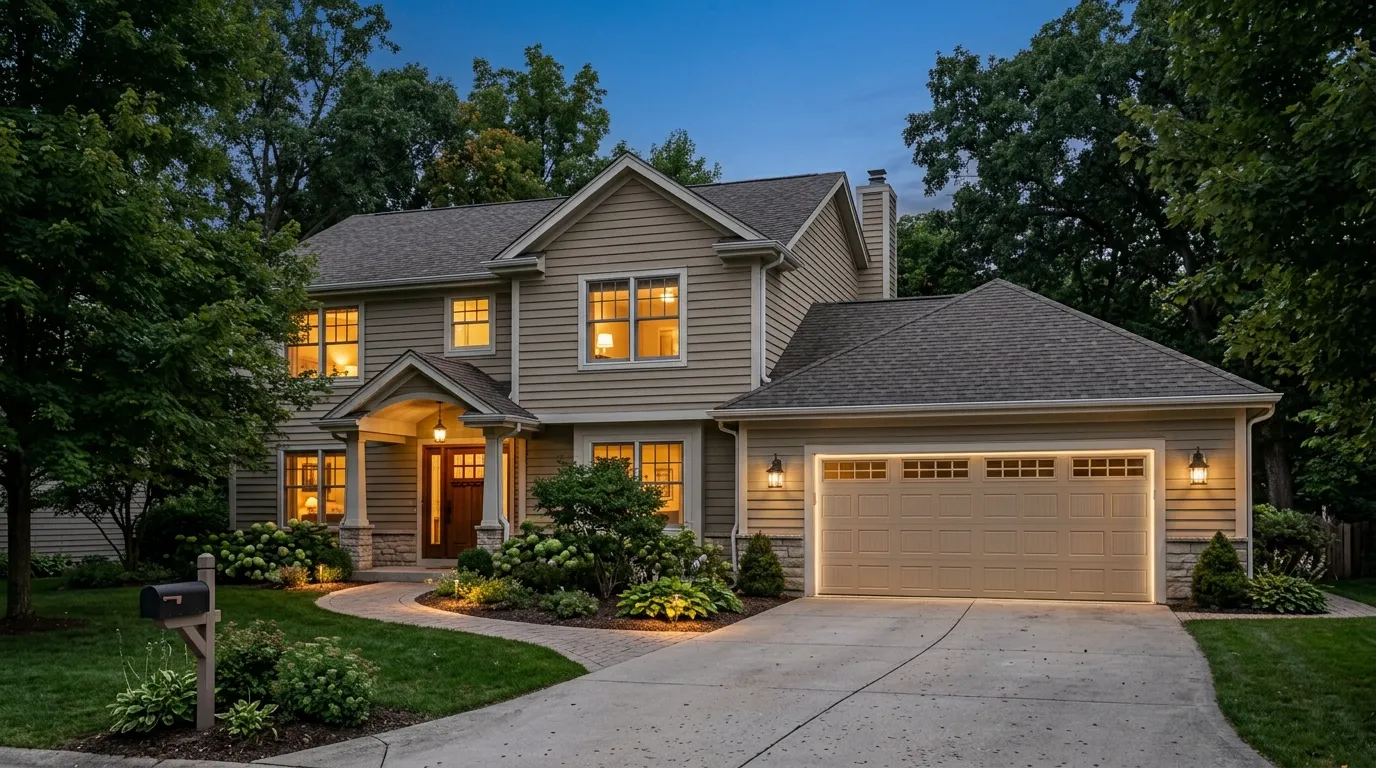
Most of the calls we get here aren't about a door that's broken outright. They're about a door that's done its job for close to forty years and is starting to show it - sagging bottom panels, an opener that grinds before it lifts, hinges that have worn oval instead of round. Broadview Heights homes were mostly built around 1984, which puts the original garage door and opener right at the age where steel sections start to bow and the factory hardware starts to fail all at once instead of one part at a time.
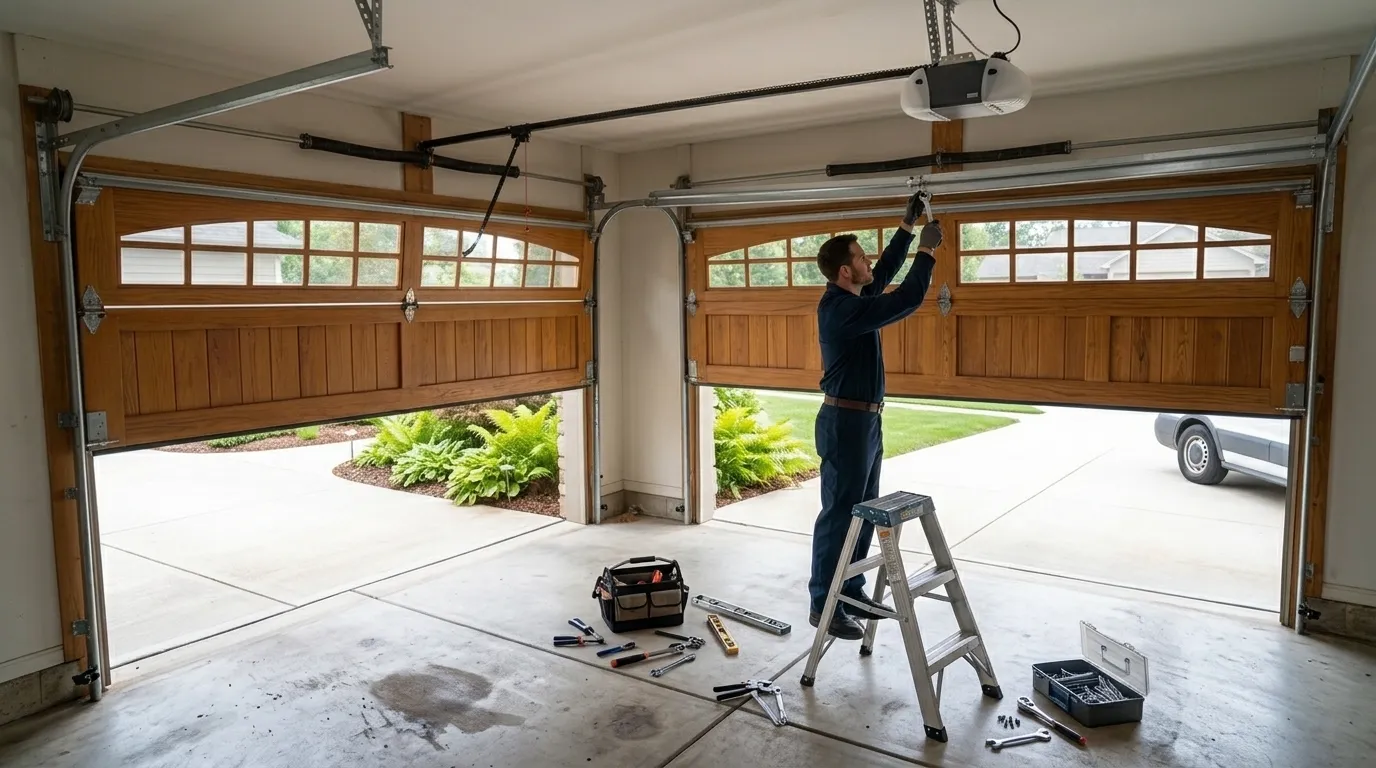
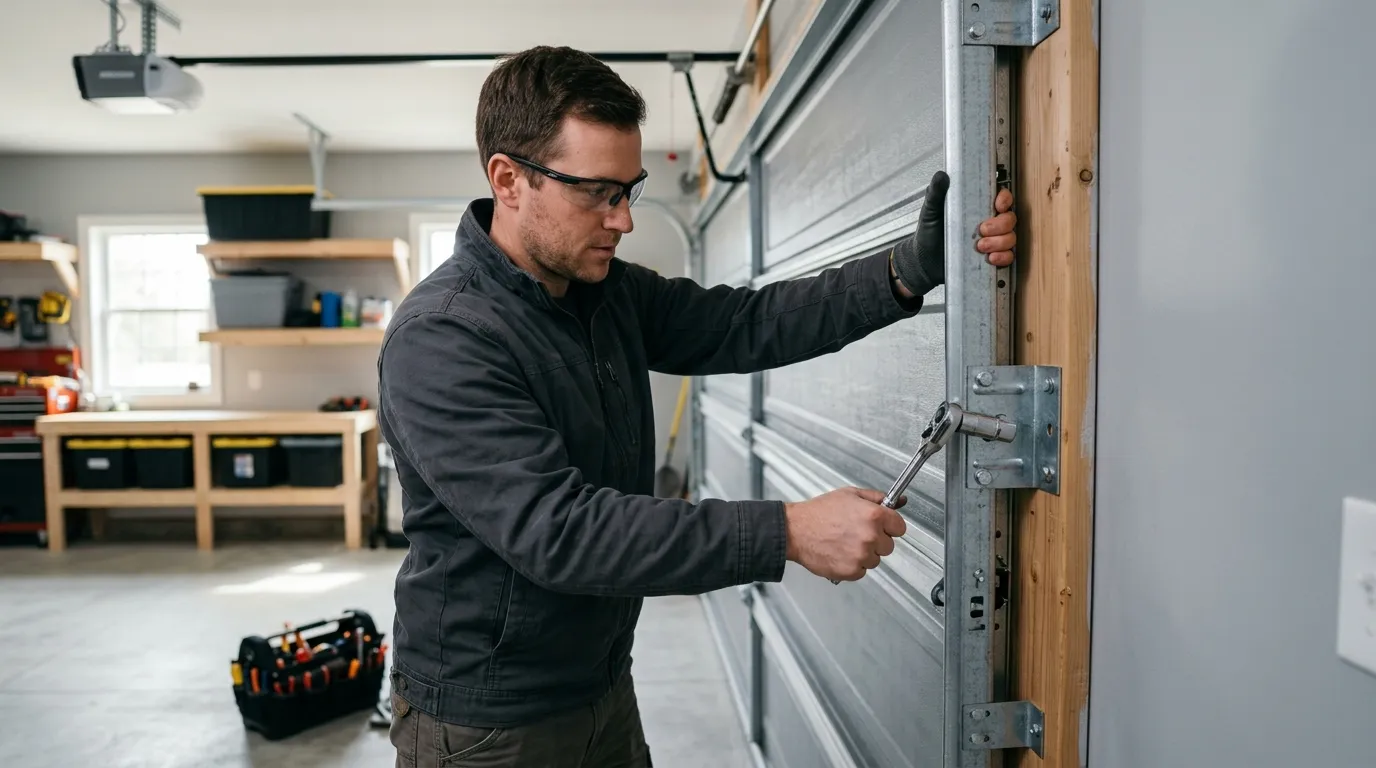
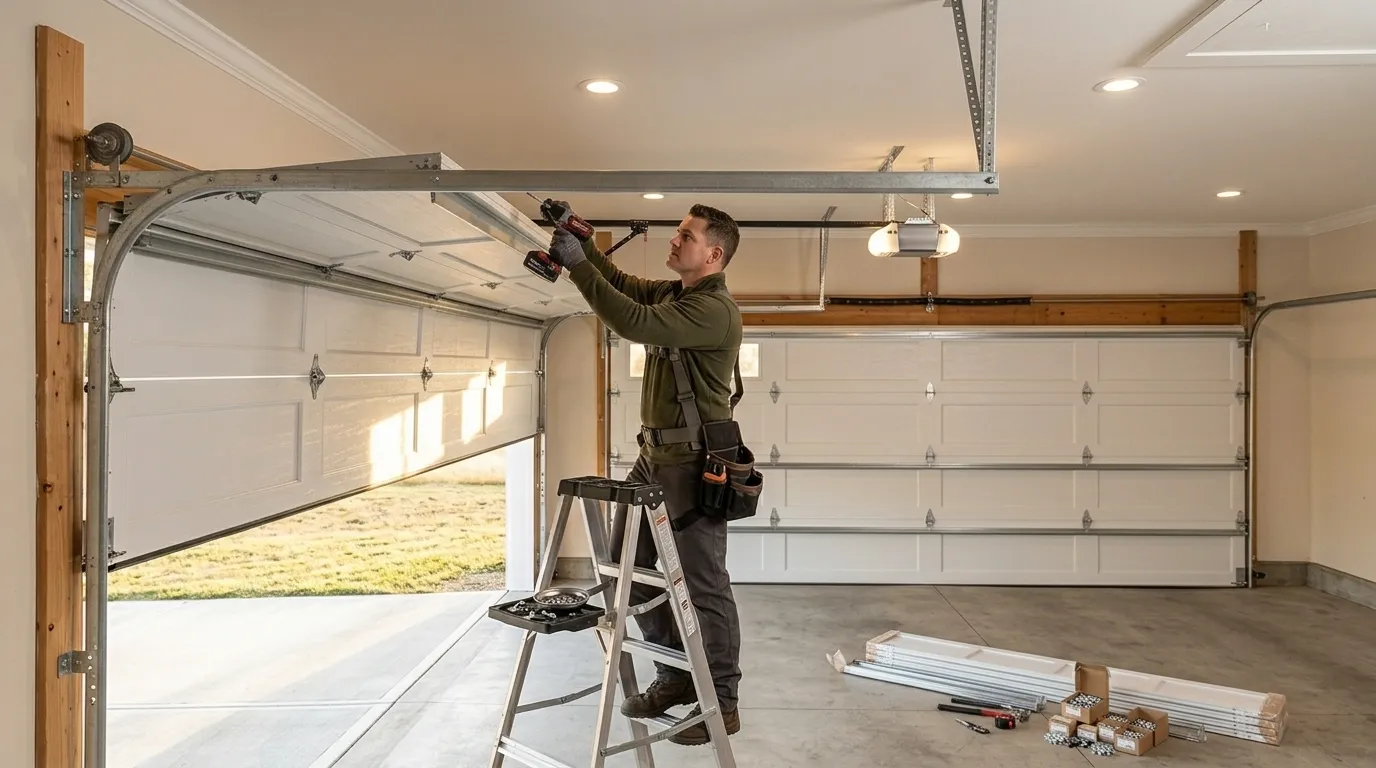
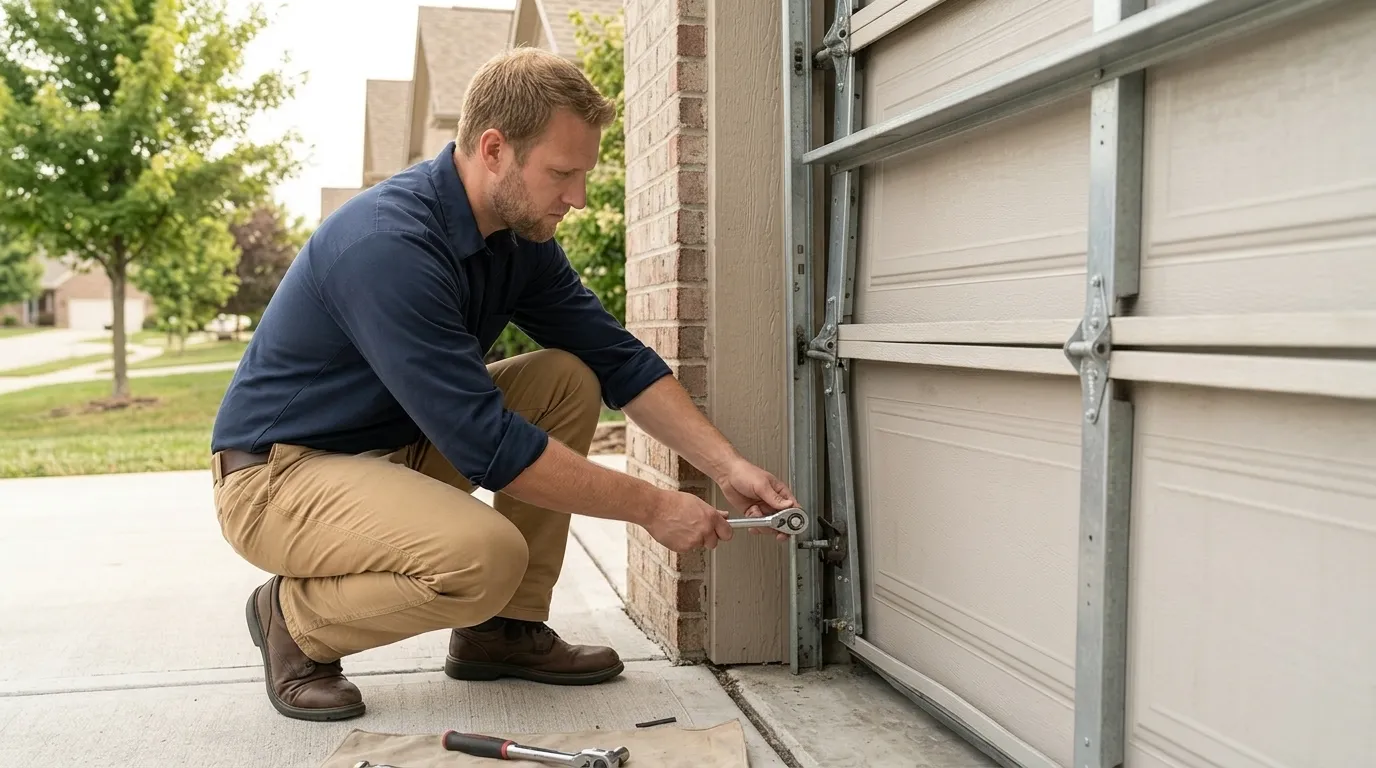
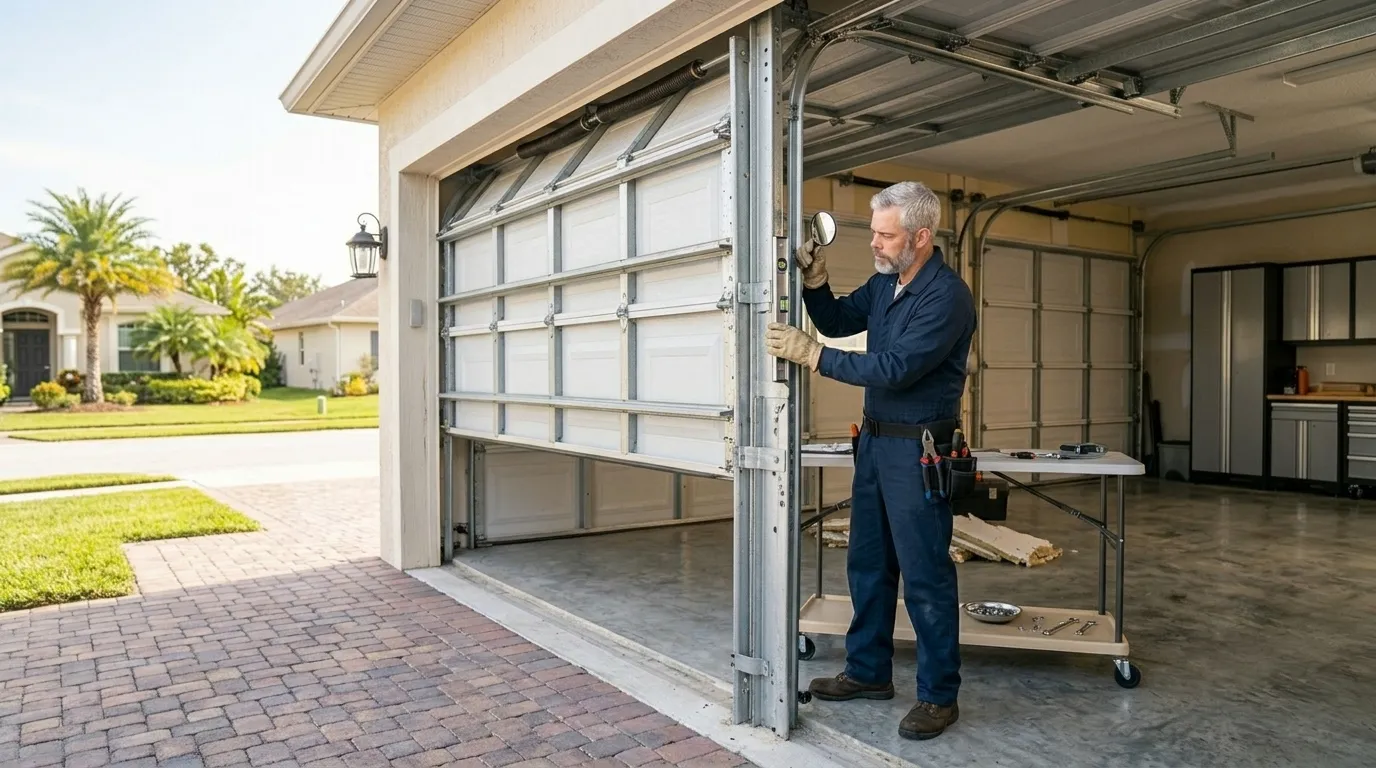
A new install on a house this age usually means pulling out a single non-insulated steel door and a chain-drive opener that was never a great match for the track length in the first place. We size the new door to the existing frame, check the header for the new spring system's load, and swap the track and rollers rather than trying to reuse anything from the old setup. We don't reuse cables or springs from a 40-year-old install even if they look fine - the fatigue you can't see is the fatigue that snaps a cable under tension. If the opening itself is out of square from decades of settling, that gets addressed before the new door goes in, not patched around.
Why It Happens Here
The building stock in Broadview Heights runs newer than a lot of the areas we cover out of Parma - median year built here is 1984, well past the 1938 to 2004 range and later than the 1966 median across the wider service area. That gap matters for installation work because 1980s construction used different framing depths and different standard door heights than the older housing stock nearby, so a door pulled from a 1960s house down the road won't drop into a Broadview Heights opening without adjustment.
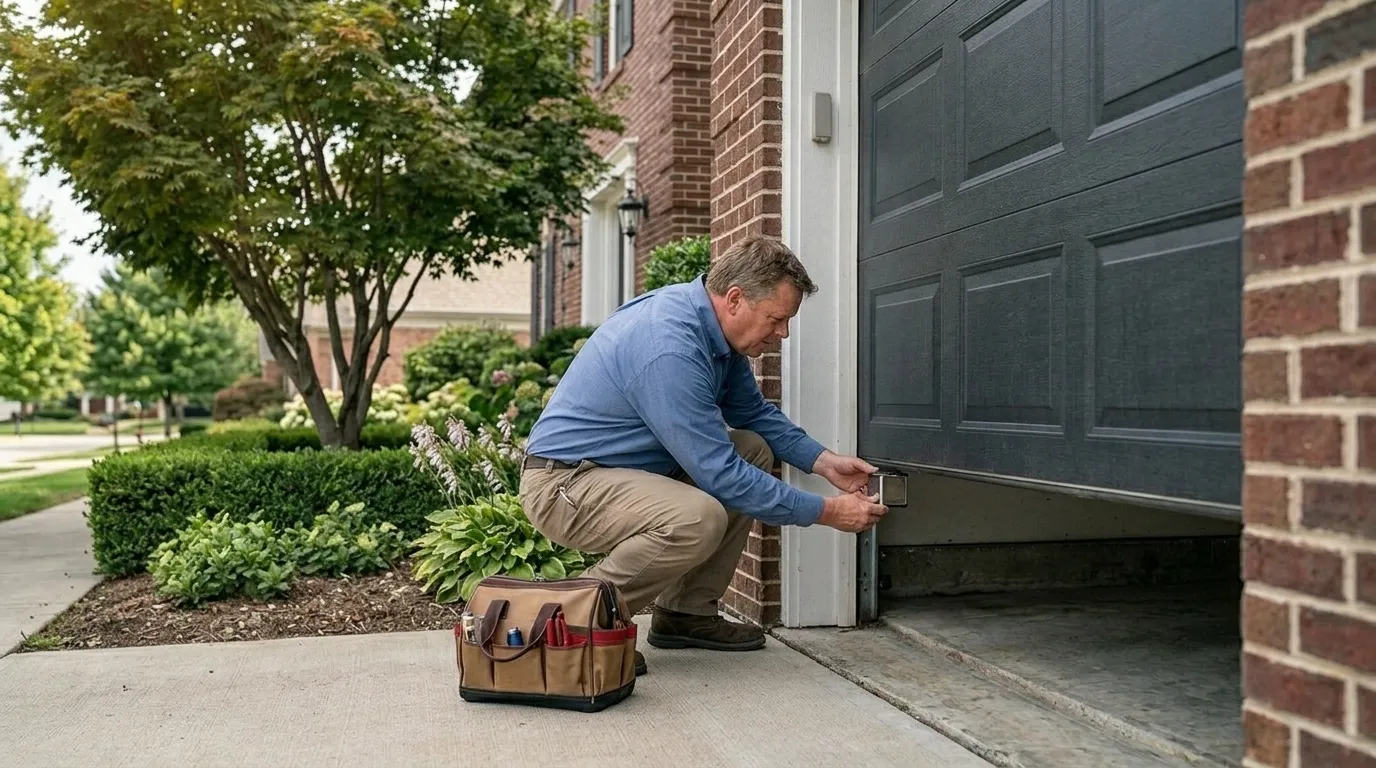
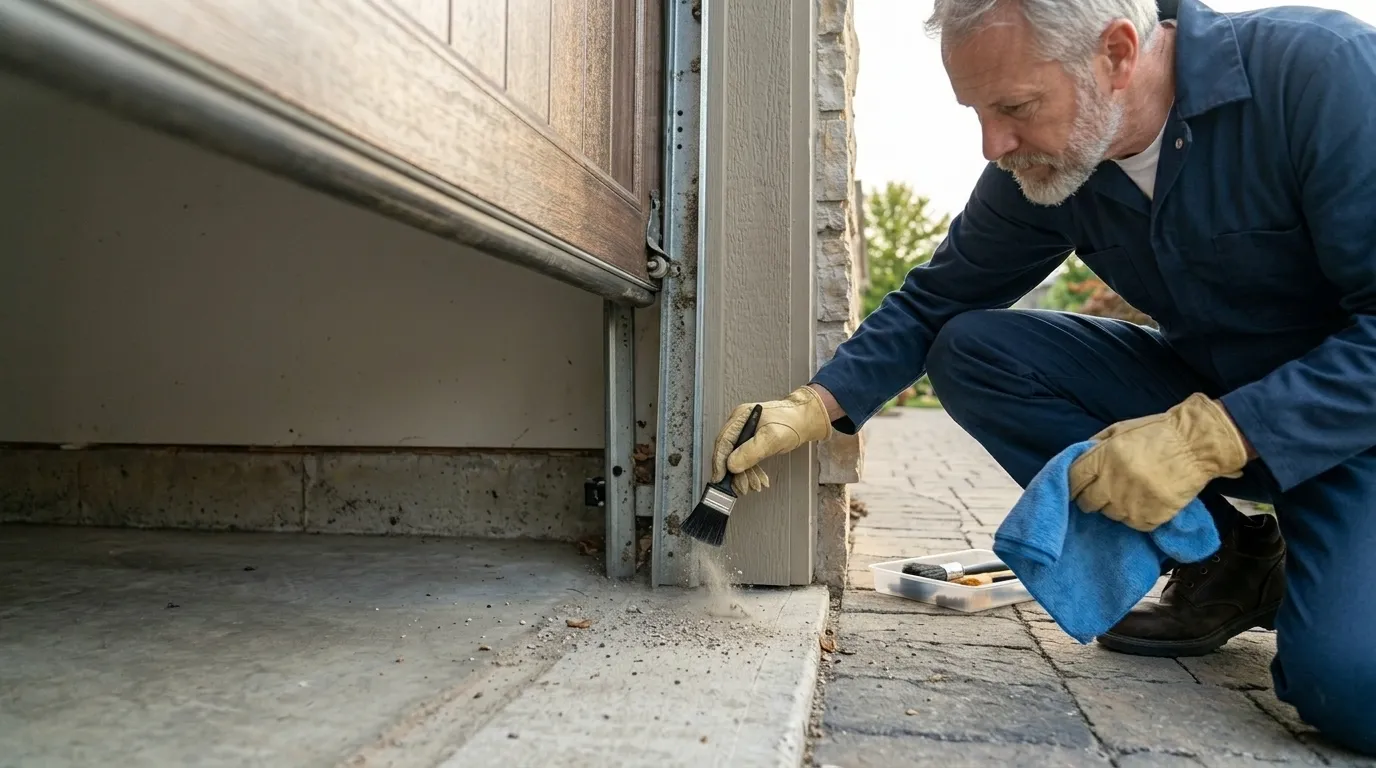
Cold is the other factor. This area sits in the same severe cold climate band as the rest of the region we serve, and a lot of these original 1984 doors were installed before insulated steel became the standard choice. That means thin panels, weak or missing bottom seals, and openers that have to work harder in winter because the door itself has zero R-value. When we install new here, insulation and a matched bottom seal aren't upgrades we upsell - they're the baseline fix for a door that was underspecified for the climate from day one.
Time on the Job
A standard single-door swap on a house like the ones common in Broadview Heights usually runs a few hours start to finish - old door and track out, new frame hardware set, opener remounted or replaced, and a full cycle test before we leave. Double-door jobs or ones where the opening needs reframing take longer.
The honest limitation: if you want a specific color match, a custom window pattern, or a non-standard width because the house has an oversized bay, that door isn't sitting on a shelf. Custom orders have a lead time and we'll tell you the wait up front rather than promise a same-week install we can't deliver. For a straightforward steel replacement on a standard 1980s-era opening, we're not waiting on anything unusual - it's the custom stuff that takes patience.