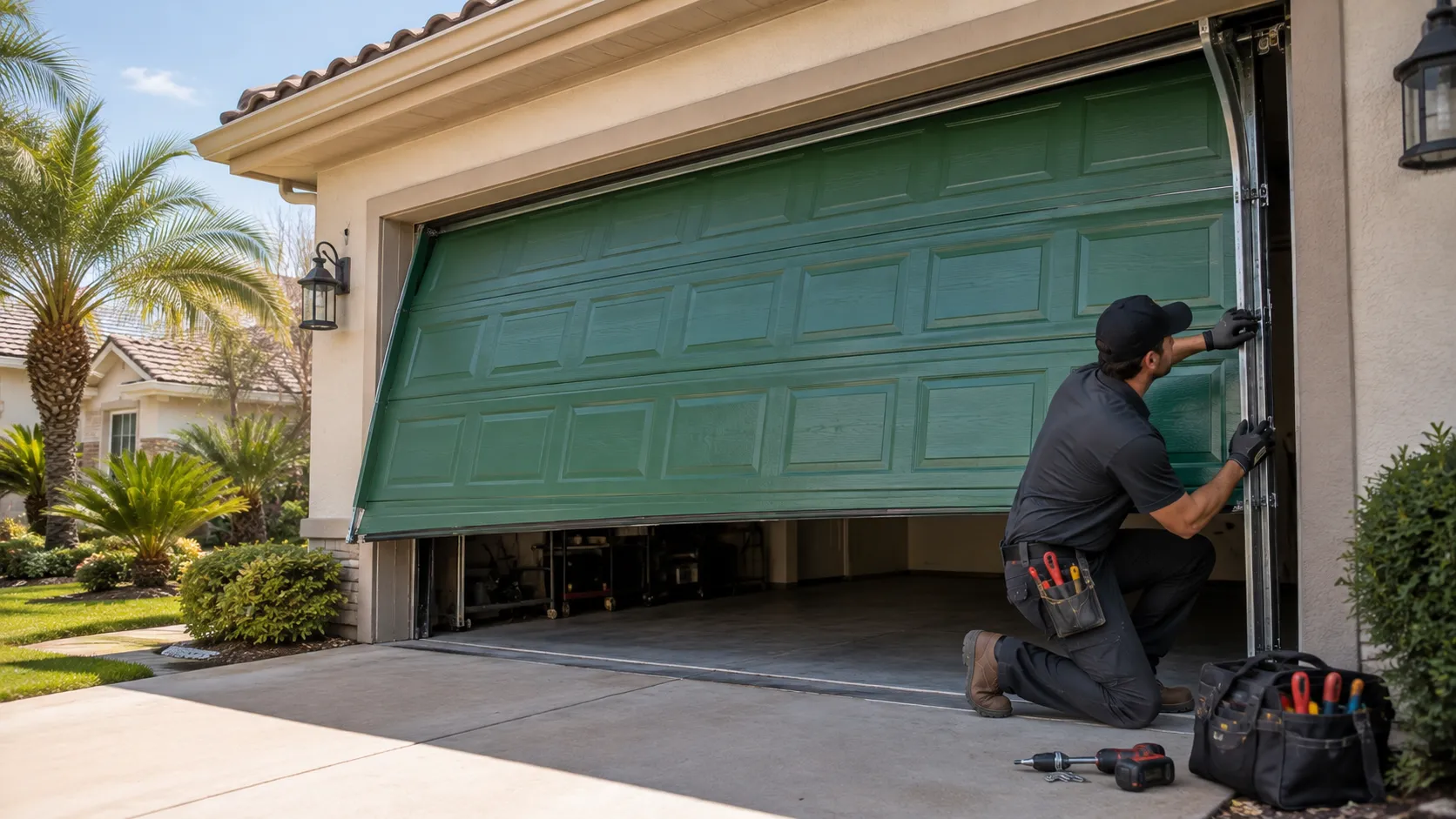
What the Repair Takes
The drive out from Parma to Broadview Heights runs about five miles, which matters more than it sounds. It's close enough that a panel job doesn't turn into a lost afternoon, and it means the truck can carry the door measurements and photos you send ahead and still show up with time to actually look at the hardware before quoting anything.
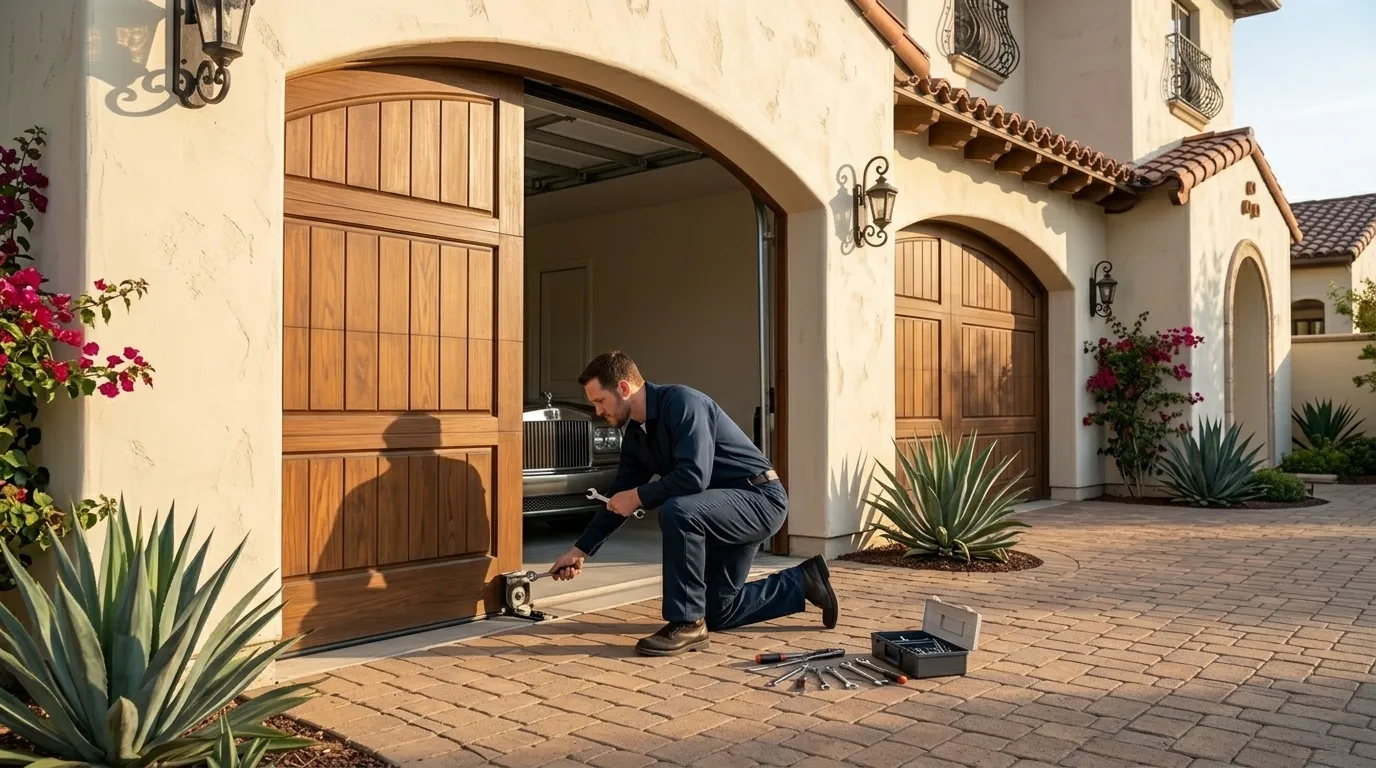
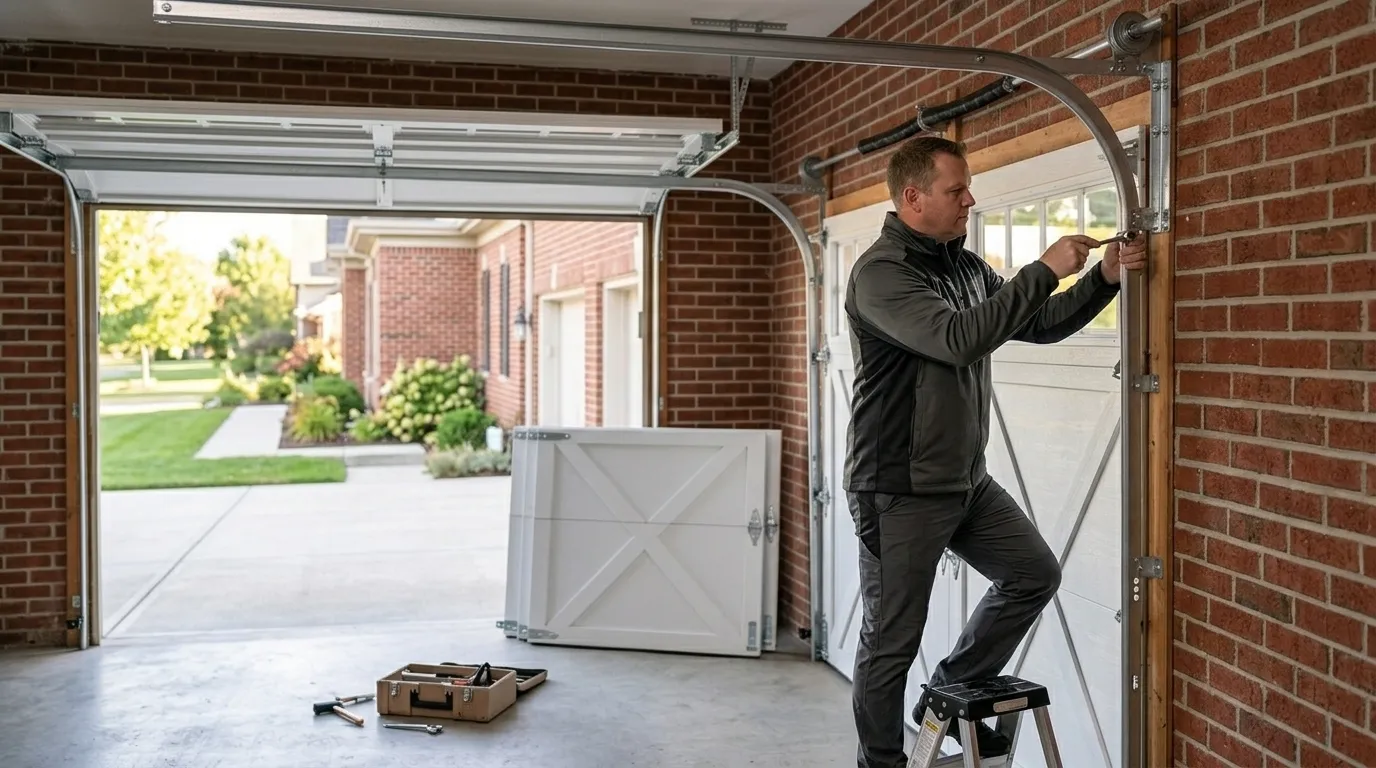
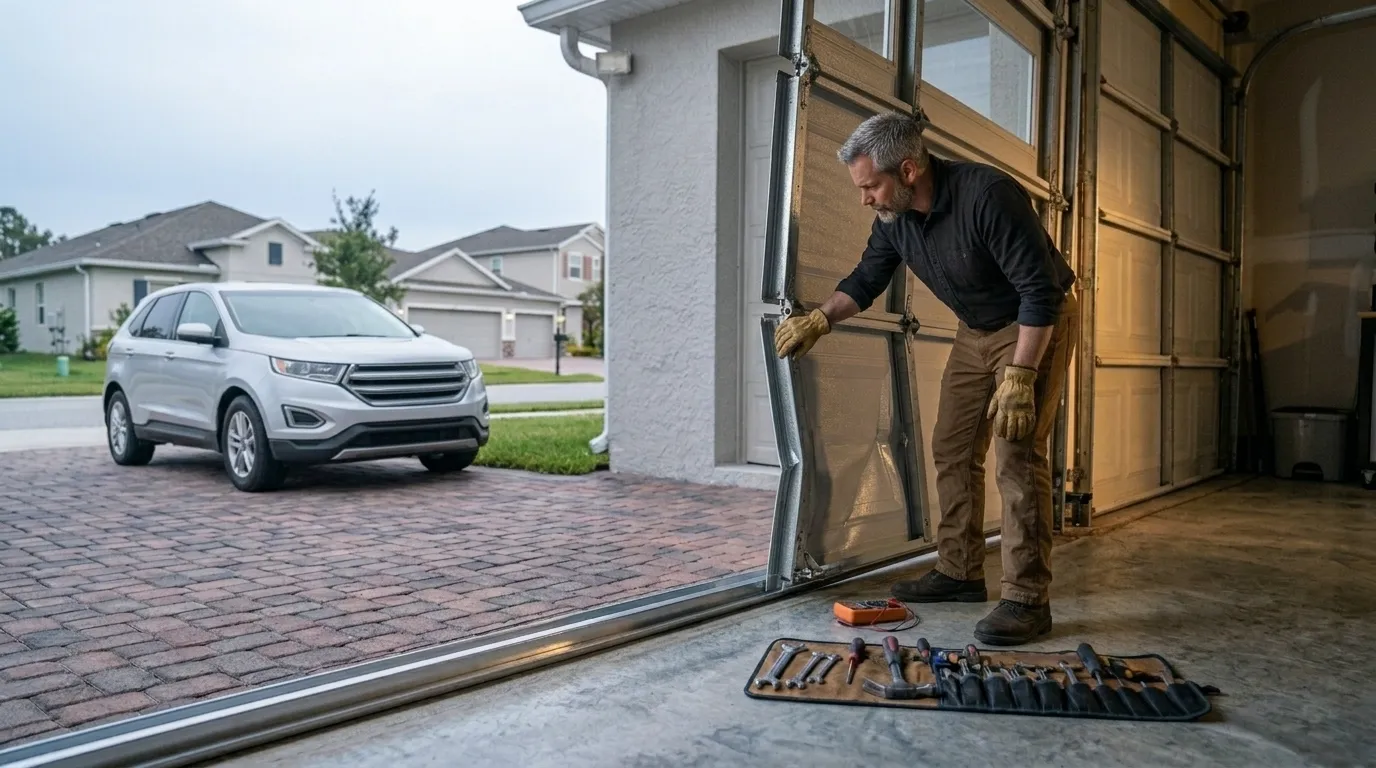
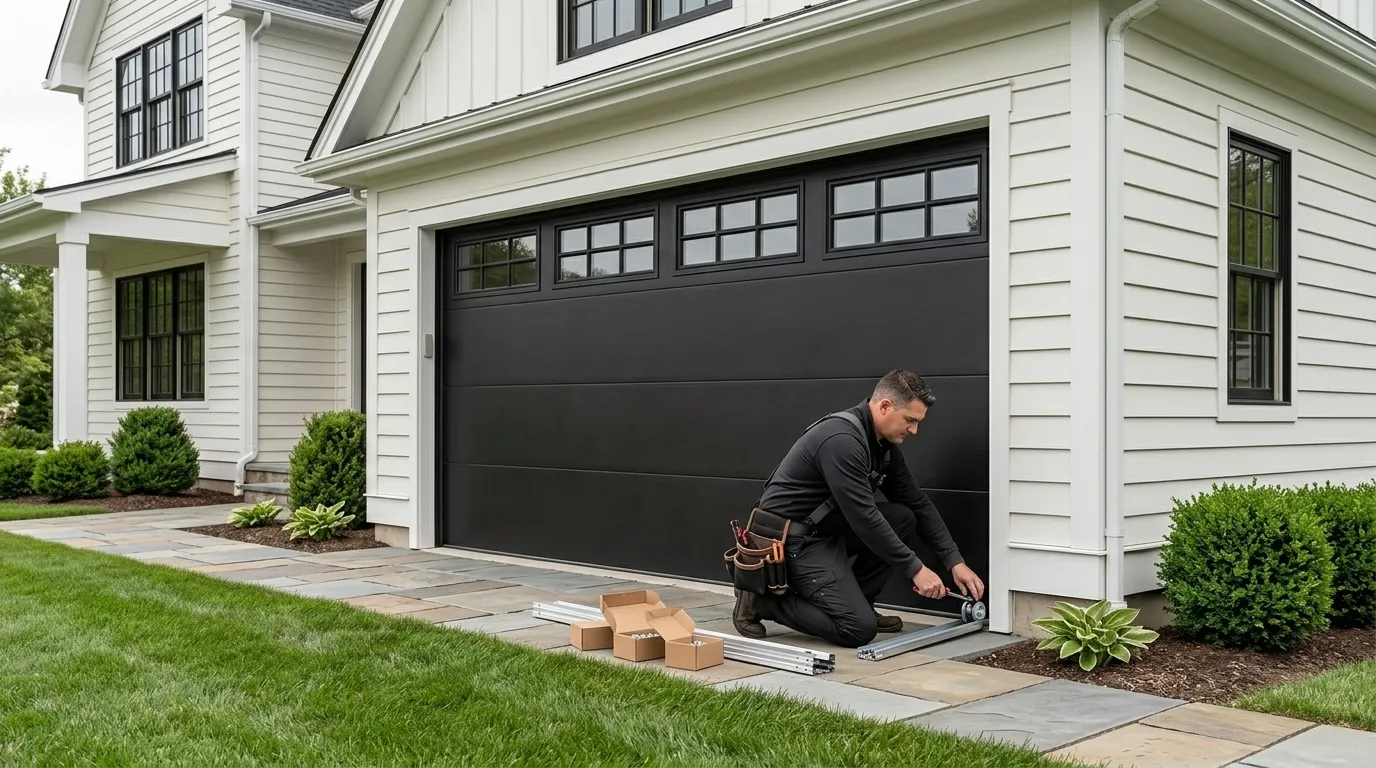
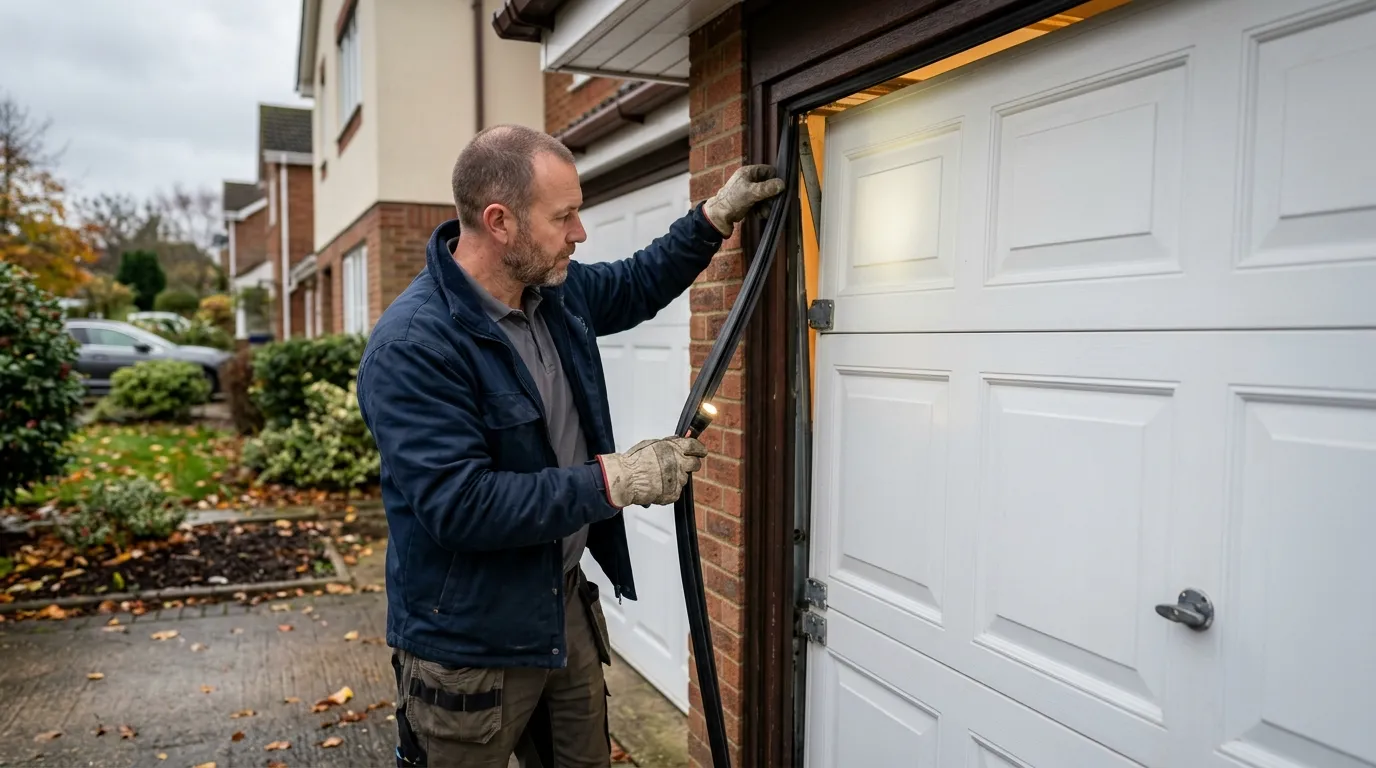
A panel replacement is not the same job as a full door swap. You're pulling one damaged section - usually from a backed-into corner or a wind-caught edge - off the track, matching it to the existing sections, and rehanging it without throwing the whole door out of square. That match is the hard part. If the door is old enough or the manufacturer's changed their profile since it was built, a single new panel can come in a shade off in color or a hair off in rib pattern. We tell you that before we order anything, not after.
What we don't do is force a mismatched panel onto a door just to save you a trip. If the sections don't line up close enough to pass a walk-by glance, we say so, and we talk replacement instead of a patch that'll bother you every time you pull in.
Why It Happens Here
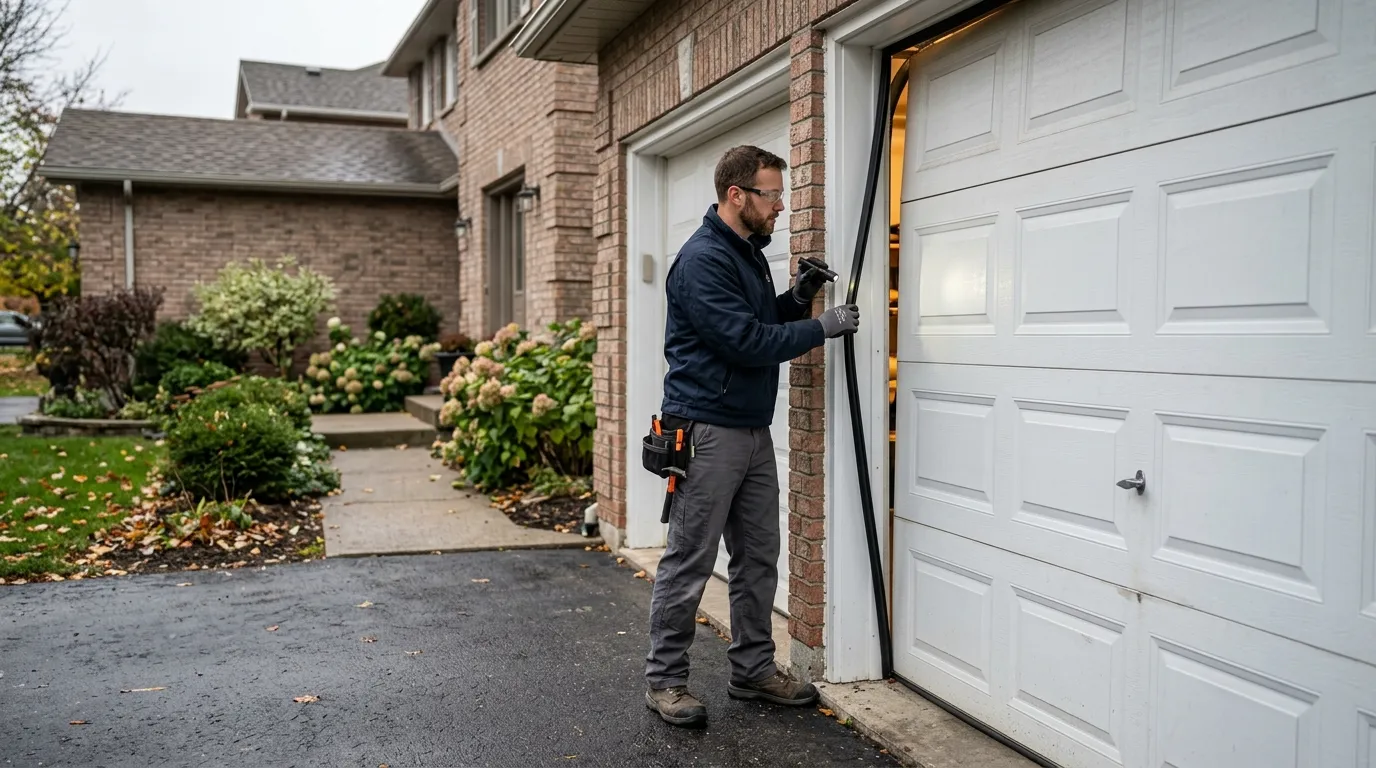
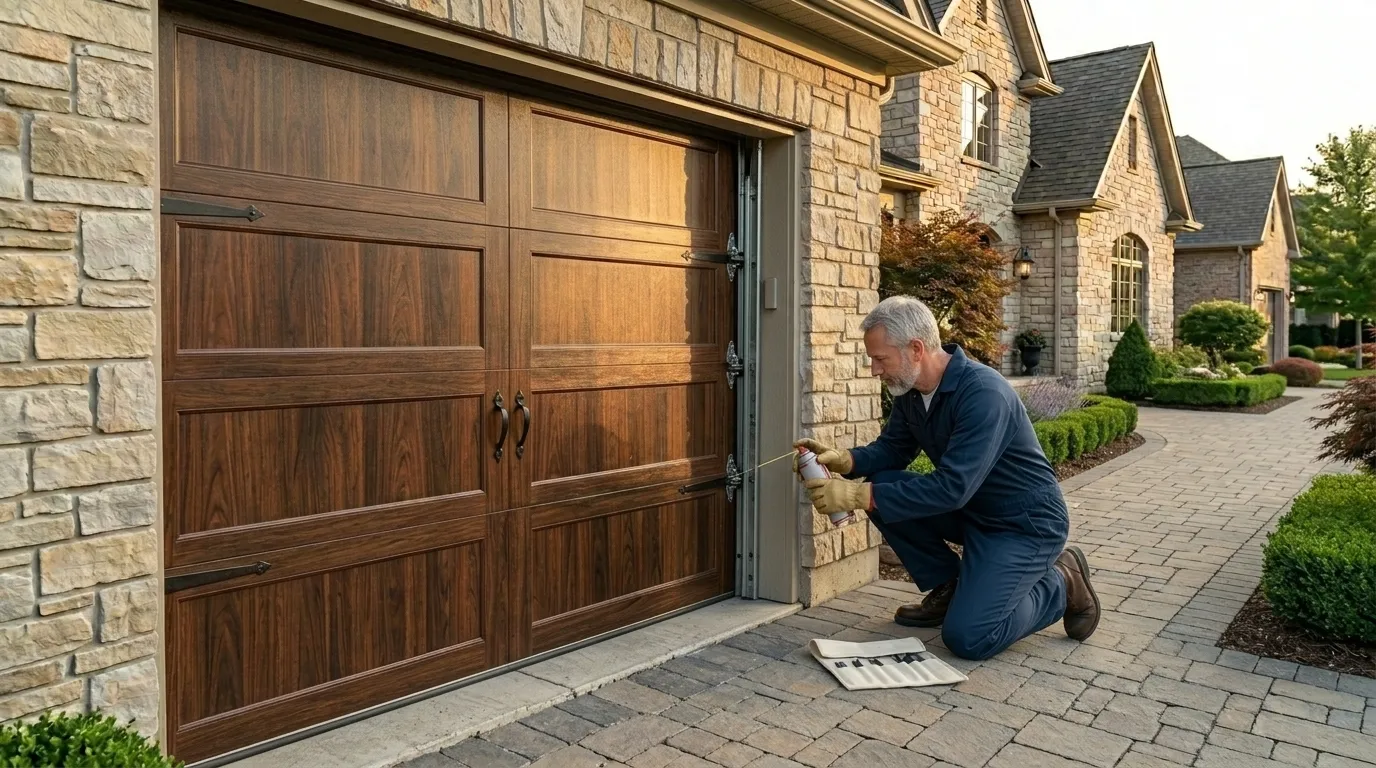
Most homes in Broadview Heights went up around 1984, a full generation newer than the 1966 median across the wider Parma service area. That gap changes what we find on the truck's second trip inside the garage. The 1984-era stock mostly runs steel sectional doors with flush or long-panel steel sections, not the heavier embossed wood-look originals still common on the older streets closer to Parma. That's good news for replacement - steel sectional profiles from that era are more standardized, so sourcing a matching panel is usually more straightforward than chasing down a discontinued embossed pattern.
Where the damage actually comes from is ordinary: a car bumper clipping the bottom section, a basketball or errant mower kicking up debris, or a section that's been leaned on one too many winters and finally buckled at the seam. Cold-climate freeze-thaw doesn't crack steel panels the way it does old wood ones, but it does stiffen the foam-and-steel sandwich enough that a dent from a cold-weather impact tends to crease sharper and travel further along the panel than the same hit in July.
Time on the Job
A single-panel swap on a standard double door usually runs under two hours once the replacement panel is on site - most of that time is unbolting the hinges and rollers off the old section, transferring hardware to the new one, and rehanging without knocking the door out of track alignment. The panel itself rarely needs painting on-site since factory-matched sections come pre-finished.
The honest limitation: if the damaged section is on a door old enough that the manufacturer's stopped making that exact profile, we can't promise a same-week fix. We'll order the closest match we can find, but sometimes the right call is telling you a full door replacement will look better and cost less over time than chasing a panel that doesn't quite sit right. We'd rather say that up front than take the job and have you stare at the seam every day after.