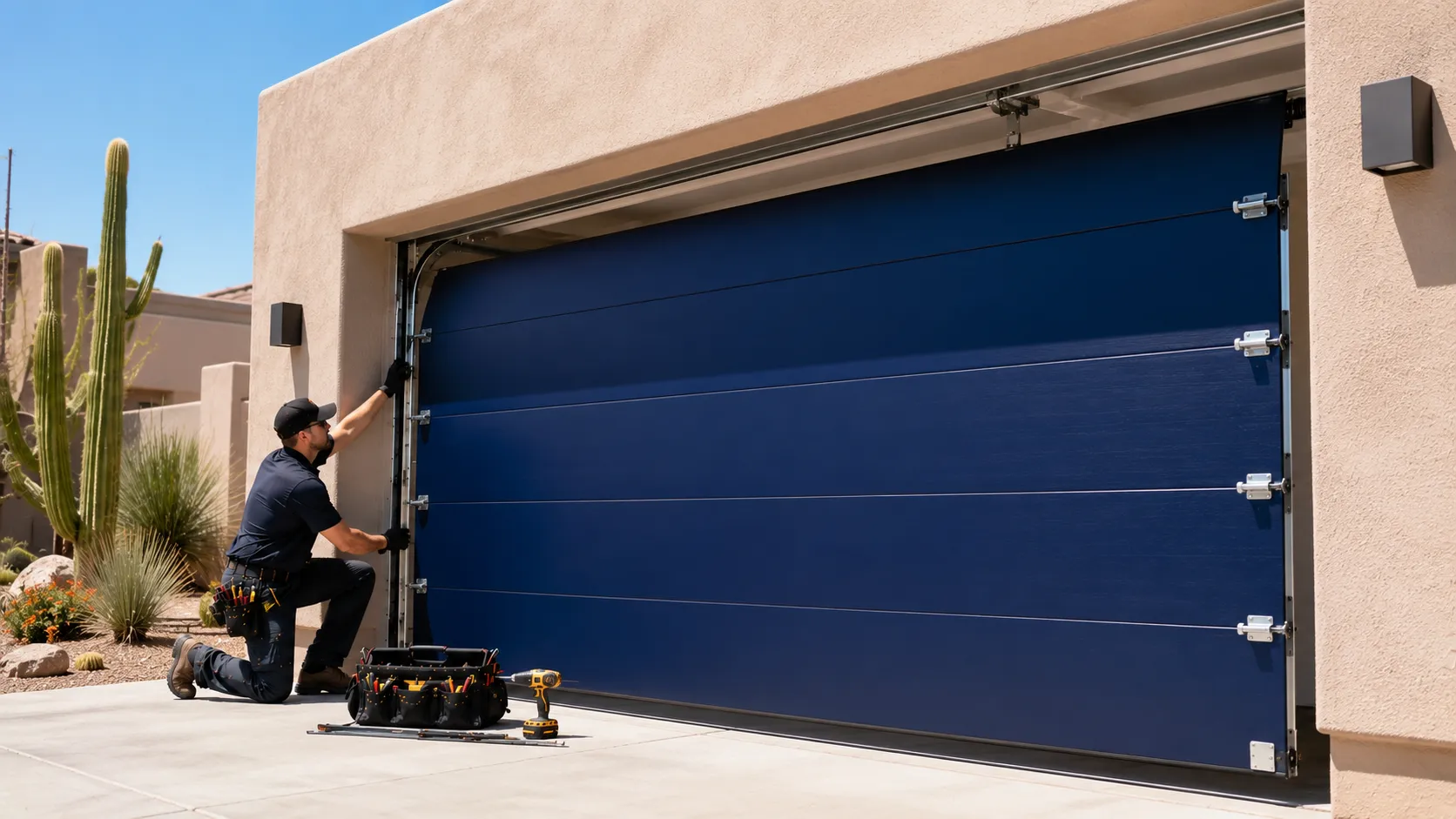
What the Repair Takes
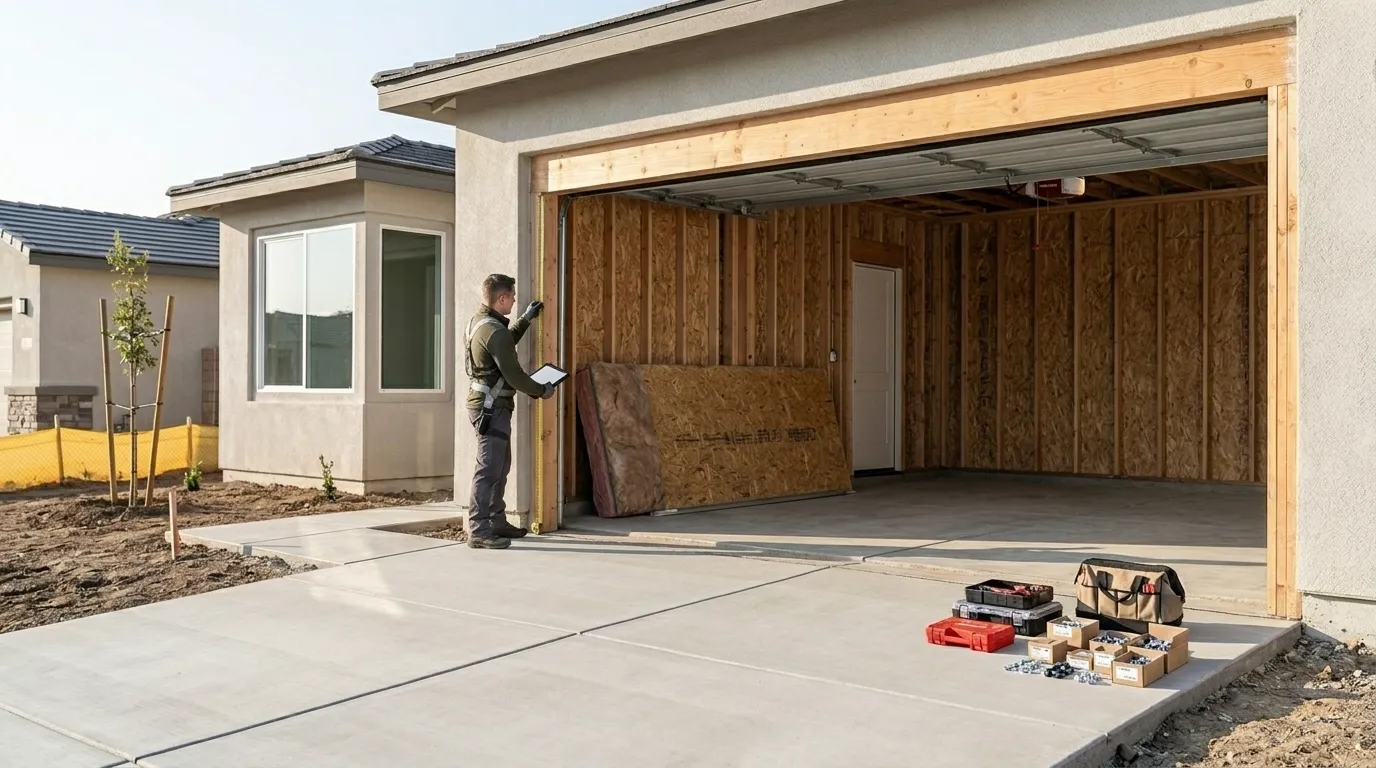
Most houses in Broadview Heights went up around 1984, which puts this suburb well past the 1966 median for the wider service area. That matters because a door and opener installed in the early-to-mid 1980s is now pushing forty years old, and a lot of that original hardware is still hanging in the garage untouched. The springs, the hinges, the rollers, sometimes even the opener itself - builders in that era used steel torsion springs and chain-drive openers as standard, and homeowners who never had a failure never had a reason to swap them out.
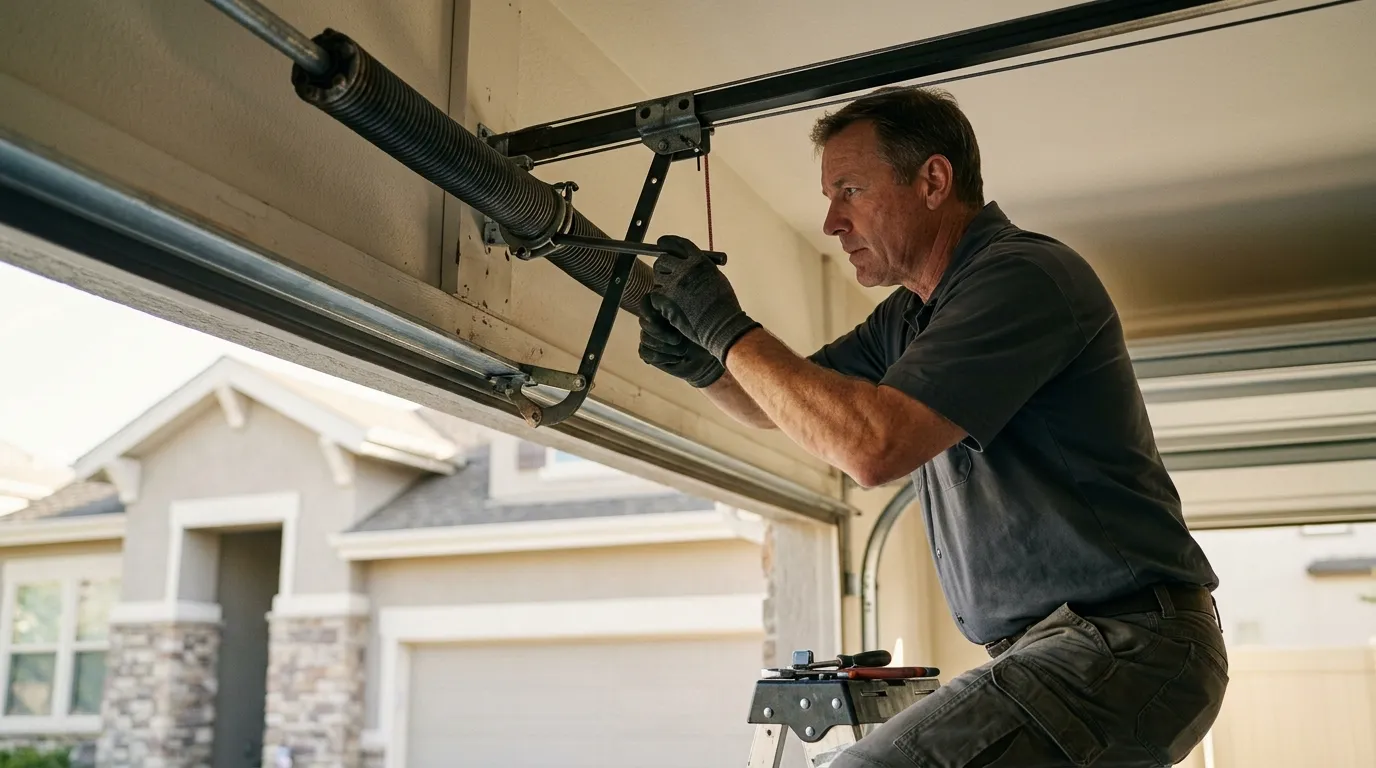
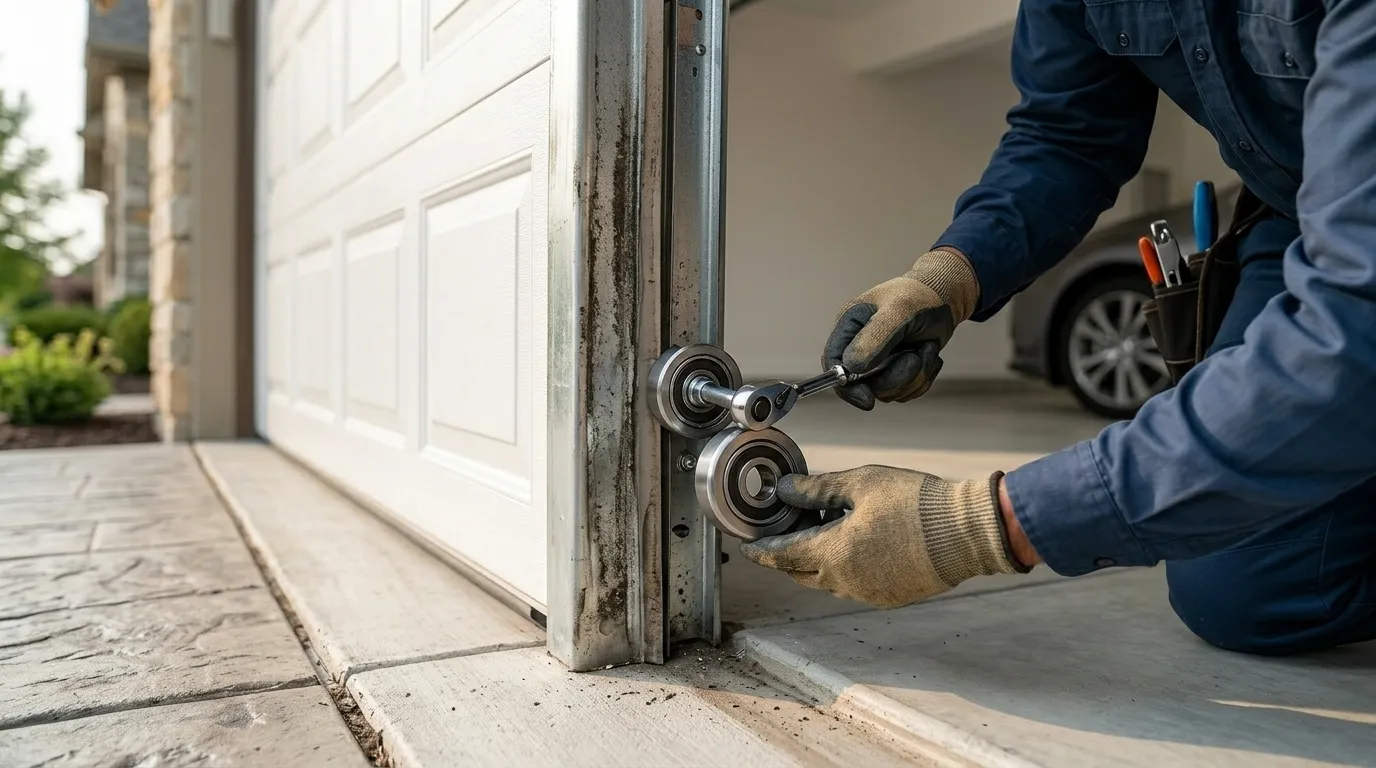
Maintenance on a door this age isn't about fixing something broken. It's about catching the parts that are near the end of their rated cycle count before they let go on a cold morning. A torsion spring rated for a certain number of cycles doesn't announce it's close to done - it just breaks, usually when you're already late. Rollers that started as steel or cheap plastic in a builder-grade install wear grooves into the track over decades, and that wear shows up as noise and drag long before it shows up as a stuck door.
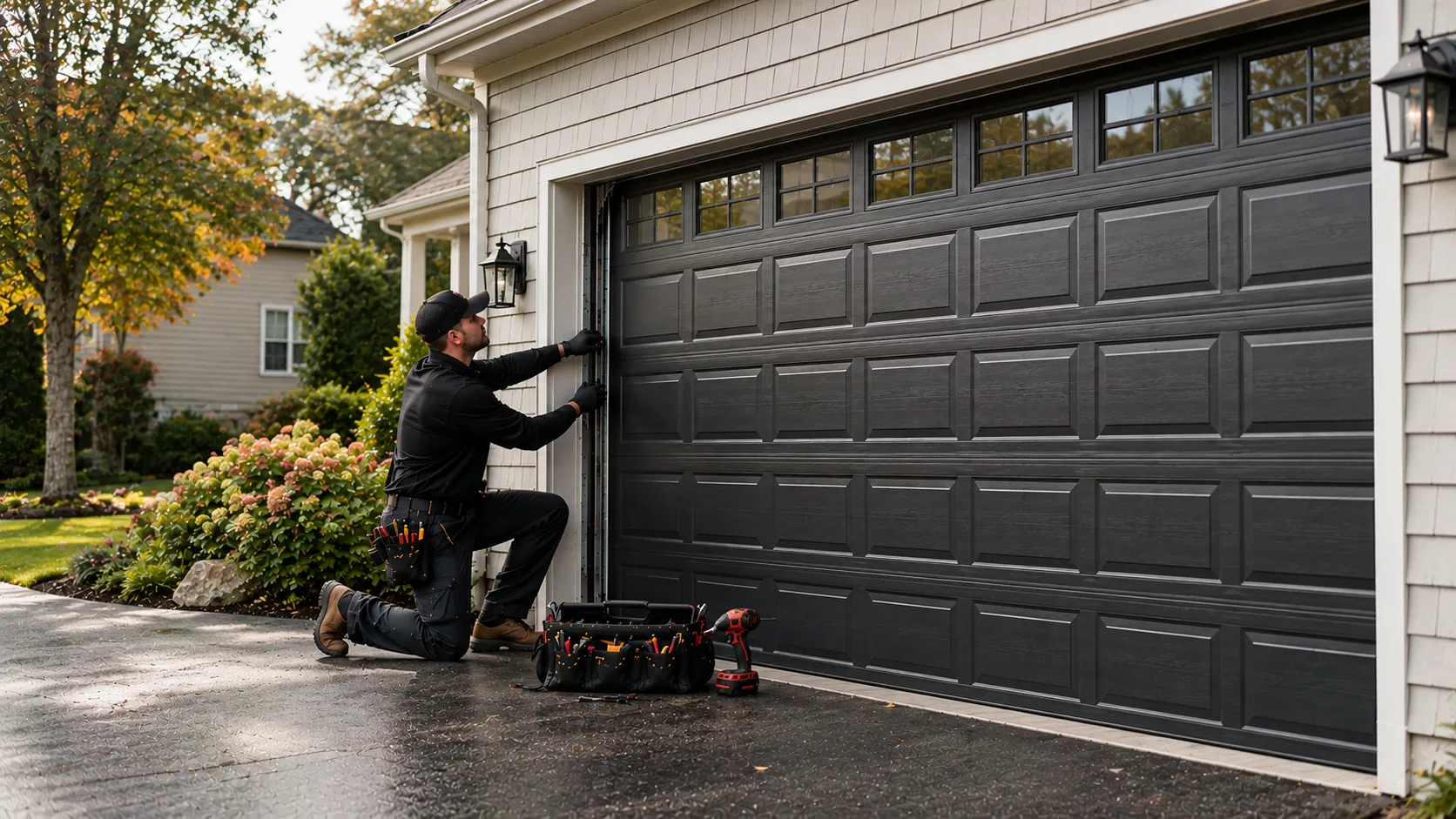
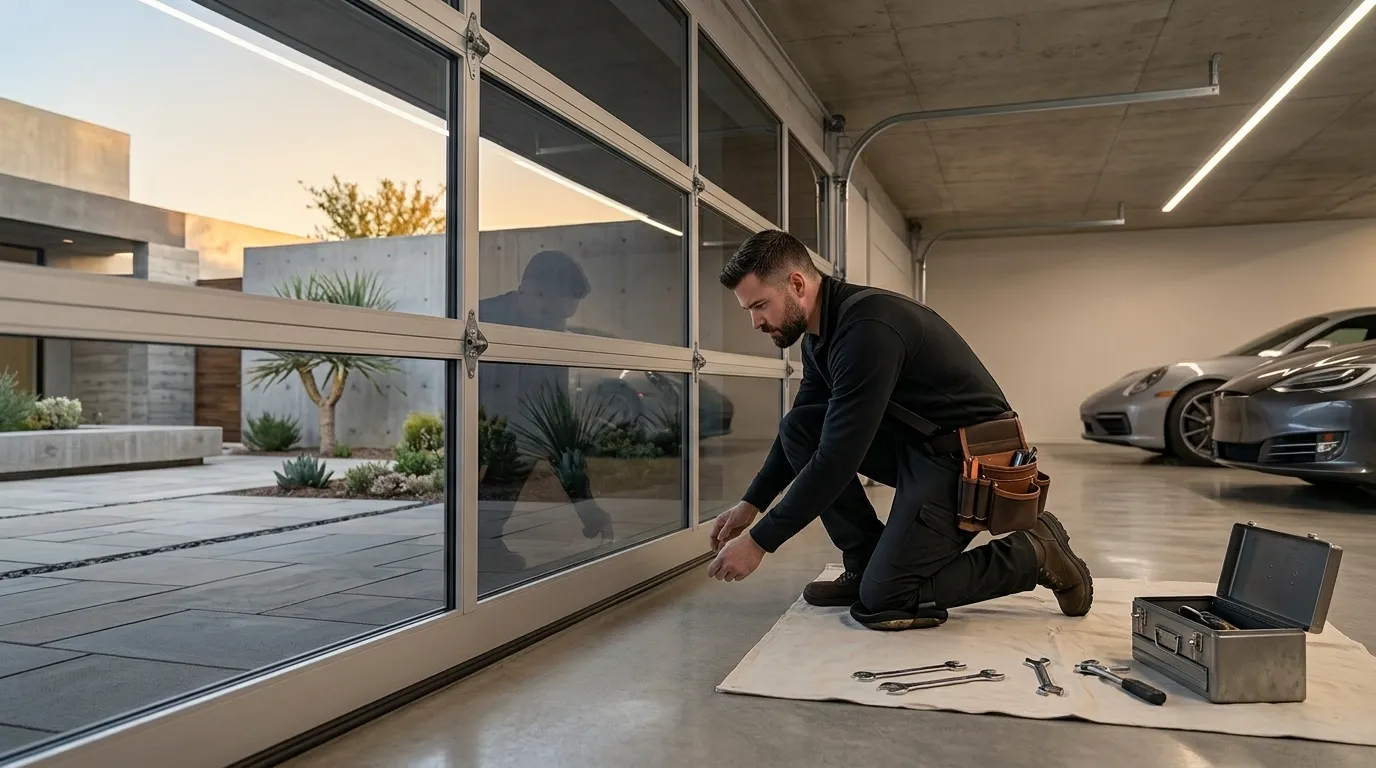
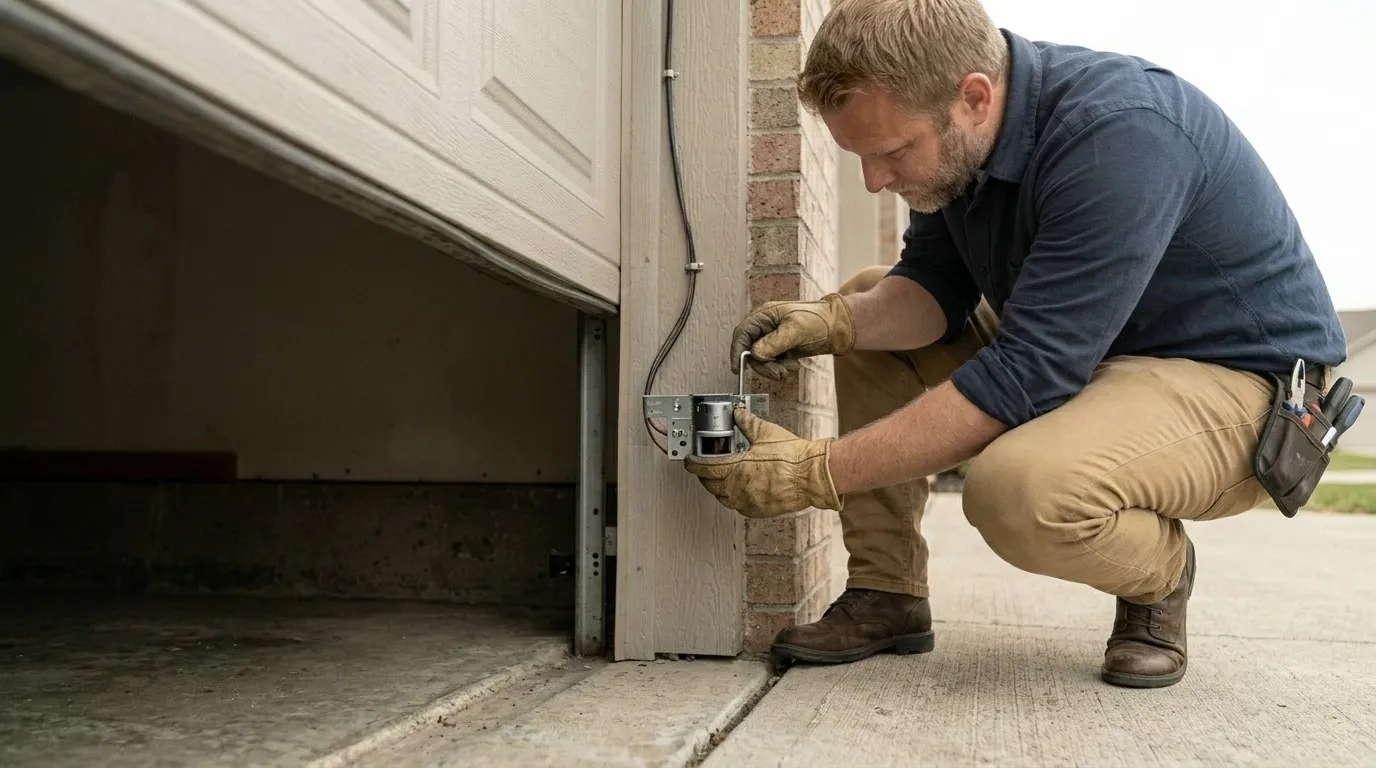
We check spring tension, cable condition, roller wear, and opener force settings against what a door this age should be doing, not what a brand-new door does. A door from 1984 with maintained hardware still works fine. One left alone that whole time usually needs more than a tune-up.
Why It Happens Here
The service area runs from houses built in 1938 up through 2004, with a median around 1966 - but Broadview Heights sits later than that median, closer to the mid-1980s wave of suburban building. That's a different door than the postwar stock closer to Parma. The 1960s houses often got one-piece doors on side-mounted hardware that nobody stocks anymore. The 1980s houses got sectional doors with torsion springs and early chain-drive openers, which is more serviceable hardware but hardware that's now aging out on its own schedule.
The climate band here is cold and severe, and that's the other half of the story. Steel contracts in cold weather, lubricant in an old roller or hinge thickens and stops doing its job, and a spring that's already near its cycle limit takes more strain when it's fighting cold, stiff steel every time the door opens. A door that's fine in July can bind, groan, or snap a cable in January, and that's when most of these calls come in.
With median household income here at $99,431 and roughly 8,598 households, a lot of these are owner-occupied homes where the door has had one owner, maybe two, and one opener the whole time. That's the profile we see most: original hardware, no record of it ever being serviced, working fine right up until it isn't.
Time on the Job
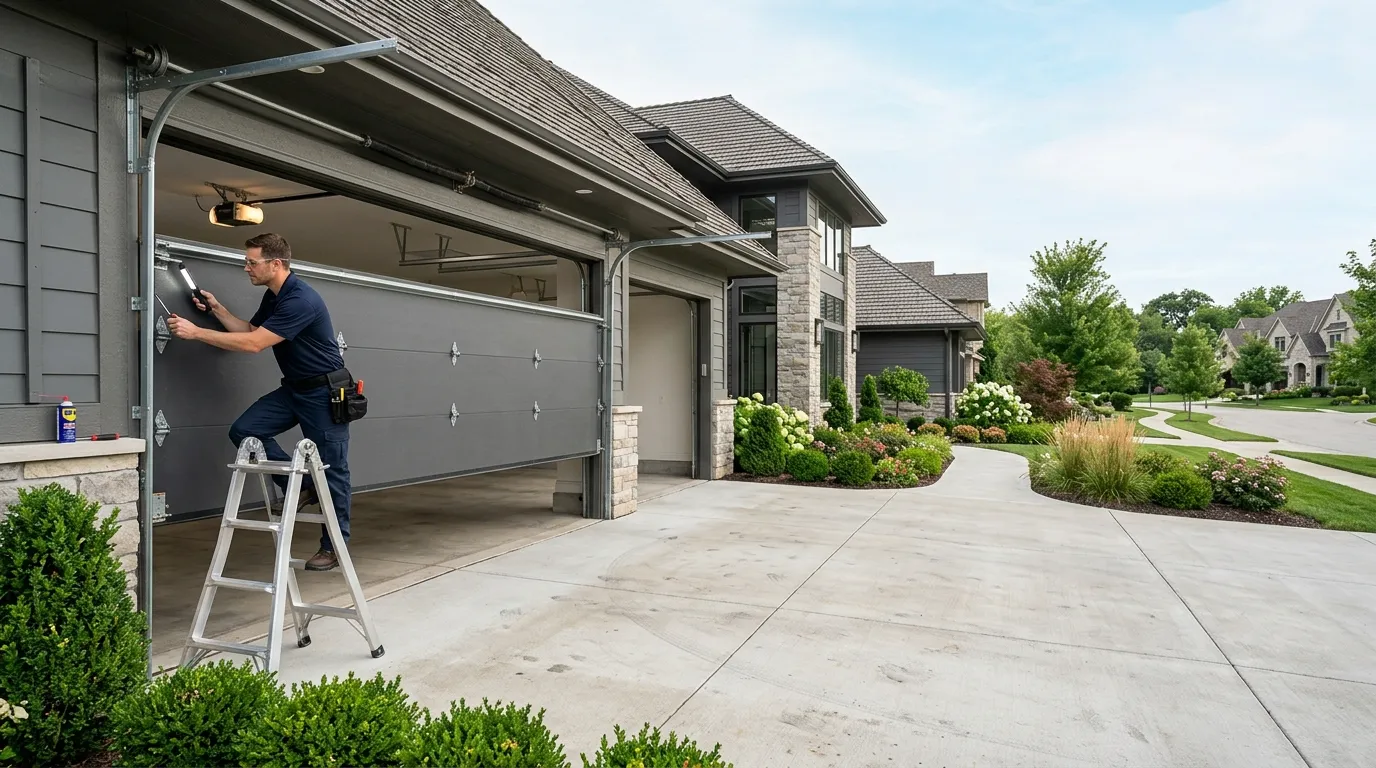
A standard maintenance visit on a door built for this era - sectional steel door, torsion spring, chain or belt-drive opener - usually runs the same range regardless of the house's exact age, so there's less variation here than you'd think between a 1966 door and a 1984 one, at least in labor time. What changes is what we find.
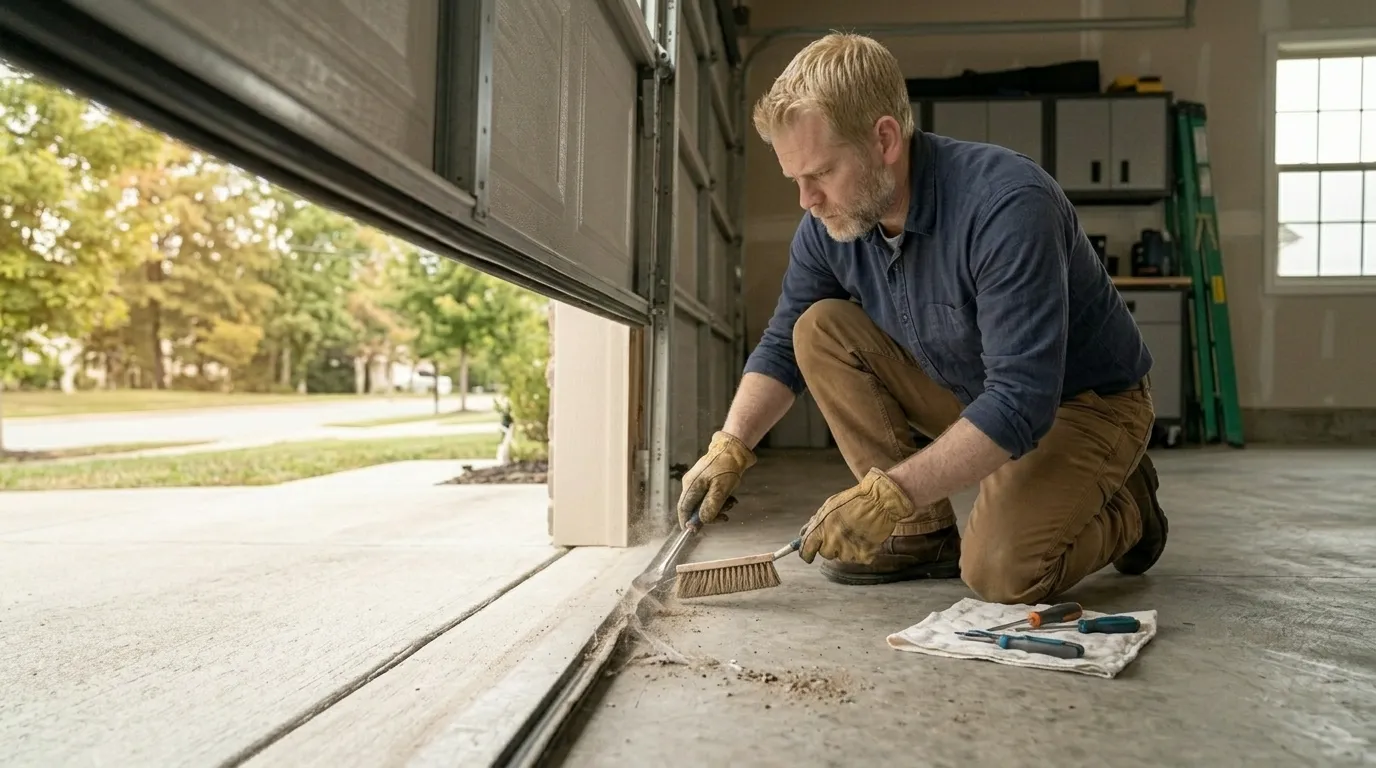
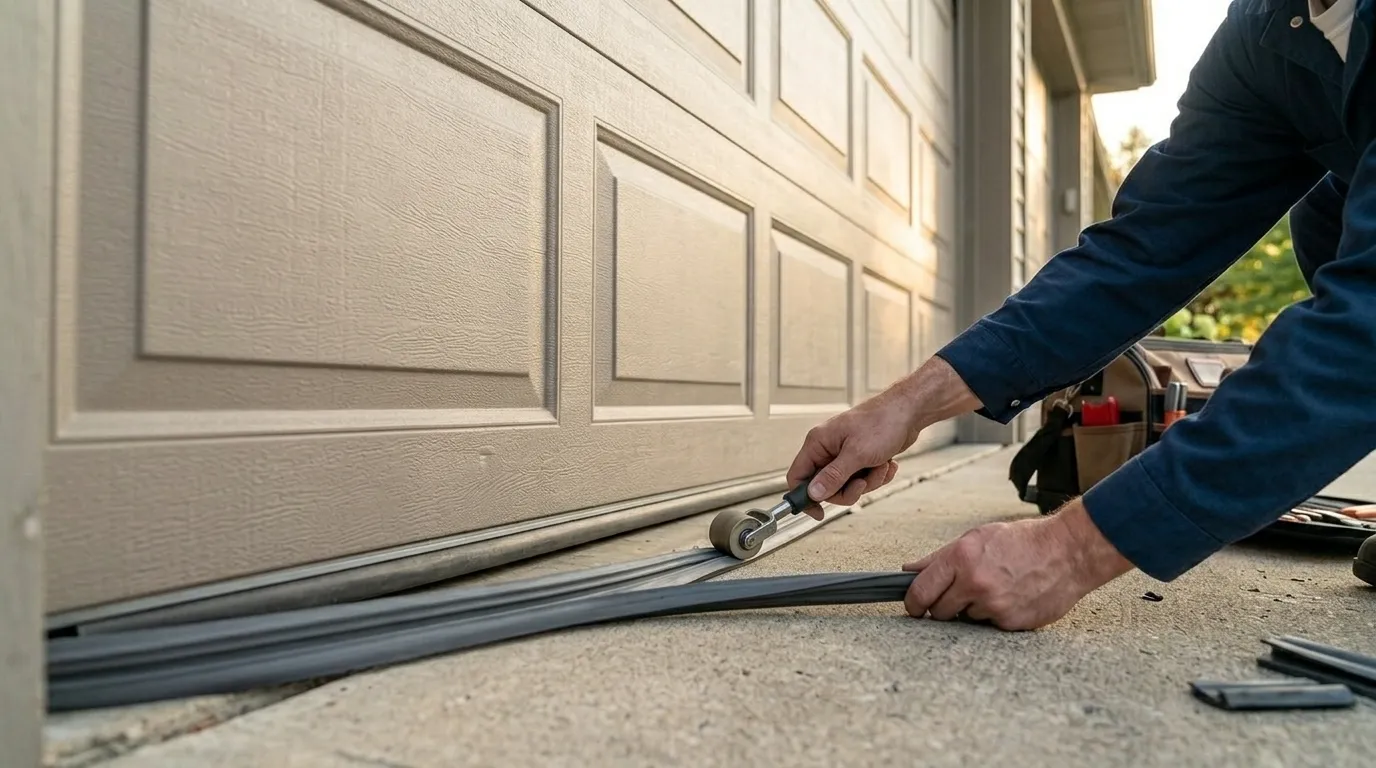
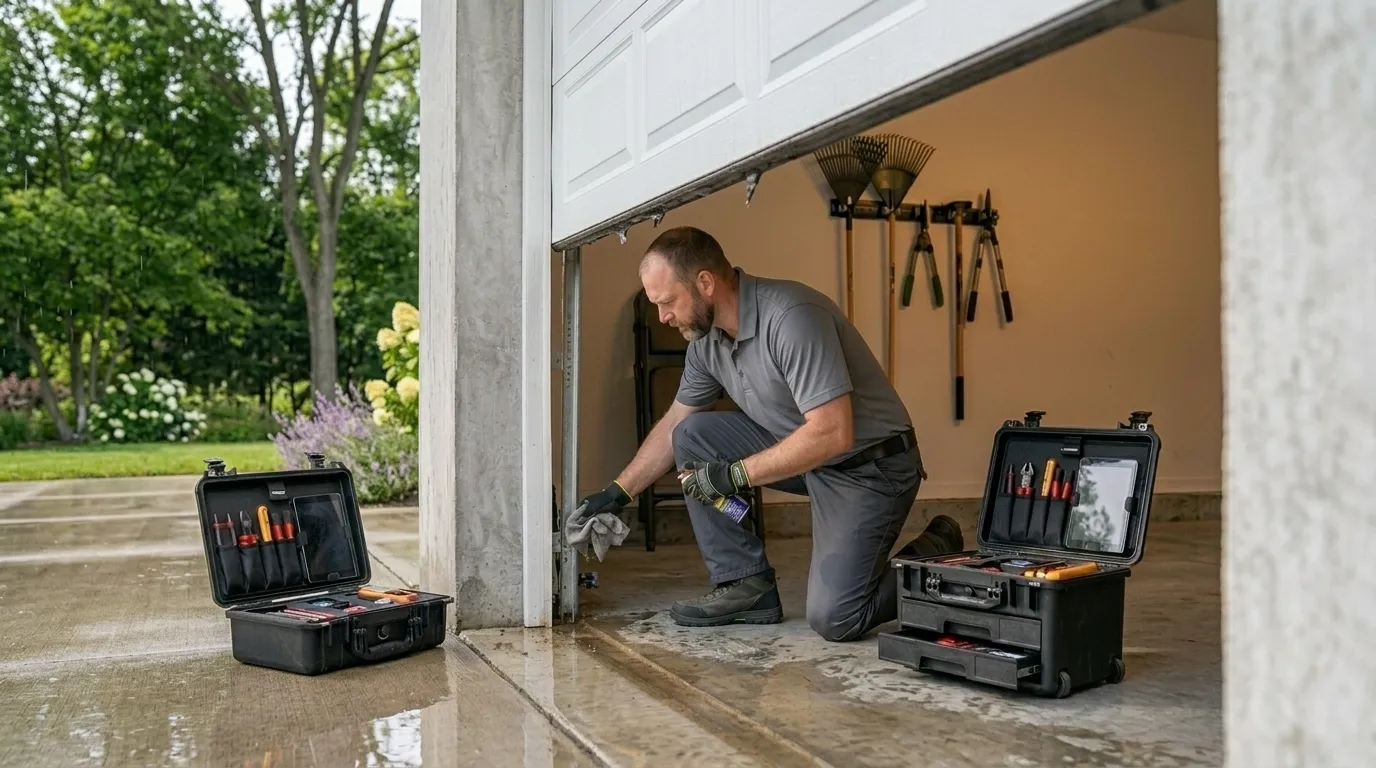
On an original 1984 door that's never been touched, we're often re-lubricating hardware that's dried out completely, tightening hardware that's loosened from decades of vibration, and checking spring tension that's drifted from cold-weather cycling. None of that takes long individually, but a door with forty years of neglect takes longer to go through properly than one serviced every year or two.
Here's the honest limit: if a torsion spring is already showing rust-through or visible stretching, we're not going to just lubricate it and call it maintenance. That's a repair, not a tune-up, and we'll tell you that on the spot rather than sending you off with a door that looks serviced but has a spring close to failing. Better to know now than find out on a January morning.