Getting It Booked In
Independence sits about 5 miles from our shop in Parma, and most of the panel jobs we run out here are on doors that match the neighborhood's build era: homes going up around 1960, with garage openings sized for the steel or wood-panel doors of that period. A lot of those doors are still original - 16x7 double sections or 9x7 singles, one or two dented or split panels, the rest of the door structurally fine.
When you call, we want to know the door's width, whether it's a single wide door or two singles, and roughly how old the door is if you know it. That tells us whether we're looking at a standard replacement panel or a custom order, because doors from 1960 don't always match what's stocked today. We'll ask you to send a photo of the damaged section and the full door if you can - it saves a wasted trip if the section is discontinued and needs a full-door swap instead.
We travel from Parma for this job, so we schedule the visit rather than showing up same-day on a whim. Once we've seen the photo and confirmed panel availability, we give you a real window, not a guess.
Doing It Yourself
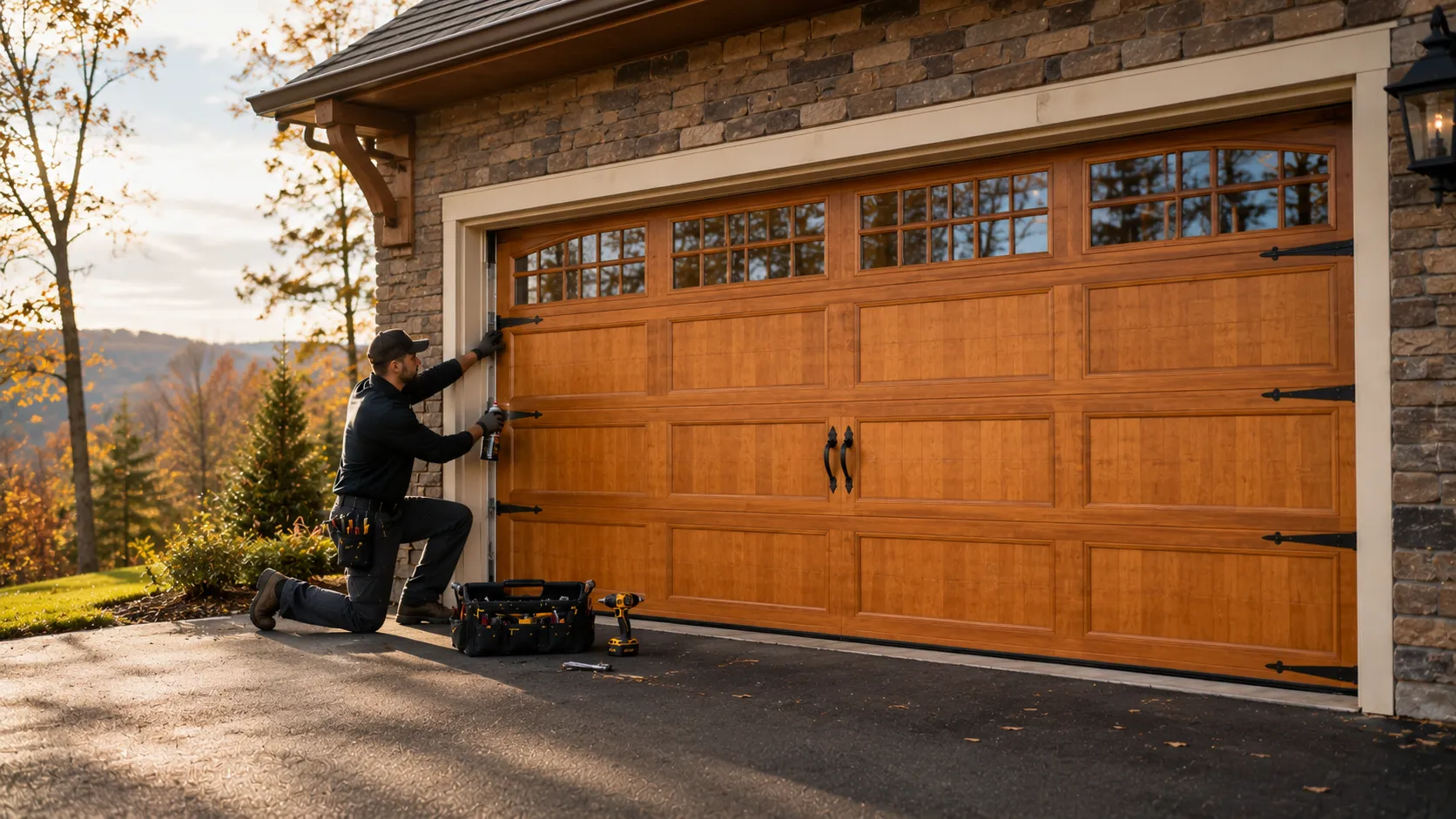
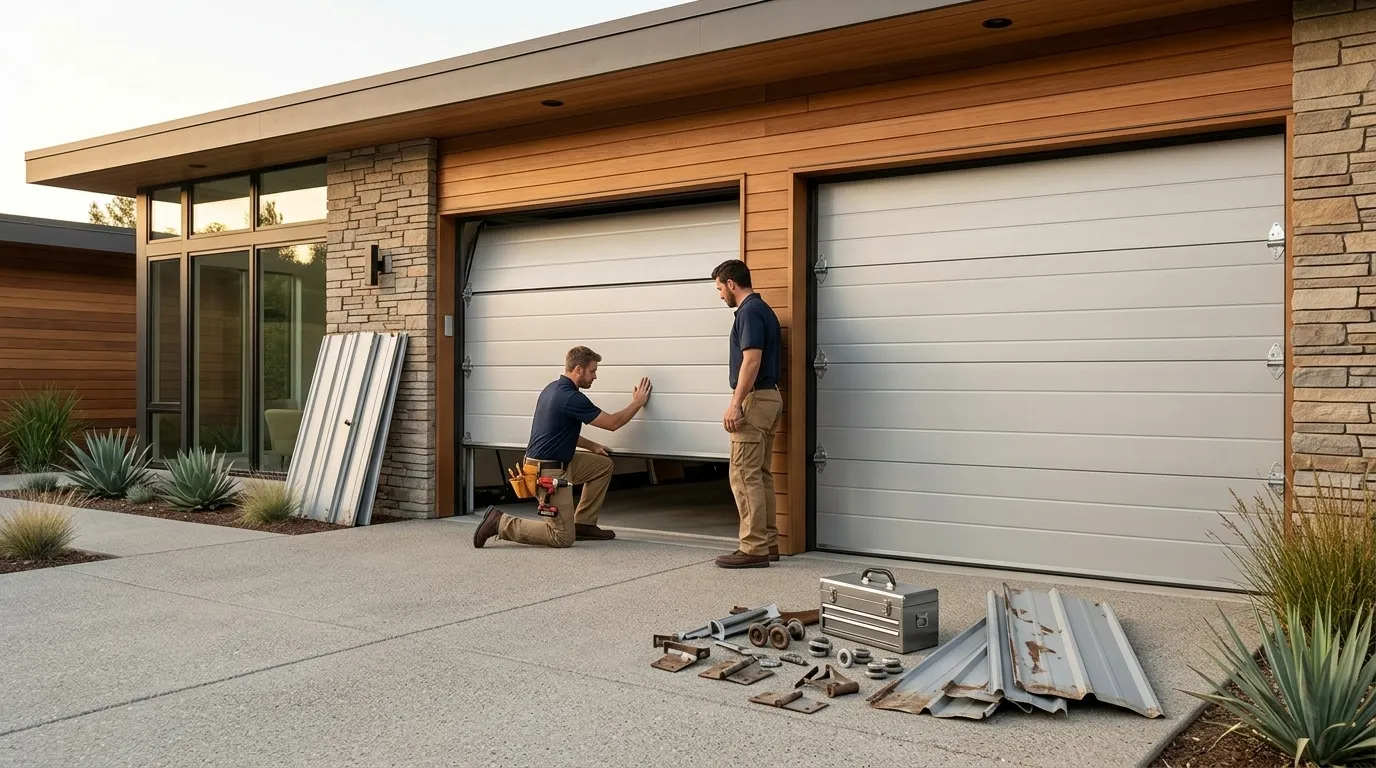
If one panel on a sectional door is dented but the hinges, rollers, and track are straight, you can sometimes get a replacement panel and swap it yourself - it's mostly unbolting the end hinges, sliding the section out, and bolting in the new one. The catch with a 1960s-era door in this area is that the exact panel profile may not exist anymore; a lot of the original steel doors from that build era used dimensions and rib patterns that current manufacturers don't carry, so 'matching panel' can turn into 'full door' fast.
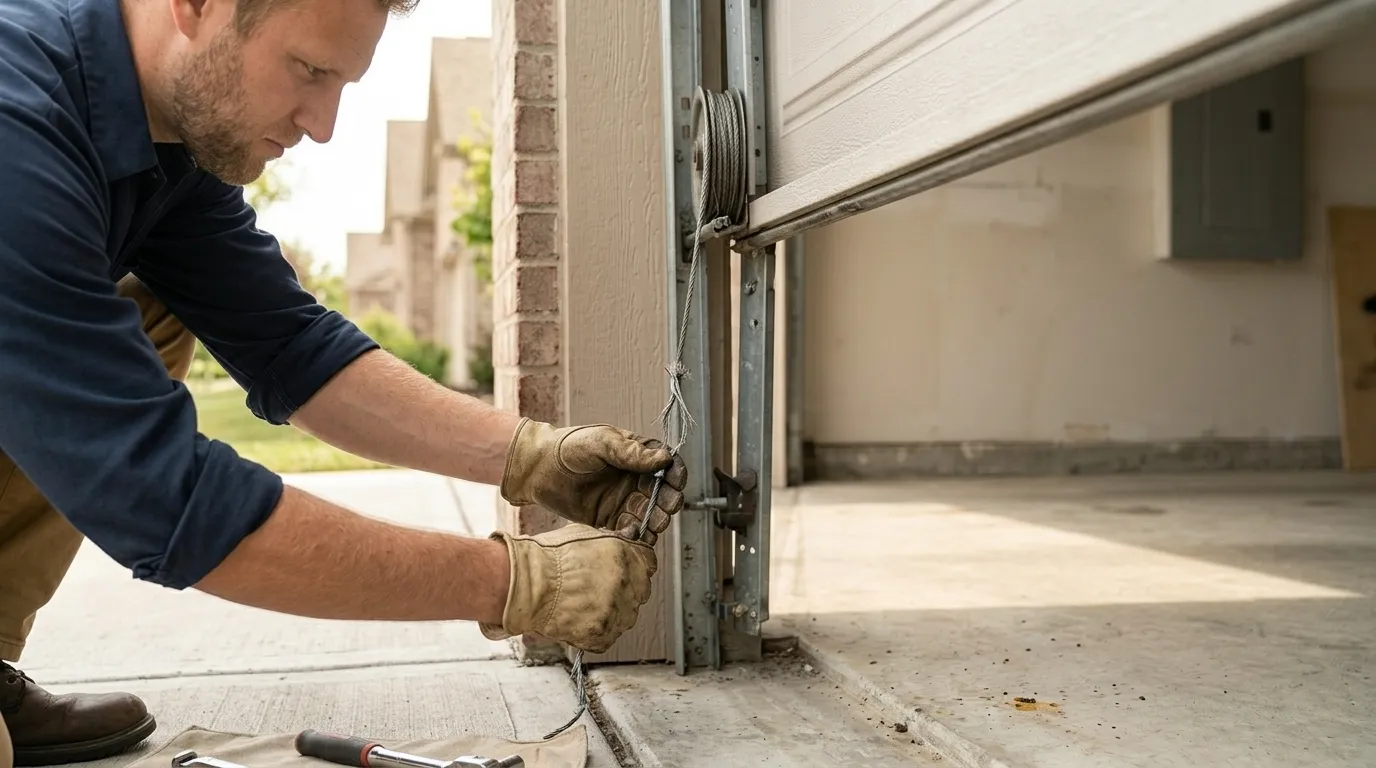
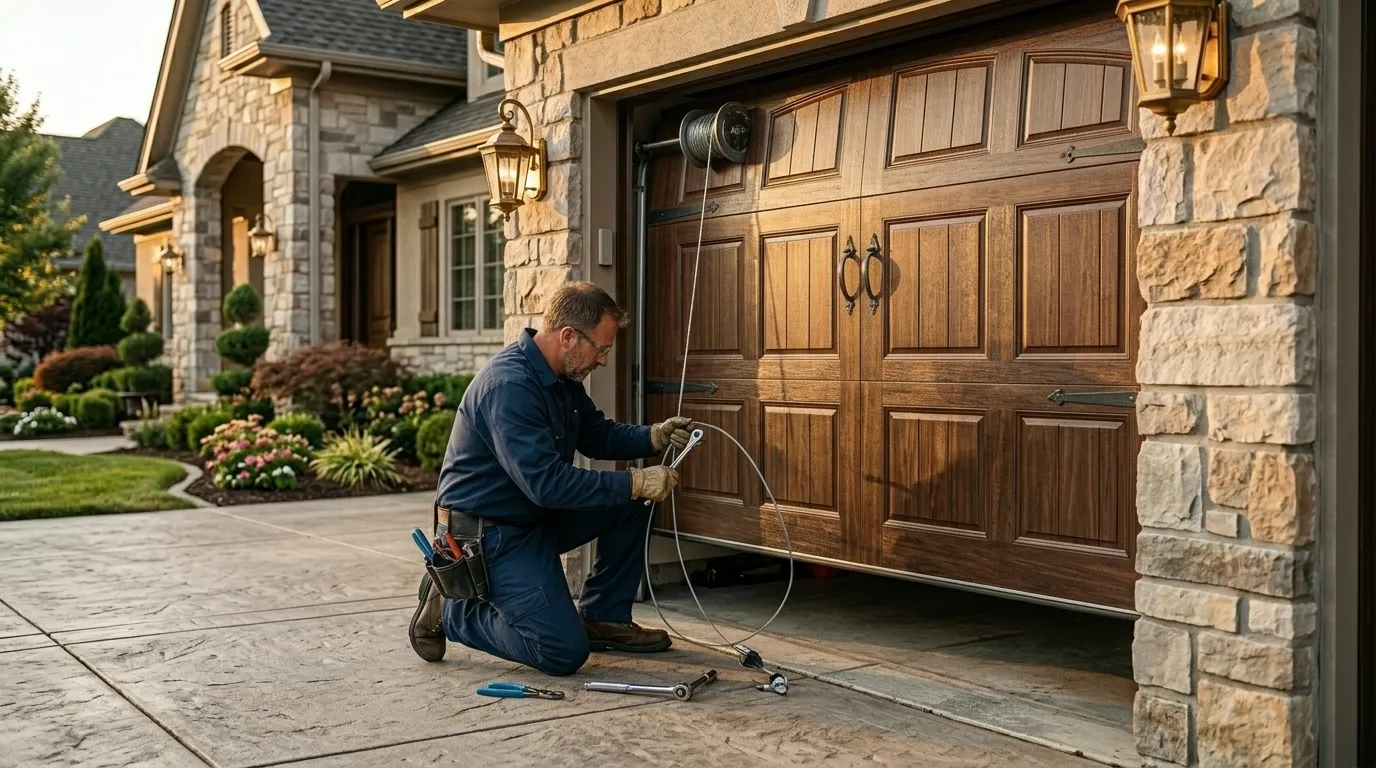
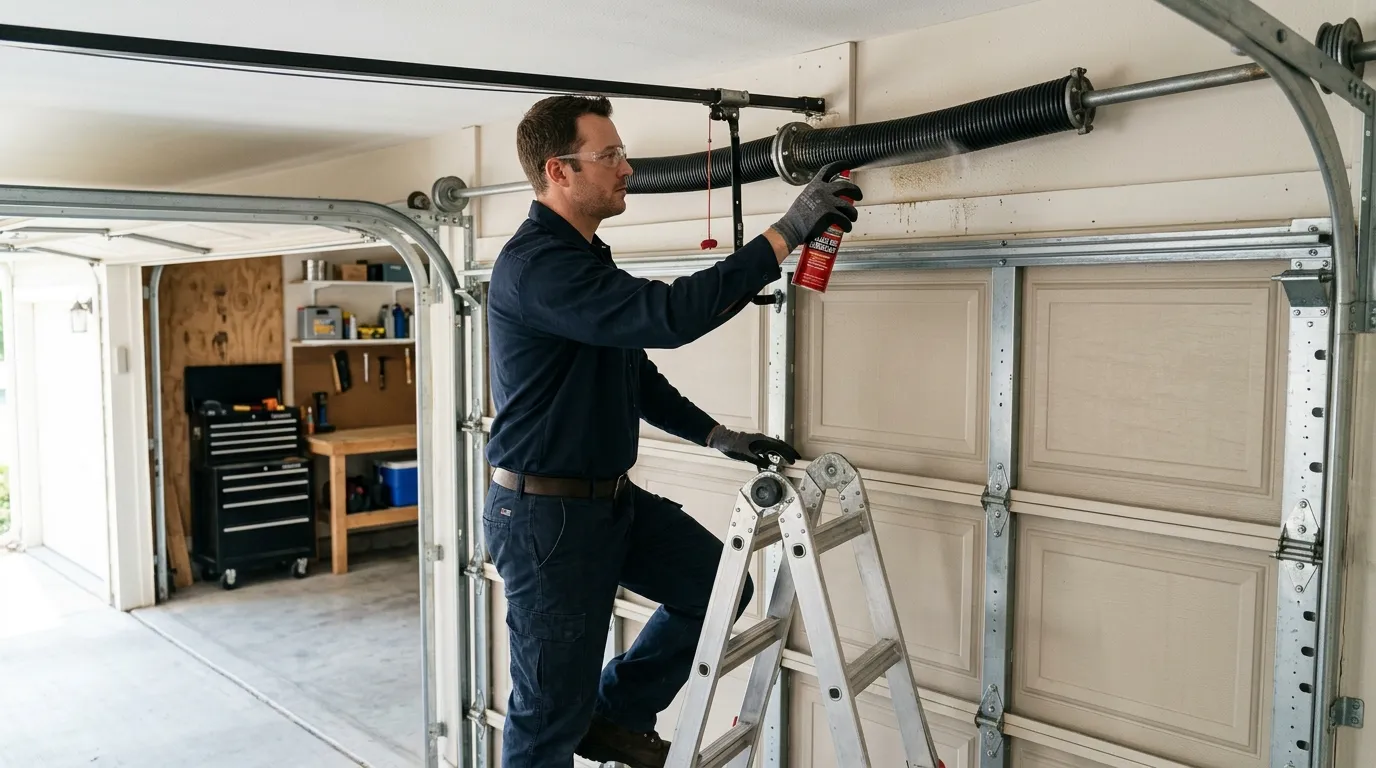
What you shouldn't do yourself: touch anything near the torsion spring while the panel is out, or try to force a panel that doesn't sit flush into the track. A door that's been pried and re-hung wrong will bind on the rollers and wear the opener out early.
Our honest limitation here: we don't stock every legacy panel profile on the truck. If your door is old enough that the manufacturer no longer makes that section, we'll tell you straight that a full door replacement is the faster and often cheaper path than hunting a discontinued part.
Where This Job Goes Sideways
The panel job goes wrong in one of two ways out here. First, the color and finish mismatch: a lot of these 1960-era doors have faded or been repainted over the decades, so a factory-new panel next to fifty-plus-year-old steel looks obviously different even if the dimensions are dead-on. We tell people this up front rather than let them find out on install day.
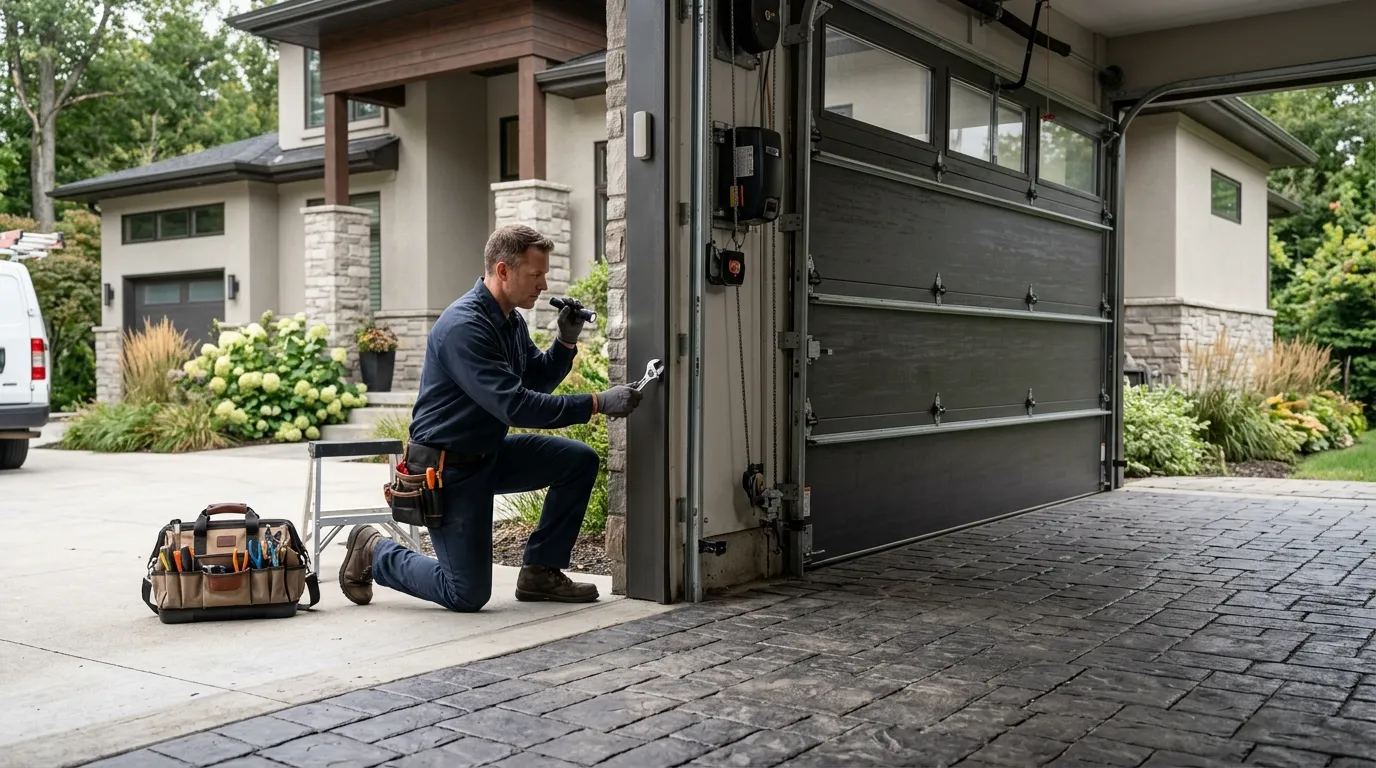
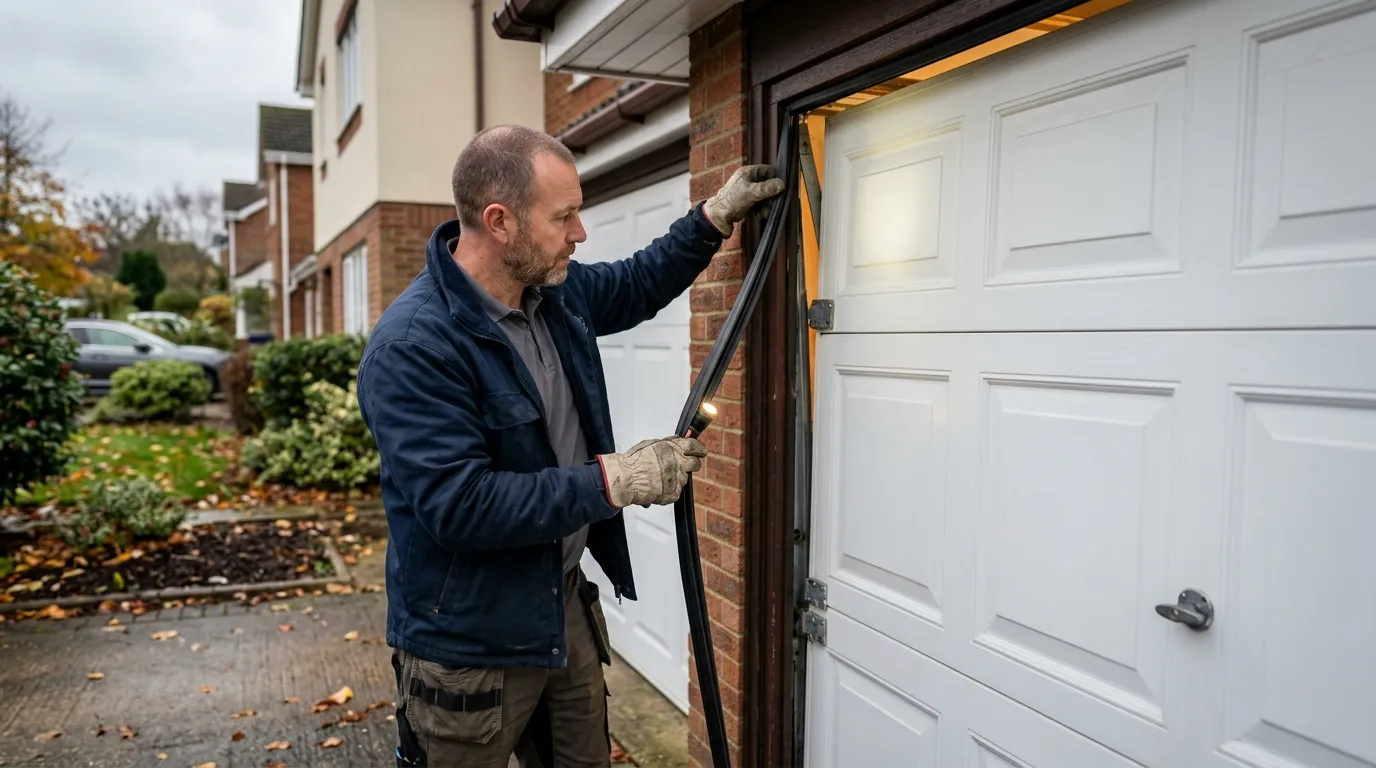
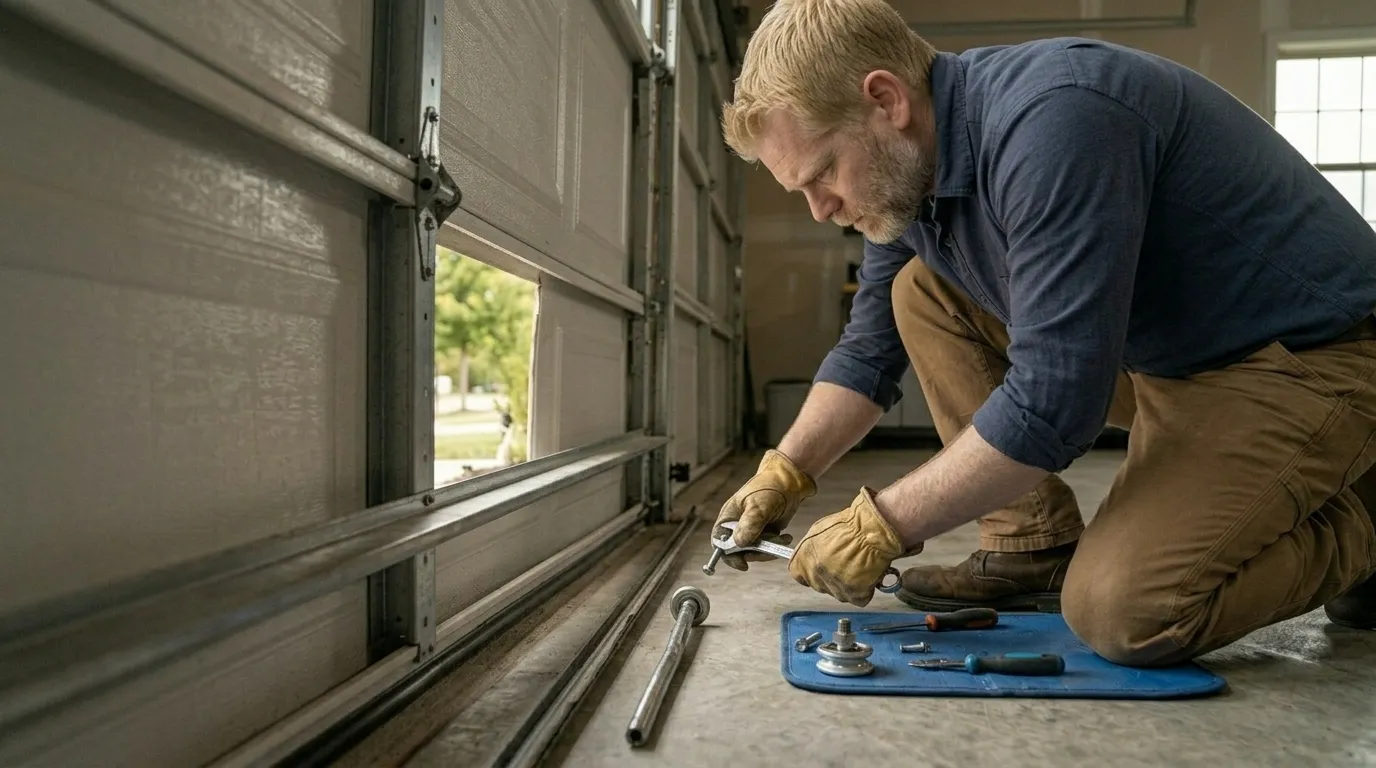
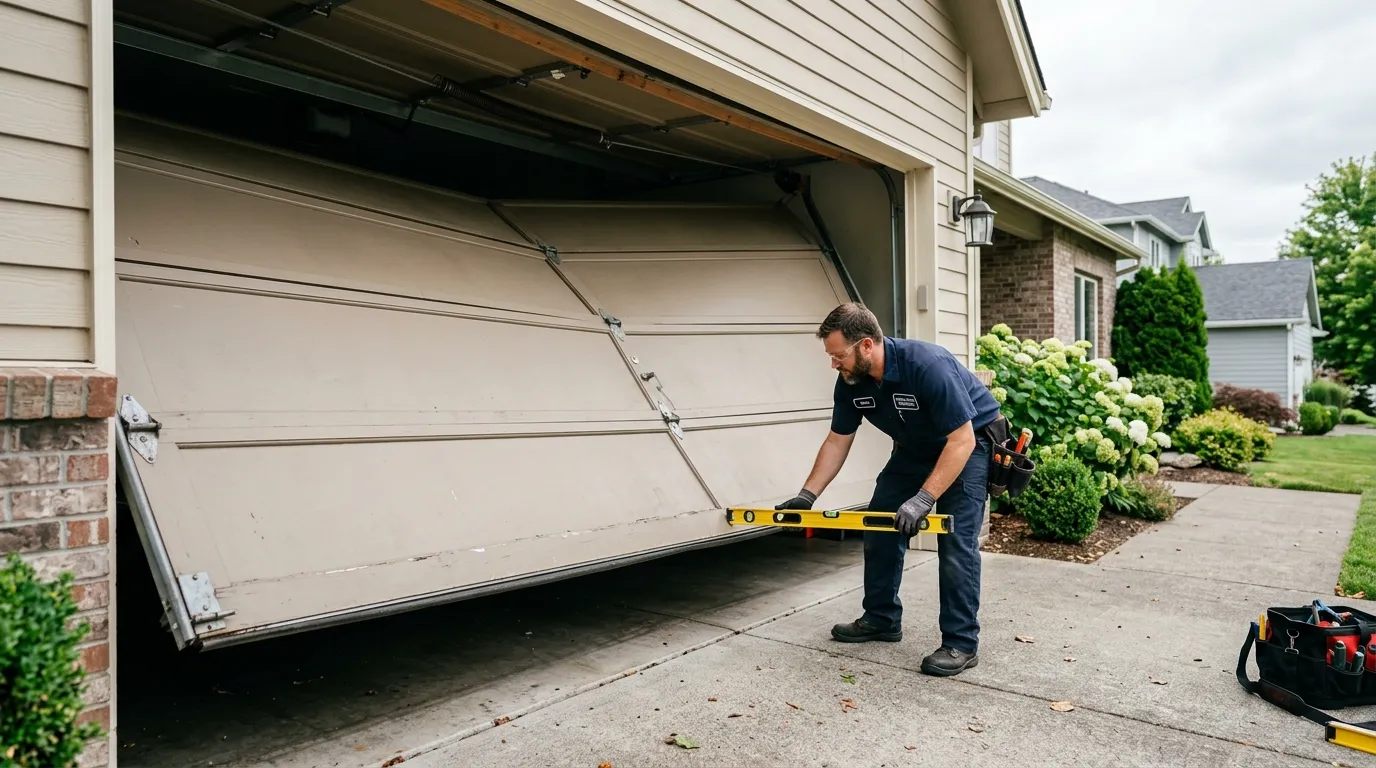
Second, and more common: what looks like one dented panel turns out to be a door where the track is also bent, usually from the same impact. Bolt a fresh panel onto a bent track and the door will bind, skip, or throw the opener into overload within a few weeks. We check the track and rollers before we quote the panel, not after, because a panel-only quote on a door with a bent track is a callback waiting to happen.
If the door's original steel is thin enough that a second panel goes within a year or two, replacing the whole door usually costs less over time than chasing panels one at a time on a fifty-year-old frame.