Getting It Booked In
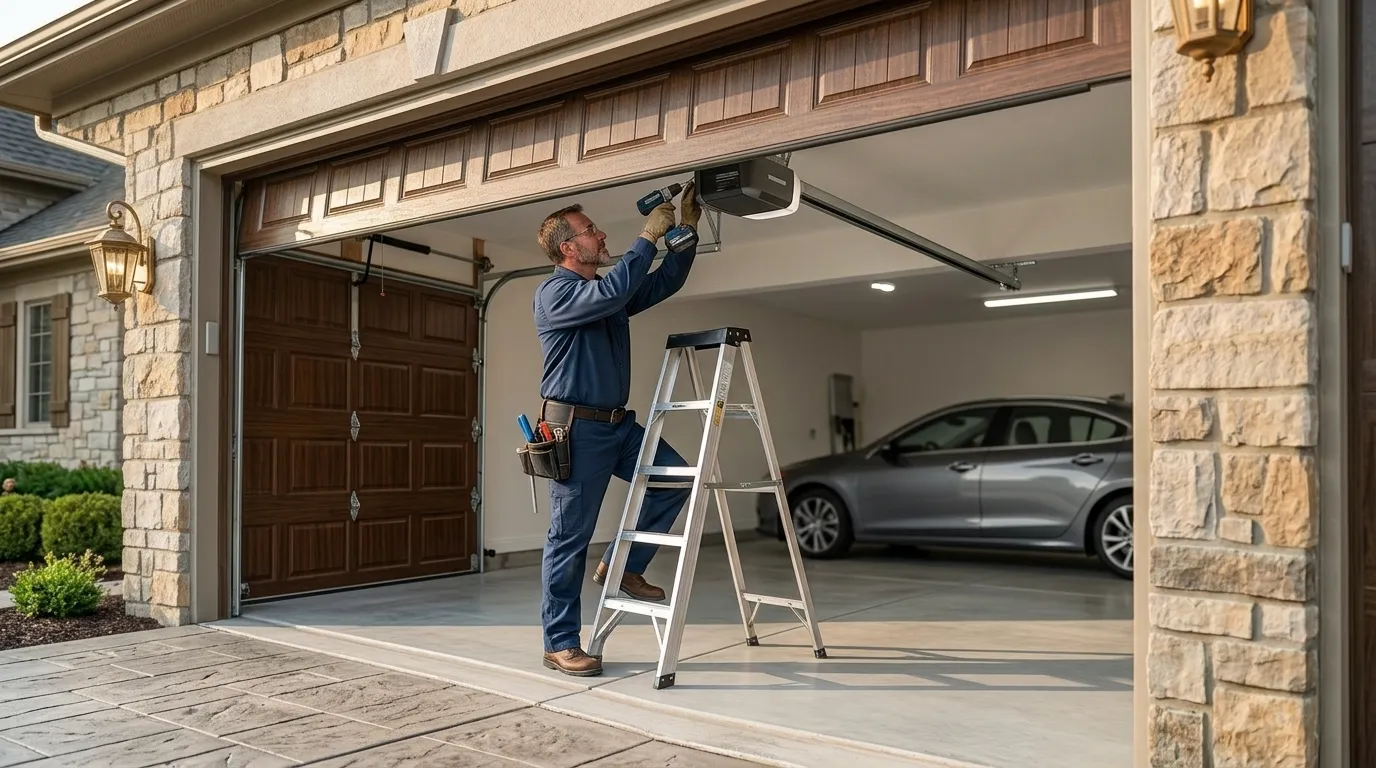
Independence sits about 5 miles from our Parma shop, and the drive out isn't what shapes this job - the houses are. Median build year here runs around 1960, a few years ahead of the 1966 median across the rest of the service area we cover. That doesn't sound like much until you're standing in front of the opener. A door installed in 1960 has usually been replaced or upgraded at least once by now, but the track alignment, the header clearance, and sometimes the spring mount were all set to specs that predate a lot of what's sold today. When you call, tell us the rough age of the house, not just the door - it changes what we bring on the truck.
We travel out from Parma for this work; we don't keep a branch or a standing crew in Independence, so maintenance visits here get scheduled rather than dropped in same-day. That's a fair trade for not paying a Independence-based markup, and it's worth knowing going in so nobody's surprised.
Doing It Yourself
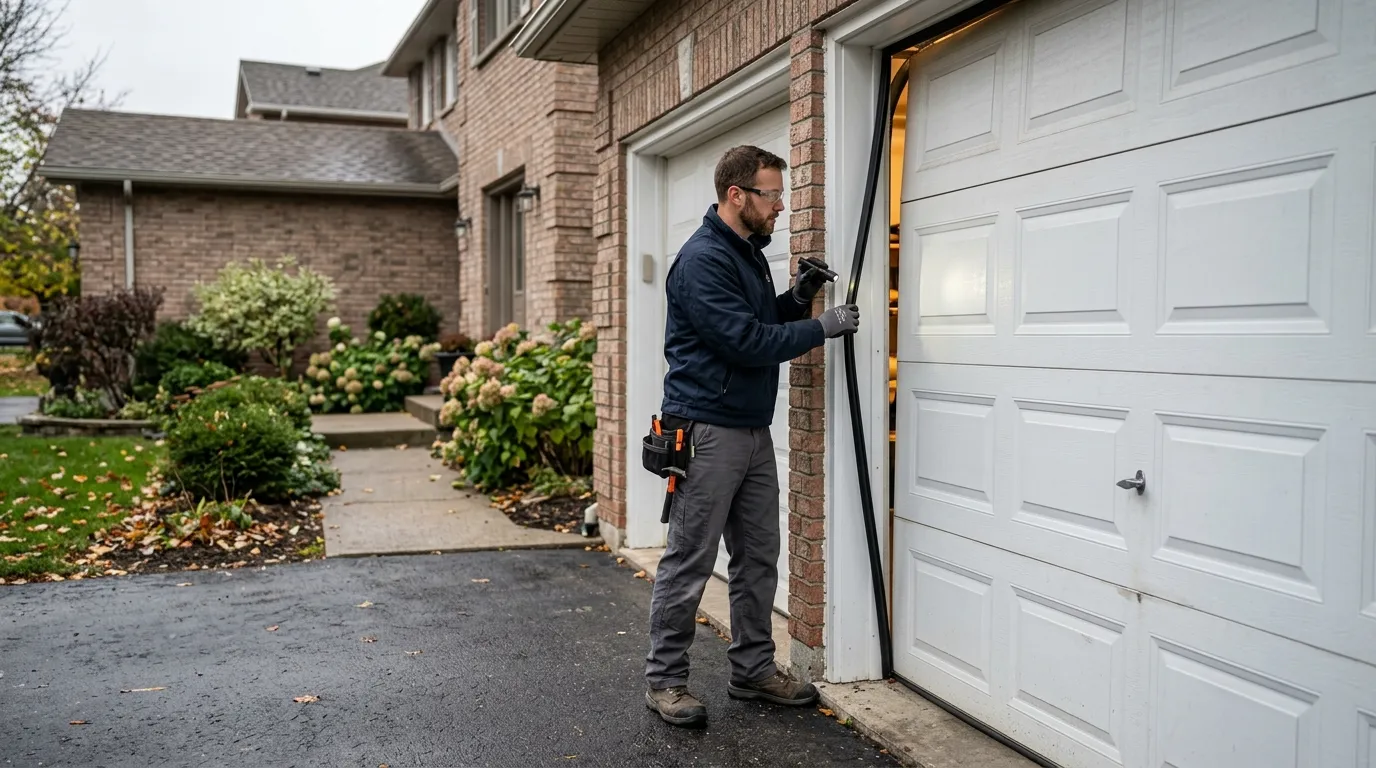
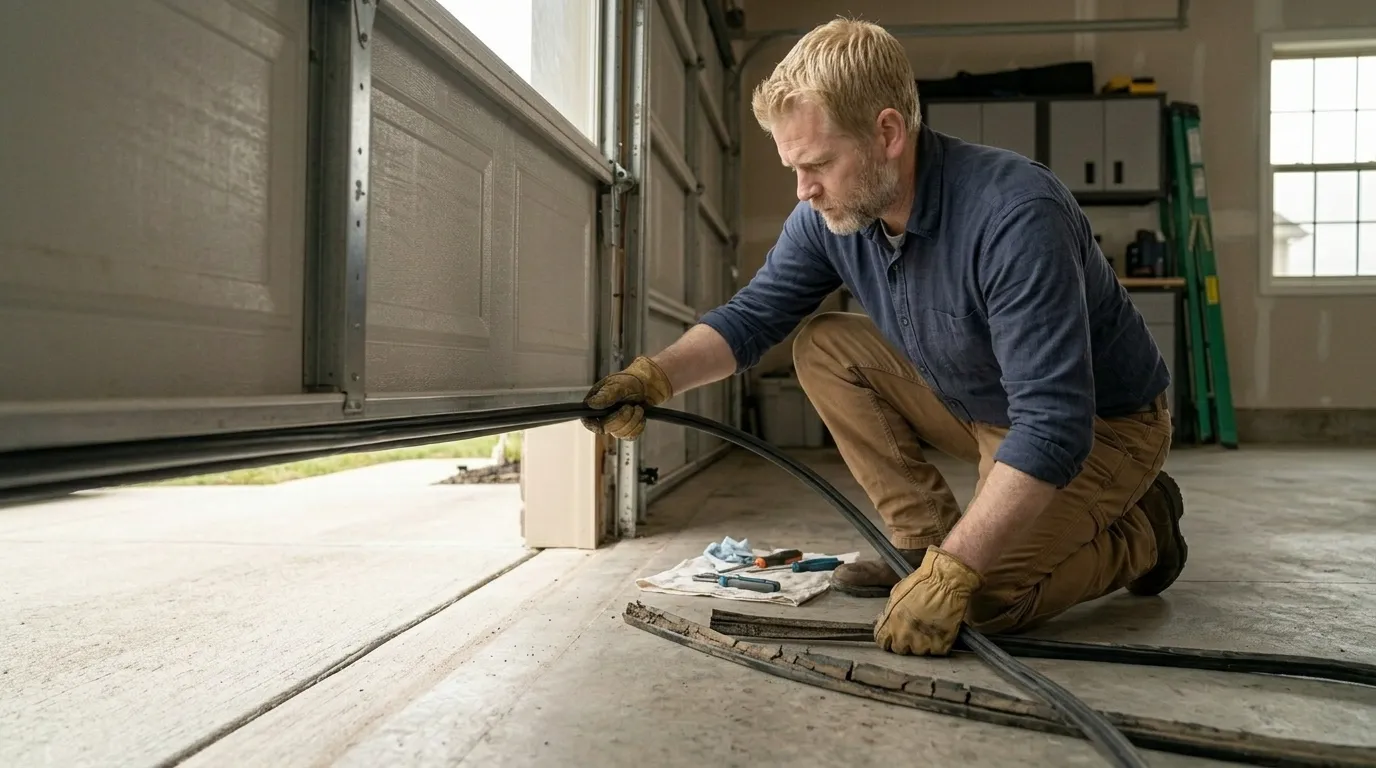
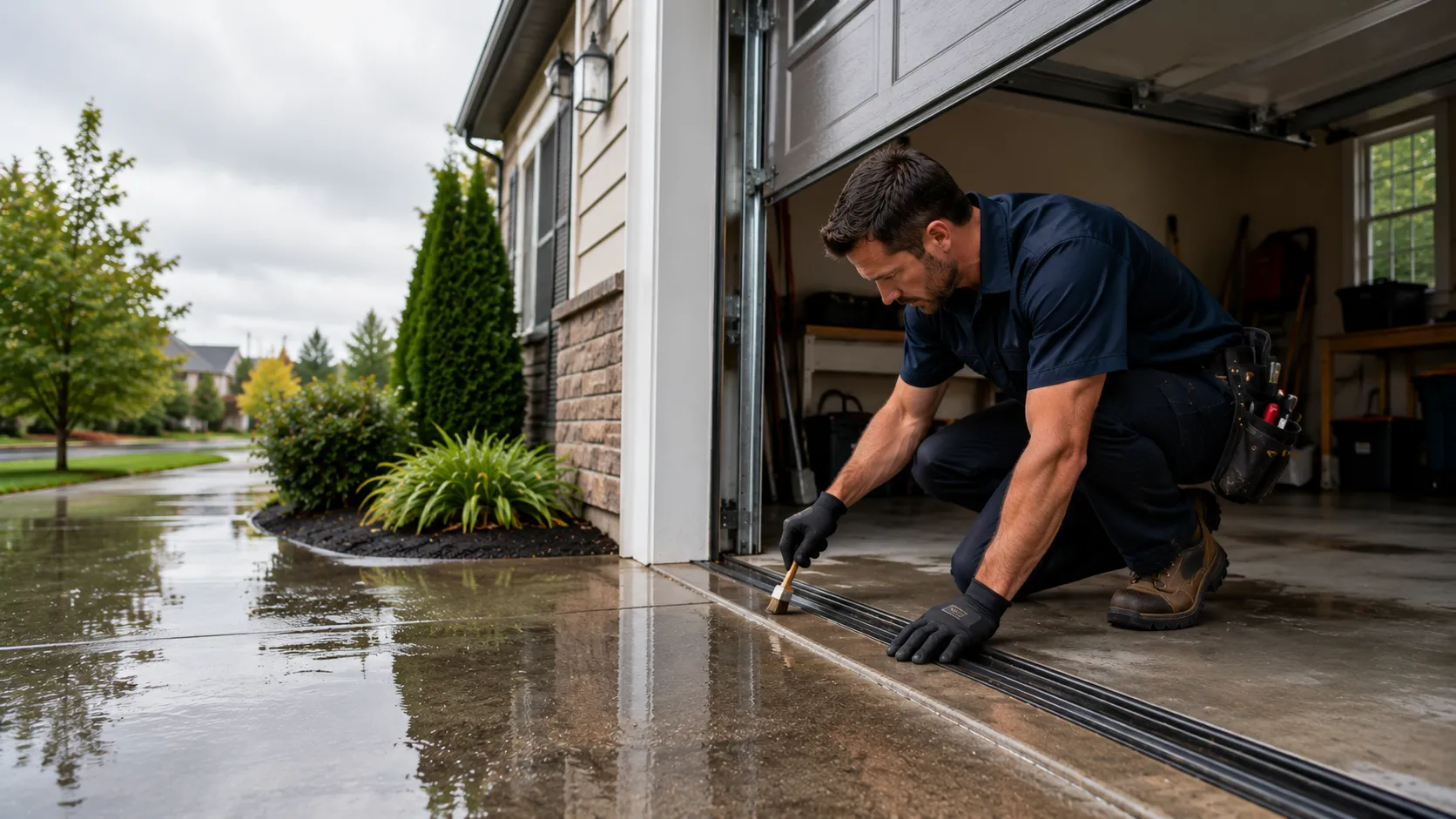
A homeowner can handle the basics without tools that cost more than the job is worth. Wipe the tracks down, don't grease them - a light coat of household oil on the rollers and hinges once or twice a year is plenty. Check the weatherstrip along the bottom panel; on a cold-climate house like these, a cracked seal lets in enough draft to matter on the heating bill. Look at the cables for fraying, and if you see any, stop - that's not a DIY fix, that's a tensioned steel cable that can take a finger off.
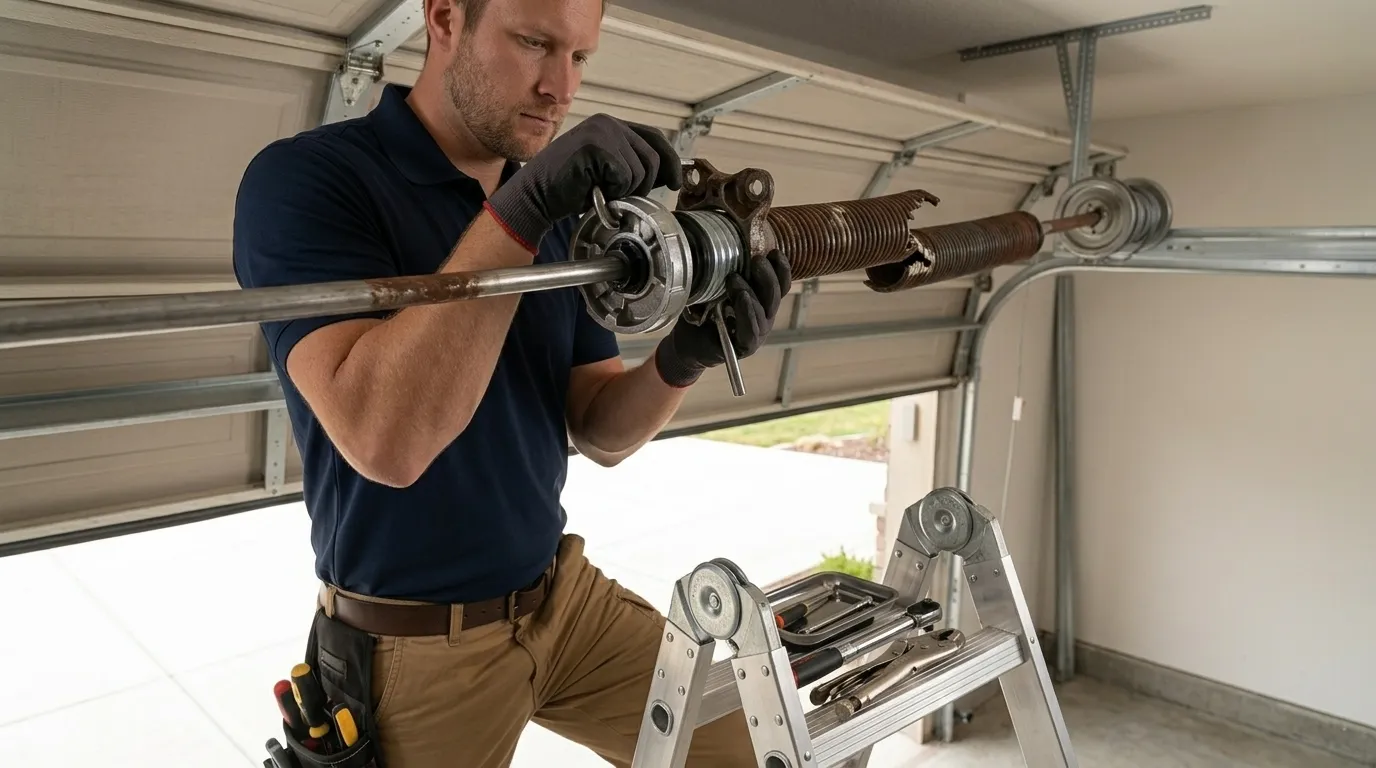
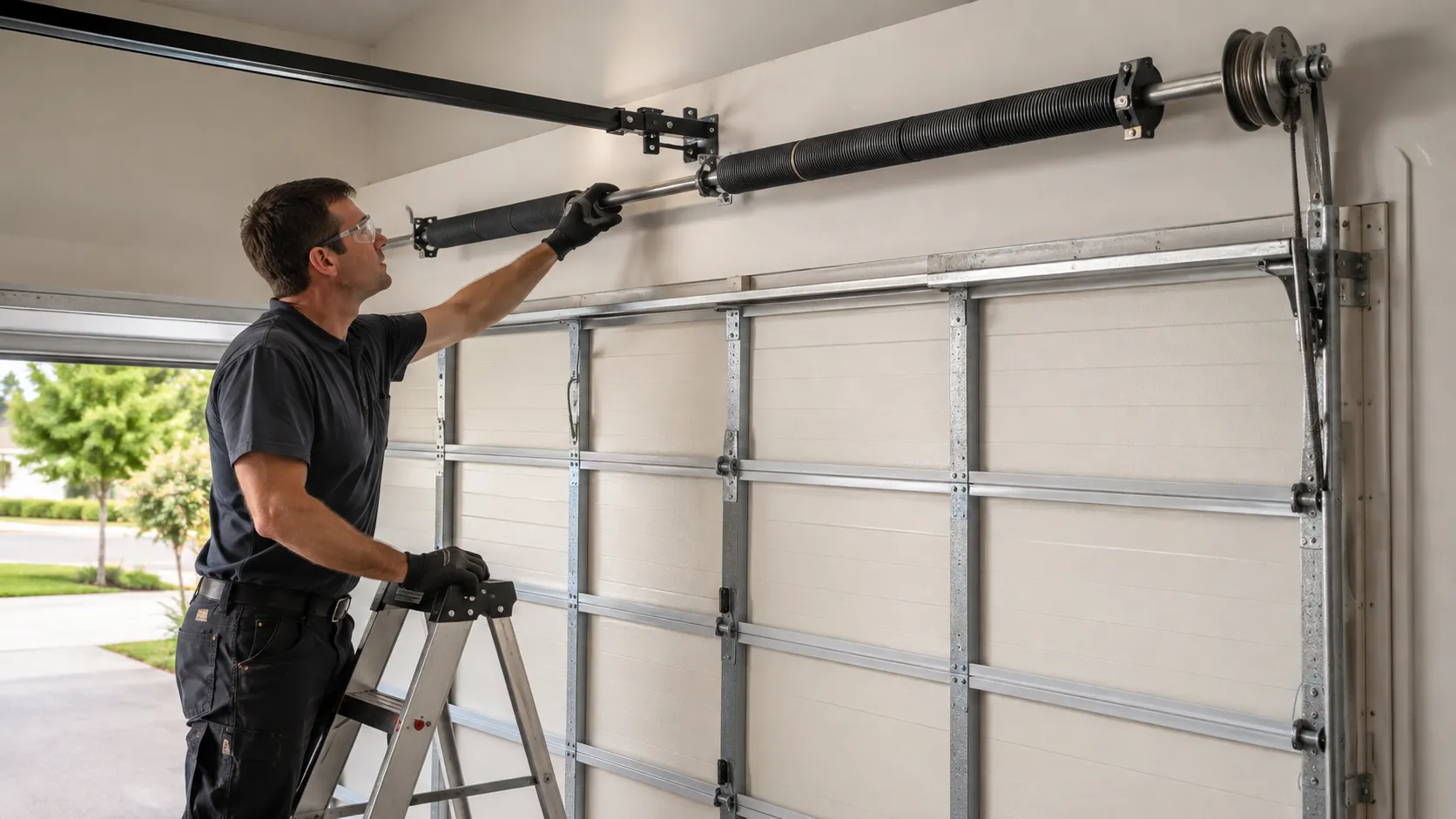
What you shouldn't touch: the torsion spring. On a 1960-era door with side-mounted torsion hardware, the spring is often original replacement stock, wound to a tension nobody wrote down anywhere. We've seen owners try to adjust it with a socket wrench and end up in the ER. Leave that one to us. If the door is sluggish or uneven and it isn't the tracks or the weatherstrip, that's the spring talking - book it instead of forcing it.
Where This Job Goes Sideways
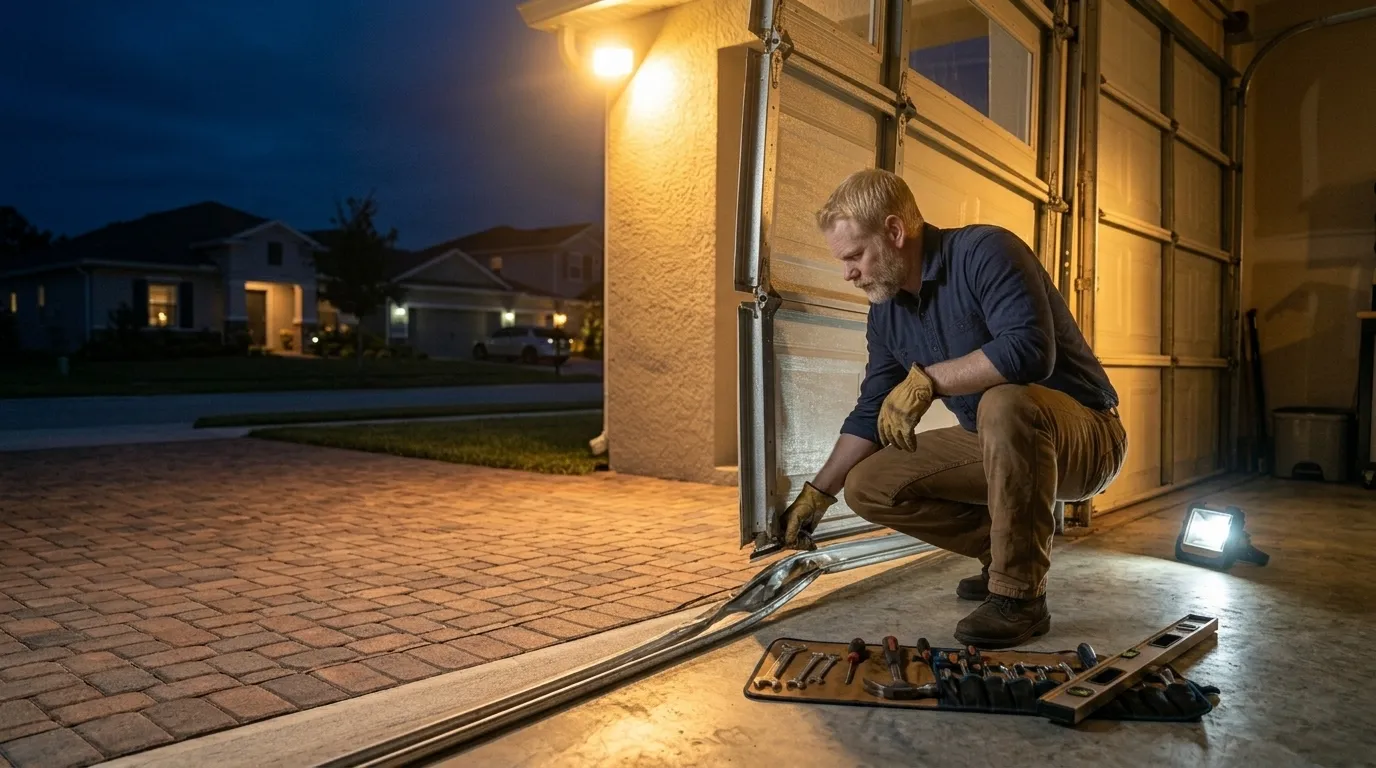
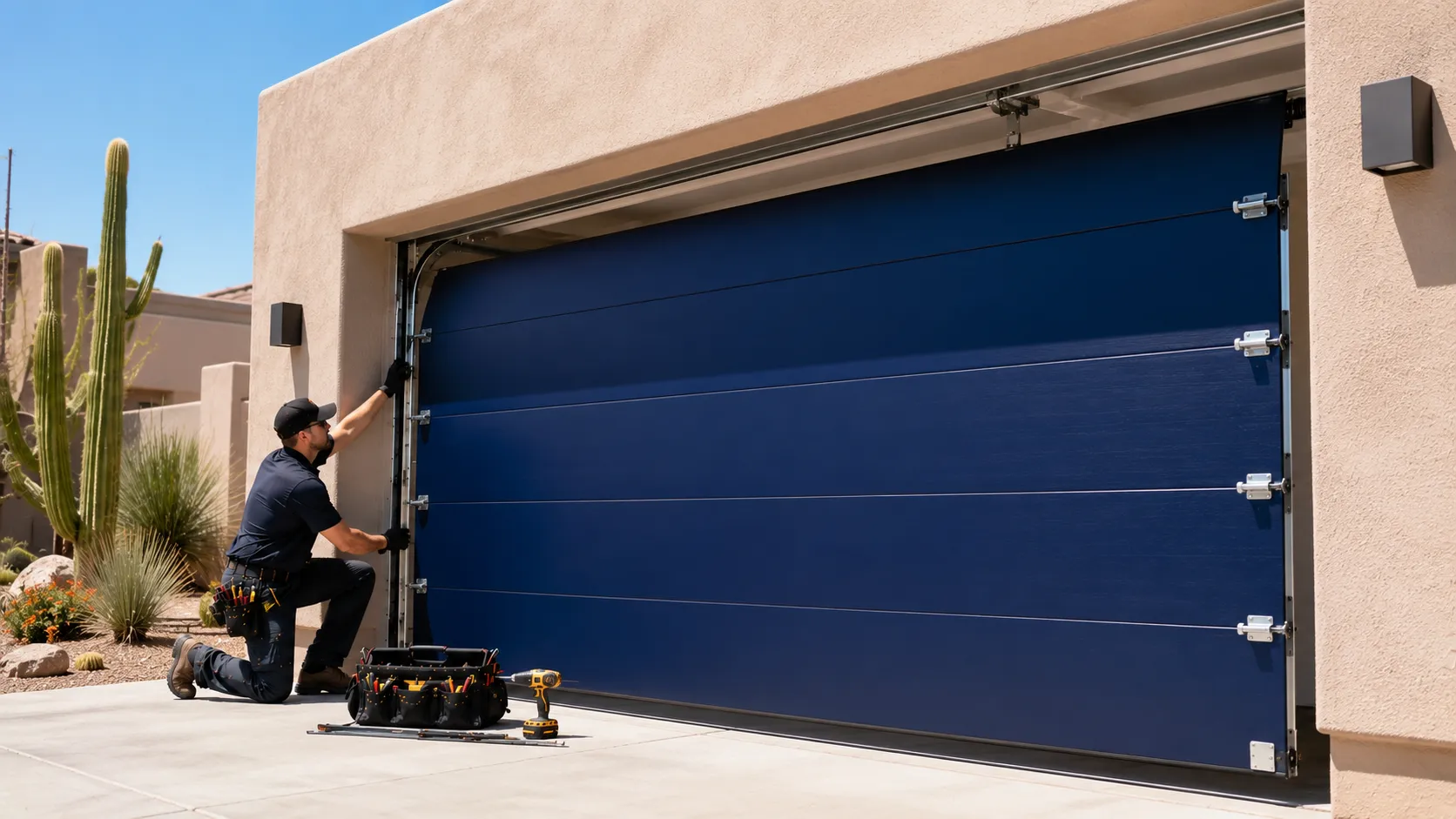
The failure we see most in this pocket of the service area is a maintenance call that turns into a bigger job because the cable or spring was already past due when we got there. On a house built around 1960, if the door has never been serviced, we're not tightening bolts - we're often replacing hardware that's been quietly failing for years. That's not us upselling; it's the math of a 60-year-old spring cycle count.
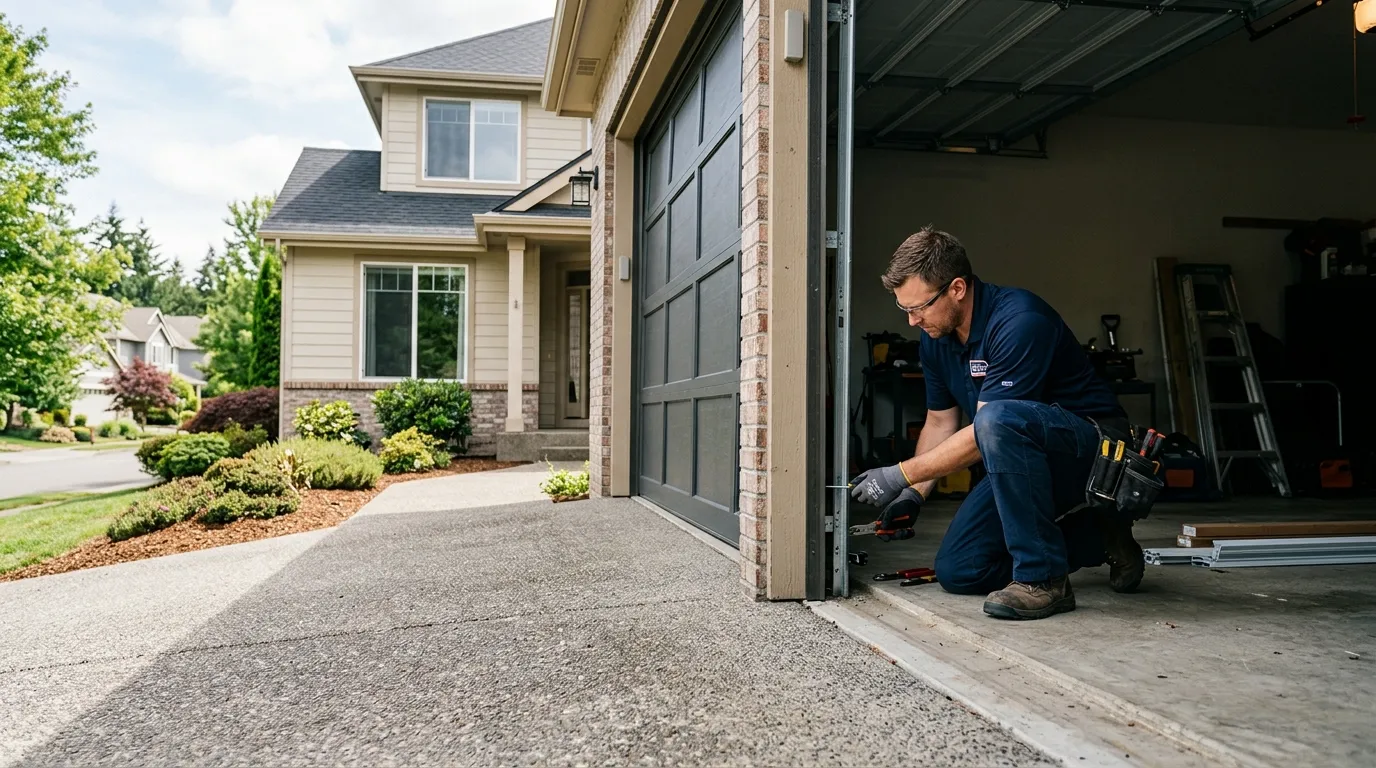
Honest limit: we don't stock every original 1960s-spec part on the truck, and some hardware from that era isn't made anymore. If your track or drum is a discontinued size, we'll tell you straight - sometimes the right call is a modern replacement assembly rather than chasing a part that doesn't exist retail anymore. We'd rather say that up front than have you wait on a part we can't get.