Getting It Booked In
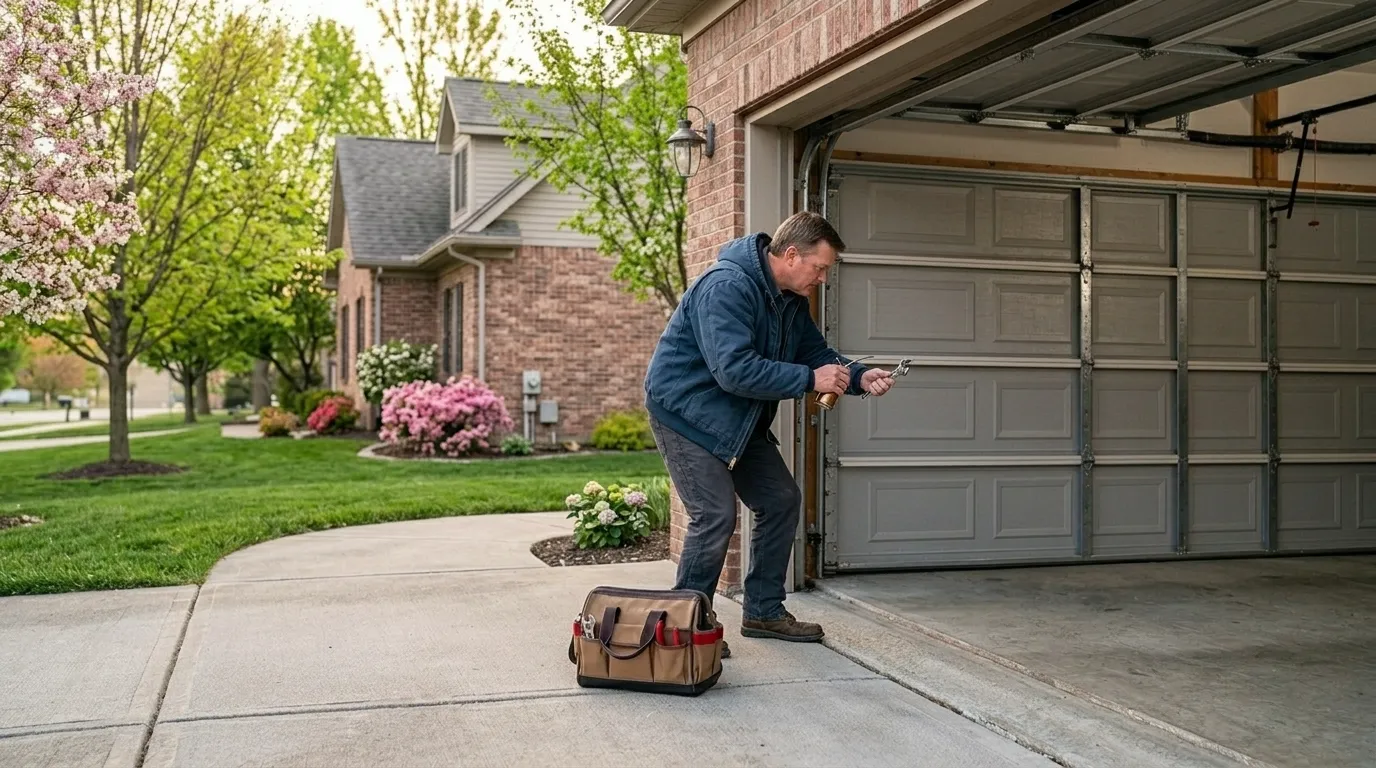
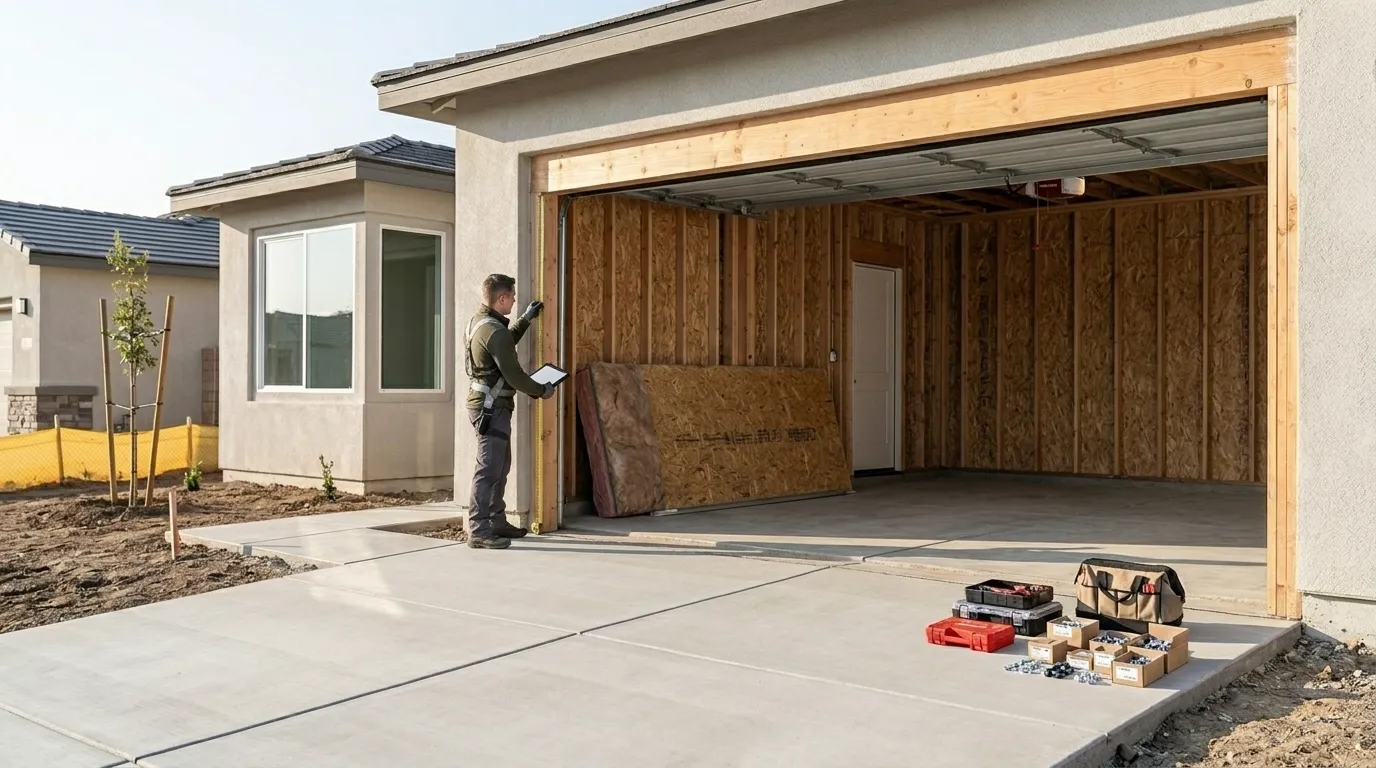
Independence is a small suburb - about 3,128 households, five miles out from our Parma shop. That size matters more than it sounds like it should. A town this compact doesn't generate the call volume of a bigger suburb, so when we book a job here, it's usually one door, one specific fault, not a block of identical townhouse complaints stacking up the same week. We travel out from Parma for every visit; there's no branch office in Independence, so we ask a few questions up front - spring type, opener brand if you know it, whether the door is stuck open or stuck shut - so the truck rolls out with the right parts instead of a guess. Median household income here runs $114,049, well above the wider service area's $95,313, and that shows up in what people ask for: more requests for insulated steel replacements and quieter belt-drive openers, fewer patch jobs meant to squeeze one more winter out of a door that's already given up. We still fix what's fixable first. A same-day fix on a torsion spring is almost always cheaper than a new door, and we'll say so even when a new door pays us more.
Doing It Yourself
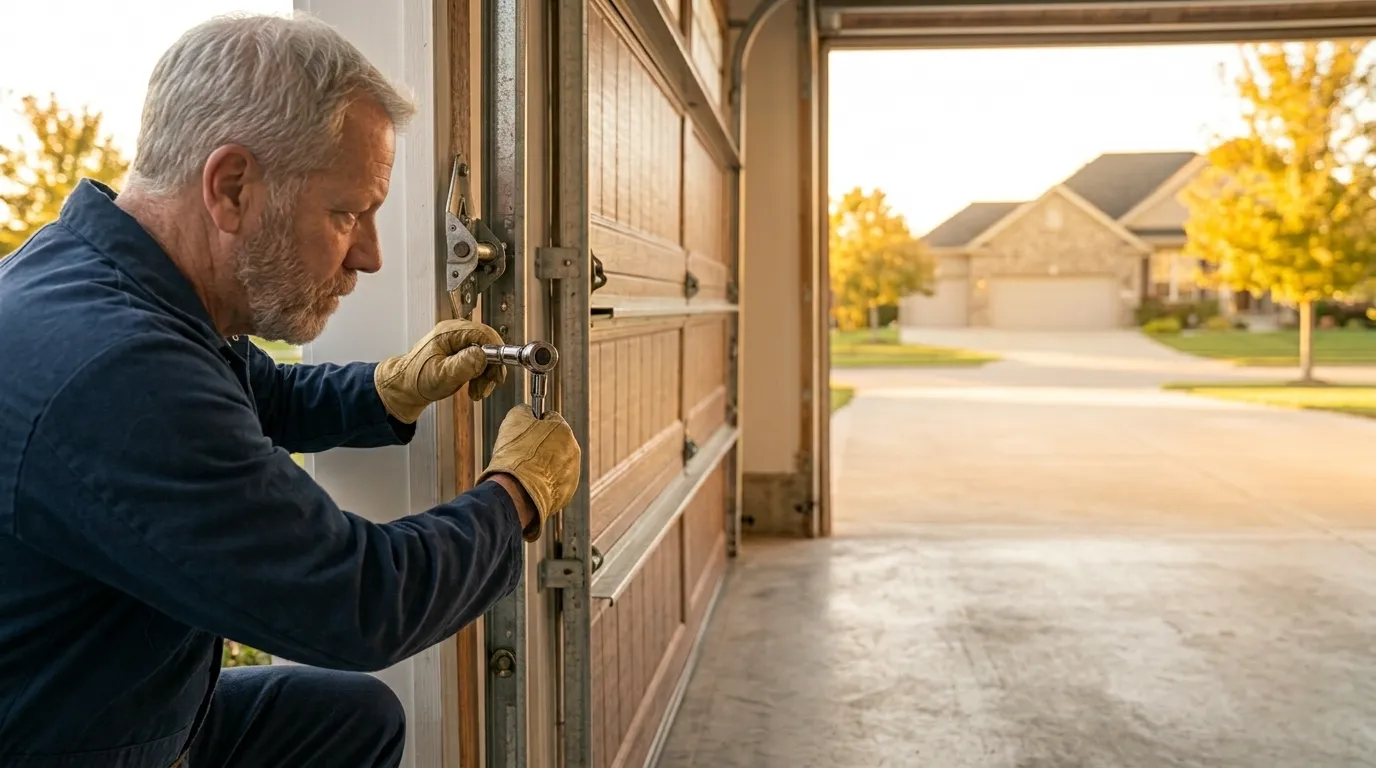
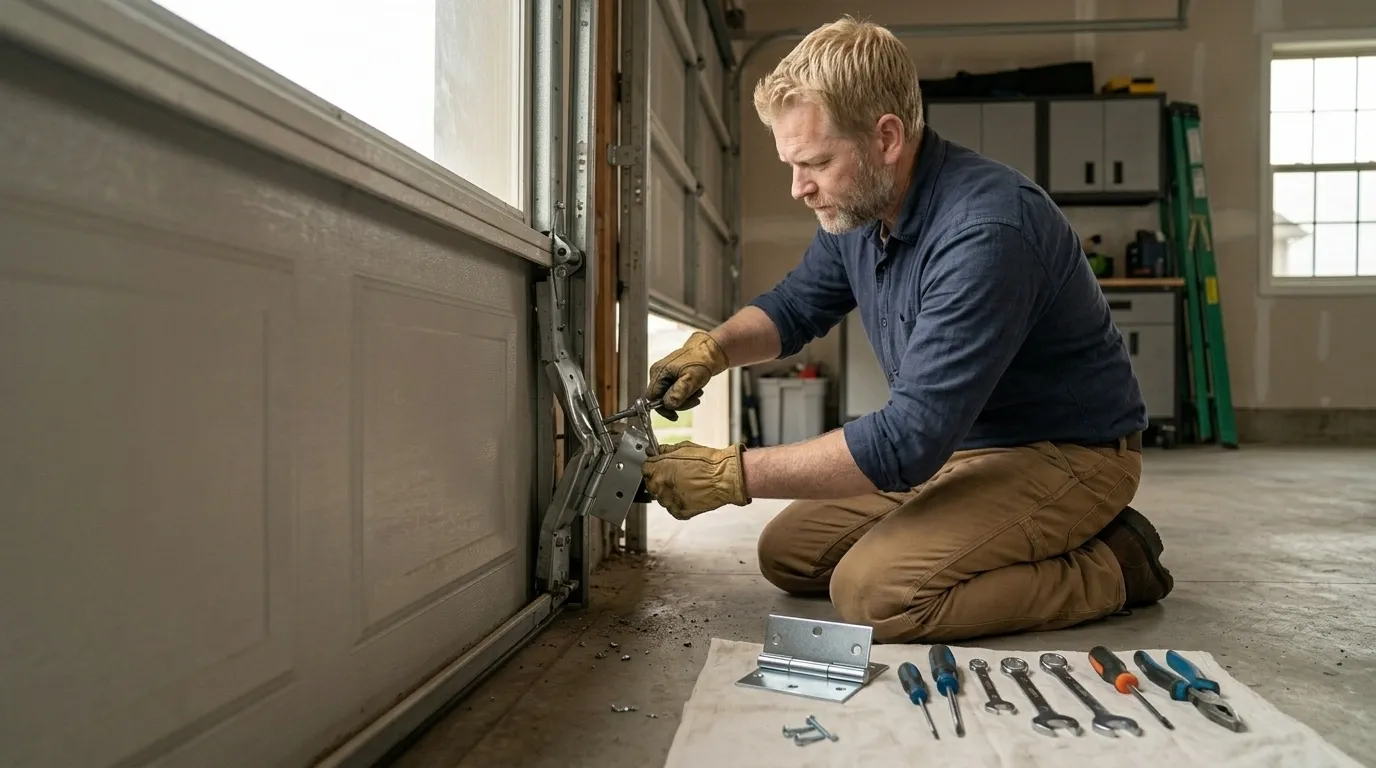
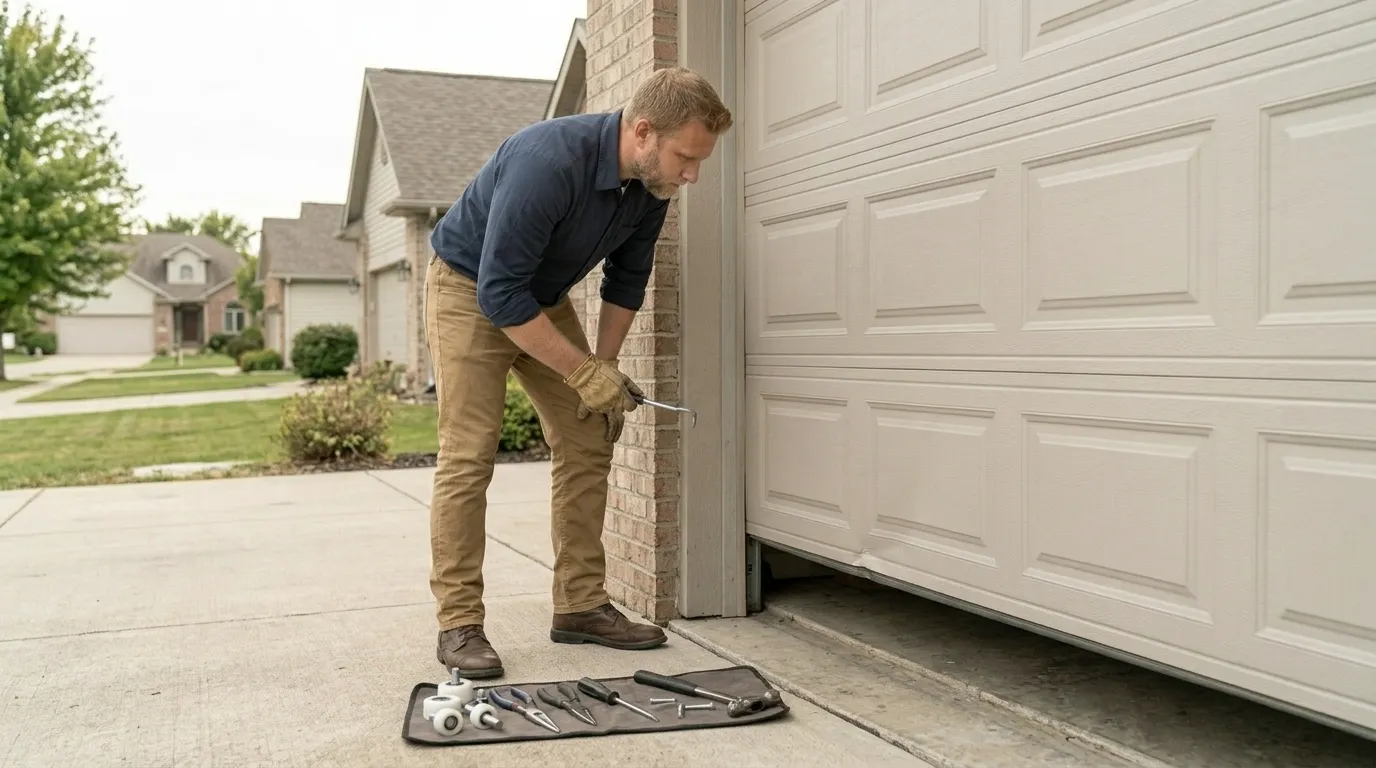
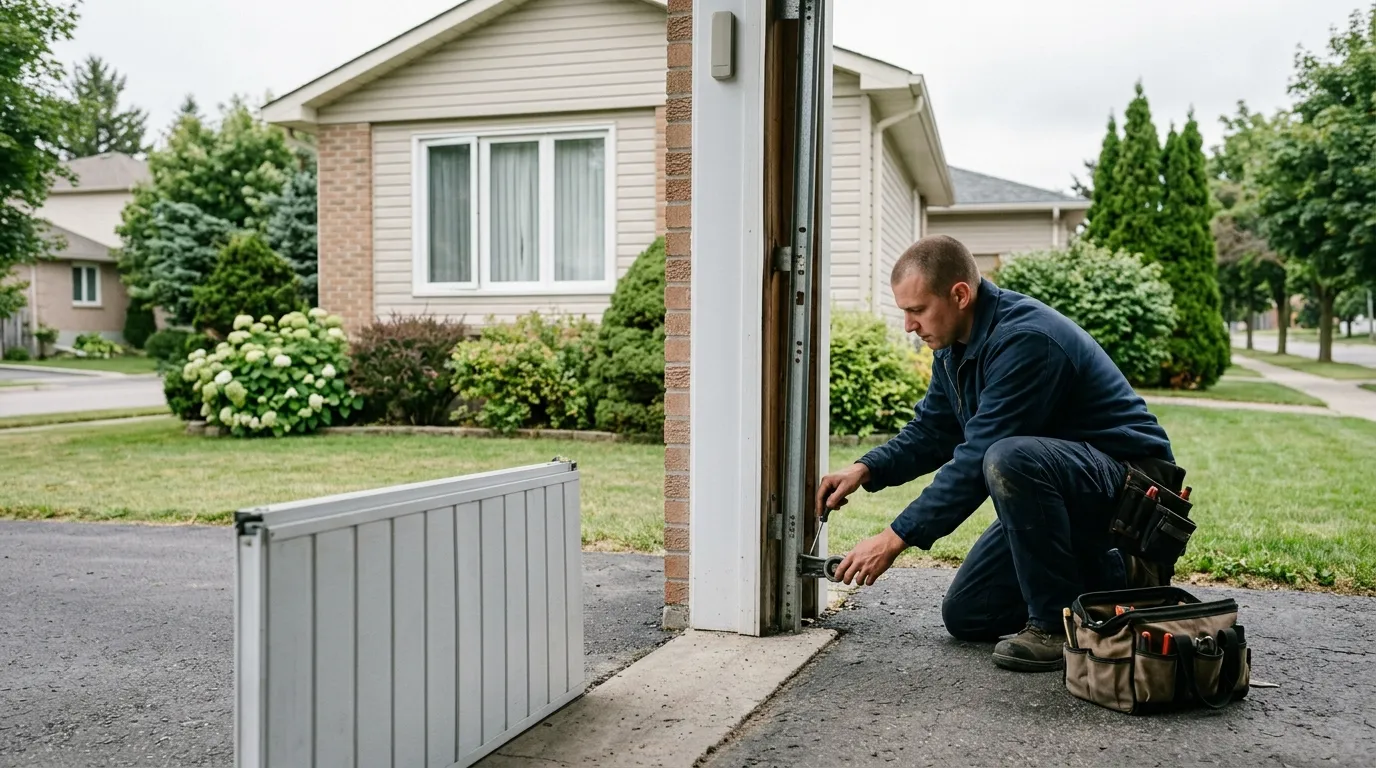
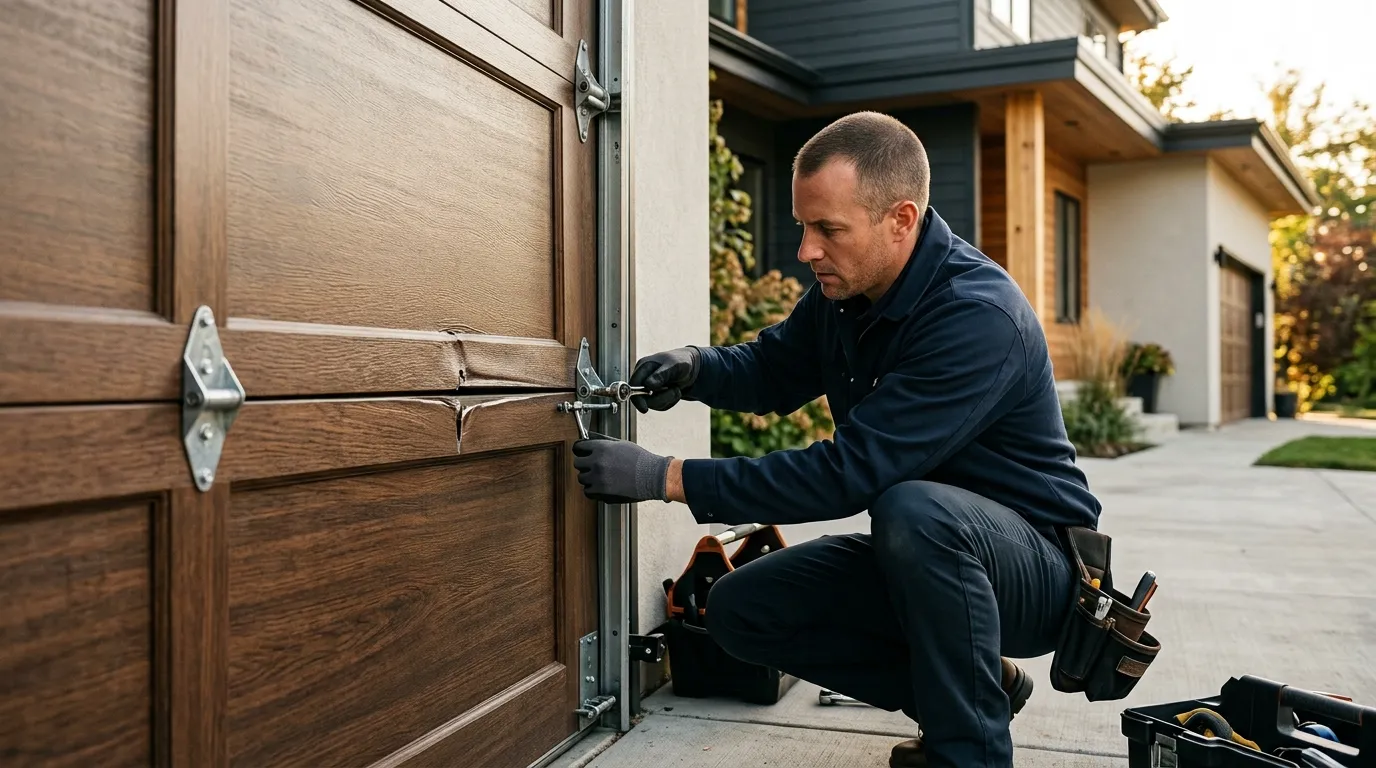
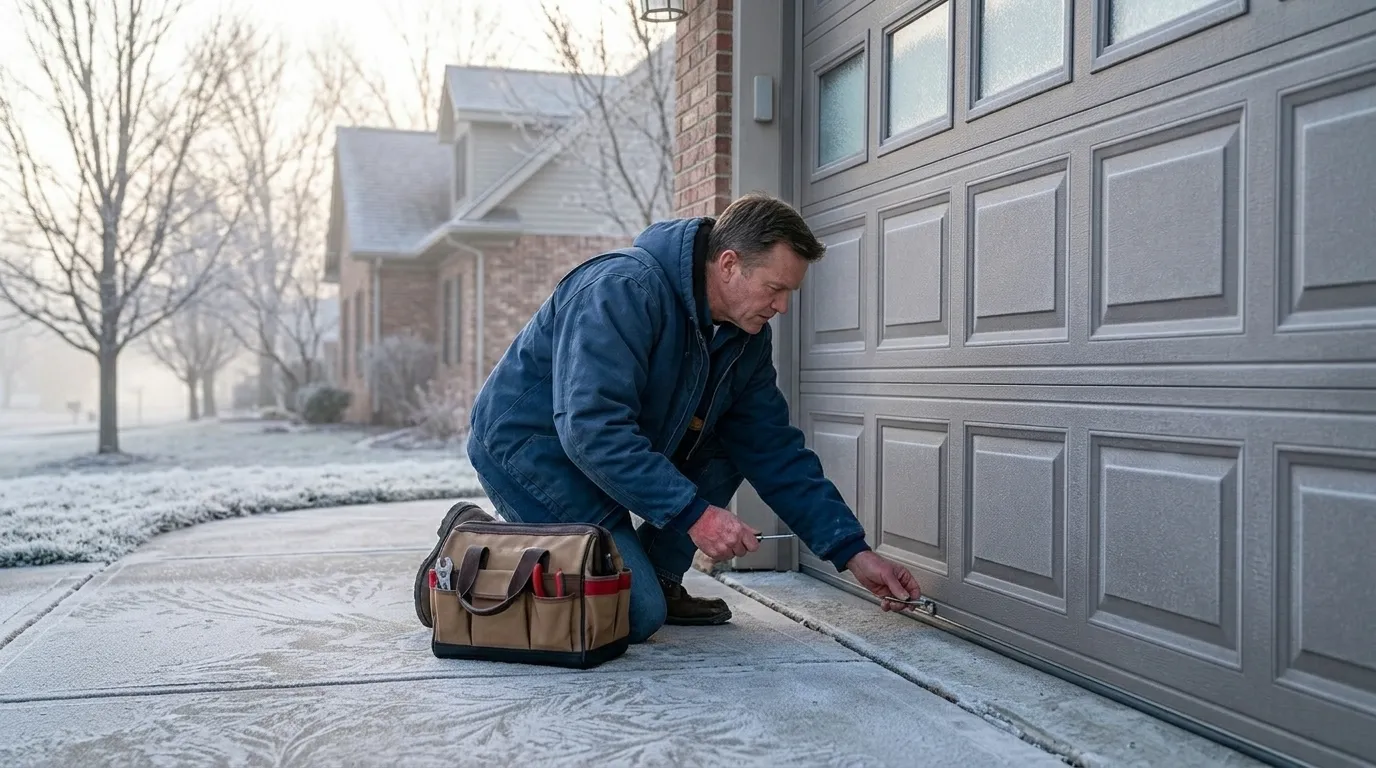
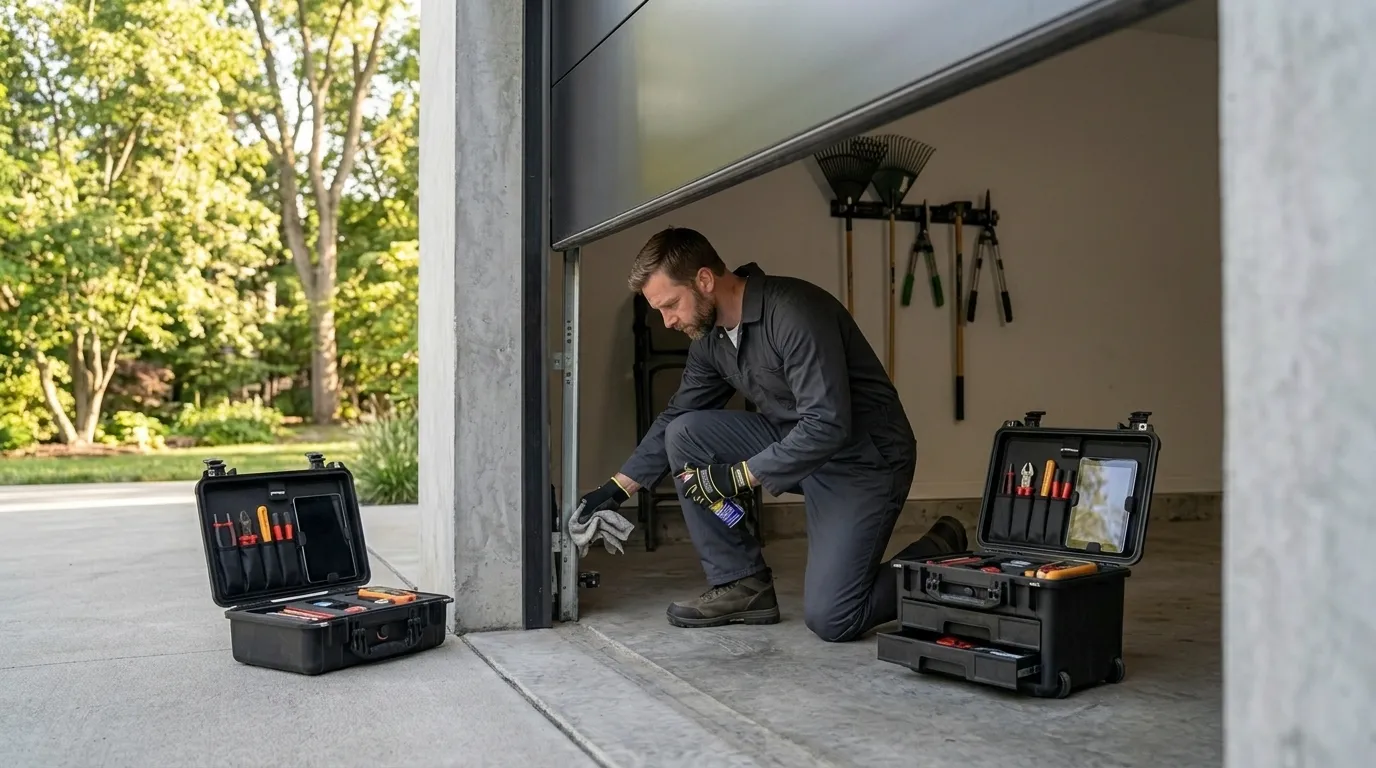
Some of this you can do without calling anyone. Tightening loose hinge bolts, cleaning and lubricating rollers, checking that the photo-eye sensors near the floor are aligned and free of cobwebs - all fair game with the door closed and the opener unplugged. What you should not touch is the torsion spring itself. On a house built around 1960, which describes a lot of Independence, that spring and its winding cone have had sixty-some years to fatigue, and a spring under that kind of load can break a wrist or worse if it lets go while you're working on it. Same goes for the extension springs on older two-door setups - replacing either without the right winding bars and clamps is not a weekend-project situation, whatever the video makes it look like. If a panel is dented but the door still tracks straight and closes tight, that's usually a live-with-it repair, not a replacement. If the door is binding, dropping unevenly, or the opener strains and reverses, stop running it and call - forcing a motor through a mechanical problem is how a $200 spring job turns into a $600 opener job.
Where This Job Goes Sideways
The failure mode we see most in a town this size is a homeowner treating a symptom instead of the cause. A door that's suddenly hard to lift by hand usually means the spring has lost tension - replacing the opener instead of the spring fixes nothing and burns money twice. Another one: a door that reverses on its own right before closing. People assume the opener's broken, but nine times out of ten it's a misaligned photo-eye or a track that's shifted slightly out of parallel, both cheap fixes if caught early. With only 3,128 households here, we're not doing dozens of these a week, so when we do get called, we'd rather diagnose it right the first time than come back twice. One honest limit: if a spring or a specific opener part is backordered - which happens more with older, discontinued models common on 1960s-era houses - we'll tell you the wait instead of installing something that's the wrong fit just to close the job fast.