Getting It Booked In
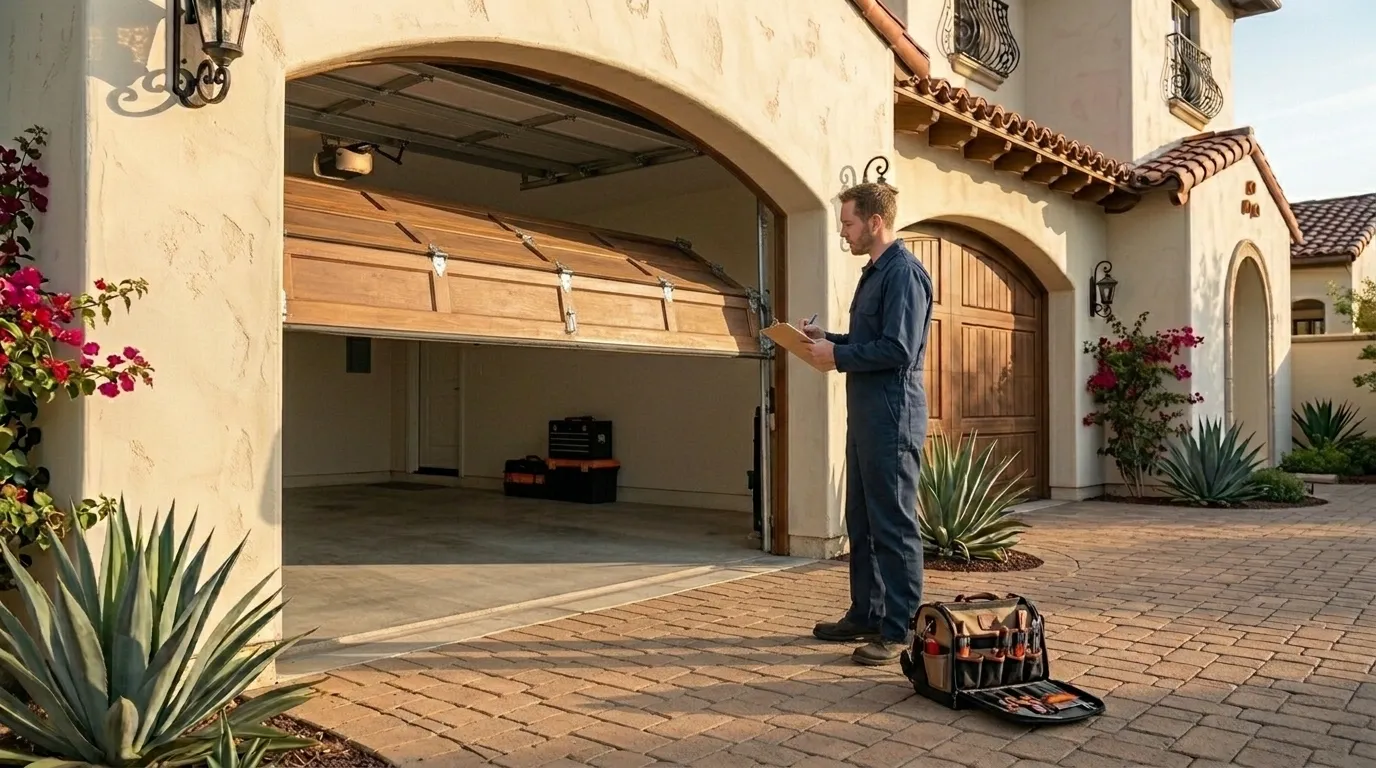
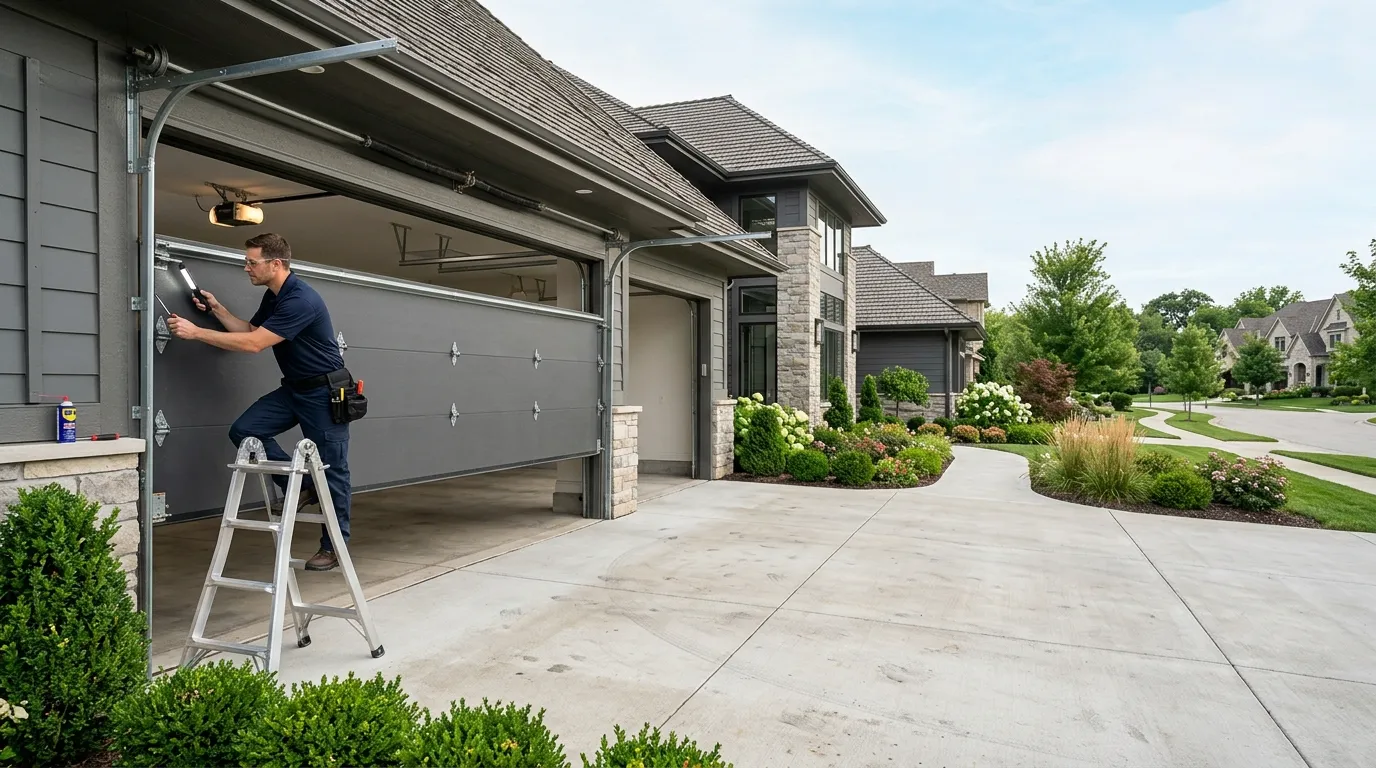
Independence sits about 5 miles from our shop in Parma, which is a straight run down through the service area, not a haul across town. That matters for how the call actually plays out: it's close enough that a broken spring or an opener that quit doesn't turn into an all-afternoon wait, but we're still coming from Parma, not sitting on a truck parked on your street. Tell us what the door is doing - won't open, opens and stops, cable off the drum, whatever it is - and we can usually tell you over the phone whether it's a same-visit fix or a job that needs a part ordered first.
We don't run a branch office in Independence and we're not going to pretend otherwise. What we do is know the drive and know the housing stock out here, which is more useful than a local address when the part that failed is a torsion spring rated for a door installed decades ago. Have the door's approximate age and, if you know it, whether it's a single wide door or two singles - that's the difference between a five-minute spring swap and a job that needs the track re-set too.
Doing It Yourself
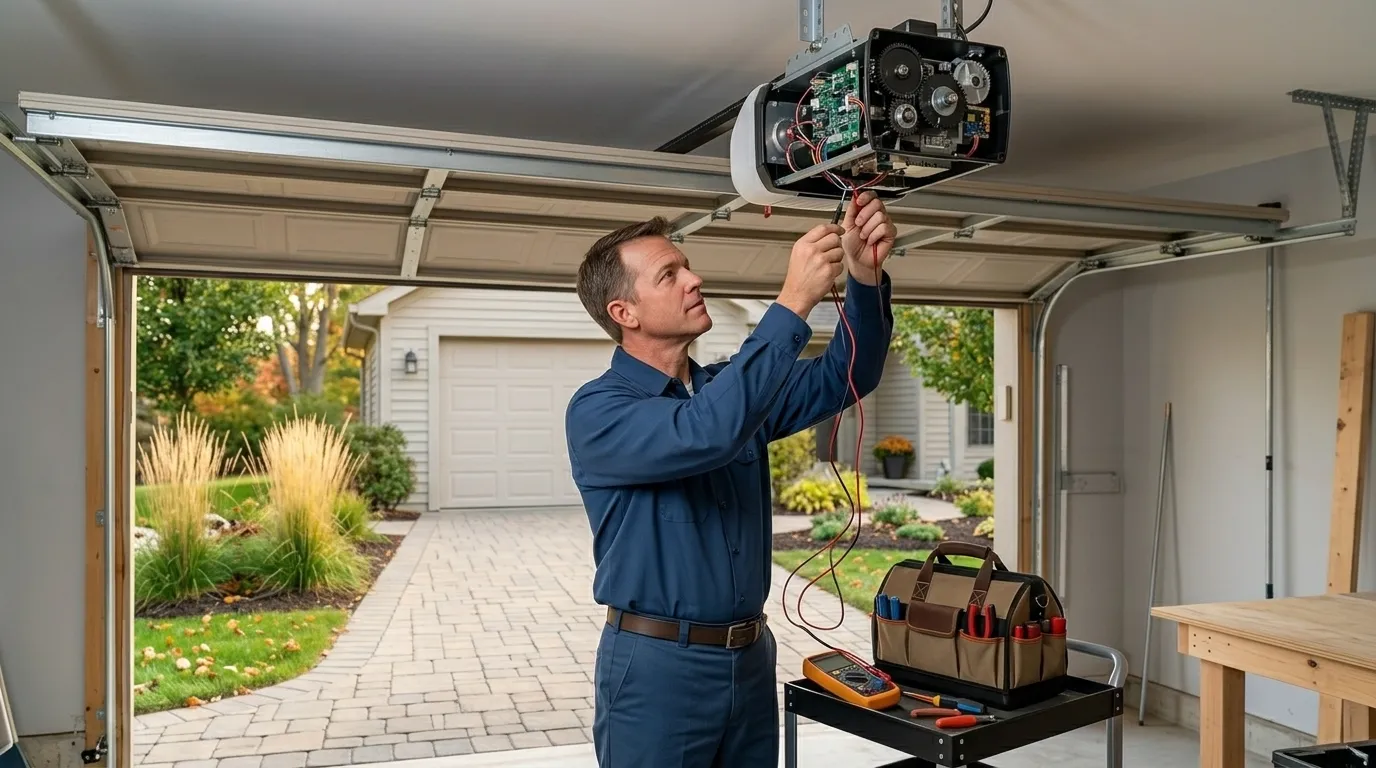
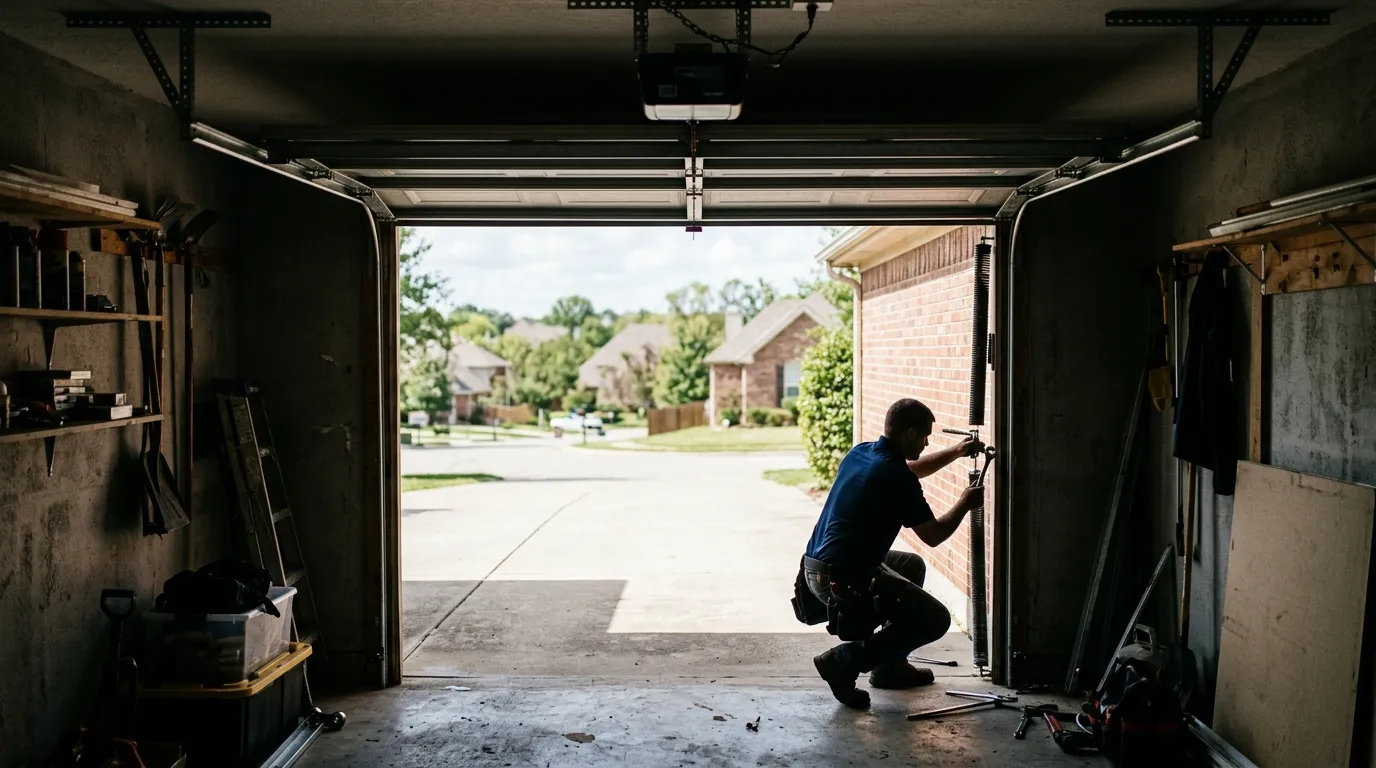
A torsion spring is not a DIY repair - the wind-up force in that shaft can break a wrist or worse, and that's true no matter how handy you are. Leave springs, cables, and anything under tension to someone doing the job with the right bars and clamps.
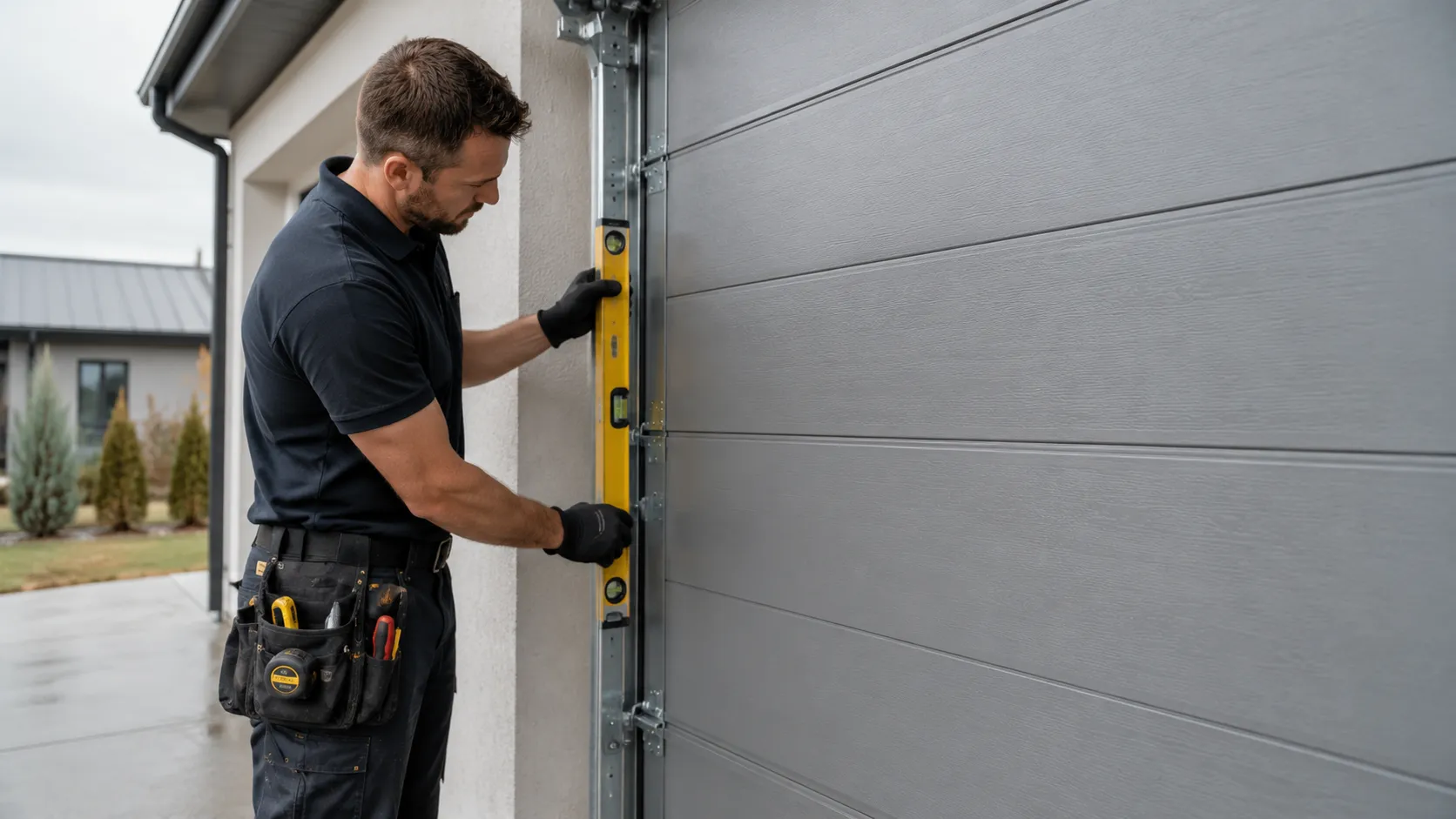
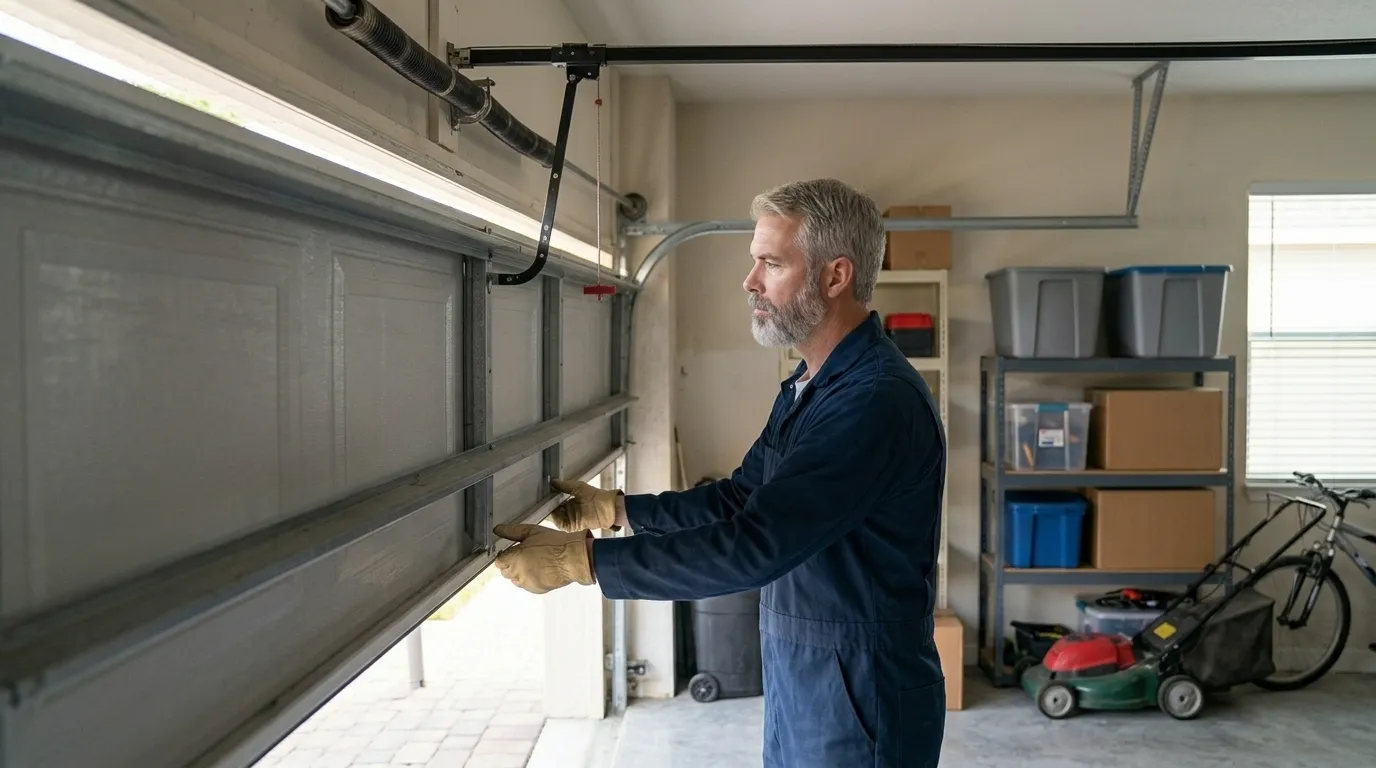
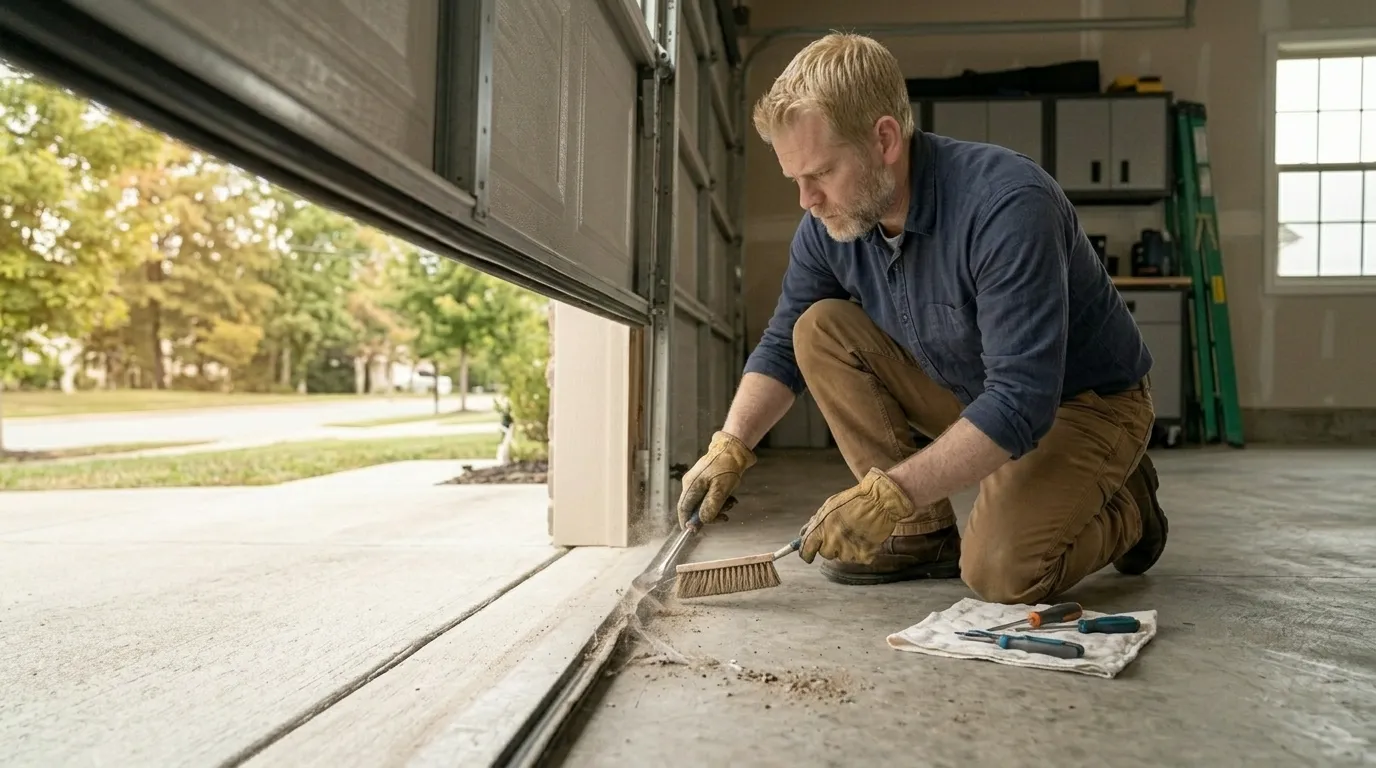
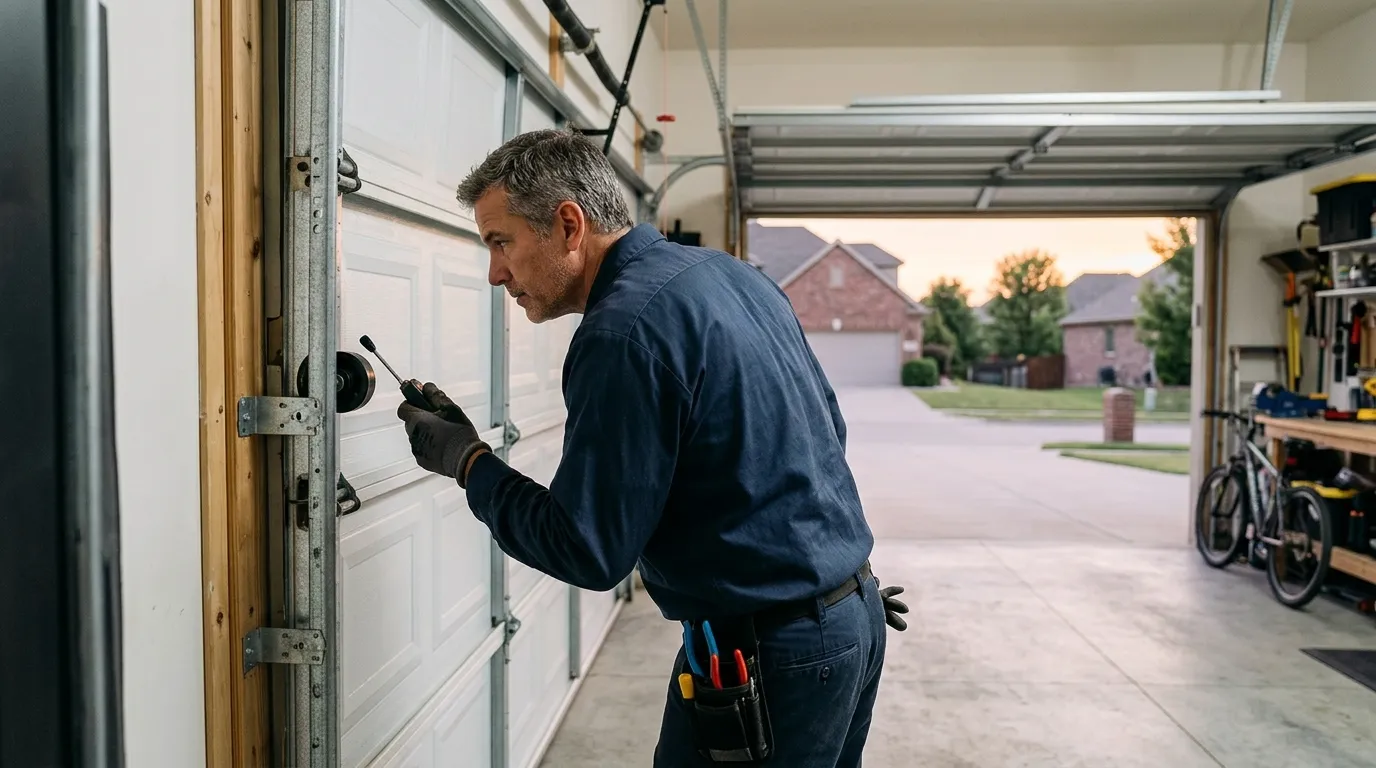
What you can check yourself: the sensors at the bottom of the track (a knocked-out photo eye is a common reason a door won't close), the manual release cord if the opener is running but the door isn't moving, and whether the tracks have visibly pulled away from the wall. On a house built around 1960, also look at the rollers - original steel rollers on this era's hardware wear a groove into the track over enough winters, and that shows up as a door that's noisy or hangs up in the same spot every time. If you see rust flaking off a cable or a spring with a visible gap in the coil, stop there and call - that's not a tighten-a-bolt problem.
Where This Job Goes Sideways
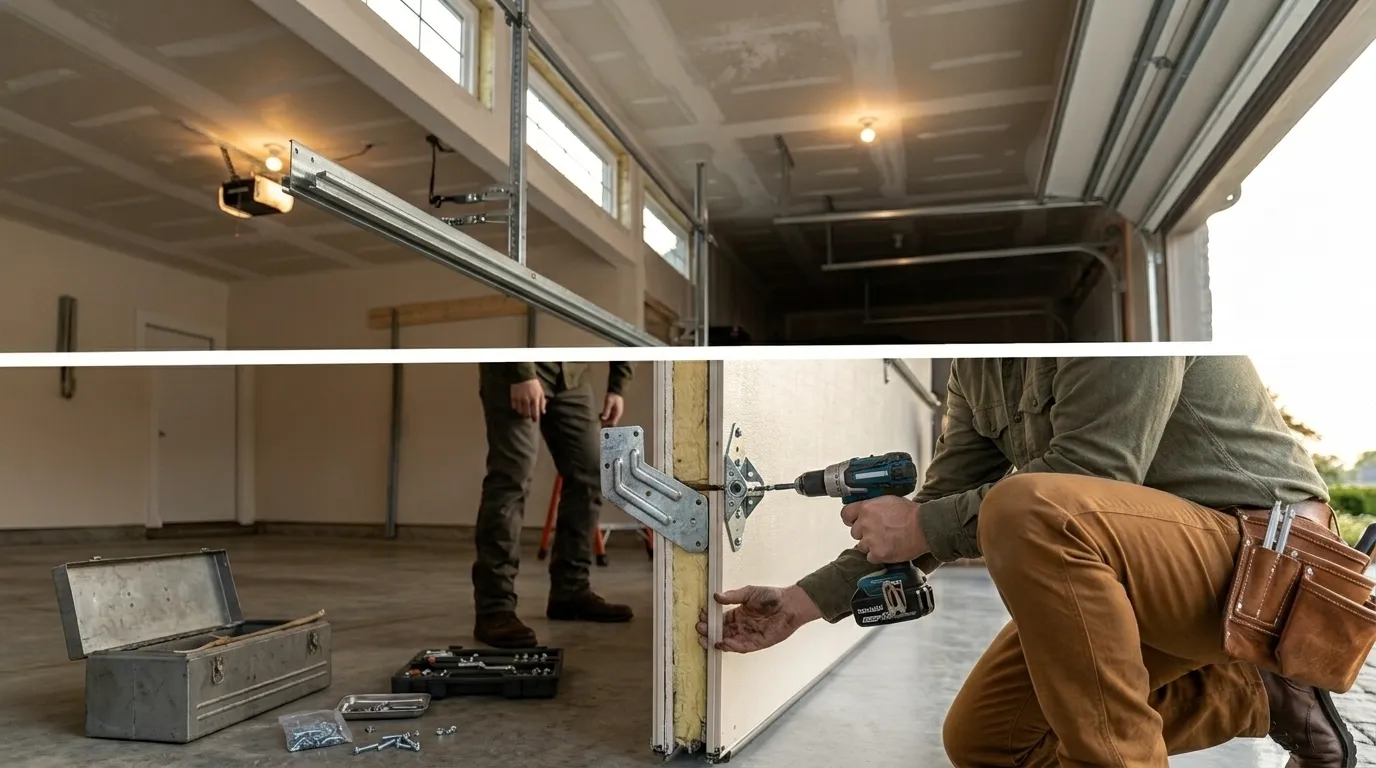
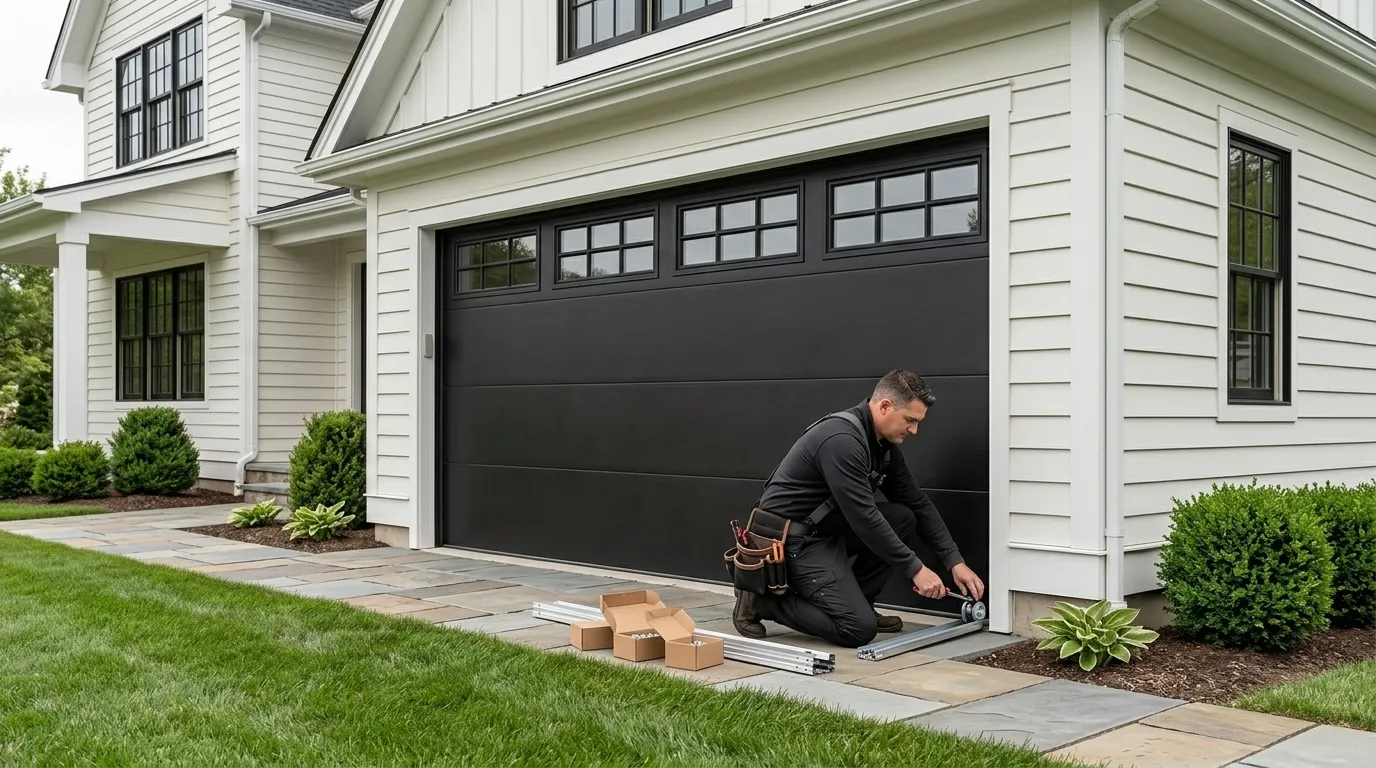
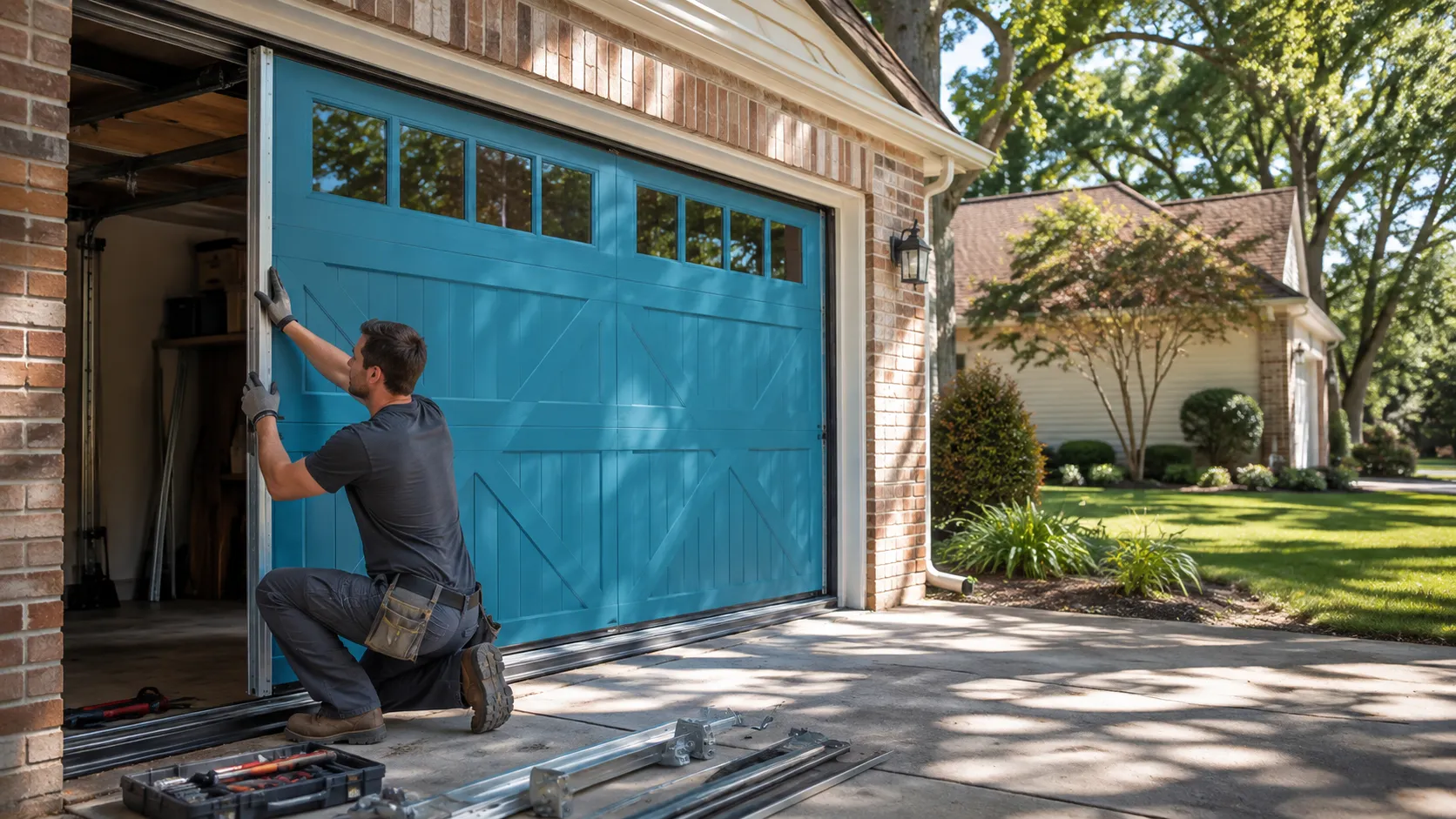
The job goes sideways when what looked like a spring replacement turns into a track and roller job because the original hardware from a 1960-era install has been quietly wearing on itself for years. We can quote a spring swap on the phone, but if the tracks are bent from the door running rough on worn rollers, that's a second problem we won't know about until we're standing in front of it.
The other place it goes wrong: panels. If a single panel on an older door is dented or rusted through, replacement panels for hardware this age aren't always sitting on a shelf - sometimes the honest answer is that matching the exact panel isn't worth the wait or the cost, and a full door makes more sense than a patch job. We'll tell you that straight rather than promise a match we can't get. And because we're driving in from Parma rather than working out of a depot here, a job that turns out to need a special-order part means a second trip, not a same-day fix - better to know that going in than to be surprised by it.