Getting It Booked In
We run this call from our shop in Parma, five miles up the road, so there's no branch office sitting in Independence and no reason to pretend there is one. What that means for you: we schedule the opener call the same way we'd schedule any other stop on the route, and the drive doesn't add a surcharge or a special wait. It just means the truck comes from Parma, not from around the corner.
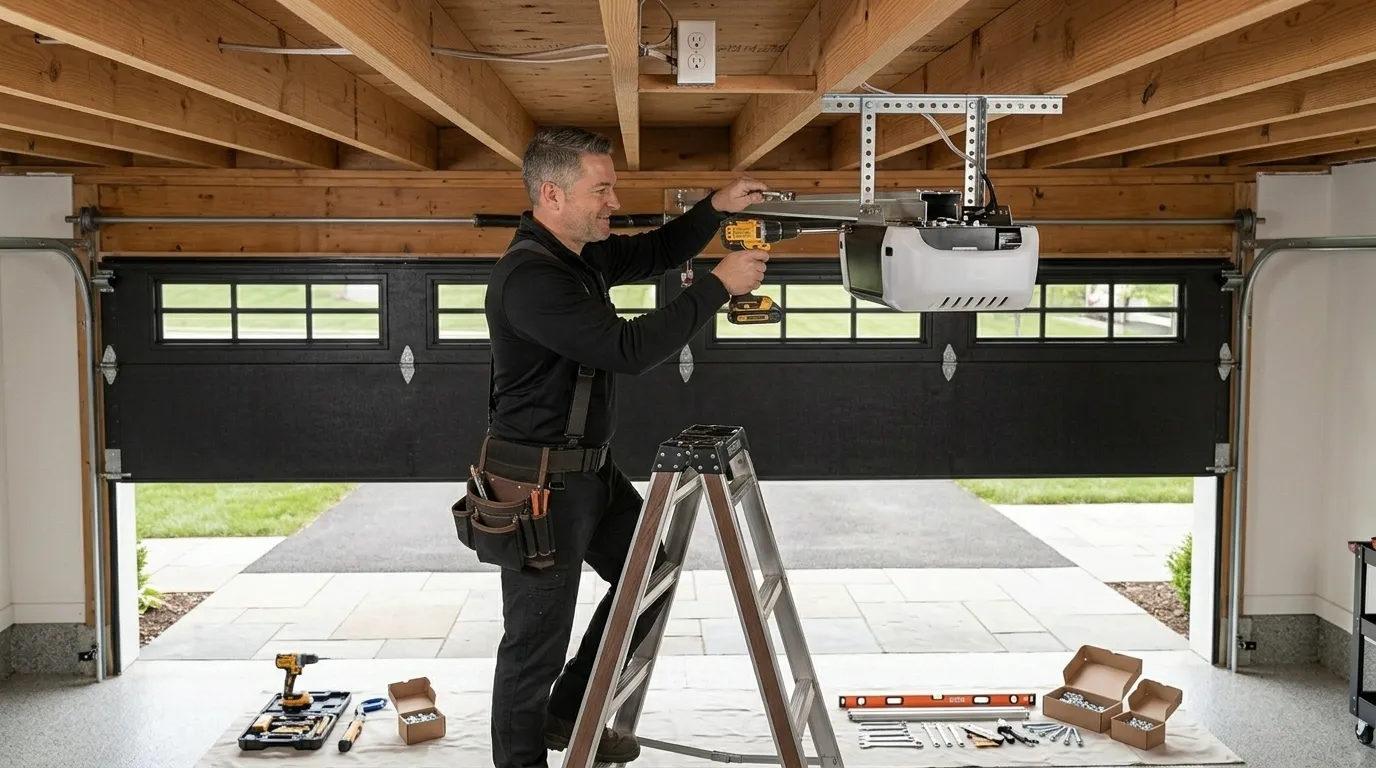
When you call, tell us the opener brand if you can read it off the motor housing, whether the door still moves on manual release, and roughly how old the unit is. Independence has 3,128 households, and a good share of them are on their second or third opener since the house was built, so "original" and "new" cover a wide range of actual hardware. Knowing which one you've got lets us bring the right gear kit, belt, or logic board on the first trip instead of a second one.
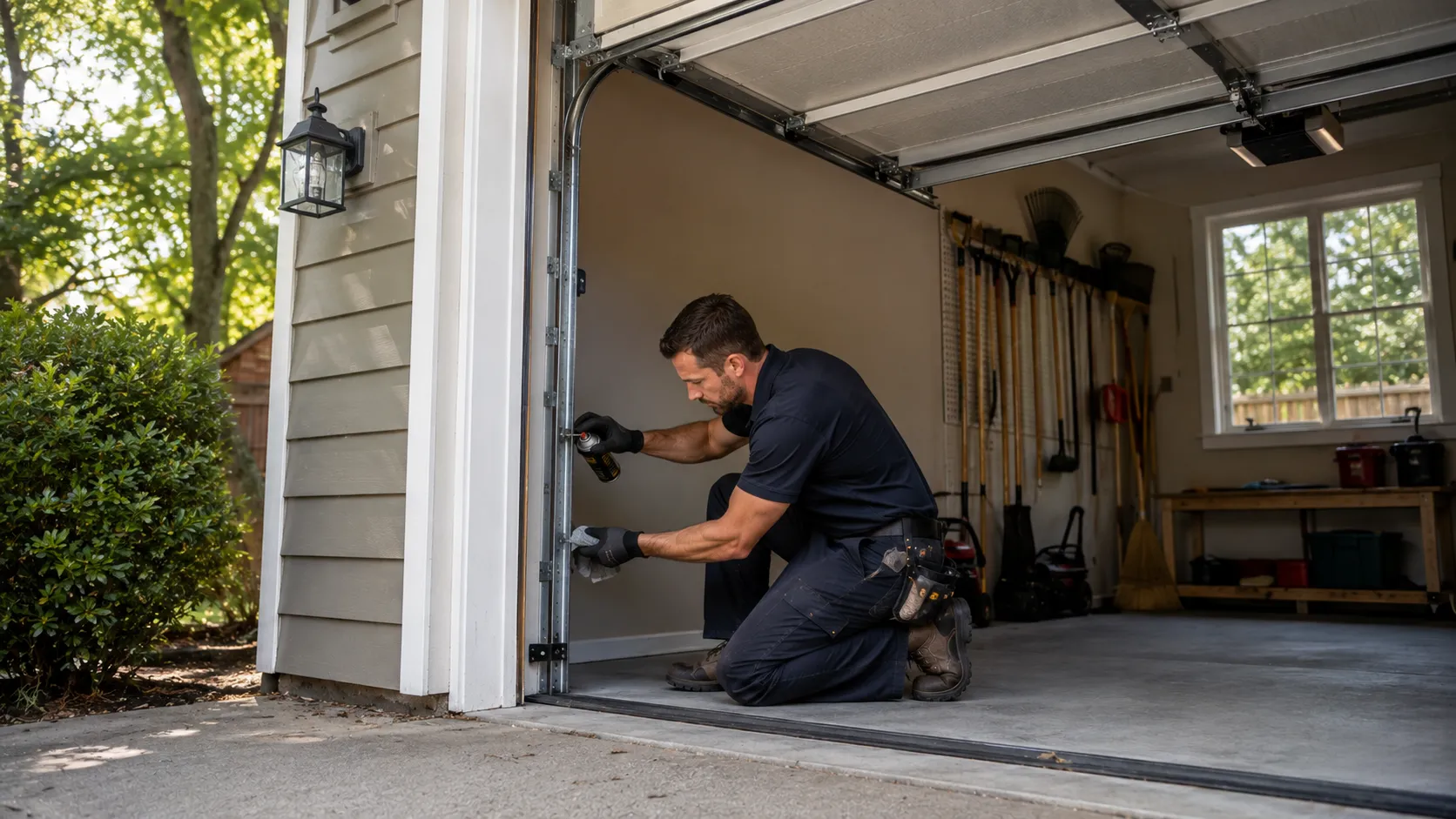
We'll also ask if the door itself has ever been serviced separately from the opener - springs, cables, track - because an opener that's straining against a heavy or misaligned door will keep failing no matter how many times you replace the motor.
See the Independence area page for what else we cover nearby.
Homeowners on the Parma side of this territory can compare notes on the Parma opener repair page.
Doing It Yourself
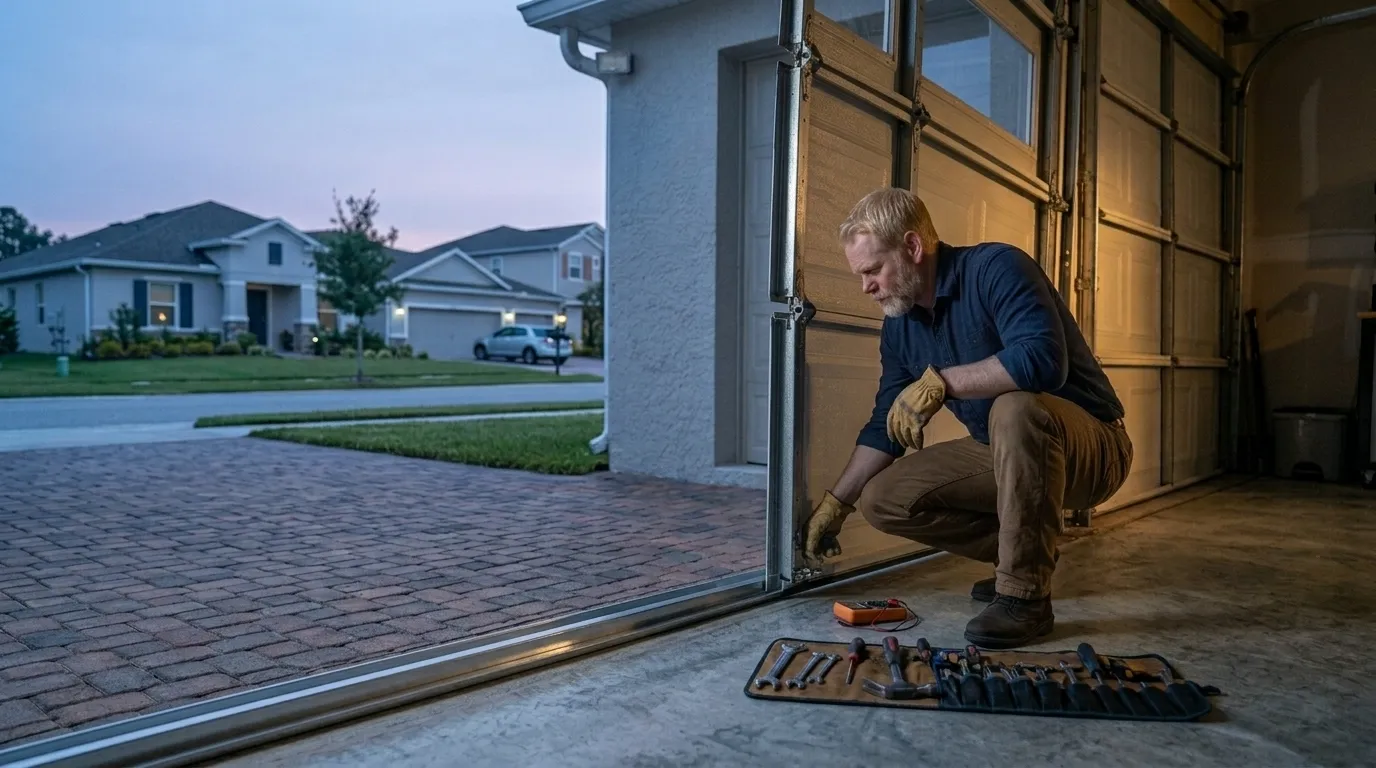
Before you call anyone, there are a few things worth fifteen minutes of your own time. Check the safety reversing sensors - the two small eyes low on either track - for a solid, unblinking light on both sides. A blinking light usually means one sensor is knocked out of alignment or something's blocking the beam, and that alone will stop the door from closing at all.
Check the remote batteries and the wall button separately; if the wall button works but the remote doesn't, it's a battery or a programming issue, not a motor problem. Pull the manual release cord and see if the door moves smoothly by hand. If it's heavy, sticks, or drops, the opener isn't your real problem - the door or its hardware is, and running a straining motor against that will burn it out faster.
What we won't talk you through over the phone is board-level diagnosis or gear replacement inside the motor housing. Those units carry stored spring tension and moving parts that can take a finger off if you're not set up for it, and on income-earning time it's rarely worth the risk versus a service call. If the sensors are clean, the button works, and the door still won't run, that's the point to stop troubleshooting and call it in.
Where This Job Goes Sideways
Not every failed opener is worth repairing, and we'll tell you that on the spot rather than sell a part you don't need. If the logic board is dead on a unit old enough that the manufacturer's stopped stocking boards for it, we're not going to hunt for a used part and hope it lasts - we'll say so and talk replacement instead.
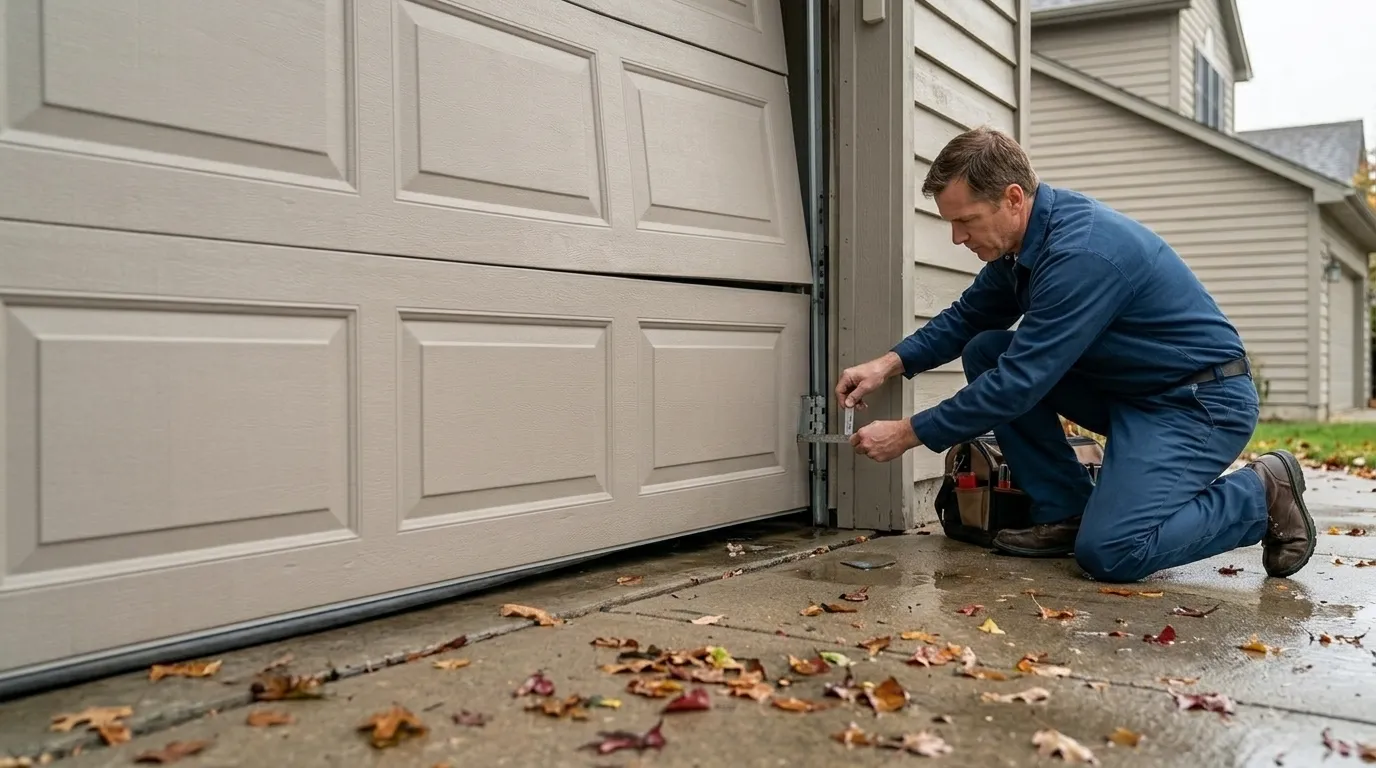
The other place this goes sideways is when the opener failure is really a door failure wearing an opener's symptoms. A motor straining against an unbalanced door, worn rollers, or a spring that's lost tension will eventually take out the gears or the drive belt even if we swap the motor for a brand new one. Fixing the opener without fixing what's actually loading it just buys you a few more months before the next call.
One honest limitation: we don't carry every discontinued belt-drive or chain-drive part on the truck, especially for openers old enough to predate current safety-sensor standards. On those, parts lead time can run a few days, and we'd rather tell you that up front than promise a same-visit fix we can't deliver. Given the housing stock here, that's not a rare situation - it comes up often enough that we plan for it.