How It Shows Up
Brook Park is a small town by household count - about 7,991 of them - which means the roller calls we get here tend to cluster instead of spreading out. When one street's doors start grinding, it's usually because they went up in the same building push and the original hardware is aging out at roughly the same rate. The typical Brook Park house dates to around 1961, a few years ahead of the 1966 median for the wider service area, so if anything the rollers here are a notch older than what we see on the Parma side of the map.
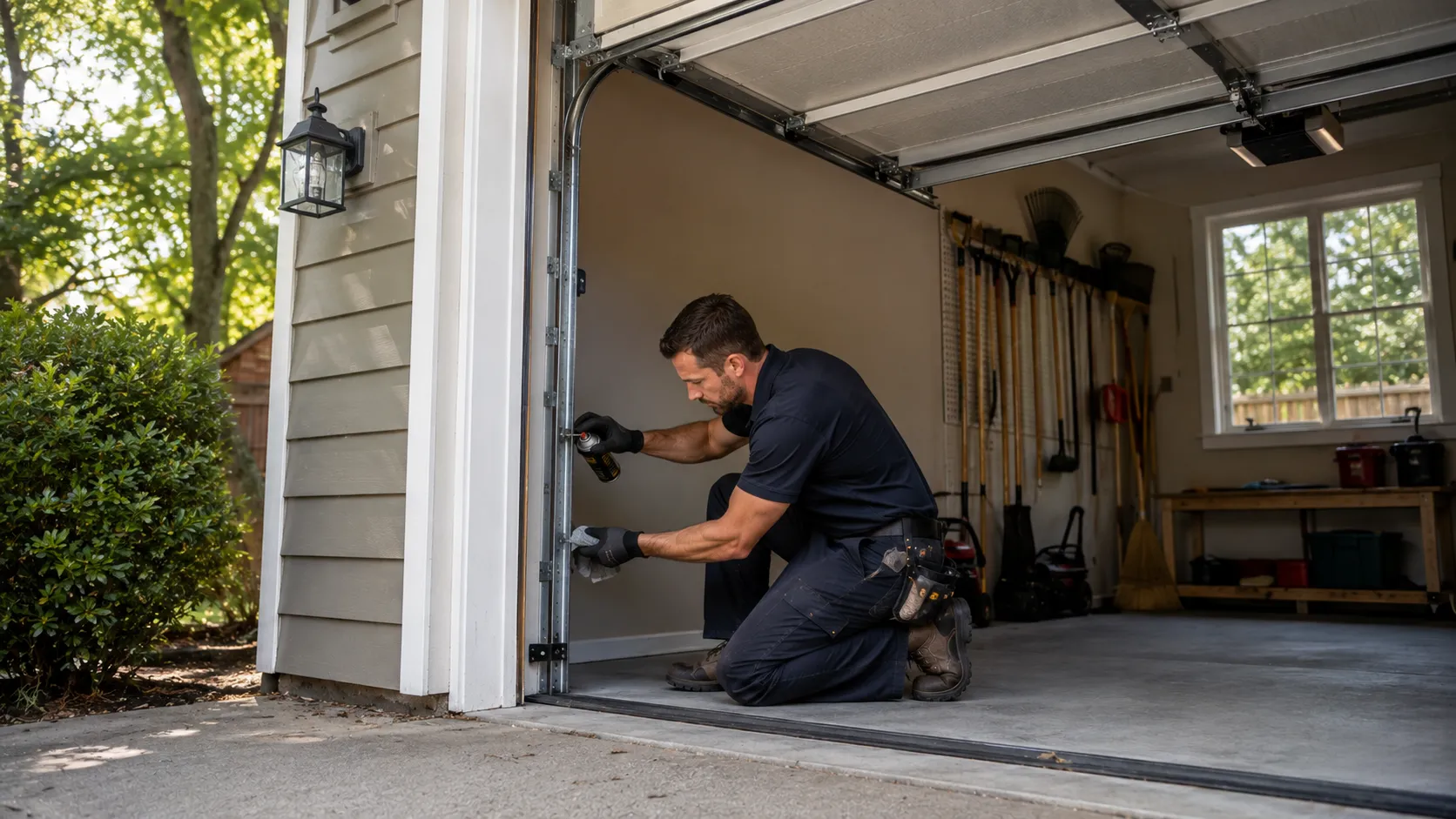
The complaint is almost always the same: a scraping or popping sound as the door travels, worse in the first cold stretch of the year. Steel rollers on steel track, which is what most 1961-era doors left the factory with, don't glide quietly once the grease dries out and the roller stem starts to wear oval instead of round. You'll hear it before you see it - the door still opens, it just sounds like it's fighting the track on the way up.
The Cost of This Job
Median household income in Brook Park runs $67,178, noticeably below the $95,313 median across the rest of the service area we work in. That gap matters for how we talk about this job: roller replacement is one of the cheaper repairs a garage door needs, and it's usually the right call before a full track or opener replacement, not after.
We don't have a set price to quote you here - that depends on whether you're swapping a full set of ten rollers, whether the track needs adjustment at the same time, and whether you want nylon rollers over steel. What we can tell you is that this job is priced by the part and the labor time, not by the address, so a Brook Park quote isn't marked up for the 5-mile drive from our Parma base.
Doing It Yourself
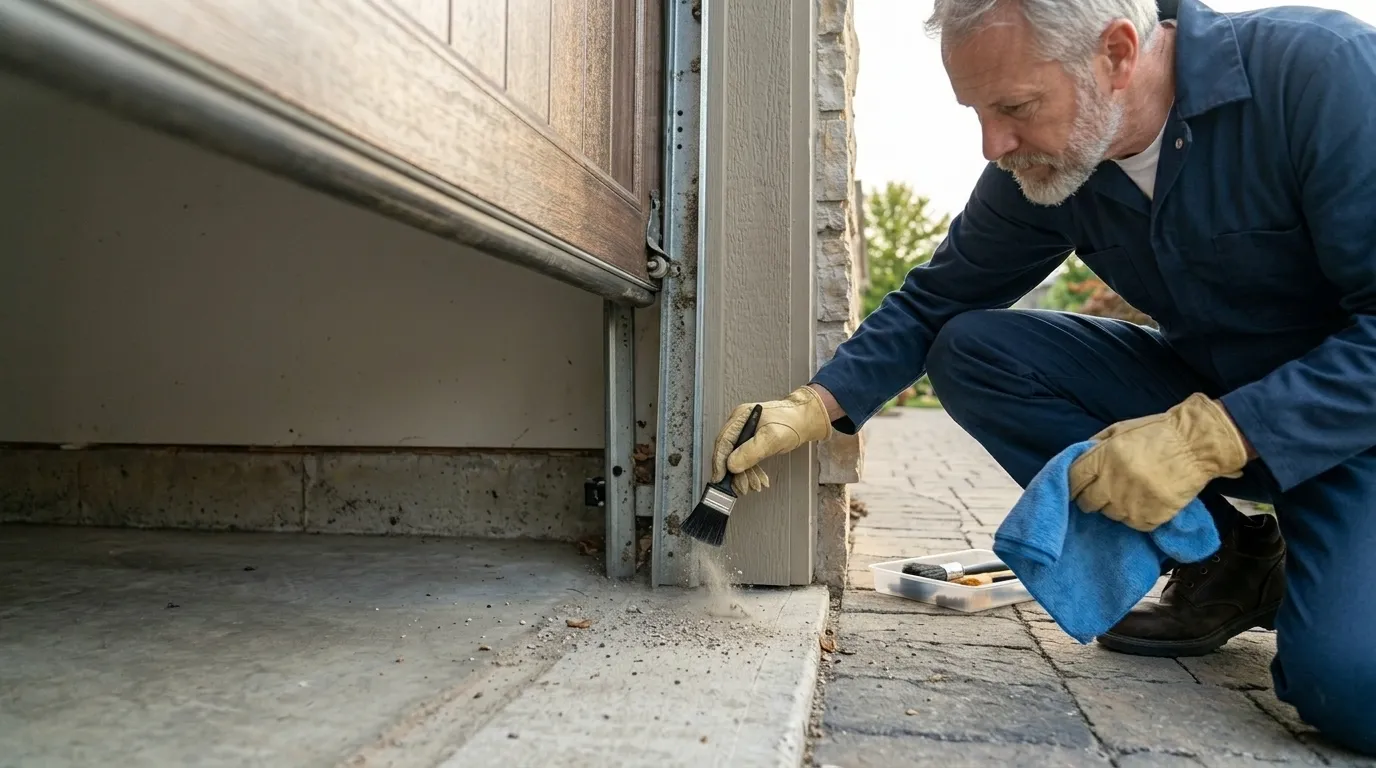
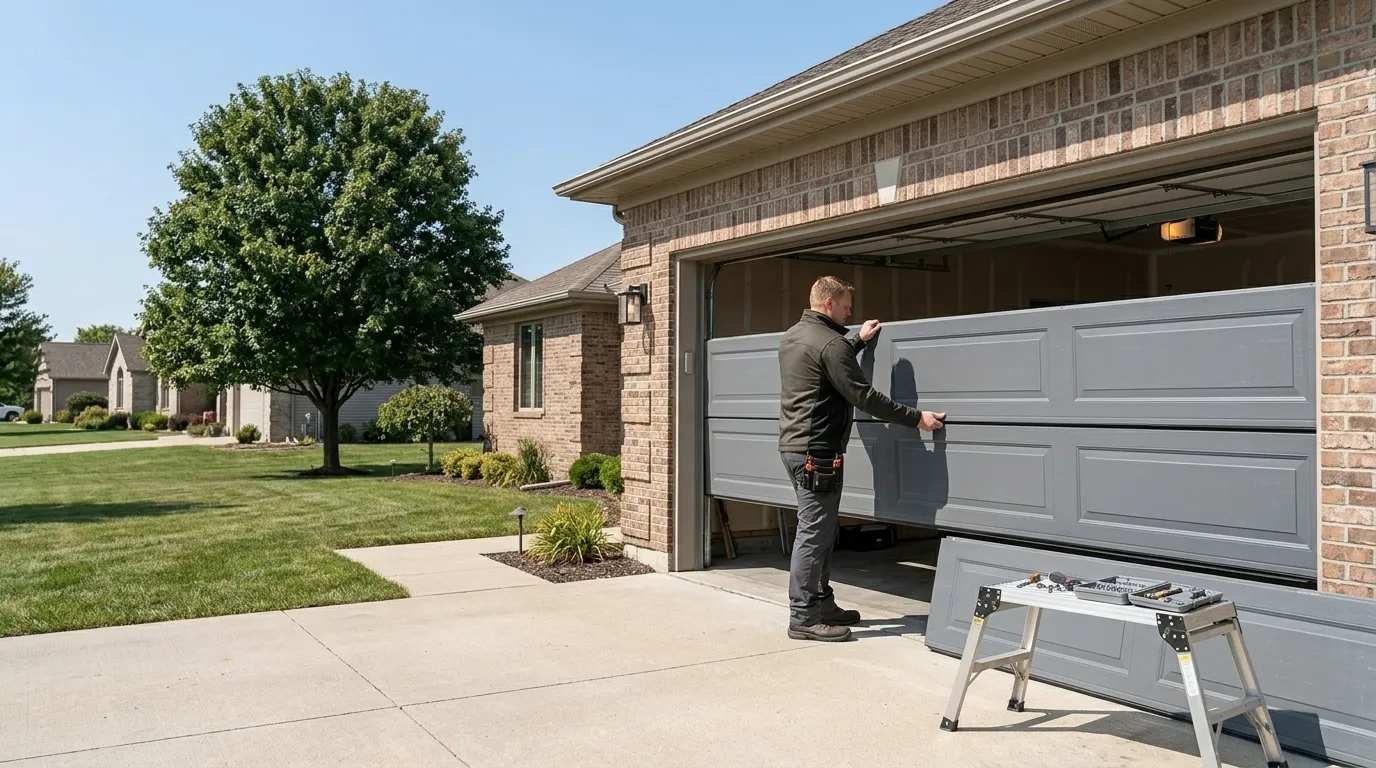
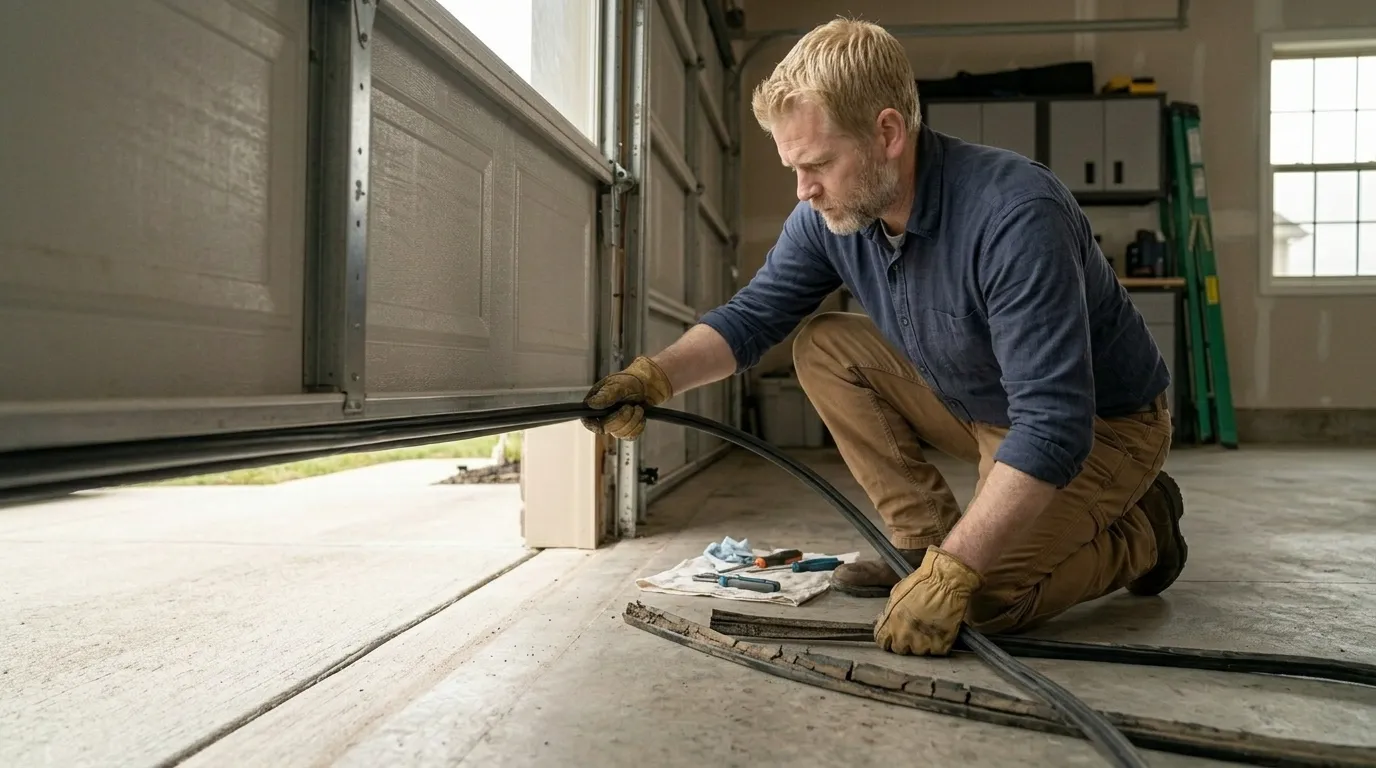
Replacing a roller isn't a bad DIY job if the door is off its spring tension when you do it - meaning the door is down and the springs aren't loaded. The risk in a house from the 1961 era is usually the track itself: brackets on doors this old were often installed with lag screws into framing that's shifted slightly over sixty years, and pulling one bracket to swap a roller can expose that the whole section is loose.
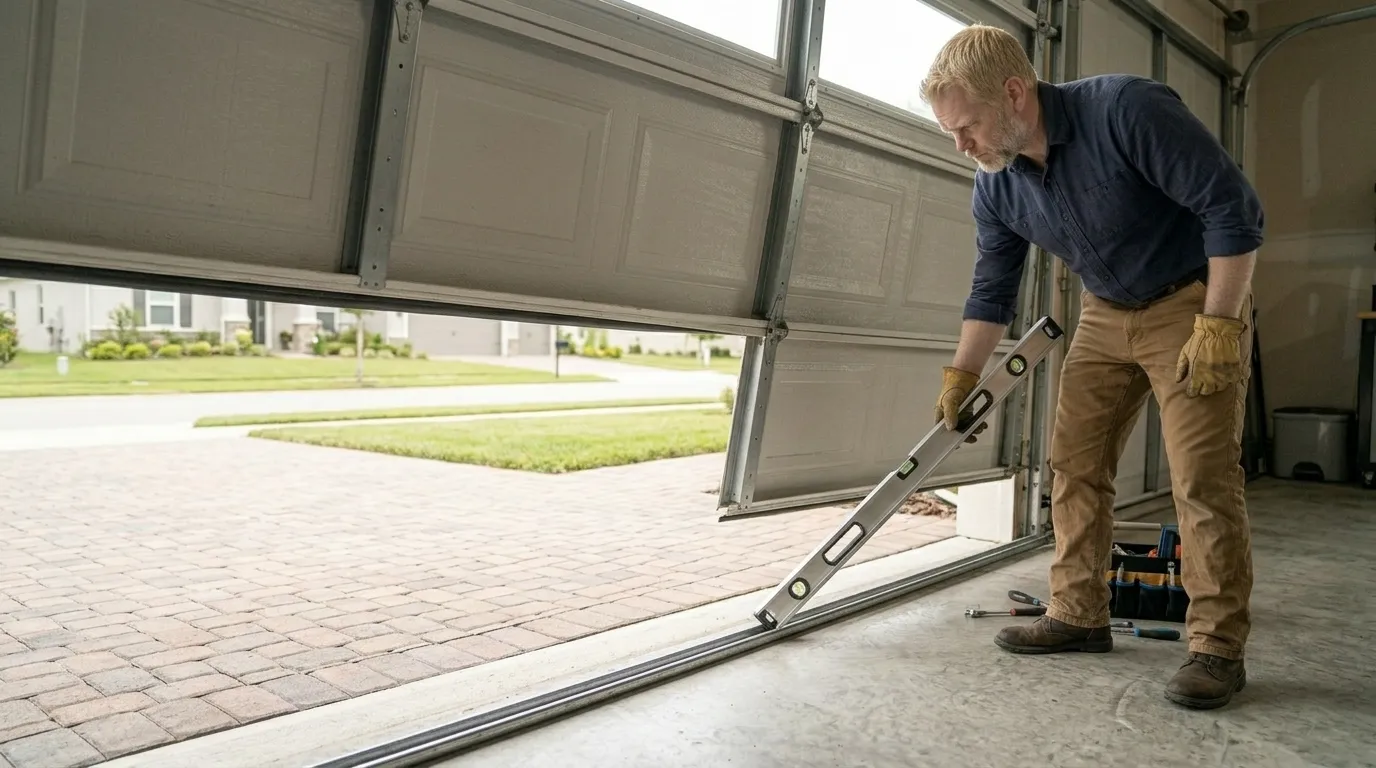
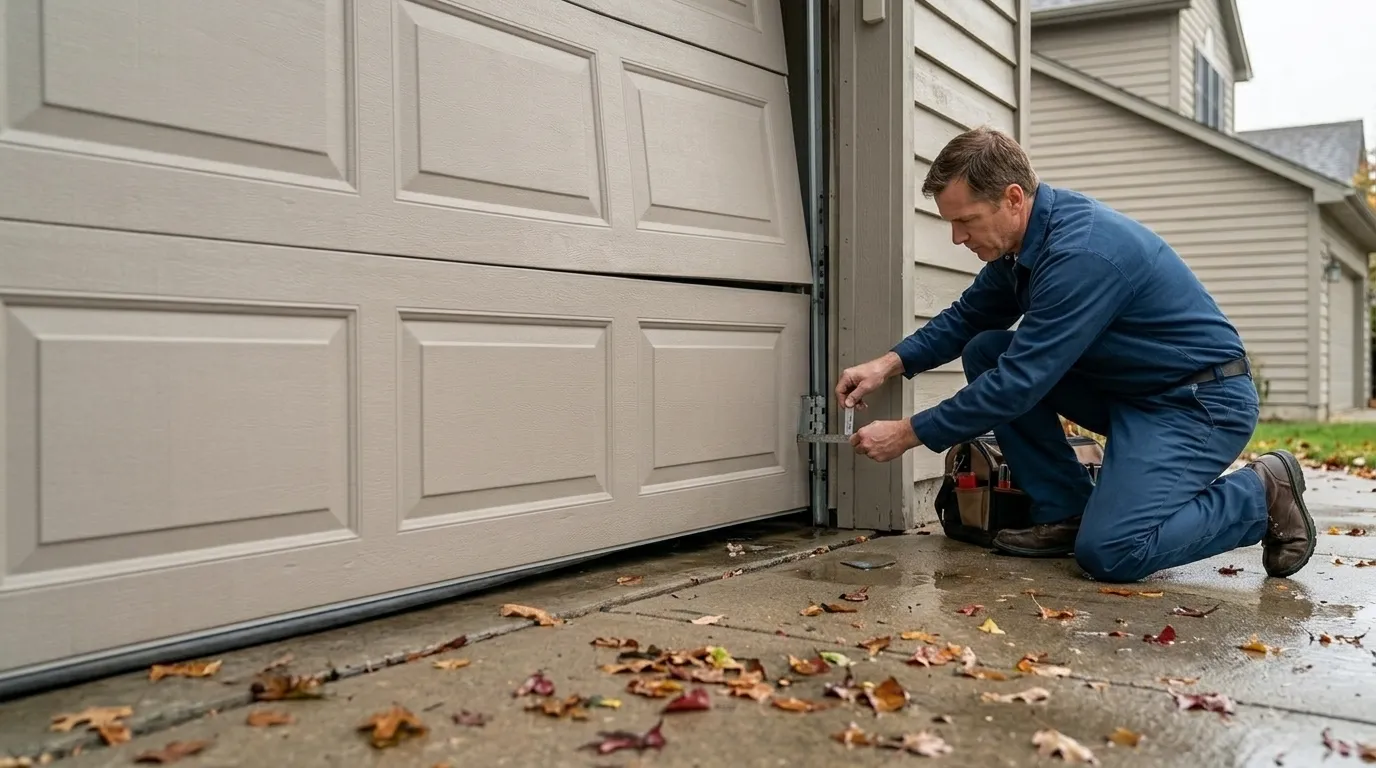
If you're only doing the bottom two rollers on one side, it's a twenty-minute job with a socket set and a pair of pliers. If the door is sagging or the track has visible daylight between it and the jamb, that's past a roller swap - call it in instead of forcing a new roller into a track that's already out of alignment.
Why It Happens Here
Brook Park sits inside a service area where housing mostly dates from the 1960s and 70s across dozens of named suburbs, and this town's own median build year of 1961 puts it right in that band, if anything on the earlier side. That means the original garage door hardware - steel rollers, steel track, torsion springs sized for the heavier one-piece and early sectional doors of that era - is still doing duty on a lot of houses here.
Add in a climate band the whole region shares, with cold winters that stiffen grease and shrink metal fittings every year, and you get rollers that wear out on a fairly predictable schedule rather than randomly. It's less about bad luck and more about the math of a house built in 1961 running the same hardware for decades in weather that's hard on steel.