How It Shows Up
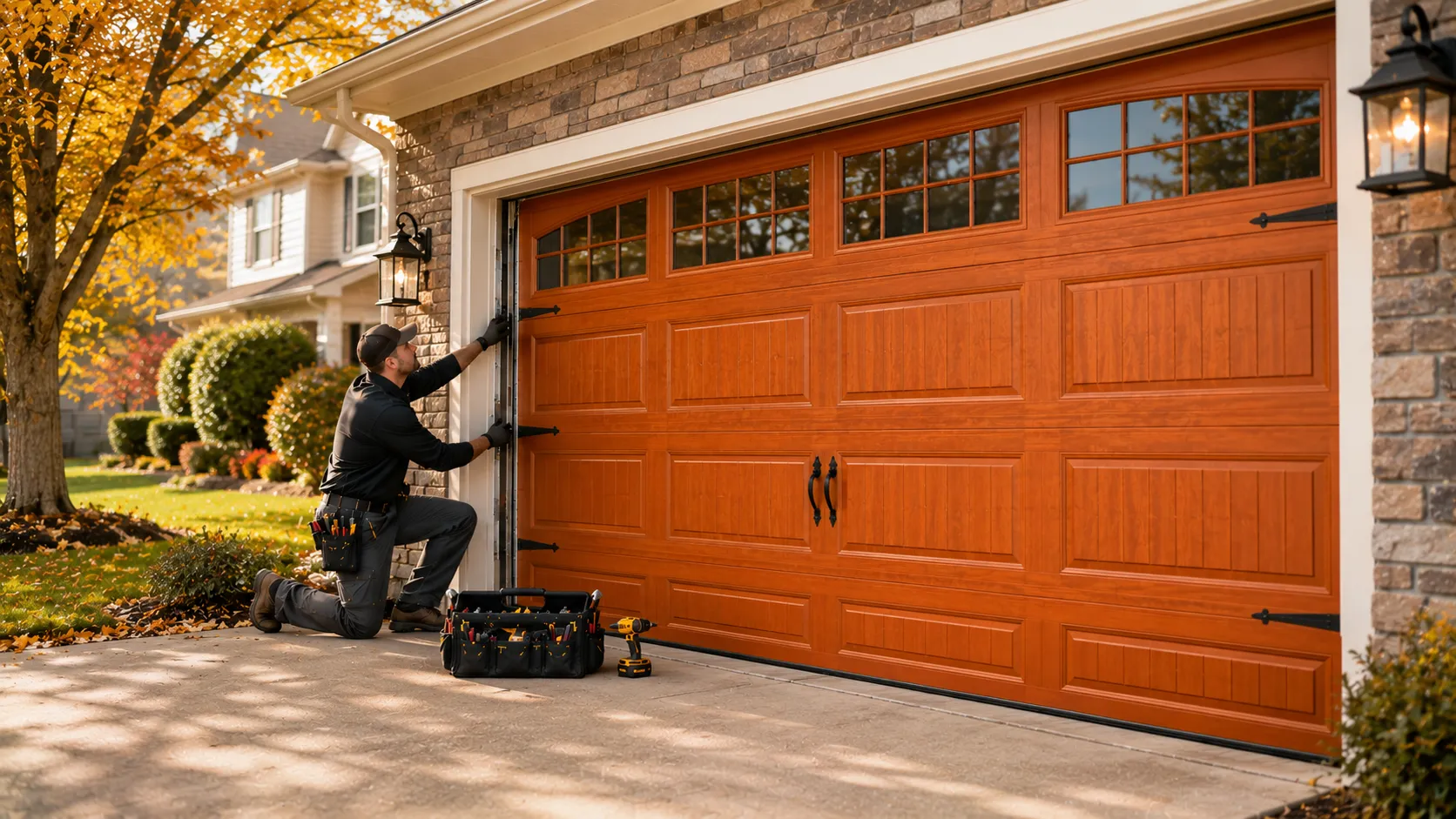
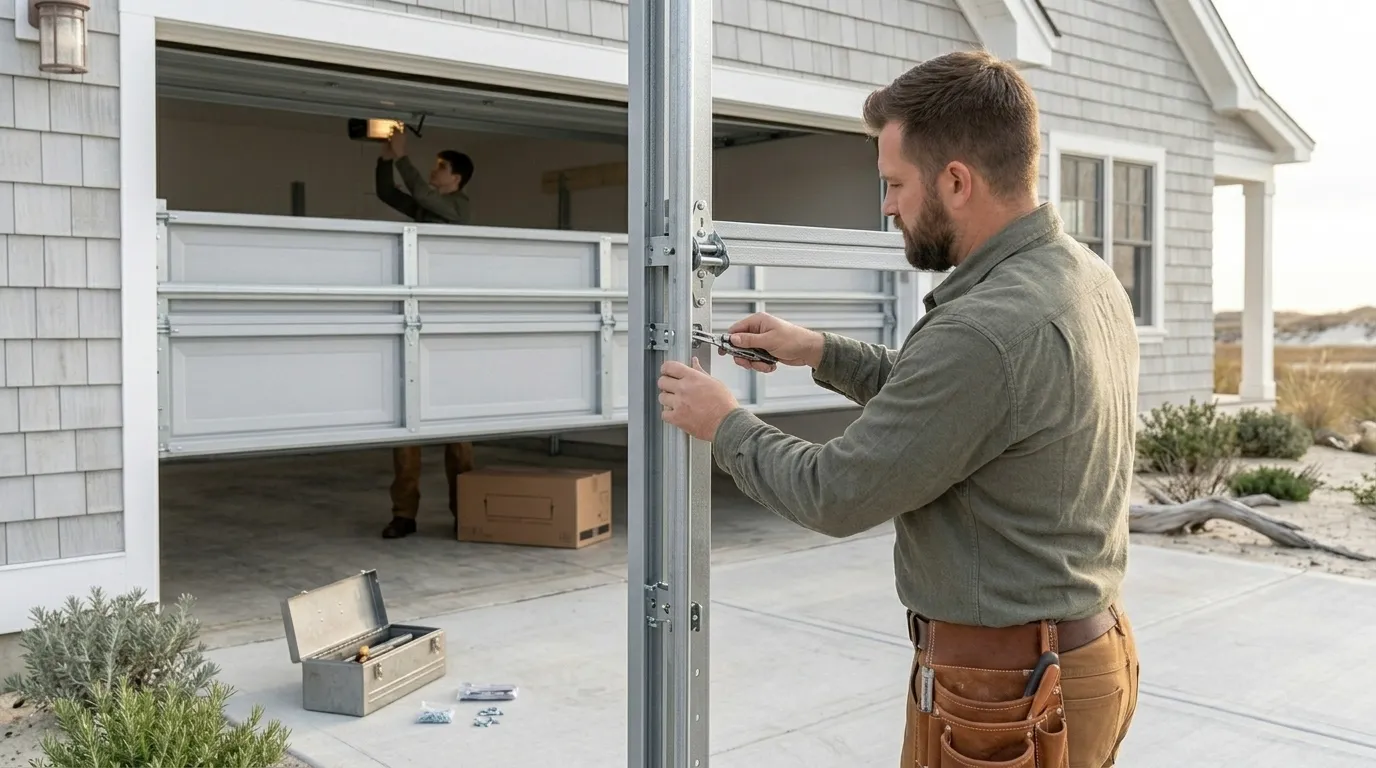
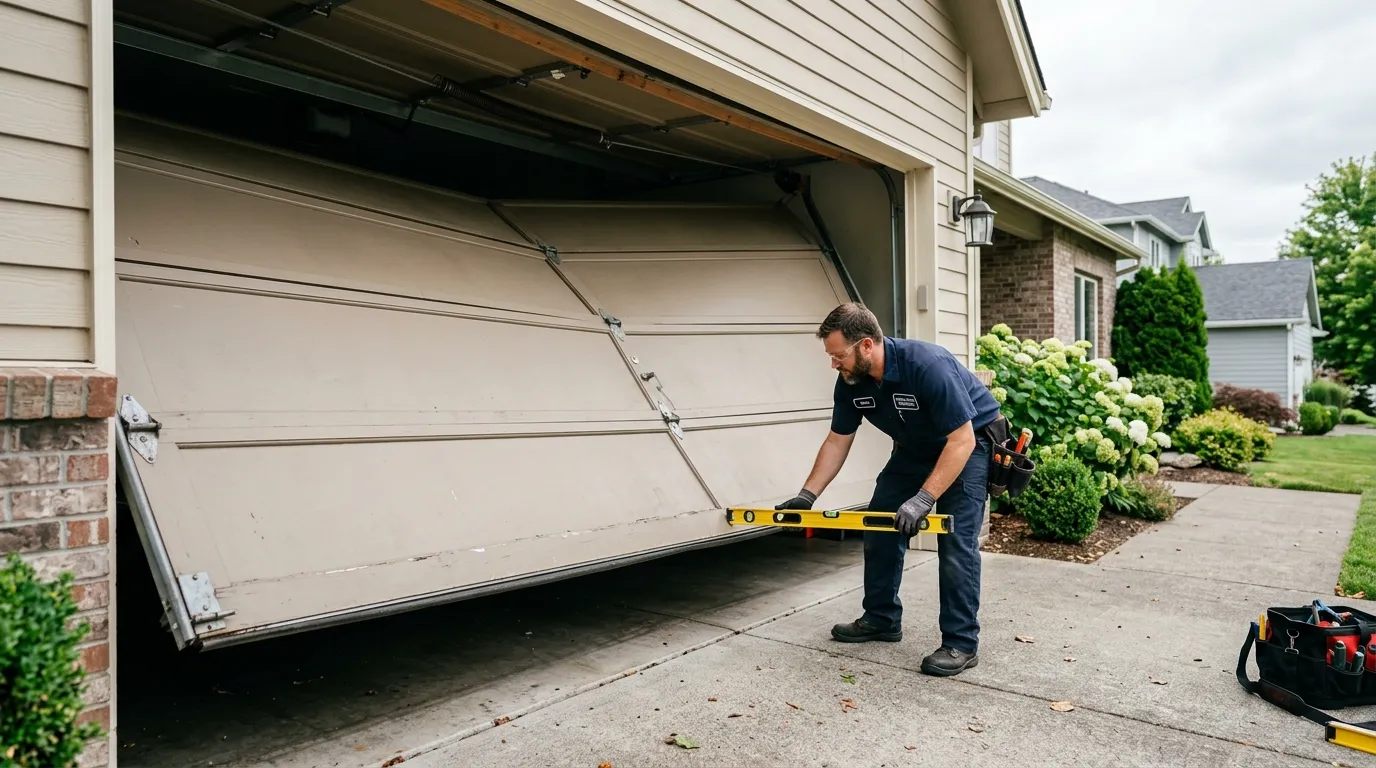
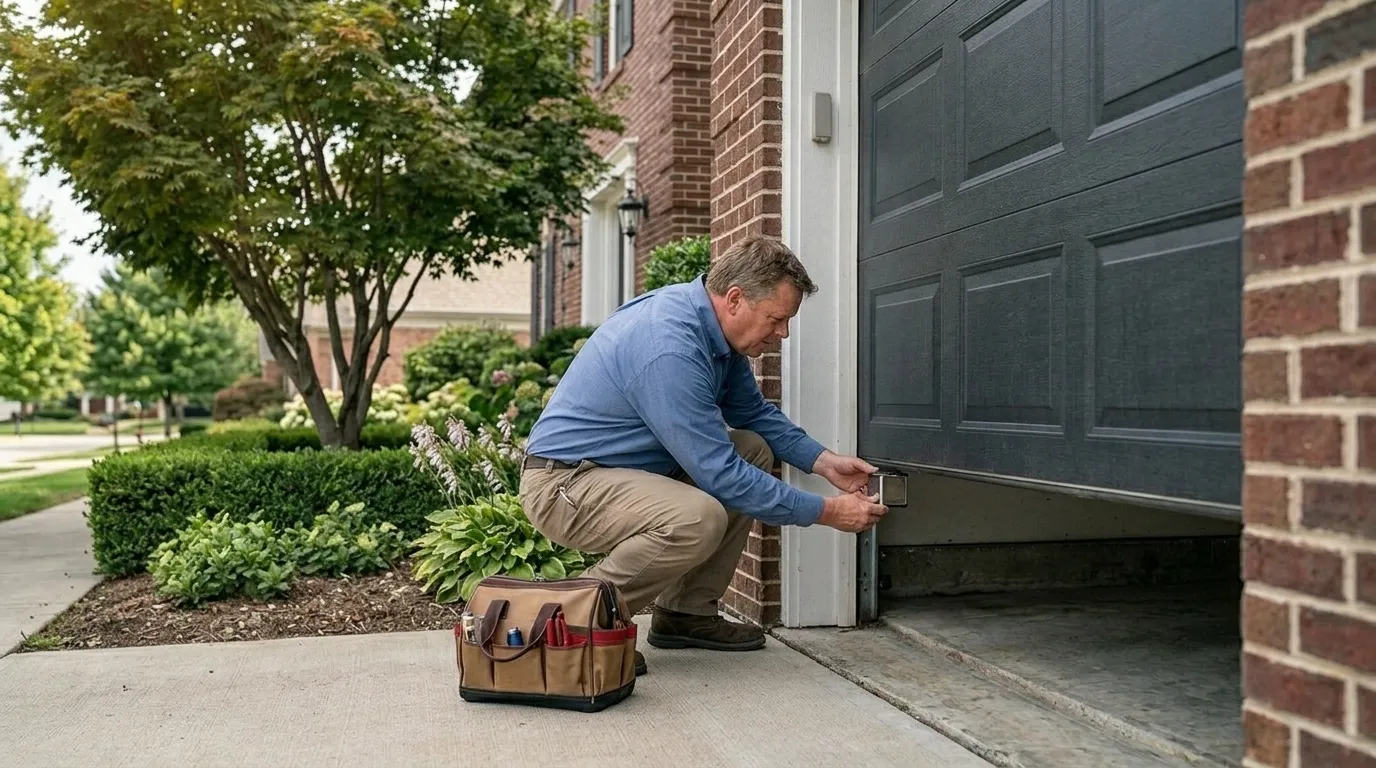
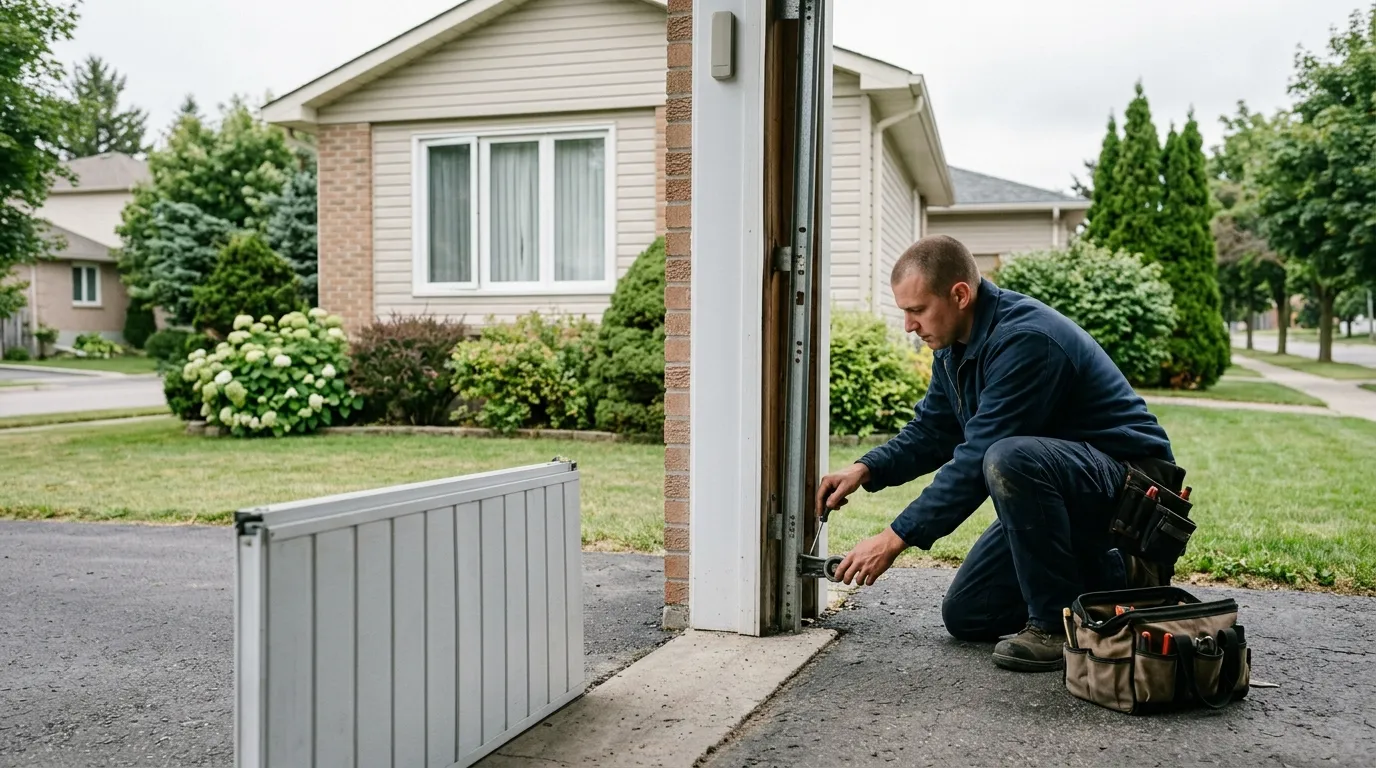
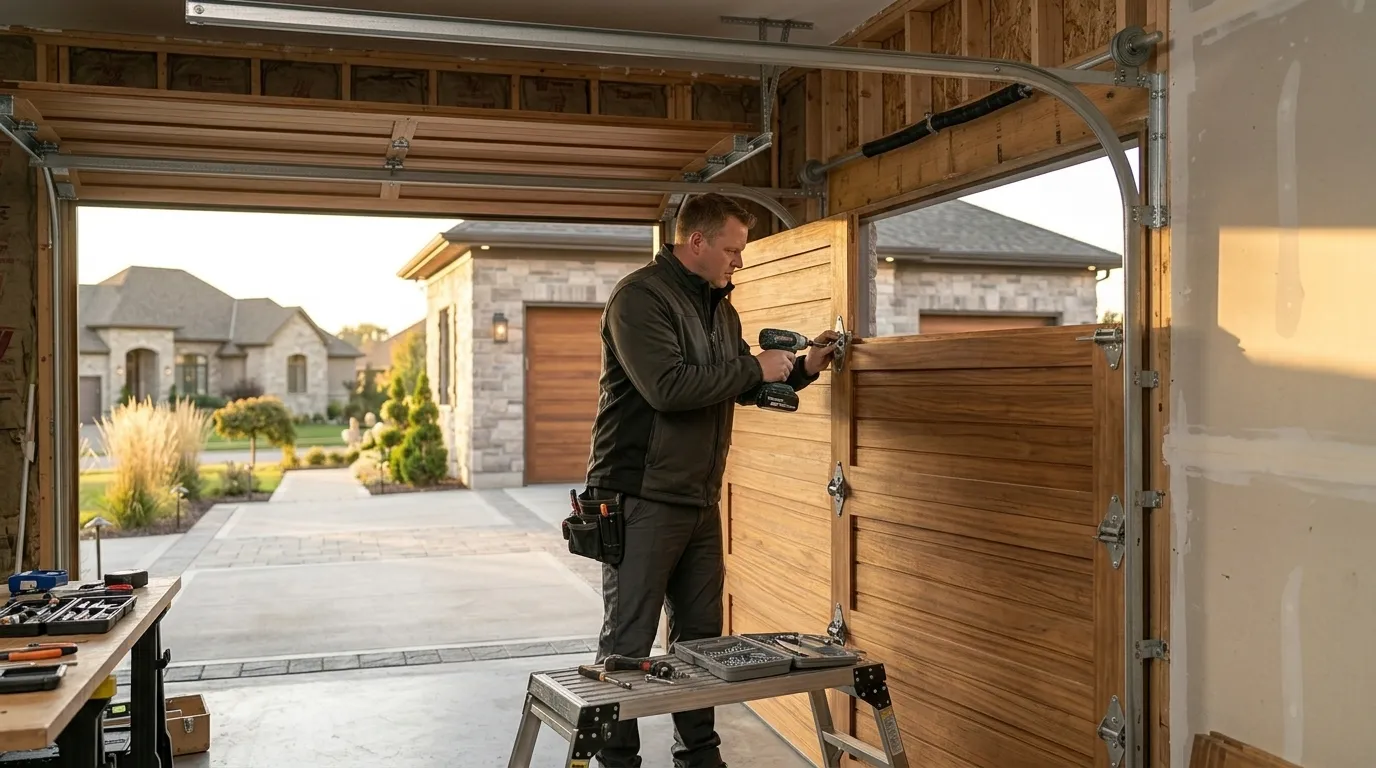
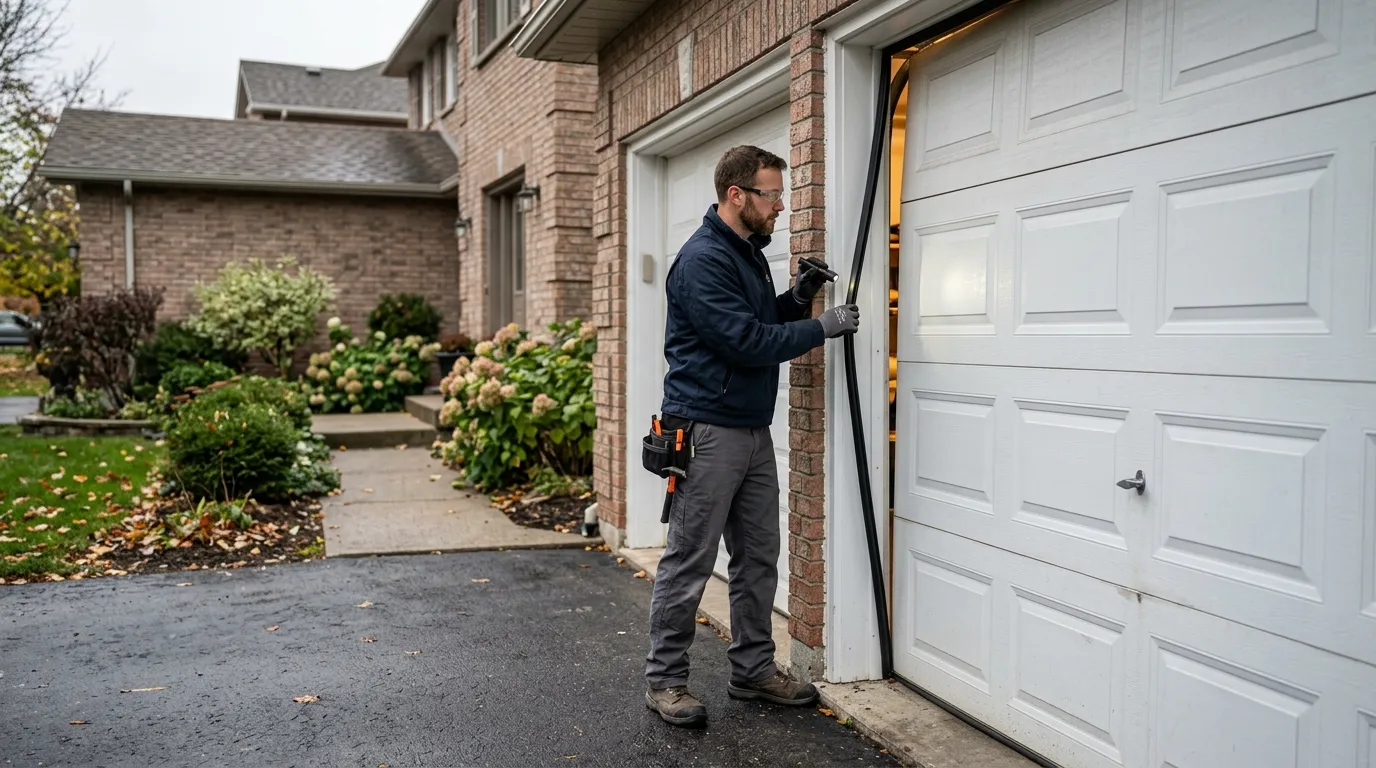
The run from our Parma shop to Brook Park is short, about five miles, so a panel job here doesn't turn into an all-day trip. That matters because most of what we see in Brook Park is one or two damaged sections on a door that's otherwise fine - a cracked bottom panel from a snowbank scrape, a caved-in section from a mirror clip or a trailer hitch backing in too fast. The rest of the door still tracks straight, the springs are still doing their job, and swapping the busted section is a lot cheaper than replacing the whole door.
What we run into on the drive in is housing stock. Brook Park's homes cluster around 1961, right in the middle of the 1960s-70s wave that covers most of this side of the service area. That means a lot of steel doors from the same handful of manufacturers, sold in a narrower range of panel styles than newer subdivisions get. Good news for parts matching. Bad news if the exact ribbed profile got discontinued somewhere along the way, which happens more than homeowners expect on a door pushing sixty years old.
The Cost of This Job
Panel replacement costs less than a full door, but how much less depends on whether we can match your existing panel or have to special-order a compatible profile. Brook Park's 1961-era housing means a good share of the doors we quote here are steel sectional units from that same build window, and while the panel style is common enough to source, it's not always sitting on a shelf.
Brook Park's median household income runs around $67,178, noticeably under the $95,313 median across the wider area we cover. We don't price the same job differently by zip code, but we do try to steer people toward the repair that actually fits their door instead of upselling a full replacement when one section will do. If the whole door is past its useful life - rusted track, warped panels on more than one section, an opener that's already been rebuilt twice - we'll say so instead of quoting a patch that won't hold.
Doing It Yourself
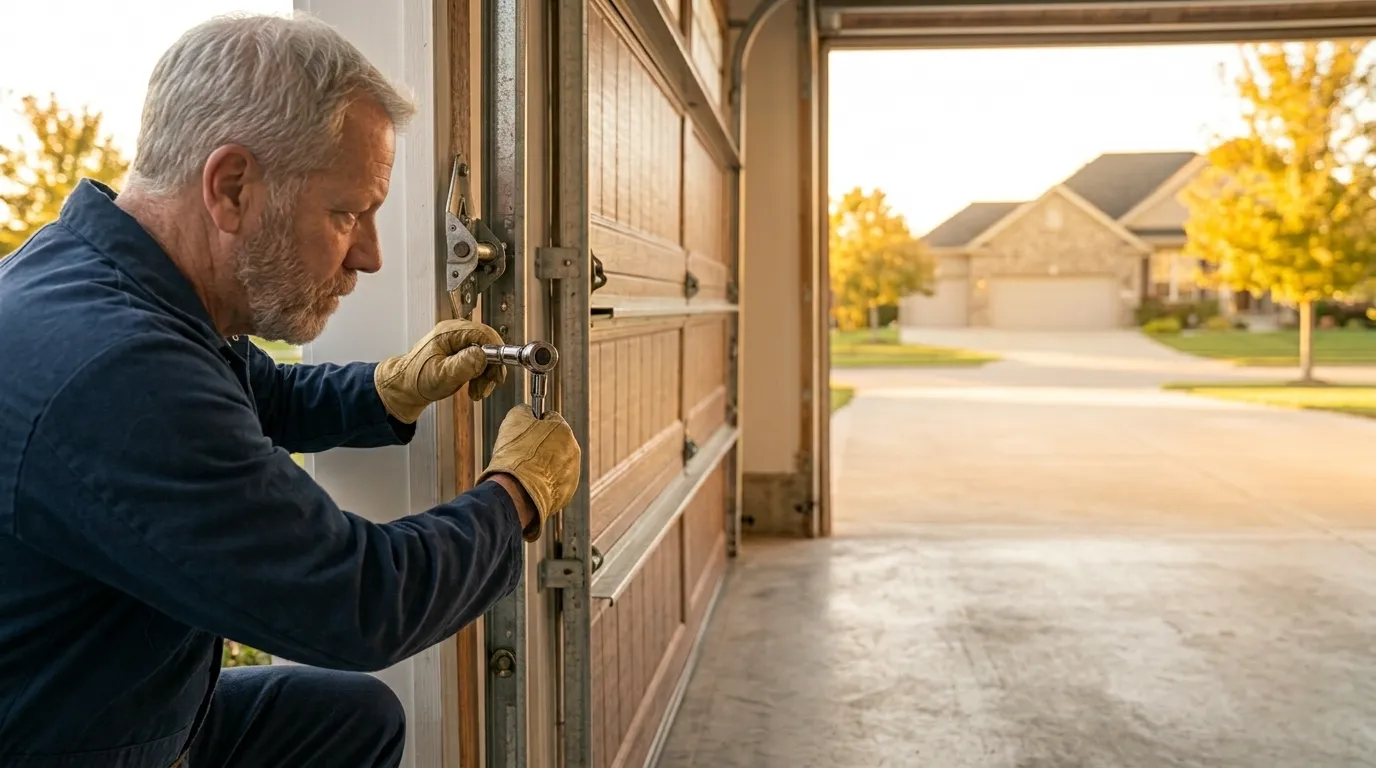
A single bolt-on panel section on some residential doors is within reach for a homeowner comfortable with a socket wrench and a helper to hold the section steady. If the door is unplugged from the opener, the springs aren't under load for that section, and you can get the exact replacement panel from the original manufacturer, it's a doable Saturday job.
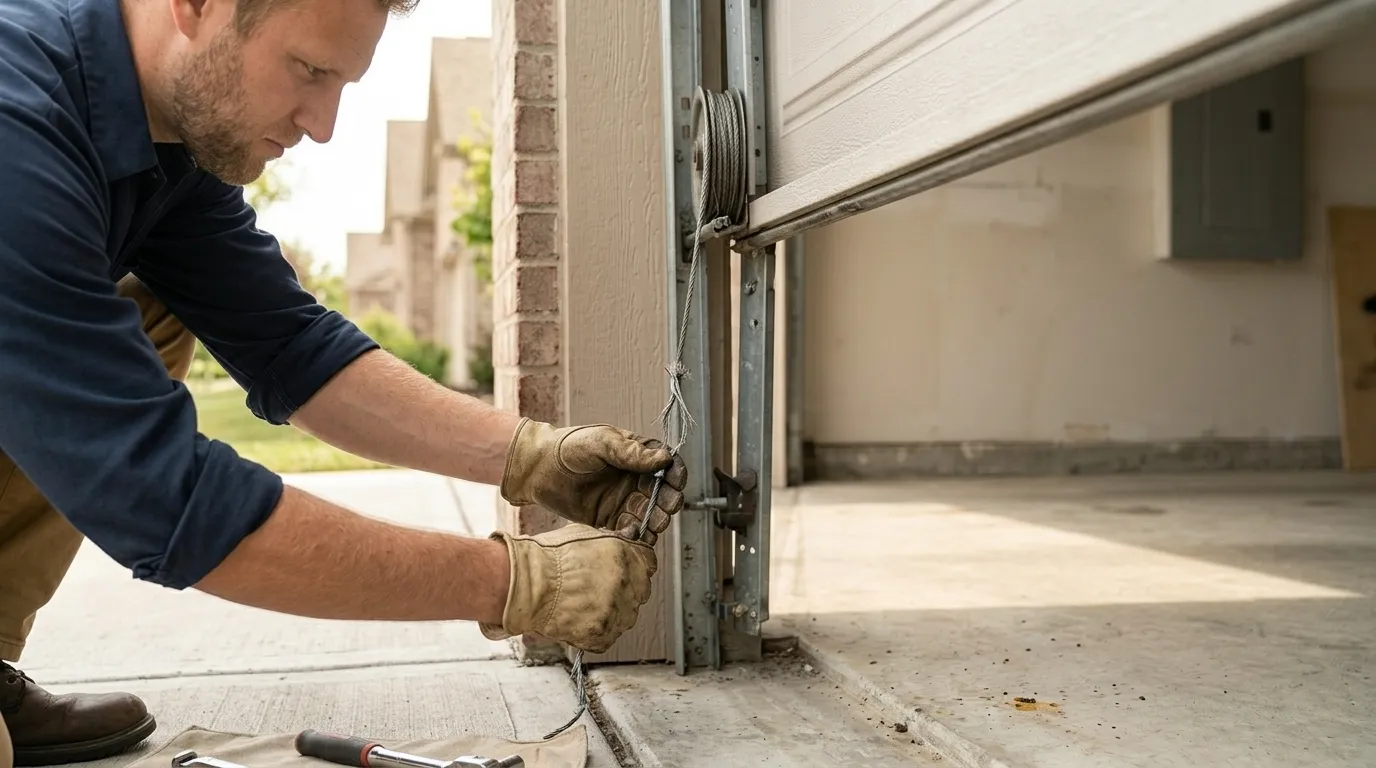
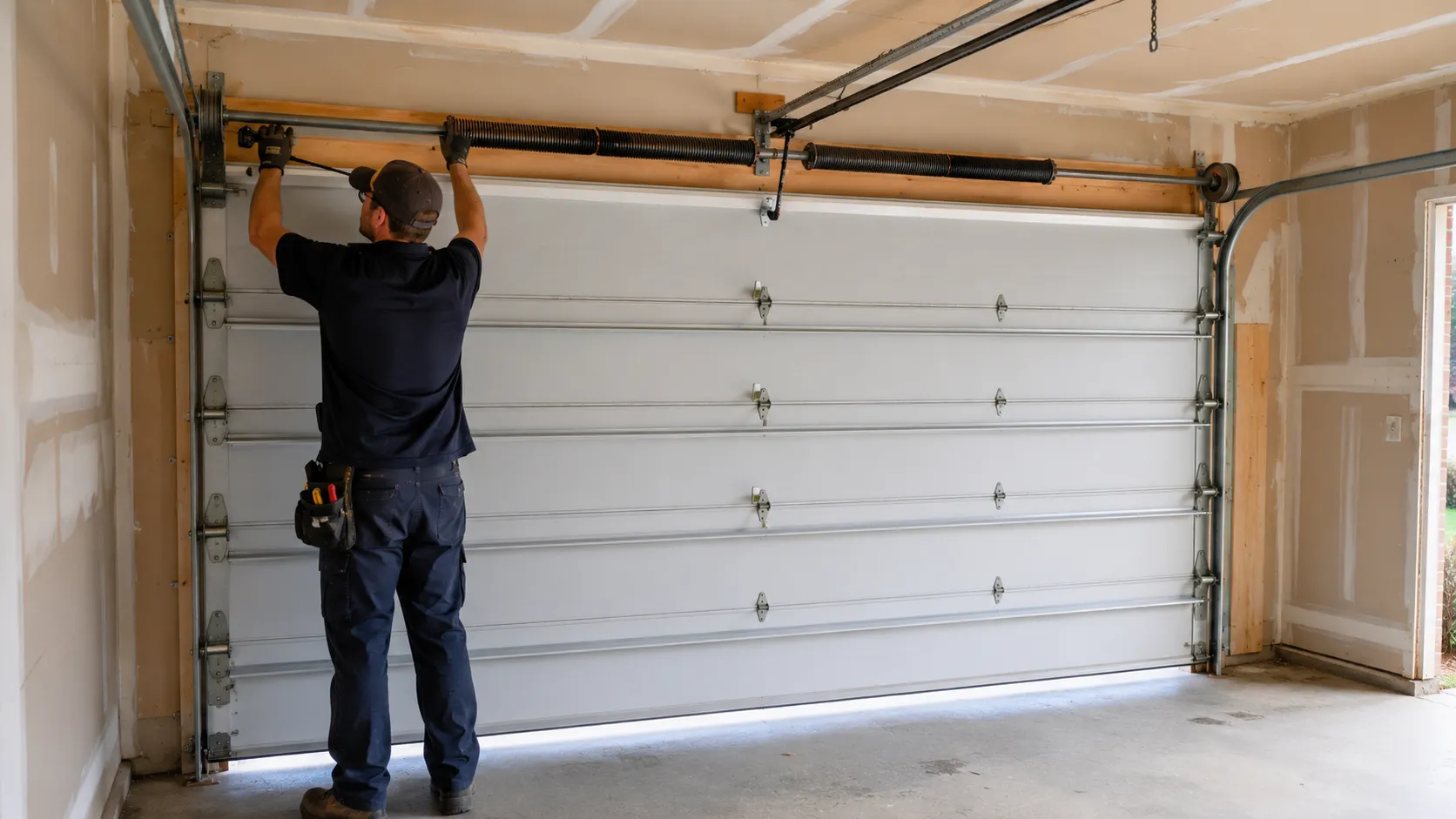
Where it stops being a DIY job is anything involving the spring side of a torsion setup, or a door old enough - and in Brook Park that's most of them - that the manufacturer no longer makes that panel profile. At that point you're either grinding down a close match to fit, which never looks right, or calling around for a piece cut from a compatible salvage door, which is exactly the kind of sourcing work most people would rather hand off.
Why It Happens Here
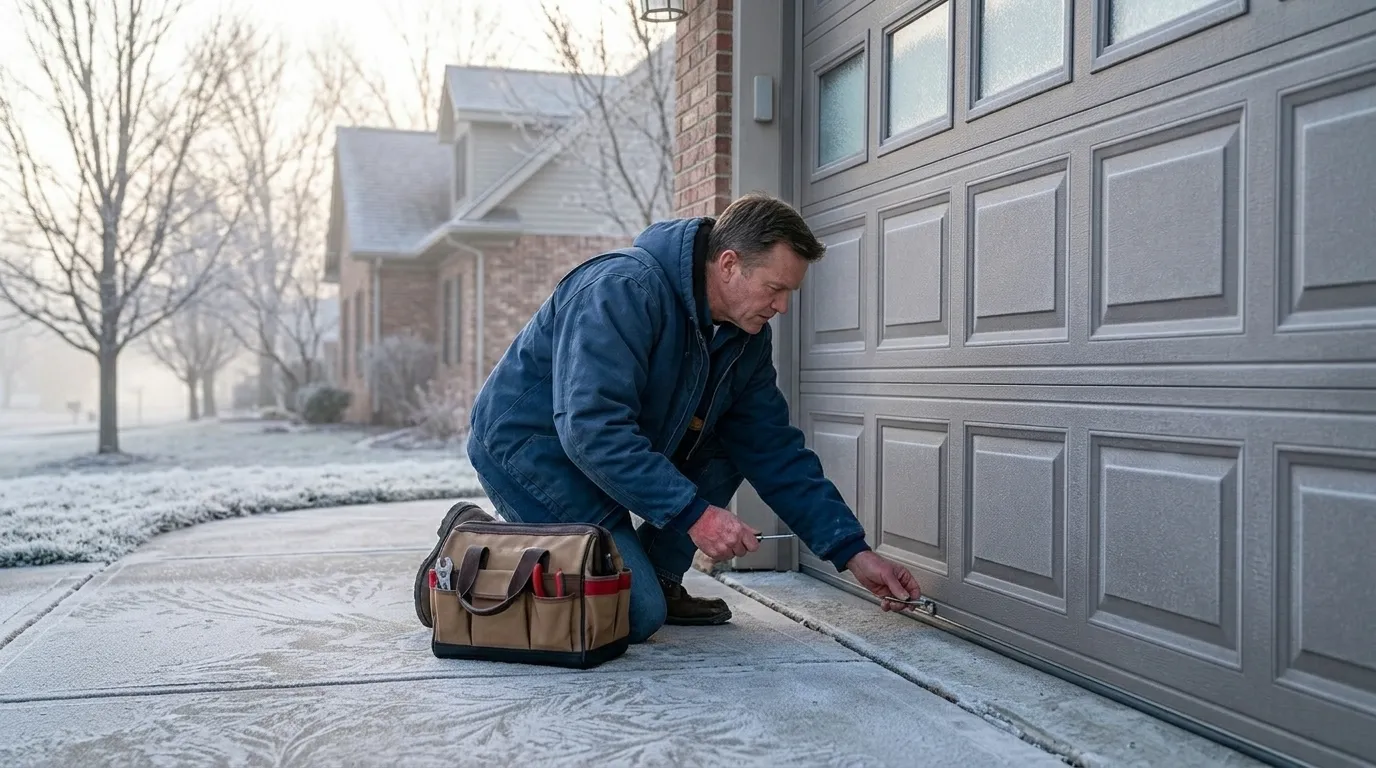
Brook Park's garages went up mostly in one stretch, centered on 1961, which puts the neighborhood squarely in the 1960s-70s wave that defines a lot of this part of the service area. Doors from that era were built for a climate that hasn't gotten any easier - this region sits in a cold, severe winter band, and steel panels that have absorbed sixty-some years of freeze-thaw cycling develop stress cracks at the seams long before they visibly fail.
That combination - older steel stock, a harsh winter pattern, and panel styles that have gone in and out of production more than once - is why panel damage in Brook Park skews toward matching problems rather than availability problems. The steel exists. Finding the exact rib count and screw spacing for a door installed when Kennedy was in office is the part that takes a phone call or two before the truck leaves Parma.