How It Shows Up
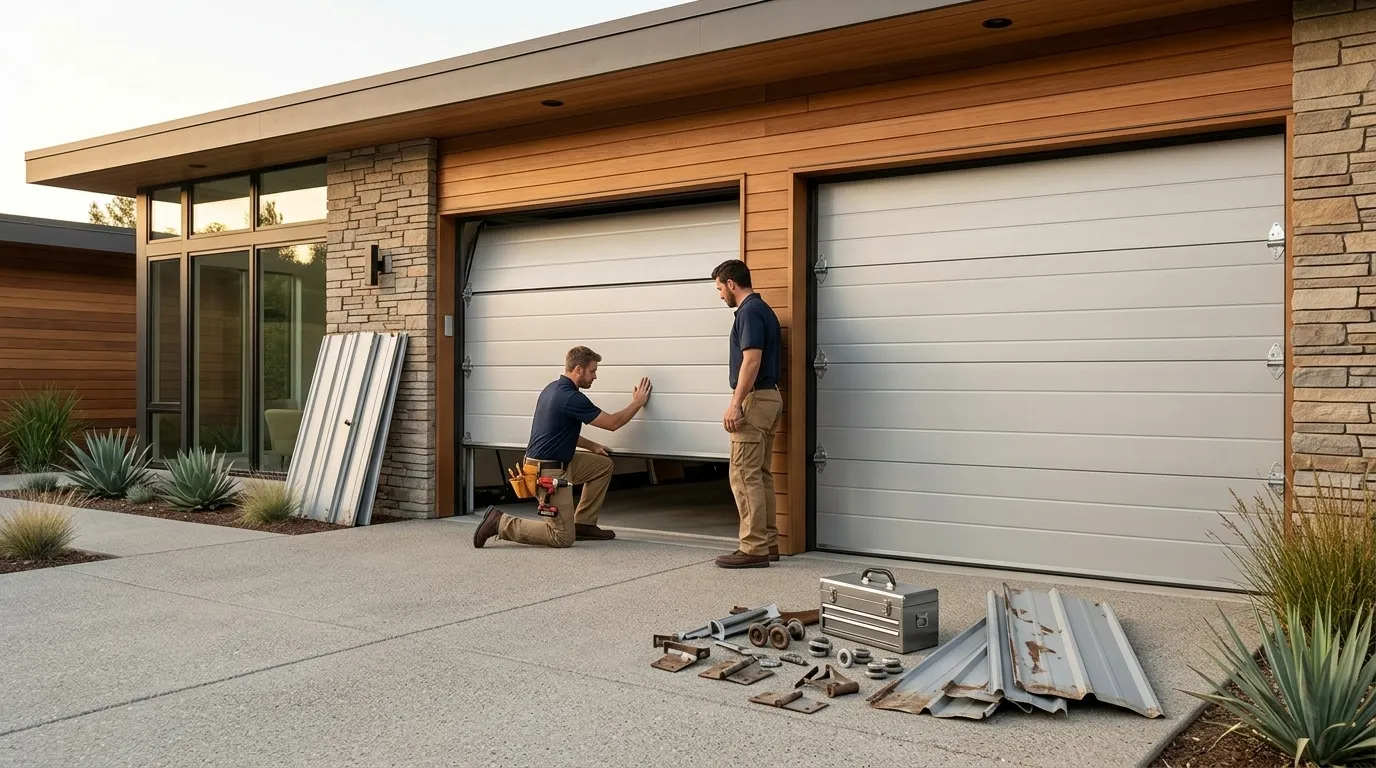
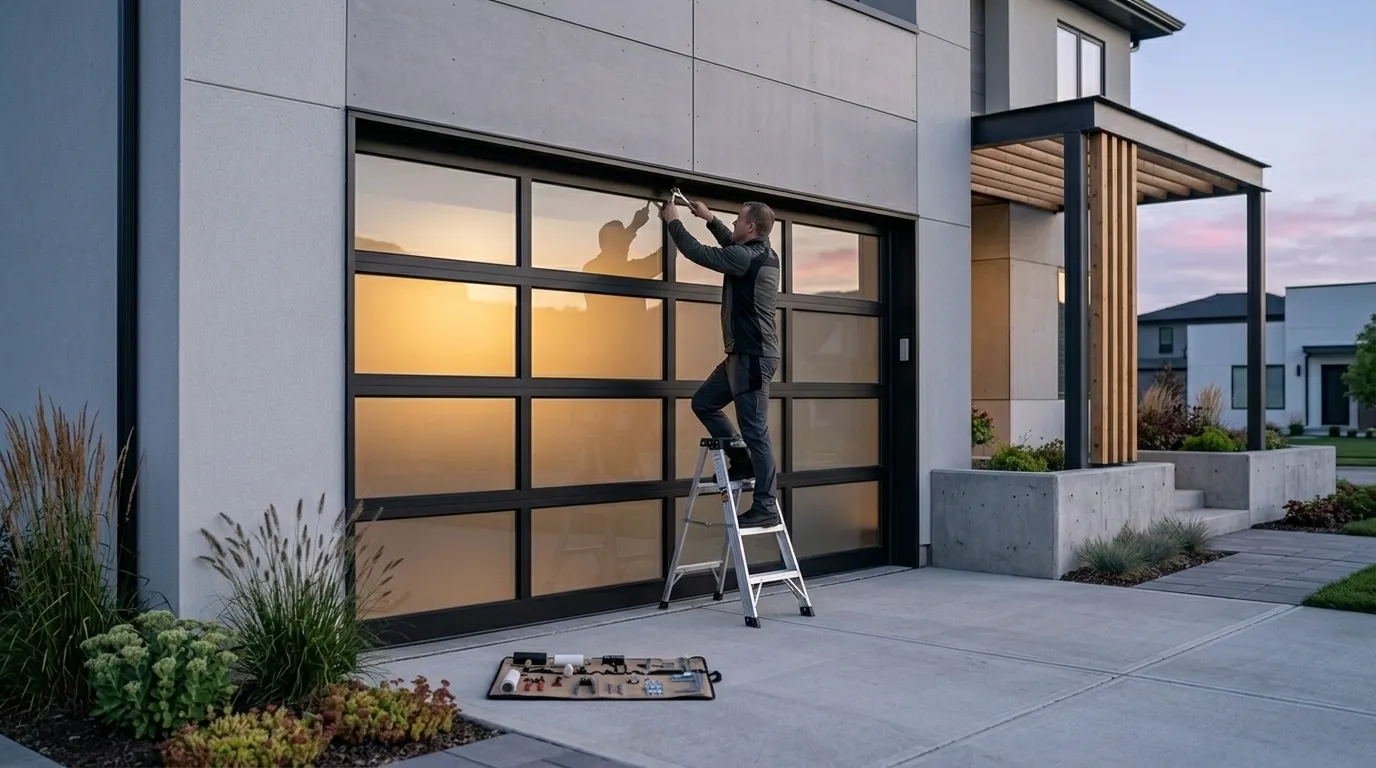
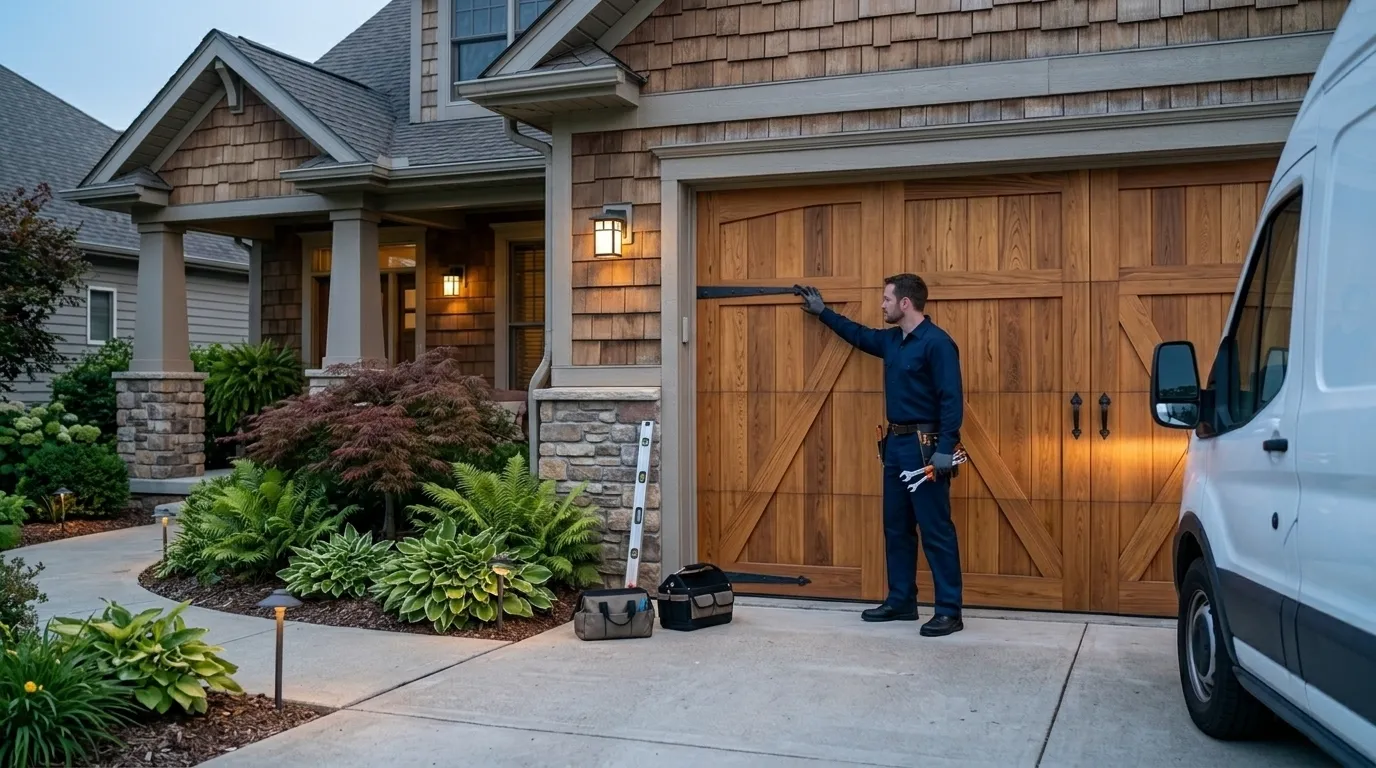
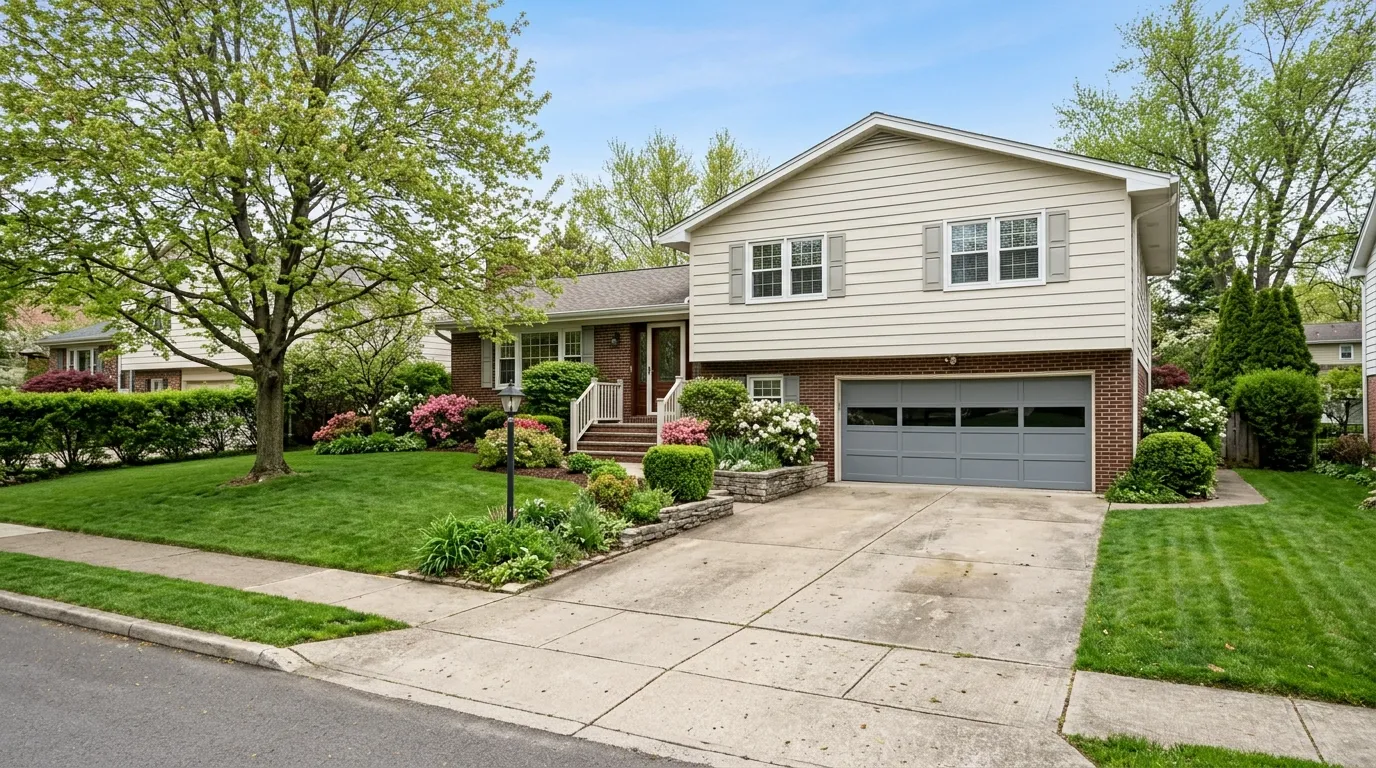
Brook Park sits about 5 miles from our Parma shop, and the houses here skew a little older than the median across the rest of the territory. Where the broader service area centers on homes built around 1966, Brook Park's stock leans closer to 1961 - not a huge gap on paper, but enough that it changes what's behind the drywall. A door installed in a house built in 1961 is more likely to have gone through at least one replacement cycle already, sometimes two, which means we're just as often pulling a 1990s steel door off 1961 track as we are working on anything original.
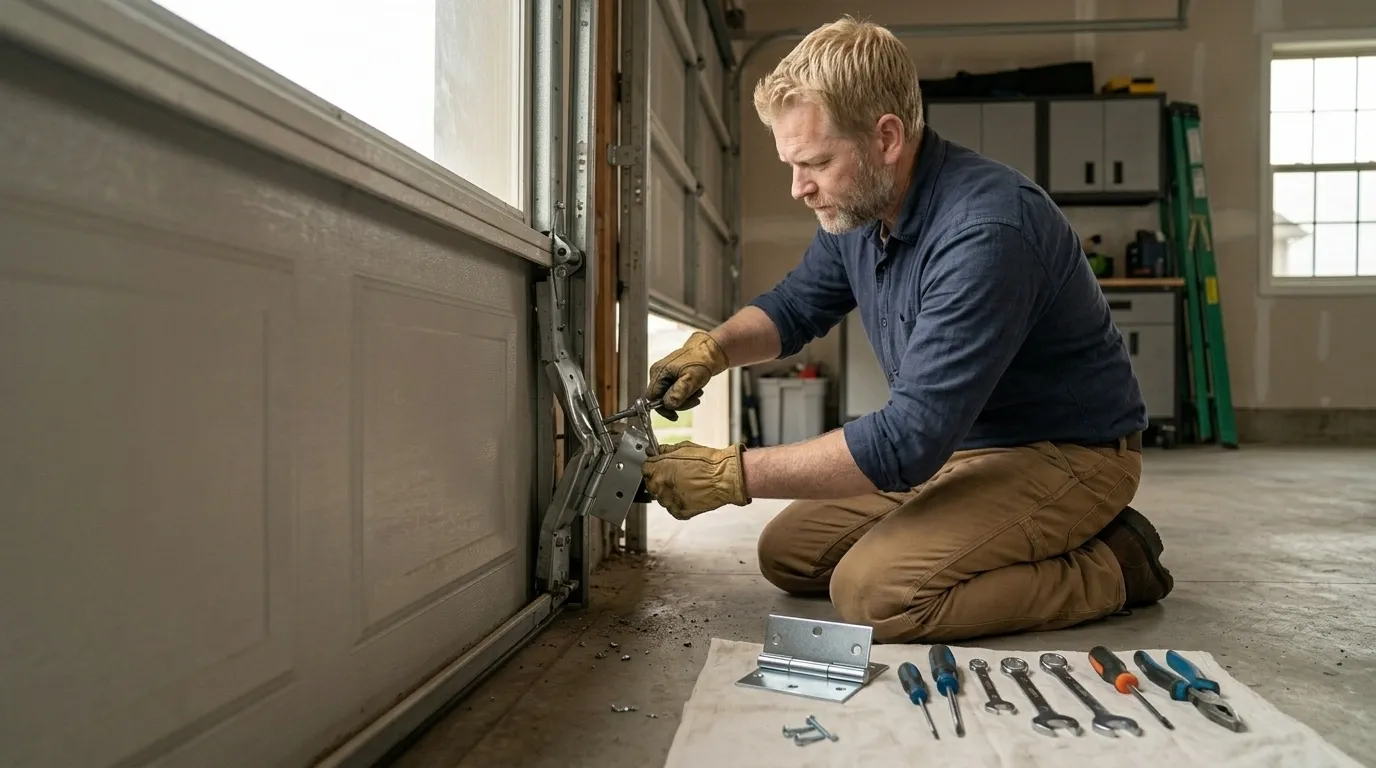
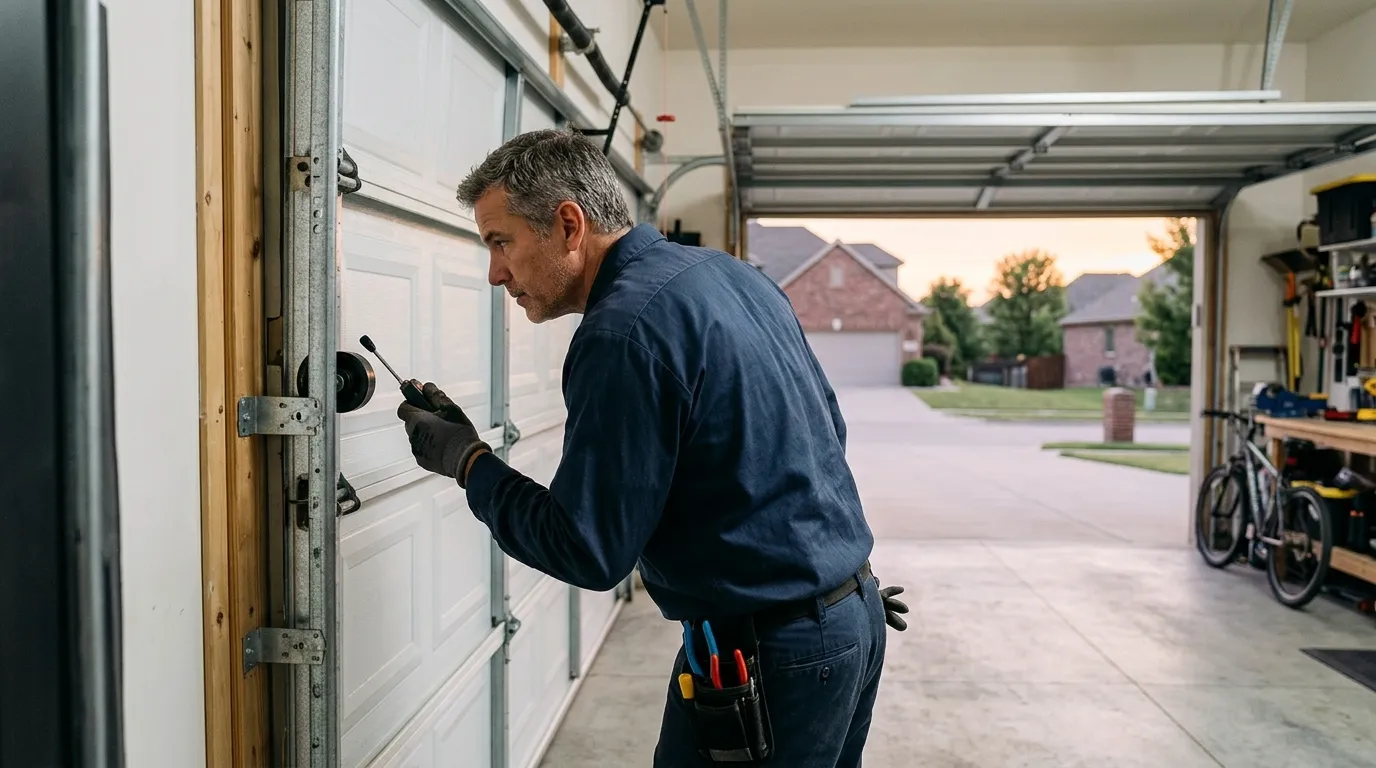
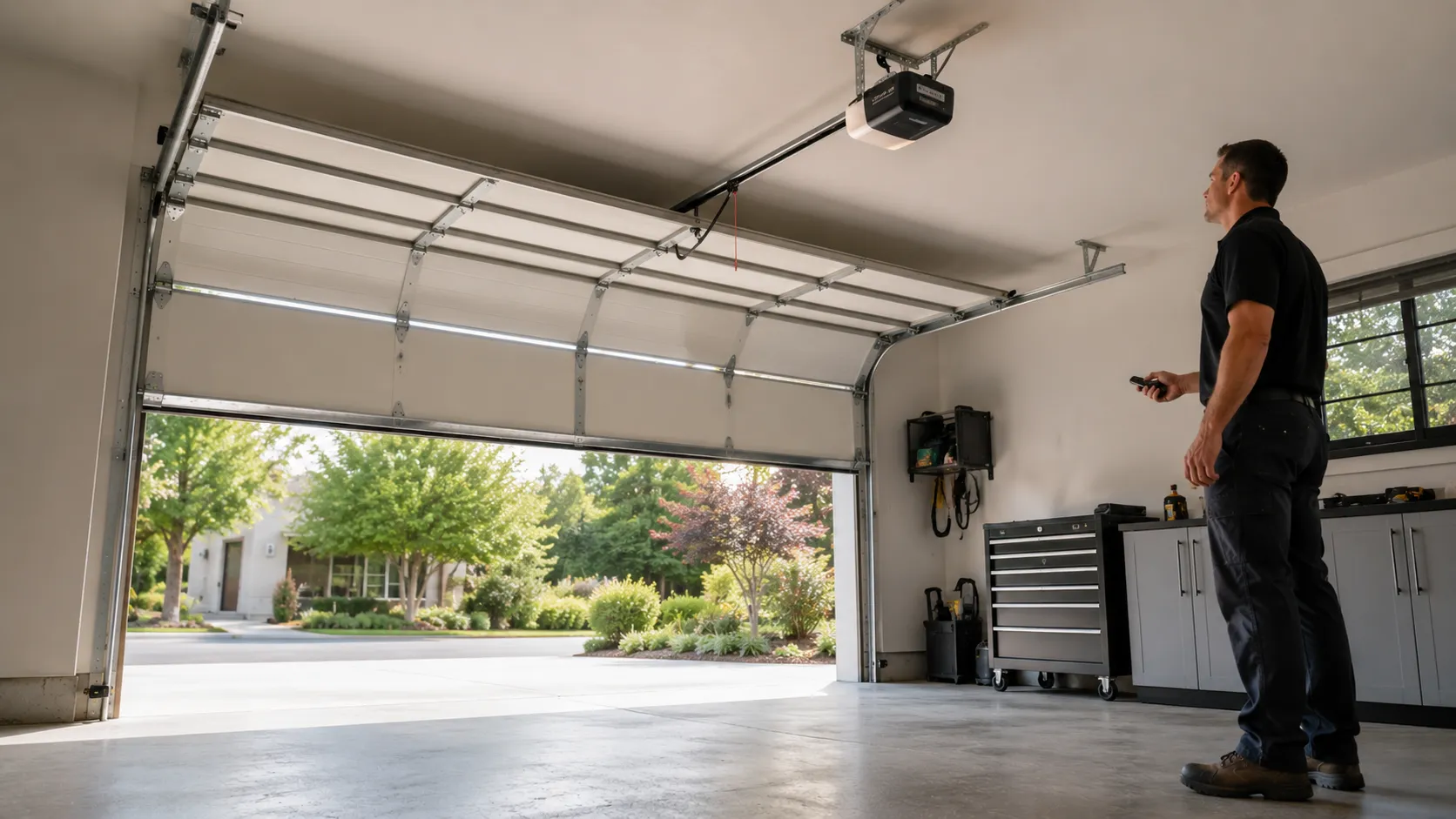
What that means for a call: openers with worn drive gears that were swapped in without upgrading the safety sensors that came later, torsion springs sized for a door that's since been replaced with a heavier insulated one, and track brackets lag-bolted into framing that's shifted over sixty-plus years. None of this is exotic. It's just older, and it means a five-minute look at the springs alone doesn't tell the whole story - we're checking hardware generations, not just wear.
The Cost of This Job
Brook Park's median household income sits at $67,178, noticeably below the $95,313 median across the rest of the service area we cover from Parma. That gap matters for how we talk about a job before we start it, not after. We don't publish a price list because spring size, opener age, and panel condition vary house to house, but we do try to be upfront early about whether a repair is worth doing versus when the door's age makes replacement the better math.
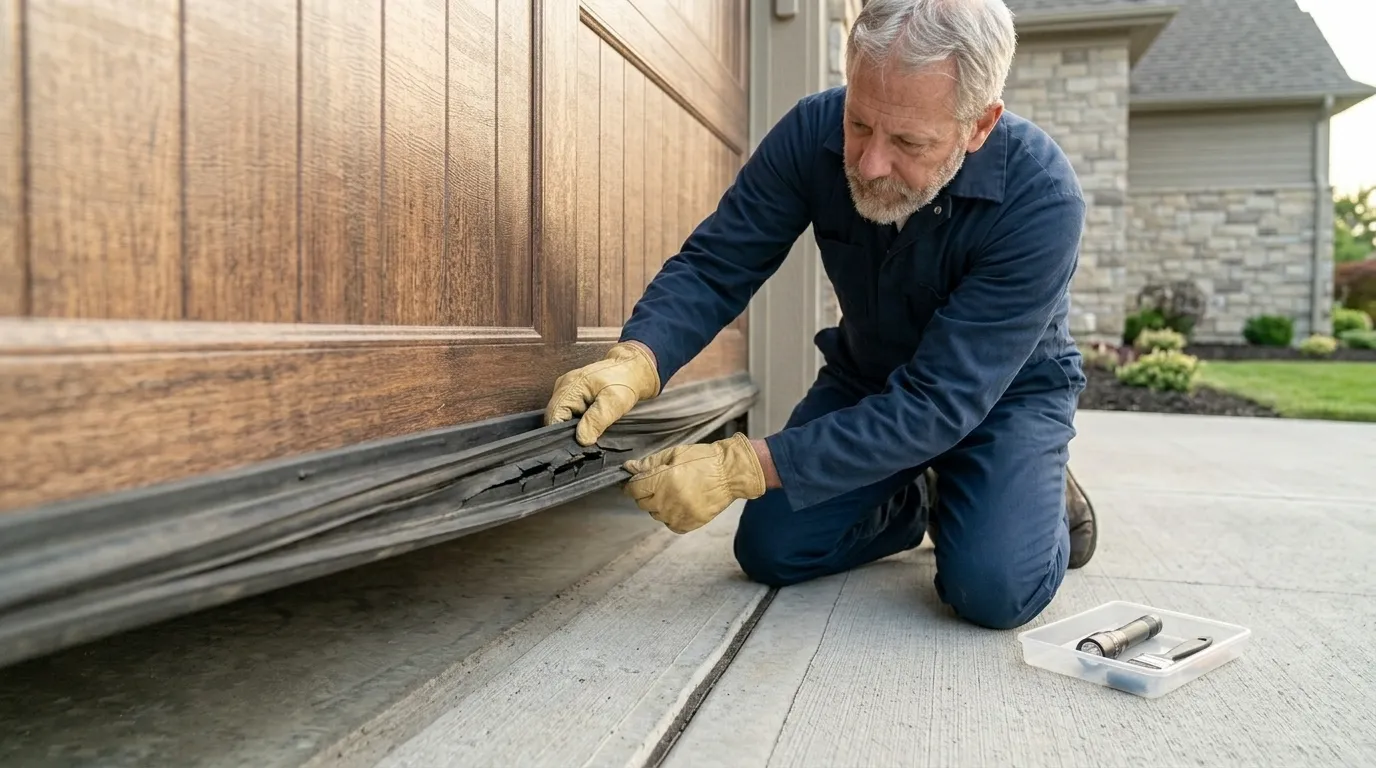
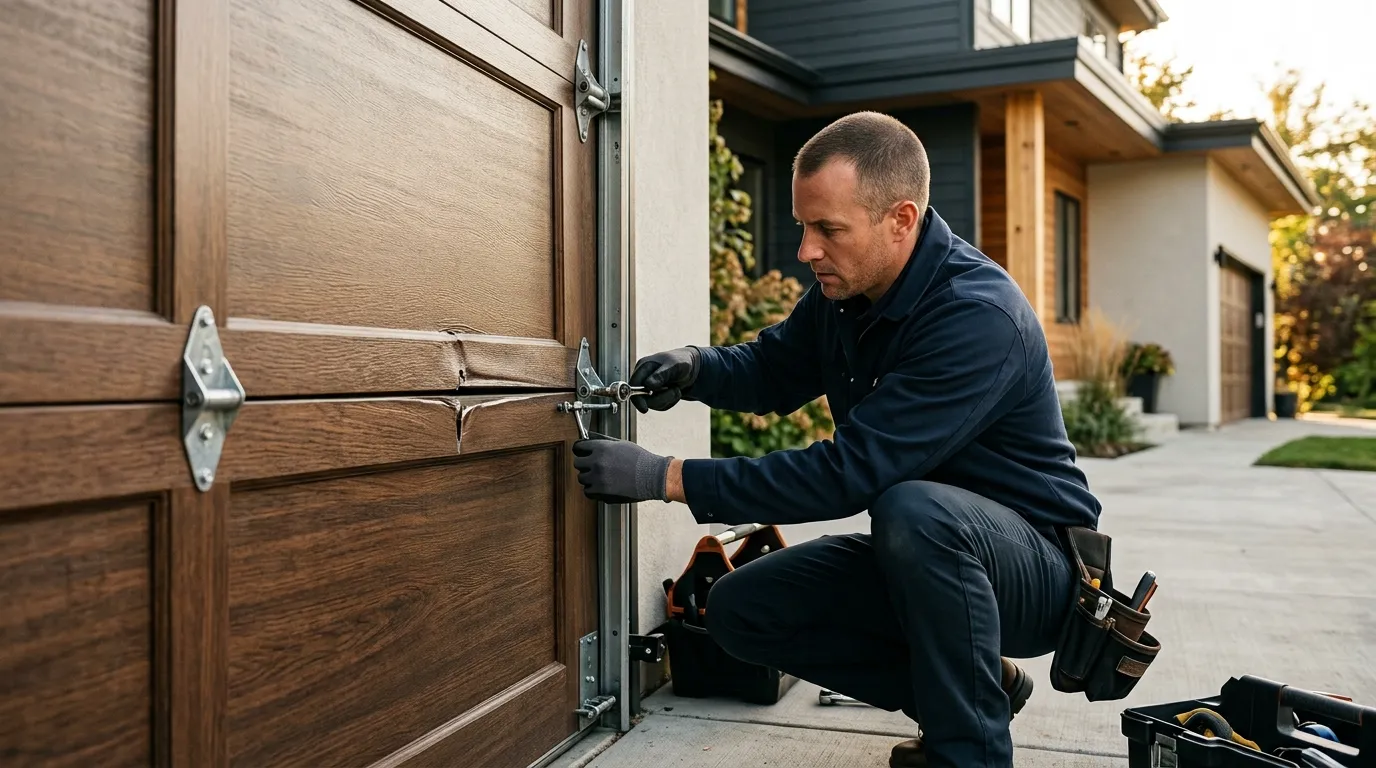
On a house with 1961-era bones, that conversation comes up more here than in newer pockets of the territory. A cracked panel on a door that's already had one replacement cycle is a different call than the same crack on a door installed five years ago. We'll tell you straight if a repair is a stopgap, and we'll tell you if it isn't worth the truck roll. That's the honest version of a cost conversation - not a number pulled out of thin air, but a read on what the job actually needs.
Doing It Yourself
Some things on a Brook Park door are fine to handle without a call: lubricating rollers and hinges, tightening loose bracket bolts you can see, clearing a photo-eye sensor that's dirty or knocked out of alignment. None of that requires touching a spring or the cable system.
What we don't recommend, on any door from this era, is loosening or adjusting a torsion spring yourself. These are wound under real tension, and on an older door where you don't know the exact spring generation or whether it's been swapped already, guessing at the winding bars is how people get hurt. If the door won't open, won't stay open, or the opener is grinding, that's a call - not a project.
Why It Happens Here
This service area sits in a cold-climate zone, and Brook Park's stock, built mostly in and around 1961, has been through six decades of Ohio winters on original or near-original garage structures. Concrete slabs heave slightly over that many freeze-thaw cycles, and a door that once sat square on its track can end up binding on one side after the slab settles half an inch. That's not a defect - it's just what sixty years of cold does to a garage floor.
Add in the household count here - a smaller base of roughly 7,991 households compared to the broader territory's 409,611 - and Brook Park doesn't get the newer-construction turnover that keeps door hardware current in some other pockets we cover. Older stock, same winters, same slab movement. That combination is why we see the same handful of failure patterns repeat here more than in newer sections of the territory.